Key Takeaways
- Match sake intensity to food intensity: delicate ginjo with light fish, bold junmai with grilled meats and strong cheeses
- Balance sweetness and spice: off-dry and sweet nigori sake tame capsaicin heat better than dry varieties
- Umami compounds in sake amplify umami in food, creating synergistic flavor depth with mushrooms, aged cheese, and fermented ingredients
- Temperature matters: serve chilled sake with raw and delicate dishes, warm sake with rich, savory, and grilled preparations
- Sake's lower acidity and higher amino acid content make it more versatile than wine for pairing with notoriously difficult foods like artichokes, asparagus, and chocolate
What Makes Sake Uniquely Suited for Food Pairing?
Sake possesses a distinct chemical composition that makes it exceptionally food-friendly compared to wine or beer. According to research published on PubMed, sake contains significantly higher levels of amino acids—particularly glutamic acid, which delivers umami flavor—than most fermented beverages. This umami content creates synergistic flavor amplification when paired with glutamate-rich foods like aged cheeses, tomatoes, mushrooms, and cured meats.
Sake's lower acidity (typically pH 4.3-4.7) compared to wine (pH 3.0-3.5) means it doesn't clash with delicate flavors or create metallic notes with certain vegetables. The Japan Sake and Shochu Makers Association notes that sake's balanced profile—moderate alcohol content (14-16% ABV), minimal tannins, and subtle carbonation in some styles—allows it to complement rather than overpower most dishes.
Related: Sake vs Wine Alcohol Content — Complete Comparison Guide
The brewing process itself contributes to pairing versatility. Rice polishing ratios, yeast strains, and fermentation temperatures produce an extraordinary range of flavor profiles within sake categories. A highly polished daiginjo might taste of pear, melon, and white flowers, while an unfiltered nigori offers creamy rice pudding notes with gentle sweetness. This diversity means there's a sake style for nearly every culinary tradition.
How Do You Match Sake Categories to Food Types?
Understanding sake classification is the foundation of successful pairing. The primary categories—junmai, honjozo, ginjo, daiginjo, and nigori—each have distinct characteristics that align with specific food profiles.
Junmai Sake: The Robust All-Rounder
Junmai sake, made from pure rice with no added alcohol, delivers full-bodied richness that stands up to intensely flavored dishes. Its earthy, rice-forward profile with higher acidity complements grilled meats, aged cheeses, and dishes with caramelized or charred elements. Tippsy Sake's pairing guides recommend junmai for yakitori, barbecue brisket, mushroom risotto, and mature cheddar.
The higher amino acid content in junmai amplifies umami in miso-based soups, fermented vegetables, and soy-glazed proteins. Serve junmai slightly warmed (45-50°C) with winter stews and braised dishes, or chilled (10-15°C) with summer grilled fare. Its versatility makes it the ideal "house sake" for diverse menus.
Ginjo and Daiginjo: Delicate Elegance
Ginjo sake, brewed from rice polished to at least 60% of its original size, exhibits floral, fruity aromatics and a clean, refined finish. Daiginjo, polished to 50% or less, takes this elegance further with ethereal fragrance and silky texture. These premium styles demand delicate pairings that won't mask their nuanced character.
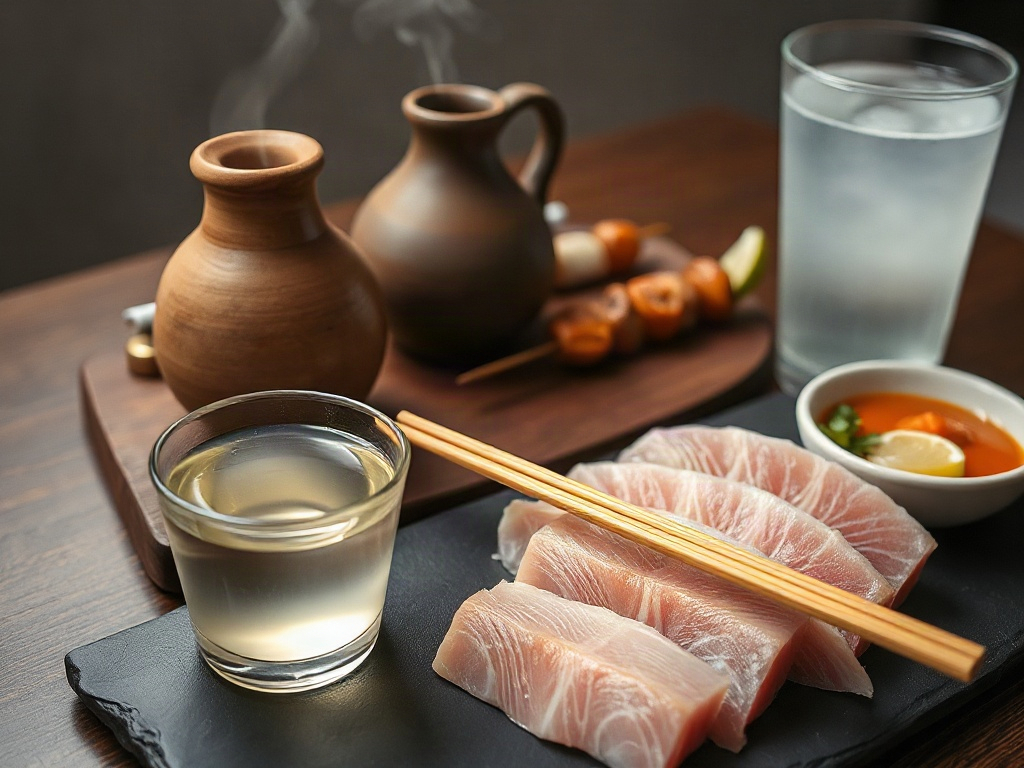
Pair ginjo and daiginjo with raw fish, particularly white-fleshed varieties like flounder, sea bream, and halibut. The sake's subtle apple and pear notes complement without overwhelming the fish's clean flavor. SakéOne's brewing education materials suggest these styles also work beautifully with oysters, scallop crudo, and lightly dressed salads. Always serve chilled (5-10°C) to preserve their delicate aromatics.
Nigori Sake: Sweet and Creamy
Nigori, or cloudy sake, remains unfiltered, retaining rice solids that create a creamy, slightly sweet profile with gentle effervescence. This style excels at taming spicy heat—the residual sugar and viscosity coat the palate and neutralize capsaicin burn more effectively than dry beverages.
Nigori is the go-to pairing for Thai curries, Sichuan hot pot, Korean kimchi stew, and Indian vindaloo. The sweetness also complements desserts: try nigori with fruit tarts, panna cotta, or white chocolate mousse. Its rich texture makes it a surprising match for creamy blue cheeses and foie gras.
Sparkling Sake: The Palate Cleanser
Sparkling sake, produced through secondary fermentation or carbonation injection, offers bright acidity and effervescence that cut through rich, fried, and fatty foods. The bubbles act as a palate cleanser, making sparkling sake ideal for tempura, fried chicken, french fries, and crispy pork belly.
Its refreshing quality also makes it an excellent aperitif and a versatile brunch companion. Pair with smoked salmon, eggs benedict, or fresh berries with cream. Serve well-chilled (4-8°C) in a champagne flute to showcase the bubbles.
What Temperature Should You Serve Sake for Optimal Pairing?
Temperature profoundly affects sake's aroma, flavor perception, and food compatibility. Unlike wine, which follows narrow temperature guidelines, sake's serving range spans from near-freezing to comfortably warm—each temperature unlocking different pairing opportunities.
| Temperature Range | Japanese Term | Best Sake Styles | Recommended Pairings |
|---|---|---|---|
| 5-10°C (Chilled) | Reishu | Ginjo, Daiginjo, Sparkling | Sashimi, oysters, salads, light appetizers |
| 15-20°C (Cool) | Suzuhie | Junmai, Honjozo | Grilled fish, steamed vegetables, mild cheeses |
| 30-35°C (Warm) | Nurukan | Junmai, Honjozo, Aged sake | Yakitori, oden, hot pot, braised meats |
| 45-50°C (Hot) | Atsukan | Robust Junmai, Futsu-shu | Winter stews, roasted duck, rich miso dishes |
Research from UC Davis's Global Tea Initiative on beverage temperature perception shows that warming sake softens acidity and amplifies savory, rice-forward characteristics while muting fruity esters. This makes warm sake perfect for umami-rich, fatty, and intensely seasoned dishes. Conversely, chilling emphasizes freshness, acidity, and delicate aromatics—ideal for raw and lightly seasoned preparations.
The key principle: match sake temperature to food temperature and richness. Hot sake with cold sashimi creates sensory discord, while chilled sake alongside steaming hot pot feels similarly mismatched. When in doubt, serve premium sake chilled and everyday sake at room temperature or gently warmed.
Which Non-Japanese Cuisines Pair Exceptionally Well with Sake?
Sake's pairing potential extends far beyond Japanese cuisine. Its unique chemical profile creates unexpected harmony with dishes from diverse culinary traditions that often challenge wine pairings.
French and Italian Cuisine
Rich, creamy French sauces find an ideal partner in sake's umami depth and moderate alcohol. Pair junmai or aged sake with coq au vin, beef bourguignon, or mushroom-heavy dishes like risotto ai funghi. The sake's amino acids amplify the savory depth of reduced stocks and wine-based sauces without the tannin clash you'd get from red wine.
For Italian cuisine, try ginjo with crudo and carpaccio, sparkling sake with fried calamari, and robust junmai with aged Parmigiano-Reggiano or Pecorino Romano. According to flavor chemistry research published in ScienceDirect, sake's glutamate content creates synergistic umami with aged cheeses, intensifying the savory perception in both the beverage and the food.
Mexican and Latin American Dishes
Nigori sake's gentle sweetness and creamy texture make it surprisingly compatible with Mexican cuisine's bold, spicy flavors. The residual sugar tames jalapeño and habanero heat in tacos, enchiladas, and ceviche. Try sparkling sake with fish tacos or aguachile—the effervescence cuts through lime acidity and cilantro's aromatic oils.
For Peruvian cuisine, daiginjo's delicate profile complements ceviche's citrus marinade without competing with the fresh fish. The sake's subtle sweetness balances aji amarillo pepper's fruity heat.
Indian and Southeast Asian Cuisine
Sake outperforms wine when pairing with the complex spice profiles of Indian curries and Thai cuisine. Nigori sake's sweetness neutralizes capsaicin while its rich texture stands up to coconut milk-based curries and creamy korma. The lower alcohol perception compared to wine prevents amplifying the burning sensation from chili peppers.
Pair off-dry junmai with Thai green curry, massaman curry, and Vietnamese pho. The sake's umami complements fish sauce, while its subtle sweetness balances lime, lemongrass, and galangal. Tippsy Sake recommends chilled ginjo with fresh spring rolls and papaya salad—the sake's clean finish refreshes the palate between bites of herbs and chili.
American Barbecue and Comfort Food
Sake's versatility shines with American comfort food. Pair robust, slightly warmed junmai with smoked brisket, pulled pork, and baby back ribs. The sake's body matches the meat's richness, while its acidity cuts through fatty mouthfeel and sweet barbecue sauce.
Related: What Is Nigori Sake — Cloudy Rice Wine Guide | WhichBrewForYou
For fried chicken, mac and cheese, and burger night, try sparkling sake or chilled honjozo. The carbonation and acidity cleanse the palate of grease, making each bite taste as fresh as the first. Nigori sake pairs surprisingly well with Southern pecan pie and bread pudding—its creamy sweetness complements without cloying.
How Do You Balance Umami, Sweetness, and Acidity in Sake Pairings?
Successful sake pairing relies on understanding three core flavor dimensions: umami, sweetness, and acidity. These elements must be balanced between the sake and the food to create harmony rather than conflict.
The Umami Principle
Umami—the savory, mouth-filling taste triggered by glutamate, inosinate, and guanylate—is sake's secret weapon. Amino acid analysis published in PubMed shows junmai sake contains 3-5 times more glutamic acid than wine, creating synergistic umami amplification when paired with glutamate-rich ingredients.
Foods high in umami—mushrooms, tomatoes, aged cheeses, soy sauce, miso, anchovies, and Parmesan—become more delicious when paired with junmai or aged sake. The combined glutamate content surpasses the sum of individual parts, creating what Japanese food scientists call "umami synergy." This explains why sake works so beautifully with dishes Westerners might consider challenging for wine: asparagus, artichokes, and fermented vegetables all contain high glutamate levels that harmonize with sake's amino acid profile.
Sweetness Balancing
Matching sweetness levels prevents either the food or the sake from tasting unpleasantly bitter or sour by comparison. The general rule: sake should be equal to or slightly sweeter than the dish.
Pair dry ginjo with unseasoned sashimi or simply grilled fish. Use off-dry junmai with teriyaki, glazed salmon, or dishes with subtle sweetness. Reserve sweet nigori for desserts, but ensure the sake is sweeter than the dessert itself—pairing dry sake with tiramisu makes the sake taste thin and acidic.
For spicy foods, sweetness serves a functional purpose beyond flavor harmony: residual sugar physically coats the tongue, reducing capsaicin's binding to pain receptors. This is why nigori sake tames Sichuan peppercorns and bird's eye chilies more effectively than bone-dry beverages.
Acidity Considerations
Sake's moderate acidity (lower than wine, higher than beer) gives it unique pairing flexibility. Higher-acid sake styles like yamahai and kimoto cut through fatty dishes—think pork belly, duck confit, or creamy pasta—without the astringency that wine tannins would add.
For dishes with vinegar, citrus, or tomato-based sauces, choose sake with sufficient acidity to match the food. A high-acid kimoto junmai complements ceviche, pickled vegetables, and tomato-based pasta sauces. Low-acid daiginjo, conversely, pairs poorly with acidic foods, tasting flat and lifeless by comparison.
What Are the Biggest Sake Pairing Mistakes to Avoid?
Even experienced sake enthusiasts make avoidable pairing errors. Understanding common pitfalls helps you create more successful matches.
Over-Chilling Premium Sake
Serving daiginjo or aged sake ice-cold (below 5°C) mutes its complex aromatics and nuanced flavors. The extreme cold numbs taste receptors and volatilizes fewer aromatic compounds, reducing your perception of the sake's quality. Premium sake should be chilled to 8-12°C—cool enough to be refreshing but warm enough to express character.
Pairing Delicate Sake with Overpowering Foods
Matching ethereal daiginjo with heavily spiced, smoked, or pungent dishes is like pairing Champagne with jalapeño poppers—the food overwhelms the beverage. Save premium ginjo and daiginjo for delicate preparations: sashimi, steamed fish, fresh oysters, and subtly seasoned vegetables. When serving bold, intensely flavored dishes, choose equally robust sake.
Ignoring Regional Pairing Traditions
Traditional sake-producing regions developed pairing customs over centuries based on local ingredients and climate. Niigata's clean, dry sake evolved alongside the region's fresh seafood. Kyoto's soft water produces delicate sake that complements kaiseki cuisine's refined flavors. While you shouldn't be bound by tradition, these regional pairings offer proven templates for success.
Treating All "Dry" Sake as Identical
The SMV (Sake Meter Value) measures sweetness/dryness but tells an incomplete story. A sake with +10 SMV (very dry) and high acidity tastes crisp and refreshing, while +10 SMV with low acidity can taste austere and harsh. Always consider acidity, amino acid content, and alcohol level alongside SMV when predicting pairing compatibility.
How Do You Build a Sake Pairing Menu for Events?
Designing a multi-course sake pairing menu requires thoughtful progression, temperature variation, and strategic flavor building. The Japan Sake and Shochu Makers Association recommends starting light and building toward richer flavors, with strategic palate cleansers between courses.
Aperitif: Set the Tone
Open with sparkling sake or chilled ginjo to awaken the palate without overwhelming it. The bright acidity and effervescence stimulate appetite and prepare taste buds for subsequent courses. Pair with light canapés: cucumber rounds with crème fraîche, smoked salmon blini, or simple edamame.
First Course: Delicate Foundations
Serve premium ginjo or daiginjo with raw or minimally cooked dishes. Sashimi, oysters, ceviche, or a light salad allow the sake's nuanced aromatics to shine. This course establishes the pairing's sophistication and sets expectations for the meal's progression.
Middle Courses: Building Intensity
Transition to junmai or honjozo as dishes become richer. Grilled fish, roasted chicken, or mushroom-based preparations provide enough flavor to stand up to the sake's increased body. Consider serving one sake at cool room temperature and another gently warmed to demonstrate temperature's impact on pairing.
Main Course: Bold Statements
Feature robust junmai, aged sake, or yamahai with the most intensely flavored course. Grilled wagyu, braised short ribs, aged cheese course, or wild game preparations demand sake with corresponding depth. Warm the sake to 35-40°C to amplify savory characteristics and create temperature harmony with hot dishes.
Dessert: Sweet Finish
Conclude with nigori sake or a dessert-style sake (kijoshu) paired with fruit-based or creamy desserts. The sake must be sweeter than the dessert to avoid tasting sour. Panna cotta, fruit tart, or white chocolate mousse work beautifully. Avoid intensely bitter chocolate or coffee desserts, which clash with sake's gentle profile.
Portion Control
Serve 60-90ml per sake pairing—enough to appreciate the match but not so much that alcohol accumulation dulls the palate. Provide water between courses and consider offering a palate-cleansing intermezzo (sorbet or pickled vegetables) midway through the menu.
People Also Ask About Sake and Food Pairing
Can you pair sake with chocolate?
Yes, but choose sake and chocolate carefully. Sweet nigori sake pairs well with white chocolate and milk chocolate, while aged koshu sake complements dark chocolate's bitter notes. Avoid pairing dry sake with chocolate—the bitterness clashes. Fruit-filled chocolates work best, as the fruit bridges the sake's fruity esters.
Does sake pair better than wine with sushi?
Sake generally pairs better with sushi because both share rice as a foundational ingredient, creating inherent harmony. Sake's umami content amplifies the fish's subtle flavors without overwhelming delicate textures. Wine's higher acidity can make raw fish taste metallic, though some high-acid white wines work with fatty fish like salmon.
What sake pairs with steak?
Robust junmai sake served slightly warm (30-35°C) pairs excellently with steak. The sake's body matches the meat's richness, while its umami amplifies the beef's savory depth. For heavily marbled wagyu, try aged sake or yamahai—their complex, earthy profiles complement the intense fat content without being overwhelmed.
Expert Verdict on Sake and Food Pairing
The best sake pairing strategy combines category knowledge with temperature flexibility and an understanding of flavor balance. Match delicate ginjo and daiginjo with raw and lightly prepared dishes served chilled. Choose robust junmai and aged sake for grilled, braised, and intensely flavored preparations served cool to warm. Reserve sweet nigori for spicy foods and desserts. Most importantly, remember that sake's unique amino acid profile and moderate acidity make it more versatile than wine for pairing with difficult ingredients like asparagus, artichokes, fermented foods, and complex spice blends. Experiment beyond Japanese cuisine—sake's chemistry creates unexpected harmony with French, Italian, Mexican, Indian, and American foods that challenge conventional wine pairing wisdom.
Article Summary: Best Sake and Food Pairings
- Sake's high glutamic acid content creates umami synergy with mushrooms, aged cheeses, fermented ingredients, and soy-based preparations
- Pair delicate ginjo and daiginjo chilled (5-10°C) with sashimi, oysters, and light appetizers; serve robust junmai warm (30-50°C) with grilled meats and rich stews
- Sweet nigori sake tames capsaicin heat in Thai, Indian, Mexican, and Sichuan cuisine more effectively than dry beverages
- Sake's lower acidity than wine makes it ideal for pairing with notoriously difficult foods like asparagus, artichokes, and vinegar-based dishes
- For multi-course pairing menus, progress from light ginjo through robust junmai to sweet nigori, varying temperature strategically to match dish temperature and intensity
Frequently Asked Questions About Sake Pairing
What is the easiest sake to pair with most foods?
Junmai sake is the most versatile and food-friendly category. Its balanced body, moderate acidity, and rich umami character complement everything from grilled meats to creamy pasta to aged cheeses. Serve it chilled with lighter fare or warmed with heartier dishes for maximum flexibility across cuisines.
How do you pair sake with cheese?
Match sake intensity to cheese intensity. Pair delicate fresh cheeses like chèvre with ginjo, semi-hard cheeses like Gruyère with junmai, and pungent blue cheeses or aged cheddar with robust aged sake. The sake's umami amplifies the cheese's savory depth, creating synergistic flavor enhancement.
Can you pair sake with spicy food?
Yes—sake often pairs better with spicy food than wine. Choose off-dry or sweet nigori sake; the residual sugar and creamy texture coat the palate and neutralize capsaicin burn. Avoid dry sake with very spicy dishes, as the alcohol can amplify the burning sensation.
Should you sip sake or drink it with food?
Sake is traditionally consumed with food rather than sipped alone. The beverage's umami and amino acid content enhance food flavors through synergistic interaction. While premium sake can be appreciated on its own, its true potential emerges when paired thoughtfully with complementary dishes.
What foods should you never pair with sake?
Avoid pairing sake with intensely bitter foods like unsweetened dark chocolate, raw coffee beans, or heavily charred preparations—the bitterness clashes with sake's gentle profile. Very acidic foods like straight lemon or vinegar also create discord. Heavy cream-based desserts can overwhelm delicate sake.
Does sake temperature affect food pairing?
Absolutely. Temperature dramatically alters sake's flavor profile and pairing compatibility. Chilled sake emphasizes freshness and pairs with raw and delicate foods. Warm sake amplifies savory, rice-forward notes and pairs with grilled, braised, and rich preparations. Always match sake temperature to food temperature for sensory harmony.
More Sake Articles
This article was produced by an automated research tool. Content is for informational purposes only and should not replace professional advice. Nothing here is medical advice, and it is not a substitute for it. Talk to a doctor about anything affecting your health. Product and resource links throughout this article are included for informational value based on relevance and quality. WhichBrewForYou has no affiliate relationship with any linked third-party site and receives no commission from any recommended products or brands. BellofattoBrews (coffee and tea) and Golden Hive Mead (mead kits and resources) are personal recommendations from this publication's founder and have no affiliation with WhichBrewForYou.