Key Takeaways
- Junmai sake contains only rice, water, koji mold, and yeast — absolutely no added alcohol or sugar.
- The rice polishing ratio for standard junmai has no minimum requirement, though premium versions use highly polished rice.
- Junmai sake typically has fuller body, more umami, and richer flavor than honjozo sake which contains added alcohol.
- According to the Japan Sake and Shochu Makers Association, junmai represents approximately 25% of all premium sake produced.
- Serving temperature dramatically affects junmai's flavor profile — it can be enjoyed chilled, room temperature, or warm.
What Makes Junmai Sake Different from Other Sake Types?
The defining characteristic of junmai sake is its ingredient purity. While many sake styles allow the addition of distilled alcohol (jozo alcohol) to lighten the body and enhance aromatics, junmai sake prohibits any additives beyond the four essential ingredients. This restriction creates a fundamentally different flavor profile.
Honjozo sake, the most common non-junmai style, contains up to 10% added brewer's alcohol by volume. This addition serves multiple purposes: it extracts flavor compounds from the rice lees, creates a lighter texture, and can improve shelf stability. Research published in the Journal of Bioscience and Bioengineering found that added alcohol significantly alters the volatile ester profile, reducing the perception of rice-derived umami while increasing floral aromatics.
Junmai sake, by contrast, delivers the complete spectrum of rice flavor — earthy, creamy, sometimes savory notes that speak directly to the quality and character of the rice variety used. The Japan Sake and Shochu Makers Association classifies junmai as "tokutei meishoshu" (special designation sake), the highest regulatory category.
How is Junmai Sake Brewed? The Traditional Process Explained
Junmai sake production follows a complex fermentation process called "multiple parallel fermentation," which is unique among alcoholic beverages. Unlike beer or wine, sake fermentation requires simultaneous conversion of starch to sugar and sugar to alcohol in the same vessel.
Rice Polishing and Preparation
Sake brewing begins with rice polishing (seimai). The outer layers of each grain contain proteins, fats, and minerals that can create off-flavors during fermentation. By milling away these layers, brewers expose the starchy core. Standard junmai sake has no minimum polishing requirement as of recent regulatory updates, though most producers polish to at least 70% remaining (removing 30% of the grain).
According to Tippsy Sake's educational resources, premium junmai daiginjo styles may polish rice down to 50% or even 23% remaining, creating exceptionally refined sake. After polishing, rice is washed, soaked to precise moisture targets, and steamed.
Koji Cultivation
Approximately 20-30% of the steamed rice is inoculated with koji spores (Aspergillus oryzae) in a warm, humid room called the koji-muro. Over 48 hours, the koji mold penetrates the rice grains and produces enzymes that break down starch into fermentable sugars. Koji production is the most critical step in determining final sake flavor, acidity, and sweetness levels.
Fermentation
The brewing team creates a yeast starter (shubo or moto) by combining koji rice, steamed rice, water, and yeast. This starter ferments for about two weeks. Next, they build the main mash (moromi) by adding additional koji rice, steamed rice, and water in three stages over four days — a technique called sandan-jikomi that prevents temperature shock.
The moromi ferments for 18-32 days at cool temperatures (10-15°C), during which koji enzymes continuously convert starch while yeast converts the resulting sugars to alcohol. This parallel process achieves alcohol levels of 15-20% without fortification — higher than wine can naturally reach.
| Fermentation Stage | Duration | Purpose |
|---|---|---|
| Koji cultivation | 48 hours | Enzyme production for starch conversion |
| Yeast starter (shubo) | 14 days | Build healthy yeast population |
| Main mash (moromi) | 18-32 days | Alcohol production and flavor development |
| Pressing and filtration | 1-3 days | Separate liquid sake from solids |
What are the Subcategories of Junmai Sake?
Japanese sake law recognizes several junmai subcategories based on rice polishing ratio and brewing methods. Understanding these distinctions helps consumers select sake appropriate to their preferences and occasions.
Junmai (Standard)
Base-level junmai sake with no minimum polishing requirement. It tends toward robust, full-bodied character with pronounced rice flavor, often featuring earthy, cereal, or lactic notes.
Related: Warm Sake vs Cold Sake — Best Serving Temps | WhichBrewForYou
Excellent for pairing with grilled fish, yakitori, and umami-rich foods.Junmai Ginjo
Rice polished to at least 60% remaining (40% removed). Ginjo-grade sake is brewed at lower temperatures over longer periods, creating more delicate aromatics. Junmai ginjo balances fruity esters with rice body, showing melon, apple, or berry notes alongside creamy texture. The SakéOne brewing team notes that ginjo fermentation temperatures typically stay below 12°C to preserve volatile aromatics.
Junmai Daiginjo
Rice polished to at least 50% remaining (50% removed). Daiginjo represents the pinnacle of sake craftsmanship — labor-intensive, expensive, and elegant. Junmai daiginjo showcases floral and fruit aromatics while maintaining enough body to feel substantial rather than thin. Common descriptors include apple blossom, white grape, honeydew, and steamed rice.
Tokubetsu Junmai (Special Junmai)
This designation indicates either rice polished to 60% or less, or special brewing methods such as traditional kimoto or yamahai yeast starter techniques. Tokubetsu junmai often delivers more complexity than standard junmai at a more accessible price than ginjo grades.
Why Does Rice Polishing Ratio Matter So Much?
The rice polishing ratio (seimaibuai) is the percentage of the grain remaining after milling. A 60% ratio means 40% was removed. Polishing ratio directly correlates with sake refinement, price, and flavor profile because the outer grain layers contain lipids and proteins that contribute heavier, sometimes rougher flavors.
Research published in the Journal of the Institute of Brewing found that proteins in the outer 30% of the rice grain can generate higher fusel alcohol levels during fermentation, creating harsh or solvent-like notes. By removing these compounds through polishing, brewers achieve cleaner fermentation and more aromatic sake.
However, excessive polishing isn't always superior. Some award-winning brewers deliberately use lower polishing ratios (70-80% remaining) to preserve desirable umami compounds and rice character. The trend toward "low-polish, high-quality" junmai reflects growing appreciation for terroir expression and rice variety distinction.
How Does Junmai Sake Taste Compared to Non-Junmai Styles?
Junmai sake typically presents a fuller body and more pronounced rice flavor than its honjozo counterparts. Tasting descriptors frequently include:
- Texture: Fuller, sometimes creamy or velvety mouthfeel
- Aroma: Steamed rice, lactic notes, mushroom, chestnut
- Palate: Umami-rich, grain-forward, sometimes nutty or earthy
- Finish: Longer, with more savory persistence than aromatic styles
- Acidity: Moderate to high, providing structure and food compatibility
According to Tippsy Sake's flavor profiling system, junmai sake scores higher on body and umami scales while honjozo scores higher on aromatic intensity and lightness. Neither is objectively better — the choice depends on food pairing context and personal preference.
Junmai's fuller body makes it exceptional for warming. Heating to 45-50°C (113-122°F) opens umami compounds and softens acidity, creating a comforting, almost brothy character perfect for cold weather or rich foods.
What is Kimoto and Yamahai Junmai Sake?
Beyond polishing ratio, fermentation method dramatically affects junmai character. Modern sake brewing uses pure yeast cultures added to the starter mash. Traditional methods — kimoto and yamahai — rely on wild lactic acid bacteria to acidify the starter naturally before yeast takes over.
Kimoto Method
Kimoto involves physically mashing the rice, koji, and water mixture with wooden poles in a process called "yama-oroshi." This labor-intensive technique encourages lactic acid bacteria growth while suppressing unwanted microorganisms. The resulting sake develops intense umami, earthy complexity, and sometimes gamey or mushroom-like notes. Kimoto junmai can age for decades, developing sherry-like oxidative characteristics.
Yamahai Method
Developed in the early 1900s, yamahai (short for "yama-oroshi haishi" meaning "discontinuation of yama-oroshi") eliminates the physical mashing while preserving the wild fermentation character. The result is similar to kimoto — rich, funky, complex — but slightly cleaner. The SakéOne brewing guide explains that yamahai fermentation takes longer and produces more amino acids and organic acids, contributing to savory depth.
Both styles pair exceptionally well with strong flavors: aged cheese, cured meats, fermented foods, and grilled dishes. They represent the opposite end of the spectrum from light, fruity daiginjo sake.
How Should You Serve and Store Junmai Sake?
Unlike wine, sake doesn't improve with extended bottle aging (with rare exceptions like koshu aged sake). Most junmai sake is best consumed within 6-12 months of bottling. Once opened, refrigerate and consume within one week for optimal freshness.
Serving Temperature
Junmai's versatility shines in its temperature range. The Japan Sake and Shochu Makers Association recognizes seven traditional temperature ranges:
- Reishu (5-10°C): Chilled service emphasizes crispness and subtle fruit
- Hiya (15°C): Cool room temperature balances aroma and body
- Jo-on (20°C): Room temperature opens mid-palate richness
- Nuru-kan (40°C): Warm service begins to reveal umami depth
- Atsu-kan (50°C): Hot service maximizes savory character and smoothness
Ginjo and daiginjo junmai are typically served chilled to preserve delicate aromatics. Standard junmai and yamahai/kimoto styles excel across the full temperature spectrum.
Glassware
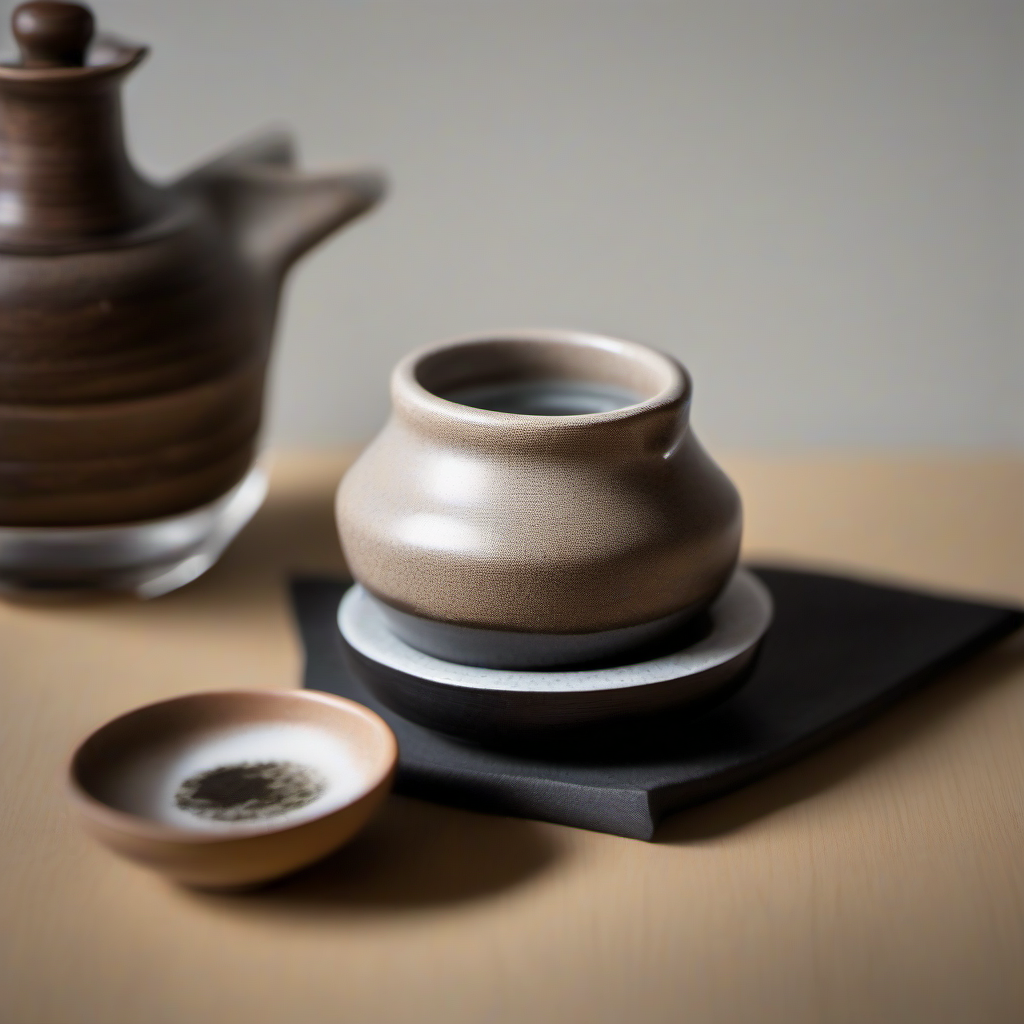
Traditional ochoko (small ceramic cups) and sakazuki (flat saucers) work well for warm sake. For chilled junmai ginjo or daiginjo, wine glasses concentrate aromatics better than traditional vessels. Some sake bars use Riedel's sake-specific stemware designed to deliver sake to the palate in optimal positions.
What Foods Pair Best with Junmai Sake?
Junmai sake's umami richness and moderate acidity make it one of the most food-friendly alcoholic beverages. Its lower alcohol content (typically 15-16% compared to wine's 12-14%) and lack of tannins allow it to complement rather than overwhelm subtle flavors.
Junmai sake pairs exceptionally well with umami-rich foods because matching umami levels creates harmony rather than competition. According to research published in Chemical Senses, glutamate compounds in sake and food create synergistic flavor enhancement.
| Junmai Style | Ideal Food Pairings | Why It Works |
|---|---|---|
| Standard Junmai | Grilled fish, yakitori, miso soup, tempura | Full body matches rich, savory flavors |
| Junmai Ginjo | Sashimi, steamed fish, mild cheeses, light pasta | Delicate aromatics complement subtle ingredients |
| Junmai Daiginjo | Raw oysters, white fish crudo, fresh vegetables | Refinement pairs with clean, pure flavors |
| Kimoto/Yamahai | Aged cheese, charcuterie, mushrooms, stews | Funky complexity matches bold, fermented foods |
Junmai also pairs beautifully with non-Japanese cuisines: fried chicken, risotto, cream-based pasta, soft cheeses, and roasted vegetables. Its acidity cuts through fat while its umami enhances savory dishes.
Related: Best Sake for Beginners to Try — Your Complete Guide
What Health Considerations Apply to Junmai Sake?
Junmai sake contains approximately 105-120 calories per 100ml (about 3.4 oz), similar to wine. Its alcohol content typically ranges from 15-16% ABV, though some genshu (undiluted) versions reach 18-20%. According to the Mayo Clinic, moderate alcohol consumption means up to one drink per day for women and two for men.
Sake contains trace amounts of amino acids, vitamins, and minerals from the rice and koji fermentation. Research published in the Journal of Agricultural and Food Chemistry identified over 100 flavor-active compounds in sake, including beneficial organic acids. However, these health benefits are minimal compared to the effects of alcohol itself.
Some individuals experience less severe hangovers from junmai sake compared to wine or spirits. This may relate to sake's low congener content — the flavor compounds and byproducts that contribute to hangover severity. A study in Alcoholism: Clinical and Experimental Research found that beverages with fewer congeners generally cause milder next-day symptoms.
Junmai sake is naturally gluten-free, as it's made entirely from rice. However, people with alcohol sensitivities should note that sake's smooth drinking quality can make it easy to consume more than intended.
People Also Ask About Junmai Sake
Is junmai sake the same as rice wine?
Yes, junmai sake is rice wine. It's made by fermenting rice rather than grapes, but the fermentation process produces alcohol levels similar to wine (15-16% ABV). The term "wine" accurately describes sake's production method and alcohol content.
Why is junmai sake more expensive than regular sake?
Junmai sake costs more because it contains only rice, water, koji, and yeast with no cheaper additives. Premium junmai also requires highly polished rice, which creates significant waste, and longer, more labor-intensive fermentation processes.
Can you drink junmai sake after it's been open for a week?
Yes, but quality declines. Refrigerated junmai sake remains drinkable for one week after opening, though aromatics fade and oxidation begins. Consume premium ginjo and daiginjo styles within 2-3 days for best experience.
Expert Verdict on Junmai Sake
Junmai sake represents the purest expression of rice wine craftsmanship, prioritizing ingredient quality and traditional technique over production efficiency. For consumers seeking authentic sake flavor with pronounced rice character and umami depth, junmai styles deliver superior food pairing versatility and cultural connection. While honjozo and other added-alcohol styles have their place, junmai's ingredient transparency and full-bodied profile make it the ideal starting point for serious sake exploration. Choose junmai ginjo or daiginjo for special occasions and delicate foods; select standard junmai or yamahai for everyday drinking and bold flavors. The slight premium in price reflects genuine quality differences worth experiencing.
Summary: Understanding Junmai Sake
- Junmai sake contains only rice, water, koji mold, and yeast — no added alcohol or additives
- The term "junmai" means "pure rice" and represents traditional sake brewing philosophy
- Subcategories (junmai, junmai ginjo, junmai daiginjo) are determined by rice polishing ratio and brewing techniques
- Junmai sake offers fuller body, more umami, and greater food pairing versatility than honjozo styles
- Serving temperature dramatically affects flavor — junmai can be enjoyed chilled, room temperature, or warmed to 50°C
Frequently Asked Questions
What does junmai mean in sake?
Junmai means "pure rice" in Japanese. It designates sake brewed from only rice, water, koji mold, and yeast, with no distilled alcohol or sugar additives. This legal classification ensures authentic, traditional sake brewing methods.
Is junmai sake better than honjozo sake?
Neither is objectively better — they're different styles. Junmai offers fuller body and more rice flavor, while honjozo is lighter and more aromatic due to added alcohol. Choose based on food pairing needs and personal preference.
Should junmai sake be served warm or cold?
Both. Standard junmai works beautifully warm (45-50°C), opening umami and smoothness. Junmai ginjo and daiginjo are typically served chilled (5-15°C) to preserve delicate aromatics. Temperature choice depends on specific sake style and season.
How long does junmai sake last after opening?
Refrigerated junmai sake remains good for one week after opening. Premium ginjo styles are best within 2-3 days. Unlike wine, sake doesn't improve with air exposure — aromatics and freshness decline once the bottle is opened.
What's the difference between junmai and junmai daiginjo?
Rice polishing ratio. Standard junmai has no minimum polishing requirement while junmai daiginjo requires rice polished to 50% or less remaining. Daiginjo is more refined, aromatic, and expensive due to labor-intensive production.
Can you cook with junmai sake?
Yes, but it's expensive for cooking. Use standard cooking sake (ryorishu) for marinades and sauces. Reserve premium junmai for drinking, as cooking destroys the subtle aromatics and refinement you're paying for in high-grade sake.
More Sake Articles
This article was produced by an automated research tool. Content is for informational purposes only and should not replace professional advice. Nothing here is medical advice, and it is not a substitute for it. Talk to a doctor about anything affecting your health. Product and resource links throughout this article are included for informational value based on relevance and quality. WhichBrewForYou has no affiliate relationship with any linked third-party site and receives no commission from any recommended products or brands. BellofattoBrews (coffee and tea) and Golden Hive Mead (mead kits and resources) are personal recommendations from this publication's founder and have no affiliation with WhichBrewForYou.