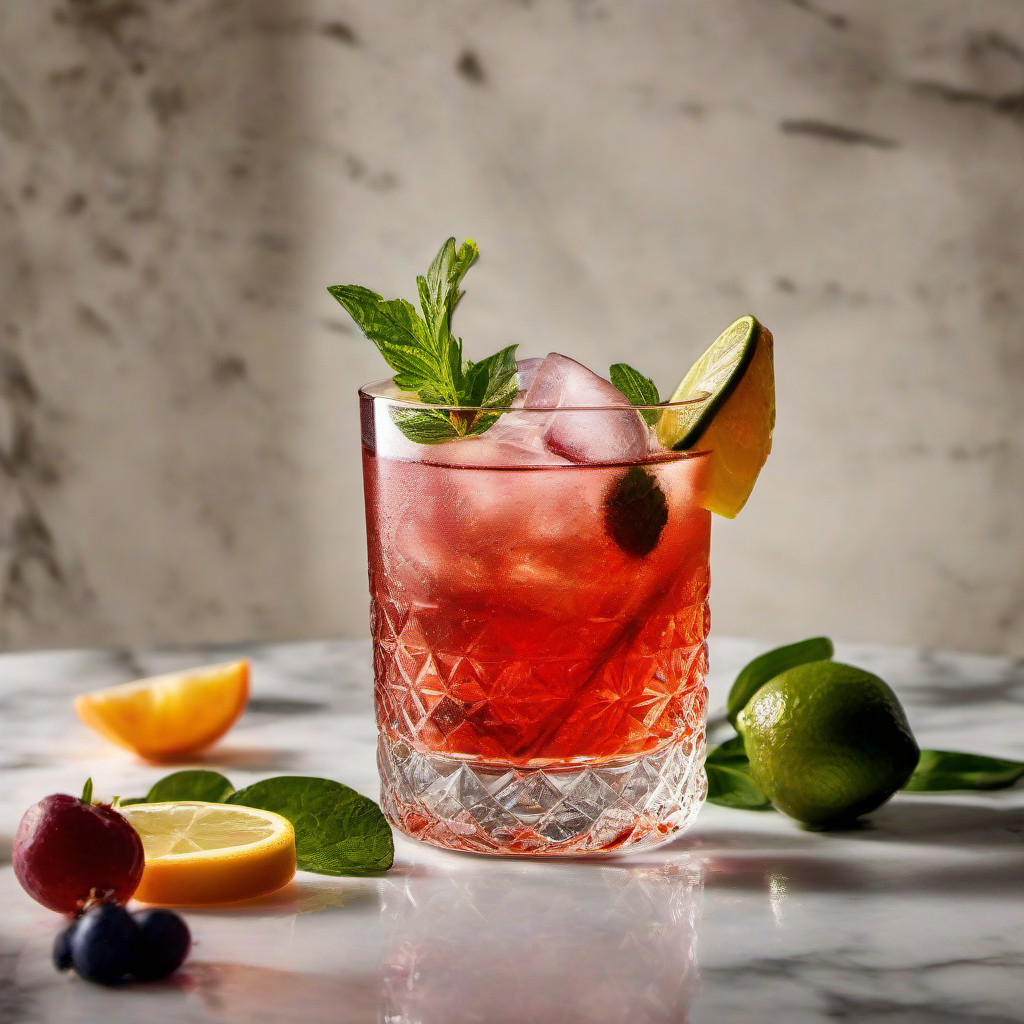
Key Takeaways
- Shrubs are fruit-vinegar syrups dating back to colonial America, designed to preserve fruit and add complexity to drinks
- The basic shrub ratio is 1:1:1 (fruit:sugar:vinegar), making them predictable and beginner-friendly
- Apple cider vinegar is the most versatile base for beginners, though champagne and red wine vinegars work for specific flavor profiles
- Shrub cocktails balance sweet, sour, and bitter elements naturally, reducing the need for multiple mixers
- Pre-made shrubs from brands like Pok Pok Som offer immediate entry points while you learn to craft your own
- One shrub base can create 10-15 cocktails, making them economical for home bartenders
What Are Shrub Cocktails and Why Are They Perfect for Beginners?
Shrub cocktails represent one of the oldest forms of mixology, tracing their roots to 15th-century England and later colonial American taverns where fruit preservation was essential. A shrub is fundamentally a drinking vinegar—a syrup made by macerating fruit with sugar and vinegar to create a concentrated, shelf-stable mixer. According to chef Rick Bayless, who has extensively documented traditional American drinking culture, shrubs served dual purposes: preserving summer harvests and creating complex flavors in an era before commercial refrigeration.
For beginners, shrub cocktails offer several distinct advantages over traditional mixed drinks. The acidity from vinegar naturally balances sweetness without requiring the precise measurements that classic cocktails demand. A 2017 study published in the Journal of Food Science found that acetic acid—the primary component of vinegar—enhances flavor perception and reduces the need for added salt or sugar in beverages. This means your cocktails taste balanced even with slight measurement variations.
The equipment requirements are minimal: you need only mason jars, a fine-mesh strainer, and basic bar tools you likely already own. Unlike complex cocktails requiring multiple liqueurs, bitters, and garnishes, shrub drinks typically combine just three elements: the shrub, a spirit, and a mixer (usually sparkling water). This simplicity reduces both cost and intimidation factor for home bartenders just starting their mixology journey.
How Do You Make a Basic Shrub Syrup?
Creating your first shrub follows a straightforward cold-process method that requires no cooking and produces consistent results. The foundational ratio is 1:1:1 by weight—equal parts fruit, sugar, and vinegar. This ratio comes from Shrub & Co, a Portland-based drinking vinegar company that standardized the formula for home preparation.
Cold-Process Shrub Method (Beginner-Recommended)
- Macerate the fruit: Combine 2 cups chopped fresh fruit (strawberries, peaches, raspberries, or blackberries work best for beginners) with 1 cup granulated sugar in a mason jar. Muddle gently with a wooden spoon. Seal and refrigerate for 24-48 hours until the fruit releases its juices and the mixture becomes syrupy.
- Strain: Pour the fruit-sugar mixture through a fine-mesh strainer into a clean jar, pressing the solids to extract maximum liquid. Discard the fruit pulp or save it for yogurt toppings.
- Add vinegar: Measure the amount of fruit syrup you extracted. Add an equal amount of apple cider vinegar (for most fruits) or champagne vinegar (for delicate berries). Stir thoroughly.
- Age: Seal the jar and refrigerate for 3-7 days. Taste daily—the longer it sits, the more the vinegar mellows and integrates with the fruit flavors.
- Store: Properly sealed shrubs last 4-6 weeks refrigerated. The vinegar acts as a natural preservative.
The cold-process method preserves more volatile fruit aromatics compared to heat-based methods. Research from the International Journal of Food Science & Technology demonstrates that heating fruit above 60°C (140°F) degrades anthocyanins—the compounds responsible for berry color and some flavor notes—by up to 40%. Cold maceration maintains these delicate compounds.
Quick Vinegar Selection Guide
| Vinegar Type | Best For | Flavor Profile | Beginner-Friendly |
|---|---|---|---|
| Apple Cider Vinegar | Stone fruits, apples, pears | Fruity, mellow, slightly sweet | Yes |
| Champagne Vinegar | Berries, citrus | Light, delicate, crisp | Yes |
| Red Wine Vinegar | Cherries, plums, figs | Robust, tannic, bold | Moderate |
| White Wine Vinegar | Melon, cucumber, herbs | Clean, sharp, neutral | Yes |
| Rice Vinegar | Tropical fruits, ginger | Mild, slightly sweet | Yes |
What Are the Easiest Shrub Cocktail Recipes for First-Timers?
Once you've created your base shrub, building cocktails follows a simple template: 1 oz shrub + 2 oz spirit + 3-4 oz mixer. This 1:2:3 ratio creates balanced drinks regardless of which specific shrub or spirit you choose. The beauty of shrub cocktails is their inherent forgiveness—the vinegar naturally corrects overly sweet or flat-tasting drinks.
Recipe 1: Strawberry-Basil Shrub Gin Fizz
Ingredients:
- 1 oz strawberry-basil shrub (strawberry shrub with 4-5 fresh basil leaves added during maceration)
- 2 oz London dry gin
- 3 oz sparkling water
- Ice
- Fresh basil leaf for garnish
Instructions: Fill a highball glass with ice. Add shrub and gin, stir for 5 seconds. Top with sparkling water. Gently stir once. Garnish with basil leaf slapped between your palms to release aromatics.
Why it works: Gin's botanical profile complements both strawberry sweetness and basil's herbal notes. The juniper in gin echoes the vinegar's sharpness, creating a cohesive flavor arc from first sip to finish.
Recipe 2: Peach Shrub Bourbon Sour
Ingredients:
- 1 oz peach shrub
- 2 oz bourbon
- 0.5 oz fresh lemon juice
- 2 oz sparkling water
- Ice
- Peach slice for garnish
Instructions: Combine shrub, bourbon, and lemon juice in a shaker with ice. Shake for 10 seconds. Strain into a rocks glass over fresh ice. Top with sparkling water. Garnish with peach slice.
Why it works: Bourbon's vanilla and caramel notes amplify peach's natural sweetness, while the shrub's acidity replaces simple syrup in a traditional whiskey sour. According to the Distilled Spirits Council, bourbon's oak-aging contributes lactones that chemically harmonize with stone fruit esters.
Recipe 3: Blackberry Shrub Vodka Spritz
Ingredients:
- 1 oz blackberry shrub
- 1.5 oz vodka
- 4 oz sparkling rosé wine
- Ice
- 3 fresh blackberries for garnish
Instructions: Fill a wine glass with ice. Add shrub and vodka, stir briefly. Top with sparkling rosé. Drop in blackberries.
Why it works: This low-alcohol option (approximately 8% ABV) works for afternoon gatherings. Rosé's berry notes reinforce the blackberry shrub, while vodka adds body without competing flavors. The Wine Institute notes that rosé's phenolic compounds enhance berry perception through synergistic flavor amplification.
Recipe 4: Apple-Cinnamon Shrub Hot Toddy
Ingredients:
- 1 oz apple-cinnamon shrub (apple shrub with 1 cinnamon stick added during aging)
- 2 oz rye whiskey or brandy
- 4 oz hot water
- Cinnamon stick for garnish
Instructions: Combine shrub and whiskey in a heat-safe mug. Top with hot water (not boiling—aim for 160°F to preserve shrub aromatics). Stir. Garnish with cinnamon stick.
Why it works: Shrubs aren't just for cold drinks. Heat activates cinnamon's volatile oils, while the vinegar cuts through whiskey's heat. A 2014 study in Food Chemistry found that mild heating (below 70°C) actually enhances cinnamaldehyde perception in acidic solutions.
How Do Shrub Cocktails Compare to Traditional Mixed Drinks?
Shrub cocktails occupy a unique position in the cocktail spectrum, bridging classic sour-style drinks and modern craft mixology. The primary distinction lies in their acid source—vinegar instead of citrus—which creates fundamentally different flavor dynamics and practical advantages.
Flavor Complexity
Traditional citrus-based cocktails rely on citric and ascorbic acids for tartness, which provide bright, immediate acidity but little depth. Shrubs use acetic acid, which according to research in Food Research International, stimulates different taste receptors and creates a longer finish on the palate. Acetic acid also enhances umami perception, adding savory undertones that pure citrus cannot achieve.
Where a gin and tonic delivers refreshing simplicity, a gin shrub fizz offers layers: initial fruit sweetness, mid-palate tartness, and a lingering vinegar finish that cleanses the palate. This complexity comes from a single ingredient—the shrub—rather than multiple liqueurs and bitters.
Shelf Stability and Convenience
Fresh citrus juice degrades rapidly. Research published in the Journal of Agricultural and Food Chemistry shows that lemon juice loses approximately 30% of its vitamin C and volatile compounds within 24 hours of juicing, even when refrigerated. Shrubs, conversely, improve with age for the first week and remain stable for 4-6 weeks, making them ideal for casual home bartenders who don't mix drinks daily.
Sugar Content
While shrubs contain sugar, the vinegar allows you to use less overall sweetener compared to traditional cocktails. A classic margarita requires both simple syrup and triple sec—roughly 20-25g of sugar per drink. A shrub cocktail using the 1:2:3 ratio contains approximately 10-12g of sugar per serving, a 50% reduction. For those monitoring sugar intake, this difference is meaningful without sacrificing flavor satisfaction.
What Common Mistakes Should Beginners Avoid When Making Shrub Cocktails?
Even with shrubs' forgiving nature, several pitfalls can derail beginners. Understanding these errors before your first attempt saves ingredients and frustration.
Mistake 1: Using Distilled White Vinegar
Distilled white vinegar—the type used for cleaning—contains only acetic acid and water with no flavor complexity. It creates harsh, one-dimensional shrubs. Always choose vinegars with secondary flavor compounds: apple cider, wine, champagne, or rice vinegars. The Vermont Village organic apple cider vinegar is a beginner-friendly option that balances acidity with subtle apple notes.
Mistake 2: Over-Macerating Fruit
Leaving fruit in sugar for more than 48 hours extracts bitter compounds from seeds and skins. Berries particularly suffer—after 72 hours, raspberry and blackberry seeds release astringent tannins that overpower the drink. Set a timer and strain promptly at the 24-48 hour mark.
Mistake 3: Adding Shrub to Hot Liquids Above 180°F
Boiling water or very hot mixers volatilize the delicate fruit aromatics you spent days developing. If making hot shrub cocktails, keep liquid temperatures between 140-160°F—hot enough to drink comfortably but cool enough to preserve flavor compounds.
Mistake 4: Ignoring Dilution
Shrubs are concentrated syrups requiring dilution. Drinking them straight or in undiluted spirits creates an unpleasant vinegar burn. Always follow the 1:2:3 ratio minimum, or adjust upward if you find the drink too tart. Adding ice also provides gradual dilution as you drink, mellowing intensity.
Mistake 5: Choosing Incompatible Spirit-Fruit Pairings
Not all spirits work with all fruits. Heavily peated Scotch overwhelms delicate berry shrubs. Light rum disappears under bold cherry shrubs. Use this pairing framework:
- Berries: Gin, vodka, light rum, champagne
- Stone fruits (peach, plum, apricot): Bourbon, brandy, dark rum
- Citrus: Tequila, mezcal, gin, vodka
- Apples and pears: Rye whiskey, calvados, bourbon
- Tropical fruits: White rum, silver tequila, vodka
Can You Use Store-Bought Shrubs Instead of Making Your Own?
Absolutely. Commercial shrubs offer immediate entry into shrub cocktails without the 3-7 day wait for homemade versions to mature. Several artisan producers craft exceptional drinking vinegars that rival homemade quality and provide flavor combinations difficult to achieve at home.
Pok Pok Som, created by chef Andy Ricker, produces Thai-inspired drinking vinegars using ingredients like tamarind, honey, and pineapple. Their Som blends combine fruit, sugar, vinegar, and Southeast Asian aromatics in ratios perfected through professional recipe development. For beginners uncertain about flavor balance, these provide a reference point—you can taste a professionally crafted shrub before attempting your own variations.
Shrub & Co focuses on Pacific Northwest fruits—marionberries, huckleberries, and wild blackberries—paired with organic vinegars. Their educational website includes cocktail recipes designed specifically for their shrubs, removing the guesswork from mixing.
Store-bought shrubs cost approximately $12-18 per 8-ounce bottle, which yields 8-12 cocktails depending on how generously you pour. Homemade shrubs cost roughly $6-8 for the same yield, assuming you purchase fruit in season. The convenience premium is modest—about $1 more per cocktail—making commercial options economical for occasional use while you develop your palate and skills.
The hybrid approach works well: buy one commercial shrub to use immediately while your first homemade batch ages. Taste them side-by-side to understand how professional recipes differ from your attempts, then adjust your technique accordingly.
How Can You Customize Shrubs with Herbs and Spices?
Once you've mastered basic fruit shrubs, herbs and spices add complexity that transforms simple cocktails into signature drinks. The key is timing: add delicate herbs during the final aging phase, add robust spices during the fruit maceration.
Beginner-Friendly Herb and Spice Additions
- Basil: Add 5-7 fresh leaves to any berry shrub after straining the fruit. Ages for 3 days. Pairs excellently with strawberry, raspberry, and watermelon.
- Mint: Add 1/4 cup fresh mint leaves to stone fruit shrubs after straining. Ages for 2-3 days. Works with peach, nectarine, and plum.
- Rosemary: Add 2 sprigs to apple or pear shrubs after straining. Ages for 5 days. The longer aging period allows rosemary's pine-like oils to mellow.
- Cinnamon: Add 1 stick during fruit maceration for apple, pear, or cherry shrubs. The cold process slowly extracts cinnamon oils without bitterness.
- Ginger: Add 1-inch piece of thinly sliced fresh ginger during fruit maceration for tropical fruits, berries, or citrus. Ginger's spicy compounds complement shrub acidity naturally.
- Jalapeño: Add 3-4 thin slices (seeds removed) to pineapple, mango, or strawberry shrubs during maceration. Creates savory heat that works in tequila and mezcal cocktails.
According to the Harvard T.H. Chan School of Public Health, the polyphenols in both vinegar and herbs work synergistically when combined, potentially offering greater antioxidant capacity than either ingredient alone. While shrub cocktails aren't health beverages, this interaction does enhance flavor complexity through chemical interaction, not just additive mixing.
People Also Ask
Are shrub cocktails alcoholic?
Shrubs themselves contain no alcohol—they are fruit-vinegar syrups. However, shrub cocktails combine shrubs with spirits, making them alcoholic. You can also make non-alcoholic drinks by mixing shrubs with sparkling water alone, creating sophisticated mocktails.
Do shrub cocktails need to be refrigerated?
The shrub syrup itself must stay refrigerated and lasts 4-6 weeks. Once mixed into cocktails, drink immediately like any mixed beverage. The vinegar preserves the shrub concentrate but doesn't prevent diluted cocktails from degrading.
What's the difference between shrubs and kombucha?
Shrubs are fruit-sugar-vinegar syrups used as cocktail mixers. Kombucha is a fermented tea beverage created by bacterial and yeast cultures. Shrubs contain added vinegar; kombucha produces its own acetic acid through fermentation. They're completely different products despite both having tangy profiles.
What Equipment Do You Actually Need to Make Shrub Cocktails?
One of shrub cocktails' greatest advantages for beginners is the minimal equipment investment required. Unlike espresso or advanced beer brewing, shrub preparation uses kitchen tools you likely own already.
Essential Equipment (Under $30 total)
- Mason jars (2-3): 16-ounce jars with tight-sealing lids for macerating fruit and storing finished shrubs. Glass preserves flavor better than plastic.
- Fine-mesh strainer: Removes fruit pulp and seeds. A standard kitchen strainer works—no need for specialized bar strainers.
- Muddler or wooden spoon: For mashing fruit with sugar. A thick wooden spoon works perfectly if you don't own a dedicated muddler.
- Measuring cups and spoons: Accuracy matters for the 1:1:1 shrub ratio. Digital scales provide even better precision but aren't required.
- Cocktail shaker (optional): Useful for shaken shrub cocktails but not essential. A mason jar with a tight lid works as a substitute shaker.
- Bar spoon (optional): Any long spoon stirs effectively. The spiral design of bar spoons is aesthetic, not functional for beginners.
Nice-to-Have Upgrades (After Mastering Basics)
- Cheesecloth: Double-straining through cheesecloth after the mesh strainer creates crystal-clear shrubs for visually stunning cocktails.
- Digital kitchen scale: Weighing ingredients instead of using volume measures produces more consistent results, especially with different fruit densities.
- Jigger (measuring tool): Standard bar jiggers measure 1 oz and 2 oz—perfect for the 1:2:3 shrub cocktail ratio.
Total startup cost for shrub cocktails: approximately $40-50 including initial ingredients (fruit, sugar, vinegar, one spirit bottle). Compare this to the $200+ investment for basic home espresso equipment or $150+ for homebrewing beer, and shrub cocktails emerge as the most accessible craft beverage hobby for beginners.
How Do Seasonal Ingredients Affect Shrub Cocktail Quality?
Seasonality dramatically impacts shrub success. Fresh, ripe, in-season fruit contains 20-40% more flavor compounds and natural sugars than out-of-season equivalents, according to research from the USDA FoodData Central database. This difference isn't subtle—it's the gap between vibrant, complex shrubs and flat, disappointing ones.
Seasonal Shrub Planning Guide
- Spring (March-May): Strawberries, rhubarb, early cherries. Pair with gin, vodka, or light rum. Add mint or lemon balm herbs.
- Summer (June-August): All berries, stone fruits (peaches, nectarines, apricots, plums), melons. This is peak shrub season. Pair with bourbon, brandy, or tequila. Add basil, thyme, or lavender.
- Fall (September-November): Apples, pears, figs, late blackberries, cranberries. Pair with rye whiskey, apple brandy, or dark rum. Add cinnamon, star anise, or rosemary.
- Winter (December-February): Citrus fruits (grapefruit, blood oranges, Meyer lemons), pomegranate. Pair with gin, mezcal, or vodka. Add ginger, cardamom, or black pepper.
Frozen fruit offers a viable alternative during off-seasons. A 2015 study in the Journal of Agricultural and Food Chemistry found that commercially frozen berries retain 80-95% of their anthocyanins and phenolic compounds because they're frozen at peak ripeness within hours of harvest. Thaw frozen fruit completely and drain excess liquid before following standard shrub recipes.
The exception: avoid frozen stone fruits. Peaches, nectarines, and apricots develop mushy, unpleasant textures when frozen and thawed that negatively affect shrub mouthfeel. For these fruits, wait for fresh summer harvests or use commercial peach shrubs during off-seasons.
What Are the Health Considerations of Drinking Shrub Cocktails?
While shrub cocktails contain alcohol and should be consumed responsibly, the vinegar component does introduce some nutritional considerations worth understanding.
The sugar content in shrubs warrants attention. A typical shrub cocktail contains 10-15g of sugar from the shrub syrup—roughly equivalent to the sugar in a glass of orange juice. If you're monitoring sugar intake, you can reduce the shrub amount to 0.5-0.75 oz and compensate with additional sparkling water, though this does reduce flavor intensity.
Dental health considerations: vinegar's acidity (pH 2.5-3.5) can erode tooth enamel with frequent exposure. The American Dental Association recommends drinking acidic beverages quickly rather than sipping over extended periods, and rinsing with water afterward. Using a straw directs liquid past teeth, reducing enamel contact.
Expert Verdict: Why Shrub Cocktails Excel for Beginning Mixologists
After examining the history, chemistry, and practical execution of shrub cocktails, the verdict is clear: shrub cocktails represent the ideal entry point for beginners serious about craft mixology. The 1:1:1 shrub ratio and 1:2:3 cocktail formula eliminate the guesswork that discourages novices. The vinegar base naturally balances drinks, compensating for measurement imprecision that would ruin traditional cocktails. A single batch of shrub creates 10-15 cocktails and lasts 4-6 weeks, making the time investment efficient for casual home bartenders.
The minimal equipment requirement—under $30 for everything you need—removes financial barriers. The seasonal ingredient flexibility means you can practice year-round, adapting recipes to available produce. Most importantly, shrub cocktails teach fundamental mixology principles—acid-sugar-spirit balance, ingredient preparation, flavor pairing—that transfer directly to advanced cocktail making.
Start with a simple strawberry-basil or peach shrub. Master the cold-process method. Experiment with the basic gin fizz and bourbon sour templates. Once you understand how vinegar acidity interacts with spirits and fruit, you'll have unlocked a versatile skill that impresses guests and deepens your appreciation for craft beverages beyond simple mixed drinks.
Article Summary
This article was produced by an automated research tool. Content is for informational purposes only and should not replace professional advice. Nothing here is medical advice, and it is not a substitute for it. Talk to a doctor about anything affecting your health. Product and resource links throughout this article are included for informational value based on relevance and quality. WhichBrewForYou has no affiliate relationship with any linked third-party site and receives no commission from any recommended products or brands. BellofattoBrews (coffee and tea) and Golden Hive Mead (mead kits and resources) are personal recommendations from this publication's founder and have no affiliation with WhichBrewForYou.