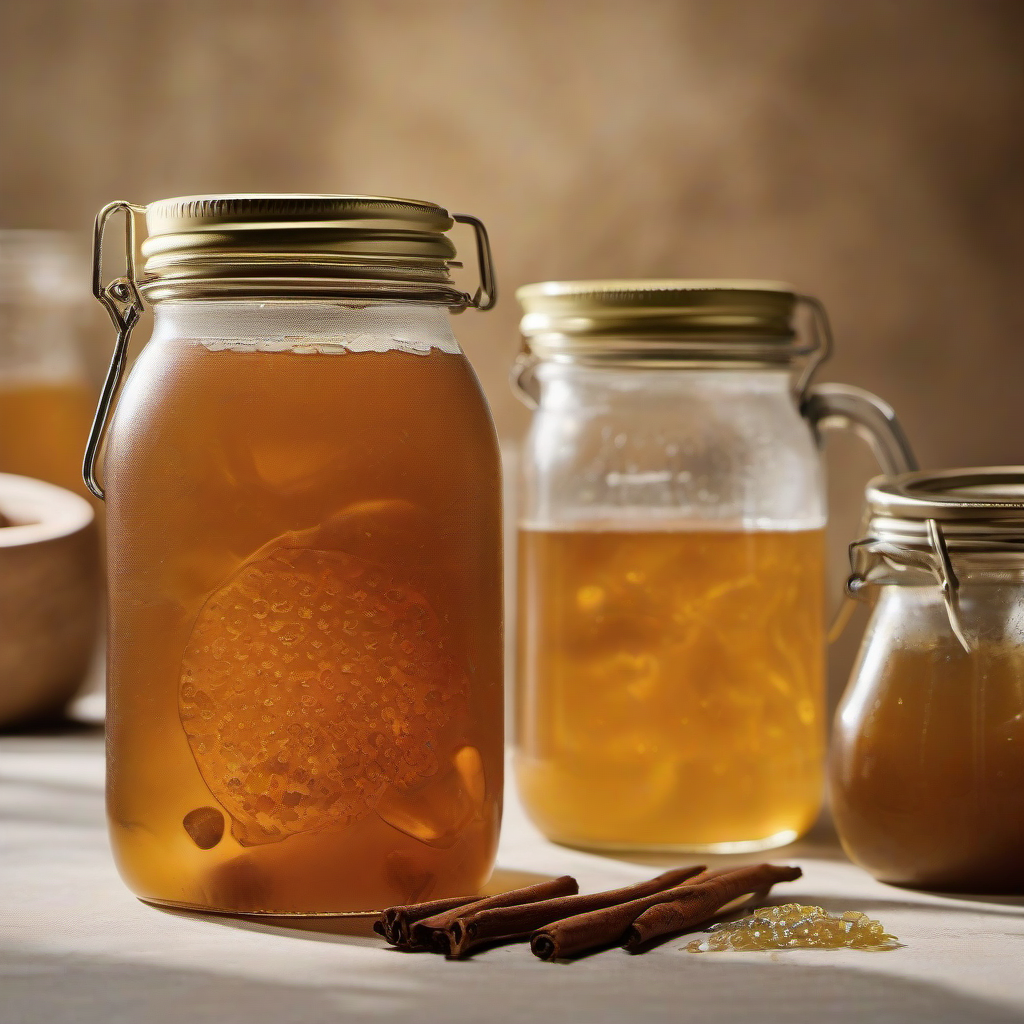
Key Takeaways
- Tepache ferments pineapple rinds with wild yeast in 2-3 days; kombucha ferments tea with a SCOBY culture over 7-14 days.
- Tepache tastes mildly sweet and tropical; kombucha is tangy, acidic, and tea-flavored.
- Both contain probiotics, but different strains — tepache has more Lactobacillus, kombucha more acetic acid bacteria.
- Tepache is naturally lower in caffeine (zero unless spiced with tea); kombucha contains 10-25mg caffeine per 8oz from tea.
- Tepache requires minimal equipment and shorter fermentation; kombucha needs a SCOBY starter and longer brewing time.
- Tepache offers bromelain enzyme from pineapple; kombucha provides glucuronic acid and B-vitamins from tea fermentation.
What Is Tepache and How Is It Made?
Tepache is a traditional Mexican fermented beverage made from pineapple rinds, piloncillo (raw cane sugar), water, and spices like cinnamon or cloves. According to chef Rick Bayless, who has documented traditional Mexican fermentation practices extensively, tepache has been consumed in Mexico for centuries as a refreshing street drink sold from large barrels.
The fermentation process relies on wild yeast and bacteria naturally present on pineapple skins. Home brewers place pineapple rinds (unwashed to preserve natural microbes) in a large jar with water, piloncillo or brown sugar, and optional spices. The mixture ferments at room temperature for 24-72 hours, developing natural carbonation and a light alcohol content typically below 2% ABV. The resulting drink is mildly sweet, lightly effervescent, and carries distinct pineapple and spice notes without the sharp acidity of vinegar-based ferments.
Unlike controlled-culture fermentation, tepache's flavor varies batch to batch depending on ambient temperature, pineapple variety, and indigenous yeast strains. A 2019 study published in Food Microbiology identified multiple Lactobacillus and Saccharomyces strains in traditional tepache, with microbial composition heavily influenced by fermentation vessel material and regional climate.
What Is Kombucha and How Does It Differ?
Kombucha is a fermented tea beverage originating from East Asia, produced by fermenting sweetened black or green tea with a SCOBY — a symbiotic culture of bacteria and yeast. The UK Tea & Infusions Association describes kombucha as one of the oldest documented tea-based ferments, with references dating back over 2,000 years in Chinese medical texts.
The kombucha brewing process requires a mature SCOBY starter (often acquired from another brewer or purchased from suppliers like Cultures for Health) and takes significantly longer than tepache — typically 7-14 days at room temperature. During fermentation, the SCOBY consumes sugar and converts it into organic acids (primarily acetic, gluconic, and glucuronic acid), B-vitamins, and trace alcohol (usually 0.5-2% ABV). The result is a tart, tangy beverage with complex flavor notes ranging from apple cider vinegar to champagne-like effervescence, depending on fermentation duration.
According to research from the National Center for Biotechnology Information, kombucha's dominant bacterial genera include Acetobacter and Gluconacetobacter, which produce acetic acid, while its yeast component typically consists of Saccharomyces, Brettanomyces, and Zygosaccharomyces species. This specific microbial consortium creates kombucha's characteristic sour profile and distinguishes it from spontaneous ferments like tepache.
Related: How Long Does Kombucha Take to Brew — Complete Timeline
Why Do Tepache and Kombucha Taste So Different?
The dramatic flavor contrast between tepache and kombucha stems from four key factors: base ingredient, fermentation culture, organic acid profile, and fermentation duration.
Base Ingredient Impact on Flavor
Tepache uses pineapple as its fermentation substrate, contributing natural fruit sugars (primarily fructose and glucose), enzymes like bromelain, and tropical aromatic compounds including methyl butyrate and ethyl hexanoate. These volatile compounds survive the brief fermentation period and dominate the final flavor profile.
Kombucha uses brewed tea, which contains polyphenols (catechins, theaflavins), caffeine, and amino acids like L-theanine. The tea's tannins interact with fermentation acids to create astringency, while oxidation during fermentation produces complex flavor compounds absent in fresh tea. As noted by the Specialty Coffee Association (which also studies tea chemistry), oxidative fermentation significantly alters polyphenol structure, creating earthy, mushroom-like umami notes characteristic of aged kombucha.
Microbial Culture Differences
Tepache's wild fermentation recruits whatever yeast and bacteria are present on the pineapple skin and in the brewing environment. This typically includes Lactobacillus plantarum, L. fermentum, and various Saccharomyces strains that produce lactic acid (mild, yogurt-like tartness) and ethanol (subtle warmth). The fermentation remains relatively gentle, with pH dropping from 4.2 to approximately 3.8-4.0.
Kombucha's SCOBY-driven fermentation is dominated by acetic acid bacteria, which convert ethanol into acetic acid — the same compound in vinegar. This drives pH down to 2.5-3.5, creating kombucha's sharp, puckering acidity. A 2021 study in Food Chemistry found that acetic acid comprises 60-80% of total organic acids in mature kombucha, compared to less than 20% in tepache, where lactic acid dominates.
Fermentation Duration and Complexity
Tepache's short 2-3 day fermentation preserves fruit sweetness and prevents excessive acid development. Most batches retain noticeable residual sugar, creating a soda-like sweetness balanced by mild tang. The brief timeline also limits flavor complexity — tepache is straightforward and fruit-forward.
Kombucha's extended 7-14 day fermentation allows complete sugar conversion and complex secondary metabolite development. Longer ferments produce more acetic acid, B-vitamins, and aged flavors (funk, earthiness, barnyard notes). The result is a more sophisticated, wine-like beverage with layered acidity and depth.
| Characteristic | Tepache | Kombucha |
|---|---|---|
| Base Ingredient | Pineapple rinds | Brewed tea (black or green) |
| Fermentation Culture | Wild yeast + bacteria | SCOBY (Acetobacter + yeast) |
| Primary Acid | Lactic acid | Acetic acid |
| Fermentation Time | 2-3 days | 7-14 days |
| Final pH | 3.8-4.0 | 2.5-3.5 |
| Flavor Profile | Sweet, tropical, mildly tart | Tart, vinegary, tea-flavored |
| Alcohol Content | 1-2% ABV | 0.5-2% ABV |
| Caffeine Content | 0mg (unless tea added) | 10-25mg per 8oz |
Both tepache and kombucha qualify as functional probiotic beverages, but they deliver different nutritional and therapeutic compounds due to their distinct fermentation pathways.
Tepache contains primarily Lactobacillus species (L. plantarum, L. fermentum, L. brevis), the same beneficial bacteria found in yogurt, kimchi, and sauerkraut. Tepache's shorter fermentation preserves higher counts of viable Lactobacillus — often exceeding 1 million CFU (colony-forming units) per milliliter in fresh batches.
Kombucha's probiotic profile centers on acetic acid bacteria (Acetobacter and Gluconacetobacter) alongside yeast species. However, kombucha typically contains fewer live bacteria than fresh tepache (100,000-1 million CFU/mL) due to the acidic environment inhibiting bacterial growth late in fermentation.
Sugar and Calorie Content
Tepache typically contains higher residual sugar than kombucha due to its shorter fermentation window. A typical 8oz serving of homemade tepache contains 50-80 calories and 12-18g sugar, similar to natural fruit juice. The sweetness makes tepache more palatable to those unaccustomed to fermented beverages but less suitable for strict low-sugar diets.
Kombucha's extended fermentation consumes most added sugar, leaving 2-6g per 8oz serving in unflavored varieties (30-50 calories). Commercial kombucha often adds fruit juice during secondary fermentation, increasing sugar to 8-12g per serving.
Related: Honey vs Sugar: Which Is Better for Bottle Carbonation? | WhichBrewForYou
Which Is Easier to Brew at Home?
Tepache stands as the more beginner-friendly fermentation project due to minimal equipment requirements, shorter timeline, and greater margin for error.
Tepache Brewing Simplicity
Making tepache requires only a large glass jar, pineapple rinds (ideally from one whole organic pineapple), water, piloncillo or brown sugar, and optional spices. No specialized starter culture is needed — fermentation begins spontaneously within 24 hours at room temperature (65-75°F optimal). The entire process from setup to drinkable beverage takes 48-72 hours.
The main risk is over-fermentation beyond 3 days, which creates excessive alcohol (potentially 3-4% ABV) and a strong yeasty flavor. However, tepache is highly forgiving — even slightly over-fermented batches remain drinkable when diluted or used as cocktail mixers. Homebrewers at the American Homebrewers Association note that tepache's short timeline also reduces contamination risk, as harmful bacteria rarely establish in 2-3 days.
Kombucha's Steeper Learning Curve
Kombucha brewing requires acquiring or cultivating a SCOBY, which can take 2-4 weeks if starting from bottled raw kombucha or must be purchased from suppliers like Kombucha Kamp. The process demands precise sugar-to-tea ratios (typically 1 cup sugar per gallon of sweet tea), temperature control (68-78°F ideal), and strict sanitation to prevent mold contamination.
Each batch takes 7-14 days, and first-time brewers often struggle with achieving the right balance of sweetness and acidity. Over-fermented kombucha becomes intensely sour and vinegary, while under-fermented batches taste like sweet tea with minimal fizz. Additionally, kombucha requires continuous SCOBY maintenance — the culture must be kept alive between batches in a "SCOBY hotel" or used every 1-2 weeks.
According to Kombucha Brewers International, successful kombucha brewing has a steeper learning curve but rewards dedicated brewers with consistent, customizable results once technique is mastered. The same organization notes that kombucha's stable SCOBY culture provides more predictable flavor outcomes than tepache's wild fermentation.
Equipment and Cost Comparison
Tepache setup costs under $10 (pineapple, sugar, spices) and uses household glassware. Each batch yields approximately 1-2 quarts. Subsequent batches require only new ingredients — no culture maintenance.
Kombucha requires an initial investment of $20-40 for SCOBY, brewing vessel (1-gallon glass jar minimum), pH testing strips, and bottling equipment for secondary fermentation. Ongoing costs include tea ($0.50-2 per batch) and sugar ($0.25 per batch). However, one SCOBY perpetually produces new cultures, making kombucha more cost-effective over time for regular brewers.
How Do Carbonation Levels Differ?
Both beverages develop natural carbonation through yeast metabolism, but the intensity and consistency differ significantly.
Tepache produces gentle, soft carbonation similar to a lightly sparkling water or fresh-pressed cider. The 2-3 day fermentation generates modest CO2 levels, creating a subtle fizz that enhances drinkability without aggressive bubbles. Bottling tepache in sealed containers for an additional 12-24 hours (secondary fermentation) increases carbonation, but it rarely achieves champagne-like effervescence. The carbonation also dissipates quickly once opened due to lower dissolved CO2 concentration.
Kombucha's longer primary fermentation builds substantial carbonation, especially when followed by secondary fermentation (bottling with added fruit or sugar for 3-7 days). Properly executed second fermentation can produce kombucha with carbonation levels exceeding 4 volumes of CO2 — comparable to commercial soda or beer. Over-carbonation poses a safety risk, as bottles can explode if pressure exceeds glass tolerance. The Kombucha Brewers International recommends burping bottles daily during second fermentation and refrigerating once desired carbonation is reached.
Yeast strain differences also affect carbonation style. Tepache's Saccharomyces cerevisiae (bread yeast strains) produce steady, moderate CO2. Kombucha's diverse yeast consortium, including Brettanomyces, creates more complex carbonation with finer bubble structure and longer-lasting effervescence.
People Also Ask
Is Tepache Alcoholic Like Kombucha?
Both tepache and kombucha contain small amounts of alcohol from yeast fermentation, typically 1-2% ABV — similar to kefir or ginger beer. Tepache can reach slightly higher alcohol levels (2-3% ABV) if fermented beyond 72 hours. Neither qualifies as an alcoholic beverage under most regulations, which require 0.5% ABV minimum.
Can You Use Kombucha SCOBY to Make Tepache?
While technically possible, using a kombucha SCOBY for tepache is unnecessary and produces inferior results. Tepache's wild fermentation on pineapple creates its characteristic flavor, while SCOBY-fermented pineapple tastes more like fruity kombucha. The two fermentation methods are optimized for their respective substrates and should not be interchanged.
Which Has More Probiotics — Tepache or Kombucha?
Fresh tepache typically contains higher probiotic counts (1+ million CFU/mL Lactobacillus) than kombucha (100,000-1 million CFU/mL acetic acid bacteria), but strain diversity matters as much as quantity. Both beverages deliver therapeutic probiotic doses when consumed fresh.
Best Uses for Each Beverage
Tepache and kombucha shine in different contexts based on their flavor profiles, sweetness levels, and cultural associations.
When to Choose Tepache
Tepache excels as a refreshing warm-weather drink, particularly in hot climates where its tropical fruit flavor and mild sweetness provide hydration without overwhelming acidity. Its low perceived sourness makes it more approachable for people new to fermented beverages or those who dislike vinegar-forward flavors.
Tepache works exceptionally well in cocktails as a mixer, particularly with tequila, mezcal, or rum. Bartenders increasingly feature tepache in micheladas, palomas, and tropical highballs as documented by Rick Bayless in contemporary Mexican cocktail culture.
Tepache complements tacos, ceviche, grilled meats, and chili-based dishes without competing with complex seasoning.
When to Choose Kombucha
Its high acidity and B-vitamin content make it a popular coffee alternative for morning energy without caffeine crashes (though it does contain 10-25mg caffeine from tea).
The beverage's tart, complex profile makes it ideal for pairing with rich, fatty foods where acidity cuts through heaviness — cheese boards, fried foods, creamy pasta, or charcuterie. Kombucha's vinegary notes also complement Asian cuisine, particularly sushi, dumplings, and stir-fries.
Its sophisticated, wine-like qualities appeal to adults seeking non-alcoholic beverages with depth and character beyond juice or sweetened drinks.
Expert Verdict: Which Should You Choose?
Choose tepache if you want an easy introduction to fermentation, prefer sweet tropical flavors, or need a quick probiotic beverage ready in 2-3 days with minimal equipment. Tepache offers approachable taste, potent Lactobacillus probiotics, and digestive enzymes from pineapple, making it ideal for fermentation beginners and those who dislike sour drinks.
Choose kombucha if you seek a low-sugar daily probiotic with complex flavors, don't mind longer brewing times (7-14 days), or want the convenience of a perpetual SCOBY culture that produces consistent batches indefinitely. Kombucha delivers superior B-vitamins, more diverse fermentation compounds, and sophisticated acidity that develops into a wine-like beverage with practice.
Lactobacillus from tepache supports different digestive functions than Acetobacter from kombucha, and dietary diversity in fermented foods enhances microbiome resilience according to Harvard School of Public Health research on fermented food consumption.
Article Summary
- Tepache is a Mexican fermented pineapple drink made with wild yeast and bacteria over 2-3 days, producing a mildly sweet, tropical beverage with soft carbonation and Lactobacillus probiotics.
- Kombucha is an East Asian fermented tea drink made with a SCOBY culture over 7-14 days, creating a tart, vinegary beverage with acetic acid bacteria, B-vitamins, and tea polyphenols.
- Tepache tastes sweet and fruit-forward with gentle acidity (pH 3.8-4.0); kombucha tastes sharp and tangy with pronounced sourness (pH 2.5-3.5) due to high acetic acid content.
- Tepache is significantly easier for beginners — requires no starter culture, minimal equipment, and completes in 48-72 hours; kombucha demands SCOBY maintenance, precise technique, and 1-2 weeks per batch.
Frequently Asked Questions
Does Tepache Taste Like Kombucha?
No, tepache tastes distinctly sweet and fruity with pineapple flavor and mild tartness, while kombucha tastes sharp and vinegary with tea undertones. Tepache resembles lightly fermented fruit juice, whereas kombucha resembles drinking vinegar or dry champagne. The flavor difference stems from different fermentation acids — lactic acid in tepache versus acetic acid in kombucha.
Can I Make Tepache Without Pineapple?
Traditional tepache requires pineapple rinds as they provide the wild yeast and bacteria that drive fermentation. However, you can make similar wild-fermented fruit beverages using apple peels, mango skins, or citrus rinds following the same method. Each fruit produces different microbial communities and flavors, but the process remains comparable to tepache fermentation.
How Long Do Tepache and Kombucha Last Refrigerated?
Refrigerated tepache remains at peak quality for 5-7 days before losing carbonation and developing increasingly alcoholic flavors. Kombucha lasts 1-3 months refrigerated and continues slowly fermenting, becoming progressively more sour but remaining safe to drink. Both should be kept sealed and refrigerated immediately after reaching desired taste.
Which Contains More Caffeine — Tepache or Kombucha?
Tepache contains zero caffeine unless you add tea during brewing. Kombucha contains 10-25mg caffeine per 8oz serving from its tea base — approximately one-third the caffeine of brewed coffee. Black tea kombucha has slightly more caffeine than green tea kombucha, but fermentation reduces caffeine content by roughly 25% compared to fresh-brewed tea.
Can Diabetics Drink Tepache or Kombucha?
Kombucha is generally more suitable for diabetics due to lower residual sugar (2-6g per serving) and minimal glycemic impact. However, both beverages' probiotic content may support glucose metabolism according to research, so consult your healthcare provider about incorporating fermented drinks into your diet.
More Kombucha Articles
This article was produced by an automated research tool. Content is for informational purposes only and should not replace professional advice. Nothing here is medical advice, and it is not a substitute for it. Talk to a doctor about anything affecting your health. Product and resource links throughout this article are included for informational value based on relevance and quality. WhichBrewForYou has no affiliate relationship with any linked third-party site and receives no commission from any recommended products or brands. BellofattoBrews (coffee and tea) and Golden Hive Mead (mead kits and resources) are personal recommendations from this publication's founder and have no affiliation with WhichBrewForYou.