Key Takeaways
- Jun SCOBYs ferment exclusively with raw honey and green tea, creating a distinctly different probiotic beverage than kombucha
- Jun fermentation occurs at cooler temperatures (70-75°F) and completes faster (typically 3-5 days versus 7-14 for kombucha)
- The culture contains beneficial bacteria including Acetobacter and Gluconacetobacter species, plus yeasts that tolerate honey's antimicrobial properties
- Jun SCOBYs cannot be interchanged with kombucha SCOBYs due to their specialized adaptation to honey
What Is a SCOBY and How Does Jun Differ?
SCOBY stands for Symbiotic Culture Of Bacteria and Yeast—a biofilm composed of millions of microorganisms working together to ferment sweetened tea. According to the Kombucha Brewers International, all SCOBYs convert sugar into organic acids, carbon dioxide, and trace alcohol through metabolic processes. Jun SCOBYs differ fundamentally from kombucha SCOBYs in three ways: they require raw honey instead of sugar, prefer green tea over black tea, and ferment at lower temperatures. This specialization occurs because the microbial populations within a Jun SCOBY have adapted over generations to metabolize the unique enzymes and compounds in raw honey. Research published on PubMed demonstrates that honey contains antimicrobial compounds including hydrogen peroxide, methylglyoxal, and bee defensin-1. Only specific bacterial and yeast strains survive in honey-based environments, creating a distinct microbial ecosystem in Jun cultures. The visual appearance of a Jun SCOBY resembles a kombucha SCOBY—both form cream-colored, gelatinous mats ranging from translucent to opaque. However, Jun SCOBYs tend to be thinner and more delicate, often appearing almost translucent compared to the thicker, more opaque kombucha pellicles.What Microorganisms Live in a Jun SCOBY?
Jun SCOBYs house complex microbial communities that remain understudied compared to kombucha. Available research on fermented tea cultures from ScienceDirect indicates Jun cultures contain: **Bacterial Species:** - *Acetobacter* species (primary acetic acid producers) - *Gluconacetobacter* species (cellulose producers that form the SCOBY mat) - *Lactobacillus* species (lactic acid producers) - *Gluconobacter* species (oxidative metabolism specialists) **Yeast Species:** - *Saccharomyces* species (alcohol producers) - *Zygosaccharomyces* species (honey-tolerant strains) - *Candida* species (non-pathogenic fermentation yeasts) - *Pichia* species (film-forming yeasts) The exact strain composition varies between individual Jun cultures based on environmental conditions and generational adaptation. Unlike standardized commercial yeast packets, SCOBYs are living ecosystems that evolve over time.Related: Switchel vs Kombucha — Key Differences Explained | WhichBrewForYou
According to fermentation experts at Cultures for Health, the honey requirement in Jun fermentation selects for yeast strains with osmoprotective mechanisms—adaptations that allow them to function in high-sugar, low-water-activity environments that would inhibit most microorganisms.How Do You Make Jun Tea With a Jun SCOBY?
Jun fermentation follows a straightforward process but requires specific ingredients and conditions. The Kombucha Kamp fermentation guides outline this basic method:- Brew 4 cups of green tea using filtered or spring water heated to 170-175°F (never boiling, which damages green tea)
- Dissolve 1/4 to 1/3 cup raw honey into the hot tea (never use pasteurized honey—beneficial enzymes are destroyed by heat processing)
- Cool the sweetened tea to room temperature (70-75°F)—higher temperatures can damage the Jun SCOBY
- Pour cooled tea into a glass fermentation vessel and add 1/2 cup finished Jun tea as starter liquid
- Place the Jun SCOBY on top of the liquid (it will float, sink, or position sideways—all normal)
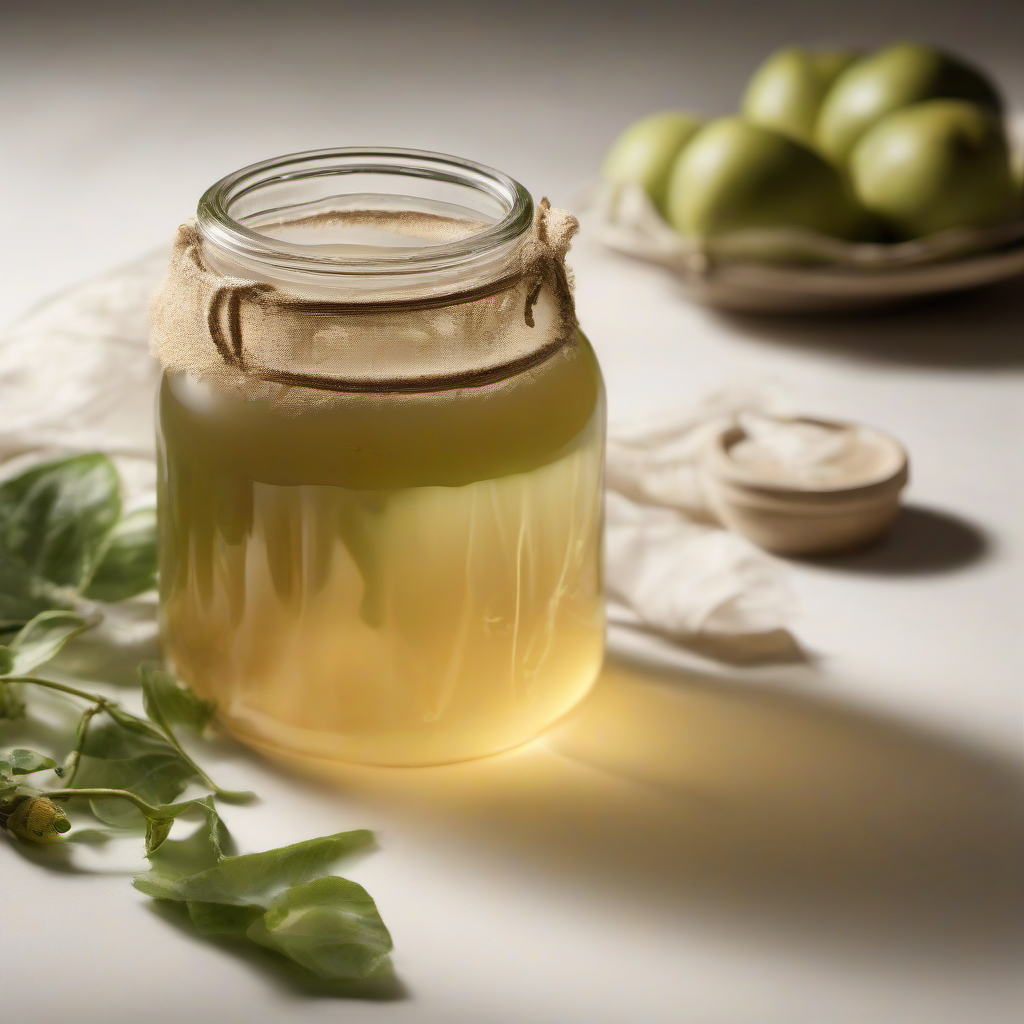
- Cover with a breathable cloth secured with a rubber band
- Ferment at 70-75°F for 3-5 days, tasting daily after day 3
- Remove the SCOBY and 1/2 cup liquid for the next batch when tartness reaches your preference
Can You Convert a Kombucha SCOBY Into a Jun SCOBY?
This common question reflects misunderstanding about microbial adaptation. You cannot simply convert a kombucha SCOBY to Jun by changing ingredients—the microbial populations are fundamentally different. According to fermentation science documented by Kombucha Brewers International, attempting to feed kombucha SCOBYs with honey and green tea creates stressed cultures that produce off-flavors, develop mold, or fail to ferment properly.| Factor | Kombucha SCOBY | Jun SCOBY |
|---|---|---|
| Sugar Source | White cane sugar (sucrose) | Raw honey (glucose/fructose blend) |
| Tea Base | Black tea or green tea | Green tea exclusively |
| Fermentation Temperature | 75-85°F | 70-75°F |
| Fermentation Time | 7-14 days | 3-5 days |
| Flavor Profile | Bold, tangy, vinegary | Light, floral, champagne-like |
| Acidity | pH 2.5-3.5 | pH 3.0-3.8 |
What Does Jun Tea Taste Like Compared to Kombucha?
Jun tea earns its "champagne of kombucha" nickname through a distinct flavor profile that sets it apart from traditional fermented tea. Tasters consistently describe Jun as lighter, more effervescent, and less acidic than kombucha. **Flavor Characteristics:** - **Floral notes:** Raw honey contributes delicate floral undertones depending on the honey's botanical source (wildflower, clover, orange blossom) - **Mild tartness:** Lower acidity than kombucha creates a gentler tang - **Natural effervescence:** Higher carbonation levels produce fine bubbles resembling sparkling wine - **Green tea base:** Grassy, vegetal notes from green tea instead of the robust maltiness of black tea kombucha - **Subtle sweetness:** Residual honey sweetness balances acidity even in fully fermented batches According to taste profiles documented by Cider Culture's fermentation guides, Jun's lower acidity (pH 3.0-3.8 versus kombucha's pH 2.5-3.5) makes it more approachable for people sensitive to acidic beverages. The carbonation difference stems from fermentation dynamics. Jun's faster fermentation at lower temperatures produces carbon dioxide more rapidly while maintaining dissolved gas better in cooler liquid. This creates the characteristic fine bubble structure.Related: What Does Kombucha Taste Like — First Timer's Taste Guide
Many brewers describe properly fermented Jun as having a wine-like or mead-like complexity—layered flavors that develop over the fermentation period rather than the straightforward tangy punch of kombucha.How Do You Store and Maintain a Jun SCOBY?
Jun SCOBY care requires attention to temperature and feeding schedules to maintain culture health. Between batches, the SCOBY remains in fermentation liquid called "starter tea" that protects it from contamination. **Active Brewing Storage:** When brewing regularly (weekly), simply transfer the SCOBY and 1/2 cup starter liquid to each new batch. The SCOBY continuously grows new layers with each fermentation cycle. According to The Kombucha Shop's culture maintenance guides, you can peel apart thick SCOBYs and compost older layers or share them with fellow brewers. **Short-Term Storage (1-4 weeks):** Place the SCOBY in a glass jar with 1-2 cups of finished Jun tea. Cover with a coffee filter or cloth and store at room temperature (65-75°F). The culture will slowly continue fermenting the liquid, creating a more acidic environment that protects against contamination. Check weekly and add a tablespoon of honey dissolved in green tea if storing longer than 2 weeks. **Long-Term Storage (1-6 months):** For extended breaks, prepare a "SCOBY hotel"—a larger glass container filled with Jun SCOBYs and enough starter liquid to cover them completely. Feed monthly with 1/4 cup honey dissolved in 2 cups cooled green tea. Store in a cool location (60-70°F) away from direct sunlight. The culture enters semi-dormancy but remains viable. **Refrigeration:** Jun SCOBYs can be refrigerated for up to 6 months. Place in a sealed glass container with starter liquid. Refrigeration dramatically slows fermentation. When reactivating, return to room temperature and conduct 2-3 batches before consuming the tea—the first batches help the culture re-establish normal metabolism. Never freeze a SCOBY—ice crystals rupture cell structures and kill most beneficial microorganisms.What Are Common Jun SCOBY Problems and Solutions?
Jun fermentation occasionally presents challenges, especially for brewers transitioning from kombucha. Understanding common issues prevents culture loss. **Mold Growth:** Green, black, white, or fuzzy growth on the SCOBY surface indicates mold contamination. Unlike the smooth SCOBY pellicle, mold appears fuzzy and grows in distinct colonies. According to Kombucha Brewers International safety guidelines, moldy batches must be completely discarded—including the SCOBY, all liquid, and the fermentation vessel thoroughly sanitized. Prevention: Ensure starter liquid is sufficiently acidic (pH below 4.0), maintain proper temperature (70-75°F), and use only raw honey (pasteurized honey lacks antimicrobial properties that help prevent contamination). **No Fermentation/Sweet Tea:** If Jun tastes sweet after 5-7 days, fermentation has stalled. Causes include: water too chlorinated (chlorine kills beneficial bacteria), temperature too cold (below 65°F), or insufficient starter liquid (aim for 10-15% of batch volume). Solution: Add more starter liquid, move to a warmer location, and use filtered water for subsequent batches. **Excessive Vinegar Taste:** Over-fermentation produces excessive acetic acid. This occurs when batches ferment too long (beyond 5-7 days) or temperatures exceed 78°F. Solution: Reduce fermentation time, check daily after day 3, and monitor room temperature. Over-fermented Jun makes excellent starter liquid—its high acidity protects new batches from contamination. **SCOBY Sinks:** A sinking SCOBY causes concern but poses no problem. SCOBYs float, sink, or position sideways based on carbon dioxide production and pellicle density. A new SCOBY layer forms on the liquid surface regardless of the original SCOBY's position. **Yeast Strands:** Brown stringy formations hanging from the SCOBY are normal yeast colonies. While aesthetically unappealing, yeast performs essential fermentation work. Excessive yeast indicates imbalanced culture—reduce fermentation temperature slightly to favor bacterial growth.Where Does Jun SCOBY Culture Come From?
Jun's origins remain mysterious compared to kombucha's documented history. Most sources describe Jun as an ancient beverage from Tibet, though historical documentation remains limited. The Kombucha Brewers International notes that fermented honey beverages appear in multiple ancient cultures, making definitive origins difficult to establish. Some fermentation historians propose Jun represents a parallel evolution of SCOBY fermentation rather than a direct kombucha derivative. In this theory, ancient cultures independently discovered that honey and green tea produce fermented beverages when exposed to wild airborne bacteria and yeast. Over generations, these wild cultures adapted to their specific environments—honey and green tea—creating what we now recognize as Jun SCOBYs. The modern Jun revival began in the early 2000s when Western fermentation enthusiasts began documenting and sharing Jun cultures. Unlike kombucha, which achieved widespread commercial production, Jun remains primarily a home-brewing tradition. The requirement for raw honey—more expensive than white sugar—limits commercial viability. According to Kombucha Kamp founder Hannah Crum, authentic Jun cultures must be sourced from existing Jun lineages. Claims of "creating" Jun SCOBYs by feeding kombucha cultures honey represent misunderstanding of microbial adaptation timescales—true adaptation requires years of selective pressure, not a few ingredient swaps.People Also Ask About Jun SCOBYs
Why must Jun use raw honey instead of pasteurized honey?
Raw honey contains beneficial enzymes, amino acids, and antimicrobial compounds that Jun SCOBY microorganisms have adapted to metabolize. Pasteurization destroys these compounds through heat processing, fundamentally altering the honey's chemical profile. Jun SCOBYs fed pasteurized honey exhibit poor fermentation, off-flavors, and increased contamination risk because the culture cannot properly metabolize the degraded honey.
Can you get drunk from Jun tea?
Jun tea typically contains 0.5-2% alcohol by volume after primary fermentation—similar to kombucha and significantly less than beer (4-6% ABV). Bottle conditioning during secondary fermentation can increase alcohol content to 2-3% if bottles are left at room temperature for extended periods. Jun is legally non-alcoholic in most jurisdictions but contains trace alcohol from yeast fermentation.
Expert Verdict on Jun SCOBYs
A Jun SCOBY represents a specialized probiotic culture adapted specifically to ferment raw honey and green tea into a delicate, effervescent beverage with distinct health benefits and flavor characteristics. While Jun requires more specific ingredients and temperature control than kombucha, the resulting champagne-like fermented tea offers unique appeal for home brewers seeking lighter, less acidic probiotic drinks. Jun SCOBYs cannot be created from kombucha cultures—authentic Jun requires sourcing from established Jun lineages. For fermentation enthusiasts comfortable with precise temperature management and willing to invest in quality raw honey, Jun SCOBY cultivation offers rewarding complexity beyond standard kombucha brewing. The culture's probiotic benefits, combined with green tea antioxidants and honey's trace enzymes, create a functional beverage that supports digestive health while providing sophisticated flavor layering that justifies its "champagne of fermented tea" reputation. For those interested in exploring other tea-based fermented beverages, resources like the BellofattoBrews brewing guide offer foundational knowledge on proper tea preparation that applies across fermentation methods.Article Summary
- A Jun SCOBY is a symbiotic culture of bacteria and yeast specifically adapted to ferment raw honey and green tea, producing a lighter, more effervescent probiotic beverage than traditional kombucha
- Jun fermentation requires cooler temperatures (70-75°F), completes faster (3-5 days), and produces lower acidity than kombucha due to honey's simpler sugar profile of glucose and fructose
- The culture contains specialized bacterial species including Acetobacter and Gluconacetobacter plus honey-tolerant yeast strains with osmoprotective mechanisms
- Jun SCOBYs cannot be created by feeding kombucha cultures honey—the microbial populations are fundamentally different and require authentic Jun culture sources
Frequently Asked Questions
What is the difference between a Jun SCOBY and a kombucha SCOBY?
Jun SCOBYs ferment exclusively with raw honey and green tea at cooler temperatures (70-75°F), while kombucha SCOBYs use white sugar and black or green tea at warmer temperatures (75-85°F). The microbial populations differ fundamentally—Jun bacteria and yeast have adapted over generations to metabolize honey's unique enzymes and antimicrobial compounds. The two cultures cannot be interchanged without producing failed or contaminated fermentations.
How long does a Jun SCOBY last?
A properly maintained Jun SCOBY lasts indefinitely with regular feeding. Active cultures used weekly remain viable for years, continuously producing new SCOBY layers. Stored cultures maintain viability for 1-6 months depending on storage method—room temperature with monthly feeding supports longer storage than refrigeration. The culture's health depends on consistent feeding schedules, proper temperature maintenance, and protection from contamination rather than chronological age.
Can I use regular honey instead of raw honey for Jun?
No, regular pasteurized honey produces poor Jun fermentation results. Pasteurization destroys beneficial enzymes including diastase and invertase that Jun SCOBY microorganisms have adapted to metabolize. The heat processing also degrades amino acids and phenolic compounds essential to proper Jun fermentation. Raw, unprocessed honey from local beekeepers or specialty suppliers provides the complete nutritional profile Jun cultures require for healthy fermentation and characteristic flavor development.
Does Jun SCOBY need light or darkness?
Jun SCOBYs ferment best in indirect light or darkness. Direct sunlight damages the culture by raising fermentation temperatures above optimal ranges and degrading tea polyphenols through photooxidation. Store fermentation vessels in cupboards, on countertops away from windows, or in pantries with ambient room light. Complete darkness is unnecessary—the breathable cover naturally limits light exposure while allowing necessary gas exchange for fermentation.
What green tea works best for Jun SCOBY fermentation?
High-quality loose leaf green tea produces the best Jun results, particularly Chinese green teas like Sencha, Dragonwell, or basic Chinese green. Avoid flavored or scented green teas (jasmine, mint, chai blends) as added oils inhibit fermentation. Japanese green teas work well but produce more vegetal flavors. Matcha is unsuitable—its fine powder creates sediment issues. Premium quality matters less than freshness and lack of additives when selecting green tea specifically for fermentation rather than drinking.
Can Jun SCOBY fermentation make you sick?
Properly fermented Jun poses minimal health risks for most people. The acidic environment (pH 3.0-3.8) naturally inhibits pathogenic bacteria. However, individuals with compromised immune systems, pregnant women, or those sensitive to fermented foods should consult healthcare providers before consuming. Contaminated batches with visible mold must be discarded entirely. Excessive consumption may cause digestive discomfort due to probiotic content and acidity. Start with 4-8 ounces daily and increase gradually to assess individual tolerance.
More Kombucha Articles
This article was produced by an automated research tool. Content is for informational purposes only and should not replace professional advice. Nothing here is medical advice, and it is not a substitute for it. Talk to a doctor about anything affecting your health. Product and resource links throughout this article are included for informational value based on relevance and quality. WhichBrewForYou has no affiliate relationship with any linked third-party site and receives no commission from any recommended products or brands. BellofattoBrews (coffee and tea) and Golden Hive Mead (mead kits and resources) are personal recommendations from this publication's founder and have no affiliation with WhichBrewForYou.