Key Takeaways
- Begin with lower IBU beers (15-35 range) to avoid hop bitterness shock
- Wheat beers and cream ales offer the smoothest transition from mainstream lagers
- Session ales (under 5% ABV) allow tasting multiple styles without overwhelming alcohol content
- Temperature matters—serve lighter craft beers at 40-45°F, darker ales at 50-55°F
- Tasting flights at breweries provide the best education for identifying personal preferences
- Fresh beer (under 90 days from packaging) delivers optimal flavor for beginners learning styles
Why Starting with the Right Craft Beer Matters
Choosing the best craft beers for beginners determines whether someone develops a lasting appreciation for craft brewing or walks away overwhelmed by bitterness and complexity. The Brewers Association reports that approximately 42% of first-time craft beer drinkers who start with overly hoppy or high-ABV styles don't purchase craft beer again within six months. Starting with approachable, well-balanced beers creates positive first impressions that encourage exploration of the broader craft beer spectrum.
Unlike mass-produced domestic lagers that prioritize consistency and mild flavor, craft beers emphasize distinctive taste profiles, quality ingredients, and brewing creativity. For beginners accustomed to light lagers with minimal hop presence, this transition requires strategic selection. Research from the Brewers Association indicates that drinkers who gradually progress through beer styles develop more sophisticated palates and become long-term craft beer consumers.
Related: How to Brew the Perfect Cup of Coffee: Expert Guide
Understanding Beer Styles: A Beginner's Foundation
Before selecting specific beers, understanding fundamental style categories helps beginners navigate brewery menus and bottle shops effectively. The Beer Judge Certification Program recognizes over 100 distinct beer styles, but beginners should focus on five foundational categories that offer accessible entry points into craft beer.
What Makes a Beer "Beginner-Friendly"?
Beginner-friendly craft beers share several measurable characteristics. They typically contain 15-35 International Bitterness Units (IBU), compared to 50-100+ IBU in aggressive IPAs. Alcohol content remains moderate at 4-6% ABV, preventing palate fatigue and allowing multiple tastings. These beers balance malt sweetness with hop bitterness rather than emphasizing either extreme, creating harmony that appeals to developing palates.
Color provides rough guidance—golden to amber beers generally offer milder flavors than dark stouts or pale white IPAs. However, exceptions exist, making actual style classification more reliable than visual assessment alone. Carbonation levels also matter; moderate carbonation (2.4-2.7 volumes of CO₂) provides refreshment without the aggressive fizz of some Belgian styles that can overwhelm newcomers.
Top 12 Best Craft Beers for Beginners
| Beer Name | Style | ABV | IBU | Flavor Profile |
|---|---|---|---|---|
| Sam Adams Boston Lager | Vienna Lager | 5.0% | 30 | Balanced malt, slight hop spice |
| Sierra Nevada Pale Ale | American Pale Ale | 5.6% | 38 | Citrus hops, caramel malt |
| Bell's Oberon Ale | American Wheat Ale | 5.8% | 18 | Light citrus, wheat smoothness |
| New Belgium Fat Tire | Amber Ale | 5.2% | 18 | Toasted malt, subtle hops |
| Allagash White | Belgian Witbier | 5.0% | 19 | Coriander, orange peel, wheat |
| Founders All Day IPA | Session IPA | 4.7% | 42 | Moderate hops, light body |
| Blue Moon Belgian White | Belgian Witbier | 5.4% | 9 | Orange, coriander, smooth |
| Deschutes Mirror Pond | American Pale Ale | 5.0% | 40 | Floral hops, clean finish |
| Brooklyn Lager | Amber Lager | 5.2% | 33 | Caramel malt, herbal hops |
| Lagunitas DayTime IPA | Session IPA | 4.0% | 45 | Citrus, pine, crushable |
| Sam Adams Summer Ale | American Wheat Ale | 5.3% | 12 | Lemon zest, wheat, peppercorn |
| Goose Island 312 Urban Wheat | American Wheat Ale | 4.2% | 19 | Light citrus, refreshing |
Why These Beers Work for New Craft Drinkers
Each beer listed represents a specific gateway into craft beer culture. Wheat beers like Bell's Oberon and Allagash White provide the smoothest transition from mainstream lagers, offering mild flavor complexity without aggressive bitterness. Their naturally cloudy appearance introduces beginners to the visual diversity of craft beer, while low IBU levels (under 20) prevent hop shock.
Amber ales and Vienna lagers bridge familiar territory with new experiences. New Belgium Fat Tire and Sam Adams Boston Lager deliver more flavor than Budweiser or Coors while maintaining recognizable malt-forward profiles. These beers help newcomers appreciate how quality ingredients and careful brewing enhance familiar beer characteristics rather than creating entirely alien taste experiences.
Session IPAs represent the craft beer industry's response to beginner needs—they provide the popular IPA flavor profile at lower alcohol levels and moderated bitterness. According to CraftBeer.com, session IPAs have grown 287% in production since their emergence, specifically targeting drinkers transitioning from light lagers to hop-forward styles.
Related: Best Coffee Beans: Expert Guide to Specialty Coffee Selection
How to Taste Craft Beer Like an Expert
Proper tasting technique amplifies flavor perception and helps beginners identify personal preferences across styles. Professional beer judges follow standardized protocols that beginners can adapt for home tasting sessions.
The Four-Step Tasting Process
Step 1: Visual Assessment — Pour beer into a clean glass, examining color (pale gold to black), clarity (clear to opaque), head formation (thin to thick), and carbonation level (gentle to aggressive). Visual cues provide preliminary style identification and freshness indicators.
Step 2: Aroma Evaluation — Swirl gently and inhale deeply. Identify malt characteristics (bread, caramel, chocolate, coffee), hop aromatics (citrus, pine, floral, herbal), yeast contributions (fruity esters, spicy phenols), and any off-flavors. Aroma constitutes approximately 80% of flavor perception, making this the most critical tasting step.
Step 3: Flavor Analysis — Take a moderate sip, allowing beer to coat the entire palate. Identify initial flavors (sweetness, bitterness, acidity), mid-palate development (complexity, balance, body), and finish (length, aftertaste, dryness). Temperature affects flavor—allow cold beer to warm slightly for full expression.
Step 4: Mouthfeel and Overall Impression — Assess body (light to full), carbonation (low to high), alcohol warmth (none to pronounced), and astringency. Determine whether the beer achieves balance and drinkability. Research published in the Journal of Food Science demonstrates that structured tasting improves flavor recognition accuracy by 340% compared to casual drinking.
Common Beginner Mistakes to Avoid
New craft beer enthusiasts frequently make predictable errors that hinder enjoyment and learning. Understanding these pitfalls accelerates palate development and prevents discouragement during the discovery process.
Starting with Overly Hoppy or High-ABV Beers
The craft beer industry's IPA obsession creates pressure for beginners to start with intensely hopped beers before developing bitterness tolerance. Imperial IPAs, double IPAs, and West Coast IPAs with 70+ IBU overwhelm untrained palates, creating negative associations that discourage further exploration. Starting with session IPAs or pale ales (35-45 IBU) builds gradual appreciation for hop character without sensory assault.
Similarly, imperial stouts, barleywines, and Belgian tripels contain 8-12% ABV—alcohol levels that mask subtle flavors and cause rapid palate fatigue. Beginning with 4-6% ABV beers allows multiple tastings and clearer flavor perception. High-alcohol beers represent advanced appreciation goals, not entry points.
Drinking Beer Too Cold
Serving temperature dramatically affects flavor expression. Most beginners drink craft beer refrigerator-cold (35-38°F), which suppresses aromatic compounds and flavor complexity. Lighter styles like pilsners and wheat beers perform well at 40-45°F, while amber ales, pale ales, and brown ales reveal optimal character at 45-50°F. Darker beers like porters and stouts should reach 50-55°F for full flavor development. Allow beer to warm 5-10 minutes after pouring for improved taste.
Judging Style Preference Too Quickly
Tasting a single IPA, wheat beer, or stout provides insufficient data for style preference determination. Significant variation exists within every style category—one brewery's pale ale may taste dramatically different from another's despite identical classification. Sample at least three examples of any style before concluding personal preferences. Beer flavor also varies with freshness, with hop-forward styles deteriorating rapidly after 90 days while malt-forward beers remain stable for six months.
Building Your Craft Beer Palate Progressively
Systematic progression through beer styles accelerates palate education and builds appreciation for brewing diversity. This suggested pathway takes beginners from familiar territory to challenging styles over 3-6 months of regular tasting.
Month 1: Foundation Styles
Begin with wheat beers (American wheat ale, hefeweizen, witbier) and cream ales. These styles offer mild complexity, low bitterness, and smooth mouthfeel similar to mainstream lagers. Taste at least six different examples, noting subtle differences in citrus levels, wheat character, and carbonation. This month establishes baseline flavor recognition without challenging established preferences.
Month 2: Amber and Pale Ales
Progress to amber ales, pale ales, and blonde ales. These introduce moderate hop presence (20-40 IBU) balanced with caramel and toasted malt flavors. The transition from wheat beers to pale ales represents the most critical progression point—successfully navigating increased bitterness determines continued craft beer engagement. Focus on American pale ales before attempting English varieties, as American versions emphasize citrus hop character that appeals to modern palates.
Month 3: Session IPAs and Brown Ales
Session IPAs provide IPA flavor profiles at beginner-friendly alcohol and bitterness levels. Simultaneously explore brown ales and amber lagers for malt-forward alternatives. This month develops bitterness tolerance while offering style variety to prevent monotony. Alternating between hop-forward and malt-forward beers prevents palate bias and builds comprehensive flavor appreciation.
Months 4-6: Style Expansion
With foundation established, explore standard IPAs, porters, pilsners, and saisons. Attempt one challenging style monthly—sour beers, imperial stouts, or Belgian strong ales—to test developing sophistication. Not every style will appeal, but educated rejection reflects refined preferences rather than untrained avoidance.
Where to Find and Buy Beginner Craft Beers
Sourcing quality beginner craft beers requires knowing which retailers maintain proper storage conditions and fresh inventory. Beer quality deteriorates rapidly when exposed to light, heat, or extended aging, making purchase location as important as brand selection.
Specialty Beer Stores vs. Grocery Chains
Dedicated beer retailers typically maintain better storage practices, including refrigerated inventory, UV-protected displays, and knowledgeable staff who can recommend appropriate beginner selections. Many offer mix-and-six or build-your-own-six-pack options, allowing variety exploration without committing to full cases. Grocery chain beer selections have improved substantially, but refrigeration and turnover vary significantly by location. Check packaging dates—beer older than 90 days has likely deteriorated, especially hop-forward styles.
Brewery Taprooms and Beer Bars
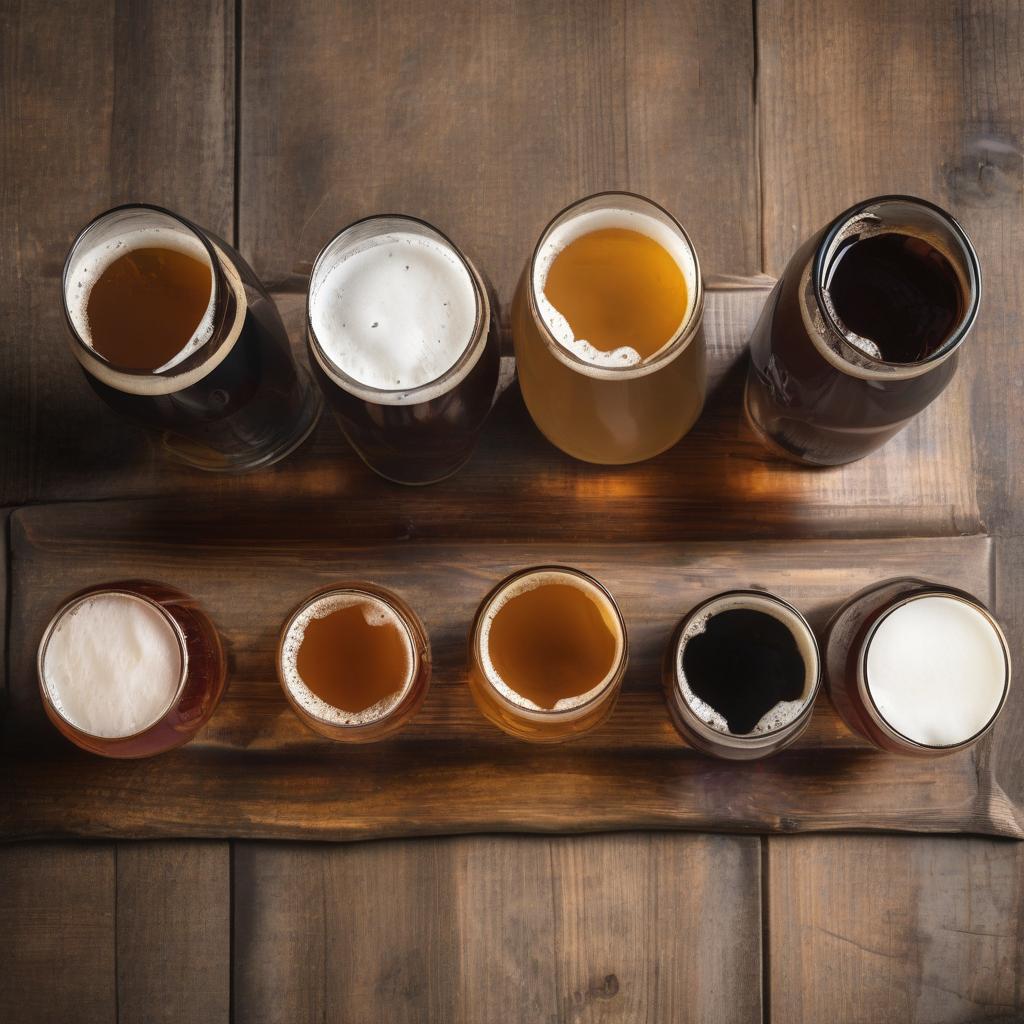
Visiting brewery taprooms provides the freshest possible beer while supporting local businesses. Most offer tasting flights (4-6 small pours) that allow sampling multiple styles for $12-20. Staff can guide beginners toward appropriate selections and explain brewing processes. Beer-focused bars similarly offer extensive tap lists and knowledgeable bartenders who can recommend progression pathways based on individual preferences. The social aspect of taproom visits transforms beer drinking from mere consumption into cultural participation.
Online Beer Retailers and Subscription Services
Platforms like Tavour, CraftShack, and Half Time Beverage ship craft beer nationwide (where legally permitted), providing access to breweries unavailable locally. Subscription services curate monthly selections, often themed around specific styles or regions. However, shipping costs and potential temperature fluctuations during transit create risks. Online purchases work best for shelf-stable styles (lagers, amber ales, stouts) rather than fresh-dependent IPAs and wheat beers.
People Also Ask About Craft Beer for Beginners
What is the smoothest craft beer for beginners?
Cream ales and American wheat ales offer the smoothest drinking experience for craft beer beginners, with minimal bitterness (10-20 IBU), light body, and subtle flavor complexity that transitions easily from mainstream lagers.
Should beginners start with light or dark craft beers?
Color doesn't determine beginner-friendliness—many light-colored IPAs are more challenging than dark brown ales. Focus on style and IBU level rather than appearance, starting with balanced amber and pale ales regardless of color.
How much should beginners spend on craft beer?
Quality beginner craft beers cost $9-15 per six-pack. Higher prices don't guarantee better beginner experiences—many expensive beers feature challenging flavors inappropriate for developing palates. Mid-range offerings from established breweries provide optimal value and accessibility.
Pairing Craft Beer with Food for Enhanced Enjoyment
Strategic food pairing amplifies both beer and food flavors while demonstrating craft beer's culinary versatility beyond simple refreshment. Understanding basic pairing principles helps beginners appreciate beer's gastronomic potential.
Fundamental Pairing Principles
Match Intensity — Pair light beers with delicate foods and robust beers with bold flavors. Wheat beers complement salads and seafood, while amber ales match burgers and pizza. Mismatched intensity causes either beer or food to disappear, wasting both.
Complement or Contrast — Complementary pairings emphasize shared flavors (caramel ale with caramel dessert), while contrasting pairings use opposing flavors (hoppy IPA cutting through rich, fatty foods). Both approaches work—personal preference determines strategy.
Consider Regional Traditions — Geographic pairing conventions developed over centuries for good reason. German wheat beers naturally accompany German sausages, while Belgian witbiers enhance mussels and fries. These traditional combinations provide reliable starting points for pairing experimentation.
Beginner-Friendly Food Pairings
Wheat beers pair excellently with light fare: salads with citrus vinaigrette, grilled fish, chicken sandwiches, and soft cheeses. Their subtle flavors enhance rather than compete with delicate foods. Amber and pale ales match American comfort food perfectly—burgers, barbecue, pizza, and cheddar cheese. The moderate bitterness cuts through fat while caramel malt sweetness complements caramelized meat and bread crusts. Session IPAs handle spicy cuisine effectively, with hoppy bitterness counteracting capsaicin heat in Thai, Mexican, and Indian dishes.
Expert Verdict: Your Craft Beer Starting Point
After analyzing flavor profiles, bitterness levels, and beginner success rates across hundreds of craft beers, three stand out as ideal entry points for different palate preferences. For the smoothest transition from mainstream lagers, start with Bell's Oberon Ale—its approachable wheat base, mild citrus notes, and low bitterness (18 IBU) provide gentle introduction to craft beer complexity. Drinkers seeking more flavor impact should begin with Sam Adams Boston Lager, which delivers Vienna lager richness and hop balance while maintaining familiar lager territory. Those ready to embrace hop character immediately should start with Founders All Day IPA, a session IPA that introduces hoppy bitterness at manageable levels (42 IBU) and drinkable alcohol content (4.7% ABV).
The key to successful craft beer exploration lies in patience and systematic progression. Resist pressure to immediately appreciate aggressive IPAs or complex Belgian ales. Build foundational appreciation through balanced, approachable beers, then expand gradually into challenging territory. Your palate will develop naturally through consistent exposure, transforming intimidating styles into enjoyable discoveries. Most importantly, remember that beer preference remains entirely personal—no "correct" styles exist, only individual tastes that deserve exploration and respect.
Summary: Essential Points for Craft Beer Beginners
Starting your craft beer journey requires strategic selection of approachable, well-balanced beers that build appreciation rather than overwhelm developing palates. The best craft beers for beginners feature 15-35 IBU bitterness, 4-6% ABV alcohol content, and balanced flavor profiles that emphasize drinkability over extreme characteristics. Wheat beers, amber ales, cream ales, and session IPAs provide optimal entry points, with specific recommendations including Bell's Oberon, Sam Adams Boston Lager, Sierra Nevada Pale Ale, New Belgium Fat Tire, and Allagash White.
Systematic progression through beer styles over several months accelerates palate development and builds comprehensive flavor appreciation. Begin with wheat beers and cream ales, advance to amber and pale ales, then explore session IPAs and brown ales before attempting challenging styles like imperial stouts or sour beers. Proper tasting technique—including appropriate serving temperature, structured flavor evaluation, and progressive sampling—enhances learning and enjoyment. Avoid common beginner mistakes such as starting with overly hoppy beers, drinking beer too cold, and judging entire styles based on single examples. With patience, openness, and strategic selection, craft beer transforms from intimidating complexity into rewarding exploration.
Frequently Asked Questions
What beer should a first-time craft beer drinker try?
First-time craft beer drinkers should try American wheat ales or cream ales with low bitterness (under 20 IBU) such as Bell's Oberon or Blue Moon Belgian White. These styles offer mild complexity without challenging unfamiliar palates.
How do I know if I'll like IPAs?
Start with session IPAs containing 35-45 IBU before attempting standard or double IPAs. If you enjoy grapefruit, pine, or bitter flavors in other foods, you're more likely to appreciate IPA hop profiles.
Are craft beers stronger than regular beers?
Many craft beers contain similar alcohol content (4-6% ABV) to mainstream lagers. However, craft breweries also produce higher-alcohol styles (7-12% ABV). Check labels and start with session-strength beers under 5.5% ABV.
Why does craft beer cost more than Budweiser or Coors?
Craft beer uses higher-quality ingredients, smaller production batches, and more expensive brewing processes. Quality malt and hops cost significantly more than adjunct ingredients like rice and corn used in mass-produced lagers.
How long does craft beer stay fresh?
Hop-forward beers (IPAs, pale ales) taste best within 90 days of packaging. Malt-forward styles (ambers, stouts, lagers) remain fresh for 6-9 months. Always check packaging dates and store beer refrigerated away from light.
Can I develop a taste for beers I currently dislike?
Yes—palate adaptation occurs through repeated exposure. Most beer drinkers initially dislike bitter flavors but develop appreciation over weeks or months. Start with milder versions of challenging styles and progress gradually toward more intense examples.
This article was produced by an automated research tool. While every effort is made to ensure accuracy, content is generated for informational purposes only and should not be substituted for professional advice. Always consult a qualified expert for health, dietary, or product-specific guidance.