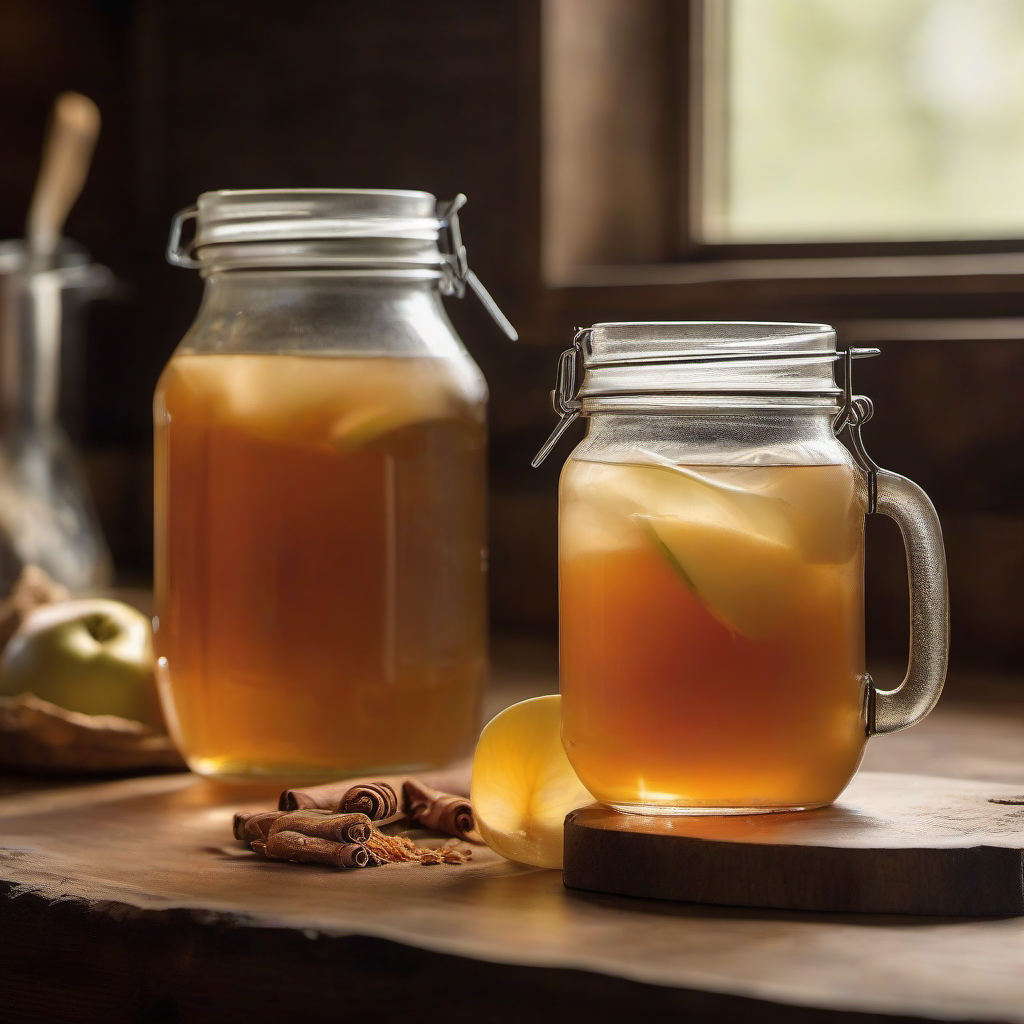
Key Takeaways
- Switchel contains acetic acid from vinegar but no live probiotics unless specifically cultured separately, while kombucha naturally produces diverse probiotic strains during fermentation.
- Kombucha typically contains 0.5-2% alcohol by volume due to yeast fermentation, whereas switchel is completely alcohol-free.
- Switchel requires no fermentation time and can be prepared instantly, while kombucha needs 7-30 days of active fermentation.
- Switchel has historical roots as a 17th-century colonial American "haymaker's punch," while kombucha originated in Northeast China around 220 BCE.
- According to a 2024 study published in PubMed, kombucha contains higher concentrations of gluconic acid and B vitamins compared to vinegar-based drinks.
What Makes Switchel Different from Kombucha?
The fundamental difference between switchel and kombucha lies in their fermentation status and microbial composition. Switchel is a drinking vinegar—a prepared beverage that combines already-fermented apple cider vinegar with water, sweetener, and aromatics like ginger. No active fermentation occurs when you mix switchel. You're consuming the end products of vinegar fermentation (acetic acid, trace enzymes) but not live, actively fermenting microbes.
Kombucha, by contrast, is a living fermented beverage. When you brew kombucha, you introduce a SCOBY from Kombucha Kamp—a gelatinous mat of bacteria and yeast—into sweetened tea. Over 7-30 days, this culture metabolizes sugar, produces organic acids (acetic, gluconic, lactic), generates carbon dioxide for natural carbonation, and creates trace amounts of alcohol. The finished drink contains billions of live Acetobacter, Gluconacetobacter, and Saccharomyces organisms per serving, according to research from Kombucha Brewers International.
Kombucha must be refrigerated to slow fermentation and maintain carbonation. Switchel is shelf-stable at room temperature like any vinegar solution. Kombucha's live cultures continue evolving even after bottling, potentially increasing acidity and carbonation over time. Switchel remains chemically static once mixed.
How Do the Base Ingredients Compare?
Switchel relies on three core components: raw apple cider vinegar, a natural sweetener (traditionally blackstrap molasses, maple syrup, or honey), and fresh ginger root. Some recipes add lemon juice or turmeric, but these are variations rather than essentials.
Kombucha starts with brewed tea—typically black, green, or oolong—sweetened with white sugar. The SCOBY requires actual Camellia sinensis tea leaves for proper fermentation; herbal teas lack the nitrogen and nutrients yeasts need. The UK Tea & Infusions Association notes that black tea produces the most robust kombucha due to its higher tannin and caffeine content, which support bacterial growth. After fermentation, most sugar converts to organic acids, reducing final sugar content to 2-6 grams per serving depending on fermentation time.
| Component | Switchel | Kombucha |
|---|---|---|
| Base liquid | Water + apple cider vinegar | Brewed tea (black, green, oolong) |
| Sweetener | Maple syrup, molasses, honey | White sugar (consumed during fermentation) |
| Fermentation agent | None (uses pre-fermented vinegar) | SCOBY (bacteria + yeast symbiosis) |
| Aromatics | Fresh ginger (standard), lemon, turmeric | Added post-fermentation: fruit, herbs, spices |
| Caffeine content | Zero | 10-25 mg per 8 oz (1/3 of original tea) |
What Are the Fermentation Processes Behind Each Drink?
Switchel involves no fermentation in the traditional sense. You're combining ingredients that have already been fermented separately—specifically, apple cider vinegar, which is made through a two-stage fermentation of apple juice. First, yeasts convert fruit sugars to alcohol (producing hard cider). Then, Acetobacter bacteria oxidize that alcohol into acetic acid (producing vinegar). When you buy raw apple cider vinegar, you're purchasing the finished product of this completed fermentation. Mixing it with water and sweetener doesn't restart microbial activity—you're simply diluting and flavoring the vinegar.
Kombucha fermentation is an active, ongoing biochemical process. According to a 2023 study in ScienceDirect, kombucha SCOBY cultures contain 20-30 distinct species of bacteria and yeast working in symbiosis. The yeast species (Saccharomyces cerevisiae, Zygosaccharomyces bailii, Brettanomyces) break down sucrose into glucose and fructose, then ferment these into ethanol and carbon dioxide. Simultaneously, acetic acid bacteria (Gluconacetobacter xylinus, Acetobacter species) oxidize ethanol into acetic and gluconic acids while producing the cellulose pellicle (the SCOBY itself).
This dual-pathway fermentation creates kombucha's complex flavor profile—sweet, sour, effervescent, and slightly funky—that switchel cannot replicate. Switchel tastes sharp and clean because it's essentially diluted vinegar. Kombucha develops layered notes: fruity esters from yeast, tannic astringency from tea, and funky earthiness from bacterial metabolites.
Related: What Does Kombucha Taste Like — First Timer's Taste Guide
Which Drink Provides More Probiotics?
Kombucha delivers significantly higher concentrations of live probiotic organisms compared to switchel made with raw apple cider vinegar. A typical 8-ounce serving of properly fermented kombucha contains 1-10 billion colony-forming units (CFU) of beneficial bacteria and yeast, according to testing by Kombucha Brewers International. These include acetic acid bacteria, lactic acid bacteria, and various yeast strains that survive the acidic environment and can colonize the gut temporarily.
Switchel made with raw, unfiltered apple cider vinegar contains trace amounts of Acetobacter bacteria—the "mother" strands visible in quality vinegar bottles. However, these bacteria exist in dormant or low-activity states and number far fewer than kombucha's active cultures. Most commercial switchel uses filtered vinegar with no live cultures whatsoever. Even with raw vinegar, you're receiving perhaps 10-100 million CFU per serving—orders of magnitude less than kombucha.
Research published in PubMed shows that acetic acid can modulate gut pH, inhibit pathogenic bacteria, and improve nutrient absorption even without live probiotics.
For maximum probiotic intake, kombucha wins decisively. For acetic acid benefits without live cultures (useful if you're immunocompromised or avoiding fermented foods for other reasons), switchel serves that purpose effectively.
How Do Taste Profiles and Carbonation Differ?
Switchel tastes bright, sharp, and immediately refreshing—imagine lemonade with a vinegar tang and ginger heat. The maple syrup or molasses provides caramel sweetness that balances the acetic acid bite. Traditional switchel is still (non-carbonated), though modern versions sometimes add sparkling water for fizz. The flavor profile is linear and clean: sweet, sour, spicy from ginger, with no fermentation funk or yeast complexity.
Kombucha offers layered, evolving flavors. The base is tannic from tea, tart from organic acids, and fruity-funky from yeast esters. Natural carbonation creates a champagne-like effervescence—gentle bubbles produced slowly over days, not forced like soda. Depending on fermentation time, kombucha ranges from mildly sweet and slightly sour (7-10 days) to intensely acidic and dry (20+ days). Second fermentation with added fruit or herbs creates infinite flavor variations: ginger-lemon kombucha might resemble switchel superficially, but the underlying tea tannins and fermentation complexity distinguish it immediately.
Carbonation is another key difference. Kombucha produces CO₂ naturally as yeast metabolizes sugar—this carbonation is integral to the fermentation process and can reach 1-2 volumes of CO₂ (similar to British cask ale). Switchel is flat unless you manually add carbonation, and even then, it lacks the fine, persistent bubbles that fermentation produces. Many kombucha drinkers specifically seek the mouth feel of natural carbonation combined with probiotic richness—a sensory experience switchel cannot deliver.
What Are the Alcohol Content Differences?
Switchel contains zero alcohol unless you deliberately add spirits (some craft cocktail recipes do). It's a vinegar dilution, and vinegar's alcohol has already been completely oxidized to acetic acid during the vinegar-making process. This makes switchel safe for children, pregnant women, and anyone avoiding alcohol for religious, health, or recovery reasons.
Kombucha naturally contains trace alcohol—typically 0.5-2% alcohol by volume (ABV), according to FDA testing of commercial products. This occurs because yeast fermentation produces ethanol as a metabolic byproduct. Commercial kombucha sold as non-alcoholic must stay below 0.5% ABV to avoid alcohol beverage regulations. Home-brewed kombucha can exceed 2% ABV if over-fermented or improperly managed, especially during warm-temperature fermentation or extended second fermentation with added sugar.
This alcohol content matters for several groups. Some religions prohibit even trace alcohol. Recovering alcoholics may avoid kombucha to prevent triggering cravings (though 0.5% is less than many fermented foods). Pregnant women receive mixed guidance—some practitioners consider trace amounts negligible, others recommend avoidance. Mayo Clinic notes that kombucha's alcohol content, while low, combined with its unpasteurized nature makes it a cautionary beverage during pregnancy.
If alcohol content is a concern, switchel eliminates that variable entirely while still delivering vinegar-based digestive benefits.
How Do Nutritional Profiles Compare?
Switchel's nutrition depends entirely on its sweetener choice. Made with blackstrap molasses, switchel delivers significant minerals: iron (15% daily value per tablespoon), calcium (10% DV), magnesium, and potassium. Maple syrup versions provide manganese and zinc. The apple cider vinegar contributes negligible vitamins but does provide acetic acid and trace enzymes. Total calorie count: 30-60 per 8-ounce serving depending on sweetener concentration.
Kombucha's nutrition is more complex. The fermentation process transforms tea's polyphenols and produces new compounds. An 8-ounce serving of plain kombucha typically contains 30-50 calories, 2-6 grams of sugar (down from 20+ grams pre-fermentation), 20-30% of daily B vitamin needs (thiamine, riboflavin, B12), and substantial amounts of organic acids including gluconic, acetic, and lactic acids. Research in ScienceDirect shows kombucha retains tea catechins (antioxidants) while adding unique bacterial metabolites not found in unfermented tea.
According to USDA FoodData Central, kombucha provides more diverse micronutrients due to microbial synthesis during fermentation. The B vitamins in kombucha are produced by bacteria and yeast, not present in the original tea. Switchel's nutrients come solely from its added ingredients—no microbial transformation occurs to create new compounds.
| Nutrient per 8 oz | Switchel (molasses-based) | Kombucha (plain) |
|---|---|---|
| Calories | 40-60 | 30-50 |
| Sugar | 8-12 g (added, unchanged) | 2-6 g (reduced from 20+ g) |
| Probiotics (CFU) | 10-100 million (if using raw vinegar) | 1-10 billion |
| B vitamins | Trace | 20-30% DV (thiamine, riboflavin) |
| Iron | 15% DV (from molasses) | 2-4% DV |
| Alcohol | 0% | 0.5-2% |
What Are the Preparation Time and Skill Requirements?
Switchel requires no fermentation time and minimal skill. You can prepare a quart of switchel in 5 minutes by mixing 1/4 cup apple cider vinegar, 1/4 cup maple syrup, 1 tablespoon grated fresh ginger, and 3 cups water. Shake, refrigerate for 30 minutes to meld flavors, and serve over ice. There's no waiting, no temperature monitoring, no contamination risk. Historical recipes from culinary historians show colonial farmers mixing switchel in wooden buckets at dawn and drinking it throughout the workday.
Kombucha demands patience, attention, and some fermentation knowledge. First, you brew sweetened tea and cool it to room temperature (20-30 minutes). Then you add your SCOBY and starter liquid, cover with a breathable cloth, and store in a dark, warm spot (75-85°F) for 7-30 days. You must maintain consistent temperature, avoid contamination, monitor pH (should drop to 2.5-3.5), and taste-test regularly to catch optimal fermentation. According to Kombucha Kamp's brewing tutorials, beginners need 3-4 batches to develop reliable technique.
Second fermentation (for flavoring and extra carbonation) adds another 2-7 days and introduces risks of over-carbonation and bottle explosions if sugar content is too high. Many home brewers have experienced kombucha "bottle bombs"—glass shattering from excess CO₂ pressure. This never happens with switchel because no active fermentation occurs.
Cost factors also differ. Switchel ingredients cost roughly $1-2 per quart using quality vinegar and maple syrup. Kombucha requires an initial SCOBY investment ($10-20), tea, sugar, and continuous time investment across weeks. However, one SCOBY perpetually regenerates, making kombucha cheaper per serving over time if you brew regularly.
People Also Ask
Can You Mix Switchel and Kombucha Together?
Yes, mixing switchel and kombucha creates a hybrid drink with intensified tartness and ginger heat. The combination won't harm either drink's beneficial properties, though the strong vinegar may overpower kombucha's subtle tea notes. Some craft beverage makers create "kombucha switchels" by adding apple cider vinegar and ginger to finished kombucha during second fermentation.
Does Switchel Need to Be Refrigerated?
Switchel doesn't require refrigeration for food safety since vinegar's acidity prevents bacterial growth. However, refrigeration improves flavor by mellowing the ginger heat and vinegar sharpness. Unrefrigerated switchel remains safe at room temperature for weeks, unlike kombucha which continues fermenting and can become over-carbonated or too acidic if left warm.
Why Was Switchel Called Haymaker's Punch?
Colonial American farmers drank switchel during haymaking—the hot, physically demanding work of cutting and baling hay in summer. The drink's vinegar provided electrolytes (particularly potassium from molasses), ginger settled upset stomachs from heat exhaustion, and maple syrup supplied quick energy. It was safer than water, which could carry disease, and more affordable than imported tea.
Expert Verdict: Which Should You Choose?
Choose kombucha if you want live probiotics, natural carbonation, and are comfortable with trace alcohol and longer preparation time. Choose switchel if you need an instant, alcohol-free digestive tonic with zero fermentation required. Both belong in a diverse beverage rotation, each serving distinct purposes. If you're immunocompromised, pregnant, or avoiding alcohol, switchel provides fermented-beverage benefits without the risks. If you're specifically seeking microbiome support, kombucha's billion-count probiotics outperform switchel's trace cultures significantly.
Article Summary
- Switchel is a non-fermented vinegar drink made by mixing apple cider vinegar, sweetener, and ginger; kombucha is actively fermented tea containing live probiotics and trace alcohol.
- Kombucha delivers 1-10 billion CFU of probiotics per serving compared to switchel's 10-100 million CFU (if using raw vinegar).
- Switchel can be prepared in 5 minutes with no fermentation time; kombucha requires 7-30 days of careful fermentation monitoring.
- Kombucha contains 0.5-2% alcohol naturally; switchel is completely alcohol-free, making it safe for all ages and religious restrictions.
Frequently Asked Questions
How Much Switchel or Kombucha Should I Drink Daily?
Switchel can be consumed in similar amounts—8-16 ounces daily—though its concentrated acetic acid may cause tooth enamel erosion if consumed undiluted. Always dilute switchel and drink through a straw to protect teeth.
Does Switchel Have the Same Benefits as Apple Cider Vinegar?
Yes, switchel provides identical apple cider vinegar benefits since it contains the same acetic acid concentration (typically 5%). However, dilution reduces the concentration per ounce. Two tablespoons of straight vinegar equals roughly 8 ounces of properly mixed switchel. The added ginger and sweetener make switchel more palatable for daily consumption than straight vinegar shots.
Can You Make Switchel with Kombucha Instead of Water?
Yes, using kombucha as the base liquid creates a hybrid "kombucha switchel" with both probiotic cultures and concentrated vinegar tang. Use plain, unflavored kombucha to avoid competing flavors. This combination intensifies tartness significantly—reduce the vinegar by half compared to standard switchel recipes. The result is highly acidic; dilute further if too intense.
Why Is My Kombucha More Sour Than Switchel?
Kombucha sourness increases with fermentation time as bacteria convert sugars into organic acids. A 7-day kombucha is mildly tart; a 30-day kombucha approaches vinegar-level acidity. Switchel's sourness is fixed by your vinegar measurement and doesn't change over time. If kombucha is too sour, reduce fermentation time or add more sweetener during second fermentation.
More Kombucha Articles
This article was produced by an automated research tool. Content is for informational purposes only and should not replace professional advice. Nothing here is medical advice, and it is not a substitute for it. Talk to a doctor about anything affecting your health. Product and resource links throughout this article are included for informational value based on relevance and quality. WhichBrewForYou has no affiliate relationship with any linked third-party site and receives no commission from any recommended products or brands. BellofattoBrews (coffee and tea) and Golden Hive Mead (mead kits and resources) are personal recommendations from this publication's founder and have no affiliation with WhichBrewForYou.