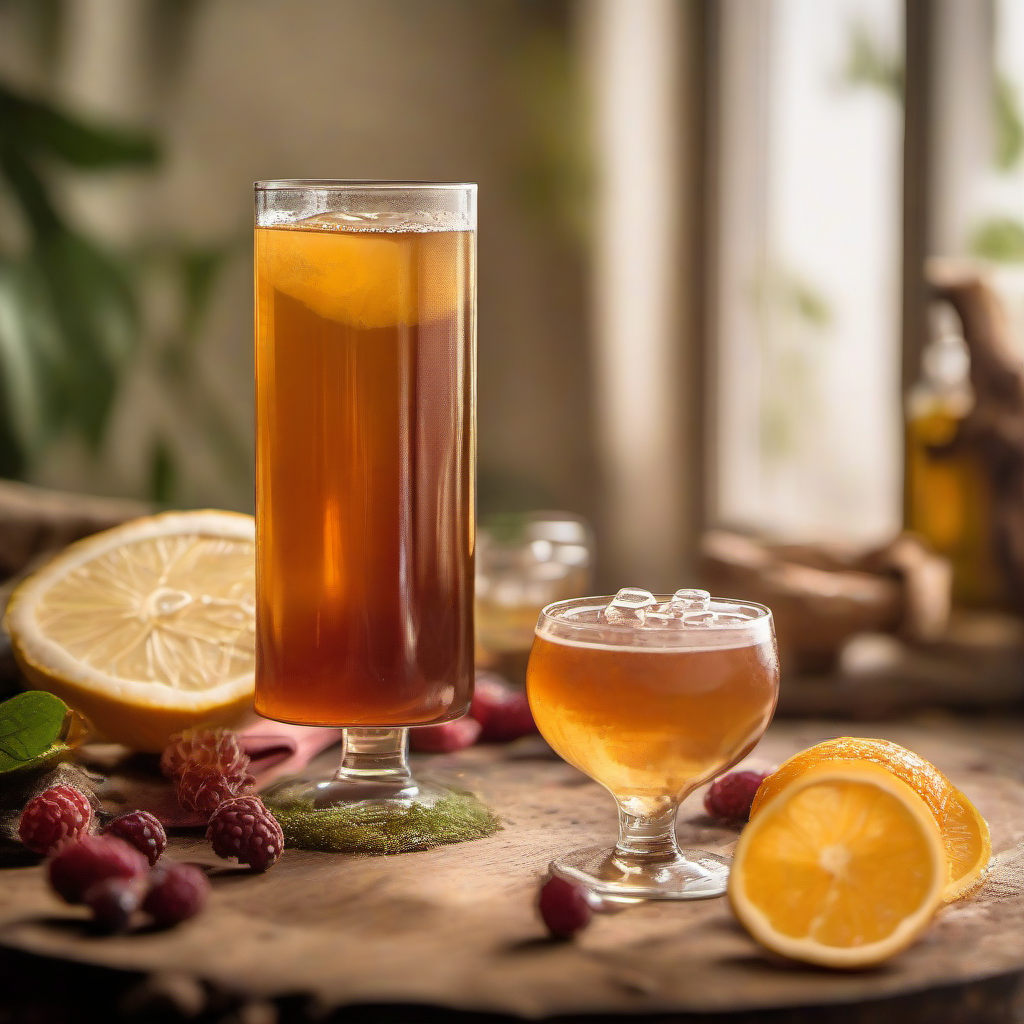
Key Takeaways
- Plain kombucha tastes like tangy, fizzy tea with apple cider vinegar undertones and mild natural sweetness
- Fermentation time controls flavor intensity — shorter ferments taste sweeter, longer ferments taste more vinegary
- Commercial kombuchas range from fruity-sweet to dry and tart depending on added ingredients and secondary fermentation
- First-time drinkers should start with fruit-forward flavors like berry, citrus, or tropical blends to ease into the tang
- Kombucha's flavor comes from acetic acid bacteria, wild yeast strains, and organic acids produced during fermentation
What Is the Base Flavor of Plain Kombucha?
Plain kombucha without added flavoring tastes primarily tangy, tart, and effervescent. The dominant flavor comes from acetic acid, the same organic acid that gives apple cider vinegar its characteristic bite. According to a PubMed review of kombucha fermentation chemistry, the fermentation process produces multiple organic acids including acetic, gluconic, and lactic acids, which create the beverage's signature tang. The tea base — typically black tea, green tea, or a blend — provides subtle background notes. Black tea kombucha carries earthy, malty undertones, while green tea versions taste lighter and slightly grassy. You'll detect mild bitterness from tea tannins, balanced by residual sweetness from sugars not fully consumed during fermentation. The mouthfeel is crisp and clean with natural carbonation from yeast metabolism creating fine bubbles similar to champagne or sparkling water. The finish is refreshingly tart with a slight dryness that makes you want another sip.How Strong Is the Vinegar Taste?
The vinegar-like quality in kombucha is pronounced but not overwhelming in properly fermented batches. Well-balanced commercial kombucha registers a pH between 2.5 and 3.5, creating noticeable tartness without the harshness of straight vinegar. If kombucha tastes excessively acidic or makes you pucker intensely, it's been over-fermented. The Kombucha Brewers International standards recommend a balanced acidity that provides tang without masking the tea character. Commercial brands carefully control fermentation time and temperature to achieve consistent tartness that appeals to broader audiences.How Do Different Fermentation Times Change Kombucha's Taste?
Fermentation duration is the single biggest factor controlling kombucha flavor intensity. During the fermentation process, the SCOBY (symbiotic culture of bacteria and yeast) consumes sugar and produces acids, fundamentally transforming the sweet tea base into the tangy finished beverage.| Fermentation Time | Sweetness Level | Tartness Level | Flavor Profile |
|---|---|---|---|
| 3-5 days | High | Mild | Sweet tea-like, subtle tang, low carbonation |
| 7-10 days | Moderate | Moderate | Balanced sweet-tart, noticeable fizz, classic kombucha taste |
| 14+ days | Low | High | Vinegary, dry, intensely tart, strong carbonation |
What Are the Most Common Kombucha Flavor Profiles?
Commercial kombuchas typically fall into distinct flavor categories based on added ingredients during secondary fermentation. These additions dramatically alter the base tangy tea flavor, making kombucha accessible to a wider range of palates.Fruity and Sweet Kombucha Flavors
Fruit-forward kombuchas are the most popular commercial varieties and the best starting point for beginners. Real fruit juice, puree, or whole fruit added during secondary fermentation introduces natural sugars and aromatic compounds that balance kombucha's acidity. Berry blends, tropical flavors, and stone fruit varieties taste like tart fruit juice with a fizzy, slightly funky finish. Popular fruit combinations include:- Berry blends (strawberry, blueberry, raspberry) — sweet-tart with jammy notes
- Tropical flavors (mango, pineapple, passionfruit) — sweet with bright acidity
- Citrus varieties (lemon, grapefruit, orange) — tangy-sweet with zesty aromatics
- Stone fruits (peach, cherry, apricot) — mellow sweetness with light tartness
Spicy and Herbaceous Kombucha Flavors
Ginger is the most popular spicy kombucha addition, providing warming heat that complements kombucha's natural tang. Ginger kombucha tastes zingy, spicy, and refreshing with a sharp bite that cuts through the acidity. Other common spicy and herbal additions include turmeric (earthy, slightly bitter), cayenne (hot, smoky), and mint (cooling, fresh). These varieties appeal to drinkers who enjoy bold, assertive flavors and don't mind less sweetness. The spice profile can range from subtle warmth to intense heat depending on concentration.Floral and Botanical Kombucha Flavors
Lavender, rose, elderflower, and hibiscus create delicate floral kombuchas with perfumed aromatics and gentle sweetness. These taste sophisticated and tea-like, with the floral notes softening kombucha's vinegar edge. Hibiscus varieties are particularly popular, tasting tart and cranberry-like with deep ruby color. Botanical kombuchas tend to be less sweet than fruit varieties and appeal to tea enthusiasts who appreciate subtle, complex flavors.Earthy and Savory Kombucha Flavors
Green tea kombucha with additions like matcha, spirulina, or chlorella tastes earthy, vegetal, and slightly bitter with grassy undertones. Beet kombucha delivers an earthy-sweet flavor with mineral notes. These varieties are polarizing — either deeply satisfying or off-putting depending on your taste preferences. Savory kombuchas represent the adventurous end of the spectrum and typically appeal to experienced kombucha drinkers rather than beginners.Why Does Kombucha Taste Different Between Brands?
Kombucha flavor varies dramatically between commercial brands due to multiple production variables. Even the same flavor name — like "Ginger Lemon" — will taste distinctly different depending on the producer.SCOBY Strain and Microbial Composition
Each kombucha producer cultivates unique SCOBY strains containing different ratios of bacterial species and yeast strains. According to a Food Microbiology study on kombucha microbial ecology, kombucha SCOBYs contain diverse communities of Acetobacter, Gluconacetobacter, Lactobacillus bacteria, and Saccharomyces, Brettanomyces, and Zygosaccharomyces yeasts. These microbial differences create unique flavor profiles through the production of different organic acids, esters, and aromatic compounds. One brand's kombucha might taste more fruity and yeasty due to dominant Saccharomyces strains, while another tastes sharper and cleaner from high Acetobacter activity.Tea Selection and Quality
The base tea dramatically influences final flavor. Organic single-origin black teas produce richer, more complex kombucha compared to generic tea blends. Green tea creates lighter, more delicate kombucha. Some producers use oolong, white tea, or specialty loose leaf teas from BellofattoBrews for distinctive flavor profiles. Tea quality matters — premium whole-leaf teas contribute more polyphenols, antioxidants, and aromatic compounds than lower-grade tea dust, resulting in more nuanced kombucha flavor.Sugar Type and Fermentation Length
Most commercial kombucha starts with cane sugar, but some producers use honey, coconut sugar, or alternative sweeteners. These affect fermentation kinetics and flavor development. Longer fermentation produces drier, more acidic kombucha, while shorter fermentation retains more sweetness. Commercial brands target specific residual sugar levels to appeal to their market. Health-focused brands often ferment longer, producing tart, low-sugar kombucha. Mainstream brands targeting former soda drinkers retain more sweetness for mass appeal.Secondary Fermentation Ingredients
The quality, concentration, and type of added flavoring dramatically alter taste. Real fruit juice creates authentic fruit flavor, while natural flavoring extracts taste more artificial. Whole fruit and herbs add complexity and visual appeal. Some brands add stevia, monk fruit, or additional sugar post-fermentation to increase sweetness without affecting probiotics.How Does Homemade Kombucha Taste Compared to Store-Bought?
Homemade kombucha typically tastes more intensely flavored, less consistent, and often more vinegary than commercial varieties. Without industrial quality control, home fermentation produces wider batch-to-batch variation based on ambient temperature, fermentation time, and SCOBY health. Many home brewers report that their kombucha tastes "funkier" or more complex than store-bought versions. This comes from wild yeast and bacteria naturally present in home environments contributing to fermentation alongside the SCOBY culture. These organisms create additional flavor compounds absent in controlled commercial production. The Kombucha Kamp brewing resource notes that home brewers often prefer stronger, more acidic kombucha than commercial drinkers, allowing fermentation to continue 10-14 days instead of the 7-day commercial standard. This produces more probiotic content but also more intense vinegar flavor. Home brewing allows complete flavor customization through tea selection, fermentation time, and creative secondary fermentation additions. Many experienced home brewers achieve flavor complexity and carbonation levels that rival or exceed premium commercial brands, though consistency requires practice and precise environmental control.What Should You Expect When Drinking Kombucha for the First Time?
First-time kombucha drinkers should expect an initial taste surprise, especially if you're expecting soda-like sweetness. The tangy, vinegary quality catches many people off guard. Your first reaction might be "this tastes weird" before your palate adjusts and recognizes the complex flavor layers. Start by taking small sips and letting the kombucha sit on your tongue momentarily before swallowing. This allows your taste receptors to detect the full spectrum of flavors beyond the initial tartness — the tea character, subtle sweetness, fruity esters, and pleasant carbonation. Many people describe an "acquired taste" phenomenon where kombucha becomes more appealing with repeated exposure. According to taste research from the NIH examining fermented food acceptance, repeated tasting of fermented beverages increases preference by desensitizing receptors to acidity and training the brain to associate the flavor with positive experiences.Best Kombucha Flavors for Beginners
If you're new to kombucha, choose these beginner-friendly options:- Ginger lemon — The ginger spice and citrus brightness mask kombucha's vinegar edge while tasting familiar and refreshing
- Strawberry or mixed berry — Natural fruit sweetness balances tartness, creating a flavor similar to sparkling fruit juice
- Mango or tropical blends — Intense fruit flavor dominates the tea and vinegar base, making these taste the least "kombucha-like"
- Peach or apricot — Stone fruit sweetness and mellow flavor create gentle, approachable kombucha
- Hibiscus — Tart but fruity, tastes like cranberry with floral notes, familiar to herbal tea drinkers
Why Does Some Kombucha Taste Like Beer or Alcohol?
Kombucha naturally contains trace alcohol from yeast fermentation, typically 0.5-1.5% alcohol by volume in commercial non-alcoholic varieties. Longer fermentation and certain yeast strains produce more alcohol and beer-like flavors from the same compounds found in fermented grain beverages. Kombucha with noticeable beer-like flavor contains higher levels of esters, phenols, and alcohol produced by Saccharomyces and Brettanomyces yeasts. These create flavors ranging from champagne-like to funky Belgian ale depending on the specific yeast species present. A Brewers Association analysis of kombucha fermentation found that extended fermentation beyond 14 days can push alcohol content above 2%, creating distinctly beer-like flavors. Some producers intentionally create "hard kombucha" with 4-7% ABV by encouraging yeast alcohol production through controlled fermentation. If your kombucha tastes strongly alcoholic but is labeled non-alcoholic, it may have over-fermented during storage or been improperly handled. Refrigeration slows but doesn't completely stop fermentation, so kombucha continues developing acidity and alcohol slowly even in the fridge.Does Kombucha Taste Like Vinegar? Understanding the Comparison
Kombucha definitely shares flavor compounds with vinegar, particularly apple cider vinegar, but well-made kombucha tastes less harsh, more complex, and more drinkable than straight vinegar. Both beverages derive tanginess from acetic acid, but kombucha contains additional organic acids, tea compounds, residual sugars, and aromatic esters that create depth beyond simple sourness. The vinegar comparison is most accurate for plain, unflavored kombucha or over-fermented batches where acetic acid dominates. Commercial fruit-flavored kombuchas taste significantly less vinegary due to added sweetness and aromatic compounds from fruit ingredients. According to the FDA fermented beverage guidelines, properly fermented kombucha maintains pH above 2.5, preventing the extreme acidity that makes vinegar unsuitable for direct consumption as a beverage. This pH range preserves tartness while remaining palatable. If you already enjoy drinking diluted apple cider vinegar for health reasons, you'll likely find kombucha's flavor immediately appealing. If you dislike vinegar in any form, start with heavily fruit-flavored kombuchas to minimize the acetic acid perception.How Does Kombucha Taste Different From Other Fermented Drinks?
Kombucha occupies a unique flavor space among fermented beverages, sharing characteristics with several drink categories while remaining distinctly different from all of them.Kombucha vs Kefir
Water kefir tastes milder, sweeter, and less acidic than kombucha with subtle fermented fruit notes and lighter carbonation. Milk kefir tastes tangy and yogurt-like, completely different from kombucha's tea and vinegar profile. The Kefir Lady resource comparing fermented drinks notes that kefir fermentation produces primarily lactic acid (mild, creamy tang) while kombucha produces acetic acid (sharp, vinegar tang).Kombucha vs Kvass
Traditional beet or bread kvass tastes earthy, malty, and mildly sour with savory undertones. Kvass has a heavier, more substantial mouthfeel than kombucha's crisp, light texture. Kvass acidity is gentler and more rounded compared to kombucha's bright, assertive tartness.Kombucha vs Jun Tea
Jun tea, the "champagne of kombucha," uses green tea and honey instead of black tea and sugar, producing a lighter, more delicate beverage with subtle floral sweetness and champagne-like effervescence. Jun tastes less acidic and less vinegary than traditional kombucha, with gentler carbonation and more refined flavor. Many people who find regular kombucha too tart prefer jun's mellower profile.Kombucha vs Hard Seltzer
Hard seltzers taste clean, lightly flavored, and purely effervescent with subtle fruit essence and alcohol bite. Kombucha tastes significantly more complex with prominent acidity, tea character, and fermented funk absent in neutral grain alcohol-based seltzers.People Also Ask About Kombucha Taste
Does kombucha taste good cold or warm?
Kombucha tastes significantly better cold. Chilling enhances carbonation perception, reduces acidity intensity, and makes the flavor more refreshing and palatable. Warm kombucha tastes flat, more vinegary, and less pleasant, though some traditional cultures consume it at room temperature for maximum probiotic activity.
Can you make kombucha taste less vinegary?
Yes, shorten fermentation time to 5-7 days, add fruit juice during secondary fermentation, or mix finished kombucha with sparkling water or fruit juice. These methods increase sweetness and dilute acidity without destroying probiotics. Refrigerate promptly to stop fermentation and prevent further acid development.
Does all kombucha taste the same?
No, kombucha flavor varies dramatically between brands, tea bases, fermentation times, and added ingredients. Plain black tea kombucha tastes completely different from green tea versions, and fruit-flavored varieties bear little resemblance to original unflavored kombucha. SCOBY strain differences create unique flavor profiles even using identical recipes.
Expert Verdict on Kombucha Taste
Kombucha delivers a distinctive tangy, effervescent flavor that combines fermented tea, apple cider vinegar, and natural carbonation into a complex, refreshing beverage. First-timers should expect noticeable tartness balanced by subtle sweetness and tea character. The vinegar-like quality can be surprising initially but becomes appealing with repeated tasting as your palate adjusts to fermented beverage flavor profiles. Choose fruit-forward commercial varieties for the most accessible introduction, then explore plainer versions as you develop appreciation for kombucha's unique fermented complexity. Quality matters significantly — premium brands using real ingredients and controlled fermentation produce dramatically better-tasting kombucha than mass-market varieties relying on artificial flavoring and excessive sweetness. Whether you ultimately love or merely tolerate kombucha depends on your tolerance for acidity and willingness to embrace unfamiliar fermented flavors, but most people who persist past the first bottle find kombucha becomes a genuinely enjoyable daily drink.
Article Summary
- Kombucha tastes tangy, fizzy, and slightly sweet with prominent apple cider vinegar notes from acetic acid fermentation
- Flavor intensity depends on fermentation time — 7-10 days produces balanced sweet-tart kombucha, while longer ferments taste more vinegary
- Commercial kombuchas range from fruit-forward and sweet to dry and intensely tart based on added ingredients and production methods
- Beginners should start with fruit-flavored varieties like berry, tropical, or ginger-lemon to ease into kombucha's distinctive acidic profile
- Kombucha tastes different between brands due to unique SCOBY strains, tea quality, fermentation parameters, and flavoring ingredients
Frequently Asked Questions
What does plain kombucha taste like without flavoring?
Plain kombucha tastes tangy and effervescent like fizzy apple cider vinegar mixed with slightly sweet tea. The flavor is predominantly tart from acetic acid, with subtle tea bitterness, mild sweetness from residual sugar, and clean carbonation. Black tea versions taste earthier and malty, while green tea kombucha is lighter and grassier.
Why does my kombucha taste like vinegar?
Kombucha tastes like vinegar because fermentation produces acetic acid, the same compound in vinegar. Over-fermented kombucha or batches left too long at warm temperatures develop excessive acetic acid, creating harsh vinegar flavor. Properly fermented kombucha should taste tart but balanced, not overwhelmingly acidic or undrinkable.
Does kombucha taste like soda or juice?
Kombucha tastes significantly more tart and acidic than soda or juice. While it has carbonation like soda and fruit-flavored varieties share some sweetness with juice, kombucha's prominent vinegar-like tang and fermented tea character make it distinctly different. Kombucha is less sweet and more complex than conventional soft drinks.
How can I make kombucha taste better?
Improve kombucha taste by adding fresh fruit juice, honey, or ginger during secondary fermentation; mixing finished kombucha with sparkling water; choosing sweeter, fruit-forward commercial brands; serving it ice-cold; or starting with shorter fermentation times at home to reduce acidity. Adding sweetener after fermentation preserves probiotics while improving palatability.
Does kombucha taste alcoholic?
Regular kombucha contains 0.5-1.5% alcohol and doesn't taste noticeably alcoholic to most people. Some batches with specific yeast strains or extended fermentation develop beer-like or champagne-like flavors from elevated alcohol and ester production. Hard kombucha brands intentionally ferment to 4-7% ABV and taste clearly alcoholic.
What is the best tasting kombucha for first-timers?
Ginger lemon, strawberry, mixed berry, and tropical fruit kombuchas taste best for beginners because fruit sweetness and familiar flavors balance kombucha's tartness. Avoid original or green tea flavors initially.
More Kombucha Articles
This article was produced by an automated research tool. Content is for informational purposes only and should not replace professional advice. Nothing here is medical advice, and it is not a substitute for it. Talk to a doctor about anything affecting your health. Product and resource links throughout this article are included for informational value based on relevance and quality. WhichBrewForYou has no affiliate relationship with any linked third-party site and receives no commission from any recommended products or brands. BellofattoBrews (coffee and tea) and Golden Hive Mead (mead kits and resources) are personal recommendations from this publication's founder and have no affiliation with WhichBrewForYou.