Key Takeaways
- Jun tea is fermented with raw honey and green tea, creating a lighter, less acidic profile than kombucha.
- The jun SCOBY is a distinct culture specifically adapted to metabolize honey instead of cane sugar.
- Fermentation occurs at cooler temperatures (75-82°F) and completes faster than kombucha (5-10 days versus 7-14 days).
- Jun tea contains probiotics, organic acids, antioxidants from green tea, and enzymatic compounds preserved from raw honey.
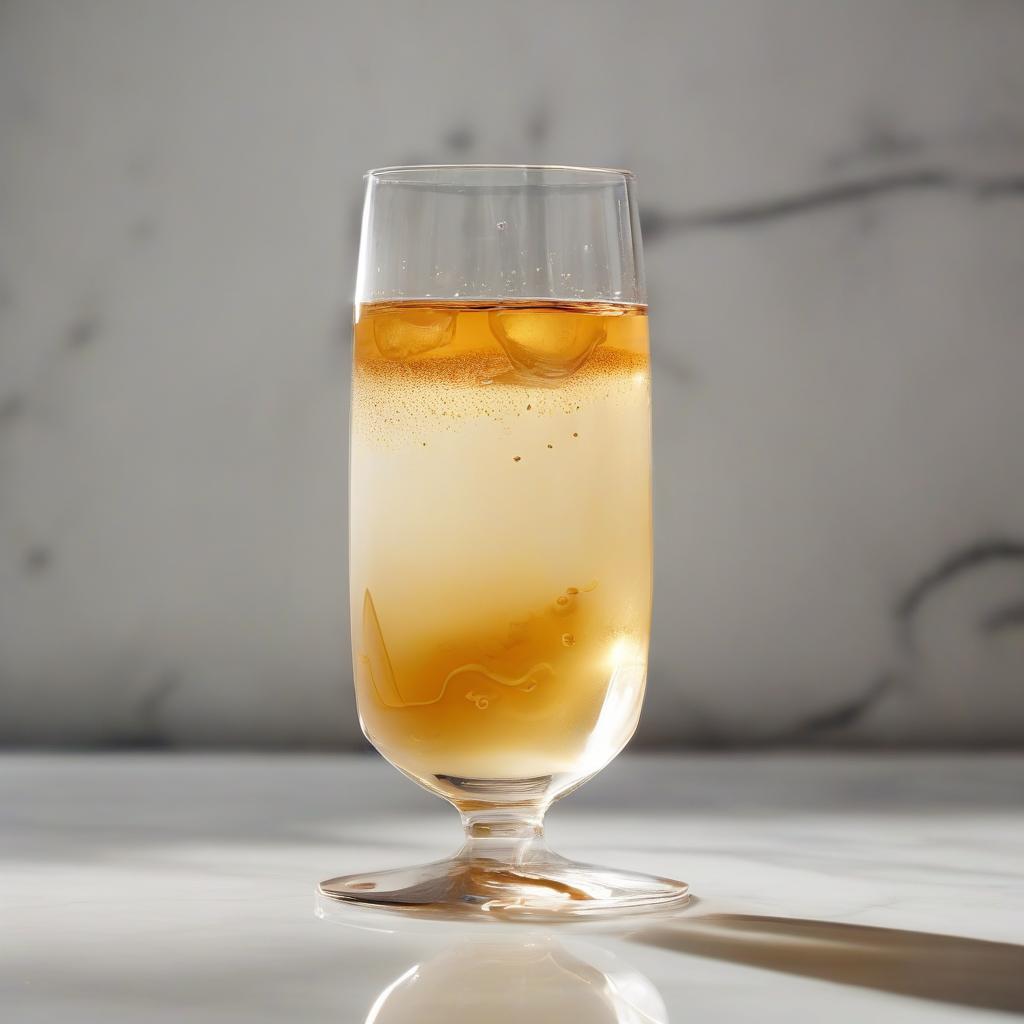
- The finished beverage has a champagne-like effervescence with floral, delicate flavor notes.
- Jun cultures cannot be substituted with kombucha SCOBYs — they are microbiologically different organisms.
What Makes Jun Tea Different from Kombucha?
Jun tea and kombucha share the same basic fermentation principle but diverge significantly in their ingredients, microbial composition, and flavor outcomes. The most critical difference is that jun tea requires raw, unpasteurized honey and specifically green tea, while kombucha traditionally uses black tea and processed cane sugar. This distinction isn't merely preferential — it's biological.
According to Kombucha Brewers International, the jun SCOBY contains different bacterial and yeast strains that have evolved to efficiently metabolize the complex sugars, enzymes, and antimicrobial compounds found in raw honey. A kombucha SCOBY transferred to a honey environment will struggle to ferment effectively and may produce off-flavors or fail entirely.
The green tea base contributes high levels of L-theanine (an amino acid known for promoting calm focus) and catechins (powerful antioxidants), according to research published on PubMed. These compounds remain largely intact through jun fermentation, unlike the higher tannin content in black tea which becomes more astringent during kombucha fermentation. The result is a beverage with a cleaner, more delicate flavor that many describe as champagne-like or floral rather than vinegary.
Jun tea also ferments at slightly cooler temperatures (75-82°F compared to kombucha's 78-85°F) and completes its primary fermentation faster. While kombucha typically requires 7-14 days, jun tea is often ready in 5-10 days. This shorter cycle, combined with honey's natural antimicrobial properties, creates a drink with less acidity — usually pH 3.0-3.5 compared to kombucha's 2.5-3.2.
| Characteristic | Jun Tea | Kombucha |
|---|---|---|
| Tea Base | Green tea | Black tea (traditionally) |
| Sweetener | Raw honey | Cane sugar |
| Fermentation Time | 5-10 days | 7-14 days |
| Ideal Temperature | 75-82°F | 78-85°F |
| Final pH | 3.0-3.5 | 2.5-3.2 |
| Flavor Profile | Light, floral, champagne-like | Tangy, vinegary, bold |
What Is a Jun SCOBY and How Does It Work?
The jun SCOBY (Symbiotic Culture of Bacteria and Yeast) is a gelatinous, pancake-shaped biofilm that serves as the living fermentation engine for jun tea. This culture contains acetobacter species (bacteria that convert alcohol to acetic acid) and honey-tolerant yeast strains that have specifically adapted to metabolize the glucose, fructose, and complex enzymes present in raw honey.
According to Cultures for Health, a leading supplier of fermentation cultures, the jun SCOBY's microbial ecosystem differs from kombucha SCOBYs at the species level. While both contain acetobacter and saccharomyces yeasts, jun cultures show higher populations of honey-adapted strains and different ratios of bacterial to yeast organisms. This adaptation allows the jun SCOBY to handle honey's natural hydrogen peroxide production and antimicrobial defensin-1 peptides that would inhibit many other fermentation cultures.
During fermentation, the SCOBY floats on or near the surface of the liquid, creating an oxygen-rich zone where aerobic bacteria thrive. The yeast organisms, which prefer lower-oxygen environments, settle throughout the liquid and begin converting honey sugars into ethanol. The bacteria then oxidize this ethanol into acetic acid and other organic acids (gluconic acid, glucuronic acid), creating the characteristic tangy flavor and lowering the pH to preserve the beverage.
A healthy jun SCOBY is cream to light tan in color, smooth or slightly bumpy on top, and ranges from 1/8 inch to 1 inch thick depending on fermentation duration. With each batch, the SCOBY produces a new layer — a "baby" SCOBY — that can be separated and used to start additional batches or shared with other brewers. As documented by research on ScienceDirect, these cellulose-based biofilms are remarkably resilient and can remain viable for months when properly stored in fresh tea.
How to Make Jun Tea at Home: Step-by-Step Guide
Making jun tea requires minimal equipment and just four core ingredients, but attention to temperature, timing, and ingredient quality makes the difference between a mediocre batch and an exceptional one. The process follows a straightforward sequence: brew green tea, dissolve raw honey, cool to room temperature, add jun culture, and ferment for 5-10 days.
Ingredients You'll Need
- 1 gallon filtered or spring water — Chlorinated tap water will harm the SCOBY; if using tap water, boil and let sit uncovered for 30 minutes to evaporate chlorine, or use a carbon filter
- 8-10 grams (approximately 4-5 teaspoons) high-quality green tea — Loose leaf sencha, dragonwell, or gunpowder green tea work best; avoid flavored or artificially scented teas
- 1 cup (240ml) raw, unpasteurized honey — Local, organic honey preserves maximum enzymes and beneficial compounds; pasteurized honey will ferment but yields inferior flavor
- 1 jun SCOBY with 1-2 cups starter liquid — Obtain from a trusted source or existing jun brewer; kombucha SCOBYs will not work
Equipment
- 1-gallon glass jar (avoid metal, which reacts with acids)
- Breathable cloth cover (coffee filter, cheesecloth, or clean kitchen towel)
- Rubber band or string to secure the cover
- Non-metal stirring utensil (wooden spoon or silicone spatula)
- Digital thermometer
- pH strips or pH meter (optional but recommended)
Brewing Process
- Brew the green tea: Bring 4 cups of filtered water to 170-180°F (not boiling — green tea scorches at higher temperatures, creating bitterness). Add green tea leaves and steep for 3-5 minutes. Strain out leaves completely.
- Dissolve the honey: While the tea is still warm (not hot), add 1 cup raw honey and stir gently until fully dissolved. The warmth helps honey integrate, but do not add honey to boiling liquid as excessive heat destroys beneficial enzymes.
- Dilute and cool: Add remaining cold filtered water to bring the total volume to 1 gallon. Stir and check temperature — the mixture must cool to 75-85°F before adding the SCOBY. Hot liquid will kill the culture.
- Add starter liquid and SCOBY: Pour 1-2 cups of reserved jun tea from a previous batch (or starter liquid that came with your SCOBY) into the jar. This lowers pH immediately and protects against mold. Gently slide the SCOBY into the jar with clean hands. It may float, sink, or hover mid-jar — all are normal.
- Cover and ferment: Cover the jar opening with a breathable cloth secured with a rubber band. This allows carbon dioxide to escape while preventing fruit flies and contaminants from entering. Place the jar in a stable location away from direct sunlight where temperature remains between 75-82°F. Do not move or disturb the jar during fermentation.
- Taste and test: After 5 days, begin tasting daily using a clean straw or spoon inserted past the SCOBY. The tea should taste mildly sweet-tart with gentle effervescence. When it reaches your preferred balance (usually 7-9 days), it's ready. According to Kombucha Kamp, ideal finished jun tea has a pH between 3.0-3.5.
- Bottle and second ferment (optional): Remove the SCOBY with clean hands and set aside with 1-2 cups of the finished tea for your next batch. Bottle the remaining jun tea in airtight glass bottles, leaving 1 inch headspace. For increased carbonation and flavor, add fresh fruit, herbs, or a small amount of additional honey and seal for 2-4 days at room temperature (this is called second fermentation). Burp bottles daily to prevent over-carbonation.
- Refrigerate and enjoy: Once desired carbonation is achieved, refrigerate to halt fermentation. Jun tea keeps for 2-3 months refrigerated. Drink chilled as is, or use as a mixer or cocktail base.
For detailed brewing techniques and visual guides, refer to the BellofattoBrews brewing guide, which covers temperature control and fermentation timing for various tea-based beverages.
What Can Go Wrong?
The most common jun tea failures involve temperature extremes, contamination, or ingredient substitutions. If fermentation occurs above 85°F, the culture produces excessive acetic acid too quickly, creating harsh vinegary flavors. Below 70°F, fermentation stalls and yeast overgrowth can occur, producing a yeasty or beer-like off-flavor.
Mold — identified by fuzzy circular patches in white, green, or black — indicates contamination and requires discarding both the SCOBY and liquid. Mold results from insufficient acidity at the start of fermentation (use enough starter liquid), exposure to airborne contaminants (always cover properly), or contaminated equipment. According to the UK Tea & Infusions Association, maintaining strict sanitation practices prevents 95% of mold issues in fermented tea beverages.
Jun tea delivers a unique combination of health-promoting compounds derived from three sources: green tea, raw honey, and the fermentation process itself.
The green tea base contributes powerful catechin antioxidants, particularly epigallocatechin gallate (EGCG), which research from Harvard's Nutrition Source associates with cardiovascular protection, improved metabolic function, and cellular health. Fermentation appears to increase the bioavailability of these compounds, making them easier for the body to absorb and utilize.
Raw honey contributes prebiotic oligosaccharides, enzymes (diastase, invertase, glucose oxidase), polyphenols, and trace minerals that survive the fermentation process in partially bioavailable forms.
Jun tea typically contains 0.5-2% alcohol by volume after primary fermentation — similar to kombucha — due to yeast activity. This trace amount is generally considered non-intoxicating but may be relevant for individuals avoiding alcohol entirely for medical, religious, or recovery reasons.
One cup (8 oz) of jun tea typically contains:
- 20-40 calories (depending on residual sugar)
- 5-10g carbohydrates
- Billions of probiotic organisms (species and count vary by batch)
- 10-25mg caffeine (approximately 1/4 the amount in a cup of coffee)
- Vitamin B complex (B1, B2, B6, B12 produced during fermentation)
Contraindications: Individuals with compromised immune systems, pregnant women, and young children should consult healthcare providers before consuming unpasteurized fermented beverages. The acidity may also irritate sensitive digestive systems if consumed in excess.
Where Did Jun Tea Originate?
Jun tea's historical origins remain debated, with various sources attributing it to different regions and time periods. The most commonly cited narrative suggests jun tea originated in Tibet or northern China, where it was traditionally brewed in monasteries and referred to as the "champagne of kombucha" due to its refined, delicate flavor profile and effervescent quality.
However, concrete historical documentation is sparse. Unlike kombucha, which has traceable references in Chinese medical texts dating back over 2,000 years, jun tea appears primarily in modern fermentation literature and oral tradition. Some fermentation historians speculate that jun represents a regional adaptation that emerged wherever green tea cultivation overlapped with honey production — potentially in the mountainous regions of Tibet, Nepal, or western China where both ingredients were abundant.
What's verifiable is that jun tea entered Western fermentation culture in the late 1990s and early 2000s through enthusiast networks and homebrewing communities. Early adopters shared jun cultures through informal networks, treating them as precious living heirlooms. According to Kombucha Kamp, one of the earliest commercial suppliers of fermentation cultures, jun SCOBYs were initially rare and commanded premium prices due to their specialized nature and limited availability.
Today, jun tea occupies a niche but growing segment of the fermented beverage market. While commercial production remains limited compared to kombucha, homebrewing has flourished. Online communities and suppliers now make jun cultures accessible to fermenters worldwide, and the beverage has earned a dedicated following among those seeking alternatives to kombucha's sharper, more acidic profile.
How to Flavor and Customize Jun Tea
Jun tea's mild, floral character makes it an ideal canvas for flavoring through second fermentation. The key to successful flavoring is adding ingredients after removing the SCOBY, then sealing bottles for 2-4 days to build carbonation while infusing flavors.
Top Flavoring Ingredients and Combinations
Fresh fruits work exceptionally well, contributing natural sugars that feed residual yeast for carbonation while imparting bright flavors. Effective options include:
- Berries — Strawberries, blueberries, raspberries, or blackberries (1/4 cup per 16 oz bottle)
- Stone fruits — Peaches, plums, apricots, or cherries (2-3 slices per bottle)
- Citrus — Lemon, lime, or grapefruit (1-2 slices or 1 tablespoon juice per bottle)
- Tropical fruits — Mango, pineapple, or passion fruit (2 tablespoons per bottle)
Herbs and flowers complement jun's delicate profile beautifully:
- Lavender — 1/4 teaspoon dried culinary lavender per bottle creates floral elegance
- Mint — Fresh spearmint or peppermint (3-4 leaves per bottle)
- Basil — Thai basil or sweet basil (2-3 leaves per bottle) for subtle anise notes
- Rose — Food-grade dried rose petals (1/4 teaspoon per bottle)
- Hibiscus — Dried hibiscus flowers (1/2 teaspoon per bottle) add tart cranberry-like flavor
Spices should be used sparingly due to their intensity:
- Cinnamon — 1/4 stick per bottle
- Cardamom — 2-3 lightly crushed pods per bottle
- Star anise — 1 whole star per bottle
Second Fermentation Process
- After primary fermentation completes, remove the SCOBY and reserve 1-2 cups liquid for your next batch.
- Add your chosen flavoring ingredients directly to glass bottles (swing-top bottles work best).
- Pour jun tea over the flavorings, leaving 1-inch headspace at the top.
- Seal tightly and leave at room temperature (72-78°F) for 2-4 days.
- Burp bottles daily by briefly opening the cap to release pressure — this prevents bottle explosions from over-carbonation.
- When carbonation reaches desired level (test by opening one bottle), strain out solid ingredients and refrigerate.
For inspiration on flavor pairing principles used in fermented tea beverages, quality loose leaf teas from BellofattoBrews offer excellent starting points for experimenting with tea blends and botanical combinations.
People Also Ask
Can you use a kombucha SCOBY to make jun tea?
No, kombucha SCOBYs and jun SCOBYs are microbiologically distinct organisms adapted to different sugars. Kombucha cultures are optimized for cane sugar metabolism, while jun cultures specifically metabolize raw honey's complex enzymes and sugars. Using a kombucha SCOBY with honey will result in slow, incomplete fermentation and off-flavors.
Does jun tea contain alcohol?
Yes, jun tea contains trace alcohol produced by yeast during fermentation, typically 0.5-2% ABV after primary fermentation. This is similar to kombucha and generally considered non-intoxicating. Second fermentation in sealed bottles may slightly increase alcohol content. Individuals avoiding all alcohol should be aware of this trace amount.
How long does jun tea last after brewing?
Bottled jun tea lasts 2-3 months when refrigerated in sealed containers. Refrigeration halts fermentation and preserves flavor and carbonation. Over time, jun tea will continue to slowly ferment even when cold, becoming progressively more sour and less sweet. Once opened, consume within one week for optimal taste and carbonation.
Expert Verdict
Jun tea represents fermented beverage craftsmanship at its most elegant. Success hinges on three non-negotiables: use genuinely raw, unpasteurized honey; source high-quality loose leaf green tea; and obtain a true jun culture rather than attempting kombucha SCOBY substitutions. Master these fundamentals, maintain temperature discipline, and jun tea rewards you with a sophisticated, effervescent beverage that improves with each batch as you develop intuition for timing and flavor balance. For homebrewers seeking something beyond standard kombucha, jun tea offers a compelling next-level fermentation project.
Article Summary
- Jun tea is a probiotic fermented beverage made from green tea and raw honey using a specialized jun SCOBY culture distinct from kombucha organisms.
- The fermentation process takes 5-10 days at 75-82°F, producing a lightly carbonated, champagne-like drink with less acidity than kombucha (pH 3.0-3.5).
- Making jun tea requires four core ingredients: filtered water, high-quality green tea, raw unpasteurized honey, and a jun SCOBY with starter liquid.
- Jun tea contains trace alcohol (0.5-2% ABV) and low caffeine (~10-25mg per 8 oz cup) — significantly less than coffee.
- The beverage can be customized through second fermentation with fruits, herbs, flowers, or spices to create endless flavor variations while building natural carbonation.
Frequently Asked Questions
What does jun tea taste like?
Jun tea has a light, delicate flavor often compared to champagne or sparkling white wine. It's mildly sweet-tart with floral notes from the green tea and gentle effervescence. The honey base creates a smoother, rounder sweetness than kombucha, with significantly less vinegary sharpness. Flavor varies by fermentation time, with shorter ferments tasting sweeter and longer ferments developing more tartness.
Is jun tea better than kombucha?
"Better" depends on personal preference. Jun tea offers a lighter, less acidic, more refined flavor profile that many find easier to drink regularly. Kombucha provides a bolder, tangier flavor and uses more affordable ingredients (black tea and cane sugar versus green tea and raw honey). Both deliver valuable probiotics and organic acids.
Where can I buy a jun SCOBY?
Jun SCOBYs are available from online fermentation suppliers like Cultures for Health, Kombucha Kamp, and various Etsy sellers specializing in fermentation cultures. Local homebrewing communities and fermentation groups often share cultures. Expect to pay $15-30 for a jun SCOBY with starter liquid. Verify the seller specifically identifies it as jun culture, not kombucha, as they are different organisms.
Can I make jun tea without raw honey?
No, the jun SCOBY is specifically adapted to metabolize raw honey's complex sugars and enzymes. Pasteurized honey will ferment but produces inferior results with diminished flavor and slower fermentation. Regular cane sugar does not work with jun cultures — it requires a kombucha SCOBY instead. The raw honey isn't just a sweetener; it's a core ingredient that defines jun tea's microbiology and flavor.
How much jun tea should I drink daily?
Start with 4-8 ounces daily and gradually increase to 8-16 ounces as your digestive system adapts to the probiotics and organic acids. Drinking excessive amounts (over 16 oz daily) may cause digestive discomfort due to acidity and probiotic load. Individuals with sensitive digestion should start with smaller amounts.
Does jun tea need to be refrigerated?
Yes, finished jun tea should be refrigerated to halt fermentation and preserve flavor, carbonation, and probiotic viability. At room temperature, fermentation continues, increasing sourness and potentially causing over-carbonation in sealed bottles. Refrigeration extends shelf life to 2-3 months. The living SCOBY remains at room temperature in fresh tea for continuous brewing or can be stored short-term (up to 3 weeks) refrigerated in starter liquid.
This article was produced by an automated research tool. Content is for informational purposes only and should not replace professional advice. Nothing here is medical advice, and it is not a substitute for it. Talk to a doctor about anything affecting your health. Product and resource links throughout this article are included for informational value based on relevance and quality. WhichBrewForYou has no affiliate relationship with any linked third-party site and receives no commission from any recommended products or brands. BellofattoBrews (coffee and tea) and Golden Hive Mead (mead kits and resources) are personal recommendations from this publication's founder and have no affiliation with WhichBrewForYou.