Key Takeaways
- Yerba mate contains 85mg of caffeine per cup, positioned between green tea (25-50mg) and coffee (95-200mg).
- The traditional brewing method uses a gourd and bombilla straw at 160-180°F water temperature to prevent bitterness.
- According to research published in the Journal of Food Science, yerba mate contains 15 amino acids and high levels of polyphenol antioxidants.
- Mate preparation follows a specific ritual: fill the gourd two-thirds full, tilt to create a slope, insert bombilla on the lower side, then add water gradually.
- A single serving of yerba mate can be re-steeped 10-20 times before losing flavor potency.
- The drink is naturally gluten-free, vegan, and contains vitamins B1, B2, B3, B5, C, and E according to USDA FoodData Central.
What Exactly Is Yerba Mate?
Yerba mate (pronounced YER-bah MAH-tay) is the dried leaf and stem material of Ilex paraguariensis, a species of holly native to the subtropical forests of South America. The plant grows primarily in Argentina, Paraguay, Uruguay, and southern Brazil, where indigenous Guaraní people have consumed mate for over a thousand years. Unlike true tea (Camellia sinensis), yerba mate belongs to the holly family and produces a distinctly earthy, grassy flavor profile with subtle smoky undertones depending on processing method.
The Ilex paraguariensis plant is an evergreen tree that can reach heights of 15 meters in the wild, though cultivated plants are pruned to 3-6 meters for easier harvesting. The leaves contain a unique combination of xanthine alkaloids — caffeine, theobromine (also found in chocolate), and theophylline (found in tea) — which work synergistically to provide what regular mate drinkers describe as "clean energy" without jitters or sudden crashes.
According to the National Coffee Association, the global yerba mate market has grown 38% since 2020, driven by increased consumer interest in functional beverages and traditional plant medicines. Guayaki, one of North America's leading yerba mate suppliers, reports that over 92% of Argentine households consume mate daily, making it the country's most popular beverage.
Related: Best Brewing Methods for Coffee at Home | WhichBrewForYou
How Does Yerba Mate Differ From Coffee and Tea?
Yerba mate occupies a unique middle ground between coffee and traditional tea, offering a caffeine content and stimulant profile distinct from both. Understanding these differences helps explain why mate produces its characteristic sustained energy effect.
| Beverage | Caffeine (8oz) | Primary Alkaloids | Typical Effect Duration | Onset Time |
|---|---|---|---|---|
| Yerba Mate | 85mg | Caffeine, theobromine, theophylline | 4-6 hours | 15-30 minutes |
| Coffee | 95-200mg | Caffeine (primary) | 3-5 hours | 10-15 minutes |
| Green Tea | 25-50mg | Caffeine, L-theanine | 2-4 hours | 20-40 minutes |
| Black Tea | 40-70mg | Caffeine, L-theanine | 3-4 hours | 15-30 minutes |
The presence of theobromine in yerba mate explains the beverage's mood-enhancing properties. A study published in Nutrients journal found that theobromine produces mild euphoric effects and acts as a bronchodilator and vasodilator, improving oxygen flow to muscles and the brain. This compound is also responsible for chocolate's mood-boosting reputation.
Theophylline, the third alkaloid in mate, relaxes smooth muscles in the bronchial airways and has been used pharmaceutically to treat asthma and chronic obstructive pulmonary disease. According to Mayo Clinic, theophylline enhances contractility of the diaphragm and can improve breathing efficiency during physical activity.
What Are the Health Benefits of Yerba Mate?
Yerba mate contains an exceptionally high concentration of polyphenol antioxidants — compounds that protect cells from oxidative stress and inflammation. Research demonstrates that mate provides measurable health benefits when consumed as part of a balanced diet.
Yerba mate contains 90% more antioxidants than green tea according to research in the Journal of Agricultural and Food Chemistry, with chlorogenic acid as its most abundant polyphenol. Chlorogenic acid is the same compound found in coffee that has been linked to improved glucose metabolism and reduced inflammation.
Cardiovascular and Metabolic Benefits
A 2015 systematic review published in the Journal of the American College of Nutrition found that yerba mate consumption was associated with improved lipid profiles, including reduced LDL cholesterol and triglycerides. The study reviewed 15 clinical trials and concluded that drinking 1-3 cups of mate daily for 12 weeks produced measurable cardiovascular benefits in participants.
According to Harvard's School of Public Health, the saponins found in yerba mate possess anti-inflammatory and cholesterol-lowering properties. Saponins are plant compounds that bind to cholesterol in the digestive tract, reducing its absorption into the bloodstream.
Weight Management and Metabolism
Multiple studies have examined yerba mate's effect on weight management and fat oxidation. Research published in Nutrition & Metabolism demonstrated that yerba mate increased fat oxidation during moderate-intensity exercise by 24% compared to placebo. The study attributed this effect to the combination of caffeine and chlorogenic acid working synergistically.
The beverage also appears to increase satiety and reduce appetite. A controlled trial in the European Journal of Nutrition found that participants who consumed 3 grams of yerba mate extract before meals reported feeling fuller faster and consumed fewer total calories throughout the day.
Cognitive Function and Mental Clarity
The unique alkaloid profile in yerba mate supports cognitive function through multiple pathways. Caffeine blocks adenosine receptors in the brain, reducing fatigue and improving alertness. Theobromine enhances cerebral blood flow, while theophylline supports sustained concentration without overstimulation.
A study in Psychopharmacology found that mate consumption improved reaction time, memory recall, and sustained attention in healthy adults. The effects were noted within 30 minutes and persisted for 4-6 hours — significantly longer than coffee's typical 3-hour window.
How to Brew Yerba Mate: Traditional Method
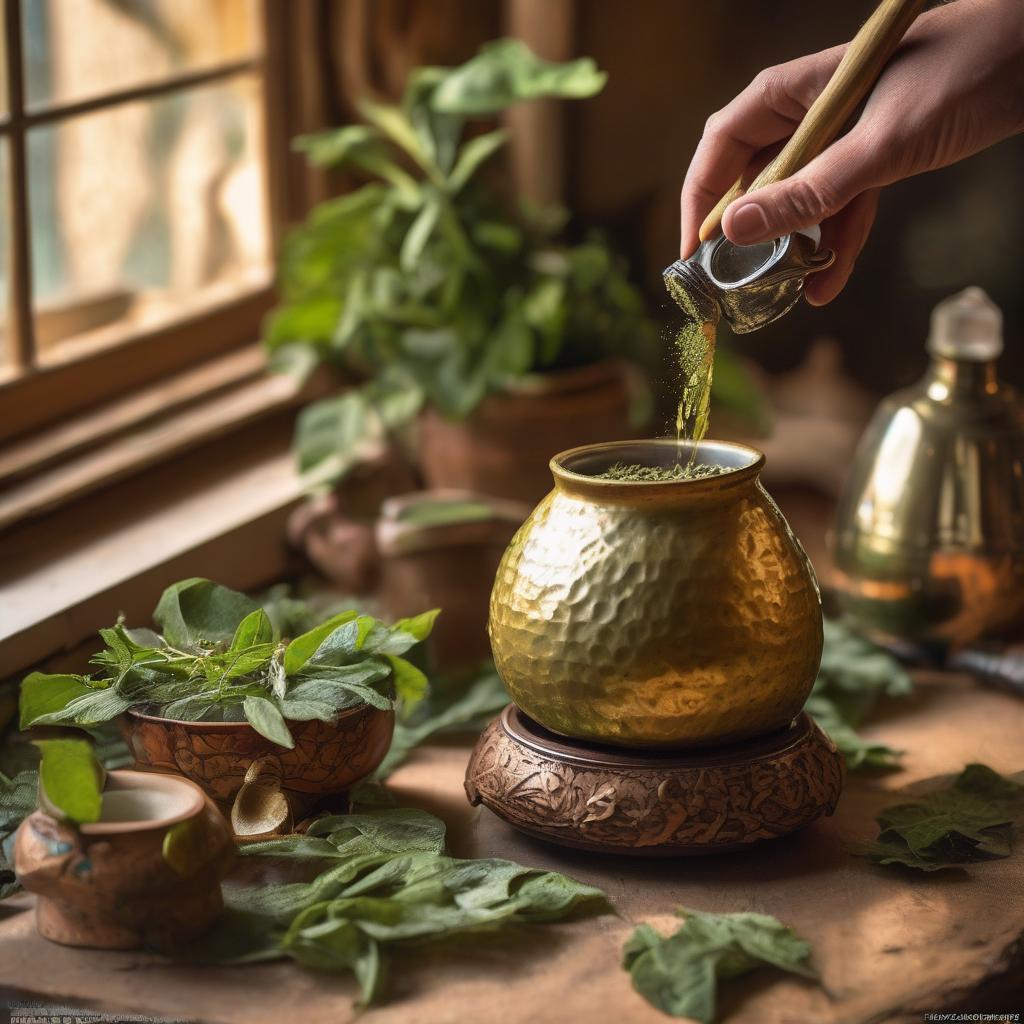
Traditional yerba mate preparation follows a specific ritual developed over centuries in South America. This method maximizes flavor extraction while preventing bitterness and preserving the mate's beneficial compounds. According to Guayaki's traditional preparation guide, the process requires three essential tools: a gourd (mate cup), a bombilla (filtered metal straw), and properly cured yerba mate leaves.
Equipment Needed for Traditional Brewing
- Gourd (mate cup): Traditionally made from calabash squash, though modern versions use wood, ceramic, glass, or stainless steel. Calabash gourds require curing before first use.
- Bombilla: A metal straw with a bulbous filtered end that prevents leaf particles from entering the mouth. Stainless steel bombillas are most common and durable.
- Yerba mate: Loose-leaf yerba mate with stems (con palo) for smoother flavor, or without stems (sin palo) for stronger, more bitter taste.
- Hot water: Heated to 160-180°F (70-80°C). Water that's too hot extracts excessive tannins and produces bitterness.
- Kettle with temperature control: A thermometer or variable-temperature kettle prevents overheating the water.
Step-by-Step Traditional Brewing Instructions
- Fill the gourd two-thirds full with yerba mate. Do not pack it down — loose leaves allow proper water circulation and flavor extraction.
- Cover the gourd opening with your palm and invert it. Shake gently 2-3 times to bring fine particles to the top (which will now be on your palm). Return to upright position. This prevents the bombilla from clogging with powder.
- Tilt the gourd at a 45-degree angle. This creates a slope of yerba mate with empty space on one side. The yerba should form a mountain on the higher side.
- Pour a small amount of cool or room-temperature water into the lower, empty side. Use just enough to moisten the bottom layer of leaves. Let this absorb for 2-3 minutes. This "waking up" process prevents burning the mate with hot water later.
- Insert the bombilla into the moistened, lower side at an angle. Push it down until it touches the bottom of the gourd. Do not move the bombilla once inserted — this is critical to prevent clogging.
- Pour hot water (160-180°F) into the empty space near the bombilla. Fill only to the top of the lower section, not over the dry yerba mountain. This technique is called "el pie" (the foot).
- Sip from the bombilla immediately. Drink the first serving completely before adding more water.
- Refill with hot water after each serving. Add water to the same spot each time. The dry yerba will gradually absorb moisture and settle. A single filling of yerba mate can be refilled 10-20 times before losing flavor.
The yerba mate is considered exhausted ("lavado") when the water passes through without producing flavor or when the brew becomes pale yellow instead of green-golden. At this point, discard the used yerba and prepare a fresh gourd.
How to Brew Yerba Mate: Modern Methods
While traditional preparation offers the most authentic experience, modern brewing methods make yerba mate accessible for those without specialized equipment. These techniques work well for beginners and provide consistent results. The BellofattoBrews brewing guide offers detailed instructions for adapting yerba mate to various brewing systems.
French Press Method
The French press method produces a smooth, full-bodied mate similar to traditional preparation. Use 2-3 tablespoons of yerba mate per 8 ounces of water heated to 170°F. Add yerba to the press, pour water, stir gently, and steep for 3-5 minutes. Press the plunger slowly and pour immediately. This method allows multiple infusions from the same leaves.
Tea Infuser or Strainer Method
Place 1-2 tablespoons of yerba mate in a stainless steel tea infuser or fine-mesh strainer. Suspend in a mug and pour 8 ounces of 170°F water over the leaves. Steep for 3-5 minutes for mild flavor, 5-7 minutes for stronger brew. Remove infuser and drink. This method works well for office settings and travel.
Cold Brew Yerba Mate (Tereré)
Tereré is the traditional cold version of yerba mate, popular in Paraguay and northern Argentina during hot weather. Combine 3-4 tablespoons of yerba mate with 16 ounces of cold water in a jar or pitcher. Refrigerate for 6-12 hours. Strain through a fine-mesh sieve or coffee filter. Serve over ice with lemon, lime, or fresh mint. According to Guayaki, cold brewing reduces caffeine extraction by approximately 20-30% compared to hot preparation.
Related: How Whiskey Is Made — Beginner's Guide | WhichBrewForYou
Mate Cocido (Boiled Mate)
Mate cocido is a simplified preparation method common in urban South America. Use pre-packaged yerba mate tea bags or place loose yerba in a pot with water. Heat to just below boiling (190-200°F), then immediately remove from heat. Let steep 2-3 minutes, strain, and serve like traditional tea. This method produces a lighter, less intense flavor than traditional mate preparation.
What Does Yerba Mate Taste Like?
Yerba mate flavor profiles vary significantly based on processing method, origin region, and brewing technique. The taste is distinctly herbaceous and earthy, with characteristics that novice drinkers sometimes find challenging but that regular consumers describe as complex and satisfying.
Traditional yerba mate tastes grassy and vegetal with pronounced bitterness, similar to very strong green tea but with deeper, woodsy undertones and a natural astringency that coats the mouth. Argentinian mate tends toward smoky, roasted flavors due to heat-drying processes, while Brazilian mate (chimarrão) uses air-drying and produces brighter, grassier notes with less smoke.
Flavor Components by Processing Type
- Smoked mate (traditional Argentine): Intense campfire smoke, charred wood, tobacco leaf, dark chocolate, with sharp bitterness and lingering astringency.
- Unsmoked mate (Brazilian chimarrão): Fresh-cut grass, hay, herbs, vegetal sweetness, minimal bitterness, bright finish.
- Aged mate: Mellow earthiness, reduced bitterness, smooth mouthfeel, subtle sweetness, cedar and dried herbs.
- Roasted mate: Toasted grain, coffee-like notes, caramelized sugar, reduced grassiness, medium bitterness.
New drinkers often add honey, sugar, milk, lemon, or mint to soften mate's natural bitterness. Traditionalists in Argentina and Uruguay typically drink mate without additives, viewing the bitter taste as essential to the experience. In Paraguay, tereré is commonly flavored with citrus, tropical fruits, or medicinal herbs.
How Much Caffeine Is in Yerba Mate?
Yerba mate caffeine content varies based on preparation method, brewing time, water temperature, and whether the mate includes stems. Understanding these variables helps consumers manage caffeine intake and avoid overconsumption.
According to USDA FoodData Central, an 8-ounce serving of traditionally prepared yerba mate contains approximately 85 milligrams of caffeine. However, laboratory testing reveals significant variation:
- Traditional hot mate (with stems): 70-90mg per 8oz serving
- Mate sin palo (without stems): 90-120mg per 8oz serving
- Cold brew tereré: 50-70mg per 8oz serving
- Mate tea bags (mate cocido): 40-60mg per 8oz serving
- Concentrated mate extracts: 140-200mg per serving
A study in the Journal of Food Composition and Analysis found that brewing temperature significantly affects caffeine extraction. Water at 180°F extracted 78% of available caffeine within 5 minutes, while water at 140°F extracted only 52% in the same time period. This explains why traditional mate preparation (at lower temperatures) produces moderate rather than high caffeine levels despite extended contact time.
Because traditional mate drinking involves 10-20 refills throughout the day, total daily caffeine intake from mate can exceed 500mg for regular consumers. This is higher than the 400mg daily limit recommended by the FDA for healthy adults. Individuals sensitive to caffeine should monitor total consumption and consider switching to cold brew tereré or mate tea bags for lower caffeine content.
People Also Ask
Is yerba mate healthier than coffee?
Yerba mate contains more antioxidants than coffee and provides sustained energy without jitters due to its theobromine content. However, both beverages offer health benefits. Mate provides superior vitamin content and digestive support, while coffee delivers higher caffeine for immediate alertness. Neither is definitively "healthier" — the choice depends on individual health goals and caffeine tolerance.
Can you drink yerba mate every day?
Drinking 1-3 cups of yerba mate daily is safe for most adults according to research published in Food and Chemical Toxicology. However, consuming very hot mate (above 150°F) regularly may increase esophageal cancer risk. The International Agency for Research on Cancer classified very hot beverages as a probable carcinogen, not mate itself.
Does yerba mate help you lose weight?
Clinical studies show yerba mate increases fat oxidation by 24% during exercise and enhances satiety. A 12-week study found participants drinking mate before meals lost an average of 1.5 pounds more than control groups. However, mate works best as part of a comprehensive weight management plan including diet and exercise, not as a standalone solution.
Expert Verdict: Is Yerba Mate Worth Trying?
Yerba mate deserves its growing reputation as a superior caffeinated beverage for sustained energy and mental clarity. The combination of caffeine, theobromine, and theophylline produces alertness without the crash or jitters common to coffee, while the exceptional antioxidant content rivals green tea's health benefits. The traditional preparation method creates a mindful ritual that slows consumption and enhances appreciation. However, the pronounced bitter, grassy flavor presents a barrier for newcomers. Starting with milder preparations like cold brew tereré or flavored mate blends eases the transition. For those seeking clean energy, cognitive support, and a beverage with demonstrated cardiovascular benefits, yerba mate is an excellent addition to a balanced diet. Just remember: never use boiling water, never move the bombilla, and embrace the learning curve. Quality matters — look for organic, sustainably harvested mate from Guayaki or other reputable suppliers to ensure best flavor and minimal pesticide exposure.
Article Summary
- Yerba mate is made from Ilex paraguariensis holly leaves and contains 85mg caffeine per 8oz serving plus theobromine and theophylline for sustained energy.
- Traditional preparation uses a gourd and bombilla straw with 160-180°F water, allowing 10-20 refills from a single serving of leaves.
- Yerba mate contains 90% more antioxidants than green tea and provides cardiovascular, metabolic, and cognitive benefits according to peer-reviewed research.
- Modern brewing methods include French press, tea infuser, and cold brew tereré, all producing consistent results without specialized equipment.
- Flavor profiles range from smoky and bitter (Argentine) to grassy and bright (Brazilian), with aging and roasting producing milder variations suitable for beginners.
Frequently Asked Questions
What is the best time of day to drink yerba mate?
Yerba mate works best in the morning or early afternoon due to its 85mg caffeine content and 4-6 hour effect duration. Drinking mate after 3pm may interfere with sleep for caffeine-sensitive individuals. Traditional consumers in Argentina drink mate throughout the day, but limit consumption after sunset to prevent insomnia.
How do you cure a new calabash gourd for yerba mate?
Fill the new gourd with used yerba mate and hot water. Let sit for 24 hours, then scrape the interior with a spoon to remove loose fibers. Repeat this process 3-4 times over one week until the gourd no longer imparts a strong squash flavor. Proper curing prevents mold and extends the gourd's lifespan to 1-2 years.
Can you drink yerba mate while pregnant?
Pregnant women should limit caffeine intake to 200mg daily according to the American College of Obstetricians and Gynecologists. One 8oz cup of yerba mate contains 85mg caffeine, leaving room for other dietary caffeine sources. Consult with your healthcare provider before adding mate to your pregnancy diet.
Why does my yerba mate taste so bitter?
Excessive bitterness results from water that's too hot (above 180°F), over-steeping (more than 5 minutes), or using yerba mate without stems. Reduce water temperature to 160-170°F, use mate "con palo" (with stems) for smoother flavor, and add a small amount of honey or sugar initially to acclimate your palate to the natural taste.
How long does yerba mate stay fresh?
Unopened yerba mate stays fresh for 1-2 years when stored in a cool, dark place. Once opened, transfer mate to an airtight container and use within 6-12 months. Exposure to air, light, and moisture degrades flavor compounds and reduces caffeine potency. Refrigeration is unnecessary and may introduce unwanted moisture.
What's the difference between Argentine and Brazilian yerba mate?
Argentine yerba mate undergoes smoke-drying, producing bold, roasted flavors with pronounced bitterness. Brazilian chimarrão uses air-drying, resulting in bright, grassy, vegetal notes with minimal smoke. Brazilian mate is also ground much finer (almost powder-like) and requires specialized chimarrão gourds and bombillas with extra-fine filters to prevent clogging.
More Yerba Mate Articles
This article was produced by an automated research tool. Content is for informational purposes only and should not replace professional advice. Product and resource links throughout this article are included for informational value based on relevance and quality. WhichBrewForYou has no affiliate relationship with any linked third-party site and receives no commission from any recommended products or brands. BellofattoBrews (coffee and tea) and Golden Hive Mead (mead kits and resources) are personal recommendations from this publication's founder and have no affiliation with WhichBrewForYou.