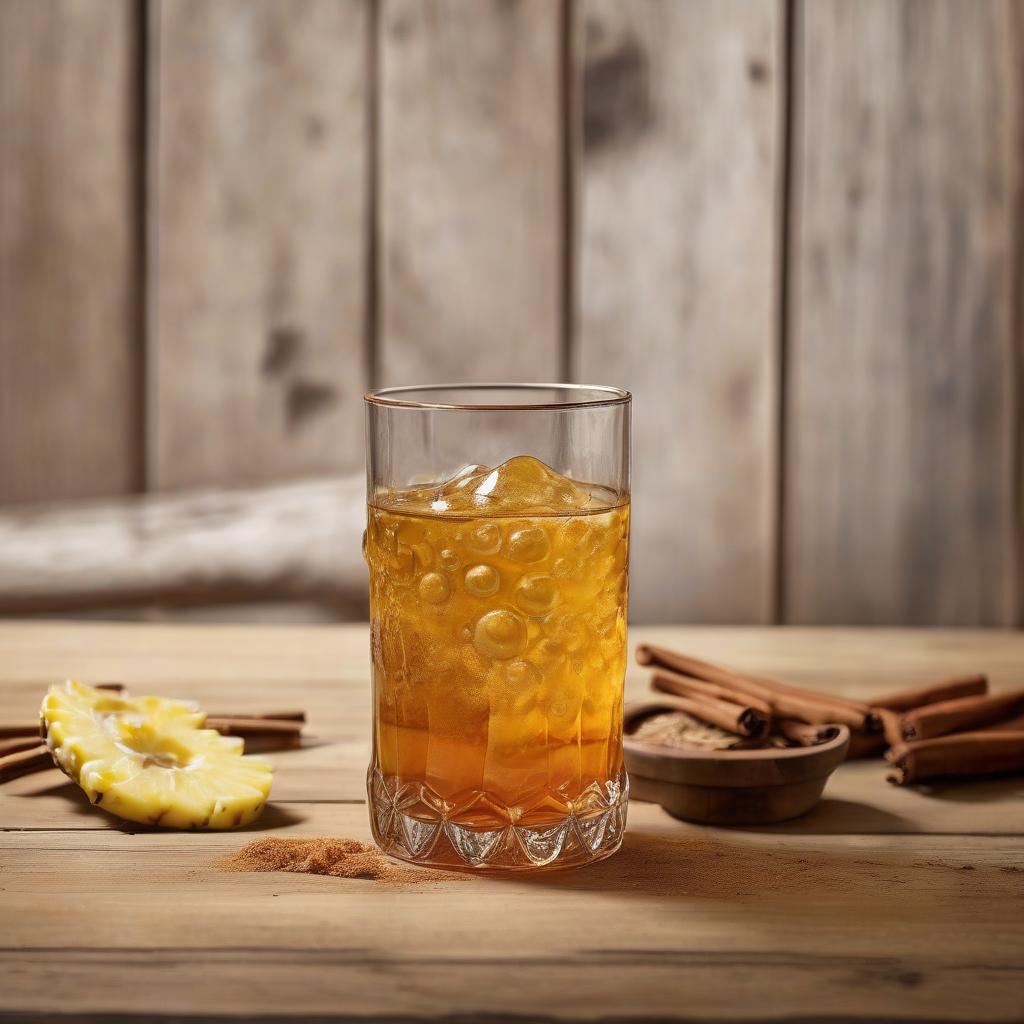
Key Takeaways
- Tepache ferments naturally using wild yeasts on pineapple skins, requiring no commercial starter culture or SCOBY
- The traditional recipe uses pineapple rinds, piloncillo (unrefined cane sugar), water, cinnamon, and cloves
- Fermentation takes 2-4 days at room temperature and produces natural carbonation
- The drink typically reaches 1-3% alcohol by volume, similar to kombucha
- Tepache should be strained and refrigerated after fermentation to halt the process and preserve flavor
What Exactly Is Tepache?
Tepache is a fermented beverage with pre-Columbian origins, traditionally made by indigenous peoples of Mexico from the Nahuatl word "tepiatl," meaning "drink made from corn." While historically brewed from corn, modern tepache primarily uses fermented pineapple rinds combined with piloncillo sugar and aromatic spices. The fermentation process relies entirely on wild yeasts and lactic acid bacteria naturally present on pineapple skins, creating a complex flavor profile without requiring commercial yeast or starter cultures.
According to chef Rick Bayless, an authority on traditional Mexican cuisine, tepache occupies a unique position in Mexican beverage culture as both a street drink sold from large glass barrels and a home fermentation project passed down through generations. The drink achieved UNESCO recognition as part of Mexican culinary heritage, highlighting its cultural significance beyond simple refreshment.
Unlike kombucha, which requires a SCOBY (symbiotic culture of bacteria and yeast), or kefir, which needs kefir grains, tepache fermentation occurs spontaneously. The natural microflora on organic pineapple skins contains sufficient wild yeasts and bacteria to initiate and complete fermentation without human intervention beyond providing the proper environment.
How Does Tepache Fermentation Work?
Tepache fermentation follows the principles of spontaneous fermentation documented extensively in food microbiology research published in Food Microbiology journals. The process involves both alcoholic fermentation and lactic acid fermentation occurring simultaneously, creating a beverage with distinct characteristics from purely alcoholic or purely lacto-fermented drinks.
The fermentation sequence proceeds through three distinct phases:
Phase 1 (Days 0-1): Wild yeasts, primarily Saccharomyces and Candida species naturally present on pineapple skins, begin metabolizing the simple sugars from piloncillo. This aerobic phase produces carbon dioxide bubbles visible at the liquid's surface. The pH drops from approximately 5.5 to 4.5 as organic acids accumulate.
Phase 2 (Days 1-2): Lactic acid bacteria, particularly Lactobacillus and Leuconostoc species, proliferate as oxygen depletes and the environment becomes more acidic. These bacteria produce lactic acid, contributing to tepache's characteristic tangy flavor. Concurrent yeast activity generates ethanol and additional carbon dioxide, creating natural carbonation.
Phase 3 (Days 2-4): The fermentation reaches equilibrium as sugars deplete and acidity increases. The final pH typically ranges from 3.5 to 4.0, creating an environment that preserves the beverage while preventing pathogenic bacteria growth. Alcohol content stabilizes between 1-3% ABV depending on sugar concentration and fermentation duration.
Temperature profoundly affects fermentation speed and flavor development. According to Cultures for Health fermentation guides, optimal fermentation occurs between 20-25°C (68-77°F). Higher temperatures accelerate fermentation but may produce excessive alcohol and vinegar notes, while cooler temperatures slow the process and risk incomplete fermentation.
Why Wild Fermentation Works for Tepache
The pineapple skin's natural microbiome contains diverse yeast and bacterial populations ideally suited for beverage fermentation. Research in food science journals on spontaneous fermentation shows that pineapple surfaces harbor Saccharomyces cerevisiae strains capable of alcohol production alongside Lactobacillus plantarum and L. brevis strains that produce lactic acid and bacteriocins—natural antimicrobial compounds that protect the ferment from contamination.
The sugar-rich environment provided by piloncillo creates selective pressure favoring these beneficial microorganisms over potential spoilage organisms. The rapid pH drop during early fermentation further inhibits pathogenic bacteria, making tepache a remarkably safe fermentation for beginners despite using no sanitization or commercial cultures.
How to Make Traditional Tepache: Step-by-Step Recipe
Making authentic tepache requires minimal equipment and five core ingredients. The process closely follows methods documented in traditional Mexican households and traditional recipes preserved by culinary historians like Rick Bayless.
Ingredients Required
- 1 whole pineapple – organic preferred for robust wild yeast populations
- 200-250 grams piloncillo (Mexican unrefined cane sugar) or 1 cup dark brown sugar
- 2 liters filtered water – chlorine-free to avoid killing wild yeasts
- 2 cinnamon sticks (Mexican canela preferred for authentic flavor)
- 4-6 whole cloves
Equipment Needed
- Large glass jar or non-reactive container (3-4 liter capacity)
- Cheesecloth or breathable cloth cover
- Rubber band or string
- Fine-mesh strainer
- Glass bottles with tight-sealing lids for storage
Preparation Method
- Prepare the pineapple: Wash the pineapple exterior thoroughly with cool water, scrubbing to remove visible dirt while preserving the natural yeast bloom. Cut the top and bottom from the pineapple. Remove the peel in thick strips, retaining 1-2 cm of fruit flesh attached to the rind. Save the pineapple core and inner flesh for eating—only rinds ferment in tepache.
- Combine base ingredients: Place pineapple rinds in your fermentation vessel. Add piloncillo (breaking into smaller chunks if using whole cones), cinnamon sticks, and cloves. Pour filtered water over the ingredients until rinds are fully submerged. Stir vigorously to dissolve sugar.
- Initiate fermentation: Cover the container opening with cheesecloth secured with a rubber band. This allows carbon dioxide to escape while preventing insects from entering. Place in a location with stable room temperature away from direct sunlight.
- Monitor fermentation: Stir the mixture once daily with a clean wooden spoon. Within 24 hours, small bubbles will appear on the liquid surface and around the pineapple pieces, indicating active fermentation. A light foam may develop—this is normal and desirable.
- Taste daily: Begin tasting after 48 hours. Tepache is ready when it achieves a balanced sweet-tart flavor with subtle carbonation and no cloying sweetness. The liquid should taste pleasantly fermented but not vinegary. Fermentation typically completes in 2-3 days at 23°C (73°F).
- Strain and bottle: Remove and discard solids through a fine-mesh strainer. Pour the strained liquid into clean glass bottles, leaving 2-3 cm headspace to accommodate carbonation pressure. Seal bottles and refrigerate immediately to halt fermentation.
- Secondary carbonation (optional): For enhanced carbonation, leave sealed bottles at room temperature for 12-24 hours before refrigerating. Monitor pressure by carefully "burping" bottles once—open briefly to release excess gas, then reseal. This prevents bottle explosions from over-carbonation.
Refrigerated tepache maintains peak quality for 5-7 days. The fermentation continues slowly even when chilled, gradually increasing carbonation and acidity. Consume within one week for optimal flavor.
What Does Tepache Taste Like?
Tepache's flavor profile combines tropical pineapple sweetness with earthy warmth from cinnamon and cloves, balanced by lactic acid tanginess and subtle yeasty notes. The drink tastes simultaneously sweet, sour, and spicy, with complexity exceeding commercial pineapple sodas. Properly fermented tepache should never taste overwhelmingly alcoholic or vinegary—these indicate over-fermentation.
The piloncillo contributes molasses undertones and mineral complexity absent from refined white sugar versions. Mexican canela (soft-stick cinnamon, Cinnamomum verum) provides delicate, floral cinnamon notes compared to the more aggressive flavor of cassia cinnamon (C. cassia) commonly sold in North American supermarkets.
Carbonation levels vary from gently effervescent to moderately fizzy depending on fermentation duration and bottling timing. The texture resembles hard cider or kombucha more than still juice or heavily carbonated soda.
Flavor Variations and Customizations
Traditional tepache recipes welcome experimentation while maintaining the core pineapple-sugar-spice framework. Common variations include:
- Adding fresh ginger: 50-75 grams sliced ginger adds warming heat and digestive benefits
- Including whole allspice berries: 8-10 berries contribute peppery complexity
- Using raw honey: Substituting 150 grams honey for piloncillo creates a lighter, more floral profile
- Blending fruits: Adding mango, papaya, or guava pieces alongside pineapple produces hybrid tropical flavors
- Incorporating chile peppers: 1-2 dried chile de árbol pods provide subtle background heat
According to Rick Bayless's documentation of regional Mexican variations, some coastal regions add coconut water for enhanced sweetness and electrolytes, while highland areas use darker piloncillo grades for robust molasses character.
Tepache delivers multiple nutritional and functional benefits stemming from its fermentation process and pineapple-derived compounds. Research on fermented beverages published in Nutrients journal and Food Research International documents the health-promoting properties of spontaneously fermented fruit beverages similar to tepache.
Probiotic Content
Tepache contains live Lactobacillus species and beneficial yeasts that survive the fermentation process and remain viable when consumed. A study in Applied Microbiology and Biotechnology found that lactic acid bacteria in fermented pineapple beverages demonstrated strong adhesion to intestinal cells and acid tolerance, indicating survival through stomach acid to colonize the gut.
Digestive Enzyme Preservation
While cooking destroys bromelain, the cool fermentation process in tepache preserves these enzymes in active form.
Antioxidant Compounds
Research in food science literature on fermentation shows that fermented fruit beverages often contain higher polyphenol levels than unfermented fruit juice.
Lower Sugar Content Than Juice
The fermentation process metabolizes a significant portion of the added sugar, converting it to organic acids, carbon dioxide, and trace alcohol. Final sugar content typically ranges from 3-6 grams per 100ml—substantially lower than commercial pineapple juice (10-13 grams per 100ml) or soda (10-12 grams per 100ml). This makes tepache a more blood-sugar-friendly option while retaining satisfying sweetness.
Hydration and Electrolytes
Tepache provides hydration similar to other fermented beverages while delivering small amounts of potassium, magnesium, and calcium from both the pineapple and piloncillo. Traditional use in Mexico includes consuming tepache during hot weather as a rehydrating tonic, supported by its electrolyte content and palatable flavor that encourages fluid intake.
The Harvard T.H. Chan School of Public Health notes that fermented foods and beverages contribute to dietary diversity and provide unique nutritional compounds unavailable in unfermented counterparts, supporting tepache's role in a health-promoting diet.
How Is Tepache Different from Other Fermented Drinks?
Understanding tepache's distinctions from similar fermented beverages clarifies its unique position in the fermentation landscape. The following table compares tepache to related drinks:
| Characteristic | Tepache | Kombucha | Water Kefir | Pineapple Beer |
|---|---|---|---|---|
| Starter Culture | Wild fermentation (no culture needed) | Requires SCOBY | Requires kefir grains | Commercial yeast |
| Primary Ingredient | Pineapple rinds | Tea | Sugar water | Pineapple juice |
| Fermentation Time | 2-4 days | 7-14 days | 2-3 days | 3-7 days |
| Alcohol Content | 1-3% ABV | 0.5-1% ABV | 0.5-1% ABV | 4-8% ABV |
| Primary Acid | Lactic + acetic | Acetic + gluconic | Lactic | Carbonic (from CO2) |
| Flavor Profile | Sweet-tart, spiced | Vinegary, tea-forward | Neutral-sweet | Fruity, alcoholic |
| Cultural Origin | Mexico (pre-Columbian) | Northeast Asia | Mexico/Caucasus | South Africa |
The most significant distinction lies in tepache's accessibility—no ongoing culture maintenance, no equipment investment, and no specialized knowledge required. Anyone with access to pineapple and basic ingredients can produce tepache successfully on their first attempt, whereas kombucha and kefir require acquiring and maintaining living cultures that die without proper care.
Tepache vs. Kombucha
Tepache ferments in 2-4 days compared to kombucha's 7-14 day cycle. Flavor-wise, tepache tastes fruitier and sweeter with warming spice notes, whereas kombucha tends toward vinegary tartness with tea undertones. According to Kombucha Brewers International, kombucha's acetic acid bacteria produce more vinegar character than the lactic acid bacteria dominant in tepache.
Tepache vs. Pineapple Beer
Despite superficial similarities, pineapple beer and tepache differ fundamentally in production method and alcoholic strength. Pineapple beer uses commercial yeast strains pitched into pineapple juice, targeting 4-8% ABV through controlled alcoholic fermentation. Tepache uses wild fermentation with naturally occurring microorganisms, produces minimal alcohol (1-3% ABV), and ferments the rinds rather than juice.
Common Tepache Problems and Solutions
No Visible Fermentation After 24 Hours
Cause: Insufficient wild yeast population on pineapple skin, chlorinated water killing microorganisms, or temperature too cool.
Solution: Ensure pineapple is organic or unwashed (conventional pineapples are often treated with antimicrobial washes). Use filtered or boiled-then-cooled water to eliminate chlorine. Move fermentation vessel to a warmer location (23-25°C ideal). Add a tablespoon of unpasteurized apple cider vinegar to introduce beneficial bacteria and lower pH, encouraging yeast activity.
Excessive Foam or Overflow
Cause: Overactive fermentation from high sugar concentration or very warm temperatures.
Solution: Reduce piloncillo to 150 grams per 2 liters water in future batches. Move to a cooler location. Use a larger vessel with more headspace. Stir more frequently to knock down foam and release excess CO2. This problem indicates vigorous healthy fermentation—not contamination—and resolves as fermentation completes.
Vinegary or Sour Taste
Cause: Over-fermentation converting alcohol to acetic acid, typical after 5+ days at room temperature.
Solution: Reduce fermentation time to 2-3 days in future batches. Taste daily starting at 48 hours and bottle immediately when balanced flavor develops. Over-fermented tepache isn't spoiled—use it as a cooking ingredient similar to vinegar or drink diluted with sparkling water.
Mold Development on Surface
Cause: Contamination from airborne mold spores, typically occurring when fruit floats above liquid surface and dries out.
Solution: If mold appears (fuzzy white, green, or black patches), discard the entire batch—do not attempt to salvage. In future batches, ensure all pineapple pieces remain submerged by weighing down with a fermentation weight or small plate. Wash pineapple more thoroughly before starting. Mold is uncommon in properly managed tepache due to rapid pH drop, but prevention is easier than treatment.
Too Much Alcohol Taste
Cause: Extended fermentation or very high sugar concentration favoring alcoholic fermentation over lactic fermentation.
Solution: Reduce fermentation time to 2 days maximum. Decrease piloncillo to 150 grams per batch. Ferment at slightly cooler temperature (20-22°C) to slow yeast activity relative to bacteria. Once bottled, consume within 3 days to prevent continued alcohol production in refrigerator.
Can You Make Tepache Without Piloncillo?
Yes, tepache adapts successfully to alternative sweeteners, though flavor profiles vary from traditional versions. Piloncillo—unrefined cane sugar formed into hard cones—contributes mineral complexity and molasses notes that define authentic tepache, but accessibility and dietary preferences often necessitate substitutions.
Dark brown sugar provides the closest approximation, delivering similar molasses character and mineral content. Use 200 grams dark brown sugar per 2 liters water as a 1:1 piloncillo replacement. The fermentation proceeds identically with comparable results.
Raw honey creates a lighter, more floral tepache variant. Use 150 grams honey per 2 liters water—less than piloncillo because honey contains more fermentable sugars by weight. Honey introduces additional wild yeasts that can accelerate fermentation, so monitor closely and expect completion in 1.5-2 days rather than 2-3 days.
White granulated sugar ferments successfully but produces a one-dimensional sweetness without molasses depth. If using white sugar, add 1 tablespoon molasses per 200 grams sugar to restore complexity. Fermentation proceeds normally.
Maple syrup, agave nectar, or coconut sugar all work technically but alter the flavor significantly, moving away from traditional tepache character. These alternatives suit experimental batches rather than authentic reproductions.
According to Cultures for Health fermentation resources, the primary requirement is fermentable sugars—microorganisms metabolize all simple sugars (glucose, fructose, sucrose) equally. The choice of sweetener affects flavor and mineral content but not fermentation success.
People Also Ask
Is tepache alcoholic?
Tepache contains 1-3% alcohol by volume due to yeast fermentation—similar to kombucha but higher than most commercial varieties. It is mildly alcoholic but generally considered a non-alcoholic beverage under most legal definitions requiring 0.5% ABV thresholds. Fermentation time and sugar content determine final alcohol levels.
Do you need to use organic pineapple for tepache?
Organic pineapple is strongly recommended because conventional pineapples are often treated with antimicrobial washes that kill the wild yeasts necessary for spontaneous fermentation. If organic is unavailable, wash conventional pineapple thoroughly and consider adding a tablespoon of unpasteurized kombucha or apple cider vinegar to introduce beneficial microorganisms.
Can tepache make you sick?
Properly fermented tepache is safe to consume. The rapid pH drop to 3.5-4.0 and presence of lactic acid bacteria prevent pathogenic bacteria growth. Discard any batch showing visible mold. If tepache smells putrid rather than pleasantly fermented, or develops an off-flavor, err on the side of caution and discard it.
Expert Verdict
Tepache represents the most accessible entry point into home fermentation, requiring no specialized equipment, cultures, or prior experience. For anyone curious about fermentation but intimidated by kombucha SCOBYs or sourdough starters, tepache offers immediate gratification with minimal investment. The drink's low alcohol content, natural carbonation, and complex flavor profile position it as a sophisticated alternative to commercial sodas without the learning curve of beer brewing or wine making. Start with the traditional recipe, master the 2-3 day fermentation window by daily tasting, and experiment with variations only after achieving consistent success with the baseline formula.
Article Summary
- Tepache is a traditional Mexican fermented beverage made from pineapple rinds, piloncillo sugar, and warm spices through spontaneous fermentation lasting 2-4 days
- Wild yeasts and lactic acid bacteria naturally present on pineapple skins drive fermentation without requiring commercial cultures, making tepache the most beginner-friendly fermented drink
- The fermentation produces 1-3% alcohol by volume, natural carbonation, beneficial probiotics, and preserved digestive enzymes from pineapple including bromelain
- Traditional preparation uses pineapple rinds (not juice), piloncillo or dark brown sugar, filtered water, cinnamon sticks, and cloves fermented at room temperature with daily stirring
- Tepache differs from kombucha by using wild fermentation instead of SCOBY, fermenting faster, tasting fruitier and less vinegary, and requiring no ongoing culture maintenance
Frequently Asked Questions
How long does homemade tepache last in the refrigerator?
Refrigerated tepache maintains peak quality for 5-7 days after bottling. The fermentation continues slowly even when chilled, gradually increasing carbonation and acidity. Consume within one week for optimal flavor balance. Tepache remains safe to drink beyond one week but develops stronger vinegar notes and higher carbonation pressure.
Can I reuse pineapple rinds to make multiple batches of tepache?
No, pineapple rinds should not be reused for subsequent batches. After fermentation, the rinds have released their sugars, enzymes, and flavor compounds, leaving insufficient nutrients for a second fermentation. Additionally, the wild yeast population on used rinds may be dominated by less desirable strains. Always use fresh pineapple rinds for each batch.
What is the white foam that forms on top of fermenting tepache?
The white foam is a normal byproduct of active yeast fermentation, consisting of carbon dioxide bubbles, yeast cells, and proteins from the pineapple. This foam indicates healthy fermentation and should not be removed. Stir it back into the liquid during daily stirring. White foam differs from mold, which appears fuzzy and develops distinct colored patches.
Can I ferment tepache in plastic containers?
Glass or food-grade ceramic containers are strongly preferred over plastic for tepache fermentation. Plastic can harbor scratches that trap bacteria and may leach chemicals into acidic fermented beverages. If glass is unavailable, use food-grade HDPE plastic marked with recycling code 2. Avoid reusing containers that previously held non-food substances.
Why does my tepache have a slimy texture?
Slimy texture typically indicates excessive bacterial activity, particularly from Pediococcus species that produce exopolysaccharides. This occurs more frequently in overly warm fermentation environments (above 27°C) or extended fermentation times. While not harmful, slimy tepache has unpleasant mouthfeel. Strain thoroughly and ferment future batches at cooler temperatures for shorter durations.
Do I need to pasteurize tepache before drinking it?
No, pasteurization is unnecessary and counterproductive. The fermentation process naturally creates an acidic environment inhospitable to pathogenic bacteria. Drink tepache raw and unpasteurized to receive maximum probiotic and enzyme benefits.
This article was produced by an automated research tool. Content is for informational purposes only and should not replace professional advice. Nothing here is medical advice, and it is not a substitute for it. Talk to a doctor about anything affecting your health. Product and resource links throughout this article are included for informational value based on relevance and quality. WhichBrewForYou has no affiliate relationship with any linked third-party site and receives no commission from any recommended products or brands. BellofattoBrews (coffee and tea) and Golden Hive Mead (mead kits and resources) are personal recommendations from this publication's founder and have no affiliation with WhichBrewForYou.