Key Takeaways
- Drinking shrubs combine fruit, sugar, and vinegar to create tangy, shelf-stable syrups used in beverages.
- The word "shrub" derives from the Arabic "sharab," meaning "to drink," reflecting its ancient roots.
- Apple cider vinegar is the most common base, offering acetic acid that supports digestion and gut health.
- Two methods exist: cold process (maceration over days) and hot process (quick stovetop cooking).
- Shrubs contain natural fruit polyphenols and probiotics when raw vinegar is used, supporting metabolic health.
- Properly stored shrubs last 6-12 months refrigerated, making them ideal for seasonal fruit preservation.
What Exactly Is a Drinking Shrub?
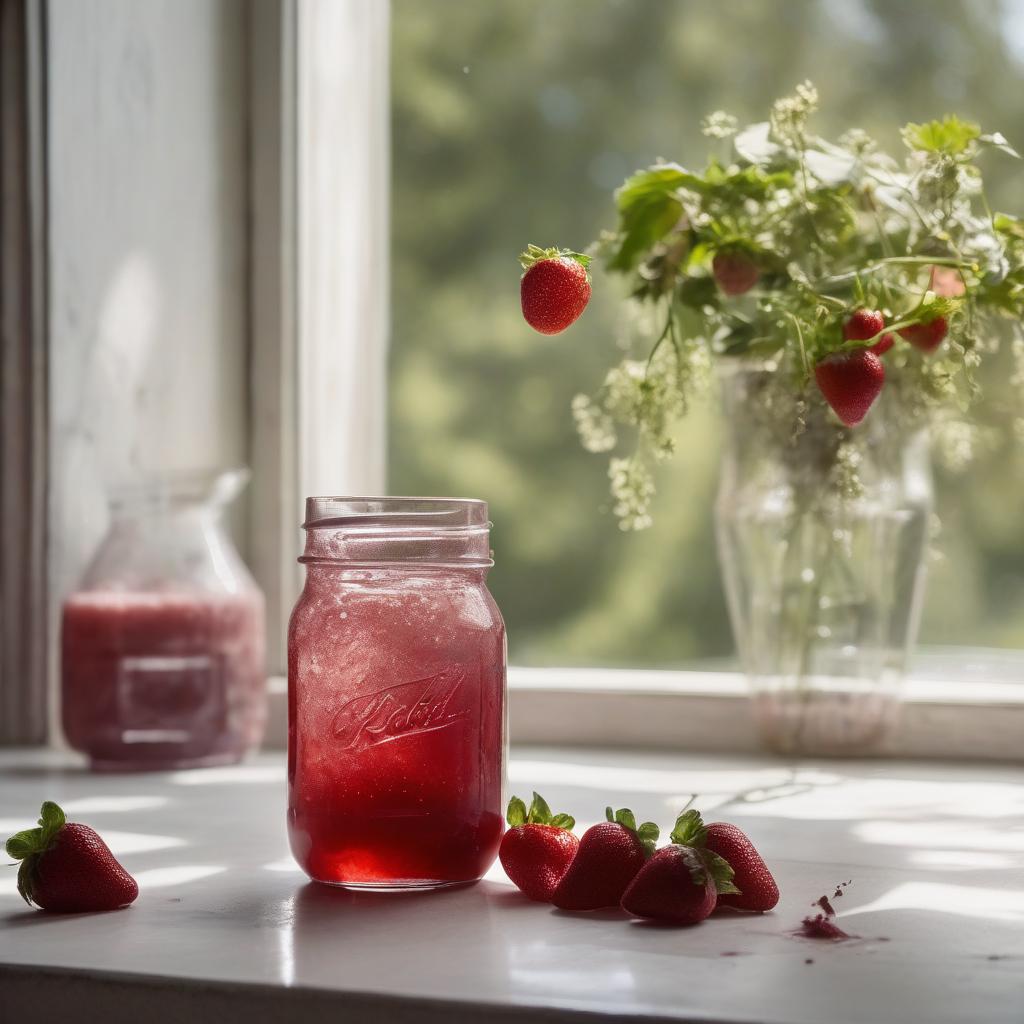
A drinking shrub is a fruit-infused vinegar syrup designed for dilution into refreshing beverages. The base formula combines three elements: ripe fruit, granulated sugar, and vinegar, typically apple cider vinegar or white wine vinegar. The sugar extracts juice from the fruit through osmosis while balancing the vinegar's acidity, and the vinegar provides tartness, preservation, and probiotic potential.
The result is a concentrated syrup with a sweet-tart-fruity flavor profile that transforms plain water, sparkling water, or cocktails into complex, layered drinks. According to the National Coffee Association, shrubs belong to the same "drinking vinegar" category as switchels and other acidic tonics, which have seen renewed interest due to the wellness movement's focus on gut health and natural ingredients.
Unlike fruit syrups or simple syrups, shrubs are shelf-stable without refrigeration if properly prepared, making them a practical pantry staple. The acidity of the vinegar inhibits bacterial growth, allowing shrubs to preserve seasonal fruit flavors for months.
Related: What Is Switchel — The Original Energy Drink | WhichBrewForYou
Why Are They Called "Shrubs"?
The term "shrub" traces back to the Arabic word sharab, meaning "to drink," which entered English through colonial trade routes in the 17th and 18th centuries. British and American colonists adapted Middle Eastern fruit-vinegar drinks into their own preservation traditions, using locally available berries and orchard fruit.
During the colonial era, shrubs served a dual purpose: preserving summer harvests before refrigeration existed and providing a refreshing alternative to unsafe drinking water. The vinegar's acidity killed waterborne pathogens, making shrub-based drinks safer than well water in many communities.
By the 19th century, shrubs became a cornerstone of American soda fountains and home entertaining. Shrub & Co, a modern drinking vinegar company, notes that the term eventually became synonymous with any sweetened vinegar syrup, regardless of fruit type or preparation method.
How Does a Drinking Shrub Work in Your Body?
Drinking shrubs deliver several bioactive compounds that affect digestion, blood sugar, and hydration. The primary active ingredient is acetic acid from vinegar, which research published on PubMed shows can improve insulin sensitivity and slow gastric emptying, leading to more stable post-meal blood glucose levels.
When raw, unfiltered apple cider vinegar is used, shrubs also contain Acetobacter bacteria, the same probiotic strain responsible for vinegar fermentation. These beneficial bacteria support gut microbiome diversity, though the sugar content in finished shrubs may reduce probiotic viability compared to straight vinegar.
The fruit component contributes polyphenols, anthocyanins, and vitamin C, depending on the fruit used. Berries like strawberries, blackberries, and blueberries are particularly rich in antioxidants that combat oxidative stress. A study by the NIH Office of Dietary Supplements confirms that polyphenol-rich beverages can improve vascular function and reduce inflammation markers when consumed regularly.
The combination of vinegar's acidity and fruit's natural sugars creates a beverage that hydrates while providing a slower energy release than sugary sodas or juices.
What Are the Two Main Methods for Making Shrubs?
Home shrub makers use two primary techniques: the cold process and the hot process. Each offers distinct advantages depending on time, desired flavor intensity, and equipment availability.
Cold Process (Traditional Maceration)
The cold process involves macerating fruit with sugar at room temperature or refrigerated for 24-72 hours, then straining and adding vinegar. This method preserves delicate fruit aromatics and maintains a brighter, fresher flavor profile.
Steps:
- Combine 2 cups chopped fruit with 1 cup granulated sugar in a non-reactive container (glass or ceramic).
- Stir to coat fruit, then cover and refrigerate for 24-48 hours, stirring occasionally.
- Strain through cheesecloth or a fine-mesh sieve, pressing fruit solids to extract all syrup.
- Measure the strained syrup and add an equal volume of apple cider vinegar (typically 1 cup syrup to 1 cup vinegar).
- Stir well, bottle in sterilized glass jars, and refrigerate.
Cold-process shrubs retain more vitamin C and volatile aromatic compounds because heat never denatures or evaporates them. Cultures for Health, a fermentation supply company, recommends cold processing for berries, stone fruit, and citrus.
Hot Process (Quick Stovetop Method)
The hot process cooks fruit, sugar, and water together to rapidly extract juice, then adds vinegar off-heat. This method takes under 30 minutes and produces a more caramelized, jammy flavor.
Steps:
- Combine 2 cups chopped fruit, 1 cup granulated sugar, and ½ cup water in a saucepan.
- Bring to a simmer over medium heat, stirring to dissolve sugar.
- Simmer 10-15 minutes until fruit breaks down and releases juice.
- Remove from heat and let cool to room temperature.
- Strain through cheesecloth, pressing solids firmly.
- Add 1 cup apple cider vinegar to the strained syrup, stir, and bottle.
Hot-process shrubs have a longer shelf life due to the initial sterilization from heat, but they lose some probiotic potential if raw vinegar is added to hot syrup. For maximum probiotic retention, cool the syrup completely before adding vinegar.
What Ingredients Make the Best Shrubs?
High-quality shrubs start with three core ingredients: fruit, sugar, and vinegar. Each component affects flavor, shelf life, and health benefits.
Fruit Selection
Choose ripe, seasonal fruit at peak flavor. Overripe or underripe fruit produces unbalanced shrubs. Best options include:
- Berries: Strawberries, raspberries, blackberries, blueberries (high anthocyanin content)
- Stone fruit: Peaches, plums, cherries, apricots (aromatic and sweet)
- Citrus: Lemon, lime, grapefruit, blood orange (bright acidity, use zest + juice)
- Tropical: Pineapple, mango, passion fruit (bold, exotic flavors)
- Orchard: Apples, pears (mild sweetness, good for spice additions)
Avoid watery fruits like watermelon or honeydew, which produce diluted syrups with short shelf lives.
Sugar Types
Granulated white sugar is the standard for its neutral flavor and high solubility. Alternatives include:
- Organic cane sugar: Slightly richer flavor, same preservation properties
- Honey: Adds floral notes but requires more stirring to dissolve; reduces shelf life slightly
- Coconut sugar: Imparts caramel notes; lower glycemic index but less effective preservation
Never use artificial sweeteners, which don't extract fruit juice or inhibit microbial growth.
Vinegar Selection
Bragg's raw apple cider vinegar is the gold standard, containing live mother cultures and 5% acetic acid. Alternatives include:
- White wine vinegar: Milder, fruitier than ACV; ideal for delicate flavors
- Red wine vinegar: Robust, tannic; pairs with dark berries and plums
- Champagne vinegar: Light, elegant; best for citrus and tropical fruit
- Balsamic vinegar: Sweet and complex; use sparingly due to dominant flavor
Avoid distilled white vinegar, which tastes harsh and one-dimensional in finished shrubs.
| Vinegar Type | Acidity | Best Fruit Pairings | Probiotic Content |
|---|---|---|---|
| Raw Apple Cider | 5% | Berries, apples, pears | High (with mother) |
| White Wine | 6-7% | Stone fruit, citrus | None |
| Red Wine | 6% | Blackberries, cherries | None |
| Champagne | 6% | Tropical fruit, melon | None |
How Do You Use a Finished Shrub?
Shrubs are concentrated syrups meant for dilution. The standard ratio is 1 part shrub to 4-6 parts liquid, adjusted to taste. Common applications include:
Non-Alcoholic Beverages
- Sparkling shrub soda: 1 oz shrub + 5 oz sparkling water + ice
- Shrub lemonade: 1 oz shrub + 4 oz lemonade + fresh mint
- Iced shrub tea: 1 oz shrub + 5 oz cold-brewed tea + lemon slice
- Morning tonic: 1 tbsp shrub + 8 oz still water (digestive aid)
Cocktails
- Shrub sour: 1.5 oz bourbon + 1 oz shrub + 0.5 oz lemon juice, shaken
- Shrub spritz: 1 oz gin + 1 oz shrub + 3 oz prosecco + soda top
- Shrub margarita: 2 oz tequila + 1 oz shrub + 0.5 oz lime juice + salt rim
Pok Pok Som, a Portland-based drinking vinegar brand, popularized shrubs in modern cocktail culture by demonstrating how the acidity balances spirits without added citrus juice.
Culinary Uses
- Salad dressings (shrub + olive oil + Dijon mustard)
- Marinades for pork or chicken
- Glaze for roasted vegetables
- Drizzle over yogurt or oatmeal
Related: What Is Sake and How Is It Made — Complete Guide | WhichBrewForYou
What Are the Health Benefits of Drinking Shrubs?
Drinking shrubs offer several evidence-backed health benefits when consumed as part of a balanced diet. The primary benefits stem from the acetic acid in vinegar and the phytonutrients in fruit.
Improved Blood Sugar Control
A 2004 study published in Diabetes Care found that consuming vinegar with a high-carbohydrate meal reduced post-meal blood glucose spikes by 20-34% in participants with insulin resistance. The acetic acid slows starch digestion and delays gastric emptying, leading to more gradual glucose absorption.
For shrub drinkers, this means replacing sugary sodas with shrub-based drinks may help stabilize energy levels and reduce insulin demand, though the sugar content in shrubs themselves must be accounted for in diabetic meal planning.
Enhanced Digestion
The acetic acid in shrubs stimulates stomach acid production, which aids protein digestion and mineral absorption. Mayo Clinic notes that people with low stomach acid (hypochlorhydria) often experience bloating and indigestion, which acidic drinks like shrubs may alleviate.
When raw apple cider vinegar is used, the probiotic Acetobacter bacteria contribute to gut microbiome diversity, potentially improving bowel regularity and reducing inflammation in the gut lining.
Antioxidant Intake
Berries and stone fruit used in shrubs are rich in polyphenols, which neutralize free radicals and reduce oxidative stress. A Harvard Nutrition Source review confirms that regular polyphenol consumption is associated with lower cardiovascular disease risk and improved cognitive function.
Dark-colored fruits like blackberries, cherries, and plums contain the highest anthocyanin levels, making them the most antioxidant-dense shrub bases.
Hydration and Appetite Regulation
Shrub-based drinks provide flavor complexity that encourages increased water intake compared to plain water. The vinegar's acidity also triggers satiety signals, potentially reducing overeating. Consuming a shrub drink 15-20 minutes before meals may help with portion control due to the stomach's stretch receptors responding to liquid volume and acidity.
People Also Ask
Can You Drink Shrubs Straight Without Dilution?
While possible, drinking undiluted shrub is not recommended. The high sugar and vinegar concentration can irritate the esophagus and tooth enamel. Always dilute shrubs at a minimum 1:4 ratio with water, sparkling water, or other beverages for safe, enjoyable consumption.
Do Shrubs Need to Be Refrigerated After Opening?
Refrigeration extends shelf life and preserves flavor. While the vinegar's acidity prevents bacterial spoilage at room temperature, refrigerated shrubs maintain optimal taste for 6-12 months. Unrefrigerated shrubs stored in cool, dark pantries last 3-6 months but may develop off-flavors sooner.
Are Drinking Shrubs Safe for Children?
Yes, when properly diluted. Start with a 1:6 or 1:8 shrub-to-water ratio for children to reduce acidity. Shrubs provide a healthier alternative to juice boxes and sodas, offering fruit flavor with lower total sugar per serving than straight juice.
Expert Verdict on Drinking Shrubs
Drinking shrubs represent the intersection of flavor, preservation, and functional wellness. The cold-process method produces the most vibrant, probiotic-rich syrups ideal for health-focused consumers, while the hot process offers speed and deeper caramelization for cocktail applications. For maximum health benefits, use raw apple cider vinegar with dark berries or stone fruit, dilute to a 1:5 ratio with sparkling water, and consume before meals to support digestion and blood sugar control. The versatility of shrubs makes them equally valuable in craft cocktails, daily hydration routines, and culinary projects. With proper technique and quality ingredients, homemade shrubs rival or exceed commercial products in both flavor and nutritional value.
Article Summary
- Drinking shrubs are fruit-vinegar syrups combining sweetness, tartness, and preservation in one concentrate.
- The cold process preserves delicate aromatics and probiotics; the hot process delivers deeper, jammy flavors quickly.
- Raw apple cider vinegar with fresh berries creates the most health-supportive shrub base.
- Shrubs improve blood sugar control, digestion, and hydration when consumed diluted before or with meals.
- Properly stored shrubs last 6-12 months refrigerated, making them ideal for seasonal fruit preservation.
Frequently Asked Questions
What Is the Ideal Shrub-to-Water Ratio for Drinking?
The standard ratio is 1 part shrub to 4-6 parts liquid. Start with 1:5 and adjust based on personal taste preference. For cocktails, use 1:3 to maintain flavor intensity against spirits. For morning digestive tonics, use 1:8 for gentler acidity.
Can You Make Shrubs Without Sugar?
Sugar is essential for juice extraction and preservation. Sugar-free alternatives like stevia or erythritol do not extract fruit juice through osmosis and offer no antimicrobial preservation. Honey can partially replace sugar but requires more stirring and reduces shelf life slightly.
Why Did My Shrub Develop Mold?
Mold indicates insufficient acidity or contamination. Ensure vinegar is at least 5% acetic acid, use sterilized jars, and fully submerge all fruit solids in syrup during maceration. If using hot process, cool syrup completely before adding vinegar to preserve acetic acid concentration.
What Fruits Should You Avoid in Shrubs?
Avoid high-water fruits like watermelon, cantaloupe, and cucumber, which produce diluted syrups prone to spoilage. Bananas oxidize quickly and turn brown. Avocados and coconut lack sufficient juice content. Stick to berries, stone fruit, citrus, and firm orchard fruit for best results.
How Long Do Homemade Shrubs Last?
Refrigerated shrubs last 6-12 months when properly prepared with sufficient vinegar and sugar. Signs of spoilage include off-odors, visible mold, or fermentation bubbles. Always use clean utensils when serving to prevent contamination. Label jars with preparation dates for rotation.
Can You Use Shrubs in Cooking Beyond Beverages?
Yes. Shrubs work as salad dressing bases, marinades, glazes for roasted meats, and dessert drizzles. The acidity tenderizes proteins and brightens rich dishes. Use 2-3 tablespoons shrub per cup of dressing or marinade, adjusting salt and oil to balance flavors.
More Shrubs Articles
This article was produced by an automated research tool. Content is for informational purposes only and should not replace professional advice. Product and resource links throughout this article are included for informational value based on relevance and quality. WhichBrewForYou has no affiliate relationship with any linked third-party site and receives no commission from any recommended products or brands. BellofattoBrews (coffee and tea) and Golden Hive Mead (mead kits and resources) are personal recommendations from this publication's founder and have no affiliation with WhichBrewForYou.