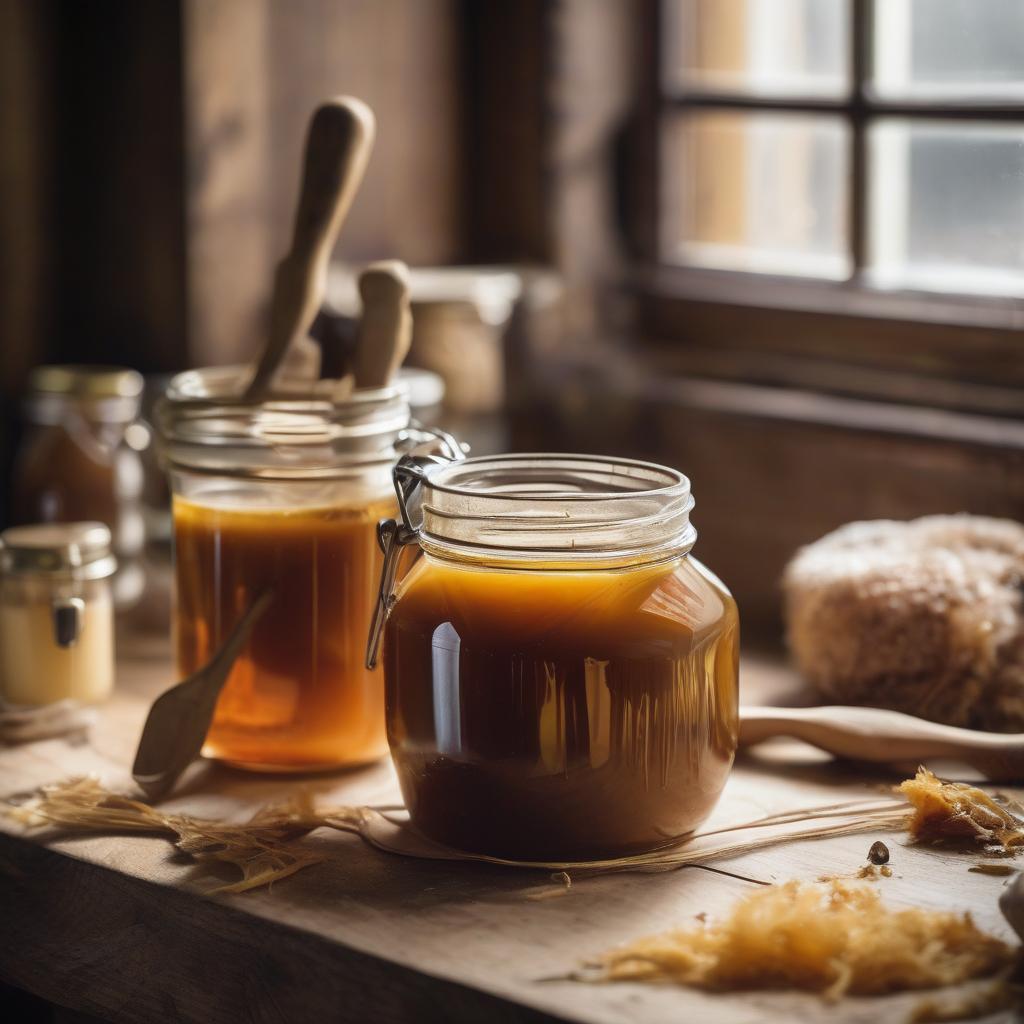
Key Takeaways
- Bone broth requires 12-48 hours of simmering to fully extract collagen, gelatin, and minerals from bones and connective tissue.
- High-quality bone broth gels when refrigerated due to its collagen content, indicating successful extraction of proteins and nutrients.
- Beef and pork bones produce the richest, most gelatinous broth while chicken bones cook faster and yield a lighter flavor profile.
- Adding apple cider vinegar (1-2 tablespoons per gallon) helps extract minerals from bones by creating a mildly acidic environment.
What Exactly Is Bone Broth and How Does It Differ From Stock?
Bone broth is a long-simmered liquid preparation made primarily from animal bones and connective tissue, designed to extract maximum nutritional content including collagen, gelatin, minerals, and amino acids. While the terms "bone broth," "stock," and "broth" are often used interchangeably, bone broth is distinguished by its extended cooking time of 12-48 hours compared to stock's typical 3-6 hours and regular broth's 1-2 hours. This prolonged extraction period allows collagen fibers to break down completely into gelatin and enables thorough mineral leaching from bone matrix.
According to Kettle & Fire's nutritional analysis, authentic bone broth contains significantly higher concentrations of protein (typically 10-12 grams per cup) and forms a firm gel when refrigerated—a hallmark indicator that differentiates it from lighter stocks. Traditional stock focuses on flavor extraction for culinary use, while bone broth emphasizes nutrient density and has historically been consumed as a standalone therapeutic food across cultures from Korean seolleongtang to Jewish chicken soup traditions.
The confusion between these preparations stems from commercial labeling practices, but the functional difference is clear: bone broth prioritizes breaking down structural components of bones (collagen, marrow, mineral content) through extended heat application and mild acidity, while stock aims primarily for aromatic flavor development from bones, vegetables, and herbs in a shorter timeframe.
What Are the Key Nutritional Components in Bone Broth?
Bone broth's nutritional profile centers on several bioactive compounds extracted during the prolonged simmering process. The primary components include collagen-derived gelatin, amino acids, minerals, and fat-soluble compounds from marrow.
Collagen and Gelatin Content
Collagen, the most abundant protein in animal connective tissue, denatures into gelatin when heated in the presence of water over extended periods. This gelatin provides approximately 6-12 grams of protein per cup depending on bone density and cooking duration. The gel consistency when chilled directly correlates with successful collagen extraction—firmer gels indicate higher gelatin concentration.
Amino Acid Profile
Bone broth is particularly rich in three conditionally essential amino acids: glycine, proline, and glutamine. Proline is necessary for collagen synthesis throughout the body. According to research in the journal Nutrients, these amino acids are present in concentrations ranging from 1-3 grams per cup in properly prepared bone broth.
Mineral Content
Bones serve as mineral reservoirs in living animals, storing calcium, phosphorus, magnesium, potassium, and trace minerals including zinc, iron, manganese, and selenium. The addition of acidic ingredients like apple cider vinegar or wine helps solubilize these minerals from the bone matrix. USDA FoodData Central reports that bone broth can contain 15-20% of daily calcium needs and 10-15% of magnesium requirements per cup, though mineral content varies significantly based on bone type, cooking duration, and acidity levels.
| Nutrient | Amount per Cup (240ml) | Primary Benefit |
|---|---|---|
| Protein (from gelatin) | 6-12g | Collagen support, tissue repair |
| Calcium | 50-150mg | Bone density, nerve function |
| Magnesium | 15-40mg | Muscle function, metabolic health |
How Do You Make Bone Broth at Home?
Making bone broth at home requires minimal ingredients but demands patience and attention to process details. The fundamental method remains consistent whether using beef, chicken, pork, or fish bones, though cooking times vary by bone density and size.
Essential Ingredients and Equipment
At minimum, bone broth requires only bones and water, but optimal results come from including aromatics and a mild acid. The standard ratio is 2-4 pounds of bones per gallon of water, with enough water to cover bones by 2-3 inches to account for evaporation during long cooking.
Essential components include:
- Bones: Knuckle bones, marrow bones, neck bones, oxtail, or whole carcasses provide maximum collagen. Mixing bones with joints and connective tissue produces the richest gel.
- Acid: 1-2 tablespoons apple cider vinegar or lemon juice per gallon helps extract minerals without affecting flavor when used in proper amounts.
- Aromatics: Onions, carrots, celery, garlic, bay leaves, peppercorns, and fresh herbs add depth but are optional for nutritional extraction.
- Equipment: Large stockpot (8-12 quart minimum), slow cooker, or Instant Pot pressure cooker all work effectively with different timing adjustments.
Step-by-Step Bone Broth Preparation
- Prepare the bones: For maximum flavor and cleaner broth, roast raw bones in a 400°F (204°C) oven for 30-40 minutes until browned. This optional step caramelizes surface proteins and enhances flavor development. Alternatively, blanch bones in boiling water for 10 minutes and discard the water to remove impurities.
- Combine ingredients: Place bones in your cooking vessel, add aromatics if using, and pour in cold filtered water to cover bones by 2-3 inches. Add acid at this stage and let sit for 30 minutes before applying heat—this pre-soak period initiates mineral extraction.
- Bring to initial boil: Heat broth over medium-high until it reaches a full boil, then immediately reduce to the lowest simmer possible. The surface should show only occasional bubbles breaking—vigorous boiling creates cloudy, bitter broth.
- Skim impurities: During the first 30-60 minutes of simmering, foam and impurities will rise to the surface. Skim these off with a fine mesh skimmer or spoon. This step significantly improves clarity and flavor.
- Maintain long simmer: Cook according to bone type timing (see table below). Check periodically to ensure bones remain submerged, adding hot water if needed. The goal is gentle, consistent extraction without evaporating too much liquid.
- Strain thoroughly: Remove large bones with tongs, then strain the entire broth through a fine-mesh strainer or cheesecloth into storage containers. Press gently on solids to extract maximum liquid without forcing through particulates.
- Cool and store: Refrigerate immediately. After 8-12 hours, a solid fat cap will form on top—this protects the broth and can be left intact until use or removed for reduced fat content. Properly made bone broth will form a firm gel when cold.
| Bone Type | Cooking Time (Stovetop) | Pressure Cooker Time | Gel Strength |
|---|---|---|---|
| Chicken bones | 12-24 hours | 3-4 hours | Medium-firm |
| Beef/Pork bones | 24-48 hours | 5-6 hours | Very firm |
| Fish bones | 6-8 hours | 1-2 hours | Light gel |
| Lamb bones | 18-24 hours | 4-5 hours | Medium-firm |
Pressure Cooker vs. Slow Cooker vs. Stovetop Methods
Each cooking method produces viable bone broth with slightly different characteristics. Stovetop simmering offers the most control and produces the clearest broth but requires monitoring and space for 24-48 hours. According to Bare Bones Broth's cooking method comparison, slow cookers provide convenience and safety for overnight cooking but may produce slightly less concentrated results due to lower maximum temperatures. Pressure cookers drastically reduce cooking time by raising temperatures above normal boiling points under pressure—a 24-hour stovetop beef broth can be replicated in 5-6 hours under high pressure, though some traditional practitioners argue this produces less complex flavor development.
The functional difference is minimal from a nutritional standpoint—all methods successfully extract collagen and minerals when used with proper timing and technique. Choose based on your available equipment, time constraints, and preference for monitoring versus hands-off cooking.
Why Does Bone Broth Gel When Refrigerated?
The gelation of properly made bone broth when refrigerated is the single most reliable indicator of successful collagen extraction and high gelatin content. This phenomenon occurs because gelatin—the hydrolyzed form of collagen—is temperature-sensitive and exhibits thermoreversible gel formation.
At temperatures above 95°F (35°C), gelatin molecules remain dispersed in solution, creating a liquid broth. As temperature drops during refrigeration, these long protein chains begin to form a three-dimensional network structure through hydrogen bonding, trapping water molecules in the matrix. Research in food science shows that gelatin concentration above 0.5-1% will produce noticeable gel formation at refrigerator temperatures (35-40°F or 2-4°C), with firmer gels indicating higher protein concentration.
If your bone broth does not gel when refrigerated, it indicates insufficient collagen extraction, which can result from inadequate cooking time, too much water dilution, or using bones with minimal connective tissue. The gel immediately liquefies when reheated, allowing normal culinary use while confirming nutritional density.
Understanding which benefits have scientific backing versus which remain anecdotal helps set realistic expectations.
The collagen and glycosaminoglycans (including chondroitin and glucosamine) present in bone broth may support joint function and cartilage health.
Glycine and glutamine—abundant in bone broth—play specific roles in maintaining intestinal barrier function. According to research in the journal Nutrients, glutamine serves as the primary fuel for enterocytes (intestinal lining cells) and helps maintain tight junction integrity that prevents unwanted substances from crossing the gut barrier. Most evidence comes from studies on isolated collagen peptides or amino acid supplementation rather than whole food bone broth consumption.
Collagen peptides from bone broth provide building blocks for skin structure and may support skin hydration and elasticity. A randomized controlled trial in Skin Pharmacology and Physiology demonstrated that oral collagen supplementation improved skin moisture and reduced signs of aging after 8 weeks. While bone broth contains these same collagen-derived compounds, the concentration is lower than therapeutic supplement doses, meaning benefits likely require consistent, long-term consumption as part of overall protein intake.
Traditional use of chicken soup for colds has some scientific validation. However, bone broth should be viewed as supportive nutrition rather than medicine for acute illness.
Glycine exhibits calming properties on the central nervous system and has been studied for sleep improvement. A cup of bone broth consumed in the evening provides 1-3 grams of glycine, potentially offering mild sleep-supportive effects for some individuals.
People Also Ask
Can you drink bone broth every day?
Monitor individual tolerance and adjust based on personal response.
Is store-bought bone broth as good as homemade?
Quality varies dramatically among commercial bone broths. Premium brands like Kettle & Fire and Bare Bones use long-simmered methods producing proper gel formation and nutritional density comparable to homemade. Budget brands often add gelatin separately rather than extracting it naturally, providing inferior amino acid profiles and mineral content.
Does boiling bone broth too hard ruin it?
Yes, vigorous boiling creates turbulent emulsification of fats and proteins, resulting in cloudy, greasy, bitter broth with reduced clarity and palatability. High heat can also denature some heat-sensitive nutrients and create off-flavors. Always maintain a gentle simmer with minimal surface bubbling for optimal extraction and flavor.
How Should You Store and Use Bone Broth?
Proper storage extends bone broth's usability and maintains nutritional quality. Refrigerated bone broth keeps for 4-5 days when stored in airtight glass containers with the protective fat cap left intact. For longer storage, freeze bone broth in portioned containers, ice cube trays for small amounts, or silicone muffin molds for standardized portions. Frozen bone broth maintains quality for 4-6 months.
When reheating, warm gently over low to medium heat or in the microwave in 1-2 minute intervals, stirring between heating cycles. Add fresh herbs, sea salt, or a splash of lemon juice just before serving to brighten flavor. Bone broth serves multiple culinary functions beyond drinking it plain:
- Use as a cooking liquid for rice, quinoa, or other grains to boost protein and mineral content
- Substitute for stock in soups, stews, and sauces for richer body and deeper flavor
- Braise meats and vegetables in bone broth for tender, nutrient-enriched preparations
- Add to smoothies (unflavored versions) for protein supplementation without changing texture
- Reduce by half to create concentrated demi-glace for sauces and gravies
- Mix into mashed potatoes or cauliflower mash instead of milk for creaminess and added nutrition
What Type of Bones Produce the Best Bone Broth?
Not all bones yield equally nutritious or flavorful broth. The most effective bones contain high concentrations of collagen-rich connective tissue, marrow for fat-soluble nutrients, and sufficient mineral content for extraction. Optimal bone selection varies by animal source and intended use.
Beef and Bison Bones
Beef bones produce the most robust, gelatinous broth with the richest mineral profile due to their density and size. Ideal cuts include knuckle bones (high in cartilage and collagen), marrow bones (nutrient-dense fat content), neck bones (abundant connective tissue), and oxtails (high gelatin yield). Grass-fed beef and bison bones contain higher omega-3 fatty acid ratios and provide superior nutrient density according to USDA nutritional comparisons. Expect cooking times of 24-48 hours for thorough extraction.
Chicken, Turkey, and Poultry Bones
Chicken bones cook faster than beef (12-24 hours) and produce lighter, more versatile broth suitable for a wider range of recipes. Whole carcasses with skin attached provide excellent collagen, while chicken feet are extraordinarily rich in gelatin and produce exceptionally thick broth. Turkey bones follow similar patterns but yield larger quantities per carcass. Poultry bone broth generally contains less mineral density than ruminant bones but offers comparable amino acid profiles.
Pork Bones
Pork bones, particularly trotters (feet), neck bones, and ribs, produce extremely gelatinous broth with high glycine content. The flavor is milder than beef but richer than chicken, making it versatile for both Asian and Western preparations. Pork bone broth forms some of the firmest gels when refrigerated, indicating excellent collagen extraction.
Fish Bones and Heads
Fish bones require only 6-8 hours of simmering and should never be cooked longer as extended cooking extracts bitter compounds and breaks down into unpleasant textures. Use bones from non-oily white fish (halibut, cod, snapper) for the cleanest flavor. Fish broth provides iodine, selenium, and unique omega-3 fatty acids not present in land animal broths, though gelatin content is lower and the gel formed is softer.
Can You Make Bone Broth Without Specialized Equipment?
Bone broth requires no specialized equipment beyond a large pot and heat source, making it accessible to anyone with a basic kitchen setup. The traditional stovetop method uses a standard 8-12 quart stockpot over the lowest burner setting for 24-48 hours. While this approach demands occasional monitoring to ensure the simmer remains gentle and water levels stay adequate, it's the most straightforward method and produces excellent results.
For hands-off convenience, a slow cooker set to low accomplishes the same extraction with zero monitoring, making overnight or all-day cooking practical and safe. The self-contained heat and moisture retention actually improves efficiency compared to stovetop methods. If time constraints are the primary concern, an electric pressure cooker reduces cooking time by 70-80% while still extracting collagen and minerals effectively, though some traditional practitioners prefer the flavor complexity developed during longer conventional simmering.
The most important factor isn't the cooking vessel but rather the cooking duration and temperature control—low, slow, and long extracts maximum nutrition regardless of pot type. A simple $30 slow cooker produces bone broth nutritionally identical to results from expensive specialty equipment.
What Common Mistakes Should You Avoid When Making Bone Broth?
Several easily avoided errors compromise bone broth quality, nutritional content, or safety. Understanding these pitfalls ensures successful results even for first-time makers.
Using insufficient bones or too much water: The ratio of bones to water determines final gelatin concentration. Using less than 2 pounds of bones per gallon of water produces thin, non-gelling broth with minimal nutritional value. Start with more bones than seems necessary—they should be tightly packed in the pot with just enough water to cover.
Cooking at a rolling boil: Vigorous boiling emulsifies fats into the broth, creating cloudy, greasy results with off-flavors. The surface should show only occasional gentle bubbles throughout the entire cooking process. If your stovetop's lowest setting is too hot, leave the lid slightly askew to reduce heat retention.
Stopping too early: Many home cooks terminate cooking after 8-12 hours, which produces flavorful stock but misses the deep collagen extraction that occurs in hours 18-48. Patience is required—true bone broth demands the full recommended cooking time for the bone type being used.
Adding vegetables too early: While vegetables enhance flavor, adding them at the beginning of a 24-hour cook results in bitter, musty flavors as they disintegrate and oxidize. Add aromatics during the final 2-4 hours of cooking for optimal flavor contribution without degradation.
Failing to skim impurities: The foam and scum that rises during the first hour contains impurities, denatured proteins, and potential off-flavors. Removing this material significantly improves clarity and taste.
Improper cooling and storage: Leaving hot broth at room temperature for extended periods creates food safety risks. Broth should be cooled and refrigerated within 2 hours of straining. For faster cooling of large batches, use an ice bath or divide into smaller containers to reduce cooling time through the danger zone (40-140°F or 4-60°C).
Expert Verdict
The key determinants of quality are cooking duration, bone selection, and proper technique—factors entirely within the control of any home cook regardless of budget or equipment. While commercial options exist and some meet high standards, homemade bone broth provides superior value, customization, and nutritional density at a fraction of the cost. For optimal results, use a mix of marrow bones and collagen-rich joints, maintain a 24-48 hour simmer for beef or 12-24 hours for poultry, and verify success through gel formation when refrigerated.
Article Summary
- Bone broth is made by simmering animal bones and connective tissue for 12-48 hours to extract collagen, gelatin, amino acids, and minerals into a nutrient-dense liquid that gels when refrigerated.
- The optimal bone-to-water ratio is 2-4 pounds of bones per gallon of water, with beef bones requiring 24-48 hours of cooking and chicken bones needing 12-24 hours for complete extraction.
- High-quality bone broth contains 6-12 grams of protein per cup primarily from gelatin, plus significant amounts of glycine, proline, glutamine, calcium, magnesium, and phosphorus extracted from bone matrix.
- Adding 1-2 tablespoons of apple cider vinegar per gallon creates mild acidity that enhances mineral extraction without affecting flavor, while maintaining a gentle simmer prevents cloudy, bitter results.
Frequently Asked Questions
How long does homemade bone broth last in the refrigerator?
Properly stored bone broth lasts 4-5 days in the refrigerator when kept in airtight containers with the protective fat layer intact. Always smell and visually inspect before use—spoiled broth develops off odors and may show mold on the surface. For longer storage, freeze in portions for up to 6 months without quality loss.
Can you reuse bones to make multiple batches of bone broth?
Yes, bones can be reused for a second batch, though the resulting broth will be lighter in color, flavor, and nutrient density. After the first cook, rinse bones, return to the pot with fresh water and aromatics, and simmer for the same duration. Most practitioners find diminishing returns after two batches and discard bones after the second use.
Is bone broth suitable for people on low-sodium diets?
Homemade bone broth contains minimal sodium unless salt is added during cooking, making it naturally suitable for sodium-restricted diets. You control salt levels completely. Commercial bone broths vary widely—some contain 300-500mg sodium per cup while others offer low-sodium versions. Always check labels if purchasing pre-made broth.
Why is my bone broth cloudy instead of clear?
Cloudy broth results from cooking at too high a temperature, causing emulsification of fats and proteins. Other causes include failing to skim impurities during the first hour or agitating the broth by stirring frequently. While cloudy broth is nutritionally equivalent, clarity indicates proper technique. Strain through cheesecloth if appearance matters for your intended use.
Do I need to roast bones before making bone broth?
Roasting is optional and primarily affects flavor rather than nutrition. Roasting bones at 400°F for 30-40 minutes until browned creates Maillard reactions that deepen flavor and color, producing richer, more complex broth. Raw bones create lighter, cleaner-tasting broth with identical nutritional content. Choose based on your flavor preferences.
Can vegetarians or vegans make an equivalent to bone broth?
No plant-based preparation replicates bone broth's specific nutrient profile, particularly collagen, gelatin, and the complete amino acid spectrum. However, mineral-rich vegetable broths made from mushrooms, seaweed, and root vegetables simmered with kombu and miso provide umami depth and some mineral content. Collagen and amino acid benefits require animal sources or isolated supplements.
This article was produced by an automated research tool. Content is for informational purposes only and should not replace professional advice. Nothing here is medical advice, and it is not a substitute for it. Talk to a doctor about anything affecting your health. Product and resource links throughout this article are included for informational value based on relevance and quality. WhichBrewForYou has no affiliate relationship with any linked third-party site and receives no commission from any recommended products or brands. BellofattoBrews (coffee and tea) and Golden Hive Mead (mead kits and resources) are personal recommendations from this publication's founder and have no affiliation with WhichBrewForYou.