Key Takeaways
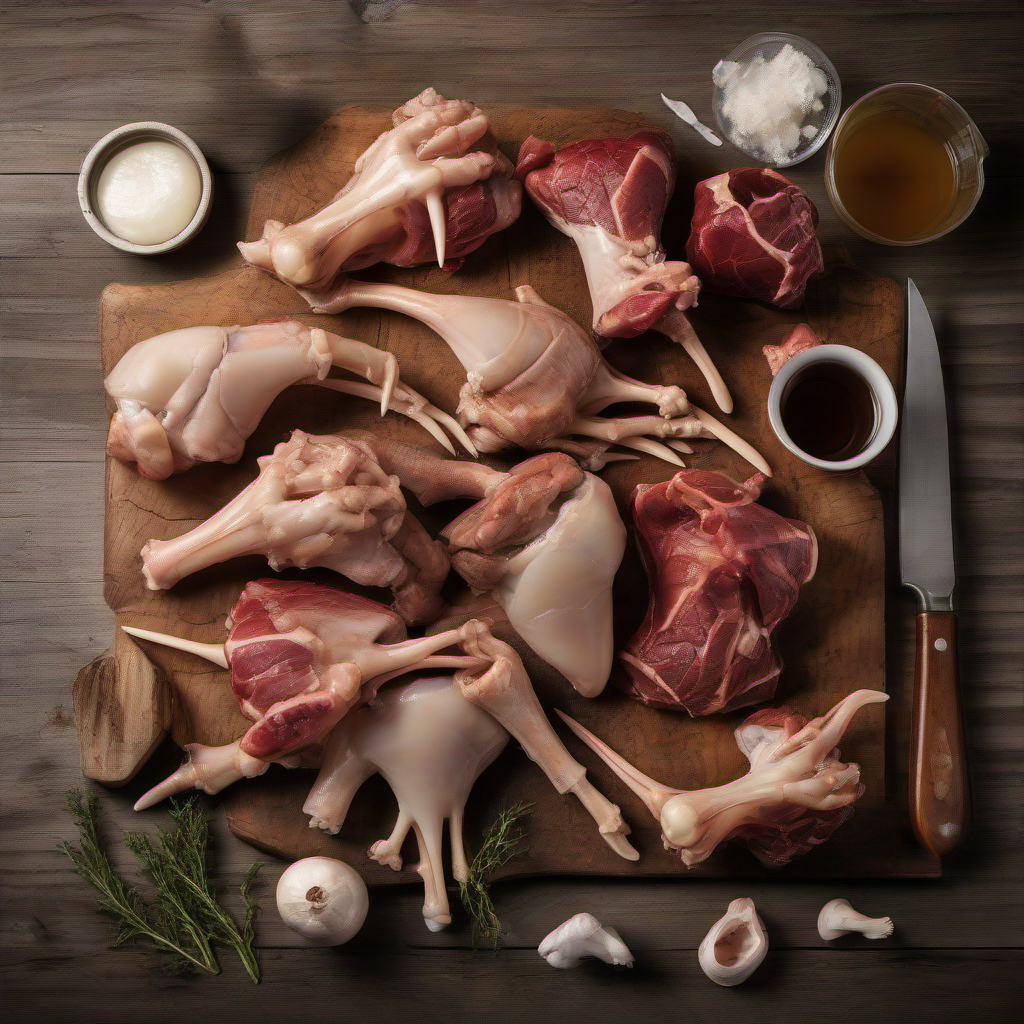
- Knuckle bones and chicken feet contain the highest collagen density and produce the most gelatinous broth
- Marrow bones add rich flavor and fat-soluble vitamins but need to be paired with collagen-rich bones
- A 50/50 mix of collagen bones and marrow bones creates balanced flavor and nutrition
- Beef bones require 18-24 hours of simmering while chicken bones need only 12-18 hours
- Roasting bones before simmering dramatically improves flavor depth and color
- The white scum that forms during cooking is harmless albumin protein, not impurities
What Makes a Bone Ideal for Broth?
The best bones for bone broth share three essential characteristics: high collagen content, significant connective tissue, and accessible bone marrow. Collagen-rich bones produce gelatin when simmered, creating the signature thick, jiggly texture that indicates a nutrient-dense broth.
Joints and knuckle bones contain the most collagen per pound. These include beef knuckles, chicken feet, pork trotters, and neck vertebrae. Marrow bones like femur sections provide rich flavor and fat content but contribute less gelatin. The ideal bone broth uses a combination approach: approximately 60% collagen bones and 40% marrow or meaty bones for balanced nutrition and taste.
Bone quality matters significantly. Grass-fed beef bones and pasture-raised chicken bones contain higher levels of omega-3 fatty acids and conjugated linoleic acid compared to conventionally raised animals, according to data from the USDA FoodData Central. The mineral content of bones also varies based on animal diet and living conditions, with pasture-raised animals typically showing higher calcium, magnesium, and phosphorus levels.
Which Beef Bones Produce the Best Broth?
Beef bones create the richest, most robust bone broth with deep flavor and maximum gelatin content. Beef knuckle bones are the single best choice for bone broth because they contain dense cartilage and connective tissue that breaks down into abundant gelatin. These large joint bones from the leg areas provide structural collagen that creates a broth so gelatinous it solidifies completely when refrigerated.
Beef marrow bones, cut crosswise from the femur or tibia, contribute intense flavor and healthy fats. The marrow itself contains monounsaturated fats, vitamins A and K2, and iron. However, marrow bones alone produce thin, non-gelatinous broth. Always combine them with knuckle or neck bones in at least a 1:1 ratio. A typical batch uses 3 pounds of knuckle bones plus 2 pounds of marrow bones for optimal results.
Oxtail represents the premium choice for beef bone broth. These tail vertebrae contain exceptional collagen density surrounded by flavorful meat. Oxtail produces extraordinarily gelatinous broth with rich, beefy flavor. The primary limitation is cost—oxtail typically sells for $8-15 per pound compared to $2-4 per pound for knuckle bones. Kettle & Fire notes that oxtail-based broths often contain 40% more collagen by weight than standard beef bone broths.
Neck bones offer excellent value. Beef neck contains vertebrae with attached meat, fat, and connective tissue. These bones produce flavorful, moderately gelatinous broth at economy pricing. Neck bones work particularly well in mixed-bone batches where they contribute both flavor and body without dominating cost.
| Beef Bone Type | Collagen Level | Flavor Intensity | Cost per Pound | Best Use |
|---|---|---|---|---|
| Knuckle Bones | Very High | Moderate | $2-4 | Gelatin foundation |
| Marrow Bones | Low | Very High | $3-6 | Flavor and fat |
| Oxtail | Extremely High | Very High | $8-15 | Premium batches |
| Neck Bones | High | High | $2-5 | Value option |
| Rib Bones | Moderate | High | $3-7 | Flavor boost |
Why Are Chicken Bones Excellent for Bone Broth?
Chicken bones produce lighter, more delicate bone broth that's easier to digest and faster to prepare than beef broth. Chicken feet are the ultimate collagen source in poultry, containing more gelatin per ounce than any other chicken part. These often-overlooked cuts consist almost entirely of skin, tendons, and tiny bones that dissolve into thick, gelatinous broth during cooking.
A standard chicken bone broth recipe uses a whole chicken carcass plus 6-8 chicken feet. The carcass provides flavor and minerals while the feet contribute gelatin. Chicken feet typically cost $1-3 per pound at Asian markets or specialty butchers. According to research published by the National Institutes of Health, chicken feet contain approximately 70% collagen by dry weight, making them one of the most collagen-dense ingredients available for bone broth.
Chicken backs and necks offer excellent value for broth-making. These bony cuts sell for $0.50-2 per pound and contain substantial collagen in the connective tissue between vertebrae. Five pounds of chicken backs produce approximately 4 quarts of moderately gelatinous broth after 14 hours of simmering. The meat attached to backs and necks adds flavor complexity while the small bones fully soften and release minerals.
Whole chicken carcasses from roasted birds work perfectly for bone broth. After removing the breast, thigh, and leg meat for meals, the remaining carcass contains the back, rib cage, wing tips, and all the cartilage from joint connections. One carcass plus six chicken feet produces excellent broth. Many home cooks freeze carcasses after roasting chickens until they accumulate 2-3, then make a large batch of broth.
Turkey bones function identically to chicken bones but require longer cooking time due to their larger size. A turkey carcass after Thanksgiving produces 6-8 quarts of rich broth when simmered for 18-20 hours. Turkey wings, often sold separately, contain high collagen and work well combined with turkey necks or backs.
How Do Pork Bones Compare for Broth Making?
Pork bones create rich, slightly sweet bone broth popular in Asian cuisines, particularly Japanese tonkotsu and Korean seolleongtang. Pork trotters (feet) are the collagen champions of pork, producing intensely gelatinous broth with a silky mouthfeel. Trotters contain skin, tendons, and small bones that completely break down during extended cooking.
Pork neck bones provide excellent flavor and moderate gelatin content at economical prices. These vertebrae typically sell for $1.50-3 per pound and contain meat, fat, and connective tissue. Pork neck bones work well in combination with trotters—use 3 pounds of neck bones plus 2 trotters for a balanced batch.
Pork ribs, particularly spare ribs, contribute rich flavor but less gelatin than trotters or knuckles. The meat on ribs adds complexity while the bones release minerals. Rib bones work best as flavor enhancers combined with more collagen-rich cuts. Leftover rib bones from barbecue make excellent broth ingredients rather than discarding them.
Pork knuckles (hocks) represent a middle ground between flavor and gelatin. The front knuckles contain more connective tissue than rear knuckles. Two pork knuckles combined with a trotter and neck bones creates deeply flavorful, moderately gelatinous broth. ScienceDirect notes that pork collagen has a slightly different amino acid profile than beef, with higher glycine content.
What About Fish Bones and Seafood Shells?
Fish bones produce delicate, mineral-rich stock (technically not bone broth due to shorter cooking time) with unique nutritional properties. Fish head and frame from white fish like halibut, cod, or snapper create the most gelatinous seafood stock. The collagen in fish breaks down at lower temperatures and shorter times than mammal bones—fish stock only requires 45 minutes to 2 hours of simmering compared to 12-24 hours for bone broth.
Salmon heads and frames contain omega-3 fatty acids EPA and DHA in addition to collagen. Salmon stock has a pronounced flavor that works well in seafood soups and Asian preparations but may be too strong for some Western applications.
Shrimp shells contain chitin, a different type of structural compound than collagen. Shrimp shell stock produces a sweet, oceanic broth rich in minerals and glucosamine. Two pounds of shells from 3-4 pounds of shrimp creates approximately 1 quart of concentrated stock. The shells roast at 400°F for 10 minutes before simmering to intensify flavor.
Lobster and crab shells work similarly to shrimp shells. The large shells from whole lobsters or Dungeness crabs produce intensely flavorful stock. These shells are particularly valuable since they're often discarded. The meat extraction process breaks shells into pieces that release maximum flavor when simmered. Shellfish stocks typically cook for 45-90 minutes, not the extended periods required for bone broth.
Should You Mix Different Bone Types?
Combining different bone types in a single batch creates complex flavor and optimal nutrition. The most effective mixing strategy uses 60% collagen-rich bones (knuckles, feet, necks) and 40% flavor bones (marrow, ribs, meaty cuts) for balanced results. This ratio ensures adequate gelatin formation while maintaining rich taste.
Cross-species mixing works with certain combinations. Beef and chicken bones together create a hybrid broth with beef richness and chicken delicacy. Use 3 pounds beef knuckles, 1 pound marrow bones, and 1 chicken carcass plus 4 chicken feet for an all-purpose broth suitable for any recipe.
Avoid mixing pork with beef or chicken in Western-style broths—the flavor profiles clash. Pork broth has a distinct sweetness that doesn't harmonize with beef's deep umami or chicken's neutral base. However, in Asian cuisine, pork-chicken combinations are traditional and delicious, particularly in ramen broths where pork bones simmer with chicken carcasses for 18 hours.
Fish and meat bones never mix successfully. The delicate seafood flavors disappear completely when combined with robust land animal bones. Keep fish stocks separate and use them within 3-4 days as they spoil faster than meat-based bone broths.
How Do You Prepare Bones Before Making Broth?
Proper bone preparation dramatically improves broth flavor, color, and nutrition. Roasting bones at 425°F for 30-45 minutes before simmering creates caramelized surfaces that deepen flavor and produce rich brown color. The Maillard reaction during roasting develops complex savory compounds that raw bones cannot provide.
Arrange bones in a single layer on sheet pans without crowding. Beef and pork bones roast at 425°F for 45 minutes, turning halfway through. Chicken bones roast at 400°F for 30 minutes. The goal is deep browning without burning. Some fat will render out during roasting—this is normal and adds flavor to the broth. Pour the rendered fat and browned bits into the stockpot along with the roasted bones.
Blanching bones (boiling for 5 minutes, then rinsing) before the long simmer removes blood, impurities, and excess albumin protein. This technique, common in Asian bone broth traditions, produces clearer broth with less foam. Blanching is optional for Western-style broths where cloudy appearance doesn't matter, but recommended for Asian preparations where clarity indicates quality. Bare Bones Broth advocates blanching for all bone types to reduce the foaming during the main cook.
Breaking or cutting large bones exposes marrow and increases surface area. Ask your butcher to cut beef femur bones into 2-3 inch sections. For chicken, breaking the back and neck bones with kitchen shears or a cleaver helps release collagen. Fish frames should be cut into 3-4 pieces to fit in the pot and expose more bone surface.
Soaking bones in acidulated water before cooking helps mineral extraction. Add 2 tablespoons of apple cider vinegar or lemon juice to cold water, submerge bones, and let sit for 30 minutes before beginning the simmer. The mild acid helps dissolve calcium and magnesium from bone matrix. This step is particularly valuable for beef and pork bones, which have denser mineral structure than poultry bones.
What Bones Should Beginners Start With?
New bone broth makers achieve best results with chicken carcasses and feet due to shorter cooking times and forgiving nature. One whole roasted chicken carcass plus six chicken feet produces foolproof, gelatinous broth in 12-14 hours. Chicken bones are difficult to overcook and the relatively quick timeline provides faster feedback for learning the process.
The complete beginner recipe uses simple, available ingredients: 1 chicken carcass (from a roasted bird), 6 chicken feet, 2 carrots, 2 celery stalks, 1 onion, 2 bay leaves, 1 tablespoon apple cider vinegar, and enough water to cover by 2 inches. Simmer gently for 12 hours, strain, cool, and refrigerate. The broth should gel firmly when cold, indicating successful collagen extraction.
After mastering chicken broth, progress to beef knuckle and marrow bones. Use 3 pounds knuckle bones plus 2 pounds marrow bones, roasted. Add the same aromatics as chicken broth. Simmer for 18-24 hours. Beef bones are less forgiving—they can develop off flavors if boiled vigorously rather than gently simmered. Maintain bare bubbles breaking the surface, not a rolling boil.
Common beginner mistakes include: insufficient cooking time (results in thin, non-gelatinous broth), boiling too hard (creates cloudy, bitter broth), using only marrow bones without collagen sources (produces flavorful but thin liquid), and discarding the fat layer (which contains fat-soluble vitamins and should be saved for cooking).
How Long Should Different Bones Cook?
Cooking time directly correlates to bone size and density. Beef bones require 18-24 hours of continuous gentle simmering to fully extract collagen and minerals. The large, dense bovine bones contain tightly bound collagen that only releases during prolonged heating. Stopping at 12 hours produces decent flavor but misses significant gelatin and mineral extraction.
Chicken and turkey bones need 12-18 hours for complete extraction. Poultry bones are smaller and less dense than beef bones, so collagen releases faster. Chicken feet can go 14-16 hours for maximum gelatin yield. Overcooking chicken bones beyond 20 hours can produce chalky, slightly bitter notes, though this is less common than with beef.
Pork bones fall between beef and chicken—14-20 hours produces optimal results. Pork trotters benefit from longer cooking (18-20 hours) while neck bones yield most of their goodness by 14-16 hours. Asian-style tonkotsu ramen broth, made from pork bones, traditionally cooks for 16-18 hours at a low boil to create the characteristic milky-white appearance.
Fish bones and frames only need 45 minutes to 2 hours maximum. Fish collagen breaks down at much lower temperatures and extended cooking produces muddy, bitter flavors. Forty-five minutes captures the clean seafood essence while two hours is the absolute maximum before quality declines. Never cook fish stock longer than 2 hours.
| Bone Type | Minimum Time | Optimal Time | Maximum Time | Temperature |
|---|---|---|---|---|
| Beef Bones | 16 hours | 20-24 hours | 48 hours | 180-200°F |
| Chicken Bones | 10 hours | 12-16 hours | 20 hours | 180-200°F |
| Pork Bones | 12 hours | 16-18 hours | 24 hours | 180-200°F |
| Fish Bones | 30 minutes | 45-90 minutes | 2 hours | 180-190°F |
Where Can You Source Quality Bones?
Local butcher shops provide the best bone selection and quality. Butchers often sell bones at significantly reduced prices—$1-3 per pound—because they're considered byproducts. Developing a relationship with your butcher ensures access to the best cuts including knuckles, feet, and marrow bones that grocery stores rarely carry. Many butchers will save bones for regular customers and cut them to your specifications.
Asian grocery stores stock chicken feet, pork trotters, and oxtail at lower prices than Western markets. These ingredients are staples in Asian cooking, so inventory turnover is high and quality is excellent. H Mart, 99 Ranch Market, and similar chains maintain extensive bone selections. Chicken feet typically cost $1.50-2.50 per pound at Asian markets compared to $3-4 at specialty Western stores.
Farmers markets and direct farm sales offer pasture-raised, grass-fed bones with superior nutrition. Many vendors sell frozen bones from their processing operations. Expect to pay $4-7 per pound for grass-fed beef bones and $2-4 per pound for pasture-raised chicken bones. The higher omega-3 content and mineral density justify the premium for health-focused consumers.
Online suppliers ship frozen bones nationwide. Shipping costs are significant, so ordering in bulk (20-40 pounds) makes economic sense. Bones freeze for 6-12 months without quality loss.
Conventional grocery stores stock marrow bones and occasionally chicken feet in the meat department. The selection is limited compared to butchers but suffices for basic bone broth. Call ahead to request specific cuts as most stores can special order items like knuckle bones or oxtail with a few days notice.
What Additional Ingredients Enhance Bone Broth?
Aromatic vegetables create flavor depth without overwhelming bone essence. The classic mirepoix combination of 2 parts onion, 1 part carrot, 1 part celery provides balanced sweetness and savory foundation. Rough chop vegetables—no peeling needed—and add them during the last 4-6 hours of cooking. Adding aromatics at the beginning produces murky, bitter flavors as vegetables break down during extended cooking.
Apple cider vinegar or lemon juice in 1-2 tablespoon quantities per gallon of water helps extract minerals from bones. The mild acid breaks down calcium phosphate and other mineral compounds bound in bone matrix. Research from the Journal of Renal Nutrition demonstrates that acidulated cooking water increases calcium and magnesium extraction by 15-20% compared to plain water.
Fresh herbs should be added during the final hour only. Parsley, thyme, rosemary, and bay leaves become bitter and lose their aromatic compounds during lengthy cooking. Bay leaves are the exception—add 2-3 leaves at the beginning as their flavor compounds are more heat-stable. Peppercorns can go in at the start but crushing them releases oils that become bitter, so use whole peppercorns only.
Ginger, garlic, and scallions are essential for Asian-style bone broths. Add a 2-inch piece of sliced ginger and 6 garlic cloves during the last 2 hours. For Korean seolleongtang, add a whole daikon radish cut into chunks during the final 4 hours. For Japanese tonkotsu, add 6 scallions tied in a bundle during the last hour.
Salt should be added minimally or not at all during cooking. Bone broth reduces and concentrates over time. Adding salt at the beginning can result in overly salty final product. Season individual servings or dishes made with the broth instead. Many people use bone broth as a base for soups and sauces where additional salt will be added.
People Also Ask
Can you use raw bones for bone broth?
Yes, raw bones work perfectly for bone broth without roasting. Raw bones produce lighter-colored broth with cleaner, more delicate flavor. Roasting creates deeper color and richer taste but isn't required for nutritional extraction.
Are beef bones better than chicken for bone broth?
Beef bones produce richer flavor and higher mineral content while chicken bones cook faster and create lighter, more versatile broth. Neither is objectively better—choose based on your flavor preference and intended use.
How many times can you reuse bones for broth?
You can use large beef bones twice—make a first batch for 24 hours, strain, then simmer the same bones for another 24 hours. The second batch will be lighter but still nutritious. Chicken bones typically give all their goodness in one cook.
Expert Verdict
The best bones for bone broth are beef knuckles for maximum gelatin, chicken feet for economical collagen, and oxtail for premium flavor. A mixed-bone approach using 60% collagen-rich joints and 40% flavorful marrow or meaty bones creates broth with optimal nutrition and taste. Roast bones before simmering for depth, cook beef 20-24 hours and chicken 12-16 hours, and source from local butchers for quality and value. The signature test of excellent bone broth is firm gel formation when refrigerated—if your broth doesn't gel, you need more collagen-rich bones in your next batch.
Summary
- Beef knuckle bones, chicken feet, oxtail, and pork trotters contain the highest collagen density for gelatinous bone broth
- Marrow bones add rich flavor but must be combined with collagen bones in at least a 1:1 ratio for proper gelatin formation
- Roasting bones at 425°F for 30-45 minutes before simmering dramatically improves flavor through Maillard reaction browning
- Beef bones require 18-24 hours of gentle simmering while chicken needs 12-16 hours and fish only 45-90 minutes
- Local butchers offer the best bone selection at $1-4 per pound, often saving premium cuts like knuckles for regular customers
- Properly made bone broth gels firmly when refrigerated due to extracted collagen converting to gelatin during cooking
- Adding 1-2 tablespoons of apple cider vinegar per gallon increases mineral extraction by 15-20% according to nutritional research
- Mix 60% collagen bones with 40% flavor bones for balanced nutrition and taste in every batch
Frequently Asked Questions
What are the best bones for making bone broth at home?
The best bones for home bone broth are beef knuckle bones, chicken feet, oxtail, and marrow bones. Knuckles and feet provide maximum collagen for gelatin formation while marrow bones add rich flavor. Use a combination of both types for balanced nutrition and taste.
How long should I cook beef bones for bone broth?
Cook beef bones for 18-24 hours at a bare simmer (180-200°F) for complete collagen and mineral extraction. Shorter cooking times produce flavorful liquid but miss significant gelatin. Large knuckle and marrow bones benefit from the full 24-hour cook.
Can I make bone broth with just marrow bones?
Marrow bones alone produce flavorful but thin broth that won't gel because they lack sufficient collagen. Always combine marrow bones with collagen-rich bones like knuckles, necks, or feet in at least a 1:1 ratio for proper gelatin extraction and nutritional density.
Should I roast bones before making bone broth?
Roasting bones at 425°F for 30-45 minutes before simmering significantly improves flavor depth and creates rich brown color through caramelization. While optional, roasted bones produce notably more complex, savory broth than raw bones. The rendered fat adds additional flavor.
Why is my bone broth not gelatinous?
Non-gelatinous broth indicates insufficient collagen bones, too short cooking time, or excessive boiling. Add more knuckle bones or chicken feet, simmer gently (not boil) for the full recommended time, and ensure at least 60% of your bones are collagen-rich joints rather than just marrow or meat bones.
Where can I buy bones for making bone broth?
Butchers offer the best selection and will cut bones to specification for regular customers.
This article was produced by an automated research tool. Content is for informational purposes only and should not replace professional advice. Nothing here is medical advice, and it is not a substitute for it. Talk to a doctor about anything affecting your health. Product and resource links throughout this article are included for informational value based on relevance and quality. WhichBrewForYou has no affiliate relationship with any linked third-party site and receives no commission from any recommended products or brands. BellofattoBrews (coffee and tea) and Golden Hive Mead (mead kits and resources) are personal recommendations from this publication's founder and have no affiliation with WhichBrewForYou.