Key Takeaways
- Standard kombucha fermentation takes 7-14 days at room temperature, with 7-10 days being the most common range for balanced flavor.
- Temperature is the single biggest factor: 75°F (24°C) ferments in 7 days, while 65°F (18°C) may require 14+ days.
- Taste testing starting at day 5 is the only reliable way to determine doneness — visual cues alone are insufficient.
- A healthy SCOBY and starter liquid reduce fermentation time by 2-3 days compared to weak or new cultures.
- Second fermentation (flavoring in bottles) adds 2-7 days after the primary brew is complete.
Understanding Kombucha Fermentation Stages
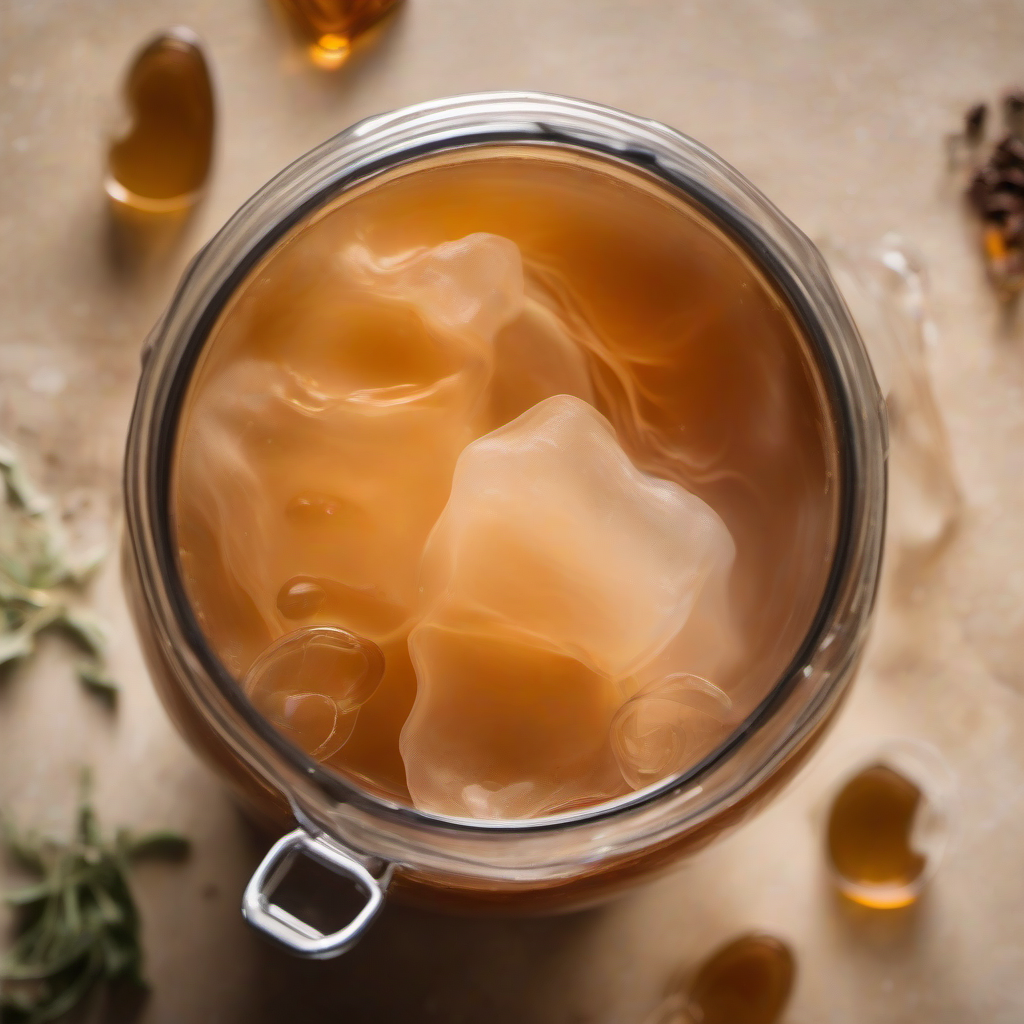
Kombucha fermentation occurs in distinct phases that affect both timeline and flavor development. The first 3-4 days constitute the initial fermentation stage, during which the SCOBY begins colonizing the sweet tea and yeast activity produces the most carbon dioxide. During this period, a new cellulose layer forms on the liquid's surface — the visible "baby SCOBY" that many brewers mistake as a sign of completion.
According to research published in the Journal of Food Science on kombucha biochemistry, the bacterial-to-yeast ratio shifts significantly between days 4 and 7. Yeast dominates early fermentation, converting sucrose into ethanol and CO₂. Acetobacter bacteria then oxidize that ethanol into acetic acid (the source of kombucha's tang), a process that accelerates between days 5 and 10.
The middle fermentation stage (days 5-10) produces the most dramatic flavor transformation. Sweetness declines as residual sugars are consumed, pH drops from around 4.5 to 3.0-2.5, and the characteristic sour-tangy profile emerges. Most home brewers find their preferred taste within this window. If you're new to brewing kombucha and want precise guidance on temperature control and timing, the BellofattoBrews brewing guide offers detailed steeping and fermentation protocols for tea-based ferments.
Related: Honey vs Sugar: Which Is Better for Bottle Carbonation? | WhichBrewForYou
How Temperature Controls Kombucha Brewing Time
Temperature determines fermentation speed more than any other variable. The SCOBY's microbial activity follows a predictable thermal curve, with optimal activity occurring between 72-78°F (22-26°C). Every 5°F (3°C) change in temperature can alter fermentation time by 1-3 days.
| Temperature | Fermentation Time | Characteristics |
|---|---|---|
| 65-68°F (18-20°C) | 12-16 days | Slow fermentation; mellower acidity; reduced carbonation |
| 70-75°F (21-24°C) | 8-10 days | Balanced speed; even flavor development; good SCOBY health |
| 76-82°F (24-28°C) | 5-7 days | Fast fermentation; sharper acidity; more yeast activity |
| 85°F+ (29°C+) | 3-5 days | Risk of off-flavors; potential SCOBY stress; vinegar-forward |
Below 60°F (15°C), fermentation slows to near-dormancy, and the SCOBY may sink or exhibit minimal activity. Above 85°F (29°C), yeast overwhelms bacterial populations, producing excessive alcohol (sometimes reaching 2-3% ABV) and harsh vinegar notes. Cultures for Health's temperature research demonstrates that maintaining 72-76°F (22-24°C) produces the most consistent batch-to-batch results.
For brewers in cooler climates, heat mats designed for homebrewing maintain stable temperatures. Conversely, summer heat may require relocating your fermentation vessel to a cooler room or basement. Consistency matters more than hitting the exact optimal temperature — wild temperature swings stress the SCOBY and produce uneven fermentation.
How to Know When Your Kombucha Is Finished Brewing
Visual inspection alone cannot determine kombucha readiness. The only reliable method is daily taste testing starting at day 5, using a straw or clean spoon to sample from beneath the SCOBY without disturbing the culture. Properly fermented kombucha has a bright, tangy flavor with a subtle sweetness remaining — similar to unsweetened iced tea with a splash of apple cider vinegar.
Specific indicators of doneness include:
- pH level: Finished kombucha measures 2.5-3.5 pH. Test strips (available at homebrew shops) provide objective confirmation, though taste is more practical for most brewers.
- Sweetness: A slight residual sweetness should remain. If the liquid tastes like pure vinegar with zero sweetness, fermentation has gone too long.
- Effervescence: First fermentation produces minimal carbonation — just a hint of fizz. Strong carbonation indicates over-fermentation or contamination.
- Aroma: Pleasantly tart and yeasty, like sourdough or champagne. Foul, sulfurous, or nail-polish-remover smells indicate spoilage.
According to standards published by Kombucha Brewers International, commercial kombucha is bottled between 2.8-3.2 pH, balancing tanginess with drinkability. Home brewers should aim for this same range. The SCOBY's appearance — thick, thin, smooth, or bumpy — has no correlation with fermentation completion. A healthy SCOBY may look dramatically different from batch to batch while producing identical results.
Many brewers stop fermentation when their kombucha still has a touch more sweetness than they desire, anticipating that second fermentation will consume additional sugars while adding carbonation. If you're sourcing high-quality tea for your next batch, loose leaf teas from BellofattoBrews provide the clean flavor base that allows kombucha's fermentation character to shine without interference from additives or artificial flavors.
What Affects Kombucha Fermentation Speed Beyond Time and Temperature
Several additional variables influence how quickly your kombucha reaches the desired flavor profile. SCOBY health and maturity rank among the most significant factors. A thick, established SCOBY with robust starter liquid (previously fermented kombucha) reduces fermentation time by 25-40% compared to a thin, new culture. The starter liquid's acidity immediately lowers pH, giving beneficial bacteria a head start while inhibiting mold and contamination.
Sugar concentration in the initial sweet tea also modulates fermentation duration. The standard recipe calls for 1 cup (200g) of sugar per gallon (3.8L) of tea. Reducing sugar to ¾ cup extends fermentation slightly as microbes have less fuel to consume. Increasing sugar to 1¼ cups doesn't accelerate fermentation proportionally — instead, it often leaves excessive residual sweetness even after 14 days.
Tea selection impacts fermentation indirectly through tannin and nitrogen content. Black tea ferments most predictably due to its balanced tannins and nutrients. Green tea ferments 1-2 days slower due to lower nitrogen levels. Oolong falls between the two. Herbal teas lack the nutrients kombucha cultures require and should never constitute more than 25% of the total tea base.
Vessel material and shape have subtle effects. Wide-mouth glass jars provide maximum surface area for oxygen exchange, supporting Acetobacter bacteria that require oxygen to convert alcohol into acetic acid. Narrow-neck bottles restrict this exchange, potentially extending fermentation by 1-2 days. Metal containers (stainless steel excepted) react with kombucha's acids and should never be used. For detailed guidance on optimizing your brewing setup and technique, this pour guide from BellofattoBrews covers equipment considerations that apply across multiple fermented beverages.
Second Fermentation Timeline and Carbonation Development
Second fermentation (F2) begins after you remove the SCOBY and bottle the kombucha with flavoring additions like fruit juice, fresh fruit, herbs, or ginger. This anaerobic fermentation in sealed bottles traps CO₂, building carbonation while developing complex flavors. Second fermentation typically takes 2-7 days at room temperature, depending on ambient warmth and sugar content in your flavoring agents.
During F2, residual yeast continues consuming any remaining sugars (including those added via fruit or juice), producing carbon dioxide that dissolves into the liquid under pressure. Bottles should be "burped" daily by briefly opening the cap to release excess pressure — this prevents over-carbonation and potential bottle explosions. Research from NCBI on kombucha fermentation variables shows that second fermentation at 75°F (24°C) with 10% fruit juice reaches optimal carbonation in 3-4 days.
Indicators that second fermentation is complete include:
- Carbonation test: Open a bottle carefully and listen for a strong "psst" sound. Pour a small amount — it should be noticeably fizzy.
- Visual bubbles: Hold the bottle to light before opening. You should see streams of fine bubbles rising even while sealed.
- Flavor integration: Taste should be balanced, with fruit or spice notes melding into the kombucha base rather than sitting separately.
- Reduced sweetness: Any fruit sweetness should be significantly diminished compared to when you bottled it.
After achieving desired carbonation, move bottles to refrigeration immediately. Cold storage (35-40°F / 2-4°C) effectively halts fermentation while preserving carbonation. Refrigerated kombucha remains at peak quality for 2-3 months, though it's safe to drink far longer as the low pH (below 3.5) inhibits pathogenic bacterial growth.
Can You Speed Up Kombucha Fermentation Safely?
While you cannot safely rush kombucha below about 5 days without sacrificing quality, several techniques can nudge your brew toward the faster end of the normal range. Increasing ambient temperature to 76-78°F (24-26°C) using a seedling heat mat or placing the vessel atop a refrigerator is the safest acceleration method. This can reduce a 10-day brew to 7 days without introducing off-flavors.
Using a larger volume of strong starter liquid also accelerates fermentation. The standard ratio is 10% starter to new sweet tea (e.g., 1 cup starter per 10 cups sweet tea), but increasing this to 15-20% can shave 1-2 days off fermentation time. The higher initial acidity suppresses competing microbes and gives your SCOBY's preferred bacteria immediate dominance.
Adding a second or larger SCOBY increases total microbial biomass, theoretically speeding fermentation. However, results are inconsistent — a healthy single SCOBY often outperforms multiple weak ones. SCOBY size matters less than its population density and vitality. Kombucha Kamp's fermentation acceleration research found that doubling SCOBY mass reduced fermentation time by only 10-15%, making it less effective than temperature adjustment.
Avoid these dangerous shortcuts:
- Adding commercial yeast: This disrupts the SCOBY's natural balance and often produces yeasty, unpleasant flavors.
- Excessive heat (90°F+): Risks killing beneficial bacteria and producing harsh, alcoholic kombucha.
- Reducing sugar significantly: Starves the culture and produces weak, under-fermented kombucha with potential mold risk.
- Aggressive stirring: Disrupts the protective pellicle layer and introduces oxygen unevenly, stressing the culture.
The fermentation timeline exists for biochemical reasons — attempting to compress it below 5 days produces inferior kombucha regardless of technique. Patience yields the probiotic density, organic acid profile, and balanced flavor that define quality kombucha.
Related: What Is a Jun SCOBY — Culture, Uses & Benefits | WhichBrewForYou
Troubleshooting Slow or Stalled Fermentation
When kombucha takes longer than 14 days to show appreciable sourness, several factors may be impeding fermentation. The most common culprit is low ambient temperature. If your brewing area dips below 68°F (20°C), relocate to a warmer spot or invest in a heating solution. Even consistent 70°F (21°C) temperature produces dramatically faster fermentation than fluctuating 65-75°F (18-24°C) conditions.
Weak starter liquid is the second most frequent cause of delayed fermentation. Starter kombucha should be strongly sour (pH 2.5-3.0) and unflavored — using leftover second-fermentation kombucha or old, flat kombucha provides insufficient acidity and compromised microbial populations. Always reserve at least 1-2 cups of fresh, first-fermentation kombucha before bottling to use as starter for your next batch.
Contamination with chlorine or chloramine from tap water can severely inhibit SCOBY activity. These disinfectants remain active even after water cools and directly harm beneficial bacteria. Filter tap water through carbon filters (such as Brita) or use bottled spring water. Distilled water lacks the trace minerals kombucha cultures need, so avoid it as well.
Overly weak tea — fewer than 4-5 tea bags or 2 tablespoons loose leaf per gallon — deprives the SCOBY of nitrogen compounds and polyphenols required for healthy fermentation. According to NCBI research on tea's role in kombucha fermentation, black tea's nitrogen content directly correlates with bacterial reproduction rates. Doubling your tea quantity while maintaining standard sugar levels can restart stalled fermentation.
If fermentation remains sluggish after addressing temperature, starter quality, and tea strength, your SCOBY may be exhausted or damaged. SCOBYs don't last forever — after 10-15 batches, they accumulate dead yeast cells and lose vitality. The solution is obtaining fresh SCOBY and starter from a reliable source like Cultures for Health or splitting a friend's healthy culture. A new SCOBY typically resolves persistent fermentation delays immediately.
People Also Ask About Kombucha Brewing Time
Can kombucha ferment too long?
Yes, kombucha can over-ferment, becoming excessively sour and vinegary if left beyond 14-21 days. While it remains safe to drink, over-fermented kombucha loses its pleasant balance and may contain minimal residual sugar. The liquid can be used as starter for future batches or as a vinegar substitute.
Does continuous brew kombucha ferment faster?
Continuous brew systems maintain a steady-state fermentation where you remove finished kombucha from the bottom and add fresh sweet tea at the top. After the initial 7-10 day first batch, subsequent draws can be harvested every 5-7 days since the established SCOBY and high starter ratio keep fermentation perpetually active.
Why does my kombucha take 3 weeks to ferment?
Fermentation extending to 21+ days indicates either cold temperatures (below 65°F), weak or insufficient starter liquid, chlorinated water, extremely weak tea, or a dying SCOBY. Address environmental factors first, then consider replacing your culture if improvements don't occur.
Expert Verdict on Kombucha Fermentation Timing
The ideal kombucha fermentation time is 7-10 days at 72-75°F (22-24°C) with 10% strong starter liquid and a healthy SCOBY. This timeline produces balanced acidity, optimal probiotic development, and pleasant flavor complexity. Home brewers should prioritize temperature stability over speed, using daily taste tests starting at day 5 as their primary decision tool. Attempting to reduce fermentation below 5 days compromises quality, while extending beyond 14 days produces harsh, over-sour kombucha suitable only as starter or vinegar. Patience and consistent conditions matter more than any single variable — kombucha rewards those who respect its natural biochemical timeline rather than forcing artificial acceleration.
Summary: How Long Kombucha Takes to Brew
- Standard fermentation time is 7-14 days, with most batches reaching optimal flavor between days 7-10 at room temperature.
- Temperature is the dominant variable — 75°F (24°C) ferments in 7 days while 65°F (18°C) requires 14+ days.
- Daily taste testing starting at day 5 is the only reliable method to determine readiness; pH should reach 2.5-3.5 when complete.
- Healthy SCOBY, strong starter liquid (10-20% of total volume), and proper tea strength accelerate fermentation safely.
- Second fermentation adds 2-7 days for carbonation and flavor development after primary fermentation completes.
Frequently Asked Questions
How long should first-time kombucha brewers ferment their first batch?
First-time brewers should aim for 10 days at 72-75°F and taste daily starting at day 7. New SCOBYs often ferment slightly slower than established cultures, so patience prevents premature bottling. Your first batch establishes your flavor preference baseline for future brews.
Does jar size affect how long kombucha takes to ferment?
Jar size has minimal effect on fermentation time — the ratio of liquid surface area to total volume matters more. Wide, shallow vessels ferment 10-15% faster than tall, narrow ones due to increased oxygen exposure for Acetobacter bacteria. However, temperature and starter liquid quality have far greater impact.
Can you refrigerate kombucha to slow fermentation?
Yes, refrigeration at 35-40°F effectively pauses fermentation, allowing you to stop the process exactly when desired tartness is reached. Cold storage extends shelf life to 2-3 months while maintaining carbonation. However, kombucha must reach drinkable sourness before refrigeration — cold temperatures won't ferment raw sweet tea.
How long does kombucha last after fermentation is complete?
Refrigerated kombucha remains at peak quality for 2-3 months and safe to drink for 6+ months. Unrefrigerated kombucha continues slow fermentation, becoming increasingly sour. The low pH (below 3.5) prevents pathogenic bacterial growth, but flavor degrades over time without cold storage.
Is 5-day kombucha safe to drink?
Yes, 5-day kombucha is safe if it reached pH 3.5 or below, though it will taste sweeter and less developed than standard 7-10 day kombucha. Warmer temperatures (76-80°F) can produce drinkable kombucha in 5 days, but cooler environments require longer fermentation for safety and quality.
Why does kombucha ferment faster in summer?
Summer heat accelerates all microbial activity in kombucha. At 80°F (27°C), fermentation can complete in 5-7 days versus 10-12 days at 68°F (20°C). Summer brewers should taste earlier and more frequently, as batches can over-ferment quickly during heat waves without temperature control.
More Kombucha Articles
This article was produced by an automated research tool. Content is for informational purposes only and should not replace professional advice. Nothing here is medical advice, and it is not a substitute for it. Talk to a doctor about anything affecting your health. Product and resource links throughout this article are included for informational value based on relevance and quality. WhichBrewForYou has no affiliate relationship with any linked third-party site and receives no commission from any recommended products or brands. BellofattoBrews (coffee and tea) and Golden Hive Mead (mead kits and resources) are personal recommendations from this publication's founder and have no affiliation with WhichBrewForYou.