Key Takeaways
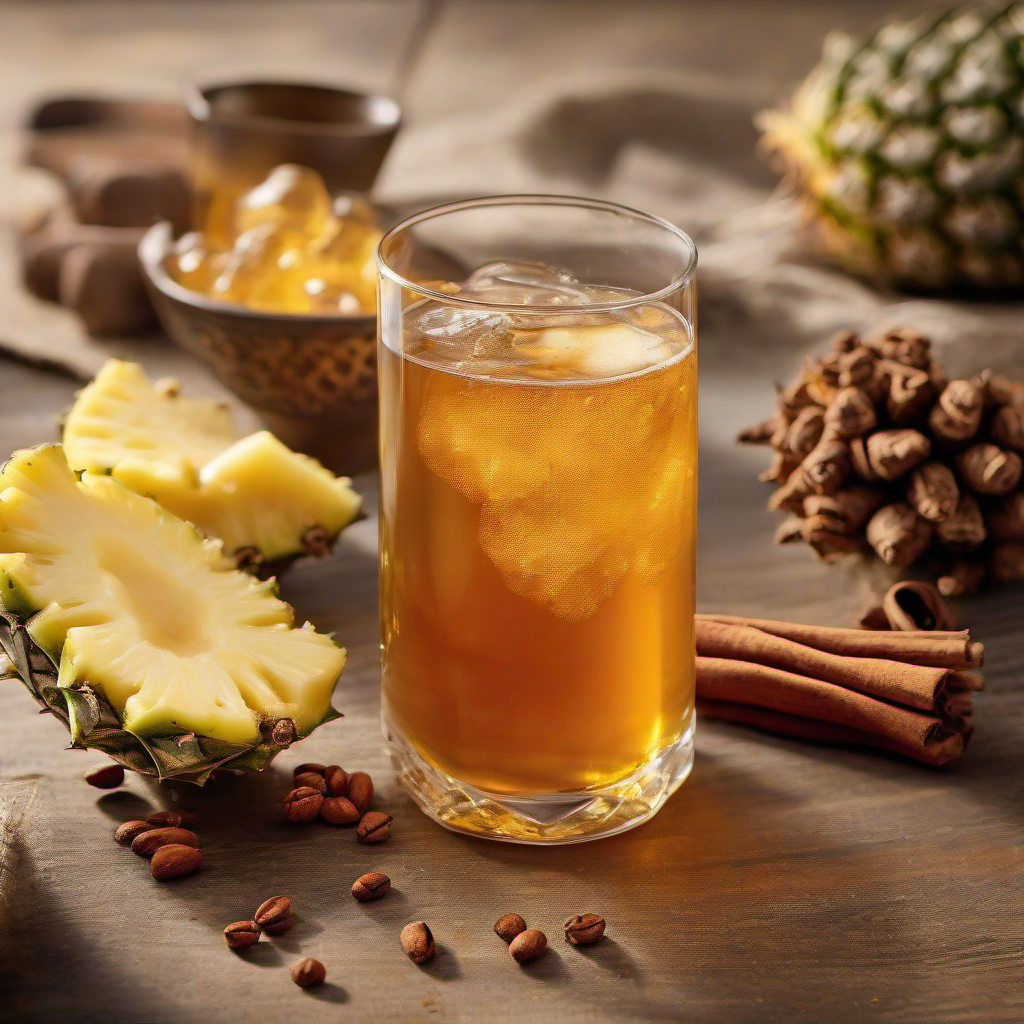
- Tepache delivers a sweet-tart pineapple flavor with natural carbonation from wild fermentation
- The taste balances tropical fruit sweetness with tangy acidity similar to apple cider vinegar
- Traditional spices like cinnamon and clove add warm, aromatic complexity to the base flavor
- Fermentation time dramatically affects taste intensity, from mildly sweet to boldly funky
- The drink's flavor profile sits between fresh fruit juice and kombucha in complexity
- Tepache contains only 1-3% alcohol by volume, delivering flavor without significant intoxication
What Is the Primary Flavor of Tepache?
The dominant flavor in tepache is fermented pineapple — distinctly tropical yet more complex than fresh pineapple juice. Traditional Mexican recipes from chef Rick Bayless describe the taste as "bright, refreshing, and slightly wild," capturing the essence of controlled fermentation that transforms simple fruit into something layered and interesting.
The fermentation process converts natural pineapple sugars into lactic acid and trace amounts of alcohol, creating a flavor that balances sweetness with tanginess. According to research published in PubMed on traditional fermented beverages, spontaneous fermentation with wild yeasts and lactic acid bacteria produces organic acids, esters, and aromatic compounds that give tepache its characteristic complexity.
Unlike pasteurized commercial fruit drinks, tepache retains a living, dynamic quality. The taste profile includes subtle funkiness — not off-putting but pleasantly earthy — that signals active probiotic cultures similar to those found in other fermented beverages.
How Does Tepache Compare to Other Fermented Drinks?
Tepache occupies a unique space in the fermented beverage spectrum, sharing characteristics with several drink families while maintaining its distinct identity:
| Drink | Sweetness Level | Acidity | Carbonation | Alcohol Content |
|---|---|---|---|---|
| Tepache | Moderate-High | Moderate | Light-Moderate | 1-3% ABV |
| Kombucha | Low-Moderate | High | Moderate-High | 0.5-2% ABV |
| Water Kefir | Low | Moderate | High | 0.5-1% ABV |
| Ginger Beer | High | Moderate | High | 0-4% ABV |
| Jun Tea | Moderate | Moderate-High | Moderate | 1-2% ABV |
The key distinction is tepache's pronounced fruit-forward character combined with spice complexity. Where kombucha tends toward vinegary sharpness and water kefir offers neutral carbonation, tepache maintains recognizable pineapple identity throughout fermentation.
What Role Do Spices Play in Tepache's Flavor?
Traditional tepache recipes incorporate warming spices that transform simple fermented pineapple into a multi-dimensional beverage. Cinnamon provides the most recognizable spice note — typically Mexican true cinnamon (Ceylon cinnamon) rather than the more common cassia variety found in supermarkets.
The spice profile typically includes:
- Cinnamon sticks — contribute sweet warmth and aromatic complexity without overpowering the pineapple base
- Whole cloves — add subtle medicinal notes and depth when used sparingly (1-3 cloves per batch)
- Star anise — occasionally included for licorice-like undertones in regional variations
- Black peppercorns — provide gentle heat and aromatic complexity in some modern recipes
According to research published in Food Chemistry, cinnamon's volatile compounds including cinnamaldehyde interact with fermentation byproducts to create unique flavor synergies not present in either component alone. The spices also provide antimicrobial protection, helping beneficial fermentation organisms outcompete potential spoilage bacteria.
The balance between fruit and spice varies by recipe and fermentation time. Early-stage tepache (24-36 hours) emphasizes bright pineapple with subtle spice background, while longer fermentation (48-72 hours) allows spice notes to become more prominent as fruit sugars decrease.
How Does Piloncillo Affect Tepache's Taste?
Piloncillo — unrefined whole cane sugar sold in cone-shaped blocks — contributes essential flavor complexity beyond simple sweetness. Unlike refined white sugar, piloncillo retains molasses and trace minerals from sugarcane, adding caramel, toffee, and subtle earthy notes to the final beverage.
The unrefined sugar's impact on tepache includes:
- Deeper sweetness complexity — brown sugar and molasses undertones that complement pineapple's tropical character
- Enhanced fermentation — trace minerals and nutrients in piloncillo support robust yeast and bacterial activity
- Color development — natural molasses creates tepache's characteristic golden-amber hue
- Rounded mouthfeel — viscosity from retained cane compounds creates fuller body than white sugar versions
When piloncillo is unavailable, dark brown sugar or coconut sugar can substitute, though the flavor profile shifts slightly. White sugar produces cleaner, more neutral tepache that emphasizes pineapple and spice without the caramelized depth.
What Texture and Mouthfeel Does Tepache Have?
Tepache's texture is light, effervescent, and refreshing with gentle carbonation that tingles on the tongue without the aggressive fizz of commercial sodas. The natural carbonation comes from carbon dioxide produced during fermentation as yeasts metabolize sugars.
The mouthfeel characteristics include:
- Light body — thinner than juice but fuller than water, with slight viscosity from dissolved sugars and pineapple solids
- Gentle effervescence — fine bubbles similar to naturally carbonated mineral water rather than forced carbonation
- Slight astringency — tannic compounds from pineapple skin create subtle drying sensation on the palate
- Smooth finish — clean aftertaste without cloying sweetness or harsh acidity
The Harvard T.H. Chan School of Public Health notes that fermented beverages containing live cultures often produce a distinctive mouthfeel due to bacterial exopolysaccharides — naturally occurring compounds that add body and smoothness to the liquid.
How Does Fermentation Time Change Tepache's Flavor?
Fermentation duration is the single most controllable variable affecting tepache's taste profile. The drink transforms dramatically over 24-72 hours as microorganisms consume sugars and produce flavor compounds.
| Fermentation Time | Sweetness | Acidity | Alcohol | Flavor Description |
|---|---|---|---|---|
| 24 hours | High | Low | ~0.5% | Sweet pineapple agua fresca with hint of spice |
| 36 hours | Moderate-High | Moderate | ~1% | Balanced sweet-tart with noticeable tang |
| 48 hours | Moderate | Moderate-High | ~2% | Complex, slightly funky, pronounced spice |
| 60-72 hours | Low-Moderate | High | ~3% | Bold, tangy, kombucha-like complexity |
| 72+ hours | Low | Very High | 3%+ | Vinegary, potentially over-fermented |
Most traditional recipes target 36-48 hours for optimal balance. At this stage, enough residual sweetness remains to make the drink approachable while acidity and complexity have developed sufficiently to distinguish tepache from simple sweetened juice.
Temperature significantly affects fermentation speed. Warmer environments (75-85°F) accelerate the process, while cooler temperatures (65-70°F) slow fermentation and can produce more refined, less aggressive flavors.
Related: How to Make Tepache at Home — Easy Fermented Recipe
What Are the Dominant Aroma Notes in Tepache?
Tepache's aromatic profile significantly influences perceived taste, as olfactory compounds contribute substantially to flavor experience. The drink's bouquet includes:
- Fresh tropical fruit — volatile esters from pineapple including ethyl butyrate (fruity, sweet) and methyl hexanoate (pineapple, tropical)
- Sweet spice — cinnamon's cinnamaldehyde provides warm, bakery-like aromatics
- Yeast character — subtle bready, beer-like notes from active fermentation
- Lactic tang — mild vinegar-like sharpness from lactic acid production
- Brown sugar — caramel and molasses aromatics from piloncillo
According to traditional tepache preparation methods, the aromatic intensity peaks after 36-48 hours when fermentation is most active. The drink should smell inviting and complex — never putrid or overwhelmingly vinegary, which indicates contamination or over-fermentation.
Does Tepache Taste Alcoholic?
Despite containing 1-3% alcohol by volume, tepache does not taste noticeably alcoholic to most drinkers. The alcohol content remains low enough that ethanol's characteristic burn and warming sensation are minimal or absent.
For context, tepache contains similar alcohol levels to:
- Kombucha (0.5-2% ABV)
- Non-alcoholic beer (0.5-1% ABV)
- Overripe fruit (trace amounts from natural fermentation)
By comparison, beer typically contains 4-7% ABV, wine 12-15%, and spirits 40%+. FDA regulations classify beverages under 0.5% ABV as non-alcoholic, placing most tepache batches in the "alcoholic but very low" category requiring no special labeling in home production.
The flavor contribution from alcohol in tepache manifests as subtle complexity and fullness rather than identifiable "boozy" taste. Ethanol acts as a flavor carrier, helping aromatic compounds reach taste receptors more effectively and creating a rounder mouthfeel.
What Taste Variations Exist in Modern Tepache Recipes?
While traditional tepache maintains a fairly consistent flavor profile, contemporary recipes introduce variations that expand the drink's taste possibilities:
Fruit Additions
- Mango-pineapple — adds tropical sweetness and orange-colored hue
- Strawberry — contributes berry tartness and floral notes
- Citrus (orange, lime) — increases acidity and adds bright zest character
- Apple — creates more cider-like flavor with increased tannins
Spice Variations
- Ginger root — introduces sharp, warming heat and aromatic complexity
- Jalapeño or chili — adds savory heat for more complex, less sweet profiles
- Vanilla bean — contributes creamy, dessert-like aromatics
- Cardamom — brings floral, eucalyptus-like notes
Sugar Alternatives
- Honey — creates richer, more complex sweetness with floral notes
- Agave nectar — produces cleaner, more neutral sweetness
- Maple syrup — adds distinctive woody, caramel character
Each variation shifts the final flavor profile while maintaining tepache's core identity as a lightly fermented, naturally carbonated fruit beverage with spice complexity.
People Also Ask About Tepache Taste
Is tepache supposed to taste sour?
Tepache should taste pleasantly tangy but not aggressively sour. Mild sourness from lactic acid fermentation is expected and desirable, similar to yogurt or kombucha. Overwhelming sourness indicates over-fermentation or contamination. Properly balanced tepache maintains sweetness alongside tanginess.
Does tepache taste like beer?
Tepache shares some characteristics with beer — mild carbonation, yeast character, and low alcohol — but tastes distinctly fruitier and sweeter. Where beer emphasizes grain and hops, tepache centers on pineapple and spice. The mouthfeel is lighter and the finish cleaner than most beers.
Can you taste the pineapple skin in tepache?
You don't directly taste pineapple skin, but it contributes subtle earthy, tannic notes and increased complexity compared to flesh-only versions. The skin harbors wild yeasts essential for fermentation and adds aromatic compounds that deepen the overall flavor profile without tasting "rind-like."
How to Adjust Tepache Flavor to Your Preference
Tepache's flexible nature allows home brewers to customize flavor intensity and character through several control points:
- Reduce fermentation time (24-36 hours) for sweeter, milder tepache with more pronounced fresh pineapple flavor
- Extend fermentation time (48-60 hours) for more complex, funky, tangier profiles with pronounced spice notes
- Increase piloncillo ratio for deeper caramel sweetness and fuller body
- Add more cinnamon sticks (2-3 instead of 1) for dominant spice-forward character
- Include jalapeño slices for savory heat that balances sweetness
- Use riper pineapple for sweeter base flavor and faster fermentation
- Dilute finished tepache with water or sparkling water to reduce intensity while maintaining complexity
- Strain thoroughly to remove all solids for cleaner, crisper finish
According to research on fermentation variables in traditional beverages, temperature control and ingredient ratios have the greatest impact on final flavor profiles. Consistent environmental conditions produce more predictable results batch after batch.
What Foods Pair Well With Tepache's Flavor?
Tepache's sweet-tart, lightly spiced profile makes it versatile for food pairing. The drink's natural acidity cuts through rich foods while its fruit character complements both savory and sweet dishes:
Excellent Tepache Food Pairings
- Tacos and Mexican street food — the traditional pairing; acidity balances rich meats and cheese
- Grilled or roasted pork — tropical fruit complements fatty, savory protein
- Fresh seafood and ceviche — pineapple and citrus notes enhance delicate fish flavors
- Spicy dishes — tepache's sweetness provides relief from capsaicin heat
- Aged cheeses — fruit and spice cut through rich, salty cheese
- Coconut-based desserts — tropical flavors harmonize while acidity prevents cloying sweetness
- Dark chocolate — spice notes complement cacao while fruit provides contrast
The drink also functions as an excellent base for cocktails, where its complex flavor profile adds depth to rum, tequila, and mezcal-based mixed drinks without requiring multiple additional ingredients.
Does Store-Bought Tepache Taste Different Than Homemade?
Commercial tepache products vary significantly in flavor compared to traditional homemade versions due to production methods, pasteurization, and consistency requirements:
| Characteristic | Homemade Tepache | Commercial Tepache |
|---|---|---|
| Live Cultures | Present (probiotic) | Usually absent (pasteurized) |
| Carbonation | Natural, variable | Often force-carbonated |
| Sweetness | Variable, fermented out | Controlled, often sweeter |
| Flavor Complexity | Rustic, variable, funky | Cleaner, more consistent |
| Alcohol Content | 1-3% ABV | Often <0.5% ABV |
Commercial tepache typically tastes cleaner, sweeter, and less complex than homemade versions. Pasteurization halts fermentation, killing beneficial microorganisms and eliminating the subtle funky notes that characterize living fermented beverages. To compensate, manufacturers may add back fruit juice concentrate or sweeteners, resulting in a product closer to pineapple soda than traditional tepache.
Some craft producers maintain live cultures and skip pasteurization, creating products more similar to traditional tepache but with consistent flavor profiles batch to batch. These premium versions typically require refrigeration and carry shorter shelf lives.
Expert Verdict on Tepache's Flavor Profile
Tepache delivers a uniquely balanced flavor experience that combines tropical fruit brightness, fermentation complexity, and warming spice in a refreshingly effervescent package. The taste profile sits in a sweet spot between fresh fruit juice and complex fermented beverages like kombucha — approachable enough for mainstream palates yet interesting enough to satisfy adventurous drinkers. Traditional preparation yields the most authentic, nuanced results with subtle funky notes and natural carbonation that commercial products rarely achieve. For anyone seeking a flavorful, mildly alcoholic alternative to beer or kombucha with distinctly tropical character, tepache represents an excellent discovery.
Summary: Understanding Tepache's Taste
- Tepache tastes like fermented pineapple with sweet-tart balance, natural carbonation, and warm cinnamon-spice notes
- The flavor combines tropical fruit brightness with funky fermentation complexity similar to kombucha but fruitier
- Traditional ingredients including piloncillo and cinnamon contribute caramel depth and aromatic warmth beyond simple fruit juice
- Fermentation time controls flavor intensity from mildly sweet (24 hours) to boldly tangy (48-72 hours)
- The drink contains 1-3% alcohol by volume but tastes non-alcoholic with no ethanol burn
- Tepache's light body, gentle effervescence, and clean finish make it refreshing for warm weather and food pairing
- Commercial versions typically taste sweeter and cleaner than traditional homemade preparations due to pasteurization
- The flavor profile adapts easily to variations through fruit additions, spice adjustments, and fermentation control
Frequently Asked Questions
What does tepache smell like?
Tepache smells like fresh pineapple mixed with cinnamon and subtle yeast notes. The aroma is tropical, slightly sweet, and pleasantly fermented — similar to natural fruit cider. Properly fermented tepache should never smell putrid, rotten, or overwhelmingly vinegary, which indicates spoilage.
Is tepache sweeter than kombucha?
Yes, tepache is noticeably sweeter than most kombucha. While kombucha tends toward sharp, vinegary tartness with minimal residual sweetness, tepache maintains moderate sweetness from pineapple and piloncillo even after fermentation. The acidity level is also milder in tepache.
Can tepache taste bad?
Tepache can develop off-flavors if contaminated with unwanted bacteria or over-fermented beyond 72 hours. Signs include excessive vinegar taste, musty or moldy flavors, or putrid odors. Proper sanitation, fresh ingredients, and monitoring fermentation time prevent bad-tasting batches.
Does tepache taste better cold or room temperature?
Tepache tastes significantly better served cold (refrigerator temperature, 35-40°F). Chilling enhances refreshment, mutes any funky fermentation notes, and makes carbonation more pleasant. Room temperature tepache tastes flatter with more pronounced yeast character that many find less appealing.
Why does my tepache taste like vinegar?
Vinegar taste in tepache indicates over-fermentation or acetobacter contamination. When fermentation extends beyond 72 hours, acetic acid bacteria convert alcohol to vinegar. To avoid this, ferment for 36-48 hours maximum and refrigerate immediately. Exposure to air accelerates vinegar formation.
Can you make tepache taste less sweet?
Yes, extend fermentation time to 48-60 hours to allow microorganisms to consume more sugar, reducing sweetness while increasing tanginess and complexity. Using less piloncillo initially or diluting finished tepache with sparkling water also reduces perceived sweetness without affecting fermentation.
More Tepache Articles
This article was produced by an automated research tool. Content is for informational purposes only and should not replace professional advice. Nothing here is medical advice, and it is not a substitute for it. Talk to a doctor about anything affecting your health. Product and resource links throughout this article are included for informational value based on relevance and quality. WhichBrewForYou has no affiliate relationship with any linked third-party site and receives no commission from any recommended products or brands. BellofattoBrews (coffee and tea) and Golden Hive Mead (mead kits and resources) are personal recommendations from this publication's founder and have no affiliation with WhichBrewForYou.