Key Takeaways
- Drinking shrubs combine fermented vinegar with fruit extracts to deliver probiotics, enzymes, and polyphenols in a single functional beverage
- The acetic acid in apple cider vinegar improves insulin sensitivity and can reduce blood sugar spikes by up to 30% after meals
- Raw, unfiltered vinegar in shrubs contains the "mother" — beneficial bacteria strands that support gut microbiome diversity and digestive health
- Fruit components provide antioxidants including anthocyanins, quercetin, and vitamin C that combat oxidative stress and support immune function
- Shrubs offer these benefits without added sugars when properly diluted, making them suitable for low-sugar and diabetic-friendly diets
- Traditional shrub-making preserves heat-sensitive nutrients through cold extraction rather than pasteurization
What Are Drinking Shrubs and Why Do They Support Health?
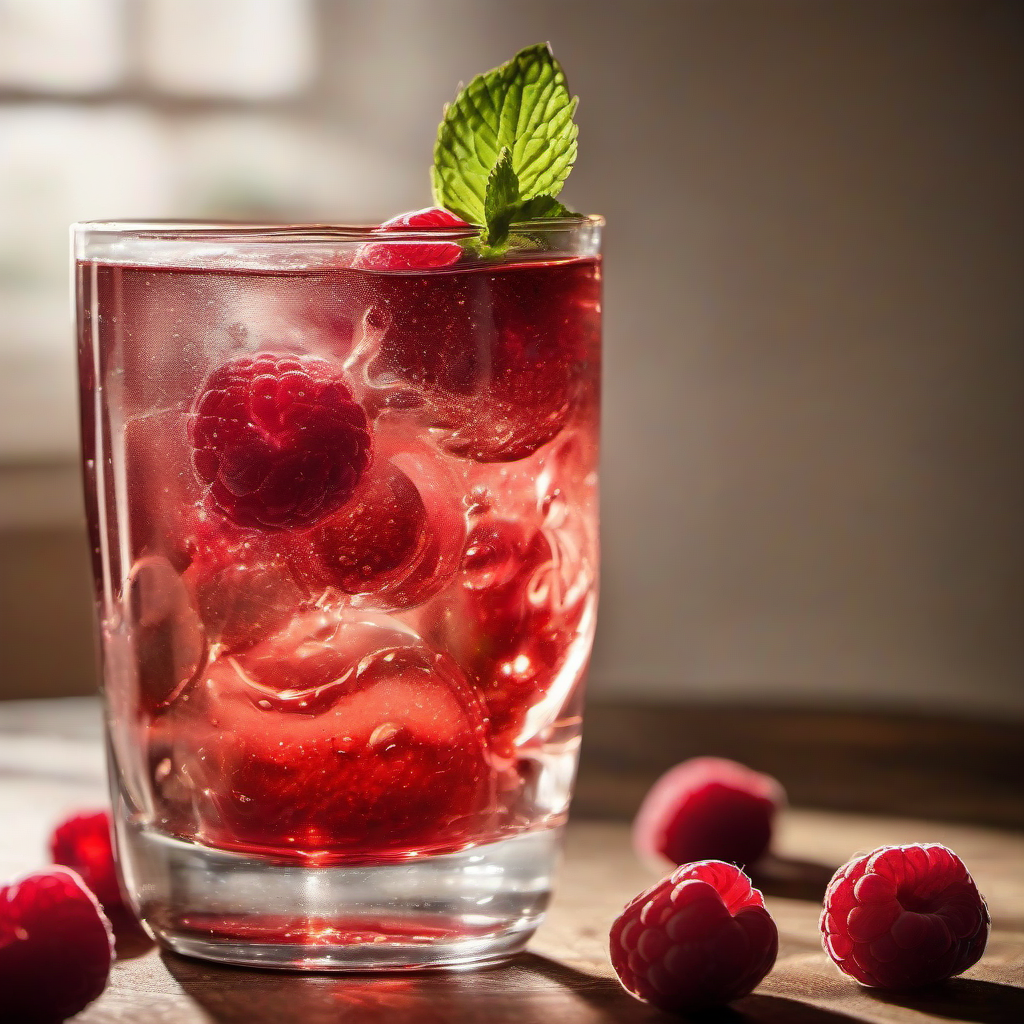
Drinking shrubs are vinegar-based fruit syrups with colonial American roots, revived as functional wellness beverages. A shrub consists of three components: fruit (fresh or dried), sweetener (minimal in health-focused versions), and vinegar (typically raw apple cider vinegar). The mixture macerates for days to weeks, creating a concentrated syrup that preserves the fruit's bioactive compounds while harnessing vinegar's metabolic benefits.
The health advantages stem from synergistic interactions between components. According to research published in PubMed, acetic acid — vinegar's primary organic acid — slows gastric emptying and starch digestion, reducing the glycemic impact of meals. When combined with polyphenol-rich fruits like berries, pomegranate, or cherries, shrubs deliver both immediate digestive support and long-term antioxidant protection.
Unlike commercial fruit juices that spike blood sugar, properly formulated shrubs use vinegar's acidity to create a low-glycemic beverage. The fermentation process in raw vinegar produces beneficial bacteria strains and enzymes that survive dilution, making each serving a source of probiotics comparable to kombucha but with distinct metabolic effects.
Related: Yerba Mate vs Coffee Caffeine — Which Wins? | WhichBrewForYou
How Does Apple Cider Vinegar in Shrubs Improve Gut Health?
Raw, unfiltered apple cider vinegar contains the "mother" — a cloudy sediment of cellulose and acetic acid bacteria including Acetobacter species. These beneficial bacteria colonize the gut temporarily, enhancing microbiome diversity and supporting the production of short-chain fatty acids that nourish intestinal cells. Studies from the National Center for Biotechnology Information show that acetic acid bacteria can modulate gut pH, creating an environment hostile to pathogenic bacteria while promoting beneficial Lactobacillus and Bifidobacterium populations.
The prebiotic fiber pectin, naturally present in apple cider vinegar from apple solids, feeds existing gut bacteria. This prebiotic-probiotic combination explains why regular shrub consumers report improved bowel regularity and reduced bloating. The acetic acid also stimulates digestive enzyme production in the stomach and pancreas, improving nutrient absorption from meals consumed alongside the beverage.
For optimal probiotic benefit, shrubs must use raw, unpasteurized vinegar. According to shrub experts at Shrub & Co, pasteurization kills the mother culture, eliminating probiotic benefits while preserving only the acetic acid component. When selecting or making shrubs for gut health, verify the vinegar retains visible cloudiness indicating live cultures.
Can Drinking Shrubs Lower Blood Sugar Levels?
Multiple clinical trials demonstrate vinegar's blood sugar-regulating effects. A landmark study in Diabetes Care found that consuming 20ml of vinegar before a high-carbohydrate meal reduced post-meal blood glucose by 34% in insulin-resistant subjects. The mechanism involves acetic acid interfering with starch-digesting enzymes, slowing the conversion of complex carbohydrates to simple sugars.
Shrubs provide a palatable delivery method for therapeutic vinegar doses. A typical serving (30ml shrub concentrate diluted in 240ml water) contains 15-20ml of vinegar — the clinically effective range. Consuming shrubs 15-30 minutes before meals maximizes their glucose-blunting effect by pre-conditioning digestive enzymes and slowing gastric emptying rates.
| Timing | Blood Glucose Reduction | Insulin Response | Best For |
|---|---|---|---|
| 30 minutes before meals | 25-34% | 19% lower | Prediabetes, insulin resistance |
| With meals | 15-20% | Moderate effect | General blood sugar management |
| Between meals | Minimal | No significant effect | Hydration, antioxidant intake |
| Before bed | 4-6% fasting glucose reduction | Improved morning readings | Type 2 diabetes management |
According to Mayo Clinic nutrition experts, individuals with type 2 diabetes should consult healthcare providers before using vinegar-based beverages as complementary therapy, as they may necessitate medication adjustments. The glucose-lowering effect is significant enough to risk hypoglycemia in those taking insulin or sulfonylureas.
What Antioxidants Do Fruit-Based Shrubs Provide?
The fruit component determines a shrub's antioxidant profile. Berry shrubs (blueberry, blackberry, strawberry) deliver high concentrations of anthocyanins — flavonoid compounds that neutralize free radicals and reduce inflammation markers. Harvard's Nutrition Source identifies anthocyanins as protective against cardiovascular disease and cognitive decline, with benefits observable at intakes of 15-30mg daily — achievable through a single shrub serving made with concentrated berry extract.
Citrus-based shrubs (lemon, grapefruit, orange) provide vitamin C and hesperidin, supporting immune function and collagen synthesis. Stone fruit shrubs (cherry, plum, peach) contain quercetin and chlorogenic acid, which enhance the glucose-regulating effects of vinegar through complementary metabolic pathways. Pomegranate shrubs offer punicalagins — ellagitannins with potent anti-inflammatory properties measured at higher concentrations than found in green tea.
The cold maceration process preserves heat-sensitive antioxidants that would degrade during cooking or pasteurization. Shrubs retain 75-90% of the source fruit's polyphenol content compared to only 40-60% in cooked fruit syrups or jams. This makes shrubs superior to fruit juices for antioxidant delivery, with the added advantage of vinegar's antimicrobial properties preventing oxidation during storage.
How Do Shrubs Support Weight Management and Metabolic Health?
Acetic acid influences multiple metabolic pathways relevant to weight control. Research in Bioscience, Biotechnology, and Biochemistry showed that daily consumption of 15-30ml vinegar over 12 weeks resulted in reduced body weight, waist circumference, and visceral fat in obese adults. The mechanisms include increased fat oxidation, suppressed lipogenesis (fat storage), and enhanced feelings of satiety.
Shrubs contribute to weight management through several mechanisms:
- Appetite regulation: Acetic acid slows gastric emptying, prolonging feelings of fullness for 2-3 hours after consumption
- Thermogenesis: Vinegar consumption increases metabolic rate temporarily, burning an additional 50-75 calories daily when consumed with meals
- Fat oxidation: Acetic acid upregulates genes encoding fat-burning enzymes in liver and muscle tissue
- Reduced cravings: Stabilized blood sugar prevents the crash-and-crave cycle that drives snacking behavior
- Calorie displacement: Substituting shrubs for sugary beverages eliminates 400-600 empty calories daily
For weight management purposes, shrubs should be diluted with plain or sparkling water rather than juice or sweetened mixers. Pok Pok Som's drinking vinegar guides recommend 1:5 to 1:8 ratios (shrub to water) to maintain palatability while minimizing added sugar intake. Those following ketogenic or low-carb diets can use shrubs made with alternative sweeteners like monk fruit or stevia.
Do Shrubs Have Antimicrobial and Immune-Supporting Properties?
Vinegar's antimicrobial activity spans bacteria, viruses, and fungi. Laboratory studies at NCBI demonstrate that acetic acid at 5% concentration (the standard for apple cider vinegar) inhibits growth of E. coli, Staphylococcus aureus, and Candida albicans. While shrubs are diluted before consumption, they deliver sufficient acetic acid to create an unfavorable oral and upper GI environment for pathogenic microbes.
The immune benefits extend beyond direct antimicrobial action. Polyphenols from fruit components modulate immune cell activity, enhancing natural killer cell function and antibody production. Vitamin C in citrus shrubs supports neutrophil function and epithelial barrier integrity. The combination of probiotics from raw vinegar and prebiotics from fruit fiber creates a gut environment that optimizes immune surveillance — critical since 70% of immune cells reside in gut-associated lymphoid tissue.
Regular shrub consumption during cold and flu season may reduce infection duration and severity through multiple synergistic mechanisms: direct pathogen inhibition, enhanced immune cell function, and maintained gut barrier integrity. The FDA has not approved vinegar beverages as antimicrobial treatments, but traditional use and emerging research support their role as complementary wellness tools.
What Are the Best Practices for Making and Consuming Health-Focused Shrubs?
Creating shrubs that maximize health benefits requires attention to ingredient quality and preparation methods. Start with organic fruit to avoid pesticide residues that can disrupt gut bacteria. Choose raw, unfiltered apple cider vinegar with visible mother cultures — brands like Bragg, Vermont Village, and Fairchild Organic consistently deliver viable probiotic content.
Related: Coffee vs Tea Caffeine — Which Has More? | WhichBrewForYou
Bragg's vinegar education resources emphasize using glass containers rather than metal or reactive plastics, as vinegar's acidity can leach compounds from certain materials. The ideal maceration time balances flavor extraction with microbial safety: 24-72 hours at room temperature for quick shrubs, or 1-2 weeks refrigerated for deeper flavor development.
- Select high-antioxidant fruits: Prioritize berries, pomegranate, tart cherries, and citrus for maximum polyphenol content
- Minimize added sugar: Use only enough sweetener to balance acidity (1:2 sugar-to-fruit ratio or less); consider monk fruit or stevia for sugar-free versions
- Use raw vinegar exclusively: Pasteurized vinegar lacks probiotic benefits; verify "with the mother" on labels
- Cold process only: Never heat the mixture as temperatures above 47°C (117°F) destroy enzymes and probiotics
- Strain thoroughly: Remove all fruit solids to prevent fermentation and spoilage in the finished syrup
- Store refrigerated: Raw shrubs remain potent for 3-6 months when kept at 1-4°C (34-39°F)
- Dilute properly: Mix 30ml shrub concentrate with 180-240ml water or sparkling water for optimal acetic acid concentration
- Time consumption strategically: Drink 15-30 minutes before meals for maximum blood sugar and satiety benefits
For those new to shrubs, start with a 1:8 dilution ratio and gradually increase concentration as taste preferences adapt. The acidic nature can be harsh on tooth enamel; rinse with plain water after consumption and wait 30 minutes before brushing teeth to prevent enamel erosion.
Are There Any Risks or Side Effects Associated With Drinking Shrubs?
While shrubs offer significant benefits, excessive consumption or improper preparation can cause adverse effects. The primary concerns involve acetic acid's impact on dental enamel, esophageal tissue, and medication interactions. Mayo Clinic advises limiting vinegar beverage intake to 30-60ml daily (in diluted form) to minimize erosive effects.
Individuals with gastroesophageal reflux disease (GERD) or hiatal hernia should avoid shrubs, as the acidity can worsen symptoms and damage esophageal tissue. The same caution applies to those with active stomach or duodenal ulcers. Paradoxically, some individuals with low stomach acid find that diluted vinegar beverages improve digestion, highlighting the importance of individual assessment.
Medication interactions warrant attention:
- Diabetes medications: Vinegar's glucose-lowering effect can cause hypoglycemia when combined with insulin or sulfonylureas; monitor blood sugar closely and consult prescribers
- Diuretics: Acetic acid may lower potassium levels, compounding the effect of potassium-wasting diuretics like furosemide
- Digoxin: Low potassium increases digoxin toxicity risk; patients on cardiac glycosides should avoid regular vinegar consumption
- Certain antibiotics: Vinegar may reduce absorption of some medications; separate consumption by 2-3 hours
The NIH Office of Dietary Supplements notes that while vinegar is Generally Recognized as Safe (GRAS) as a food ingredient, concentrated or undiluted consumption can cause throat burns, esophageal injury, and hypokalemia. Always dilute shrubs properly and discontinue use if experiencing nausea, throat discomfort, or unusual fatigue.
People Also Ask About Drinking Shrubs
How much shrub should I drink daily for health benefits?
Consume 30-60ml of shrub concentrate diluted in 180-240ml water once or twice daily, preferably before meals. This provides 15-30ml of vinegar — the clinically studied range for metabolic benefits — without exceeding safe acidity limits for dental and digestive health.
Can drinking shrubs help with acid reflux or make it worse?
Shrubs typically worsen acid reflux and GERD symptoms due to their acidity. However, individuals with hypochlorhydria (low stomach acid) may experience improvement. Those with reflux should avoid shrubs or consult a gastroenterologist before use.
Are store-bought shrubs as healthy as homemade versions?
Commercial shrubs vary widely in quality. Those using raw vinegar with the mother and minimal added sugars offer comparable benefits to homemade versions. Avoid products with added preservatives, artificial colors, or pasteurized vinegar, which lack probiotic content and may contain unnecessary additives.
What Fruit Combinations Maximize Specific Health Benefits in Shrubs?
Strategic fruit selection targets specific wellness goals. For cardiovascular support, combine berries (anthocyanins), pomegranate (punicalagins), and citrus (hesperidin) to address multiple pathways of inflammation and oxidative stress. Research in ScienceDirect journals shows that mixed-berry polyphenol blends demonstrate synergistic antioxidant effects 30-40% greater than single-fruit equivalents.
| Health Goal | Optimal Fruit Combination | Key Bioactive Compounds | Serving Recommendation |
|---|---|---|---|
| Blood Sugar Control | Tart cherry + cinnamon | Anthocyanins + cinnamaldehyde | 30ml before breakfast and dinner |
| Immune Support | Elderberry + ginger + lemon | Anthocyanins + gingerol + vitamin C | 30ml twice daily during cold season |
| Anti-Inflammatory | Pomegranate + turmeric + black pepper | Punicalagins + curcumin + piperine | 30ml daily, preferably morning |
| Digestive Health | Pineapple + mint | Bromelain + menthol | 30ml 30 minutes before meals |
| Cognitive Function | Blueberry + rosemary | Anthocyanins + rosmarinic acid | 30ml morning and midday |
Tart cherry shrubs deserve special mention for athletic recovery. Studies published in PubMed demonstrate that tart cherry anthocyanins reduce exercise-induced muscle damage, decrease inflammation markers, and improve recovery time. Athletes consuming tart cherry concentrate before and after intense training report 40% less muscle soreness compared to placebo groups.
When combining multiple functional ingredients (turmeric, ginger, adaptogens), respect proper extraction methods. Fat-soluble compounds like curcumin require a fat carrier for absorption; add a small amount of coconut oil or emulsifier to turmeric-based shrubs. Water-soluble compounds extract readily in vinegar's acidic environment without additional preparation.
Expert Verdict: Are Drinking Shrubs Worth Adding to Your Wellness Routine?
Drinking shrubs represent one of the most scientifically supported traditional wellness beverages, with documented benefits spanning glucose regulation, gut health, antioxidant protection, and weight management. The combination of raw apple cider vinegar and polyphenol-rich fruits creates synergistic effects that exceed either component alone. For individuals seeking to improve metabolic health without pharmaceutical intervention, properly formulated shrubs offer a evidence-based, low-risk complementary strategy.
The key to realizing these benefits lies in quality ingredients and proper consumption patterns. Raw, unfiltered vinegar with visible mother cultures is non-negotiable for probiotic effects. Minimal added sugar ensures the beverage remains metabolically beneficial rather than counterproductive. Strategic timing — particularly before high-carbohydrate meals — maximizes glucose-blunting effects that can significantly impact long-term metabolic health markers.
For most healthy adults, incorporating 30-60ml of diluted shrub concentrate daily provides measurable benefits with minimal downsides. Those with diabetes, GERD, or taking medications affecting glucose or potassium should consult healthcare providers before regular use. The dental erosion risk necessitates proper dilution and post-consumption rinsing, but these precautions are straightforward. Vermont Village's drinking vinegar resources provide practical guidance for integrating shrubs into daily routines without disrupting existing health protocols.
Summary: Drinking Shrubs Health Benefits
- Drinking shrubs combine raw apple cider vinegar with fruit extracts to deliver probiotics, digestive enzymes, and antioxidants in a functional beverage format with scientifically documented metabolic benefits
- The acetic acid in vinegar reduces post-meal blood glucose spikes by 20-34% and improves insulin sensitivity, making shrubs valuable for diabetes prevention and management when consumed before meals
- Raw, unfiltered vinegar provides the "mother" culture containing beneficial bacteria that support gut microbiome diversity, nutrient absorption, and digestive enzyme production
- Fruit components contribute antioxidants including anthocyanins, quercetin, and vitamin C that combat oxidative stress, reduce inflammation, and support immune system function
- Regular consumption supports weight management through enhanced satiety, increased fat oxidation, and metabolic rate elevation, with studies showing reductions in body weight and visceral fat over 12 weeks
- Proper preparation requires raw vinegar with the mother, minimal added sugars, cold maceration to preserve heat-sensitive nutrients, and consumption at 1:6 to 1:8 dilution ratios to maximize benefits while minimizing dental erosion and digestive irritation risks
Frequently Asked Questions
How long does it take to notice health benefits from drinking shrubs?
Digestive improvements and reduced bloating often appear within 3-7 days of consistent use. Blood sugar regulation effects manifest within 1-2 weeks of pre-meal consumption. Weight management and metabolic changes require 8-12 weeks of daily intake. Immune and antioxidant benefits accumulate gradually over months of regular consumption.
Can I drink shrubs if I'm pregnant or breastfeeding?
Pregnant and breastfeeding women can consume properly diluted shrubs in moderation, as vinegar is safe in culinary amounts. However, limit intake to 30ml diluted shrub daily and choose pasteurized versions if concerned about raw vinegar bacteria. Consult your obstetrician if you have gestational diabetes, as shrubs may affect glucose control.
Do shrubs need to be refrigerated after opening?
Yes, refrigeration is essential for shrubs made with raw vinegar to maintain probiotic viability and prevent unwanted fermentation. Store at 1-4°C (34-39°F) and use within 3-6 months. Pasteurized commercial shrubs may be shelf-stable until opened but require refrigeration afterward. Discard if you notice mold, off-odors, or excessive cloudiness.
What's the difference between shrubs and kombucha for gut health?
Shrubs provide acetic acid bacteria and metabolic benefits from vinegar, while kombucha offers diverse probiotic strains including yeasts from fermentation. Shrubs deliver more concentrated blood sugar benefits and contain no alcohol. Kombucha provides broader probiotic diversity. Both support gut health through different mechanisms and can complement each other in a wellness routine.
Can children drink shrubs safely?
Children over age 5 can consume highly diluted shrubs (1:10 ratio) in small amounts (15ml concentrate maximum). The acidity may be harsh on developing tooth enamel, so have them drink through a straw and rinse afterward. Avoid giving shrubs to children with diabetes or digestive conditions. Many parents prefer non-vinegar fermented beverages like water kefir for pediatric probiotic support.
Will drinking shrubs break a fast or affect ketosis?
Plain shrubs made without added sugar contain minimal calories (5-15 per serving) and may be acceptable during modified fasting protocols, though they may slightly elevate insulin. For strict water fasts, they break the fast. Shrubs support ketosis through improved fat oxidation and don't typically kick individuals out of ketosis when consumed in standard 30ml servings with minimal sweetener.
More Coffee Articles
This article was produced by an automated research tool. Content is for informational purposes only and should not replace professional advice. Product and resource links throughout this article are included for informational value based on relevance and quality. WhichBrewForYou has no affiliate relationship with any linked third-party site and receives no commission from any recommended products or brands. BellofattoBrews (coffee and tea) and Golden Hive Mead (mead kits and resources) are personal recommendations from this publication's founder and have no affiliation with WhichBrewForYou.