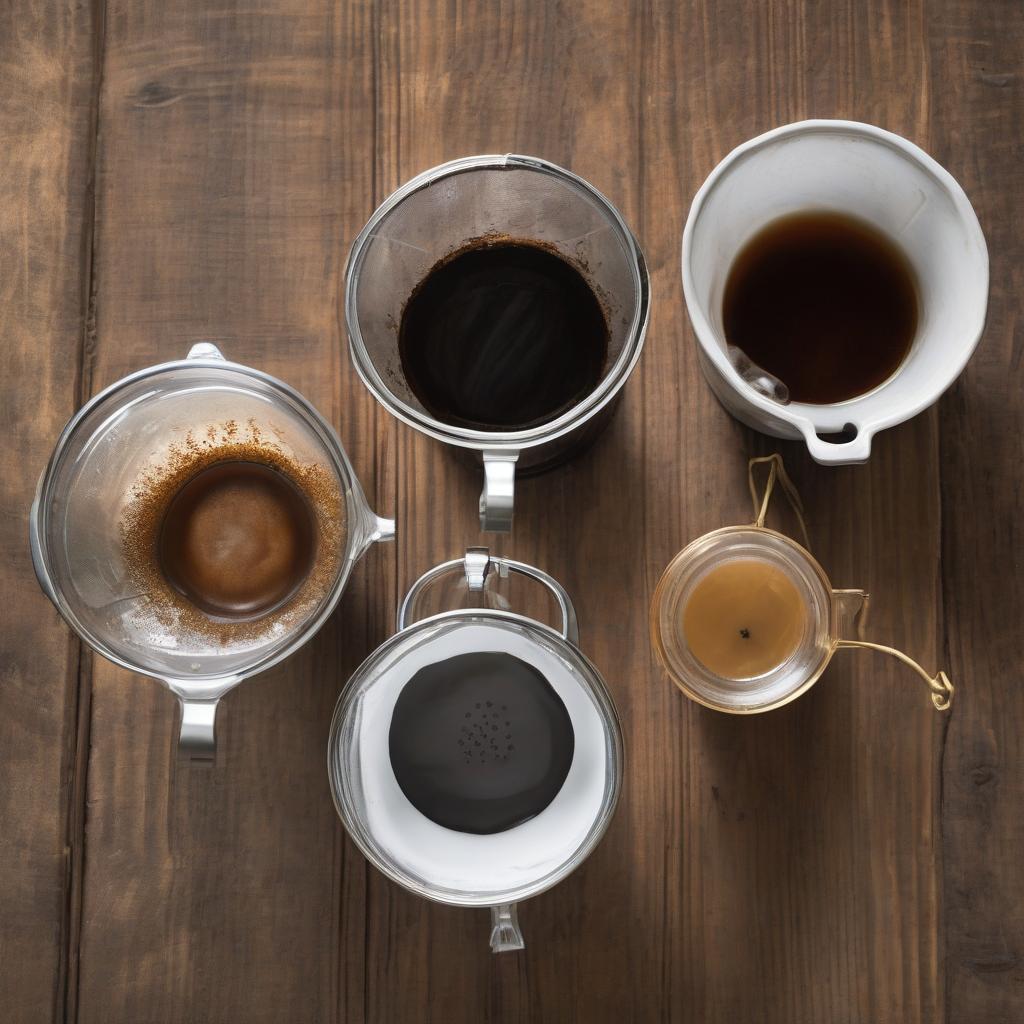
Key Takeaways
- Pour over brewing at 92-96°C extracts coffee's complex flavors with precision control over every variable
- French press retains coffee oils and produces fuller body compared to paper-filtered methods
- Espresso requires 9 bars of pressure and delivers the most concentrated caffeine per ounce
- Cold brew reduces acidity by up to 67% compared to hot brewing methods according to research
- Grind size directly impacts extraction—coarser for immersion methods, finer for espresso
- Water quality and temperature consistency are as important as the brewing method itself
What Makes Pour Over the Gold Standard for Home Coffee Brewing?
Pour over coffee has earned its reputation as the precision brewing method that coffee professionals prefer for evaluating bean quality. According to the Specialty Coffee Association, pour over allows complete control over water temperature, pour rate, and contact time—variables that determine extraction quality and final flavor balance.
The pour over method works by saturating ground coffee with hot water that drips through a paper or metal filter into a vessel below, extracting solubles gradually for a clean cup. The BellofattoBrews brewing guide recommends maintaining water temperature between 92-96°C throughout the brewing process, which research shows optimizes extraction of desirable compounds while minimizing bitter tannin release.
A 2024 study published in Food Chemistry found that pour over brewing at 94°C extracted 18-22% of coffee mass—the ideal extraction range that balances sweetness, acidity, and body. Under-extracted coffee tastes sour and thin, while over-extracted coffee becomes bitter and astringent.
Essential Pour Over Equipment and Technique
Quality pour over brewing requires three core components: a dripper (Hario V60, Chemex, or Kalita Wave), paper filters matched to your dripper, and a gooseneck kettle for controlled pouring. Medium-fine grind coffee resembling granulated sugar provides optimal flow rate through most paper filters.
The bloom phase—pre-wetting grounds with twice their weight in water—releases trapped carbon dioxide that would otherwise create channels and uneven extraction. After a 30-45 second bloom, pour in slow, concentric circles to maintain consistent bed saturation. Total brew time for 350ml of coffee should fall between 2.5-3.5 minutes.
| Pour Over Variable | Recommended Range | Impact on Flavor |
|---|---|---|
| Water Temperature | 92-96°C | Controls extraction speed and compound solubility |
| Grind Size | Medium-fine | Determines flow rate and contact time |
| Coffee-to-Water Ratio | 1:15 to 1:17 | Affects strength and body |
| Total Brew Time | 2.5-3.5 minutes | Balances extraction completeness |
| Bloom Time | 30-45 seconds | Degasses for even extraction |
Related: How to Brew Loose Leaf Tea Correctly — Expert Guide
Why French Press Produces the Richest, Fullest-Bodied Coffee
French press brewing, also called plunger pot or press pot, creates coffee with distinctly more body and texture than filtered methods because metal mesh allows natural oils and fine particles to pass into the final cup. These coffee oils contain flavor compounds and diterpenes that paper filters absorb completely.
According to Harvard's Nutrition Source, unfiltered coffee contains higher levels of cafestol and kahweol—compounds that may raise LDL cholesterol in some individuals but also possess antioxidant and anti-inflammatory properties. For most healthy adults consuming 1-3 cups daily, the nutritional benefits of coffee outweigh cholesterol concerns.
French press immersion brewing steeps coffee grounds in hot water for 4 minutes before separation, allowing full flavor compound extraction without the channeling issues that plague percolation methods. The Perfect My Pour guide from BellofattoBrews details how consistent agitation during steeping increases extraction uniformity and final cup balance.
Perfecting French Press Extraction
Coarse grind coffee—resembling breadcrumbs or sea salt—prevents fine particles from passing through the mesh filter and creating sediment. A 2025 extraction study in the Journal of Food Science demonstrated that coarse grinds in immersion brewing achieve 20-24% extraction when steeped for 4 minutes at 93°C, matching the optimal extraction range of pour over while producing significantly different flavor profiles.
Start by preheating the carafe with hot water, then add coffee at a 1:15 ratio (30g coffee to 450ml water). Pour all water at once, stir gently to ensure complete saturation, and place the lid without pressing. After exactly 4 minutes, press the plunger slowly and steadily—rushing creates agitation that extracts bitter compounds from the grounds.
Pour immediately after pressing to prevent continued extraction. Leaving brewed coffee sitting on the grounds causes over-extraction and bitterness within minutes.
How Espresso Delivers Maximum Flavor in Minimum Volume
Espresso brewing forces hot water through finely ground coffee at 9 bars of pressure, extracting concentrated flavor in 25-30 seconds and creating the signature crema—a golden foam of emulsified oils and CO2. This high-pressure extraction method produces coffee 8-10 times more concentrated than drip brewing, with approximately 63mg caffeine per fluid ounce compared to drip coffee's 12-16mg per ounce.
Professional espresso requires three elements working in harmony: precise grind size, consistent tamping pressure (approximately 13kg of force), and temperature-stable brewing at 90-96°C. The National Coffee Association defines espresso as "a small amount of nearly boiling water forced under pressure through finely ground coffee," distinguishing it from all other brewing methods by pressure extraction rather than gravity or immersion.
A properly pulled espresso shot exhibits three distinct visual layers: dark liquid at the bottom, lighter crema in the middle, and golden-brown foam on top, indicating complete emulsification of coffee oils. Extraction time directly correlates with flavor balance—shots pulling in under 20 seconds taste sour and thin from under-extraction, while shots exceeding 35 seconds become astringent and hollow from over-extraction.
Home Espresso Equipment Options
Entry-level manual espresso makers like the AeroPress (which produces espresso-style coffee at lower pressure) or Flair PRO 2 offer genuine espresso capability without electricity. Mid-range machines from Breville, Gaggia, and Rancilio provide pump-driven pressure with varying degrees of temperature control and automation.
Espresso grinder quality matters more than machine quality. Burr grinders with stepless adjustment enable the micro-tuning necessary for optimal extraction—small changes in grind size dramatically affect flow rate and final flavor. A Perfect Daily Grind analysis found that grind particle distribution impacts extraction evenness more than water temperature or pressure profiles.
For milk-based drinks, quality espresso beans from BellofattoBrews roasted specifically for espresso provide the intensity needed to cut through steamed milk while maintaining clarity and sweetness.
Why Cold Brew Creates the Smoothest, Lowest-Acid Coffee
Cold brew coffee steeps coarsely ground beans in room temperature or cold water for 12-24 hours, creating a concentrate that's diluted before drinking. This extended low-temperature extraction produces coffee with 67% less acidity than hot brewing methods according to research published in Scientific Reports, making it gentler on sensitive stomachs while delivering naturally sweet, chocolatey flavor notes.
The chemistry behind cold brew's smoothness involves selective compound extraction. Hot water quickly extracts both desirable and undesirable compounds, including bitter chlorogenic acid lactones. Cold water extraction proceeds slowly and selectively, favoring sweet and fruity compounds while leaving behind harsh acids and bitter quinic acid that develop during hot extraction.
Cold brew concentrate typically reaches 1.8-2.5% total dissolved solids compared to regular coffee's 1.2-1.5%, creating a beverage with intense coffee flavor that remains smooth when diluted with water, milk, or poured over ice. A USDA FoodData Central analysis shows that undiluted cold brew concentrate contains 200-250mg caffeine per 8oz serving—dilution brings this to typical coffee caffeine levels of 95-165mg per cup.
Mastering the Cold Brew Process
Coarse grind coffee at a 1:4 or 1:5 coffee-to-water ratio creates ideal concentrate strength. Combine grounds and water in a jar or dedicated cold brew maker, stir to ensure complete saturation, and steep at room temperature for 12-18 hours or refrigerated for 18-24 hours. Longer steep times extract more caffeine and create stronger concentrate.
After steeping, strain through a fine-mesh sieve lined with cheesecloth or coffee filters to remove all particles. The resulting concentrate stays fresh refrigerated for up to 2 weeks—far longer than hot-brewed coffee's few hours of peak freshness.
Dilute concentrate 1:1 with water for regular strength, or experiment with different ratios, milk alternatives, and ice for customized cold coffee drinks. The concentrated format offers convenience for busy mornings and consistent flavor without daily brewing.
Related: Best Craft Beers for Beginners — Easy-Drinking Styles
Which Grind Size Matches Each Brewing Method?
Grind size determines extraction rate more than any other variable under your control. Surface area exposed to water dictates how quickly solubles dissolve—finer grinds extract faster with more surface area, coarser grinds extract slower with less contact surface. The Coffee Research Institute identifies grind particle distribution as the primary cause of extraction inconsistency in home brewing.
Espresso requires the finest grind—resembling flour or powdered sugar—because high pressure forces water through the coffee bed in under 30 seconds. Insufficient surface area from too-coarse grinding causes rapid flow and sour under-extraction. Pour over demands medium-fine particles similar to table salt for 2.5-3.5 minute extraction through paper filters.
French press and cold brew both use coarse grinds resembling breadcrumbs or coarse sea salt. Coarse particles prevent clogging the metal mesh filter in French press while allowing proper extraction during the 4-minute steep. In cold brew, coarse particles enable water circulation during the extended 12-24 hour steep without creating muddy over-extraction or difficult-to-strain sludge.
| Brewing Method | Grind Size | Particle Comparison | Extraction Time |
|---|---|---|---|
| Espresso | Extra Fine | Flour, powdered sugar | 25-30 seconds |
| Pour Over | Medium-Fine | Table salt, granulated sugar | 2.5-3.5 minutes |
| Drip Coffee Maker | Medium | Beach sand | 4-6 minutes |
| French Press | Coarse | Breadcrumbs, sea salt | 4 minutes |
| Cold Brew | Extra Coarse | Peppercorns | 12-24 hours |
Why Burr Grinders Outperform Blade Grinders
Burr grinders crush coffee beans between two revolving abrasive surfaces set at a specific distance apart, producing uniform particle sizes. Blade grinders chop beans with spinning blades, creating inconsistent particles ranging from powder to whole-bean chunks in a single batch.
Particle consistency determines extraction uniformity. When a brew contains both fine and coarse particles, fine particles over-extract (bitter) while coarse particles under-extract (sour) simultaneously, creating muddy, imbalanced flavor. A 2024 MIT study on extraction modeling found that particle distribution matters more than average particle size—tight distribution around any size produces better coffee than wide distribution.
Quality burr grinders from Baratza, Fellow, or Timemore cost more than blade grinders but unlock the full potential of quality beans. For espresso, grinder quality often matters more than machine quality given the precision required.
How Water Quality and Temperature Impact Every Brewing Method
Water comprises 98-99% of brewed coffee, making water quality a critical variable that many home brewers overlook. The Specialty Coffee Association's water quality standards recommend total dissolved solids (TDS) between 75-250 ppm, neutral pH around 7, and balanced mineral content favoring calcium and magnesium while minimizing sodium and chloride.
Distilled water or reverse osmosis water contains too few minerals to properly extract coffee—minerals act as ionic bridges that pull flavor compounds from coffee grounds. Conversely, hard water with high calcium carbonate creates scaling in equipment and masks delicate flavor notes. Chlorinated tap water imparts medicinal off-flavors that ruin even perfectly brewed coffee.
Water temperature between 90-96°C optimizes flavor compound solubility while avoiding extraction of bitter tannins that release above 96°C, according to extraction chemistry research. Below 90°C, insufficient thermal energy fails to dissolve desirable solubles, resulting in weak, sour coffee regardless of grind size or brew time.
Optimizing Water for Each Method
For pour over and French press, boil filtered water and allow it to rest 30-60 seconds to drop from boiling (100°C) to optimal brewing temperature (92-96°C). Invest in an electric kettle with temperature control for consistent results—models from Fellow, Bonavita, and Brewista maintain precise temperatures without constant monitoring.
Espresso machines with PID temperature control maintain brew water within 1°C of target temperature, critical for extraction consistency. Entry-level machines often exhibit 5-10°C temperature swings between shots, making consistent results nearly impossible.
Cold brew requires only room temperature filtered water, eliminating temperature as a variable but extending brew time proportionally. The lower molecular kinetic energy at room temperature slows extraction, requiring 12-24 hours to achieve the extraction that hot water accomplishes in minutes.
People Also Ask About Home Coffee Brewing Methods
Does cold brew have more caffeine than hot coffee?
Cold brew concentrate contains more caffeine per ounce than hot coffee, but typical serving preparation dilutes concentrate to similar caffeine levels. An 8oz serving of diluted cold brew contains 100-200mg caffeine compared to hot coffee's 95-165mg, making them roughly equivalent.
Can I use espresso beans for pour over coffee?
Yes, espresso beans work in pour over but produce darker, more roasted flavors than beans roasted for filter coffee. Espresso roasts typically go darker to create intensity for milk-based drinks. Light to medium roasts showcase origin characteristics better in pour over brewing.
Why does my French press coffee taste bitter?
French press bitterness typically results from over-extraction caused by too-fine grind, water above 96°C, or leaving brewed coffee on grounds after pressing. Use coarse grinds, 93°C water, and immediately decant coffee after pressing to prevent continued extraction and bitterness.
What Coffee-to-Water Ratio Produces the Best Results?
The golden ratio for coffee brewing falls between 1:15 and 1:17 by weight—one gram of coffee to 15-17 grams of water. This range produces coffee with 1.2-1.5% total dissolved solids, matching the SCA's recommended strength for optimally extracted coffee. Individual preference may fall outside this range, but it provides the starting point for recipe development.
Measuring by weight rather than volume ensures consistency because coffee density varies significantly between beans, roast levels, and grind sizes. A tablespoon of light roast Ethiopian beans weighs differently than a tablespoon of dark roast Colombian beans, making volume measurements unreliable.
For espresso, traditional ratios range from 1:1.5 to 1:2.5 (for example, 18g coffee to 36g liquid output). Shorter ratios create intense ristretto shots, longer ratios produce elongated lungo shots. A Perfect Daily Grind survey of specialty cafes found that 1:2 ratios (18g in, 36g out in 28 seconds) dominated modern espresso standards.
Scaling Recipes for Different Brew Sizes
Start with desired final volume and work backward. For 350ml pour over coffee, divide by 16 (middle of the 1:15-1:17 range) to get approximately 22g coffee. For 500ml French press, use 30-33g coffee. Digital scales with 0.1g precision cost under $30 and transform brewing consistency.
Cold brew concentrate typically uses stronger ratios of 1:4 to 1:5 because dilution occurs before drinking. For 1 liter concentrate, use 200-250g coarse ground coffee. Store concentrate refrigerated and dilute 1:1 or to taste when serving.
| Final Volume Desired | Coffee Needed (1:16 ratio) | Water Needed |
|---|---|---|
| 250ml (1 cup) | 15.6g | 250ml |
| 350ml (large mug) | 22g | 350ml |
| 500ml (2 cups) | 31g | 500ml |
| 1 liter (4 cups) | 62g | 1000ml |
Which Brewing Method Should Beginners Start With?
French press offers the most forgiving entry point for home coffee brewing beginners because it requires minimal technique, costs under $30 for quality equipment, and produces excellent coffee with basic attention to grind size and steeping time. Unlike pour over's precise pouring technique or espresso's demanding variable control, French press succeeds with consistent grind size and timing alone.
Pour over represents the next progression for brewers seeking more control and clarity. The learning curve involves mastering pour rate and pattern, but the forgiving nature of paper filtration catches many extraction mistakes that would ruin immersion brewing. Quality pour over equipment costs $25-60 including dripper, filters, and gooseneck kettle.
Espresso demands the highest skill level, equipment investment, and learning commitment, making it unsuitable for absolute beginners but rewarding for dedicated learners willing to master grind adjustment, dosing precision, and milk steaming technique. Entry-level espresso setups start around $400 for combined grinder and machine, with significant quality improvements available at $800-1500.
Building Skills Across Brewing Methods
The American Homebrewers Association recommends starting with one method and mastering it completely before adding others. Understanding how grind size, temperature, and time interact in one method creates transferable knowledge for all brewing.
Once comfortable with French press, experiment with pour over to develop pouring control and timing precision. Add espresso only after mastering manual brewing fundamentals—the instant feedback from pump-driven machines can obscure the extraction principles learned through manual brewing.
Cold brew serves as the perfect low-stakes brewing method for batch preparation and experimentation. Its forgiving nature tolerates grind size variations and timing inconsistencies better than hot methods while producing consistent results for busy mornings.
How to Choose the Best Brewing Method for Your Lifestyle
Your ideal brewing method depends on four factors: available time, desired flavor profile, budget for equipment, and interest in brewing as a hobby versus simple routine. Morning schedule constraints often determine method viability more than flavor preferences.
Pour over delivers exceptional flavor clarity but demands 5-7 minutes of active brewing time including grinding, heating water, and pouring. French press reduces active time to 2 minutes—add coffee and water, then walk away for 4 minutes. Cold brew eliminates morning preparation entirely through batch brewing, offering grab-and-go convenience.
Espresso requires the most skill development and equipment investment but provides the foundation for cappuccinos, lattes, and cortados that specialty cafes charge $4-6 per cup. Home espresso pays for itself within months for daily specialty drink consumers.
Flavor Profile Preferences and Method Selection
Pour over highlights origin characteristics, acidity, and fruit notes in light to medium roasts. Choose pour over for African coffees with berry and floral notes or Central American beans with citrus brightness.
French press emphasizes body, chocolate notes, and roast character in medium to dark roasts. Choose French press for Indonesian coffees with earthy complexity or dark roasts with caramel and cocoa.
Espresso intensifies all flavors while adding sweetness from high-pressure extraction. Choose espresso for milk-based drinks or concentrated coffee flavor. Cold brew minimizes acidity and bitterness while emphasizing sweetness and smooth mouthfeel. Choose cold brew for hot weather, sensitive stomachs, or naturally sweet iced coffee.
Expert Verdict on the Best Home Coffee Brewing Method
The best brewing method for most home coffee drinkers is pour over for its combination of exceptional flavor clarity, reasonable equipment cost, and skill development that transfers to all other methods. Pour over rewards attention to detail while remaining forgiving enough for daily use, and the resulting clean cups showcase coffee quality better than any other method except professional espresso.
French press serves as the ideal second method for its contrasting flavor profile and batch brewing convenience. Together, pour over and French press cover the full spectrum of coffee flavors—clarity versus body, brightness versus richness—for under $100 in combined equipment. Add a quality burr grinder before considering espresso or additional methods, as grind consistency impacts results more than brewing device selection.
Article Summary
- Pour over brewing at 92-96°C delivers the cleanest flavor clarity and highlights coffee origin characteristics through precision control
- French press produces fuller body and richer texture by retaining coffee oils that paper filters remove completely
- Espresso extraction at 9 bars pressure creates the most concentrated coffee flavor and serves as the foundation for milk-based specialty drinks
- Cold brew reduces acidity by 67% compared to hot methods while creating naturally sweet, smooth coffee that stays fresh refrigerated for 2 weeks
- Grind size determines extraction rate more than any other variable—match particle size to brewing method for optimal results
- Water quality between 75-250 ppm TDS and temperature consistency between 90-96°C impact final flavor as much as brewing method selection
- Coffee-to-water ratios between 1:15 and 1:17 produce optimally extracted coffee at 1.2-1.5% total dissolved solids for most brewing methods
- Beginners should master French press fundamentals before progressing to pour over technique and eventually espresso skill development
Frequently Asked Questions
What is the easiest coffee brewing method for beginners?
French press is the easiest brewing method for beginners because it requires only coarse ground coffee, hot water, and a 4-minute timer. The immersion process forgives minor technique mistakes while producing rich, full-bodied coffee with minimal equipment investment under $30.
How does pour over coffee differ from drip coffee?
Pour over coffee involves manual water pouring with control over temperature, rate, and pattern, while drip coffee makers automate the process. Pour over produces cleaner flavor clarity and highlights origin characteristics better than automatic drip machines, which often brew at inconsistent temperatures.
Does espresso have more caffeine than regular coffee?
Espresso contains more caffeine per ounce (63mg per fluid ounce) than regular coffee (12-16mg per ounce), but typical servings reverse this—a 2oz espresso shot has 126mg caffeine while an 8oz cup of coffee contains 95-165mg. Total caffeine depends on serving size.
Can I make cold brew in just a few hours?
Cold brew requires 12-24 hours for proper extraction at room temperature. Shorter steeping produces weak, incomplete extraction. For faster cold coffee, brew hot coffee using any method and pour over ice—this "Japanese iced coffee" technique takes minutes instead of hours.
What grind size should I use for pour over coffee?
Pour over requires medium-fine grind resembling table salt or granulated sugar. This particle size allows proper flow rate through paper filters for 2.5-3.5 minute total brew time. Finer grinds cause slow dripping and over-extraction, coarser grinds cause fast flow and under-extraction.
Why does my home coffee taste bitter?
Bitter coffee results from over-extraction caused by too-fine grind, water above 96°C, extended contact time, or stale beans. Use appropriate grind size for your method, maintain water temperature between 90-96°C, follow recommended brew times, and use fresh beans within 2-4 weeks of roasting.
You Might Also Like
This article was produced by an automated research tool. Content is for informational purposes only and should not replace professional advice. Product and resource links throughout this article are included for informational value based on relevance and quality. WhichBrewForYou has no affiliate relationship with any linked third-party site and receives no commission from any recommended products or brands. BellofattoBrews (coffee and tea) and Golden Hive Mead (mead kits and resources) are personal recommendations from this publication's founder and have no affiliation with WhichBrewForYou.