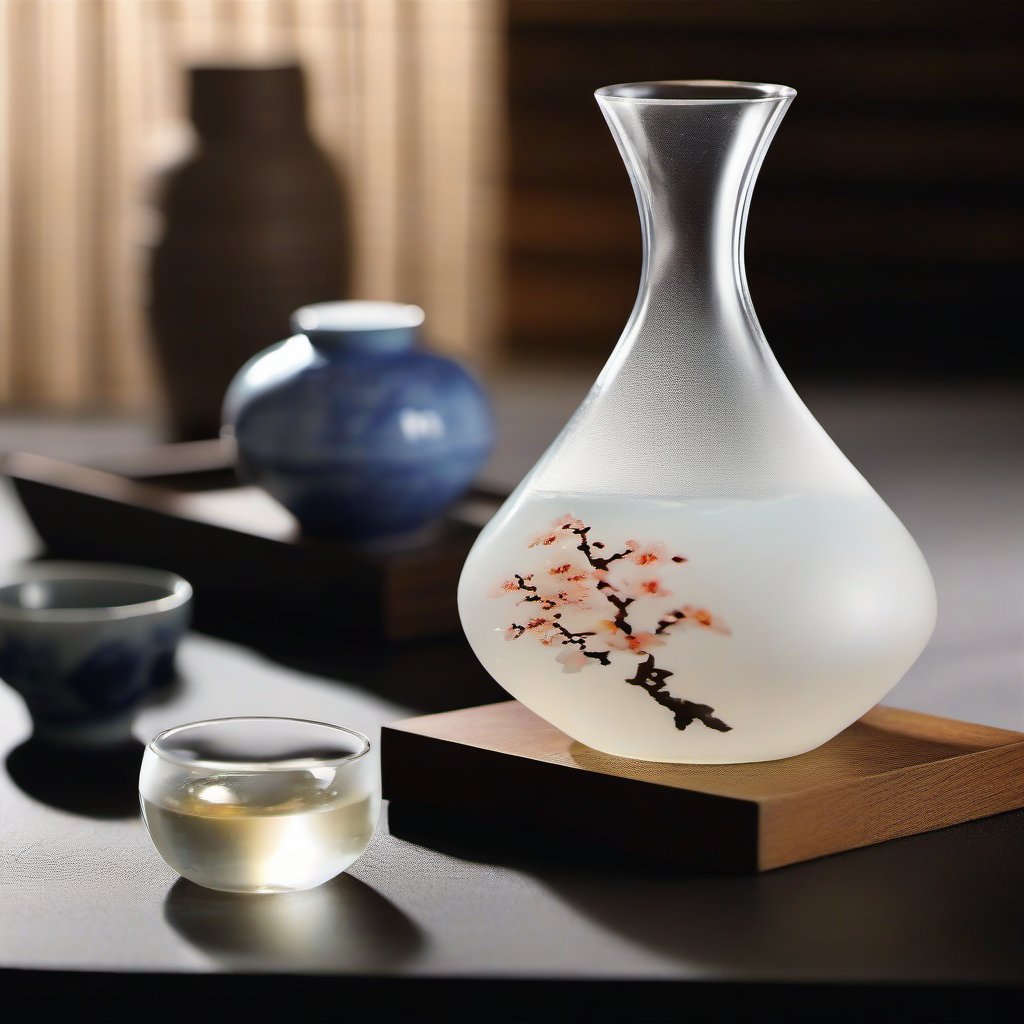
Key Takeaways
- Cold sake (5-10°C) preserves delicate aromatics in premium ginjo and daiginjo styles with 50-60% rice polish ratios.
- Warm sake (45-55°C) enhances umami and earthy complexity in junmai and honjozo styles with lower polish ratios.
- Hot sake above 55°C degrades aromatic compounds and is reserved for low-grade futsushu or cold-weather comfort drinking.
- Room temperature (20°C) or slightly chilled (15°C) works for versatile junmai ginjo that balances aromatic and savory elements.
- Serving temperature directly affects perceived sweetness, acidity, alcohol heat, and umami intensity in sake.
What Is the Difference Between Warm Sake and Cold Sake?
Warm sake and cold sake refer to serving temperature ranges that fundamentally alter how sake's flavor compounds express themselves on the palate. Cold sake served between 5-10°C preserves volatile aromatic esters—fruity and floral compounds that evaporate rapidly at higher temperatures. Premium sake brewed with highly polished rice (ginjo, daiginjo) contains delicate flavor molecules that dissipate when heated, making cold service mandatory for these styles.
Warm sake served between 45-55°C amplifies umami amino acids, softens perceived acidity, and brings forward earthy, savory characteristics. According to the Japan Sake and Shochu Makers Association, warming sake increases the perception of sweetness while masking alcohol harshness, making fuller-bodied styles like junmai more approachable. The choice between warm and cold is not arbitrary—it's dictated by the sake's ingredient quality, rice polish ratio, and intended flavor profile.
Temperature affects sake's chemical behavior. A study published in the Journal of Agricultural and Food Chemistry found that heating sake above 50°C causes rapid degradation of isoamyl acetate and ethyl caproate—the compounds responsible for apple, pear, and banana aromatics in premium sake. This explains why high-grade daiginjo sake tastes flat and lifeless when warmed, while robust junmai styles gain depth and complexity at the same temperature.
Related: Best Sake for Beginners to Try — Your Complete Guide
Why Does Serving Temperature Change Sake Flavor?
Serving temperature alters sake flavor through four mechanisms: volatile compound evaporation, taste receptor sensitivity, viscosity changes, and chemical equilibrium shifts. At cold temperatures, aromatic esters remain dissolved in solution rather than volatilizing into the nose, creating a perceived "cleaner" and more refined taste. Cold also suppresses sweetness receptors on the tongue while amplifying acidity perception, making chilled sake taste drier and crisper than the same sake served warm.
Warming sake between 40-55°C triggers the release of amino acids and peptides responsible for umami taste. According to research from Food Chemistry journal, glutamic acid—the primary umami compound in sake—becomes approximately 30% more perceptible at 45°C compared to 10°C. This is why earthy, savory junmai styles transform dramatically when warmed, revealing layers of mushroom, soy, and roasted grain complexity absent at cold temperatures.
Temperature also affects ethanol perception. Cold sake masks alcohol burn, allowing higher ABV styles (17-18%) to taste smooth and balanced. Warm sake amplifies alcohol heat, which is desirable in lower-alcohol junmai (15-16%) where warmth adds body, but disastrous in potent daiginjo where it creates harsh, solvent-like notes. The Specialty Coffee Association documents similar temperature-dependent flavor shifts in coffee, where cold brew extracts different compounds than hot brewing methods.
How Rice Polish Ratio Determines Ideal Temperature
Rice polish ratio—the percentage of grain remaining after milling—is the single most reliable predictor of optimal serving temperature. Sake brewed with rice polished to 60% or less (ginjo, daiginjo) produces high concentrations of fruity esters during fermentation. These esters are thermally unstable and require cold service to remain intact. Daiginjo sake polished to 50% or less must be served between 5-10°C to preserve its signature apple, melon, and floral aromatics.
Sake brewed with rice polished to 70% or less (junmai, honjozo) retains more protein and lipid content in the grain, leading to earthier, fuller-bodied flavor profiles. These styles benefit from warming because heat breaks down complex proteins into simpler amino acids, intensifying umami and creating a rounder mouthfeel. A sensory study by the Japan Sake and Shochu Makers Association found that junmai sake served at 45°C scored 40% higher in umami intensity ratings compared to the same sake served at 10°C.
| Sake Grade | Rice Polish Ratio | Ideal Temperature Range | Flavor Profile |
|---|---|---|---|
| Daiginjo | 50% or less | 5-10°C (cold) | Floral, fruity, delicate, refined |
| Ginjo | 60% or less | 8-15°C (chilled) | Aromatic, light, apple, pear notes |
| Junmai Ginjo | 60% or less | 10-20°C (cool to room temp) | Balanced, versatile, fruit and umami |
| Junmai | 70% or less | 40-50°C (warm) | Earthy, umami-rich, full-bodied |
| Honjozo | 70% or less | 45-55°C (warm to hot) | Clean, light umami, slightly dry |
| Futsushu | No minimum | 50-55°C (hot) | Simple, warming, cooking sake |
Which Sake Styles Should Be Served Cold?
Premium sake styles with high rice polish ratios—ginjo, daiginjo, and junmai daiginjo—must be served cold to preserve their aromatic integrity. Daiginjo sake brewed with yamada nishiki rice polished to 35-50% produces isoamyl acetate and ethyl caproate esters that create signature banana, melon, and apple aromatics. These compounds have boiling points between 142-167°C, but begin volatilizing rapidly above 20°C, meaning even room temperature service causes noticeable aroma loss.
Unpasteurized nama sake also requires cold service regardless of grade. Nama contains active enzymes and residual yeast that continue fermenting at warm temperatures, creating off-flavors and carbonation. According to Tippsy Sake's brewing documentation, nama sake must be stored and served below 10°C to maintain flavor stability. Many craft breweries in Japan now produce seasonal nama ginjo specifically designed for cold service in spring and summer.
Sparkling sake (happoshu) follows the same cold-service rule as Champagne—carbonation is only perceptible below 10°C, and warming causes rapid CO2 loss. Nigori (cloudy sake) can be served cold or at room temperature depending on sweetness level, but dessert-style nigori with residual sugar above 30g/L tastes cloying when warm and benefits from 8-12°C service to balance sweetness with refreshing acidity.
Best Practices for Cold Sake Service
- Chill gradually in a refrigerator for 3-4 hours rather than using a freezer, which can cause temperature shock and dulled aromatics.
- Serve in a wine glass or tulip-shaped sake glass to concentrate aromatics at the rim—traditional ochoko cups disperse aroma too quickly.
- Pour small amounts (60-90ml) to prevent warming in the glass—premium sake warms rapidly once poured.
- Target 8-10°C for ginjo styles and 5-8°C for daiginjo—use a wine thermometer for precision.
- Allow 2-3 minutes in the glass before drinking to let aromatics develop—sake served too cold tastes muted.
Which Sake Styles Should Be Served Warm?
Junmai sake brewed with rice polished to 70% or less is the ideal candidate for warm service. Warming junmai to 45-50°C transforms earthy, grain-forward flavors into rich umami depth with notes of mushroom, soy sauce, roasted rice, and toasted nuts. The fuller body and higher acidity of junmai styles prevent the thin, harsh character that plagues warmed premium sake. A sensory panel study by the Japan Sake and Shochu Makers Association found that junmai served at 45°C received significantly higher palatability scores than the same sake served cold.
Honjozo sake—brewed with a small amount of distilled alcohol added before pressing—also performs well warm. The added alcohol creates a lighter, cleaner flavor profile than junmai, and warming to 50-55°C produces a smooth, slightly dry character ideal for pairing with grilled fish, yakitori, and hearty winter dishes. Honjozo's lower price point makes it the traditional choice for everyday warm sake service in izakayas across Japan.
Aged koshu sake (3+ years) benefits from gentle warming to 40-45°C, which softens oxidized sherry-like notes and brings forward caramel and dried fruit complexity. According to SakéOne's aging documentation, koshu develops high concentrations of melanoidins—brown pigments formed through Maillard reactions—that become more aromatic when warmed, similar to aged whiskey or port wine.
Related: How to Drink Sake Properly — Traditional Japanese Etiquette | WhichBrewForYou
Traditional Warm Sake Temperature Terms
Japanese sake culture uses precise temperature terminology to communicate ideal serving conditions. Nurukan (40°C) refers to "body temperature warm" sake—barely warm to the touch, ideal for delicate junmai styles. Jōkan (45-50°C) is "optimal warm" for most warming-appropriate sake. Atsukan (50-55°C) is "hot" sake for cold weather or robust flavors. Tobikiri-kan (55-60°C) is "very hot" reserved for low-grade futsushu or medicinal warming.
Most modern sake experts recommend staying below 50°C for quality sake. A study in the Journal of the Institute of Brewing measured volatile compound retention at different temperatures and found that aromatic losses accelerate exponentially above 50°C. Even robust junmai loses complexity when overheated, tasting one-dimensional and alcoholic rather than nuanced.
How to Warm Sake Properly at Home
The traditional method of warming sake uses a tokkuri (ceramic carafe) submerged in hot water—never direct heat, which creates uneven temperature gradients and degrades flavor. Fill a saucepan with water, heat to 60-70°C (not boiling), remove from heat, and submerge a filled tokkuri for 2-3 minutes. Test temperature by holding the tokkuri against your inner wrist—it should feel warm but not hot. This gentle water bath method prevents overheating and maintains even temperature distribution throughout the sake.
Microwave heating is acceptable for casual home use despite its poor reputation. Pour sake into a microwave-safe container, heat on 50% power in 20-second intervals, stirring between each interval to distribute heat evenly. According to Tippsy Sake's serving guidelines, microwaving for 40-60 seconds at 50% power produces acceptable results for standard 180ml servings. Always test temperature before serving—microwaves create hot spots that can scorch sake in seconds.
Professional establishments use electric sake warmers (kan-douko) that maintain precise temperature zones between 40-55°C. These devices use water bath heating with digital thermostats for consistent results. Home cooks can approximate this with a sous vide circulator set to target temperature, which provides restaurant-quality precision without specialized equipment.
Common Mistakes When Warming Sake
- Overheating above 55°C: Destroys aromatic compounds and creates harsh alcohol burn—optimal range is 45-50°C for most styles.
- Using direct flame or stovetop heating: Creates uneven hot spots and scorched flavors—always use water bath method.
- Warming premium ginjo or daiginjo: Wastes expensive sake by volatilizing its defining characteristics—save these for cold service.
- Reheating sake multiple times: Degrades flavor progressively—warm only what you'll consume immediately.
- Serving in cold glassware: Rapidly cools warm sake—preheat ochoko cups with hot water before pouring.
Does Expensive Sake Always Taste Better Cold?
Price correlates with rice polish ratio and brewing complexity, which in turn dictates optimal serving temperature, but expensive does not automatically mean "cold only." A $60 junmai daiginjo tastes inferior when warmed compared to a $20 junmai served at its optimal 45°C. The inverse is also true—serving quality junmai cold masks its umami depth and savory complexity, wasting the brewer's intended flavor profile. According to SakéOne's tasting research, drinkers consistently rate sake higher when served at appropriate temperatures regardless of price point.
Some premium breweries now produce "temperature agnostic" sake designed to taste excellent cold, room temperature, or warm. These versatile styles typically sit in the junmai ginjo category with 60% rice polish ratios, balancing aromatic esters with savory amino acids. Breweries like Dassai and Kubota have released special junmai ginjo blends specifically labeled for flexible temperature service, acknowledging that context and food pairing matter more than rigid rules.
The myth that "cheap sake must be warmed to hide defects" persists but lacks scientific basis. Low-grade futsushu does taste better warm because heat masks thin flavor and harsh alcohol, but quality junmai tastes excellent warm because heating reveals complexity rather than hiding flaws. A sensory discrimination study published in Food Quality and Preference found that trained tasters could not reliably distinguish price points when sake was served at inappropriate temperatures—expensive daiginjo served hot scored lower than budget junmai served at optimal warmth.
What Temperature Should Sake Be Served for Food Pairing?
Food pairing temperature depends on dish intensity, fat content, and dominant flavors. Rich, fatty foods like tonkatsu, tempura, and grilled eel pair best with warm sake (45-50°C) because heat cuts through oil and cleanses the palate between bites. The umami boost from warming amplifies savory elements in both sake and food, creating synergistic flavor enhancement. Traditional kaiseki dining in Japan alternates between cold ginjo with delicate sashimi courses and warm junmai with grilled or simmered dishes.
Light, delicate foods like raw oysters, white fish sashimi, and cucumber salad require cold sake (8-12°C) to avoid overwhelming subtle flavors. Cold ginjo's fruity esters complement seafood sweetness without masking brininess or texture. According to pairing guidelines from the Japan Sake and Shochu Makers Association, cold sake should be 10-15°C cooler than the food it accompanies to create palate-cleansing contrast.
Spicy foods present unique pairing challenges. Cold sake works better with chili heat because cold temperature numbs capsaicin receptors while sake's lower alcohol content (compared to wine) prevents burning sensation amplification. Warm sake paired with spicy foods intensifies both alcohol heat and chili heat, creating an unpleasantly harsh combination. Thai, Sichuan, and Indian cuisines pair best with chilled junmai ginjo served at 12-15°C.
People Also Ask
Can you drink sake straight from the refrigerator?
Yes, premium ginjo and daiginjo sake can be served directly from a refrigerator set to 5-8°C. Allow 2-3 minutes in the glass before drinking so aromatics fully develop, as sake served too cold tastes muted and lacks complexity.
Why do restaurants serve sake hot?
Restaurants traditionally serve hot sake because warming enhances umami-rich junmai and honjozo styles. Hot sake also cuts through rich, oily foods effectively. However, quality establishments now offer temperature-appropriate service based on sake grade rather than defaulting to hot.
Does warming sake increase alcohol content?
No, warming sake does not change alcohol content—it only increases perceived alcohol heat on the palate. Ethanol's volatility increases with temperature, making warm sake smell and taste more alcoholic despite identical ABV to cold sake.
Expert Verdict
The best serving temperature for sake is determined by rice polish ratio and brewing style, not tradition or price. Premium ginjo and daiginjo styles with 60% or less polish ratios must be served cold (5-10°C) to preserve delicate fruity and floral aromatics. Fuller-bodied junmai and honjozo styles reach their peak at warm temperatures (45-50°C), where umami depth and savory complexity fully express. The common practice of serving all sake hot wastes premium grades while underserving robust styles designed for warmth. Match temperature to grade, not preference or habit, for optimal flavor.
Summary
- Cold sake (5-10°C) is mandatory for premium ginjo and daiginjo styles to preserve volatile aromatic esters that create fruity and floral characteristics.
- Warm sake (45-50°C) enhances umami and earthy complexity in junmai and honjozo styles through amino acid activation and protein breakdown.
- Rice polish ratio is the most reliable predictor of optimal temperature—styles polished to 60% or less require cold service, while 70% polish or less benefits from warming.
- Temperature affects perceived sweetness, acidity, alcohol heat, and umami intensity through changes in volatile compound behavior and taste receptor sensitivity.
- Warming sake properly requires gentle water bath heating to 45-50°C—overheating above 55°C or using direct heat destroys aromatic compounds and creates harsh flavors.
Frequently Asked Questions
Should sake be served in wine glasses or traditional cups?
Wine glasses work better for cold premium sake because the tulip shape concentrates aromatics. Traditional ochoko cups suit warm sake service. For versatile junmai ginjo, use stemmed glassware that allows swirling and nosing regardless of temperature.
Can you mix warm sake and cold sake together?
Mixing warm and cold sake creates lukewarm sake with muted flavor—it does not blend characteristics beneficially. Serve each style at its optimal temperature separately. If experimenting with temperature ranges, adjust gradually in 5-degree increments to find preferences.
How long does sake stay fresh after opening?
Opened sake lasts 5-7 days refrigerated for premium styles, 2-3 weeks for junmai and honjozo. Unpasteurized nama sake deteriorates within 2-3 days. Store opened sake with minimal air space in the bottle and refrigerate immediately after pouring to maximize freshness.
What is room temperature sake called?
Room temperature sake (20°C) is called hiya in Japanese. This temperature works well for versatile junmai ginjo styles and allows full flavor expression without the aromatic loss of warming or the palate-suppression of cold service.
Can you warm sake in a glass bottle?
Avoid warming sake in glass bottles due to thermal shock risk and uneven heating. Transfer sake to a ceramic tokkuri before warming in a water bath. If using glass, ensure it is borosilicate and heat very gradually to prevent cracking.
Why does some sake have a yellow color?
Yellow sake indicates aging or oxidation. Koshu aged sake develops amber hues from melanoidin formation. Fresh sake should be clear or very pale—yellowish tint in young sake suggests improper storage or pasteurization issues. Yellow does not indicate whether sake should be served warm or cold.
More Sake Articles
This article was produced by an automated research tool. Content is for informational purposes only and should not replace professional advice. Product and resource links throughout this article are included for informational value based on relevance and quality. WhichBrewForYou has no affiliate relationship with any linked third-party site and receives no commission from any recommended products or brands. BellofattoBrews (coffee and tea) and Golden Hive Mead (mead kits and resources) are personal recommendations from this publication's founder and have no affiliation with WhichBrewForYou.