Key Takeaways
- Premium ginjo and daiginjo sake should be served chilled between 5-10°C (41-50°F) to preserve delicate flavors.
- Traditional etiquette requires pouring for others before yourself and holding your cup with both hands when receiving.
- Wine glasses enhance aroma for premium sake, while ceramic ochoko cups are traditional for warmed varieties.
- Never fill your own cup in formal settings — this signals to others that you wish to be served.
- Sake contains 15-20% alcohol by volume, higher than wine, so proper pacing prevents overindulgence.
- The traditional toast "kanpai" means "empty glass" but doesn't require finishing your drink in one gulp.
Why Proper Sake Etiquette Matters in Japanese Culture
Sake has been central to Japanese culture for over 2,000 years, serving as both a religious offering and a social lubricant. Understanding how to drink sake properly demonstrates respect for this cultural heritage and enhances your appreciation of the beverage itself. According to the Japan Sake & Shochu Makers Association, proper serving and drinking techniques directly affect flavor perception and social harmony during shared meals.
The ritual of sake drinking goes beyond taste — it's a physical expression of community and mutual respect. When someone pours sake for you, receiving with both hands acknowledges their generosity and creates a moment of connection. This practice, called "shugi," has been documented in Japanese tea ceremony traditions and extends naturally to sake service.
Modern sake appreciation has evolved to include Western-style wine glasses for premium varieties, but traditional etiquette principles remain unchanged. A 2024 study published in the Journal of Food Chemistry found that serving temperature and vessel shape significantly impact volatile aroma compound release in sake, confirming that traditional practices have scientific merit beyond cultural significance.
Related: How to Brew Yerba Mate Traditionally — The Complete Guide
What Temperature Should Different Types of Sake Be Served?
Temperature is the single most important factor in sake enjoyment after selection. Sake can be served across a remarkable temperature range — from 5°C to 55°C (41°F to 131°F) — and each style reveals different characteristics at specific temperatures. Understanding these relationships separates casual drinkers from knowledgeable enthusiasts.
Premium Sake: Chilled Service (5-10°C / 41-50°F)
Ginjo and daiginjo sake should always be served well-chilled. These premium varieties undergo extensive rice polishing (removing 40-50% or more of the grain) and slow, cold fermentation that produces delicate floral and fruity esters. According to Tippsy Sake, warming these varieties above 15°C (59°F) drives off volatile aromatics and creates harsh alcohol notes that mask the brewer's intended flavor profile.
Serve premium sake in a wine glass at refrigerator temperature. The wider bowl allows aromatics to concentrate while the narrow rim directs them toward your nose. Never serve ginjo or daiginjo sake warm — this is considered a serious etiquette mistake that suggests ignorance of sake fundamentals.
Full-Bodied Sake: Warm to Hot Service (40-55°C / 104-131°F)
Junmai and honjozo sake styles with rich, umami-forward profiles benefit from warming. Heat amplifies savory amino acids and softens perception of acidity. The SakéOne brewing guide recommends heating sake gradually in a hot water bath rather than microwave to ensure even temperature distribution.
Traditional warm sake temperatures have specific Japanese names that indicate precise heat levels:
| Temperature Name | Celsius | Fahrenheit | Best For |
|---|---|---|---|
| Hinata-kan (sun-warmed) | 30°C | 86°F | Light-bodied junmai |
| Nuru-kan (lukewarm) | 40°C | 104°F | Most warmed sake |
| Jō-kan (hot) | 45-50°C | 113-122°F | Full-bodied junmai, cold weather |
| Atsu-kan (very hot) | 50-55°C | 122-131°F | Robust aged sake |
Never boil sake. Temperatures above 60°C (140°F) denature proteins and create unpleasant cooked flavors. If you can't comfortably hold the tokkuri (sake carafe) in your bare hand for 3 seconds, the sake is too hot to drink.
Room Temperature Service (20°C / 68°F)
Many yamahai and kimoto sake (traditional wild-fermented styles) show their best characteristics at room temperature. These sake have complex, earthy flavors that benefit from neither chilling nor warming. Serve in a ceramic ochoko or small wine glass and allow the sake to breathe for 2-3 minutes after pouring.
How to Hold and Drink from a Sake Cup Properly
The physical act of drinking sake follows specific customs that signal respect and social awareness. These gestures are not arbitrary — they create rhythm in group drinking and prevent the social awkwardness of empty cups or overfilled glasses.
Receiving Sake: The Two-Hand Technique
When someone offers to pour sake for you, hold your cup with both hands — right hand cradling the cup from below, left hand supporting from the side. This posture shows appreciation and makes it easier for the pourer to fill your cup without spilling. Never allow your cup to rest on the table while someone pours — this is considered dismissive and rude in traditional settings.
Lift the cup slightly toward the person pouring. This small gesture, called "sashinomi," creates a shared moment and acknowledges the server's generosity. According to cultural etiquette guides from the Japan Sake & Shochu Makers Association, this practice dates to Edo period sake houses where it prevented spills on expensive kimono sleeves.
Pouring for Others: The Primary Rule
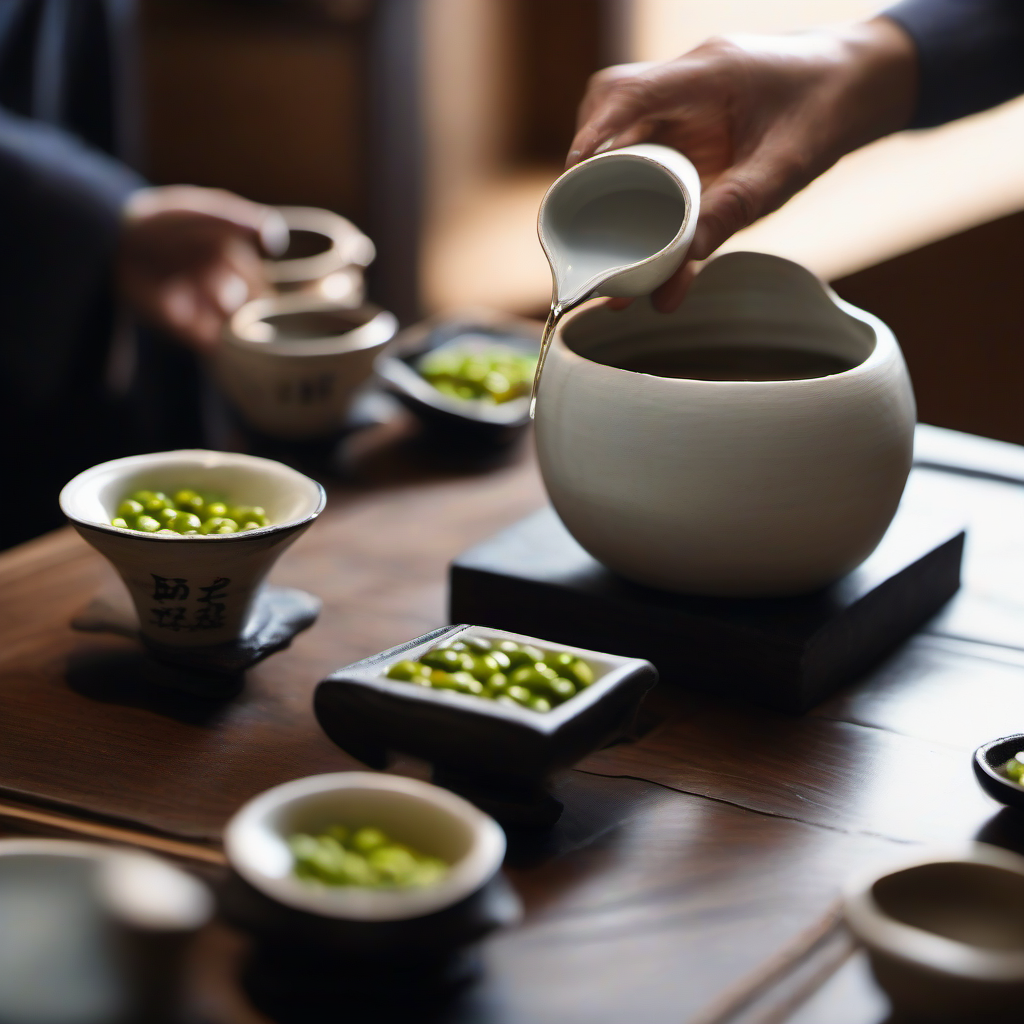
You should never pour sake for yourself in a group setting. Instead, serve your companions first, then wait for someone to reciprocate. This creates a natural rhythm of attention and prevents anyone from drinking alone. When pouring, hold the tokkuri (ceramic carafe) or bottle with your right hand, supporting the bottom or side with your left hand.
Watch your companion's cup level throughout the meal. Japanese sake etiquette considers it poor form to let anyone's cup sit empty for long. When you notice someone's cup is less than one-third full, offer to pour. This attentiveness to others' needs is the heart of Japanese hospitality, called "omotenashi."
Sipping Technique and Pace
Sake is meant for sipping, not shooting. Take small, deliberate sips that allow the liquid to coat your palate. Because sake contains 15-20% alcohol by volume — significantly higher than beer and most wine — pacing is essential. The National Institute on Alcohol Abuse and Alcoholism defines one standard drink as 1.5 oz of 40% spirits or 5 oz of 12% wine, making a typical 180ml sake serving equivalent to approximately 2 standard drinks.
Between sips, set your cup down gently. Avoid draining your cup completely in one go unless making a specific toast. The traditional "kanpai" toast literally means "empty cup," but in practice, you're expected only to take a substantial sip, not finish the entire serving.
What Glassware Should You Use for Different Sake Styles?
Sake glassware has evolved significantly beyond the traditional ceramic ochoko cup. Modern sake sommeliers use vessel shape strategically to enhance specific aroma and flavor profiles, similar to wine service. Your choice of glassware directly affects perception.
Ochoko: Traditional Small Ceramic Cups
The ochoko is the most iconic sake vessel — a small ceramic cup typically holding 30-50ml (1-1.7 oz). These cups are perfect for warm sake service because ceramic retains heat well and the small volume ensures the sake stays at optimal temperature while drinking. Ochoko often feature decorative patterns or traditional blue-and-white designs that enhance the visual ritual of sake drinking.
Hold an ochoko at the base with your fingertips, not gripping around the sides. This prevents your hand from warming chilled sake or allows you to feel the temperature of warm sake without burning your fingers.
Guinomi: Larger Ceramic Cups
Guinomi are essentially oversized ochoko, holding 90-180ml (3-6 oz). These are ideal for casual drinking and room-temperature sake service. The larger volume reduces the frequency of pouring, which suits informal settings where constant refilling might interrupt conversation.
Wine Glasses: Modern Premium Sake Service
Professional sake tastings and high-end restaurants increasingly serve premium ginjo and daiginjo sake in white wine glasses. Tippsy Sake recommends this approach because the bowl shape captures volatile esters while the tapered rim concentrates aromatics toward the nose. This presentation method has been endorsed by the Japan Sake & Shochu Makers Association as an appropriate modern evolution of sake culture.
Use a standard 10-12 oz white wine glass for premium sake. Pour 2-3 oz servings to allow room for swirling and aroma development. This larger serving size better matches Western dining pace and wine service conventions.
Masu: Traditional Wooden Box Cups
The masu is a square wooden box originally used for measuring rice. Drinking from a masu adds a subtle cedar aroma and represents traditional sake service at festivals and celebrations. Masu are typically filled to overflowing with sake poured from a glass placed inside the box — the overflow represents abundance and generosity.
To drink from a masu, lift it by one corner and sip from the opposite corner. The cedar wood adds a subtle forest note that pairs well with full-bodied junmai sake. However, masu are inappropriate for delicate ginjo sake where the wood aroma would overwhelm subtle florals.
Related: Best Whiskeys for Beginners to Try — Simple Guide | WhichBrewForYou
Should You Pair Sake with Food or Drink It Alone?
Sake was designed as a food beverage, not an aperitif. Unlike wine, which often stands alone before dinner, sake reaches its full potential alongside food. The savory amino acids in sake (particularly glutamic acid) create umami synergy with similar compounds in food, enhancing both the beverage and the dish.
Universal Sake Pairing Principles
Match sake body to food richness. Light, aromatic ginjo sake pairs with delicate fish and vegetables, while robust junmai sake complements grilled meats and rich stews. This principle mirrors wine pairing but with an important difference: sake's amino acid profile creates flavor bridges with fermented and aged foods that wine cannot match.
According to culinary research published in Food Chemistry, sake contains 5-10 times more amino acids than wine, explaining its exceptional versatility with umami-rich foods like aged cheese, cured meats, mushrooms, and shellfish. Sake's higher amino acid content means it can pair successfully with dishes that make wine taste metallic or bitter.
Classic Japanese Pairings
Traditional sake accompaniments fall into two categories: otsumami (drinking snacks) and kaiseki (formal meal courses). Otsumami include edamame, pickled vegetables, grilled fish, yakitori, and salted nuts — simple preparations that cleanse the palate between sips rather than compete with sake flavors.
For formal meals, pair specific sake types with each course:
- Sparkling sake or light ginjo — raw fish, oysters, light appetizers
- Aromatic ginjo or daiginjo — sashimi, steamed fish, delicate vegetables
- Junmai or honjozo — grilled fish, tempura, yakitori, robatayaki
- Warm junmai — hot pot dishes, grilled eel, miso-based preparations
- Aged or koshu sake — strong cheeses, cured meats, chocolate desserts
Non-Traditional Pairings That Work
Sake's versatility extends far beyond Japanese cuisine. Tippsy Sake's pairing guides recommend sake with Italian pasta in cream sauces, French cheeses, Mexican ceviche, and even barbecue. The key is matching sake's texture and richness to the dish rather than following cuisine-based rules.
Sake particularly excels with notoriously wine-unfriendly foods. Artichokes, asparagus, citrus-forward dishes, and very spicy foods all pair well with the right sake. A chilled ginjo sake's subtle sweetness tames capsaicin heat better than wine, while sake's lower acidity prevents clashing with artichoke's cynarin compounds.
What Are the Most Common Sake Drinking Mistakes to Avoid?
Even enthusiastic sake drinkers often make etiquette and service errors that diminish the experience. Understanding these common mistakes helps you appreciate sake properly and avoid inadvertent cultural missteps.
Temperature Errors
The most frequent mistake is serving premium sake warm or storing it at room temperature. Ginjo and daiginjo sake should be refrigerated and served chilled. These styles lose their defining characteristics above 15°C (59°F), making expensive sake taste indistinguishable from basic table sake. Conversely, serving full-bodied junmai sake ice-cold closes down flavor compounds and creates a harsh alcohol bite.
Never microwave sake to warm it — this creates hot spots and uneven heating that damages flavor. Instead, place the tokkuri in a pot of hot water and heat gently to the desired temperature, testing frequently.
Treating Sake Like Shots
Western drinking culture sometimes treats sake as a shot spirit, consumed quickly in small glasses. This approach misses the entire point of sake appreciation. Sake's 15-20% alcohol content is meant for sipping alongside food over the course of a meal, not rapid consumption. According to NIAAA research on alcohol metabolism, rapidly consuming multiple sake servings leads to faster blood alcohol elevation than paced drinking.
Pouring for Yourself in Group Settings
This breaks the fundamental rule of sake etiquette. In Japanese drinking culture, pouring your own sake suggests either antisocial behavior or that your companions are neglecting their hosting duties. Wait for someone to offer, or if cups remain empty too long, begin serving others to prompt reciprocation.
Ignoring Sake Quality Indicators
Not all sake is created equal. Purchasing sake based solely on price or label design without understanding classification leads to disappointment. Learn to identify the four main quality levels: junmai (pure rice), honjozo (with small amounts of distilled alcohol), ginjo (premium, at least 40% rice polishing), and daiginjo (super-premium, 50%+ rice polishing). The Japan Sake & Shochu Makers Association provides detailed classification guides that help consumers select appropriate bottles.
Storing Sake Improperly
Sake is perishable. Unlike wine, sake does not improve with age unless specifically labeled as koshu (aged sake). Most sake should be consumed within 12 months of bottling, and once opened, finished within 2-3 days if refrigerated. Store sake upright in a cool, dark place, never in direct sunlight or near heat sources. UV light degrades sake rapidly, creating off-flavors described as "hineka" in Japanese — a stale, cardboard-like taste.
How Does the Traditional Sake Ceremony Work?
While sake lacks the formal ceremony of Japanese tea service, certain traditional rituals govern sake drinking at formal occasions, business meetings, and celebrations. Understanding these customs helps you navigate formal Japanese dining with confidence.
San-San-Kudo: The Wedding Ceremony Exchange
The most formal sake ceremony is san-san-kudo ("three-three-nine-times"), performed at Shinto wedding ceremonies. The bride and groom exchange sake cups three times, taking three sips from three different-sized cups. This ritual symbolizes the union of two families. While unlikely to encounter this as a participant unless attending a Japanese wedding, recognizing the ceremony demonstrates cultural knowledge.
Business Dinner Protocol
In business settings, sake service follows strict hierarchy. Junior members pour for senior members first, and hosts pour for guests before serving themselves. The most senior person present should be served first, with service progressing through the group by descending rank. According to Japanese business etiquette guides, refusing sake when offered by a superior or host can be seen as insulting, though explaining genuine health or religious reasons is acceptable.
If you don't drink alcohol, place your fingertips over the cup rim when someone approaches to pour — this polite gesture signals that you're abstaining without verbal explanation. The server will recognize the signal and move on without awkwardness.
The First Toast: Kanpai
Formal sake drinking begins with a group toast. Wait until everyone has been served and the most senior person present raises their cup. The toast "kanpai!" means literally "dry cup," though you need only take a substantial sip, not drain the cup entirely. Hold your cup at chest height and make eye contact with companions during the toast — looking away while toasting is considered disrespectful in Japanese culture.
After the first toast, drinking becomes more relaxed, though the pouring etiquette (serving others, not yourself) continues throughout the meal.
People Also Ask About Drinking Sake
Can you drink sake every day?
Daily sake consumption is common in Japan when limited to one or two small servings with meals. However, sake contains 15-20% alcohol by volume, making a 180ml serving equivalent to 2 standard drinks. The National Institute on Alcohol Abuse and Alcoholism recommends limiting alcohol intake to prevent health risks.
Is sake stronger than wine?
Yes, sake is stronger than wine. Sake typically contains 15-20% alcohol by volume compared to wine's 12-14%. This means a standard sake serving (180ml) contains approximately 27-36g of pure alcohol versus 14-17g in a 150ml glass of wine. Pace your sake consumption accordingly to prevent overindulgence.
Should sake be refrigerated after opening?
Yes, opened sake should be refrigerated and consumed within 2-3 days for optimal quality. Unlike wine, sake oxidizes rapidly once opened. Store the bottle upright with a tight cap to minimize air exposure. Pasteurized sake lasts slightly longer than nama (unpasteurized) varieties, which degrade within 24 hours of opening.
Expert Verdict: Master Sake Etiquette with Temperature and Timing
Drinking sake properly combines three essential elements: correct serving temperature for the sake style, respectful two-handed pouring and receiving gestures, and appropriate pacing alongside food. Premium ginjo and daiginjo sake must be served chilled in wine glasses or ochoko to preserve delicate aromatics, while full-bodied junmai styles benefit from warming to 40-50°C (104-122°F) to amplify umami compounds. The non-negotiable etiquette rule is serving others before yourself and receiving sake with both hands as a sign of gratitude. These practices aren't arbitrary formality — they enhance flavor perception through proper temperature control and create social harmony through shared attention and reciprocity. Whether enjoying sake in Tokyo or at home, following these principles shows respect for 2,000 years of brewing tradition while maximizing your sensory experience.
Article Summary
- Premium ginjo and daiginjo sake must be served chilled (5-10°C / 41-50°F) to preserve aromatic compounds, while full-bodied junmai sake benefits from warming to 40-50°C (104-122°F).
- Traditional sake etiquette requires pouring for others before yourself, holding your cup with both hands when receiving, and never allowing your cup to rest on the table while being poured.
- Wine glasses are now standard for premium sake service, as the bowl shape concentrates delicate aromatics better than traditional ceramic ochoko cups.
- Sake's 15-20% alcohol content and high amino acid profile make it ideal for food pairing, particularly with umami-rich dishes that challenge wine pairing.
- Common mistakes include serving premium sake warm, treating sake like shot spirits, and storing opened bottles at room temperature instead of refrigerating them.
Frequently Asked Questions
What does "kanpai" mean when drinking sake?
Kanpai literally translates to "empty cup" and functions as the Japanese equivalent of "cheers." Despite the literal meaning, you're expected to take a substantial sip during the toast, not drain your entire cup. After the initial kanpai toast, drinking proceeds at a relaxed pace throughout the meal.
Why do Japanese people pour sake for each other?
Pouring sake for others rather than yourself embodies the Japanese concept of omotenashi (selfless hospitality) and creates social bonding through reciprocal generosity. This practice ensures no one drinks alone and maintains awareness of companions' needs throughout the meal, strengthening group harmony.
Is it rude to refuse sake in Japan?
Refusing sake from a host or superior can be perceived as disrespectful, though explaining genuine health or religious reasons is acceptable. A polite alternative is to allow someone to pour a small amount, then hold the cup without drinking. Place your fingertips over the cup rim to signal you're abstaining.
Can you mix sake with other drinks?
While sake cocktails exist and are gaining popularity, traditional Japanese culture views mixing sake with other beverages as inappropriate during formal dining. Modern sake bars and Western restaurants commonly serve sake cocktails, but at traditional establishments or business dinners, drink sake straight to show respect for the brewer's craft.
How long does sake last once opened?
Opened sake should be consumed within 2-3 days when refrigerated in an airtight bottle. Unlike wine, sake oxidizes rapidly and loses delicate flavors quickly. Unpasteurized nama sake degrades even faster, typically within 24 hours of opening. Store upright, refrigerated, away from light and temperature fluctuations.
What's the difference between cheap and expensive sake?
Premium sake (ginjo and daiginjo) undergoes extensive rice polishing that removes 40-60% of each grain, leaving only the starchy core. This labor-intensive process, combined with slower cold fermentation, produces delicate floral and fruity aromatics. Inexpensive sake uses less polishing and faster fermentation, resulting in heavier, less refined flavors suitable for warming or casual drinking.
More Sake Articles
This article was produced by an automated research tool. Content is for informational purposes only and should not replace professional advice. Nothing here is medical advice, and it is not a substitute for it. Talk to a doctor about anything affecting your health. Product and resource links throughout this article are included for informational value based on relevance and quality. WhichBrewForYou has no affiliate relationship with any linked third-party site and receives no commission from any recommended products or brands. BellofattoBrews (coffee and tea) and Golden Hive Mead (mead kits and resources) are personal recommendations from this publication's founder and have no affiliation with WhichBrewForYou.