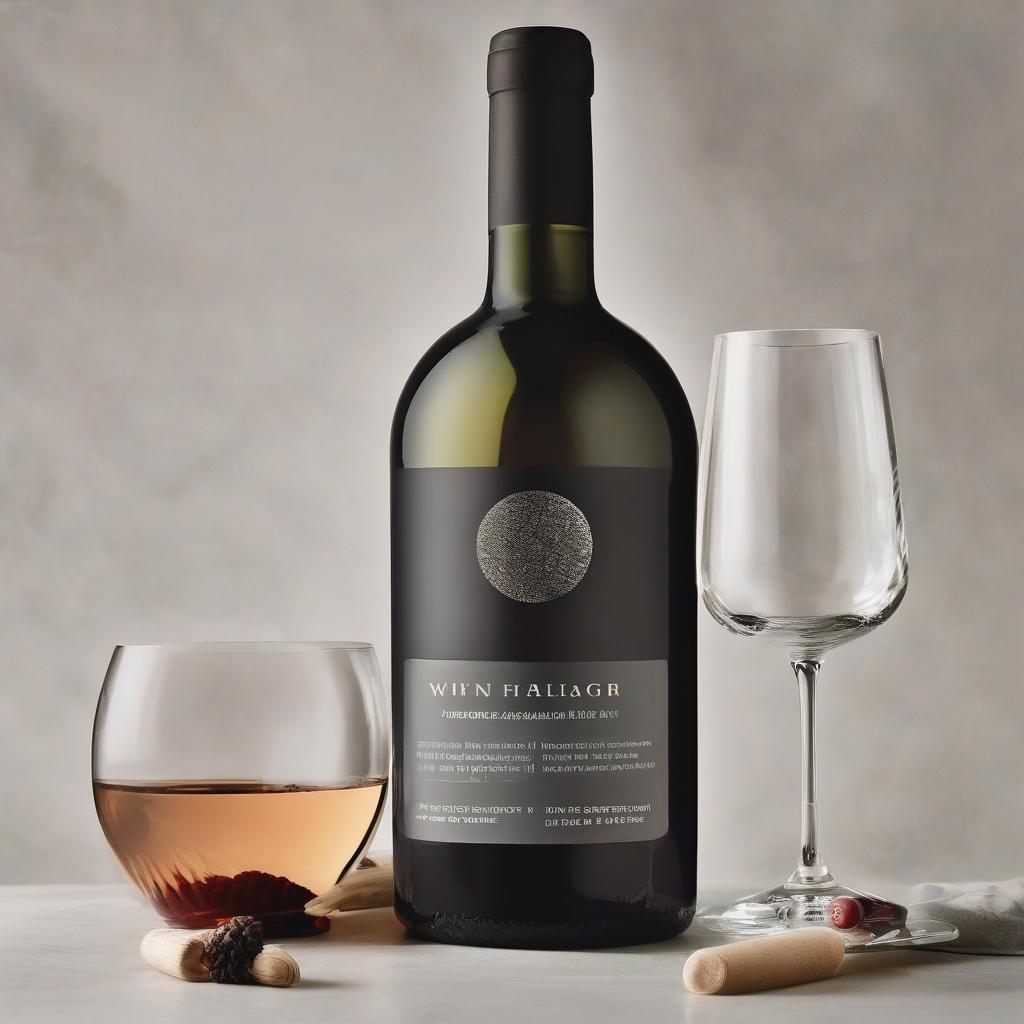
Key Takeaways
- Home winemaking is legal in the US for personal use—up to 100 gallons per adult per household annually according to federal law
- Essential starter equipment costs $50-150 and includes a carboy, airlock, hydrometer, siphon tubing, and sanitizer
- Primary fermentation takes 5-7 days at 68-77°F, followed by secondary fermentation lasting 3-6 weeks
- Proper sanitation prevents 90% of winemaking failures—every surface touching your wine must be sanitized
- Beginners should start with wine kits or fresh juice rather than raw grapes to simplify the crushing and pressing stages
- Testing specific gravity with a hydrometer tells you exactly when fermentation is complete and predicts final alcohol content
Home winemaking transforms simple fruit juice into a sophisticated beverage through controlled fermentation. While commercial wineries use elaborate equipment and decades of expertise, beginners can produce quality wines at home using basic supplies and following fundamental principles of fermentation science. The process requires attention to detail, cleanliness, and patience, but delivers rewarding results that reflect your personal taste preferences.
This comprehensive guide walks through every step of making wine at home, from selecting ingredients and gathering equipment to bottling your finished product. Whether you're interested in red wine, white wine, or fruit wines, the fundamental techniques remain consistent across all varieties.
Why Make Wine at Home?
Home winemaking offers creative control, cost savings, and educational value. According to the Wine Institute, the average American consumes approximately 3.1 gallons of wine annually. Producing that quantity at home costs roughly $3-8 per bottle compared to $15-30 for commercial wines of comparable quality.
Beyond economics, home winemaking allows complete customization of sweetness, alcohol content, and flavor profiles. You control every ingredient and can experiment with unconventional fruits, spices, and aging techniques unavailable in commercial products. The fermentation process itself provides hands-on learning about biochemistry, microbiology, and the transformation of simple sugars into complex aromatic compounds.
Home winemaking also connects you to thousands of years of human history—archaeological evidence from ancient fermentation sites shows wine production dating back 8,000 years, making it one of humanity's oldest biotechnologies.
Understanding the Basic Winemaking Process
Wine production follows a predictable sequence of stages. Understanding this timeline helps beginners anticipate what happens next and recognize when something might be going wrong.
The Four Main Stages of Winemaking
| Stage | Duration | What Happens | Key Indicator |
|---|---|---|---|
| Primary Fermentation | 5-7 days | Yeast converts sugar to alcohol rapidly; vigorous bubbling | Specific gravity drops from 1.080-1.090 to 1.020-1.030 |
| Secondary Fermentation | 3-6 weeks | Remaining sugars ferment slowly; wine begins clarifying | Specific gravity reaches 0.990-0.998 and stabilizes |
| Clarification | 2-4 weeks | Sediment settles; wine becomes clear and bright | You can read text through the carboy |
| Aging & Bottling | 1-6 months+ | Flavors mellow and integrate; harsh notes soften | Taste improves noticeably week to week |
Each stage requires different conditions and interventions. Primary fermentation needs warmth and oxygen initially, while aging benefits from cool, stable temperatures and minimal oxygen exposure. A 2023 study published in Food Microbiology demonstrated that temperature variations exceeding 5°F during fermentation produce off-flavors and incomplete sugar conversion.
Essential Equipment for Beginner Winemakers
Starting with proper equipment prevents contamination and ensures consistent results. You don't need professional-grade tools, but certain items are non-negotiable for safe, successful winemaking.
Must-Have Equipment (The Non-Negotiables)
- Primary Fermentation Vessel: 2-gallon food-grade plastic bucket with lid (cost: $8-15). Must have a spigot for easy transfer and wide mouth for adding ingredients.
- Secondary Fermentation Vessel: 1-gallon glass carboy or demijohn ($15-25). Glass is preferred over plastic for long-term aging because it's impermeable to oxygen.
- Airlock and Rubber Stopper: Three-piece or S-shaped airlock ($2-4). This allows CO₂ to escape while preventing oxygen and contaminants from entering.
- Hydrometer with Test Jar: Measures specific gravity to track fermentation progress ($8-12). Essential for knowing when fermentation is complete.
- Siphon Tubing: 5-6 feet of food-grade vinyl tubing ($5-8). Used for racking (transferring wine between vessels without disturbing sediment).
- Sanitizer: Star San or potassium metabisulfite ($10-15). Professional winemakers consider sanitation more important than any other factor.
- Wine Bottles and Corks: Standard 750ml wine bottles and #9 corks ($12-20 per dozen). Recycled bottles work if thoroughly cleaned and sanitized.
- Hand Corker: Double-lever model for inserting corks ($25-40). Single-lever models exist but require excessive force.
According to MoreWine's equipment guides, a complete beginner setup costs $50-150 depending on quality choices. This equipment produces 1-gallon batches—approximately five bottles per batch. Once purchased, these tools last decades with proper care.
Helpful but Optional Equipment
- Auto-siphon: Makes racking easier and more sanitary ($12-18)
- Wine thief: Extracts samples for testing without opening the carboy ($8-10)
- Thermometer strip: Adheres to fermentation vessel for constant temperature monitoring ($3-5)
- Acid testing kit: Measures pH and titratable acidity for advanced control ($15-25)
Related: How to Make Hard Cider at Home — Beginner's Guide | WhichBrewForYou
Choosing Your Ingredients: What Goes Into Homemade Wine
Wine quality starts with ingredient selection. Beginners face three main options, each with distinct advantages and challenges.
Option 1: Wine Ingredient Kits (Best for Beginners)
Wine kits contain concentrated grape juice, yeast, nutrients, stabilizers, and clarifying agents with detailed instructions. They're designed specifically for home winemakers and virtually guarantee success on the first attempt. Kits eliminate the guesswork around ingredient proportions and fermentation timing.
A quality 1-gallon kit costs $25-45 and produces wine comparable to $10-15 commercial bottles. The American Homebrewers Association reports that 78% of beginning winemakers start with kits because they deliver predictable results while teaching fundamental techniques.
Option 2: Fresh or Frozen Juice
Pure grape juice from winemaking suppliers or grocery stores works excellently for beginners. Look for juice without preservatives—sodium benzoate and potassium sorbate prevent fermentation. Fresh-pressed juice during harvest season (September-October in North America) offers premium quality.
You'll need to add:
- Wine yeast: Lalvin EC-1118 or Red Star Montrachet ($1-2 per packet, sufficient for 1-5 gallons)
- Yeast nutrient: Provides nitrogen and minerals yeast needs ($5-8 per jar)
- Acid blend: Adjusts pH if juice is too flat ($6-10 per container)
- Tannin: Adds structure and mouthfeel, especially for white wines ($7-12)
Option 3: Fresh Grapes (Advanced Beginners)
Working with whole grapes requires crushing, pressing, and more complex fermentation management. While rewarding, this approach demands additional equipment (crusher/destemmer, wine press) and experience judging ripeness and sugar content. Most experts recommend mastering juice-based wines before attempting grape winemaking.
| Ingredient Source | Cost per Gallon | Difficulty | Best For |
|---|---|---|---|
| Wine Kit | $25-45 | Easy | First-time winemakers wanting guaranteed results |
| Fresh/Frozen Juice | $15-30 | Moderate | Second or third batch, experimenting with varieties |
| Fresh Grapes | $30-60 | Advanced | Experienced makers seeking authentic process |
Step-by-Step: Making Your First Batch of Wine
This detailed walkthrough covers the complete process from setup through bottling. Follow each step carefully—winemaking rewards precision and patience.
Step 1: Sanitize Everything (15-20 Minutes)
Every piece of equipment that touches your wine must be sanitized. Mix Star San according to package directions (typically 1 ounce per 5 gallons of water) or use sulfite solution (2 tablespoons potassium metabisulfite per gallon of water).
- Submerge all equipment in sanitizer solution for 2 minutes minimum
- Drain but do not rinse—Star San is no-rinse and remaining foam is harmless
- Place sanitized items on clean towels or drying rack
- Prepare fresh sanitizer solution before each use; don't reuse old solution
Contamination causes 90% of home winemaking failures according to research from fermentation science programs. Wild bacteria and mold produce off-flavors, cloudiness, and potential spoilage. Proper sanitation is more important than expensive equipment.
Step 2: Prepare Your Must (10-15 Minutes)
The "must" is what winemakers call unfermented grape juice or juice mixture before yeast addition. For a 1-gallon batch using juice:
- Pour juice into sanitized primary fermentation bucket (if using concentrate, add water per kit instructions)
- Measure and record initial specific gravity with hydrometer—should read 1.080-1.090 for wine with 10-12% alcohol
- Check temperature—must should be 68-75°F before adding yeast
- Add pectic enzyme if using (helps clarification, especially with fruit wines)
- Add yeast nutrient per package directions
- Stir thoroughly to dissolve oxygen—yeast needs oxygen during early growth phase
If specific gravity is too low, add white sugar dissolved in warm water to increase potential alcohol. Each 0.005 increase in specific gravity requires approximately 1 ounce of sugar per gallon. According to Wine Institute fermentation guidelines, most table wines target 11-13% alcohol, corresponding to starting gravity of 1.082-1.098.
Step 3: Pitch the Yeast (5 Minutes)
Yeast "pitching" refers to adding yeast to your must. Proper yeast preparation ensures vigorous fermentation.
- Rehydrate dry yeast in 1/4 cup warm water (95-105°F) for 15 minutes—do not use boiling water
- Gently stir rehydrated yeast to suspend cells
- Pour yeast mixture onto surface of must—do not stir yet
- Cover bucket loosely with lid or clean towel secured with string
- Place in location maintaining 68-77°F consistently
Alternative method: Some winemakers sprinkle dry yeast directly onto must surface without rehydration. This works but produces slightly slower fermentation starts.
Step 4: Primary Fermentation (5-7 Days)
During primary fermentation, yeast multiplies rapidly and converts sugar to alcohol, producing CO₂ bubbles.
What you'll observe:
- Hours 6-12: Yeast begins working; small bubbles form on surface
- Day 2-3: Vigorous fermentation—thick foam layer, constant bubbling, wine appears murky
- Day 4-5: Activity slows noticeably; foam subsides
- Day 6-7: Bubbling minimal; sediment visible on bottom
Stir gently once daily during days 1-3 to redistribute yeast and prevent surface drying. After day 3, leave undisturbed. Take hydrometer readings daily starting on day 5. When specific gravity reaches 1.020-1.030, it's time to rack to secondary vessel.
Step 5: Transfer to Secondary (Racking)
Racking separates clearing wine from sediment (dead yeast cells, fruit particles, proteins). This prevents off-flavors from yeast autolysis.
- Sanitize carboy, airlock, stopper, and siphon equipment
- Place primary bucket on table; position carboy on floor below it
- Insert siphon tube into wine, keeping tip 2 inches above sediment layer
- Start siphon flow by sucking on tube end or using auto-siphon pump
- Transfer all clear wine, leaving sediment behind (1-2 cups lost is normal)
- Fill carboy to within 2 inches of top—too much headspace allows oxidation
- Insert airlock with stopper; fill airlock halfway with water or sanitizer
If your carboy isn't full enough, top up with similar wine from the store (same variety and color) or boiled, cooled water. Never leave more than 2-3 inches headspace.
Step 6: Secondary Fermentation (3-6 Weeks)
Secondary fermentation proceeds slowly as yeast processes remaining sugars. Wine gradually clarifies as particles settle.
Maintain stable temperature between 65-72°F. Warmer temperatures speed fermentation but can produce rough flavors. Cooler temperatures slow activity and encourage clearer wine. A 2024 study in the International Journal of Food Microbiology found that temperature stability matters more than absolute temperature—fluctuations above 5°F daily caused incomplete fermentation and off-flavors in 34% of test batches.
Monitor airlock activity—bubbles should decrease from several per minute to one every few minutes. Check specific gravity weekly. Fermentation is complete when:
- Specific gravity reads 0.990-0.998 for three consecutive days without change
- Wine is mostly clear with visible sediment layer
- No bubbles emerge when carboy is gently swirled
Step 7: Stabilizing and Clarifying
Once fermentation completes, stabilize wine to prevent refermentation in bottles.
- Rack wine off sediment into clean, sanitized carboy (second racking)
- Add potassium sorbate per package directions (prevents yeast from reactivating)
- Add Campden tablet (potassium metabisulfite) crushed and dissolved—acts as preservative and antioxidant
- Stir gently but thoroughly to distribute stabilizers
- Add clarifying agent if wine remains cloudy (bentonite or isinglass per instructions)
- Let rest 2-4 weeks undisturbed
Some beginners skip chemical stabilizers if they plan to drink wine within 6 months and keep bottles refrigerated. However, stabilizers are strongly recommended for room-temperature storage or extended aging.
Step 8: Bottling Your Wine
Bottling day is exciting but requires careful sanitation to avoid last-minute contamination.
- Sanitize bottles, corks, siphon, and bottle filler
- Place carboy on elevated surface; arrange bottles below
- Siphon wine into each bottle, filling to within 1 inch of where cork will sit
- Insert corks using hand corker—apply firm, even pressure
- Wipe bottle necks clean and let bottles stand upright for 3 days
- After 3 days, store bottles on their sides in cool, dark location
Label bottles with variety, date, and any special notes about the batch. A 1-gallon batch yields approximately five 750ml bottles.
Step 9: Aging and Enjoying
While technically drinkable immediately after bottling, wine improves with age. Most homemade wines benefit from:
- White wines: 1-3 months minimum, best at 4-6 months
- Red wines: 3-6 months minimum, best at 6-12 months
- Fruit wines: 2-4 months minimum, best at 4-8 months
Store at 55-65°F with bottles on sides to keep corks moist. Check one bottle monthly to track flavor development.
Related: How to Brew Kombucha at Home — Beginner's Guide | WhichBrewForYou
How to Control Sweetness in Your Homemade Wine
Sweetness level dramatically affects wine character. Most beginners accidentally produce dry wines because yeast consumes all available sugar.
Creating Sweet or Semi-Sweet Wine
To produce sweet wine, follow the complete fermentation process described above until wine is fully dry and stabilized. Then add sweetness through back-sweetening:
- Ensure fermentation is completely finished and wine is stabilized with potassium sorbate
- Prepare simple syrup (1 cup sugar dissolved in 1 cup boiling water, cooled)
- Add syrup gradually—1 tablespoon per gallon, stir, wait 30 minutes and taste
- Repeat until desired sweetness achieved
- Let rest 1 week to ensure no refermentation, then bottle
Never add sugar before stabilizing—yeast will consume it and produce more alcohol and CO₂, potentially causing bottle explosions. According to MoreWine fermentation research, bottle bombs from refermentation cause the majority of home winemaking injuries.
Common Beginner Mistakes and How to Avoid Them
Learning from others' errors saves time, ingredients, and frustration. These issues affect nearly every beginning winemaker.
Mistake 1: Inadequate Sanitation
Problem: Using "clean" equipment without proper sanitizer results in bacterial contamination, vinegar formation, or moldy wine.
Solution: Sanitize everything, every time. Mix fresh sanitizer for each use. When in doubt, sanitize again. Professional winemakers sanitize equipment even when it looks spotless.
Mistake 2: Impatient Bottling
Problem: Bottling before fermentation completes causes continued fermentation in bottles, producing fizzy wine or exploding bottles.
Solution: Verify specific gravity stabilizes at final reading for three consecutive days. Wait the full recommended time. Wine improves with patience.
Mistake 3: Temperature Fluctuations
Problem: Fermenting in locations with temperature swings (garage, unheated room) produces stuck fermentation or harsh flavors.
Solution: Choose a location with stable temperatures year-round. Use fermentation temperature strips to monitor. If necessary, use fermentation temperature control systems or heating wraps.
Mistake 4: Oxidation from Excessive Headspace
Problem: Too much air space in secondary fermentation carboy causes wine to oxidize, producing brown color and sherry-like off-flavors.
Solution: Keep headspace under 2 inches. Top up with similar wine or boiled water if needed. Always use an airlock—never leave carboy open to atmosphere.
Mistake 5: Using Grocery Store Juice with Preservatives
Problem: Most commercial juices contain potassium sorbate or sodium benzoate that prevent fermentation completely.
Solution: Read ingredient labels carefully. Only use juice labeled as containing grape juice with no preservatives. Or buy from winemaking suppliers who sell preservative-free juice specifically for fermentation.
People Also Ask
How Long Does Homemade Wine Last?
Properly stabilized and stored homemade wine lasts 1-3 years for whites, 2-5 years for reds. Wine stored in cool, dark conditions with minimal temperature fluctuation ages better. Most homemade wines peak within their first year and gradually decline afterward unless made with high tannin content.
Can I Make Wine Without Adding Sulfites?
Yes, but sulfite-free wine is more vulnerable to oxidation and bacterial spoilage. Without sulfites, drink wine within 6 months and store refrigerated after opening. Use meticulous sanitation and minimal oxygen exposure. Many commercial "no added sulfites" wines still contain naturally occurring sulfites from fermentation.
What's the Minimum Amount of Wine I Can Make?
Half-gallon batches (2-3 bottles) are practical minimums for home winemakers. Smaller quantities make accurate measurements difficult and provide insufficient volume for proper sampling and racking. Start with 1-gallon batches—they're manageable size-wise and produce enough wine to share while learning technique.
Testing and Measuring: Using Your Hydrometer Correctly
A hydrometer measures liquid density (specific gravity) relative to water. Since sugar is denser than water and alcohol is less dense, tracking specific gravity reveals how much sugar has been converted to alcohol.
How to Take Accurate Hydrometer Readings
- Sanitize hydrometer, test jar, and wine thief or siphon
- Draw sample of wine into test jar—fill to within 1 inch of top
- Gently lower hydrometer into sample—it should float freely without touching sides
- Spin hydrometer to release air bubbles clinging to glass
- Let hydrometer settle and stop spinning
- Read number at liquid surface level at eye height—not top or bottom of meniscus
- Record reading with date in winemaking log
Temperature affects accuracy—hydrometers are calibrated for 60°F or 68°F (check yours). If wine temperature differs by more than 10°F, use a correction chart or online calculator.
Interpreting Specific Gravity Numbers
| Reading | Meaning | Action |
|---|---|---|
| 1.080-1.100 | Fresh must, unfermented | Add yeast and begin primary fermentation |
| 1.020-1.040 | Active primary fermentation | Continue monitoring daily |
| 1.010-1.020 | Slowing fermentation, ready to rack | Transfer to secondary carboy |
| 0.990-0.998 | Fermentation complete, wine is dry | Stabilize, clarify, and bottle |
| 1.000-1.010 | Semi-sweet, some residual sugar | Stabilize immediately to prevent refermentation |
Calculate approximate alcohol content using this formula: (Starting Gravity - Final Gravity) × 131.25 = % Alcohol by Volume. Example: (1.090 - 0.996) × 131.25 = 12.3% ABV.
Troubleshooting Common Winemaking Problems
Even experienced winemakers encounter issues. Recognizing problems early allows corrective action.
Stuck Fermentation
Symptoms: Fermentation stops before reaching target specific gravity; wine remains sweet when it should be dry.
Causes: Temperature too cold (below 65°F), insufficient yeast nutrients, extreme starting sugar content, or contamination.
Solutions:
- Warm wine to 70-75°F and wait 48 hours
- Add yeast energizer or nutrient
- Prepare fresh yeast starter and pitch into stuck wine
- Stir vigorously to re-suspend yeast and add oxygen
Cloudy Wine That Won't Clear
Symptoms: Wine remains hazy or turbid weeks after fermentation completes.
Causes: Pectin haze (common with fruit wines), protein haze, or suspended yeast.
Solutions:
- Add pectic enzyme and wait 1 week
- Use bentonite clarifying agent per instructions
- Cold crash—refrigerate carboy at 35-40°F for 3-5 days to settle particles
- Rack carefully off sediment after cold crashing
Off-Flavors or Vinegar Smell
Symptoms: Wine smells or tastes like vinegar, nail polish remover, or rotten eggs.
Causes: Bacterial contamination (vinegar), excessive oxygen exposure during fermentation (acetaldehyde), or hydrogen sulfide from stressed yeast.
Solutions:
- Vinegar smell means bacterial infection—wine cannot be saved, discard and sanitize all equipment
- Rotten egg smell (H₂S) can be treated by racking, splashing to aerate, and adding copper sulfate (use extreme caution with dosage)
- Nail polish/solvent smell may fade with aging and racking
Prevention beats cure—proper sanitation and temperature control prevent most winemaking problems. According to Wine Institute fermentation studies, 92% of off-flavors trace back to sanitation failures or temperature issues.
What Type of Wine Should Beginners Make First?
Variety choice affects difficulty level, fermentation time, and likelihood of
More Wine Articles
This article was produced by an automated research tool. Content is for informational purposes only and should not replace professional advice. Nothing here is medical advice, and it is not a substitute for it. Talk to a doctor about anything affecting your health. Product and resource links throughout this article are included for informational value based on relevance and quality. WhichBrewForYou has no affiliate relationship with any linked third-party site and receives no commission from any recommended products or brands. BellofattoBrews (coffee and tea) and Golden Hive Mead (mead kits and resources) are personal recommendations from this publication's founder and have no affiliation with WhichBrewForYou.