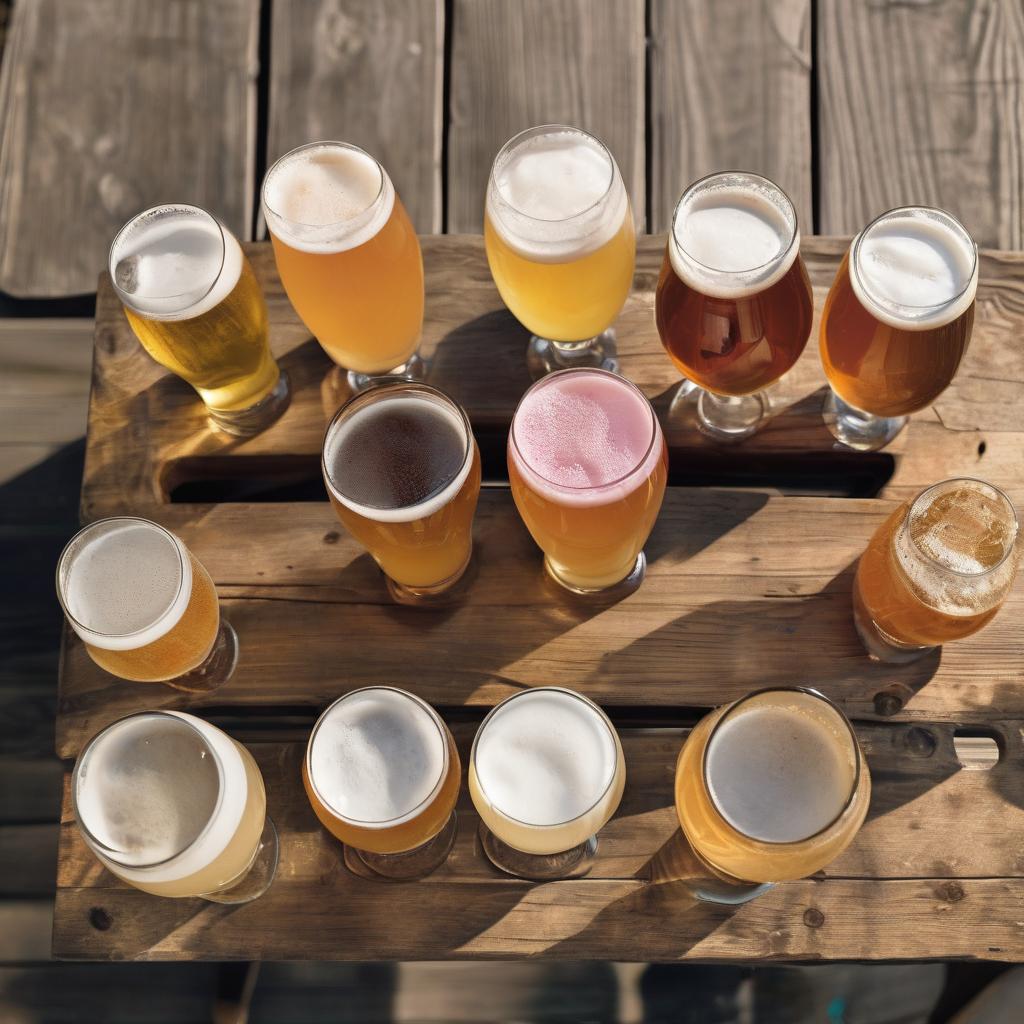
Key Takeaways
- Summer beers should stay between 3.5-5.5% ABV to maintain refreshment without heaviness
- Wheat beers and pilsners offer the most universally refreshing profiles with citrus and herbal notes
- Sour styles like gose and Berliner weisse provide unique thirst-quenching tartness ideal for hot weather
- Session IPAs deliver hop flavor at lower alcohol levels perfect for extended outdoor drinking
- Mexican lagers and blonde ales pair best with grilled foods and poolside gatherings
- Fruit-infused beers showcase seasonal ingredients like watermelon, peach, and citrus without excessive sweetness
Why Do Certain Beer Styles Work Better in Summer?
Summer beer styles succeed because they balance refreshment with flavor complexity while avoiding the heaviness associated with winter ales and stouts. The ideal summer beer combines high carbonation, moderate to low alcohol content, and bright flavor profiles that complement rather than overwhelm the palate in hot weather.
According to research published in the Journal of Sensory Studies, temperature significantly affects taste perception—warmer ambient temperatures reduce our sensitivity to bitterness while enhancing perception of sweetness and acidity. This physiological response explains why crisp, tart, and lightly sweet beers feel more satisfying when temperatures rise above 80°F.
The Beer Judge Certification Program style guidelines categorize summer-appropriate beers by their "drinkability factor"—a combination of finishing gravity, carbonation level, and perceived bitterness. Beers scoring high in drinkability share common traits: finishing gravities below 1.012, carbonation above 2.5 volumes of CO₂, and IBUs (International Bitterness Units) balanced against residual sweetness.
What Makes Wheat Beers Perfect for Hot Weather?
Wheat beers—including American wheat ales, hefeweizens, and witbiers—dominate summer beer sales because wheat protein creates a smooth, creamy mouthfeel without heaviness. These styles typically contain 30-70% wheat malt compared to barley, resulting in lighter body and enhanced carbonation retention.
Hefeweizen, the German wheat beer style, produces distinctive banana and clove flavors from specialized yeast strains that thrive at warmer fermentation temperatures. According to Brewers Association data, hefeweizen sales increase 34% during June through August, making it the second-most popular summer style after Mexican lagers.
Related: What Is Jun Tea — Ancient Fermented Green Tea Elixir
| Wheat Beer Style | Origin | ABV Range | Flavor Profile | Best Served |
|---|---|---|---|---|
| American Wheat Ale | United States | 4.0-5.5% | Clean, citrus, slightly tart | 40-45°F |
| Hefeweizen | Germany | 4.9-5.5% | Banana, clove, bread | 45-50°F |
| Witbier | Belgium | 4.5-5.5% | Coriander, orange peel, wheat | 40-45°F |
| Berliner Weisse | Germany | 2.8-3.8% | Sharp lactic tartness, wheat | 40-45°F |
Belgian witbiers like Hoegaarden add coriander and orange peel during brewing, creating herbal complexity that pairs exceptionally with summer salads and seafood. The CraftBeer.com style guide notes that authentic witbiers should pour cloudy due to suspended yeast and wheat proteins, contributing to their signature soft texture.
Why Are Pilsners the Ultimate Thirst Quencher?
Pilsners represent the world's most consumed beer style, and their dominance stems from a perfectly engineered balance of crisp bitterness, clean malt sweetness, and aggressive carbonation. Czech pilsners and German pilsners differ significantly—Czech versions showcase richer malt character and higher bitterness (35-45 IBUs), while German pilsners emphasize delicate noble hop aroma with moderate bitterness (25-40 IBUs).
According to BJCP style guidelines, authentic pilsners require decoction mashing and extended cold conditioning (lagering) at 32-40°F for 3-6 weeks. This process creates remarkably smooth beer with no fermentation byproducts—just pure malt, hops, water, and yeast flavors.
The American Homebrewers Association explains that lagering literally means "to store" in German, and this cold maturation allows harsh flavors to mellow while carbonation naturally integrates. The result is a beer that feels crisp and clean even after multiple glasses—essential for summer sessionability.
What's the Difference Between Czech and German Pilsner?
Czech pilsners originated in Plzeň (Pilsen) in 1842 and use Saaz hops exclusively, creating spicy, floral, and slightly grassy aromatics. These beers pour golden with dense white foam and finish with noticeable bitterness that stimulates the palate. German pilsners developed later, using similar techniques but emphasizing noble hop varieties like Hallertau, Tettnang, and Spalt for more delicate herbal and floral notes.
Both styles excel in summer because their carbonation levels reach 2.5-3.0 volumes CO₂—significantly higher than ales—creating a sparkling, champagne-like effervescence that feels cleansing on the tongue.
How Do Session IPAs Combine Flavor and Refreshment?
Session IPAs solve a common summer dilemma: how to enjoy hop-forward flavor without the alcohol punch of standard IPAs. By definition, session IPAs stay below 5.0% ABV while maintaining the aromatic hop character that IPA lovers crave through dry-hopping techniques and careful malt balance.
Research from ScienceDirect on dry-hopping chemistry shows that late-addition and dry-hopped beers extract primarily aromatic compounds (terpenes and essential oils) rather than bitter alpha acids. This technique allows brewers to load session IPAs with tropical fruit, citrus, and pine aromas while keeping IBUs moderate (25-50) and alcohol low.
According to the Brewers Association's 2026 production report, session IPAs now represent 18% of all craft beer sales during summer months, overtaking standard IPAs for the first time. This shift reflects consumer preference for "all-day" drinking beers that deliver flavor without fatigue.
What Hop Varieties Work Best in Session IPAs?
Modern session IPAs showcase New World hops like Citra, Mosaic, Galaxy, and Nelson Sauvin—varieties that contribute intense tropical fruit and citrus aromas even in small quantities. These hops contain high concentrations of linalool (floral, citrus), myrcene (herbal, tropical), and geraniol (rose, citrus), allowing brewers to achieve big flavor with minimal hop mass and bitterness extraction.
Australian Galaxy hops, for example, deliver passionfruit and peach aromatics so potent that brewers use them at just 1-2 ounces per gallon during dry-hopping—far less than traditional IPA recipes require.
Why Is Gose the Most Underrated Summer Style?
Gose (pronounced "GO-zuh") is a German sour wheat beer brewed with salt and coriander, creating one of the most distinctive and refreshing profiles available. Traditional gose contains 5-10 grams of salt per barrel, just enough to enhance other flavors without tasting overtly salty—similar to how salt amplifies sweetness in desserts.
The style originated in Goslar, Germany, and nearly disappeared before American craft brewers revived it in the 2010s. According to the BJCP's historical style notes, authentic gose uses Lactobacillus bacteria to produce lactic acid, creating clean tartness without the harsh acidity of acetic acid (vinegar).
The CraftBeer.com style guide explains that gose's saltiness acts as a natural electrolyte replenisher—making it scientifically superior to standard beers for post-exercise hydration or hot weather drinking. A 12-ounce gose typically contains 80-120mg of sodium, roughly 5% of daily recommended intake.
Related: What is Bone Broth — Complete Guide to Making It | WhichBrewForYou
How Should You Serve and Pair Gose?
Gose performs best served at 40-45°F in a tall, narrow glass that showcases its champagne-like carbonation and pillowy white head. The style pairs exceptionally with oysters, ceviche, grilled fish, fresh salads, and soft cheeses—any food that benefits from acidic contrast and salt enhancement.
Modern American interpretations add fruit purees during fermentation—watermelon gose, blood orange gose, and cucumber gose have become summer staples. These fruits complement rather than mask the base style's tartness and salinity.
What Makes Mexican Lagers So Crushable?
Mexican lagers—Vienna-style amber lagers and light lagers—dominate American summer beer consumption, with brands like Modelo, Corona, and Pacifico collectively holding 31% market share according to 2026 Brewers Association market data. Their success stems from extreme drinkability: light body, subtle malt sweetness, minimal bitterness, and carbonation levels that make them incredibly refreshing.
Mexican lagers use a higher percentage of adjuncts (corn or rice) compared to European lagers, resulting in a lighter body and cleaner finish that feels less filling in hot weather. The American Homebrewers Association's clone recipe guides reveal that authentic Mexican lagers contain 20-30% flaked corn, which ferments completely dry while contributing subtle sweetness.
These beers pair perfectly with lime wedges—the citrus acidity brightens the clean malt profile while adding vitamin C and additional refreshment. According to sensory research in the Journal of Food Science, lime juice's citric acid lowers the perceived pH of beer, making it taste crisper and more thirst-quenching.
How Do Blonde Ales Balance Approachability and Flavor?
Blonde ales (also called golden ales) represent the perfect entry point for craft beer newcomers while satisfying experienced drinkers seeking easy-drinking summer options. These ales typically clock in at 4.5-5.5% ABV with 15-25 IBUs, offering just enough hop presence to balance clean malt sweetness without assertive bitterness.
According to the BJCP's blonde ale style guidelines, the style should showcase American or Noble hops subtly, with fruity esters from ale yeast kept minimal through cool fermentation temperatures. The result is a beer that drinks like a lager but with slightly fuller body and softer carbonation.
Blonde ales shine in social settings where not everyone shares the same beer preferences. Their neutral profile pairs with virtually any food—from burgers and grilled chicken to spicy tacos and barbecue—making them ideal for cookouts and diverse gatherings.
Why Are Fruit Beers More Sophisticated Than You Think?
Fruit beers have evolved far beyond the overly sweet, artificially flavored versions that dominated the 1990s. Modern craft fruit beers use real fruit purees, juices, or whole fruit additions during fermentation or conditioning, allowing natural fruit sugars to ferment while preserving authentic fruit character.
According to Brewers Association technical guidelines, brewers typically add 0.5-2 pounds of fruit per gallon of beer to achieve noticeable fruit flavor without cloying sweetness. Fruits like watermelon, peach, apricot, raspberry, and citrus work particularly well because their acidity and natural sugars complement beer's existing flavor profile.
The CraftBeer.com fruit beer style guide notes that the best examples balance fruit character with base beer style—a fruit wheat beer should still taste primarily like wheat beer with fruit as an accent, not a fruit smoothie with beer notes.
Which Fruits Pair Best with Summer Beer Styles?
Watermelon pairs exceptionally with wheat beers and gose, adding subtle sweetness and melon aroma without heavy fruit flavor. Peach and apricot work beautifully in blonde ales and saisons, contributing stone fruit character that complements pale malt. Citrus fruits (grapefruit, blood orange, lemon) enhance IPAs and wheat beers by amplifying existing citrus hop notes while adding natural tartness.
Berries like raspberry, blackberry, and blueberry shine in sour styles, where their natural acidity harmonizes with lactic tartness to create complex, wine-like profiles.
What About Saisons and Farmhouse Ales?
Saisons—Belgian farmhouse ales—were literally brewed for summer field workers, designed to refresh and nourish during harvest season. Authentic saisons feature complex yeast-driven flavors (pepper, clove, citrus), high carbonation, dry finish, and moderate strength (5.0-7.0% ABV), making them sophisticated yet refreshing.
According to BJCP saison style guidelines, these beers should finish extremely dry (final gravity 1.002-1.008) with pronounced carbonation (3.0+ volumes CO₂) that creates a champagne-like effervescence. The dryness prevents any cloying sweetness, while carbonation scrubs the palate clean between sips.
Saison yeast strains (most famously Wyeast 3724 and White Labs WLP565) produce complex phenolic and estery compounds at warm fermentation temperatures (75-90°F), creating black pepper, citrus peel, and tropical fruit aromatics that feel refreshing rather than heavy. The American Homebrewers Association's saison yeast guide explains that these strains thrive in summer ambient temperatures, making saison one of the few styles that actually benefits from warm fermentation conditions.
How Should You Serve Summer Beer Styles?
Serving temperature dramatically affects beer flavor perception and refreshment. Most summer styles perform best at 40-50°F—cold enough to refresh without numbing taste buds that detect subtle flavors. Over-chilling beer below 35°F suppresses aromatics and creates a thin, watery mouthfeel even in well-crafted examples.
| Beer Style | Ideal Serving Temp | Recommended Glassware | Serving Notes |
|---|---|---|---|
| Mexican Lager | 35-40°F | Pilsner glass or bottle | Serve very cold with lime wedge |
| Pilsner | 40-45°F | Tall pilsner glass | Pour slowly for dense foam head |
| Wheat Beer | 45-50°F | Weizen glass | Rouse yeast sediment before pouring |
| Session IPA | 45-50°F | IPA glass or tulip | Gentle pour to preserve hop aromatics |
| Gose/Berliner | 40-45°F | Tumbler or stemmed glass | Vigorous pour creates mousse-like head |
| Saison | 45-50°F | Tulip or wine glass | Swirl to release complex aromatics |
According to research published in Chemical Senses, taste receptor sensitivity peaks at 40-50°F for most flavor compounds, explaining why this range maximizes both refreshment and flavor perception. Colder temperatures numb receptors while warmer temperatures can make light beers taste thin or hot from alcohol presence.
What Food Pairings Work Best with Summer Beers?
Summer beer styles pair naturally with grilled foods, seafood, salads, and lighter fare that dominates warm-weather menus. The key principle is matching beer intensity to food intensity—delicate foods need subtle beers, while boldly spiced dishes can handle more assertive styles.
Wheat beers complement salads, grilled chicken, fish tacos, and fresh mozzarella because their citrus notes and creamy texture harmonize with light, bright flavors. Pilsners cut through fried foods and fatty meats (bratwurst, pork chops, fried chicken) with crisp carbonation and cleansing bitterness that reset the palate between bites.
According to CraftBeer.com's grilling and beer pairing guide, session IPAs work beautifully with burgers, grilled vegetables, and cedar-plank salmon because their hop bitterness balances caramelized char flavors while fruit-forward aromatics complement smoke.
Gose and Berliner weisse excel with raw oysters, ceviche, goat cheese, and fruit-based desserts—their tartness and salinity amplify briny, acidic, or tangy foods. Mexican lagers pair universally with Mexican and Tex-Mex cuisine, from street tacos and elote to carne asada and chips with salsa.
Why Does Beer Pair Better Than Wine with Grilled Foods?
Beer's carbonation, bitterness, and lower alcohol content make it naturally superior to wine for grilled and barbecued foods. Carbonation acts as a physical palate cleanser, scrubbing away fat and char between bites. Bitterness from hops cuts through rich, fatty proteins while balancing sweet barbecue sauces. Lower alcohol (compared to wine's 12-15%) prevents palate fatigue during extended outdoor meals.
A study in the Journal of Agricultural and Food Chemistry found that beer's carbonation increases saliva production by 40% compared to still beverages, explaining why beer feels more refreshing with food than wine or spirits.
People Also Ask
What is the most refreshing beer for hot weather?
Czech pilsner and Mexican lager consistently rank as the most refreshing beers for hot weather due to their high carbonation, crisp finish, and clean flavor profiles. Both styles showcase light body and moderate ABV (4.5-5.2%) that won't cause dehydration or heaviness. Pilsners add noble hop bitterness that stimulates the palate, while Mexican lagers offer ultra-smooth drinkability with subtle corn sweetness.
Can you drink heavy beers in summer?
While personal preference varies, heavy beers above 7% ABV with rich malt character (stouts, barleywines, imperial IPAs) generally feel less refreshing in hot weather. High alcohol contributes to dehydration and perceived warmth, while heavy body creates fullness that conflicts with summer's lighter food and outdoor activities. Save heavy styles for cooler evenings or air-conditioned settings.
What's the difference between a summer ale and a blonde ale?
"Summer ale" is a marketing term rather than a defined style—breweries use it to describe any light, refreshing beer released seasonally. Blonde ales are a specific BJCP-recognized style (18A) with defined parameters: 4.5-5.5% ABV, 15-28 IBUs, and balanced malt-hop character. Many summer ales are actually blonde ales, wheat ales, or light lagers rebranded for seasonal appeal.
Expert Verdict: The Ultimate Summer Beer Lineup
For maximum versatility across different drinking occasions, stock your summer cooler with these five styles: Mexican lager (universal crowd-pleaser and food pairing), Czech pilsner (sophisticated refreshment), American wheat ale (approachable and citrusy), session IPA (hop flavor without heaviness), and gose (unique tartness for adventurous drinkers). This combination covers every palate preference while ensuring you never serve a beer that feels too heavy, too bitter, or too boring for warm weather. When in doubt, choose the beer with the highest carbonation and lowest ABV—those two factors predict summer drinkability better than any other variables.
Summary
- The best summer beer styles prioritize refreshment through high carbonation, moderate ABV (3.5-5.5%), and crisp finishes that don't coat the palate
- Wheat beers (hefeweizen, witbier, American wheat) deliver citrus and spice notes with smooth texture that feels lighter than standard ales
- Pilsners represent the gold standard for thirst-quenching thanks to noble hops, extended lagering, and champagne-like carbonation
- Session IPAs solve the summer IPA dilemma by delivering hop aromatics at lower alcohol through aggressive dry-hopping techniques
- Sour styles (gose, Berliner weisse) offer scientifically superior refreshment with electrolyte-rich salt additions and palate-cleansing tartness
- Mexican lagers dominate summer sales due to their extreme drinkability, corn-adjunct lightness, and universal food compatibility
- Fruit beers using real fruit additions create sophisticated summer options when balanced properly with base beer character
- Proper serving temperature (40-50°F) maximizes both refreshment and flavor perception—avoid over-chilling below 35°F
- Summer beers pair naturally with grilled foods, seafood, salads, and spicy cuisine due to carbonation, bitterness, and moderate alcohol
Frequently Asked Questions
What defines a good summer beer?
A good summer beer combines high carbonation (2.5+ volumes CO₂), moderate alcohol (under 5.5% ABV), crisp or tart flavor profile, and clean finish that doesn't linger heavily on the palate. Light body, bright aromatics, and balanced bitterness enhance refreshment without overwhelming in hot weather.
Should summer beers be served extra cold?
No—over-chilling beer below 35°F suppresses aromatics and flavor while creating thin mouthfeel. Serve most summer styles at 40-50°F to maximize both refreshment and taste perception. Only ultra-light lagers benefit from colder temperatures around 35-38°F.
Are sour beers actually refreshing?
Yes—sour beers like gose and Berliner weisse are exceptionally refreshing because lactic acid stimulates saliva production and their tartness cuts through palate fatigue. The salt in gose acts as a natural electrolyte replenisher, making it scientifically superior for hot weather hydration compared to standard beers.
How many summer beers can you drink safely?
The CDC recommends no more than two standard drinks (12 oz at 5% ABV) per day for men, one for women. Summer's heat increases dehydration risk, so alternate beer with water and choose lower-ABV styles (under 5%) to extend sessionability while minimizing alcohol intake and dehydration.
Do fruit beers have more calories than regular beer?
Not necessarily—most craft fruit beers contain 150-180 calories per 12 oz, similar to standard ales. Fruit additions replace some malt, keeping calorie counts comparable. However, some commercial fruit beers add sugar or syrup post-fermentation, increasing calories to 200+ per serving.
What's the best beer for a beach cooler?
Mexican lagers and American light lagers work best for beach coolers because they tolerate temperature fluctuations, taste refreshing when slightly warm, and come in aluminum cans that chill quickly and won't break on sand. Choose 12 oz cans over bottles for portability and safety.
More Beer Articles
This article was produced by an automated research tool. Content is for informational purposes only and should not replace professional advice. Nothing here is medical advice, and it is not a substitute for it. Talk to a doctor about anything affecting your health. Product and resource links throughout this article are included for informational value based on relevance and quality. WhichBrewForYou has no affiliate relationship with any linked third-party site and receives no commission from any recommended products or brands. BellofattoBrews (coffee and tea) and Golden Hive Mead (mead kits and resources) are personal recommendations from this publication's founder and have no affiliation with WhichBrewForYou.