Key Takeaways
- Tepache ferments naturally using wild yeast from pineapple skins in just 2-3 days
- Core ingredients are pineapple rinds, piloncillo or brown sugar, water, and optional spices like cinnamon
- No special equipment needed beyond a large glass jar and cheesecloth
- Finished tepache stays fresh refrigerated for 5-7 days and can be enjoyed plain or carbonated
Making tepache at home is one of the most accessible fermentation projects for beginners. This traditional Mexican drink transforms what most people throw away—pineapple rinds and cores—into a refreshing probiotic beverage with minimal effort and zero specialized equipment.
Unlike kombucha which requires a SCOBY starter or kefir which needs grains, tepache is entirely self-starting. According to chef Rick Bayless, a leading authority on Mexican cuisine, tepache has been made using this simple method for centuries throughout Mexico, particularly in the states of Jalisco and Veracruz where it remains a popular street beverage.
This guide covers everything from ingredient selection and fermentation science to troubleshooting common problems and creative flavor variations. You'll learn the traditional method plus modern adaptations for consistent results every time.
What Is Tepache and Why Make It at Home?
Tepache is a lightly fermented pineapple drink originating in pre-Columbian Mexico. The name derives from the Nahuatl word "tepiatl" meaning "drink made from corn," though the modern version uses pineapple as the primary ingredient. Traditional tepache ferments for 2-5 days, developing a complex flavor profile that balances sweet, sour, and slightly funky notes.
Wild yeasts primarily from the Saccharomyces genus convert sugars into ethanol and carbon dioxide, while lactic acid bacteria produce beneficial acids that lower pH and create the characteristic tang. A study published in the Journal of Food Science identified over 15 different yeast and bacterial species in traditional tepache, creating a complex microbial ecosystem.
Making tepache at home offers several advantages over store-bought versions. You control sugar content, fermentation time, and spice levels while avoiding preservatives and pasteurization that kill beneficial probiotics. The cost is minimal since you're using fruit scraps that would otherwise be composted. A single pineapple produces enough tepache to fill multiple bottles, making it far more economical than purchasing commercial fermented beverages.
Tepache contains probiotics from natural fermentation, though exact concentrations vary based on fermentation time and temperature.
The fermentation process also increases bioavailability of nutrients present in pineapple. The drink provides vitamin C, B vitamins produced during fermentation, and minerals extracted from piloncillo including iron, calcium, and magnesium.
This is significantly less alcohol than beer or wine, comparable to certain commercial kombucha brands. Extended fermentation beyond 3 days increases alcohol content, which is important to monitor if serving to children or avoiding alcohol entirely.
Essential Ingredients for Authentic Tepache
Traditional tepache requires just four core ingredients, all readily available at most grocery stores. Quality ingredients directly impact flavor and fermentation success, so understanding what to look for makes a significant difference in the final product.
Pineapple: The Foundation Ingredient
Fresh pineapple provides both the fermentable sugars and the wild yeast necessary for spontaneous fermentation. The rinds and core contain the highest concentration of naturally occurring microorganisms, making them more valuable for tepache than the fruit flesh itself.
Choose a ripe pineapple with golden-yellow skin and a sweet aroma at the base. According to USDA FoodData Central, ripe pineapple contains approximately 10g of natural sugars per 100g, providing ample food for fermentation. Avoid pineapples with soft spots, mold, or overly green coloring, as these may harbor unwanted bacteria or lack sufficient wild yeast.
Organic pineapple is preferable but not essential. Conventional pineapple works well if you rinse the skin thoroughly with water to remove surface pesticides without eliminating the beneficial microorganisms. Never use pre-cut pineapple sold in containers, as refrigeration and processing reduce viable wild yeast populations.
Piloncillo: Traditional Unrefined Sugar
Piloncillo is unrefined cane sugar sold in cone-shaped blocks throughout Mexico and Latin American markets. It contains molasses, minerals, and complex sugars that contribute depth and color to tepache. The mineral content also provides nutrients that support healthy fermentation.
If piloncillo is unavailable, substitute with dark brown sugar, panela, or jaggery. Standard white sugar works functionally but produces a less complex flavor profile. Use approximately 200-250g of sweetener per 2 liters of water as a baseline, adjusting based on personal sweetness preference and pineapple ripeness.
Chop piloncillo into small chunks or grate it before adding to facilitate dissolution. Large pieces take days to fully dissolve, creating uneven sugar distribution that can affect fermentation consistency.
| Sweetener Type | Flavor Impact | Availability | Best For |
|---|---|---|---|
| Piloncillo | Rich, molasses notes with caramel undertones | Latin markets, specialty stores | Traditional authentic tepache |
| Dark Brown Sugar | Moderate molasses flavor, slight caramel | All grocery stores | Accessible substitute with good depth |
| White Sugar | Clean, neutral sweetness only | All grocery stores | Highlighting pineapple and spice flavors |
| Panela/Jaggery | Complex, earthy sweetness | International markets | Experimenting with flavor variations |
Water Quality Matters for Fermentation
Use filtered or spring water for tepache to avoid chlorine and chloramine found in most municipal tap water. These disinfectants kill beneficial microorganisms and can prevent or slow fermentation. If using tap water, let it sit uncovered for 24 hours to allow chlorine to evaporate, though this doesn't remove chloramine.
The ideal water pH for tepache fermentation is 6.0-7.0, which is neutral to slightly acidic. Most municipal and spring water falls within this range naturally. Avoid distilled water as it lacks minerals that support yeast activity.
Traditional Spices and Aromatics
Cinnamon sticks are the most common tepache spice, adding warmth and complexity. Mexican canela (Ceylon cinnamon) is traditional and provides a lighter, sweeter flavor than cassia cinnamon. Use 2-3 sticks per 2 liters of tepache.
Optional additions include whole cloves (2-4 pieces), star anise (1-2 pods), fresh ginger (5cm piece, sliced), or black peppercorns (5-8 pieces). These spices should complement, not overpower, the pineapple fermentation flavor. Start conservatively—you can always add more spice on your next batch based on preference.
Step-by-Step Tepache Brewing Instructions
The tepache fermentation process is remarkably simple and forgiving. This traditional method produces consistently good results with minimal intervention. Total active preparation time is under 15 minutes, with fermentation handling itself over the following days.
- Prepare the pineapple: Wash the outside of a whole pineapple thoroughly under running water, scrubbing gently to remove dirt without eliminating surface yeasts. Cut off the top and bottom, then slice away the skin in strips, keeping the rinds approximately 1cm thick with some yellow flesh attached. Reserve the peeled fruit for eating. Chop the core and rinds into 3-5cm pieces.
- Combine ingredients in a fermentation vessel: Place all pineapple pieces (rinds, core, and any trimmings) into a large glass jar or food-grade plastic container. A 4-liter glass jar works perfectly for one pineapple. Add 200-250g grated piloncillo or brown sugar and 2-3 cinnamon sticks. Pour 2 liters of room-temperature filtered water over the ingredients.
- Stir until sugar dissolves: Use a clean wooden spoon or spatula to stir vigorously for 1-2 minutes, ensuring sugar begins dissolving and all pineapple pieces are submerged. Some sugar may settle at the bottom initially—this will dissolve as you stir daily.
- Cover loosely to allow gas escape: Cover the jar opening with cheesecloth, a clean kitchen towel, or a coffee filter secured with a rubber band. Never use an airtight lid, as carbon dioxide produced during fermentation needs to escape. Airtight containers can build dangerous pressure or explode.
- Ferment at room temperature: Place the covered jar in a location away from direct sunlight at 20-25°C (68-77°F). Cooler temperatures slow fermentation; warmer temperatures accelerate it. A kitchen counter away from windows works well.
- Stir daily and monitor progress: Stir the tepache once every 12-24 hours to redistribute ingredients and prevent mold formation on floating pineapple pieces. You should see small bubbles forming within 12-24 hours, indicating active fermentation. Taste after 48 hours—tepache is ready when it's pleasantly tangy with balanced sweetness, typically 2-3 days.
- Strain and bottle: When fermentation reaches your preferred flavor, strain tepache through a fine-mesh sieve or cheesecloth into clean bottles. Discard the pineapple solids and spices. Refrigerate immediately to slow fermentation and preserve flavor.
According to Rick Bayless, traditional tepache makers in Mexico often ferment for only 48 hours during warm weather and up to 4 days in cooler conditions. The key is tasting regularly and stopping when the balance of sweet and sour matches your preference.
How to Tell When Tepache Is Ready
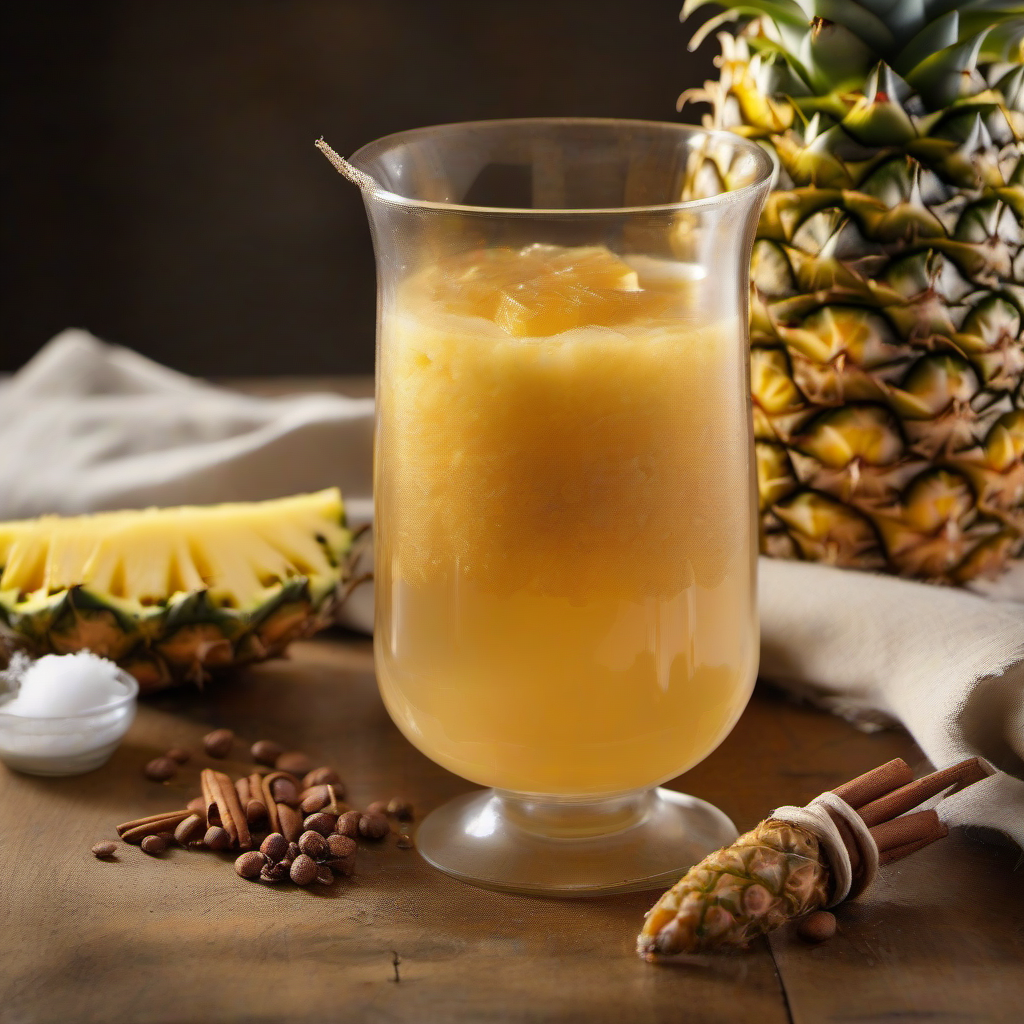
Properly fermented tepache exhibits several clear indicators. The liquid turns cloudy and develops a pale golden to amber color depending on sugar type. Small bubbles actively rise to the surface when the jar is gently moved. The aroma shifts from purely sweet pineapple to a complex bouquet with yeasty, slightly funky notes alongside fruit.
Taste is the definitive test. Ready tepache balances sweet and tart flavors with a mild fizz on the tongue. It should taste refreshing and complex, not cloying or overly sour. If too sweet, ferment another 12-24 hours. If too sour or starting to taste alcoholic, you've over-fermented—still drinkable but with stronger alcohol content and sharper acidity.
The ideal pH for finished tepache is 3.5-4.0, creating an environment hostile to pathogenic bacteria while preserving beneficial microorganisms. You can measure this with pH strips if you want precision, though taste testing is the traditional and equally effective method.
Common Problems and How to Fix Them
Even simple fermentation projects occasionally present challenges. Understanding what went wrong helps you adjust technique for future batches and salvage current ones when possible.
No Fermentation Activity After 24-48 Hours
If you see no bubbles and detect no change in aroma or taste after two days, fermentation hasn't started. The most common cause is chlorinated water killing wild yeast. Start over with filtered or dechlorinated water.
Excessively cold temperatures below 18°C also inhibit yeast activity. Move the jar to a warmer location and give it another 24 hours. If the pineapple was heavily waxed or treated with antimicrobial sprays, insufficient viable yeast may be present. Try again with organic pineapple or add a tablespoon of unpasteurized apple cider vinegar to introduce beneficial bacteria.
White Film or Mold Developing on Surface
A thin white film (kahm yeast) sometimes forms on the liquid surface. This is harmless but can create off-flavors if left unchecked. Simply skim it off with a clean spoon and continue fermentation. Stirring daily prevents kahm yeast from establishing.
Fuzzy mold in colors like black, green, blue, or pink indicates contamination, likely from unclean equipment or prolonged exposure to air. If you see fuzzy mold, discard the entire batch. Mold produces mycotoxins that permeate the liquid and cannot be removed by straining.
Prevent mold by ensuring all pineapple pieces stay submerged below the liquid surface. Use a fermentation weight or small plate to keep floating pieces down. Always stir with clean utensils.
Tepache Tastes Too Sour or Alcoholic
Over-fermentation occurs when tepache sits too long at warm temperatures. The yeast converts most sugars to alcohol and bacteria produce excessive acetic acid, creating vinegar-like sharpness. While safe to drink, it's less pleasant than properly fermented tepache.
Blend over-fermented tepache with fresh fruit juice or use it as a base for cocktails and marinades where the acidity becomes an asset. For future batches, reduce fermentation time by 12-24 hours or ferment at slightly cooler temperatures (20-22°C instead of 25°C).
Tepache Lacks Carbonation
Tepache straight from fermentation has mild carbonation. For stronger fizz, perform a secondary fermentation in sealed bottles. After straining, pour tepache into flip-top bottles or recycled kombucha bottles with tight-sealing caps. Add 1 teaspoon of sugar per 500ml bottle. Seal and leave at room temperature for 12-24 hours to build carbonation, then refrigerate.
According to research published in Food Microbiology, secondary fermentation in sealed containers allows carbon dioxide to dissolve into the liquid rather than escape, increasing carbonation levels similar to commercial soft drinks. Always burp bottles daily during secondary fermentation to prevent over-carbonation and potential bottle explosions.
How to Serve and Store Finished Tepache
Proper serving temperature and storage preserves tepache quality and prevents over-fermentation. Refrigeration is essential once fermentation reaches your desired flavor profile, as cold temperatures dramatically slow yeast and bacterial activity without stopping it entirely.
Serve tepache chilled over ice in short glasses. Traditional presentations in Mexico often include a salt and chili powder rim similar to michelada beer cocktails. Garnish with fresh pineapple wedges or lime wheels for visual appeal.
Refrigerated tepache stays fresh for 5-7 days in sealed containers. The flavor continues developing slowly even when cold, becoming slightly more sour over time. Carbonation decreases gradually as carbon dioxide escapes when opening and resealing bottles. For maximum fizz, pour entire bottles in single servings rather than repeatedly opening the same container.
Creative Serving Suggestions
Beyond drinking tepache straight, this versatile fermented beverage works in numerous applications:
- Cocktail mixer: Substitute tepache for simple syrup in margaritas, mojitos, or palomas. The acidity and complexity reduce the need for additional citrus and sweetener.
- Beer cocktail base: Mix equal parts tepache and light Mexican lager for a refreshing hybrid beverage popular in Jalisco cantinas.
- Smoothie ingredient: Add 100-150ml tepache to fruit smoothies for probiotic content and tropical complexity.
- Salad dressing component: Whisk tepache with olive oil, lime juice, and salt for a unique vinaigrette with subtle sweetness.
- Marinade for grilled meats: The acidity and enzymes in tepache tenderize chicken, pork, or fish while adding flavor. Marinate for 2-4 hours before grilling.
Freezing Tepache for Long-Term Storage
Freeze excess tepache in ice cube trays or freezer-safe containers for up to 3 months. Freezing kills most probiotics but preserves flavor. Frozen tepache cubes work excellently in blended drinks or as a flavoring component for sauces and marinades where live cultures aren't the primary goal.
When thawing, refrigerate overnight rather than using microwave or hot water, which can create off-flavors. Thawed tepache may separate slightly—shake or stir before serving to recombine.
Flavor Variations and Recipe Adaptations
Once you've mastered basic tepache, experiment with these variations to create unique flavor profiles. The core fermentation technique remains identical—only the ingredients change.
Tropical Fruit Additions
Add 2-3 cups of chopped mango, papaya, or strawberries along with the pineapple for layered fruit complexity. These fruits contribute their own wild yeasts and sugars while maintaining the traditional tepache character. Avoid citrus fruits which can overpower the delicate fermentation flavor and create excessive acidity.
Herbal and Floral Infusions
Fresh herbs like mint, basil, or cilantro (2-3 sprigs) add aromatic dimension. Dried hibiscus flowers (2 tablespoons) create a beautiful ruby color and tart cranberry-like notes. Add herbs during initial fermentation or steep them in finished tepache for 2-4 hours before straining.
Chile-Spiced Tepache
For a savory-sweet version, add 1-2 dried chile de árbol or 5cm of fresh jalapeño (sliced) during fermentation. The capsaicin provides warming heat that complements pineapple sweetness. This style is popular in coastal Mexican regions and pairs excellently with seafood.
Low-Sugar Tepache
Reduce piloncillo to 100-150g per 2 liters for a less sweet, more acidic tepache with lower residual sugar and fewer calories. Fermentation will be slightly slower due to less available food for yeast, so extend fermentation time by 12-24 hours. The finished product has a dry, wine-like quality with prominent pineapple tartness.
People Also Ask About Making Tepache
Can I make tepache without sugar?
Tepache requires sugar for fermentation—yeast converts sugars into alcohol and acids that create the characteristic flavor. Without added sugar, only the pineapple's natural sugars ferment, producing weak flavor and minimal fermentation activity. You can reduce sugar significantly but cannot eliminate it entirely while maintaining traditional tepache qualities.
Is tepache alcoholic enough to cause intoxication?
Standard tepache fermented for 2-3 days contains 1-2% alcohol by volume, similar to low-alcohol beer or certain kombucha brands. This is insufficient to cause intoxication in adults consuming normal serving sizes. Extended fermentation beyond 5 days can increase alcohol to 3-4%, comparable to light beer.
Can I reuse pineapple rinds for multiple batches?
No. Pineapple rinds become depleted of sugars and flavor compounds after one fermentation cycle. The wild yeast population also decreases significantly. Always use fresh pineapple for each new batch. However, you can save 100-150ml of finished tepache as a starter culture for your next batch, accelerating fermentation.
Expert Verdict: Why Tepache Belongs in Your Fermentation Routine
Tepache is the ideal gateway fermentation project for beginners and a reliable staple for experienced fermenters. It requires no specialized equipment, no purchased starter cultures, and no precise temperature control. The fermentation timeline is short enough to maintain interest while teaching fundamental fermentation observation skills applicable to more complex projects like kombucha, kefir, or sourdough.
The probiotic content, while variable, provides genuine digestive benefits according to peer-reviewed research from PubMed. The low cost—essentially free if you already buy pineapple for eating—makes tepache sustainable as a regular household beverage. The flavor versatility accommodates both adventurous and conservative palates through simple ingredient adjustments.
For anyone interested in fermentation, probiotics, or reducing food waste, tepache delivers maximum reward for minimal effort. Start with the traditional method outlined here, then experiment with variations once you understand how fermentation progresses. Your first successful batch proves you can harness wild fermentation—a skill humans have practiced for thousands of years.
Article Summary: Making Tepache at Home
- Tepache is a traditional Mexican fermented pineapple drink made from rinds, piloncillo, and spices using wild yeast fermentation over 2-3 days
- Core ingredients are pineapple (with rinds and core), 200-250g piloncillo or brown sugar, 2L filtered water, and cinnamon sticks
- No special equipment needed—just a glass jar, cheesecloth, and basic kitchen tools for the entire brewing process
- Finished tepache keeps refrigerated for 5-7 days and can be served plain, carbonated, or used as a cocktail mixer and cooking ingredient
Frequently Asked Questions
How long does homemade tepache last in the refrigerator?
Properly strained and refrigerated tepache stays fresh for 5-7 days in sealed containers. The flavor becomes progressively more sour as fermentation continues slowly even when cold. Carbonation decreases over time as carbon dioxide escapes. For best quality, consume within one week.
What type of container is best for fermenting tepache?
Glass jars are ideal because they don't absorb odors, are easy to clean, and allow visual monitoring of fermentation. Food-grade plastic containers work but can retain smells. Avoid metal containers as acids produced during fermentation can react with certain metals creating off-flavors and potentially harmful compounds.
Can I ferment tepache in the refrigerator instead of room temperature?
Refrigerator temperatures (2-4°C) are too cold for active fermentation. Yeast activity becomes dormant below 10°C. Tepache must ferment at room temperature (20-25°C) to develop proper flavor and carbonation. Once fermentation finishes, refrigerate immediately to preserve quality and prevent over-fermentation.
Is it safe to drink tepache if I'm pregnant?
Consult your healthcare provider before consuming fermented beverages during pregnancy. Tepache contains small amounts of alcohol (1-2%) and unpasteurized probiotics. While many fermented foods are safe during pregnancy according to Mayo Clinic, individual health circumstances vary and professional medical advice should guide this decision.
What should I do with the fermented pineapple rinds after straining?
Discard fermented pineapple rinds in compost bins where they break down quickly. They've released their sugars and flavor into the liquid and aren't pleasant to eat. Some people use them as additions to smoothies for fiber, but the texture is tough and flavor minimal after fermentation.
Can I use canned pineapple or pineapple juice instead of fresh pineapple?
No. Canned pineapple is heat-processed which kills the wild yeast necessary for spontaneous fermentation. Pineapple juice lacks the rind where most beneficial microorganisms live. Fresh whole pineapple with intact skin is essential for traditional tepache. Only fresh raw pineapple provides both the yeast and the substrate needed.
This article was produced by an automated research tool. Content is for informational purposes only and should not replace professional advice. Nothing here is medical advice, and it is not a substitute for it. Talk to a doctor about anything affecting your health. Product and resource links throughout this article are included for informational value based on relevance and quality. WhichBrewForYou has no affiliate relationship with any linked third-party site and receives no commission from any recommended products or brands. BellofattoBrews (coffee and tea) and Golden Hive Mead (mead kits and resources) are personal recommendations from this publication's founder and have no affiliation with WhichBrewForYou.