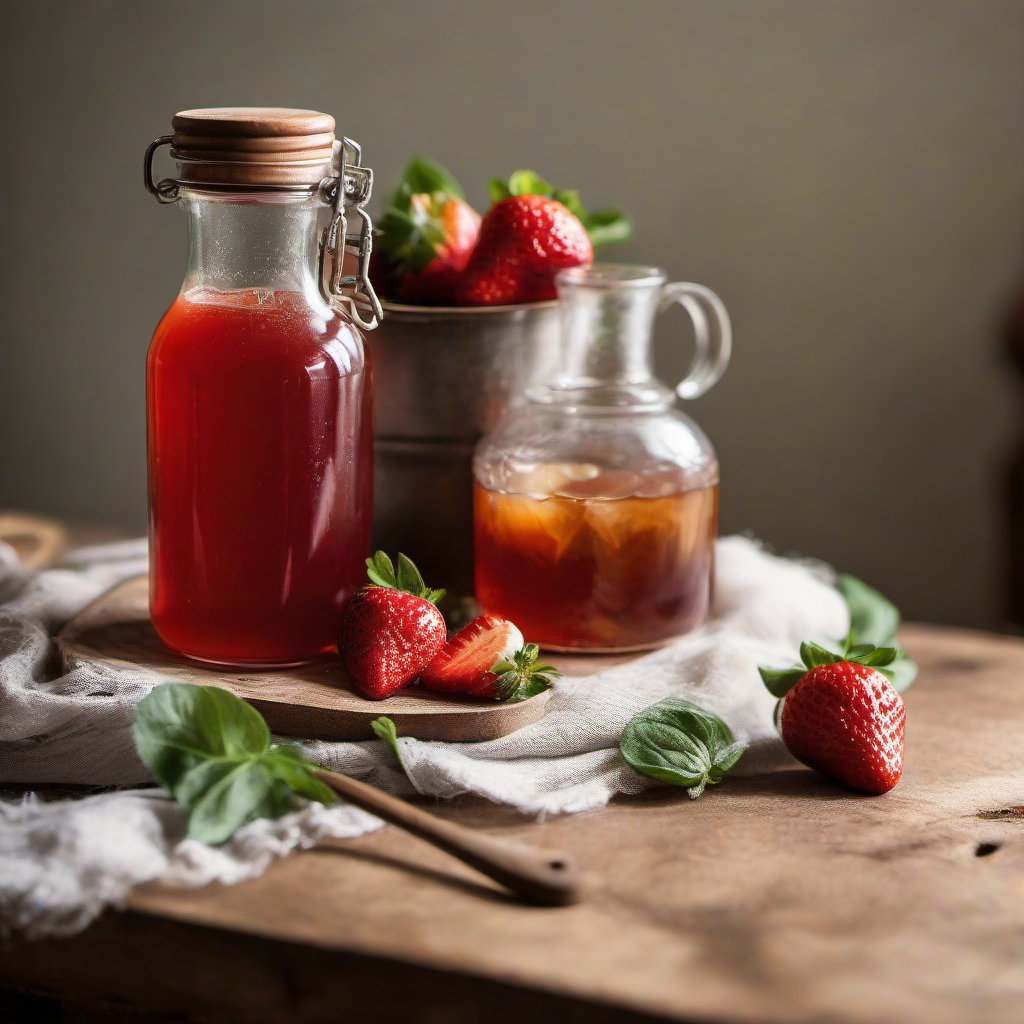
Key Takeaways
- Shrub syrup requires only three core ingredients: fresh fruit, sugar, and vinegar in roughly equal proportions
- The cold maceration method takes 3-7 days but preserves bright fruit flavors and produces more complex taste profiles
- Hot infusion methods reduce preparation time to under 1 hour while creating deeper, jammy flavor notes
- Apple cider vinegar is the most versatile base, while white wine vinegar and champagne vinegar create lighter, more delicate shrubs
- Properly sealed shrub syrups remain shelf-stable for 6-12 months in refrigeration due to the natural preservative qualities of both sugar and vinegar
What Is Shrub Syrup and Why Make It at Home?
Shrub syrup is a concentrated fruit vinegar syrup with colonial American origins, experiencing a major revival in craft cocktail culture since the early 2010s. The term "shrub" derives from the Arabic word "sharab" (meaning drink), reflecting the ancient practice of preserving fruit in acidic solutions. Modern shrubs combine fruit, sugar, and vinegar to create intensely flavored concentrates that add complexity to both alcoholic and non-alcoholic beverages.
Making shrub syrup at home offers complete control over fruit selection, sweetness levels, and vinegar types while eliminating the additives and preservatives found in commercial versions. Pok Pok Som, a leading drinking vinegar producer, notes that homemade shrubs allow for seasonal fruit experimentation and customization impossible with mass-produced options. A single batch costs approximately $8-12 to produce and yields 16-24 servings when mixed with sparkling water or spirits.
According to Shrub & Co, the drinking vinegar market has grown 34% since 2022, driven by consumer interest in low-sugar cocktail alternatives and gut-health fermented beverages. The acetic acid in vinegar-based shrubs provides the same tangy satisfaction as citrus juice while offering longer shelf life and unique flavor dimensions.
What Ingredients Do You Need to Make Shrub Syrup?
The foundation of any shrub syrup consists of three primary ingredients in roughly equal proportions: fruit, sugar, and vinegar. The standard ratio is 1:1:1 by weight, though this can be adjusted based on fruit sweetness and personal preference.
Fruit Selection and Preparation
Fresh, ripe seasonal fruit produces the best shrub syrups with the most vibrant flavors. Berries (strawberries, raspberries, blackberries, blueberries) work exceptionally well due to their high natural acid content and intense aromatics. Stone fruits (peaches, nectarines, plums, cherries) create rich, jammy shrubs particularly suited to hot infusion methods. Citrus fruits (blood oranges, grapefruit, Meyer lemons) produce bright, acidic shrubs that pair well with lighter vinegars.
Research published in the Journal of Food Science confirms that fruit with higher Brix levels (natural sugar content) requires less added sugar to achieve balanced sweetness, while tart fruits like cranberries or sour cherries may need sugar ratios increased to 1.25:1 or 1.5:1 fruit to sugar.
Prepare fruit by washing thoroughly, removing stems and pits, and cutting into uniform pieces. Berries can be lightly crushed or left whole. Stone fruits should be chopped into 1-inch pieces to maximize surface area for maceration.
Related: What Is Switchel — The Original Energy Drink | WhichBrewForYou
Sugar Types and Sweetness Levels
Granulated white sugar remains the most common sweetener, providing clean sweetness without interfering with fruit flavors. Alternative sweeteners create distinct flavor profiles: raw cane sugar adds subtle molasses notes, honey (use 0.75:1 ratio due to higher sweetness) contributes floral complexity, and maple syrup (particularly Grade A amber) creates earthy undertones.
Demerara and turbinado sugars work well in stone fruit shrubs, where their caramel notes complement the fruit's natural richness. Avoid artificial sweeteners entirely—they lack the preservative properties of sugar and create unpleasant aftertastes when combined with vinegar.
Vinegar Varieties and Flavor Impacts
Apple cider vinegar is the most versatile shrub base, offering fruity complexity and moderate acidity (typically 5% acetic acid) that complements nearly all fruits. According to Bragg, raw unfiltered apple cider vinegar contains beneficial enzymes and probiotics that survive the shrub-making process, though pasteurization during hot methods reduces these compounds.
White wine vinegar and champagne vinegar create lighter, more delicate shrubs ideal for subtle fruits like melon or pear. Red wine vinegar pairs exceptionally well with dark berries and cherries, adding depth and tannin-like structure. Balsamic vinegar should be used sparingly (25-50% of total vinegar) due to its intense sweetness and can overwhelm delicate fruit flavors.
Rice vinegar produces mild, slightly sweet shrubs popular in Asian-inspired flavor combinations. Distilled white vinegar, while inexpensive, lacks flavor complexity and is generally not recommended except for highly aromatic fruits like pineapple or mango that can compensate for its one-dimensional acidity.
How Do You Make Shrub Syrup Using the Cold Method?
The cold maceration method is the traditional shrub-making technique, producing bright fruit flavors and complex taste profiles through slow extraction. This process takes 3-7 days total but requires minimal active preparation time.
Step-by-Step Cold Maceration Process
- Combine fruit and sugar: Mix 2 cups prepared fruit with 2 cups granulated sugar in a non-reactive container (glass or food-grade plastic). Stir until fruit is evenly coated. Cover with cheesecloth or loose lid to allow gas exchange.
- Macerate at room temperature: Let the mixture sit for 24-48 hours, stirring once or twice daily. The sugar will draw moisture from the fruit through osmosis, creating a thick, syrupy liquid. Berries typically release juice within 12 hours, while firmer fruits like apples may take 36-48 hours.
- Strain the fruit solids: Pour the mixture through a fine-mesh strainer or cheesecloth-lined colander, pressing gently to extract all liquid. Discard solids (or reserve for baking applications—they remain flavorful though depleted of juice).
- Add vinegar: Measure the strained fruit syrup and add an equal volume of vinegar. For 2 cups fruit syrup, add 2 cups apple cider vinegar. Stir thoroughly to combine.
- Age the shrub: Transfer to a clean glass jar, seal tightly, and refrigerate for 3-5 days. Shake daily to ensure thorough integration. The shrub is ready when flavors have melded and any harsh vinegar notes have softened.
- Final strain and bottle: Strain through a coffee filter or fine cheesecloth to remove any remaining sediment. Transfer to sterilized bottles and refrigerate.
The Harvard School of Public Health notes that cold-processed vinegar preparations retain higher levels of polyphenols and beneficial organic acids compared to heat-treated versions, though both methods create stable, food-safe products.
Cold Method Advantages and Best Fruit Pairings
Cold maceration preserves volatile aromatic compounds that evaporate during cooking, making this method ideal for delicate berries, citrus, and stone fruits where bright, fresh flavors are paramount. Strawberry-basil, raspberry-rose, and peach-ginger shrubs benefit particularly from cold processing.
This method also allows for mid-process adjustments—taste the fruit syrup before adding vinegar and adjust sweetness if needed. If the syrup tastes too sweet, reduce vinegar slightly to maintain balance. If fruit flavor seems weak, add a small amount of fruit juice or zest before mixing with vinegar.
How Do You Make Shrub Syrup Using the Hot Method?
The hot infusion method dramatically reduces preparation time to under one hour while creating deeper, more concentrated flavors through caramelization and rapid extraction. This technique works especially well with firmer fruits and produces immediate results suitable for last-minute cocktail preparation.
Quick Hot Infusion Technique
- Combine all ingredients in a saucepan: Mix 2 cups chopped fruit, 2 cups sugar, and 1.5 cups vinegar (slightly less than cold method to account for evaporation) in a medium non-reactive saucepan.
- Heat and simmer: Bring to a gentle simmer over medium heat, stirring occasionally to dissolve sugar. Reduce heat to low and maintain a bare simmer for 15-20 minutes, until fruit has softened and released all juice.
- Mash and steep: Remove from heat and use a potato masher or fork to gently crush fruit, releasing remaining juices. Cover and let steep for 20-30 minutes as mixture cools to room temperature.
- Strain thoroughly: Pour through a fine-mesh strainer lined with cheesecloth, pressing solids to extract all liquid. For ultra-clear shrubs, strain a second time through a coffee filter.
- Cool and bottle: Let shrub cool completely before transferring to sterilized bottles. Refrigerate immediately. Hot-method shrubs are ready to use immediately, though flavors continue to develop over 24-48 hours.
Research from ScienceDirect demonstrates that heating fruit with sugar activates enzymatic breakdown of cell walls, releasing 15-20% more extractable solids compared to cold maceration, resulting in thicker, more intensely flavored syrups.
When to Choose Hot Over Cold Method
Select the hot method for firmer fruits (apples, pears, pineapple, rhubarb) that benefit from cooking to release flavors. This technique also works well when incorporating whole spices (cinnamon sticks, star anise, peppercorns) or fresh herbs (thyme, rosemary, sage) that require heat to infuse properly.
Related: How to Drink Sake Properly — Traditional Japanese Etiquette | WhichBrewForYou
Hot-method shrubs develop jammy, cooked fruit notes reminiscent of preserves—ideal for fall and winter shrubs featuring apple-cinnamon, pear-cardamom, or cranberry-orange combinations. The caramelization that occurs during simmering creates additional complexity unavailable through cold processing.
What Are the Best Flavor Combinations for Homemade Shrubs?
Successful shrub flavor combinations balance fruit sweetness, vinegar acidity, and aromatic complexity through careful pairing of primary and secondary ingredients. The following combinations have proven particularly successful in both home and commercial applications.
| Fruit Base | Recommended Vinegar | Complementary Additions | Best Method |
|---|---|---|---|
| Strawberry | Apple cider or balsamic | Fresh basil, black pepper, vanilla bean | Cold |
| Blueberry | Champagne or white wine | Lemon zest, thyme, lavender | Cold |
| Peach | Apple cider | Ginger, bourbon, cinnamon | Either |
| Raspberry | Red wine or champagne | Rose petals, mint, lime | Cold |
| Apple | Apple cider | Cinnamon, allspice, maple syrup | Hot |
| Pineapple | Rice or champagne | Jalapeño, cilantro, lime | Hot |
| Cherry | Red wine or balsamic | Almond extract, vanilla, orange | Either |
| Cranberry | Apple cider | Orange zest, rosemary, ginger | Hot |
Herb and Spice Integration Techniques
Fresh herbs should be added during the final straining stage for both methods—muddle 3-4 sprigs of basil, mint, or thyme with the finished shrub and let steep for 2-4 hours before final filtration. This preserves delicate aromatics without bitterness from prolonged contact.
Whole spices integrate best through hot infusion, where heat activates essential oils. Add cinnamon sticks, star anise, cardamom pods, or peppercorns at the beginning of simmering. For cold-method shrubs, toast whole spices in a dry pan until fragrant, then steep in the finished shrub for 24 hours before straining.
Citrus zest (use a vegetable peeler to remove only the colored outer layer, avoiding bitter white pith) works equally well in both methods. Add zest during initial fruit maceration for cold shrubs or during the simmering stage for hot shrubs. One lemon or orange provides sufficient zest for a standard batch.
How Do You Use Shrub Syrup in Drinks and Recipes?
Shrub syrup functions as a cocktail modifier similar to bitters or citrus juice, adding acidic brightness and fruit complexity to beverages. The standard ratio for shrub drinks is 1-2 tablespoons shrub per 8 ounces liquid, adjusted based on personal taste preference and shrub intensity.
Classic Shrub Soda
Combine 1.5-2 tablespoons shrub syrup with 8 ounces chilled sparkling water over ice. Garnish with fresh fruit or herbs matching the shrub flavor profile. This creates a low-sugar alternative to commercial sodas with complex flavor development—a strawberry-basil shrub soda contains approximately 8-10 grams sugar per serving compared to 26 grams in regular cola.
According to Mayo Clinic, sparkling water remains equally hydrating as still water, making shrub sodas a functional beverage choice that provides both hydration and digestive benefits from vinegar's acetic acid content.
Cocktail Applications
Shrubs excel in spirit-forward cocktails where their acidity balances alcohol intensity. Replace simple syrup and citrus juice with shrub syrup in classic cocktail templates:
- Shrub Mojito: 2 oz white rum, 1.5 oz berry shrub, 6 mint leaves, soda water. Muddle mint with shrub, add rum and ice, top with soda.
- Bourbon Shrub Smash: 2 oz bourbon, 1 oz peach shrub, 3 lemon wheels. Muddle lemon with shrub, add bourbon and ice, shake vigorously.
- Gin Shrub Fizz: 1.5 oz gin, 1 oz citrus shrub, 0.5 oz elderflower liqueur, egg white, soda water. Dry shake all ingredients except soda, add ice and shake again, strain into glass, top with soda.
Culinary Uses Beyond Beverages
Shrub syrup functions as a versatile culinary ingredient beyond drink applications. Use fruit shrubs as:
- Salad dressing base (whisk 2 tablespoons shrub with 4 tablespoons olive oil and herbs)
- Glaze for roasted vegetables or grilled meats (reduce shrub over medium heat until thickened)
- Yogurt or oatmeal topping for bright, tangy sweetness
- Dessert sauce drizzled over ice cream, panna cotta, or pound cake
- Marinade component for chicken or pork (combine shrub with oil, garlic, and herbs)
How Do You Store Shrub Syrup for Maximum Shelf Life?
Properly prepared and stored shrub syrup remains shelf-stable for 6-12 months in refrigeration due to the natural preservative properties of both sugar and vinegar. The high acidity (pH typically 2.8-3.2) and high sugar content create an inhospitable environment for most bacterial growth.
Sterilization and Bottling Best Practices
Sterilize storage bottles by running them through a complete dishwasher cycle or submerging in boiling water for 10 minutes and air-drying completely. Glass bottles with tight-sealing lids work best—avoid metal caps that can react with vinegar over time. Swing-top bottles, mason jars, or repurposed liquor bottles all function well.
Fill bottles leaving 0.5 inch headspace at the top to allow for thermal expansion and contraction during refrigeration. Label each bottle with the shrub flavor and preparation date. Store in the refrigerator immediately after bottling—while the acid and sugar provide preservation, refrigeration maintains optimal flavor and prevents fermentation.
Signs of Spoilage and Safety Guidelines
Properly made shrub syrup shows no signs of spoilage for 6-12 months when continuously refrigerated. According to the FDA, acidified foods with pH below 3.5 are considered low-risk for pathogenic bacterial growth, placing properly prepared shrubs in the safe category for extended storage.
Discard shrub syrup if you observe: visible mold growth on the surface, off odors (musty, yeasty, or putrid smells different from vinegar), excessive sediment formation, or bubbling/fizzing when opened (indicates unwanted fermentation). Properly prepared shrubs may develop minor sediment over time—this is harmless fruit pectin settling and can be filtered out if desired.
Always use clean utensils when dispensing shrub from storage containers to prevent contamination introduction. Never pour used shrub back into the main storage bottle.
What Common Mistakes Should You Avoid When Making Shrubs?
New shrub makers frequently encounter predictable errors that compromise flavor, texture, or shelf life. Understanding these pitfalls before beginning ensures successful first-batch results.
Ratio Imbalances and Flavor Issues
The most common mistake is dramatically altering the 1:1:1 fruit-sugar-vinegar ratio without understanding the consequences. Too much sugar creates cloying, one-dimensional sweetness that overwhelms fruit and vinegar notes. Insufficient sugar results in harsh, astringent shrubs that taste more like flavored vinegar than balanced syrup.
Excessive vinegar (ratios beyond 1.5:1 vinegar to fruit) produces shrubs too acidic for most beverage applications, requiring extreme dilution that dilutes fruit flavor proportionally. Insufficient vinegar (below 0.75:1) reduces shelf life and creates shrubs that lack the characteristic tangy brightness defining the category.
Start with the standard 1:1:1 ratio for your first several batches. Once familiar with the basic flavor profile, make small adjustments (increase or decrease any component by no more than 25%) based on specific fruit sweetness and personal preference.
Temperature and Timing Errors
For cold-method shrubs, insufficient maceration time produces weak, watery syrups lacking fruit intensity. Allow minimum 24 hours for initial fruit-sugar maceration (48 hours for firmer fruits) and minimum 3 days for vinegar aging. Rushing these stages sacrifices flavor complexity.
Hot-method shrubs fail most often from excessive heat application. Boiling shrubs rather than gentle simmering causes rapid water evaporation, creating overly thick syrups and driving off volatile aromatics. Maintain temperature just below a simmer (approximately 180-190°F) for optimal extraction without degradation. Overcooking also develops bitter, burnt notes from caramelized sugars.
Equipment and Contamination Issues
Never use reactive metal containers (aluminum, copper, uncoated cast iron) for shrub preparation or storage. Vinegar's acidity reacts with these metals, creating off-flavors and potentially harmful compounds. Glass, stainless steel, food-grade plastic, or enamel-coated vessels are required.
Introducing contamination through unwashed fruit, dirty equipment, or unsanitized storage bottles shortens shelf life dramatically. Wash all fruit thoroughly even if organic, sterilize storage bottles, and use clean utensils throughout the process.
People Also Ask
Can you make shrub syrup without sugar?
Sugar-free shrub syrups lack both the sweetness balance and preservative properties of traditional shrubs. Alternative sweeteners like stevia or monk fruit create functional drinking vinegars but require refrigeration and use within 2-3 weeks. Honey or maple syrup work as sugar replacements at 0.75:1 ratio.
Do shrubs need to be refrigerated?
Refrigeration is strongly recommended though not absolutely required. The combination of high acidity and high sugar provides preservation at room temperature for 2-4 weeks, but refrigeration extends shelf life to 6-12 months while maintaining optimal flavor and preventing fermentation or mold growth.
What's the difference between shrub and drinking vinegar?
The terms are largely interchangeable in modern usage. Historically, "shrub" referred specifically to fruit-based vinegar syrups, while "drinking vinegar" was a broader category including herb or spice infusions. Contemporary usage treats them as synonyms describing fruit vinegar concentrates diluted for beverage consumption.
Expert Verdict
Homemade shrub syrup represents one of the most versatile and shelf-stable flavor concentrates accessible to home cooks, requiring minimal equipment and offering near-infinite flavor customization. The cold maceration method produces superior results for delicate berries and stone fruits where fresh flavor preservation is paramount, while hot infusion excels with firmer fruits and provides same-day results suitable for immediate use. Both techniques create stable, food-safe syrups when proper ratios and sanitation practices are followed. For beginners, start with a simple strawberry-basil cold shrub using apple cider vinegar—this combination is nearly foolproof and demonstrates the full range of shrub flavor complexity. Advanced makers should experiment with seasonal fruits, compound vinegar blends, and savory additions like black pepper or hot peppers to develop signature flavor profiles. The 1:1:1 ratio serves as an excellent starting point, with adjustments made only after mastering the basic technique.
Article Summary
- Shrub syrup combines fruit, sugar, and vinegar in approximately 1:1:1 ratios through either cold maceration (3-7 days) or hot infusion (under 1 hour) methods
- Cold processing preserves bright, fresh fruit flavors and volatile aromatics while hot methods create deeper, jammy notes through caramelization and rapid extraction
- Apple cider vinegar works as the most versatile base vinegar, though champagne, white wine, and red wine vinegars create distinct flavor profiles suited to specific fruits
- Properly prepared shrubs store 6-12 months refrigerated due to natural preservation from acidity (pH 2.8-3.2) and high sugar content
- Standard serving ratio is 1.5-2 tablespoons shrub per 8 ounces liquid for sodas, with cocktails using shrub as a replacement for both simple syrup and citrus juice
Frequently Asked Questions
How long does homemade shrub syrup last?
Homemade shrub syrup lasts 6-12 months when stored in sterilized, sealed containers in the refrigerator. The combination of vinegar acidity and high sugar concentration creates a self-preserving environment that prevents bacterial growth. Always use clean utensils and discard if mold, off-odors, or fermentation bubbles appear.
Can I use frozen fruit to make shrub syrup?
Frozen fruit works excellently for shrub syrup, often producing more juice than fresh fruit due to cellular breakdown during freezing. Thaw fruit completely and use any released liquid as part of the total fruit measurement. Frozen fruit is particularly convenient for making berry shrubs year-round when fresh berries are unavailable or expensive.
What ratio of shrub to liquid should I use in drinks?
The standard ratio is 1.5-2 tablespoons shrub syrup per 8 ounces liquid for sodas and mocktails. Cocktails typically use 0.75-1 ounce shrub per drink balanced with 1.5-2 ounces spirits. Adjust based on shrub intensity and personal preference—start conservative and add more to taste.
Can shrub syrup go bad or ferment?
Properly prepared shrub syrup rarely ferments or spoils due to high acidity and sugar content. Fermentation occurs only if ratios are incorrect (too little vinegar or sugar) or contamination is introduced. Signs include bubbling when opened, yeasty odors, or visible mold growth. Maintain refrigeration and use sterilized equipment to prevent issues.
Do I need to strain shrub syrup twice?
Double straining is optional but recommended for crystal-clear, sediment-free shrubs. A single strain through fine-mesh removes fruit solids adequately for home use. For professional-quality clarity, strain once through cheesecloth and again through a coffee filter. Sediment doesn't affect safety or flavor but some prefer pristine appearance.
What's the best vinegar for beginners making shrubs?
Apple cider vinegar is the best choice for beginners due to its balanced acidity, natural fruitiness, and versatility with all fruit types. Raw unfiltered varieties add complexity while filtered versions create cleaner flavors. Avoid distilled white vinegar initially—its harsh, one-dimensional acid lacks the depth needed for complex shrub flavor development.
More Shrubs Articles
This article was produced by an automated research tool. Content is for informational purposes only and should not replace professional advice. Nothing here is medical advice, and it is not a substitute for it. Talk to a doctor about anything affecting your health. Product and resource links throughout this article are included for informational value based on relevance and quality. WhichBrewForYou has no affiliate relationship with any linked third-party site and receives no commission from any recommended products or brands. BellofattoBrews (coffee and tea) and Golden Hive Mead (mead kits and resources) are personal recommendations from this publication's founder and have no affiliation with WhichBrewForYou.