Key Takeaways
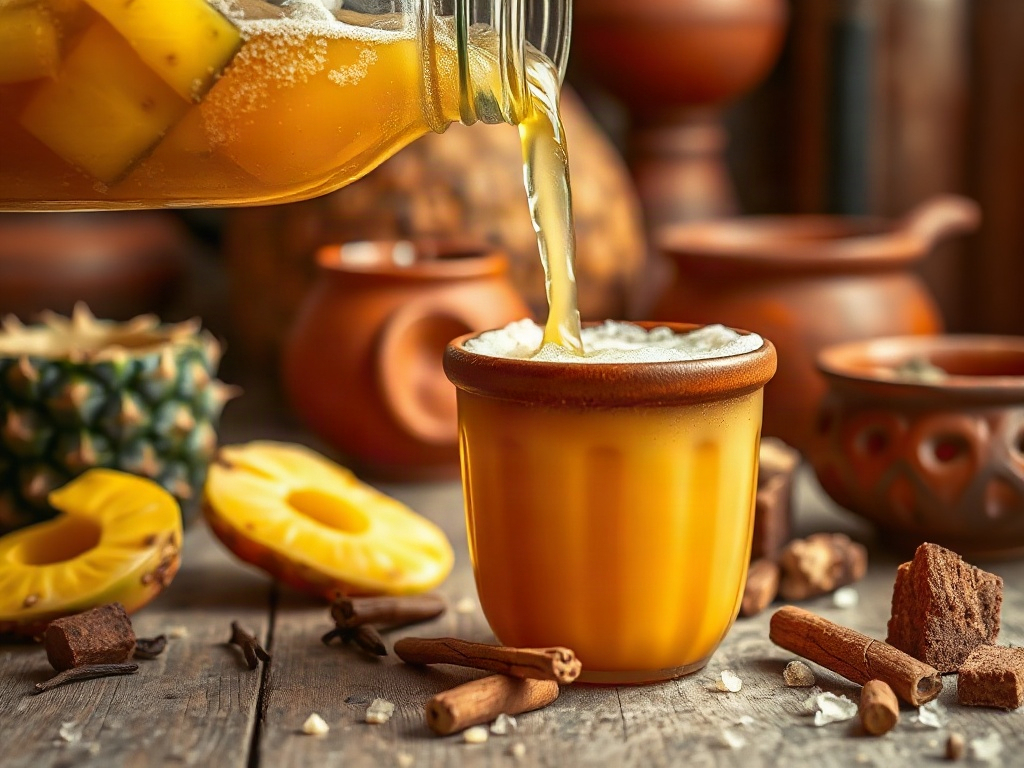
- Tepache ferments naturally using wild yeasts from pineapple skins, requiring no commercial yeast or starter culture
- Traditional recipes use piloncillo (unrefined Mexican cane sugar), which provides minerals and distinct molasses-like flavor
- Fermentation takes 24-72 hours at room temperature, with longer fermentation producing higher alcohol content and more pronounced sourness
- The drink typically reaches 1-3% ABV, similar to kombucha, making it legally non-alcoholic in most jurisdictions
What Is Tepache and Where Does It Come From?
Tepache is a pre-Hispanic fermented beverage originating in central Mexico, specifically among indigenous communities in regions now known as Jalisco, Nayarit, and surrounding states. The name derives from the Nahuatl word "tepiatl," meaning "drink made from corn," though the modern version uses pineapple as its primary ingredient. According to chef Rick Bayless, who has extensively documented traditional Mexican fermentation practices, tepache represents one of the oldest continuously produced fermented beverages in the Americas.
The drink's evolution from corn-based to pineapple-based likely occurred after Spanish colonization introduced pineapple cultivation to Mexico. Indigenous fermentation knowledge merged with New World ingredients, creating the version recognized throughout Mexico in 2026. Tepache remains a street vendor staple in Mexican cities, served cold from large glass barrels called vitrinas, often alongside other aguas frescas.
Unlike commercial fermented beverages, tepache production requires no specialized equipment or purchased cultures. The wild Saccharomyces and Lactobacillus species naturally present on pineapple rinds initiate and drive fermentation. Research published in the Journal of Food Science and Technology identified over 30 distinct yeast and bacterial strains in traditional tepache samples, demonstrating the beverage's complex microbial ecosystem.
What Ingredients Are Essential for Authentic Tepache?
Traditional tepache requires remarkably few ingredients, with four components forming the foundation of every authentic recipe:
Pineapple Rinds and Core
The pineapple rind serves as both the fermentation vessel and the primary sugar source. Authentic tepache uses the entire pineapple exterior—skin, core, and the crown (leaves)—with only the edible flesh removed for other uses.
Choose pineapples with intact, unwashed skin when possible. Commercial washing removes beneficial microorganisms. Organic pineapples minimize pesticide residues that could inhibit fermentation. The USDA FoodData Central reports pineapple rinds contain 9-13% fermentable sugars by weight, providing ample nutrition for yeast populations.
Piloncillo (Unrefined Cane Sugar)
Piloncillo is unrefined whole cane sugar sold in cone-shaped blocks throughout Mexico and Latin American markets. Unlike white sugar, piloncillo retains molasses, minerals (calcium, iron, potassium), and trace B vitamins. This complexity provides fermentation substrates beyond simple glucose and contributes tepache's characteristic caramel-molasses undertones.
Traditional recipes call for 8-12 ounces of piloncillo per gallon of tepache. The Rick Bayless recipe archive specifies 10 ounces as ideal for balanced sweetness and fermentation activity. Brown sugar or panela can substitute if piloncillo is unavailable, though flavor profiles differ slightly.
Water
Use dechlorinated water exclusively. Chlorine and chloramine in municipal water supplies kill wild yeasts and beneficial bacteria, preventing fermentation. Allow tap water to sit uncovered for 24 hours to off-gas chlorine, or use filtered, spring, or well water. The mineral content in hard water can enhance fermentation activity by providing trace nutrients.
Spices
Cinnamon sticks (preferably Mexican canela, which is softer and more fragrant than cassia cinnamon) and whole cloves form the traditional spice base. Standard proportions use 2-3 cinnamon sticks and 6-10 whole cloves per gallon. Some regional variations add star anise, black peppercorns, or dried chile peppers for heat. The Journal of Agricultural and Food Chemistry notes that cinnamon's cinnamaldehyde compound provides mild antimicrobial properties, potentially influencing which microbial species dominate fermentation.
How Do You Make Traditional Tepache Step-by-Step?
Tepache fermentation follows a straightforward process refined over centuries of Mexican household brewing. This method produces approximately one gallon of finished beverage:
Equipment Needed
- 1 large glass jar or food-grade plastic container (1-2 gallon capacity)
- Cheesecloth or clean kitchen towel
- Wooden spoon for stirring
- Fine-mesh strainer or nut milk bag
- Glass bottles for storage
Step-by-Step Instructions
- Prepare the pineapple: Wash the exterior of one ripe pineapple thoroughly under running water. Cut away the edible flesh for eating or cooking. Roughly chop the rinds, core, and crown into 2-inch pieces. Do not peel away the skin—this is where fermentation microbes live.
- Combine ingredients: Place chopped pineapple pieces in your fermentation vessel. Add 8-10 ounces of roughly chopped piloncillo, 2-3 Mexican cinnamon sticks, and 6-8 whole cloves. Pour in 1 gallon of dechlorinated room-temperature water. Stir thoroughly with a wooden spoon until piloncillo begins dissolving.
- Cover and ferment: Cover the container opening with cheesecloth or a clean kitchen towel, securing with a rubber band or string. This allows carbon dioxide to escape while preventing insects and debris from entering. Place the container in a warm location away from direct sunlight—ideal fermentation temperature ranges from 68-78°F (20-26°C).
- Stir daily: Use a clean wooden or plastic spoon to stir the mixture once or twice daily. This redistributes yeasts, prevents mold formation on the surface, and ensures even fermentation throughout the liquid.
- Taste and monitor: Begin tasting after 24 hours. Tepache is ready when it tastes pleasantly sweet-tart with gentle effervescence and no raw sugar flavor. This typically occurs between 36-48 hours in warm weather, up to 72 hours in cooler conditions. The liquid will become cloudy and develop a light foam on the surface—both normal signs of active fermentation.
- Strain and chill: When fermentation reaches your preferred balance of sweetness and tartness, strain the liquid through a fine-mesh strainer or nut milk bag, pressing pineapple pieces to extract all liquid. Discard solids or compost them. Transfer strained tepache to glass bottles and refrigerate immediately.
- Serve cold: Tepache is traditionally served over ice, sometimes with a splash of beer (creating a drink called a tepache preparado), lime juice, or a pinch of chile powder on the rim.
According to research published in PubMed, fermentation times significantly impact both alcohol content and probiotic populations. Twenty-four hour fermentation produces predominantly lactic acid bacteria with minimal alcohol (under 1% ABV), while 72-hour fermentation increases ethanol production to 2-3% ABV and shifts microbial populations toward alcohol-tolerant yeast strains.
What Makes Tepache Different From Other Fermented Beverages?
Tepache occupies a unique position among fermented drinks due to its spontaneous fermentation method, ingredient simplicity, and cultural significance. Unlike kombucha, which requires a SCOBY (symbiotic culture of bacteria and yeast), or beer, which uses specific yeast strains, tepache relies entirely on wild microorganisms present in the fermentation environment.
| Beverage | Fermentation Method | Typical ABV | Fermentation Time | Primary Microbes |
|---|---|---|---|---|
| Tepache | Wild fermentation | 1-3% | 24-72 hours | Saccharomyces, Lactobacillus |
| Kombucha | SCOBY culture | 0.5-2% | 7-14 days | Acetobacter, Saccharomyces |
| Beer | Controlled yeast | 4-12% | 2-6 weeks | Saccharomyces cerevisiae |
| Water Kefir | Kefir grains | 0.5-2% | 24-48 hours | Mixed LAB, yeasts |
The wild fermentation approach means each batch of tepache develops a unique flavor profile based on ambient temperature, local microbial populations, and ingredient variations.
Probiotic Content
Analysis published in the International Journal of Food Microbiology identified Lactobacillus plantarum, L. brevis, and several Leuconostoc species as dominant probiotic bacteria in traditionally fermented tepache.
Probiotic populations peak during active fermentation and decline during refrigerated storage.
Digestive Enzymes
While fermentation reduces bromelain concentration compared to fresh pineapple, meaningful amounts persist in finished tepache, particularly when consumed within the first week.
Vitamin and Mineral Content
Tepache provides vitamin C from pineapple (approximately 15-25 mg per 8-ounce serving), B vitamins synthesized during fermentation, and minerals from piloncillo including iron, calcium, and potassium. The USDA FoodData Central database shows piloncillo contains 70-90 mg of calcium per ounce compared to zero in refined white sugar.
Low Sugar Content
Fermentation consumes a significant portion of added sugars, converting them to organic acids, carbon dioxide, and ethanol. A properly fermented tepache contains 50-70% less sugar than the initial mixture. Most recipes begin with approximately 150-180 grams of sugar per gallon; finished tepache typically retains 50-75 grams per gallon (6-9 grams per cup), comparable to unsweetened kombucha.
Hydration and Electrolytes
The combination of water, minerals from piloncillo, and potassium from pineapple makes tepache an effective hydration beverage. Traditional use in hot climates reflects these rehydrating properties. Some athletes in Mexico consume tepache as a natural sports drink alternative.
Mayo Clinic notes that while fermented beverages provide health benefits, individuals with compromised immune systems, pregnant women, and young children should consult healthcare providers before consuming unpasteurized fermented foods due to potential pathogen risks in home fermentation.
How Can You Troubleshoot Common Tepache Problems?
Mold Formation
Surface mold (typically white, green, or black fuzzy growth) indicates contamination. If mold appears, discard the entire batch immediately—do not attempt to remove mold and continue fermentation. Mold produces mycotoxins that permeate liquid and cannot be removed by straining.
Prevent mold by: ensuring all equipment is clean, stirring daily to prevent surface stagnation, maintaining proper fermentation temperature (68-78°F), and using adequate sugar to support beneficial microbial dominance. Kahm yeast (a white, thin film that can appear on ferments) differs from mold and is generally harmless, though it indicates poor fermentation conditions.
No Fermentation Activity
If tepache shows no bubbling, cloudiness, or taste change after 48 hours, fermentation may have failed. Common causes include chlorinated water killing yeasts, excessively cold temperature slowing microbial activity, or antibacterial substances on the pineapple skin.
Solutions include raising ambient temperature, adding a pinch of commercial baker's yeast as a fermentation starter (though this reduces authenticity), or beginning again with a different pineapple that may harbor more robust wild yeast populations.
Excessive Alcohol Production
Extended fermentation (beyond 72 hours) or high ambient temperatures can produce stronger alcohol content than desired. If tepache tastes sharply alcoholic rather than pleasantly tart, fermentation progressed too far. Dilute with water or fresh fruit juice to reduce alcohol concentration, or restart with shorter fermentation time.
Off Flavors
Vinegary, nail polish remover, or putrid odors indicate contamination or inappropriate fermentation conditions. Vinegar taste suggests acetic acid bacteria dominance (the same bacteria that convert alcohol to vinegar). Acetone or solvent aromas indicate contamination with undesirable yeast strains. Discard batches with pronounced off-odors.
What Are Traditional and Modern Variations of Tepache?
Regional Mexican Variations
Different regions of Mexico prepare tepache with local modifications. Oaxacan versions sometimes incorporate dried hibiscus flowers (jamaica), adding ruby color and tart cranberry-like notes. Coastal preparations may include tamarind pulp for additional sourness. Northern Mexican versions occasionally ferment with added grains of wheat or barley, producing a more beer-like beverage.
Fruit Combinations
Contemporary tepache brewers experiment with additional fruits while maintaining pineapple as the base. Mango, papaya, guava, and watermelon all contribute fermentable sugars and distinctive flavors. The Rick Bayless culinary archive documents family recipes incorporating orange peel, apple pieces, or fermented alongside horchata for complexity.
Carbonation Enhancement
Traditional tepache produces mild natural carbonation. For increased effervescence, transfer strained tepache to flip-top bottles, add 1 teaspoon of sugar per bottle, seal tightly, and leave at room temperature for 12-24 hours before refrigerating. This secondary fermentation traps carbon dioxide, creating stronger carbonation similar to commercial sodas.
Exercise caution with bottle conditioning—excessive pressure can cause bottles to explode. Use bottles designed for carbonated beverages and burp (briefly open) daily to release pressure.
Tepache Cocktails
Mixologists increasingly incorporate tepache into cocktails. The "Tepache Preparado" combines tepache with Mexican lager beer. "Tepache Paloma" substitutes tepache for grapefruit soda in the classic tequila cocktail. The fermented beverage's complex sweet-tart-spice profile complements spirits ranging from rum to mezcal.
How Should You Store and Preserve Tepache?
Proper storage extends tepache's drinkable lifespan while maintaining flavor and probiotic viability. Refrigeration halts fermentation but does not stop it entirely—cold-stored tepache continues slowly fermenting, becoming progressively more sour and alcoholic over weeks.
Short-Term Storage (1-2 Weeks)
Store strained tepache in sealed glass bottles or jars in the refrigerator at 35-40°F (2-4°C). Glass preserves flavor better than plastic and prevents chemical leaching. Leave 1-2 inches of headspace to accommodate carbon dioxide production. Burp bottles every 2-3 days to release pressure.
Consume refrigerated tepache within 7-10 days for optimal flavor. After two weeks, most tepache becomes noticeably more sour and alcoholic as residual yeasts metabolize remaining sugars.
Freezing
Freezing tepache preserves it for 3-6 months but kills probiotic cultures and reduces carbonation. Pour into freezer-safe containers leaving 10% headspace for expansion. Thaw in refrigerator overnight before consuming. Frozen tepache works well for cooking or cocktails where live cultures are unnecessary.
Pasteurization
Heat treating tepache to 160°F (71°C) for 15 seconds kills all microorganisms, completely halting fermentation. Pasteurized tepache can be canned or bottled for shelf-stable storage lasting 6-12 months.
Commercial tepache producers typically pasteurize for food safety and extended distribution, while home brewers rarely do since fresh, probiotic-rich tepache represents the beverage's primary appeal.
People Also Ask
Can You Use the Pineapple Flesh Instead of Just Rinds?
You can include pineapple flesh, but traditional recipes use only rinds, core, and crown because wild yeasts concentrate on the skin. Flesh adds fermentable sugars but dilutes the characteristic fermented complexity. Using flesh creates a sweeter, less traditionally flavored beverage.
Is Tepache Alcoholic Enough to Get You Drunk?
No. At 1-3% ABV, tepache contains similar alcohol to kombucha—far below beer (4-12% ABV). You would need to consume several quarts to feel intoxication effects, at which point carbonation and acidity would cause discomfort before significant alcohol absorption occurred.
How Long Does Homemade Tepache Last Unrefrigerated?
Unrefrigerated tepache continues fermenting rapidly and typically becomes unpalatably sour within 24-48 hours. Summer heat accelerates deterioration. Always refrigerate strained tepache to preserve drinkability. Unrefrigerated tepache left more than two days risks excessive alcohol production or contamination.
Expert Verdict: Why Tepache Deserves Recognition Beyond Mexico
Tepache represents fermentation at its most accessible—requiring no specialized equipment, purchased cultures, or technical expertise. The beverage demonstrates that sophisticated fermented foods existed in the Americas long before European contact, challenging narratives that position fermentation as primarily Old World technology. The drink's minimal alcohol content makes it appropriate for most consumers while still delivering genuine fermentation benefits. Tepache's greatest strength lies in its resourcefulness—transforming typically discarded pineapple scraps into a nutritious, flavorful beverage through microbial collaboration. This zero-waste philosophy combined with straightforward technique positions tepache as both a practical fermentation project and a cultural education in Mexican culinary heritage.
Article Summary
- Tepache is a traditional Mexican fermented beverage made from pineapple rinds, piloncillo (unrefined cane sugar), and spices through spontaneous wild fermentation lasting 24-72 hours
- The drink reaches 1-3% ABV naturally, contains probiotic bacteria (Lactobacillus species), digestive enzymes (bromelain), and provides hydration with minerals from piloncillo
- Authentic preparation requires only four ingredients—pineapple scraps, piloncillo, spices (cinnamon and cloves), and dechlorinated water—with no commercial yeasts or complex equipment
- Fermentation success depends on using unwashed pineapple skin (where wild yeasts live), maintaining 68-78°F temperature, stirring daily, and monitoring taste from 24-72 hours
- Store strained tepache refrigerated for 7-10 days maximum for best flavor and probiotic viability; freezing preserves for months but kills beneficial cultures
Frequently Asked Questions
Is it safe to drink homemade tepache?
Yes, when prepared properly with clean equipment and fresh ingredients. The acidic, alcoholic fermentation environment prevents pathogenic bacteria growth. Use clean utensils, dechlorinated water, and discard any batch showing mold. Refrigerate after straining and consume within 10 days for safety and quality.
Can I make tepache without piloncillo sugar?
Yes. Substitute brown sugar, panela, or even white sugar at equivalent weights (8-10 ounces per gallon). Piloncillo provides traditional flavor with molasses notes and trace minerals, but other sugars ferment successfully. Avoid artificial sweeteners—yeasts cannot metabolize them, preventing fermentation entirely.
Why is my tepache not bubbling or fermenting?
Common causes include chlorinated water killing wild yeasts, temperature below 65°F slowing microbial activity, or overly clean pineapple lacking sufficient microorganisms. Try warmer location, dechlorinated water, or adding unwashed organic pineapple. A pinch of baker's yeast jumpstarts reluctant fermentation.
How do I know when tepache is finished fermenting?
Taste daily starting at 24 hours. Finished tepache tastes pleasantly sweet-tart with mild effervescence and no raw sugar flavor. Liquid becomes cloudy with light foam. Most batches finish in 36-48 hours at room temperature. Refrigerate immediately when desired balance is reached.
Can pregnant women or children drink tepache?
The minimal alcohol content (1-3% ABV) and unpasteurized nature make tepache questionable for pregnant women and young children. Consult healthcare providers before consumption. Pasteurizing homemade tepache at 160°F eliminates alcohol and pathogens, creating a safer version for sensitive populations.
What should I do if white film forms on my tepache?
Thin white film is usually harmless kahm yeast, common in low-salt ferments. Skim it off and continue fermentation—it won't harm you but can taste unpleasant. Fuzzy, colored mold requires discarding the entire batch. Daily stirring prevents most surface growth issues.
This article was produced by an automated research tool. Content is for informational purposes only and should not replace professional advice. Nothing here is medical advice, and it is not a substitute for it. Talk to a doctor about anything affecting your health. Product and resource links throughout this article are included for informational value based on relevance and quality. WhichBrewForYou has no affiliate relationship with any linked third-party site and receives no commission from any recommended products or brands. BellofattoBrews (coffee and tea) and Golden Hive Mead (mead kits and resources) are personal recommendations from this publication's founder and have no affiliation with WhichBrewForYou.