Key Takeaways
- IPAs originated in 19th-century England as heavily hopped beers designed to survive long voyages to India, with modern American IPAs emerging in the 1970s craft beer revolution.
- Beginner-friendly IPAs typically range from 40-60 IBUs (International Bitterness Units), offering balanced hop bitterness without palate fatigue.
- The three most accessible IPA substyles for newcomers are Session IPAs (3-5% ABV), West Coast IPAs (citrus and pine forward), and New England IPAs (juicy and hazy with low perceived bitterness).
- Proper serving temperature (45-50°F) and glassware (tulip or IPA glass) significantly enhance hop aroma perception and flavor experience.
- According to the Brewers Association, IPAs represent over 25% of craft beer sales, making them the dominant craft beer category in America.
IPA beers have transformed from a historical British export style into the cornerstone of modern craft brewing. For beginners exploring beer beyond mass-market lagers, IPAs represent both an exciting frontier and a potentially intimidating challenge. The style's reputation for aggressive bitterness can discourage newcomers, yet the best IPA beers for beginners offer approachable entry points that showcase why hop-forward brewing has captured the enthusiasm of beer lovers worldwide.
Understanding what makes an IPA "beginner-friendly" requires examining the style's core characteristics, historical evolution, and the spectrum of substyles that have emerged within the category. This guide breaks down everything a newcomer needs to confidently select, serve, and enjoy their first IPA experiences.
Related: What Beer Style Is Least Bitter? — 13 Smooth Choices | WhichBrewForYou
What Exactly Is an IPA Beer?
India Pale Ale (IPA) is a beer style defined by prominent hop character, elevated alcohol content, and assertive bitterness levels that distinguish it from standard pale ales. The defining feature of any IPA is the hop—the cone-shaped flower of the *Humulus lupulus* plant that provides bitterness, aroma, and preservative qualities to beer.
The Beer Judge Certification Program categorizes IPAs based on specific parameters: American IPAs typically measure 40-70 IBUs (International Bitterness Units), contain 5.5-7.5% alcohol by volume, and showcase American hop varieties like Cascade, Centennial, Citra, and Mosaic. These hops deliver flavor and aroma profiles ranging from citrus and pine to tropical fruit and stone fruit.
Unlike malt-focused styles such as stouts or porters, IPAs place hops at center stage. The malt backbone exists primarily to support and balance hop expression rather than dominate the flavor profile. According to research published in the Journal of Food Science, hop compounds including alpha acids, beta acids, and essential oils create the complex sensory experience that defines the IPA category.
The Historical Journey from England to American Craft Beer
The IPA origin story begins in 18th-century England when brewers sought to create beers that could survive the months-long sea voyage to British colonial troops and expatriates in India. Brewers increased both alcohol content and hop levels, as both act as natural preservatives. The style evolved into a distinct category by the 1840s, though early IPAs bore little resemblance to modern American interpretations.
The contemporary IPA renaissance traces directly to the American craft beer movement of the 1970s and 1980s. CraftBeer.com documents how pioneering breweries like Sierra Nevada, Anchor Brewing, and later Stone Brewing reimagined the British IPA using bold American hop varieties, creating the West Coast IPA that would define craft beer for decades.
Why Are IPAs So Popular Among Craft Beer Drinkers?
The dominance of IPAs in craft beer culture stems from multiple factors that align with modern consumer preferences and brewing economics. The Brewers Association reports that IPAs consistently account for over 25% of craft beer production volume, far exceeding any other style category.
Flavor intensity and variety drive much of the IPA appeal. While traditional European lagers offer subtle, delicate flavors, IPAs deliver bold, immediate sensory impact. The explosion of new hop varieties—over 120 commercial cultivars now exist—provides brewers with an ever-expanding palette of flavors. Modern hops like Galaxy, Nelson Sauvin, and Sabro offer unprecedented tropical fruit, berry, and coconut characteristics that were unavailable to brewers even a decade ago.
From a production standpoint, IPAs offer breweries practical advantages. The style's hop-forward nature helps mask minor brewing imperfections that might be glaring in delicate pilsners. IPAs also command premium pricing in the marketplace, with consumers willing to pay $12-18 for four-packs of craft IPAs versus $8-10 for standard lagers.
Understanding the IPA Flavor Spectrum
The flavor profile of IPA beers varies dramatically based on hop selection, brewing technique, and substyle interpretation. Beginners benefit from understanding the basic flavor categories that hops provide:
| Hop Flavor Category | Common Descriptors | Example Hop Varieties | Best for Beginners |
|---|---|---|---|
| Citrus | Grapefruit, orange, lemon, lime | Cascade, Centennial, Amarillo | Yes - familiar flavors |
| Pine/Resinous | Pine needles, forest floor, herbal | Simcoe, Chinook, CTZ | Moderate - can be intense |
| Tropical Fruit | Mango, pineapple, passion fruit, papaya | Citra, Mosaic, Galaxy | Yes - sweet and approachable |
| Stone Fruit | Peach, apricot, nectarine | El Dorado, Azacca, Denali | Yes - balanced sweetness |
| Berry/Grape | Strawberry, blackberry, white grape | Nelson Sauvin, Strata, Sabro | Moderate - unusual for beer |
| Dank/Herbal | Cannabis-like, onion, garlic, herbs | Simcoe, CTZ, experimental varieties | No - acquired taste |
Understanding these flavor categories helps beginners predict whether they'll enjoy a particular IPA based on hop bill descriptions. Research from the National Center for Biotechnology Information demonstrates that hop aroma perception varies significantly between individuals due to genetic differences in olfactory receptors, explaining why some people adore certain IPAs while others find the same beer unpleasant.
What Are IBUs and Why Do They Matter?
International Bitterness Units (IBUs) measure the concentration of alpha acid compounds from hops that create bitter taste sensation. The IBU scale technically extends from 0 to over 100, though human taste perception plateaus around 100-110 IBUs—beyond that threshold, additional bitterness becomes difficult to detect.
For IPA beginners, the ideal IBU range sits between 40-60 IBUs, providing noticeable hop character without palate-numbing bitterness. According to American Homebrewers Association guidelines, this range allows newcomers to appreciate hop flavor and aroma while maintaining drinkability across a full pint.
However, IBU measurements tell an incomplete story. The perceived bitterness of an IPA depends heavily on malt sweetness, alcohol warmth, and residual sugar that balance hop bitterness. A 60 IBU New England IPA with substantial malt sweetness and low attenuation may taste less bitter than a 50 IBU West Coast IPA with bone-dry finish and high attenuation. This phenomenon explains why IBU numbers alone cannot predict whether a beginner will enjoy a particular IPA.
The Role of Malt in Balancing Hop Bitterness
While hops dominate IPA character, malt provides the essential foundation that prevents hop bitterness from becoming one-dimensional. Brewers use base malts like American two-row barley, Maris Otter, or pilsner malt to create fermentable sugars and body. Specialty malts including crystal/caramel malts, Munich malt, and Victory malt add sweetness, color, and complexity.
The malt-to-hop ratio determines drinkability. Beginner-friendly IPAs maintain enough residual malt sweetness to counterbalance hop bitterness, creating a rounded, complete flavor profile rather than astringent, one-note hop assault. The Brewers Association flavor wheel illustrates how malt-derived caramel, toffee, and bread flavors interact with hop-derived citrus, pine, and floral notes to create balanced beer.
Best IPA Substyles for Beginners
The IPA category has fractured into numerous substyles, each with distinct characteristics. Three substyles offer the most approachable entry points for newcomers to hop-forward beer.
Session IPAs: Lower Alcohol, Maximum Flavor
Session IPAs reduce alcohol content to 3-5% ABV while maintaining assertive hop character. This substyle emerged in response to consumer desire for flavorful beer that permits multiple servings without excessive intoxication. The term "session" refers to British pub culture, where drinkers would spend an entire "session" at the pub, necessitating lower-alcohol options.
Founders All Day IPA exemplifies the substyle perfectly: 4.7% ABV, 42 IBUs, and bright citrus hop character from Amarillo and Centennial hops. The lower alcohol content makes hop flavors more prominent while reducing the warming sensation that can amplify perceived bitterness. For beginners, Session IPAs offer the training wheels of the IPA world—full hop experience with reduced intensity.
West Coast IPAs: The Classic American IPA
West Coast IPA represents the original American interpretation of the style, characterized by crystal-clear appearance, pronounced bitterness, dry finish, and citrus/pine hop character. This substyle dominated craft beer from the 1990s through the early 2010s before the hazy IPA revolution.
Sierra Nevada Pale Ale, while technically a pale ale rather than IPA, established the flavor template: Cascade hops deliver grapefruit and floral notes, balanced malt backbone provides caramel sweetness, and clean finish leaves the palate refreshed rather than coated. For beginners comfortable with moderate bitterness, West Coast IPAs offer the most transparent expression of hop character without the yeast haze or sweetness that defines New England IPAs.
Stone IPA and Bear Republic Racer 5 represent the fuller-strength West Coast interpretation, pushing IBUs toward 70+ and alcohol to 7% ABV. These beers demand more from the drinker but reward with complex hop layering and satisfying dry finish.
New England IPAs: Juicy, Hazy, and Low Perceived Bitterness
New England IPA (NEIPA), also called Hazy IPA or Juicy IPA, revolutionized the category in the 2010s by emphasizing hop aroma and flavor over bitterness. The substyle features opaque, milky appearance from suspended yeast and proteins, soft mouthfeel, tropical fruit hop character, and minimal perceived bitterness despite sometimes elevated IBU measurements.
NEIPAs represent perhaps the single best entry point for IPA beginners due to their fruit-forward character and minimal bitter bite. The style achieves this through multiple techniques: late and post-fermentation hop additions that emphasize aroma oils over bittering alpha acids, low-flocculating yeast strains that remain in suspension, wheat and oat additions that create creamy mouthfeel, and reduced water mineralization that softens hop bitterness perception.
According to brewing science published in the Journal of the Institute of Brewing, the hazy appearance comes primarily from yeast and hop polyphenol interactions that create colloidal haze. This haze carries hop oils, intensifying aroma and flavor while creating the soft, pillowy mouthfeel that differentiates NEIPAs from crystal-clear West Coast IPAs.
Popular beginner-friendly NEIPAs include Dogfish Head Flesh & Blood IPA, Samuel Adams New England IPA, and any offering from The Alchemist or Tree House Brewing Company when available.
Related: Ales vs Lagers: Which Should You Brew First? | WhichBrewForYou
Top 10 Best IPA Beers for Beginners
Based on balance, availability, approachability, and representativeness of style, these ten IPAs offer ideal starting points for newcomers. Each selection balances assertive hop character with drinkability, avoiding the extreme bitterness or alcohol warmth that can discourage beginners.
1. Sierra Nevada Pale Ale
5.6% ABV, 38 IBUs. The beer that launched American craft brewing, Sierra Nevada Pale Ale uses Cascade hops exclusively to deliver clean grapefruit and floral character balanced by biscuity malt sweetness. Technically a pale ale rather than IPA, but serves as the perfect gateway to hop-forward beer. Available nationwide year-round.
2. Lagunitas IPA
6.2% ABV, 46 IBUs. A West Coast classic that epitomizes balanced American IPA—citrus and pine hops meet caramel malt, finishing dry but not astringent. The beer that taught millions of drinkers what IPA means. Excellent value and ubiquitous availability make this a reliable first IPA purchase.
3. Bell's Two Hearted Ale
7% ABV, 55 IBUs. Centennial hops provide the entire hop bill in this Michigan staple, delivering grapefruit, floral, and subtle pine notes. Despite elevated alcohol and IBUs, Two Hearted maintains remarkable balance and drinkability. Consistently ranks among America's top-rated IPAs across rating platforms.
4. Founders All Day IPA
4.7% ABV, 42 IBUs. The gold standard Session IPA, All Day proves that low alcohol need not mean low flavor. Bright citrus hops meet light malt body, finishing crisp and refreshing. The perfect summer IPA and ideal choice for IPA beginners who want hop character without heaviness.
5. Ballast Point Sculpin IPA
7% ABV, 70 IBUs. Despite high IBU measurement, Sculpin balances assertive bitterness with substantial malt sweetness and tropical fruit hop character. This San Diego classic showcases West Coast IPA at its most refined, offering complexity without aggression.
6. Dogfish Head 60 Minute IPA
6% ABV, 60 IBUs. Brewed with continual hop additions throughout the 60-minute boil, this East Coast interpretation balances citrus hop character with noticeable malt sweetness. More balanced and less bitter than many West Coast interpretations, making it approachable for newcomers.
7. New Belgium Voodoo Ranger IPA
7% ABV, 50 IBUs. Widely available and consistently solid, Voodoo Ranger offers citrus and tropical fruit hops balanced by malt sweetness. The extensive Voodoo Ranger line provides multiple entry points from Imperial IPAs to Juicy Haze versions, allowing beginners to explore variations within a familiar brand.
8. Samuel Adams New England IPA
6.8% ABV, 50 IBUs. Sam Adams brings NEIPA to mass-market availability, delivering juicy tropical fruit character and hazy appearance without requiring a pilgrimage to Vermont. Softer and fruitier than West Coast interpretations, providing an accessible introduction to the hazy IPA phenomenon.
9. Stone IPA
6.9% ABV, 71 IBUs. A Southern California icon, Stone IPA delivers bold citrus and pine hop character with assertive but not overwhelming bitterness. This beer demands more from the drinker than milder options, but rewards with classic West Coast IPA expression. Try this after building comfort with lower-IBU selections.
10. Goose Island IPA
5.9% ABV, 55 IBUs. Widely available through AB InBev distribution, Goose Island IPA offers reliable quality and balanced hop character. While craft beer purists may dismiss anything from a macro-owned brewery, this remains a solid entry-level IPA with consistent availability and reasonable pricing.
How to Properly Serve and Taste IPA Beer
Serving technique significantly impacts IPA enjoyment. Unlike forgiving styles such as stouts or wheat beers, IPAs demand attention to temperature, glassware, and freshness to showcase their characteristics optimally.
Ideal Serving Temperature for IPAs
Serve IPAs at 45-50°F (7-10°C) to balance hop aroma volatility with palate refreshment. Beer served too cold (below 40°F) suppresses hop aroma compounds that create the sensory experience that defines the style. Beer served too warm (above 55°F) emphasizes alcohol harshness and can make bitterness seem more aggressive.
Remove IPAs from refrigerator storage 5-10 minutes before serving to allow slight warming. The CraftBeer.com serving temperature guide confirms that hop-forward styles benefit from moderate serving temperatures that allow volatile aroma compounds to reach the nose while maintaining refreshing coolness.
Glassware Selection and Why It Matters
Proper glassware enhances hop aroma perception through shape, size, and opening diameter. Three glass styles optimize IPA service:
- IPA Glass: Purpose-designed with inward-tapered top and ridged bottom that creates nucleation points for carbonation. The tapered opening concentrates hop aromatics toward the nose while the nucleation maintains lively carbonation throughout the drinking experience.
- Tulip Glass: Bulbous body with flared rim allows swirling to release aromatics while the narrow stem prevents hand warming. Excellent for showcasing both West Coast and New England IPAs.
- Pint Glass (Nonic): The standard pub glass works adequately though offers no aroma concentration benefits. Acceptable for casual consumption but suboptimal for appreciating nuanced hop character.
Always rinse beer glasses with cold water immediately before pouring to remove any dust or residue that could affect head retention. Never use soap or detergent residue, which destroys foam stability and can impart off-flavors.
Tasting Method for Maximum Hop Appreciation
Professional beer evaluation follows a systematic approach that beginners can adopt to develop their palates:
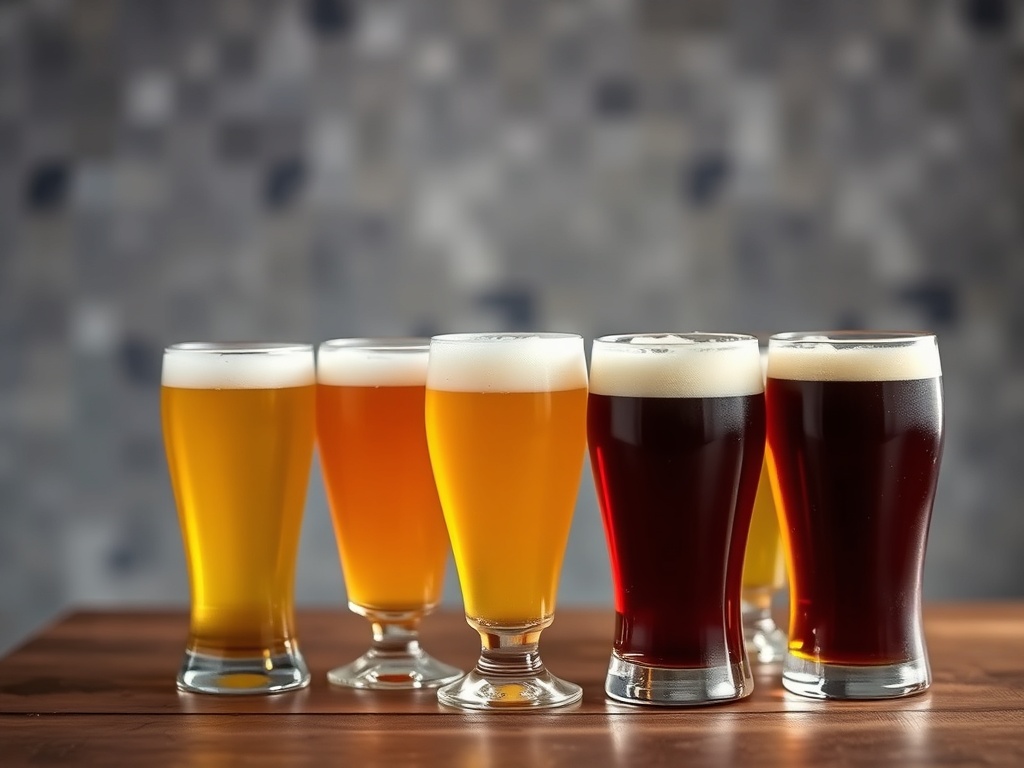
- Visual Assessment: Observe color (ranging from pale gold to deep amber), clarity (crystal clear to opaque hazy), head formation (white, persistent, lacing), and carbonation level. These visual cues predict flavor characteristics before tasting.
- Aroma Evaluation: Take three short sniffs rather than one deep inhalation—olfactory receptors fatigue quickly, and multiple brief exposures provide more accurate aroma perception. Identify specific hop aromatics (citrus, pine, tropical fruit) and malt contributions (bread, caramel, toast).
- Flavor Analysis: Take a moderate sip and allow the beer to coat the entire palate before swallowing. Notice the flavor progression: initial malt sweetness, mid-palate hop flavor development, and finish characteristics (bitter, dry, sweet). Perceive the balance between competing elements.
- Mouthfeel and Finish: Assess body (light, medium, full), carbonation level, and finish duration. Notice whether hop bitterness lingers pleasantly or becomes astringent and unpleasant.
The Beer Judge Certification Program study guide provides comprehensive sensory evaluation training that serious beer enthusiasts can follow to develop professional-level tasting skills.
Understanding IPA Freshness and the Importance of Date Codes
IPA beers deteriorate faster than most beer styles due to hop compound volatility and oxidation sensitivity. The vibrant citrus, tropical fruit, and pine aromatics that define fresh IPA fade within weeks of packaging, replaced by muted, grassy, or cardboard-like staleness.
Purchase IPAs canned or bottled within 30-45 days whenever possible, and consume within 60-90 days of packaging. Every week post-packaging, hop aromatics diminish as essential oils oxidize and alpha acids isomerize. Research from the Journal of Agricultural and Food Chemistry demonstrates measurable hop aroma degradation beginning within 14 days of packaging, with accelerated decline under poor storage conditions.
Read date codes printed on beer packaging—breweries use various formats including "Canned On," "Best By," "Enjoy By," or Julian date codes. When date codes are absent or unclear, examine the bottom of six-pack carriers or bottle caps for laser-etched dates. Retailers that rotate stock properly position freshest inventory at the back of coolers—reach to the rear for the newest beer.
Storage dramatically affects IPA longevity. Keep IPAs refrigerated continuously, away from light, and in upright position. Warm storage temperatures accelerate oxidation, light exposure creates "skunky" off-flavors from hop compounds, and laying bottles on their sides increases headspace contact that promotes staleness.
People Also Ask About IPA Beers
Why do IPAs make you more drunk than regular beer?
IPAs contain higher alcohol content (typically 6-7.5% ABV) compared to standard lagers (4-5% ABV), meaning each serving delivers more ethanol. The bold hop flavors can also mask alcohol warmth, leading to faster consumption and intoxication without realizing alcohol intake.
Why are IPAs so expensive compared to regular beer?
IPAs require 2-5 times more hops than standard lagers, and premium hop varieties cost $10-25 per pound wholesale. Additionally, many IPAs undergo dry-hopping processes that extend production time and reduce brewery capacity, increasing per-barrel production costs that translate to higher retail prices.
Common IPA Beginner Mistakes to Avoid
New IPA drinkers frequently make predictable errors that compromise their experience and potentially sour them on the entire style. Recognizing these pitfalls helps beginners navigate their IPA exploration more successfully.
Starting with Extremely Bitter or High-Alcohol IPAs
Imperial IPAs, Double IPAs, and Triple IPAs push alcohol to 8-12% ABV and IBUs beyond 80-100. These extreme expressions overwhelm palates unaccustomed to hop intensity, creating negative first impressions that discourage further exploration. Begin with Session IPAs or standard American IPAs before progressing to imperial versions.
Drinking IPAs Too Cold
Serving IPAs at refrigerator temperature (35-38°F) suppresses aromatic compounds that create the sensory experience the style is known for. While ice-cold beer feels refreshing on hot days, it prevents appreciation of nuanced hop character. Allow IPAs to warm slightly before drinking.
Judging All IPAs Based on One Bad Experience
The IPA category spans enormous stylistic range from soft, juicy NEIPAs to aggressively bitter West Coast interpretations. Disliking one IPA does not predict dislike of the entire category. Try multiple substyles before concluding that IPAs aren't for you.
Ignoring Freshness Date Codes
Purchasing old, oxidized IPAs creates a poor impression of breweries and the style itself. Always check date codes and select the freshest inventory available. A three-month-old IPA bears little resemblance to the same beer consumed fresh.
Pairing IPA Beer with Food
IPA's bold hop bitterness and elevated alcohol content demand thoughtful food pairing. The style's assertive character can either complement or clash with food depending on selection strategy.
The cardinal rule of IPA pairing: match intensity with intensity. Delicate fish or mild cheeses disappear under aggressive hop bitterness, while bold, fatty, or spicy foods stand up to and benefit from IPA's palate-cleansing bitterness.
Foods That Pair Exceptionally Well with IPAs
- Spicy cuisines: Thai curries, Indian vindaloo, Mexican salsas, Buffalo wings. Hop bitterness and carbonation cut through capsaicin heat while malt sweetness provides relief. The Brewers Association beer and food pairing course identifies spicy foods as among the best IPA companions.
- Fatty meats: Burgers, barbecue brisket, bacon, pork belly. Fat coats the palate; bitterness cuts through richness to refresh between bites.
- Strong cheeses: Aged cheddar, blue cheese, washed-rind cheeses. Bold cheese flavors match IPA intensity while salty, funky characteristics complement hop bitterness.
- Fried foods: French fries, fried chicken, fish and chips, tempura. Carbonation and bitterness cleanse palate of oil and restore appetite.
- Citrus-forward dishes: Ceviche, fish tacos with lime, Vietnamese dishes with citrus. Citrusy West Coast IPAs create flavor synergy with citrus-seasoned foods.
Foods to Avoid Pairing with IPAs
- Delicate seafood (oysters, sashimi, poached white fish)—hop bitterness overwhelms subtle flavors
- Milk chocolate or sweet desserts—bitterness clashes with sweetness
- Light salads with vinaigrette—acidic dressing amplifies perceived bitterness
- Mild, fresh cheeses (mozzarella, chèvre)—bitterness overpowers delicate dairy flavors
Expert Verdict: Your IPA Journey Starts Here
The best IPA beers for beginners prioritize balance over extremity, approachability over shock value, and classic hop character over novelty. Start your IPA exploration with Session IPAs like Founders All Day or balanced classics like Lagunitas IPA—these beers showcase what makes the style compelling without overwhelming inexperienced palates. Progress to juicy New England IPAs if you prefer soft, fruit-forward character, or embrace West Coast IPAs if you appreciate crisp bitterness and dry finish. Always check date codes, serve at proper temperature, and use appropriate glassware to maximize the experience. The IPA category offers virtually unlimited exploration potential once you establish your baseline preferences. With over 9,000 breweries operating in America today and new hop varieties released annually, the IPA journey never ends—it only deepens.
More Beer Articles
This article was produced by an automated research tool. Content is for informational purposes only and should not replace professional advice. Nothing here is medical advice, and it is not a substitute for it. Talk to a doctor about anything affecting your health. Product and resource links throughout this article are included for informational value based on relevance and quality. WhichBrewForYou has no affiliate relationship with any linked third-party site and receives no commission from any recommended products or brands. BellofattoBrews (coffee and tea) and Golden Hive Mead (mead kits and resources) are personal recommendations from this publication's founder and have no affiliation with WhichBrewForYou.