Key Takeaways
- Water temperature for oolong tea ranges from 185°F for light oolongs to 205°F for dark roasted varieties
- Gongfu brewing uses 5-8 grams of tea per 100ml water with multiple 30-60 second infusions
- Western brewing uses 1 teaspoon (2-3 grams) per 8 oz water for single 2-5 minute steeps
- Oolong tea leaves can be re-steeped 4-7 times, with each infusion revealing different flavor notes
- Spring water or filtered water at proper mineral content (50-150 ppm TDS) produces the cleanest oolong flavor
What Makes Oolong Tea Different from Other Teas?
Oolong tea occupies the spectrum between green and black tea, with oxidation levels ranging from 8% to 85%. This partial oxidation creates oolong's distinctive complexity, combining green tea's brightness with black tea's depth. According to research published in the Journal of Food Science, oolong tea contains unique polyphenol compounds not found in fully oxidized or unoxidized teas, contributing to its layered flavor profile and health properties.
The Global Tea Initiative at UC Davis notes that oolong tea production involves withering, bruising, partial oxidation, heat fixing, rolling, and roasting—far more processing steps than green or black tea. Each step influences the final tea's chemical composition and brewing requirements. Lighter oolongs retain more chlorophyll and catechins, behaving similarly to green tea in the cup, while darker oolongs develop theaflavins and thearubigins that require black tea brewing approaches.
Traditional oolong production regions—Fujian and Guangdong provinces in China, plus Taiwan—each produce distinct styles. Fujian's Tieguanyin tends toward lighter oxidation with floral notes, while Taiwan's Dong Ding is moderately oxidized with buttery characteristics. Dark roasted Wuyi oolongs from Fujian's rock cliffs develop mineral complexity that demands different brewing parameters than their lighter counterparts.
How Does Water Temperature Affect Oolong Tea Flavor?
Water temperature controls which compounds extract from oolong leaves during steeping. Temperatures below 185°F fail to extract oolong's full flavor complexity, while temperatures above 205°F pull excessive tannins and bitterness from oxidized leaves. The UK Tea & Infusions Association specifies that oolong's semi-oxidized structure requires careful temperature matching to oxidation level.
| Oolong Type | Oxidation Level | Water Temperature | Examples |
|---|---|---|---|
| Light/Green Oolong | 8-30% | 185-195°F (85-90°C) | Jade Oolong, Baozhong, light Tieguanyin |
| Medium Oolong | 30-50% | 190-200°F (88-93°C) | Traditional Tieguanyin, Dong Ding, Milk Oolong |
| Dark/Roasted Oolong | 50-85% | 195-205°F (90-96°C) | Da Hong Pao, Shui Xian, Phoenix Dan Cong, heavily roasted Tieguanyin |
A 2024 study in Food Chemistry measured catechin and theaflavin extraction rates at different temperatures. Researchers found that lightly oxidized oolongs extracted optimal polyphenol profiles at 185-190°F, while heavily oxidized varieties required 200-205°F to release their full aromatic compounds. Temperatures exceeding these ranges increased astringency without improving flavor complexity.
Water quality matters as much as temperature. The Tea Association of the USA recommends spring water or filtered water with 50-150 ppm total dissolved solids for oolong brewing. Water with excessive mineral content (above 200 ppm) interferes with oolong's delicate aromatics, while distilled water produces flat, lifeless tea by failing to extract flavor compounds efficiently.
What Is the Gongfu Brewing Method for Oolong Tea?
Gongfu brewing (功夫茶, "making tea with skill") is the traditional Chinese method for oolong tea. This technique uses high leaf-to-water ratios with multiple short infusions, allowing you to experience how oolong's flavor evolves across 4-7 steeps. According to the Specialty Coffee Association's tea division research, gongfu brewing extracts different compound profiles with each infusion, creating a progressive tasting experience impossible with Western single-steep methods.
Gongfu Brewing Parameters
- Leaf ratio: 5-8 grams of dry oolong per 100ml (3.4 oz) vessel
- First infusion: 30-45 seconds (rinse/awaken the leaves, often discarded)
- Subsequent infusions: 30-60 seconds, adding 10-15 seconds per steep
- Total infusions: 4-7 depending on oolong quality and oxidation level
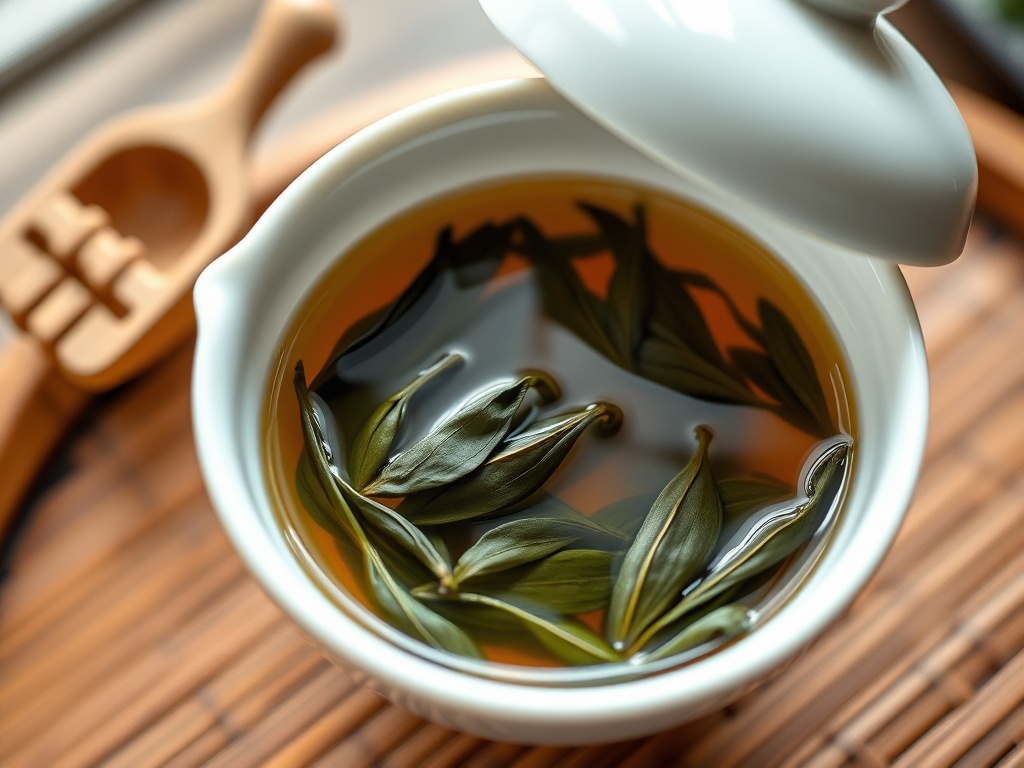
- Vessel: Yixing clay teapot, gaiwan (lidded bowl), or small ceramic teapot
The first infusion rinses dust and awakens tightly rolled oolong leaves. Many practitioners discard this rinse, though some drink it. The second through fourth infusions typically produce peak flavor, with later steeps revealing subtler notes. High-quality oolongs from regions like Taiwan's high mountain plantations can deliver exceptional flavor through seven or more infusions.
Gongfu technique requires attention to timing. Each additional steep needs slightly longer contact time as the leaves exhaust their soluble compounds. A quality rolled oolong like Dong Ding might steep at 45 seconds for infusion two, 50 seconds for infusion three, 60 seconds for infusion four, and so on. Heavily roasted oolongs maintain flavor through more infusions than lighter varieties due to their concentrated compound profiles.
Step-by-Step Gongfu Brewing Process
- Heat water to the appropriate temperature for your oolong type (185-205°F based on oxidation)
- Warm your gaiwan or teapot by filling with hot water, swirling, and discarding
- Add 5-8 grams of dry oolong leaves to the warmed vessel
- Pour water over leaves until just covered, wait 10 seconds, then discard this rinse
- Refill immediately with water at brewing temperature
- Steep for 30-45 seconds, then pour completely into a serving pitcher or cups
- Repeat infusions, adding 10-15 seconds per steep until flavor diminishes
The BellofattoBrews brewing guide provides detailed temperature control techniques applicable to both coffee and tea preparation, including methods for achieving precise temperatures without a thermometer.
How Do You Brew Oolong Tea Western Style?
Western-style oolong brewing uses standard teapot proportions with longer single steeps. This method produces a balanced cup in one infusion, ideal for daily drinking when gongfu's ritualistic approach isn't practical. Western brewing extracts a broader compound profile in a single steep, creating fuller-bodied tea than gongfu's first infusion but lacking the progressive flavor journey.
Western Brewing Parameters
- Leaf ratio: 1 teaspoon (2-3 grams) per 8 oz (240ml) water
- Steeping time: 2-3 minutes for light oolongs, 3-5 minutes for dark oolongs
- Water temperature: Same temperature ranges as gongfu (185-205°F based on oxidation)
- Re-steeping: Most oolongs tolerate 2-3 Western-style re-steeps with extended times
A 2025 study from Harvard's Nutrition Source found that Western-style brewing extracted similar total polyphenol content as gongfu brewing when accounting for all infusions, though single-steep Western method concentrated more tannins and caffeine in one cup. For health-focused drinking, Western style delivers more antioxidants per serving, while gongfu distributes them across multiple smaller cups.
Timing matters critically in Western brewing. Light oolongs over-steep rapidly—exceeding three minutes produces harsh grassiness. Dark roasted oolongs tolerate longer steeping, with some varieties like aged Tieguanyin actually benefiting from five-minute steeps that would destroy lighter types. Monitor your first cup carefully and adjust timing by 30-second increments in future brews.
Which Oolong Tea Types Require Different Brewing Approaches?
Oolong tea encompasses dozens of distinct varieties, each with unique processing and optimal brewing requirements. Understanding these differences prevents under-extraction or over-steeping.
Tieguanyin (Iron Goddess of Mercy)
Tieguanyin ranges from lightly oxidized (jade style, 15-20% oxidation) to heavily roasted traditional style (30-40% oxidation). Light Tieguanyin requires 185-190°F water and 2-3 minute Western steeps or 40-second gongfu infusions. Traditional roasted Tieguanyin tolerates 200°F and 3-4 minute steeps. Modern jade-style Tieguanyin is tightly rolled and needs a rinse to fully open its leaves. According to loose leaf tea sourcing specialists, jade Tieguanyin can produce 5-7 flavorful gongfu infusions when properly brewed.
Da Hong Pao (Big Red Robe)
This heavily oxidized and roasted Wuyi oolong (60-70% oxidation) demands aggressive brewing. Use 200-205°F water and don't fear four to five-minute Western steeps—Da Hong Pao's robust processing prevents bitterness. The Journal of Agricultural and Food Chemistry identified unique mineral compounds in Wuyi rock oolongs that require high temperatures to extract their characteristic "rock rhyme" (yan yun) flavor.
Dong Ding
Taiwan's famous medium-oxidized oolong (30-40% oxidation) balances floral and roasted notes. Brew at 190-195°F for 3-4 minutes Western style. Dong Ding's moderate roast creates creamy, buttery texture that develops beautifully through six gongfu infusions at 45-50 second intervals.
Phoenix Dan Cong (Single Bush)
These highly aromatic Guangdong oolongs (60-80% oxidation) produce intensely floral and fruity cups. Use 195-200°F water. Dan Cong leaves are long and twisted rather than rolled, expanding dramatically when wet—use 30-40 second gongfu infusions or 3-4 minute Western steeps. Many Dan Cong varieties carry specific fragrance profiles (honey orchid, almond, ginger flower) that emerge at different infusion stages.
Milk Oolong (Jin Xuan)
Despite its name, authentic Milk Oolong contains no milk—its creamy character comes from the Jin Xuan cultivar and processing method. Light to medium oxidation (20-30%) requires 185-195°F water. Steep 2-3 minutes Western style or 35-40 seconds gongfu. Beware artificially flavored versions sold as "Milk Oolong"—authentic Jin Xuan from Taiwan's high mountains produces natural creamy sweetness without additives.
What Equipment Do You Need to Brew Oolong Tea Properly?
Proper equipment controls the variables that determine oolong quality: temperature, timing, and infusion technique.
Essential Brewing Equipment
- Variable temperature kettle: Precise temperature control for different oolong oxidation levels
- Gaiwan or small teapot (100-150ml): For gongfu brewing; Yixing clay absorbs flavor and seasons over time
- Large teapot (16-24 oz): For Western-style brewing
- Digital scale: Measures tea precisely in grams rather than imprecise teaspoons
- Timer: Essential for consistent steeping, especially during gongfu's multiple short infusions
- Strainer or infuser basket: Allows leaves to expand fully (avoid ball infusers that constrain leaves)
- Serving pitcher (gong dao bei): Decants gongfu tea to stop extraction and ensure even strength
A quality variable temperature kettle eliminates guesswork. Models with 5-degree increments allow you to dial in the perfect temperature for each oolong type.
Yixing clay teapots from China's Jiangsu province are prized for oolong brewing because their porous clay absorbs tea oils and develops seasoning over months of use. Dedicate one Yixing pot to a single oolong type—the clay's memory enhances that specific tea's character. Porcelain or glass vessels work equally well and offer the advantage of observing leaf expansion during steeping.
How Many Times Can You Re-Steep Oolong Tea?
High-quality oolong tea can be re-steeped 4-7 times using gongfu method, with each infusion revealing different flavor aspects as different compounds extract. Western-style brewing exhausts leaves faster—expect 2-3 quality re-steeps. The number of viable infusions depends on oxidation level, roasting degree, leaf grade, and water temperature.
According to research from the International Journal of Food Science, oolong's complex oxidation state creates layers of compounds that extract at different rates. Light volatiles and amino acids extract first, followed by polyphenols, then deeper tannins and minerals in later steeps. This staged extraction explains why oolong's flavor evolves so dramatically across multiple infusions.
Infusion Progression Guide
- First infusion (after rinse): Bright, aromatic, often floral or fruity notes dominate
- Second-third infusions: Peak flavor—balanced aromatics with developing body and sweetness
- Fourth-fifth infusions: Deeper roasted or mineral notes emerge, aromatics fade
- Sixth-seventh infusions: Subtle sweetness and mineral character, light body
Darker roasted oolongs typically outlast lighter varieties in re-steeping. A heavily roasted Shui Xian might deliver seven flavorful infusions, while a light Baozhong provides four to five quality steeps before thinning. Whole-leaf oolongs always re-steep better than broken grades—intact leaves release compounds gradually rather than dumping everything into the first cup.
Water temperature for re-steeps can increase slightly. If your first infusion used 190°F, bump to 195°F for infusions four through six to extract remaining compounds. Adding boiling water to exhausted leaves won't create good tea—once the soluble compounds are gone, higher temperature only extracts bitterness.
People Also Ask
Should you rinse oolong tea before drinking?
Yes, rinsing oolong tea before the first drinking infusion is recommended. Pour hot water over the leaves for 10-15 seconds, then discard. This rinse removes dust, awakens tightly rolled leaves, and primes them for full flavor extraction. Traditional gongfu method always includes this rinse step.
Can you cold brew oolong tea?
Yes, oolong tea cold brews beautifully, though it requires longer steeping than hot methods. Use 1-2 tablespoons per quart of room-temperature or cold water and refrigerate for 8-12 hours. Cold brewing produces sweeter, less astringent oolong with emphasized floral notes. Light and medium oolongs work best for cold brewing.
Why does my oolong tea taste bitter?
Oolong tea tastes bitter when over-steeped, brewed with water that's too hot, or when too much leaf is used for the steep time. Reduce steeping time by 30-60 seconds, lower water temperature by 5-10 degrees, or decrease the amount of leaf. Bitter oolong indicates tannin over-extraction from excessive heat or time.
Proper brewing maximizes oolong tea's beneficial compound extraction while minimizing astringent tannins. Oolong tea contains unique theaflavins, catechins, and thearubigins that emerge in different ratios depending on oxidation level and brewing temperature.
A systematic review in PubMed analyzed oolong tea's metabolic effects across 15 studies. Researchers found that oolong tea consumption (2-3 cups daily) correlated with improved lipid metabolism and increased energy expenditure. The study attributed these effects to oolong's unique combination of caffeine (30-50mg per cup) and polyphenols that extract optimally at 185-200°F.
The semi-oxidized state creates a polyphenol profile containing both green tea's EGCG and black tea's theaflavins—compounds that extract at different temperatures during proper brewing.
A 2024 Journal of Nutrition study measured antioxidant content in oolong tea brewed at various temperatures. Peak antioxidant extraction occurred at 190-195°F for medium-oxidized oolongs, supporting traditional brewing temperature recommendations.
Nutritional Content Per 8 oz Cup (Properly Brewed)
- Caffeine: 30-50mg (varies by oxidation level and brewing time)
- Polyphenols: 150-200mg total (mixture of catechins, theaflavins, thearubigins)
- L-theanine: 10-15mg (amino acid that modulates caffeine effects)
- Fluoride: 0.2-0.4mg (from tea plant's natural mineral uptake)
The USDA FoodData Central database lists oolong tea as virtually calorie-free (2 calories per 8 oz) when brewed without additions.
What Common Mistakes Should You Avoid When Brewing Oolong?
Even experienced tea drinkers make critical errors that compromise oolong's flavor potential. Recognizing these mistakes prevents wasted expensive tea and disappointing cups.
Using Boiling Water for All Oolongs
This is the most common error. Many tea drinkers assume all traditional teas tolerate boiling water—true for black tea and dark pu-erh, but disastrous for light and medium oolongs. Boiling water (212°F) destroys light oolong's delicate floral notes and extracts excessive bitterness. Always match temperature to oxidation level using the chart above. The UK Tea & Infusions Association emphasizes that oolong's semi-oxidized structure makes it more temperature-sensitive than fully processed teas.
Over-Steeping Western-Style Brews
What works for black tea fails miserably with oolong. Steeping oolong for 5-7 minutes produces harsh, bitter tea as excessive tannins extract. Light oolongs turn bitter after just 3 minutes. Western brewing requires timer discipline—set it and remove leaves promptly when the timer sounds.
Using Tap Water with High Mineral Content
Chlorine and heavy minerals interfere with oolong's subtle aromatics. If your tap water tastes of chlorine or leaves white scale in your kettle, it will muddle oolong's nuanced flavors. Use filtered or spring water. A study in Food Chemistry demonstrated that water with 50-100 ppm TDS produced the clearest oolong flavor profiles, while water above 200 ppm obscured floral and fruity notes.
Constraining Leaves in Ball Infusers
Oolong leaves expand 3-5 times their dry volume when steeped. Tight ball infusers prevent full expansion, limiting extraction and producing weak, incomplete flavor. Use basket infusers, gaiwan, or brew leaves directly in the pot with a strainer pour.
Discarding Leaves After One Steep
Quality oolong costs significantly more than tea bags—wasting 4-6 potential re-steeps throws money away. Even Western-style brewing allows 2-3 re-steeps with extended times. Gongfu brewing makes this economical: that $20 ounce of Taiwanese high mountain oolong produces 30-40 cups across multiple sessions when properly re-steeped.
Mixing Oolong Types in the Same Teapot
If using a Yixing clay pot, never switch between light and dark oolongs. The clay absorbs tea oils—brewing a light floral Tieguanyin after a heavily roasted Da Hong Pao transfers roasted notes into the delicate tea. Dedicate one pot per oolong category or use neutral porcelain/glass.
Expert Verdict
Brewing oolong tea correctly means matching water temperature and steeping time to the tea's oxidation level. Light oolongs require gentle 185-190°F water and brief 2-3 minute steeps, while dark roasted varieties tolerate aggressive 200-205°F brewing for 3-5 minutes. The gongfu method with multiple short infusions reveals oolong's full complexity across 4-7 steeps, while Western single-steep brewing delivers balanced results in one convenient cup. Invest in a variable temperature kettle and digital scale—precision equipment eliminates guesswork and ensures consistent results. Quality oolong deserves proper brewing technique; shortcuts produce mediocre tea regardless of leaf quality.
Article Summary
- Oolong tea brewing temperature ranges from 185°F for light varieties to 205°F for heavily roasted types, directly correlating with oxidation level.
- Gongfu brewing uses 5-8 grams per 100ml water with multiple 30-60 second infusions, extracting different compound layers across 4-7 steeps.
- Western brewing uses 1 teaspoon per 8 oz water for single 2-5 minute steeps, producing fuller-bodied but less nuanced cups than gongfu method.
- Water quality matters as much as temperature—use spring water or filtered water with 50-150 ppm TDS for optimal flavor extraction.
- Common mistakes include using boiling water for all oolongs, over-steeping, constraining leaves in ball infusers, and discarding leaves after one steep.
Frequently Asked Questions
What water temperature is best for oolong tea?
The best water temperature for oolong tea depends on oxidation level. Light oolongs brew at 185-195°F, medium oolongs at 190-200°F, and dark roasted oolongs at 195-205°F. Higher oxidation levels tolerate higher temperatures without becoming bitter. Never use boiling water for light oolongs.
How long should you steep oolong tea?
Western-style oolong steeps for 2-5 minutes depending on oxidation level—light oolongs need 2-3 minutes, dark oolongs tolerate 3-5 minutes. Gongfu method uses 30-60 second infusions, adding 10-15 seconds per subsequent steep. Over-steeping produces bitter, astringent tea regardless of method.
Can you drink oolong tea multiple times from the same leaves?
Yes, oolong tea re-steeps exceptionally well. Gongfu method produces 4-7 quality infusions from one portion of leaves. Western brewing allows 2-3 re-steeps with extended steeping times. Each infusion reveals different flavor notes as various compounds extract at different rates.
What's the difference between gongfu and Western oolong brewing?
Gongfu uses high leaf ratios (5-8g per 100ml) with multiple short 30-60 second infusions, revealing progressive flavor layers across 4-7 steeps. Western method uses standard ratios (1 tsp per 8 oz) with single 2-5 minute steeps, producing balanced one-cup results. Gongfu emphasizes ritual and evolution; Western prioritizes convenience.
How much caffeine is in oolong tea?
Oolong tea contains 30-50mg caffeine per 8 oz cup, varying by oxidation level, brewing time, and water temperature. Light oolongs typically have slightly more caffeine than dark roasted varieties. This is roughly half the caffeine in coffee but more than most green teas.
Why does my oolong tea taste grassy or vegetal?
Grassy or vegetal oolong indicates under-brewing—water temperature too low or steeping time too short. Light oolongs need minimum 185°F and 2 minutes to extract beyond grassy chlorophyll notes. Increase temperature by 5 degrees or extend steeping time by 30 seconds. Conversely, if bitter, reduce temperature or time.
This article was produced by an automated research tool. Content is for informational purposes only and should not replace professional advice. Nothing here is medical advice, and it is not a substitute for it. Talk to a doctor about anything affecting your health. Product and resource links throughout this article are included for informational value based on relevance and quality. WhichBrewForYou has no affiliate relationship with any linked third-party site and receives no commission from any recommended products or brands. BellofattoBrews (coffee and tea) and Golden Hive Mead (mead kits and resources) are personal recommendations from this publication's founder and have no affiliation with WhichBrewForYou.