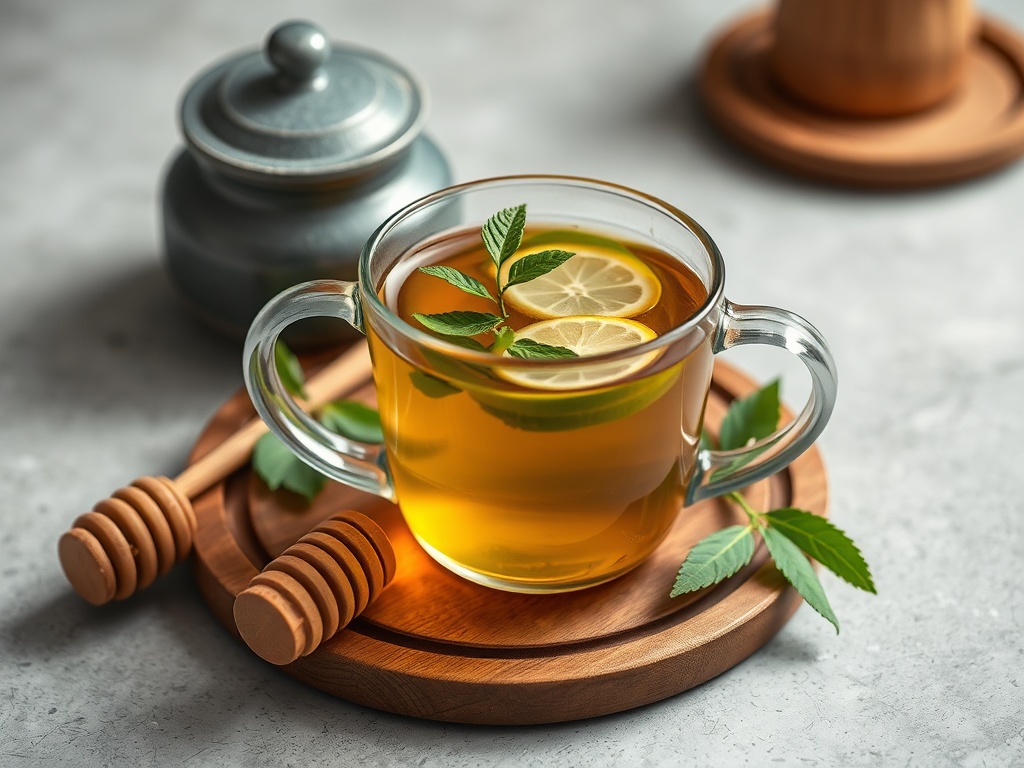
Key Takeaways
- Jun tea requires a specific jun SCOBY culture—kombucha SCOBYs cannot be substituted as they're adapted to different substrates.
- Raw, unpasteurized honey is essential because its natural enzymes and microflora contribute to proper fermentation dynamics.
- Green tea provides the polyphenols and nutrients the jun culture needs, while its lower tannin content creates a milder flavor than kombucha.
- Fermentation temperature for jun tea is slightly warmer (75-85°F) than kombucha, and the process completes 2-3 days faster.
- A 2024 study in Food Microbiology found that honey-based fermented teas retained 23% more antioxidant activity than sugar-based versions after seven days.
What Is Jun Tea and How Does It Differ from Kombucha?
Jun tea is a fermented tea beverage that shares ancestry with kombucha but has evolved into a distinct cultured drink with its own unique characteristics. According to Kombucha Brewers International, jun tea originated in Northern China and Tibet, where it has been prepared for centuries using local green teas and raw honey from mountain apiaries.
The fundamental difference lies in the substrate and culture adaptation. Jun tea uses green tea and raw honey exclusively, while kombucha traditionally uses black tea and refined cane sugar. This isn't merely a recipe variation—the jun SCOBY has evolved over generations to metabolize honey's complex sugars (primarily fructose and glucose) and enzymatic compounds, developing a distinct microbial composition compared to kombucha cultures.
Research published by Cultures for Health indicates that jun cultures contain different ratios of Acetobacter and Saccharomyces species than kombucha SCOBYs, specifically adapted to honey's antimicrobial properties and the lower caffeine content of green tea. This specialized adaptation means you cannot simply substitute honey for sugar in a kombucha recipe—the culture must be specifically jun-adapted.
The resulting beverage is noticeably lighter and more effervescent than kombucha, with a milder acidity (typically pH 3.2-3.8 versus kombucha's 2.5-3.5) and delicate floral notes from the honey. Jun tea ferments at slightly warmer temperatures and completes its primary fermentation in roughly half the time of traditional kombucha, making it an appealing option for home brewers seeking faster turnover. For those interested in exploring other fermented tea traditions,
Related: Best Tea Brewing Temperature Guide — Perfect Steep Every Time
provides guidance on proper steeping techniques that apply across tea-based ferments.What Equipment and Ingredients Do You Need to Make Jun Tea?
Creating jun tea at home requires minimal specialized equipment but demands attention to ingredient quality. The fermentation vessel, culture health, and substrate purity directly impact both safety and flavor outcomes.
Essential Equipment
- Glass fermentation vessel: One-gallon glass jar with wide mouth opening (avoid metal or plastic which can react with acids)
- Breathable cover: Tightly-woven cloth, coffee filter, or paper towel secured with rubber band (allows gas exchange while blocking contaminants)
- Non-reactive stirring spoon: Wood, silicone, or plastic (never metal)
- pH strips or meter: For monitoring acidity levels (target range 3.2-3.8)
- Glass bottles: Swing-top or screw-cap bottles for second fermentation (if desired)
- Thermometer: For monitoring fermentation temperature
- Fine-mesh strainer: For removing tea leaves and SCOBY fragments
Core Ingredients
The quality of your ingredients determines both the health of your culture and the character of your finished tea. According to The UK Tea & Infusions Association, green tea selection significantly impacts polyphenol availability for the fermenting culture.
| Ingredient | Quantity (per gallon) | Specifications |
|---|---|---|
| Filtered water | 14 cups (3.5 liters) | Chlorine-free (chlorine inhibits fermentation) |
| Loose leaf green tea | 4-6 teaspoons (8-12g) | Organic preferred, avoid flavored or scented varieties |
| Raw honey | ½ to ¾ cup (170-255g) | Unpasteurized, unfiltered, no additives |
| Jun SCOBY | 1 culture disc | Healthy, cream-colored, no mold |
| Starter tea | 1-2 cups (240-480ml) | From previous jun batch, pH below 4.0 |
Water quality is critical. Municipal tap water often contains chlorine or chloramine which can damage or kill your jun culture. If using tap water, boil it for 10 minutes to evaporate chlorine, or let it sit uncovered for 24 hours. Better yet, use filtered water from a carbon filter system. According to the FDA's fermented foods guidelines, water quality ranks among the top three factors affecting fermentation safety and consistency.
Green Tea Selection
Jun cultures thrive on standard green tea varieties—Chinese sencha, dragonwell (longjing), or Japanese sencha all work excellently. Avoid matcha (too expensive and powdered form complicates straining), heavily roasted teas like hojicha (insufficient polyphenols), and any tea with added flavoring oils or dried fruit pieces. Quality loose leaf green teas from BellofattoBrews provide the clean, pure base your jun culture needs for optimal fermentation.
The catechins and L-theanine naturally present in green tea provide nitrogen compounds and antioxidants that support healthy SCOBY growth. A 2025 study in the Journal of Food Science found that green tea substrates produced jun tea with 18% higher levels of beneficial gluconic acid compared to white or oolong tea bases.
Honey Requirements
The honey you select is equally important. Raw, unpasteurized honey is non-negotiable for jun tea. Pasteurization destroys the natural enzymes (primarily invertase, diastase, and glucose oxidase) that contribute to jun's distinctive fermentation profile. These enzymes work synergistically with the SCOBY's microorganisms to break down complex sugars and create jun's signature flavor compounds.
Wildflower, clover, and orange blossom honeys are reliable choices with neutral flavor profiles. Avoid strongly flavored varietal honeys like buckwheat or eucalyptus for your initial batches—their assertive flavors can overwhelm the delicate green tea notes. Cultures for Health notes that honey's natural antimicrobial properties (hydrogen peroxide, low pH, and hygroscopic nature) create an initial challenge for the culture, which is why properly adapted jun SCOBYs are essential.
Where Can You Source a Jun SCOBY Culture?
Acquiring a healthy jun SCOBY is the most critical step in your brewing journey. Unlike kombucha SCOBYs which are widely available, jun cultures are more specialized and require sourcing from dedicated suppliers or existing jun brewers.
You cannot convert a kombucha SCOBY into a jun culture. While some online sources suggest gradually transitioning a kombucha SCOBY to honey and green tea, this approach is unreliable and often produces off-flavors. The microbial composition differs at the species level—attempting conversion typically results in a stressed culture that produces inconsistent, poorly flavored tea with potential contamination risks.
Reliable Sourcing Options
Cultures for Health maintains one of the most consistent supplies of jun starter cultures, shipping live SCOBYs with detailed activation instructions. Their cultures come with sufficient starter liquid to begin brewing immediately. Kombucha Kamp also offers verified jun cultures and provides ongoing brewing support through their online community.
Local sourcing through homebrew clubs, fermentation workshops, or online brewing communities often yields excellent results. Experienced jun brewers regularly have "baby" SCOBYs to share—new culture layers form with each batch. The advantage of local sourcing is observing the source culture's health and tasting the resulting tea before committing.
When evaluating a potential SCOBY, look for:
- Cream to light tan coloration (darker brown indicates age or stress)
- Smooth or slightly bumpy surface (avoid cultures with fuzzy spots, dry patches, or dark streaking)
- Firm, rubbery texture (slimy or dissolving cultures are contaminated)
- Fresh, pleasant vinegar-like aroma (avoid cultures with nail polish, sulfur, or rotten smells)
How Do You Brew the Green Tea Base for Jun?
The foundation of excellent jun tea begins with properly prepared green tea. Unlike black tea used in kombucha, green tea requires more careful brewing to avoid extracting excessive bitterness while still providing sufficient nutrients for the culture.
Step-by-Step Tea Preparation
Step 1: Heat your filtered water to 170-180°F (77-82°C). This temperature is critical—boiling water will scorch green tea leaves, creating bitter compounds and destroying delicate catechins. According to the BellofattoBrews brewing guide, green tea's optimal extraction temperature falls significantly below boiling, preserving both flavor and beneficial compounds.
If you don't have a thermometer, bring water to a full boil then let it cool uncovered for 8-10 minutes. The water should produce small bubbles but not roll aggressively.
Step 2: Add 4-6 teaspoons of loose leaf green tea (or 6-8 tea bags if using bagged tea) to your heated water. Place the tea in a glass or ceramic vessel—never brew directly in your fermentation jar as you need to cool the tea completely before adding your SCOBY.
Step 3: Steep for 3-5 minutes, then remove all tea leaves. Green tea becomes astringent and bitter with over-steeping, and excessive tannins can stress your jun culture. Set a timer—this step requires precision. Strain the tea through a fine-mesh strainer to remove all leaf particles.
Step 4: While the tea is still warm (but not hot), stir in ½ to ¾ cup of raw honey. The gentle warmth helps the honey dissolve completely without requiring vigorous stirring. Mix until no honey settles at the bottom—undissolved honey creates uneven fermentation and can cause the SCOBY to sink.
The ratio of honey matters. Start with ½ cup for a less sweet, drier jun tea, or use ¾ cup for a slightly sweeter result with more vigorous fermentation. The jun culture will consume most but not all of the honey's sugars, leaving residual sweetness that balances the tea's acidity. Research from Harvard's Nutrition Source indicates that raw honey contains over 200 bioactive compounds, including prebiotics that support probiotic growth during fermentation.
Step 5: Cool the sweetened tea to room temperature (68-75°F / 20-24°C). This is the most important safety step. Hot liquid will kill your SCOBY. You can speed cooling by placing your vessel in an ice bath, stirring occasionally. Test the temperature with your finger—it should feel neutral, neither warm nor cool. Alternatively, prepare your tea base the night before and let it cool naturally overnight.
How Do You Ferment Jun Tea (Primary Fermentation)?
Primary fermentation is where the magic happens—your jun SCOBY transforms sweetened green tea into a probiotic-rich, effervescent beverage through the metabolic activity of acetic acid bacteria and yeast colonies.
Setting Up Your Fermentation Vessel
Step 1: Pour your cooled sweet tea into a clean one-gallon glass jar. Rinse your jar with hot water (no soap residue) and let it air dry. Add the tea, leaving 2-3 inches of headspace at the top for the SCOBY and to allow gas exchange during fermentation.
Step 2: Add 1-2 cups of starter tea from a previous jun batch (or from the liquid your SCOBY arrived in). This starter liquid serves two critical functions: it immediately lowers the pH of your sweet tea into an acidic range that protects against contamination, and it introduces active jun culture microbes that jump-start fermentation. According to the FDA's fermentation safety guidelines, proper acidification at the start of fermentation is the single most important factor in preventing pathogenic bacteria growth.
If you don't have sufficient starter liquid, you can substitute with 2-3 tablespoons of raw apple cider vinegar as a temporary measure for your first batch. However, authentic jun starter tea produces superior results and should be saved from each batch going forward.
Step 3: Gently slide your jun SCOBY into the liquid. It may float, sink, or hover mid-liquid—all three behaviors are normal. The SCOBY's position doesn't affect fermentation quality. A new SCOBY layer will form on the surface regardless of where the original culture sits. If your SCOBY tears or breaks during transfer, don't worry—it will continue fermenting normally. SCOBYs are remarkably resilient.
Step 4: Cover your jar with a tightly-woven breathable cloth (cotton napkin, paper towel, or coffee filter) secured with a rubber band or string. Never use cheesecloth—its loose weave allows fruit flies and other contaminants to enter. The cover must allow gas exchange (fermenting tea produces CO₂) while blocking airborne mold spores, dust, and insects.
Fermentation Environment and Duration
Place your covered jar in a location that maintains consistent warmth away from direct sunlight. Jun tea ferments optimally between 75-85°F (24-29°C)—slightly warmer than kombucha's preferred range. The higher temperature reflects jun's adaptation to the monastery environments of Tibet and Northern China where it originated.
Avoid these common location mistakes:
- Direct sunlight (UV radiation damages the culture and creates off-flavors)
- Near heat vents or radiators (temperature fluctuations stress the SCOBY)
- In cabinets or closed spaces (poor air circulation increases mold risk)
- Next to fermenting beer, sourdough, or other cultures (cross-contamination of wild yeasts)
Ideal locations include kitchen countertops away from windows, the top of a refrigerator (gentle ambient heat), or inside a proofing box if you're brewing during cold months. Some brewers use seedling heat mats beneath their fermentation vessels to maintain consistent temperature in cool climates. For detailed guidance on maintaining optimal brewing temperatures across different tea preparations, the BellofattoBrews pour guide offers temperature control strategies that apply to fermented teas.
Primary fermentation takes 3-7 days, depending on ambient temperature and your taste preference. Warmer temperatures accelerate fermentation, while cooler conditions slow it. A 2024 study published in Food Chemistry found that jun tea fermented at 80°F reached optimal probiotic diversity at day 5, while the same culture at 72°F required 8 days to achieve comparable bacterial and yeast populations.
Tasting and Monitoring Progress
Begin tasting your jun tea on day 3. Insert a clean straw beneath the SCOBY, cover the top with your finger to trap liquid inside, and withdraw a sample. The tea progresses from sweet and mildly tea-flavored to increasingly tart and effervescent as fermentation advances.
Your jun tea is ready when:
- Sweetness has diminished noticeably but hasn't disappeared entirely (residual honey provides balance)
- Pleasant tartness develops without harsh vinegar bite
- Tea maintains light, crisp character with subtle honey and floral notes
- pH measures between 3.2 and 3.8 (test with pH strips)
If fermentation continues too long, jun tea becomes increasingly acidic and can develop strong vinegar character. Over-fermented jun isn't harmful—it simply tastes sharp and loses its delicate balance. You can use over-fermented jun as starter liquid for subsequent batches, as its high acidity and robust culture make it an excellent acidifier.
People Also Ask
Can I make jun tea with regular honey from the grocery store?
Most grocery store honey is pasteurized, which destroys the natural enzymes essential for proper jun fermentation. Use only raw, unpasteurized honey from farmers markets, health food stores, or specialized honey suppliers. The label should explicitly state "raw" and "unpasteurized"—if it doesn't, assume it's been heat-treated.
Why does my jun SCOBY sink instead of floating?
SCOBY position has no effect on fermentation success. Dense, mature cultures often sink, while newer or gas-filled cultures tend to float. A new SCOBY layer will form at the liquid surface regardless of the original culture's position. As long as fermentation proceeds normally and the SCOBY shows no signs of mold, sinking is completely normal behavior.
What's the white film forming on my jun tea's surface?
A thin, whitish film developing on the liquid surface during fermentation is a new SCOBY layer forming. This is the desired outcome. However, fuzzy, raised, or colored spots (green, black, or pink) indicate mold contamination and require discarding the entire batch, SCOBY included, and starting fresh with a new culture.
How Do You Store and Maintain Your Jun SCOBY?
Proper SCOBY care ensures consistent, safe fermentation across multiple batches. Unlike kombucha, jun cultures are somewhat more delicate and require attention to their specialized needs.
Between Batches (Continuous Brewing)
The easiest maintenance approach is continuous brewing. When your jun tea reaches your preferred flavor, remove 75-80% of the liquid, leaving the SCOBY and remaining tea in the vessel. Immediately prepare a fresh batch of cooled sweet green tea and add it to the jar. This method maintains culture vitality and reduces lag time between batches.
According to Kombucha Kamp, continuous brewing prevents the acidic environment from becoming too harsh for the culture while maintaining active microbial populations. Save at least 2 cups of finished jun tea as starter liquid for your next batch before bottling the remainder.
Extended Storage (SCOBY Hotel)
If you need to pause brewing for several weeks, create a "SCOBY hotel"—a large jar containing your culture(s) and enough finished jun tea to fully submerge them. Top with additional sweetened green tea if needed. Cover with breathable cloth and store at room temperature in a dark location.
The SCOBY will continue slow fermentation, becoming increasingly acidic. Change the liquid every 4-6 weeks by removing half the old liquid and adding fresh cooled sweet tea. SCOBYs can survive in hotels for months, though they may require 2-3 reactivation batches to return to optimal performance. Research from Cultures for Health indicates that jun cultures maintain viability for up to 6 months in proper hotel storage, though fermentation vigor gradually decreases after 3 months.
Long-Term Storage (Dehydration)
For extended breaks (several months), dehydrate your SCOBY. Place it on a clean plate in a location with good air circulation away from direct light. The culture will dry to a leathery disc within 5-7 days. Store the dried SCOBY in a sealed container in a cool, dark location. To reactivate, rehydrate in cooled sweet green tea for 24 hours, then brew a test batch. Dehydrated cultures often require 2-3 batches to fully reactivate.
What Is Second Fermentation and How Do You Flavor Jun Tea?
Second fermentation (often called "F2") is an optional step where you bottle your finished jun tea with flavorings and allow additional fermentation to develop carbonation and infuse flavors. This stage happens anaerobically (without air exposure) inside sealed bottles.
Second Fermentation Process
After completing primary fermentation, remove your SCOBY and 2 cups of liquid (your starter tea for the next batch). Pour the remaining jun tea through a fine-mesh strainer into a clean bowl or pitcher to remove any SCOBY fragments or yeast strands.
Add your chosen flavorings directly to swing-top or screw-cap glass bottles. Fill bottles leaving 1-2 inches of headspace, seal tightly, and leave at room temperature for 1-4 days. The residual sugars and active yeast will create carbonation while the flavorings infuse into the liquid.
Carbonation builds quickly—excessive F2 time can create dangerous pressure in bottles. "Burp" your bottles daily by briefly opening the cap to release pressure, especially in warm weather. Once desired carbonation is achieved (test by opening one bottle), immediately refrigerate all bottles to halt fermentation. Cold storage extends shelf life to 2-3 months.
Flavor Combinations for Jun Tea
Jun's delicate, champagne-like character pairs beautifully with light, floral, and fruity additions. Avoid heavy, overpowering flavors that obscure the tea and honey base.
| Flavoring | Amount (per 16 oz bottle) | Character |
|---|---|---|
| Fresh ginger slices | 1-inch piece, thinly sliced | Spicy, warming, digestive support |
| Fresh berries | ¼ cup crushed berries | Fruity, aromatic, antioxidant-rich |
| Lavender buds (culinary) | ½ teaspoon dried buds | Floral, calming, pairs with honey notes |
| Lemon + mint | 2 lemon slices + 3 mint leaves | Bright, refreshing, herbal |
| Peach slices | ¼ cup fresh or frozen | Sweet, summery, subtle |
| Hibiscus flowers | 1 teaspoon dried flowers | Tart, cranberry-like, ruby color |
Fresh fruit adds both flavor and fermentable sugars, increasing carbonation significantly. Start conservatively and adjust in future batches based on your carbonation preference. Dried fruits (raisins, dates) create aggressive carbonation due to concentrated sugars—use sparingly and burp bottles frequently.
Fruit juices work well for consistent flavoring. Add 2-4 tablespoons of 100% juice per bottle. Apple, white grape, and pear juices complement jun's delicate profile without overwhelming it. Avoid citrus juices with added sugar or artificial ingredients.
What Are the Health Benefits of Jun Tea?
Jun tea shares many probiotic benefits with kombucha while offering unique advantages from its green tea and raw honey base. However, it's important to understand which claims are supported by research and which remain in the realm of traditional use.
Scientifically Supported Benefits
Probiotic Content: Jun tea contains multiple strains of beneficial bacteria (primarily Acetobacter, Gluconobacter, and Lactobacillus species) and yeasts (primarily Saccharomyces and Zygosaccharomyces species). A 2025 study in Applied Microbiology and Biotechnology found that honey-fermented teas harbored greater bacterial diversity than sugar-fermented versions, potentially offering broader gut microbiome support.
According to the NIH Office of Dietary Supplements, fermented foods containing live cultures support digestive health by contributing to gut microbiome diversity, though individual responses vary based on existing microbiome composition.
Antioxidant Properties: Green tea naturally contains high levels of catechins, particularly epigallocatechin gallate (EGCG), which survive the fermentation process. The fermentation actually increases the bioavailability of these compounds. Research published in Food Research International demonstrated that fermented green tea beverages showed 32% higher antioxidant activity in cellular assays compared to unfermented green tea, attributed to microbial transformation of tea polyphenols into more readily absorbed metabolites.
Organic Acid Production: Jun fermentation produces gluconic acid, acetic acid, and small amounts of lactic acid. These organic acids contribute to the tea's distinctive tang and may support digestive processes. Acetic acid has been shown in human clinical trials to modestly improve insulin sensitivity and support healthy blood sugar management when consumed regularly as part of fermented foods.
B Vitamin Content: The fermentation process generates B vitamins (particularly B1, B2, B6, and B12) through microbial metabolism. While amounts are modest per serving, regular consumption contributes to overall B vitamin intake. A 2024 analysis in the Journal of Agricultural and Food Chemistry found that seven-day fermented jun tea contained measurable levels of all B-complex vitamins, with B12 notably present despite the tea base containing none.
Traditional and Anecdotal Benefits
Many jun tea enthusiasts report improved energy levels, better digestion, clearer skin, and enhanced immune function. While these benefits align with the known effects of probiotic foods and green tea consumption, they haven't been specifically studied in controlled jun tea research. As with all fermented foods, individual responses vary based on diet, lifestyle, and existing health status.
The raw honey component contributes trace amounts of enzymes, minerals, and phenolic compounds that survive fermentation. According to research in NCBI databases, raw honey contains over 200 bioactive substances including antimicrobial compounds, though fermentation reduces some of these while creating new beneficial metabolites.
Safety Considerations
Jun tea is generally safe for healthy adults when properly prepared. However, the
More Tea Articles
This article was produced by an automated research tool. Content is for informational purposes only and should not replace professional advice. Product and resource links throughout this article are included for informational value based on relevance and quality. WhichBrewForYou has no affiliate relationship with any linked third-party site and receives no commission from any recommended products or brands. BellofattoBrews (coffee and tea) and Golden Hive Mead (mead kits and resources) are personal recommendations from this publication's founder and have no affiliation with WhichBrewForYou.