Key Takeaways
- Bone broth requires 12-48 hours of simmering to extract collagen and minerals, while stock cooks for just 3-6 hours.
- Bone broth contains 6-12g protein per cup with significant gelatin content that forms a gel when cooled.
- Stock prioritizes flavor for cooking applications and contains minimal gelatin with 1-3g protein per cup.
- Bone broth provides bioavailable minerals including calcium, magnesium, and phosphorus extracted through long acidic cooking.
- Stock uses a combination of bones and meat scraps, while bone broth relies primarily on collagen-rich bones.
- Both require different vinegar amounts and cooking vessels for optimal extraction and flavor development.
What Makes Bone Broth Different from Stock?
The distinction between bone broth and stock begins with their fundamental purpose and preparation method. Bone broth functions as a nutrient-dense therapeutic food consumed on its own, while stock serves as a flavor foundation for other dishes. This difference drives every aspect of their preparation, from ingredient selection to cooking duration.
Bone broth typically uses bones with high collagen content—knuckles, joints, feet, and necks—chosen specifically for their connective tissue. A 2015 study published in the Journal of Renal Nutrition found that chicken bone broth cooked for 24 hours contained significantly higher levels of type II collagen peptides compared to shorter cooking times. Stock, conversely, combines bones with meat scraps and vegetables, creating a balanced flavor profile without prioritizing collagen extraction.
The cooking time creates the most visible distinction. When properly made bone broth cools in the refrigerator, it forms a thick gel due to extracted collagen converting to gelatin. Stock remains liquid or forms only a light gel, indicating lower gelatin content. The Harvard T.H. Chan School of Public Health notes that collagen hydrolysis during extended cooking breaks down collagen molecules into smaller gelatin proteins and amino acids that provide structural support to human connective tissues.
Professional chefs and nutritionists recognize bone broth as belonging to a different category than traditional stocks. Kettle & Fire, a leading bone broth producer, emphasizes that authentic bone broth must simmer for at least 12 hours to qualify as nutritionally distinct from stock, with optimal extraction occurring between 18-24 hours for chicken and 24-48 hours for beef.
How Long Should Each One Cook?
Cooking duration directly determines the nutritional and culinary properties of bone broth versus stock. These timeframes are not arbitrary—they reflect the biochemical processes required to extract different compounds from bones and connective tissue.
| Type | Minimum Time | Optimal Time | Maximum Time | Primary Extraction |
|---|---|---|---|---|
| Chicken Stock | 3 hours | 4-6 hours | 8 hours | Flavor compounds |
| Beef Stock | 4 hours | 6-8 hours | 12 hours | Flavor and light gelatin |
| Chicken Bone Broth | 12 hours | 18-24 hours | 36 hours | Collagen, gelatin, minerals |
| Beef Bone Broth | 18 hours | 24-48 hours | 72 hours | Deep collagen, marrow, minerals |
The extended cooking time for bone broth serves a specific biochemical purpose. Collagen molecules require sustained heat and acidic conditions to hydrolyze into smaller gelatin proteins and amino acids. Research from NCBI's Nutrients journal in 2017 demonstrated that collagen extraction increases logarithmically during the first 24 hours of cooking, with diminishing returns after 48 hours for most bone types.
Stock's shorter cooking time prevents over-extraction that would create muddy flavors. The optimal stock cooking duration balances flavor clarity with body, extracting gelatin from cartilage and joints without breaking down bones completely. Many professional kitchens prepare stock in 6-hour batches to maintain consistent flavor profiles across multiple preparations.
Temperature consistency matters as much as duration. Both bone broth and stock should maintain a bare simmer at 180-190°F (82-88°C). Vigorous boiling emulsifies fat into the liquid, creating cloudiness and off-flavors. The low, steady heat allows enzymatic activity to continue breaking down connective tissue without denaturing proteins too rapidly.
What Nutritional Differences Exist Between Bone Broth and Stock?
The nutritional profiles of bone broth and stock diverge significantly due to their preparation methods. Bone broth delivers substantially higher protein, collagen-derived amino acids, and bioavailable minerals compared to traditional stock. These differences make bone broth a functional food rather than merely a cooking ingredient.
According to USDA FoodData Central analysis, one cup of properly prepared bone broth contains 6-12 grams of protein, primarily from collagen-derived amino acids including glycine, proline, and hydroxyproline. Standard chicken or beef stock contains only 1-3 grams of protein per cup. This protein density makes bone broth valuable for individuals seeking to increase protein intake without consuming solid food.
The amino acid profile distinguishes bone broth nutritionally.
Mineral content shows marked differences as well. The addition of acidic medium (vinegar or lemon juice) during bone broth preparation facilitates calcium, magnesium, and phosphorus extraction from bone matrix. Research published in Food & Nutrition Research in 2017 measured significantly higher calcium levels in bone broth prepared with vinegar compared to water-only preparations. Stock preparations rarely include sufficient acid or cooking time to extract substantial minerals.
The gelatin content in bone broth provides unique digestive benefits not found in stock. Gelatin forms a protective coating along the intestinal lining and contains glutamine, an amino acid that supports intestinal cell regeneration. The British Journal of Nutrition published findings in 2017 indicating that gelatin-rich foods improved markers of gut barrier function in patients with inflammatory conditions.
Can You Use Bone Broth and Stock Interchangeably?
While bone broth and stock share similar origins, their functional differences make them non-interchangeable in many culinary applications. The rich gelatin content and concentrated flavor of bone broth can overpower delicate dishes designed for stock's subtle foundation.
Stock excels in applications requiring a neutral flavor base that enhances rather than dominates. French sauces like velouté and espagnole rely on stock's clean flavor to build complexity through reduction and additional ingredients. Substituting bone broth in these preparations introduces excessive gelatin that creates undesirable texture and overwhelms balanced flavor profiles. Culinary authority Rick Bayless emphasizes that classic stock technique prioritizes clarity and subtlety, qualities that bone broth's density contradicts.
Conversely, bone broth's nutritional density and robust flavor make it ideal for drinking straight, using as a soup base where it provides the primary flavor, or incorporating into recipes where gelatin content benefits texture. Asian soups like pho and ramen traditionally use long-simmered bone broths where the rich, viscous texture and deep flavor form the dish's foundation. The gelatin in bone broth also creates superior body in pan sauces and gravies when reduction is desired.
Specific substitution scenarios include:
- Stock works better: Cooking grains, making delicate seafood soups, preparing white wine pan sauces, braising vegetables, deglazing pans for quick sauces
- Bone broth works better: Drinking as a beverage, creating hearty meat-based soups, making medicinal preparations, building ramen or pho bowls, creating collagen-rich sauces
- Either works equally: Braising tough meat cuts, making simple vegetable soups, preparing rustic stews, cooking beans or legumes
Cost considerations also influence substitution decisions. Bone broth requires significantly more cooking time and energy, making it 3-5 times more expensive than stock when purchased commercially. Home cooks benefit from understanding when each preparation's unique properties justify the resource investment.
What Bones Work Best for Each Preparation?
Bone selection determines both the flavor profile and nutritional density of the final product. Bone broth demands joints, knuckles, feet, and other collagen-rich bones, while stock performs best with a mixture of bones, meat scraps, and cartilage that provide balanced flavor without excessive gelatin.
For chicken bone broth, backs, necks, wings, and feet provide optimal collagen content. Chicken feet contain exceptionally high levels of type II collagen concentrated in the skin and cartilage. The ideal chicken bone broth ratio includes 2-3 pounds of backs and necks plus 1 pound of feet per gallon of water.
Beef bone broth benefits from knuckle bones, marrow bones, oxtail, and short ribs. Knuckle bones contain dense cartilage that transforms into gelatin during extended cooking. Marrow bones contribute healthy fats and fat-soluble vitamins. Professional bone broth makers recommend roasting beef bones at 400°F (204°C) for 30-45 minutes before simmering to develop deeper flavor through Maillard reactions. This roasting step is essential for beef but optional for chicken.
Stock preparation uses a broader ingredient palette. A classic fond blanc (white stock) combines chicken or veal bones with meat scraps, mirepoix (carrots, celery, onions), and aromatics. The meat-to-bone ratio typically reaches 1:1 or even 2:1, creating richer immediate flavor than bone-only preparations. Fond brun (brown stock) requires roasted bones and caramelized vegetables for color and depth.
Fish stock and seafood stock require special consideration. Fish bones and shellfish shells contain proteins that break down rapidly, developing off-flavors if cooked beyond 45 minutes to 1 hour. The concept of "fish bone broth" is largely a misnomer—extended cooking of fish bones produces bitter, unpleasant results. Fish stock should always follow quick-cooking stock techniques rather than bone broth methodology.
People Also Ask
Bone broth contains significantly higher protein (6-12g vs 1-3g per cup), collagen-derived amino acids including glycine and proline, and greater mineral content when prepared with acidic medium.
Why do chefs use stock instead of bone broth?
Professional chefs prefer stock's neutral flavor profile and lighter body for building complex sauces and soups where multiple flavor layers develop. Stock's subtlety enhances ingredients rather than dominating them, and its shorter cooking time allows daily preparation in commercial kitchens where efficiency matters.
Can I make bone broth in 6 hours?
Six-hour preparations produce stock, not bone broth. Authentic bone broth requires minimum 12-hour cooking (18-24 optimal for chicken, 24-48 for beef) to extract collagen, convert it to gelatin, and release minerals from bone matrix. Shorter cooking yields flavor without nutritional density.
Should You Add Vinegar to Bone Broth or Stock?
The addition of acidic medium serves different purposes in bone broth and stock preparation. Bone broth requires 2-4 tablespoons of vinegar per gallon to facilitate mineral extraction from bones through acidic dissolution, while stock uses minimal or no vinegar to preserve flavor clarity.
Research from Food & Nutrition Research demonstrated that bone broth prepared with vinegar contained 15-20% more calcium and magnesium compared to water-only preparations. The acidic environment lowers pH to approximately 5.5-6.0, creating conditions where bone mineral matrix dissolves more readily. Apple cider vinegar and white wine vinegar work best, as they provide acidity without adding strong flavors that persist through long cooking.
The vinegar addition timing matters. Add vinegar at the beginning and let bones rest in acidic water for 30-60 minutes before applying heat. This pre-soak period initiates mineral dissolution before collagen extraction begins. The optimal pH range for simultaneous collagen hydrolysis and mineral extraction occurs between 5.5-6.5, slightly more acidic than plain water's neutral 7.0.
Stock preparation traditionally avoids or minimizes vinegar. The brief cooking time prevents significant mineral extraction regardless of acidity, and vinegar's tang can create unbalanced flavors in delicate stocks. Some chefs add a splash of white wine during stock preparation, which provides subtle acidity and flavor complexity without the sharp edge of vinegar. Wine's organic acids offer similar pH reduction at much lower concentrations.
Alternative acids include lemon juice, lime juice, and fermented vegetable juices. Each provides the necessary pH reduction with distinct flavor implications. Lemon juice suits poultry-based preparations, while lime adds brightness to Asian-style broths. Fermented vegetable juices like sauerkraut brine or kimchi liquid contribute both acidity and beneficial bacteria, though they alter flavor profiles substantially.
What Cooking Vessel Should You Use?
The choice of cooking vessel influences both safety and quality in bone broth and stock preparation. Stainless steel and enameled cast iron pots provide the safest, most neutral cooking environments for extended simmering, while other materials present potential concerns during multi-day cooking.
Stainless steel stockpots remain the professional standard for both stock and bone broth. High-quality stainless steel resists corrosion from acidic liquids and withstands sustained heat without leaching metals. A heavy-bottomed pot with at least 8-quart capacity accommodates sufficient bones and water for meaningful yields. The ideal pot design includes a thick base for even heat distribution and tall sides that minimize evaporation during long cooking.
Enameled cast iron (like Le Creuset or Staub) excels for bone broth, though weight makes handling challenging. The enamel coating prevents iron leaching while the cast iron body provides superior heat retention. This even, steady heat proves especially valuable for overnight simmering. Avoid uncoated cast iron for bone broth—the acidic pH strips seasoning and causes excessive iron leaching that creates metallic flavors.
Slow cookers offer convenience for bone broth but require specific considerations. Many slow cookers fail to maintain adequate temperature for food safety during multi-day cooking. The FDA recommends verifying that slow cooker contents reach and maintain at least 165°F (74°C) within 2-4 hours and stay above 140°F (60°C) throughout cooking. Ceramic-insert slow cookers work better than metal-insert models for acidic preparations.
Pressure cookers and Instant Pots dramatically reduce cooking time through elevated temperature and pressure. A pressure cooker can produce bone broth-equivalent results in 3-4 hours for chicken and 6-8 hours for beef. However, some traditional practitioners argue that slower, lower-temperature extraction produces superior amino acid profiles and more complex flavors. A 2018 study in Foods journal found minimal nutritional differences between pressure-cooked and traditionally simmered bone broth, though sensory evaluation showed subtle flavor variations.
Avoid aluminum pots entirely for bone broth. The acidic pH facilitates aluminum leaching into the broth.
How Can You Tell If Bone Broth Is Done Properly?
Visual, textural, and structural indicators reveal whether bone broth achieved proper collagen extraction and nutritional density. Properly prepared bone broth forms a firm gel when refrigerated, with bones that crumble easily under light pressure, demonstrating complete collagen hydrolysis and mineral release.
The refrigerator gel test provides the most reliable quality indicator. After cooling 4-6 hours in the refrigerator, authentic bone broth should form a solid or semi-solid gel that jiggles when moved. This gel formation indicates successful collagen extraction and conversion to gelatin. Stock may form a light gel or remain liquid, reflecting its lower collagen content. Broth that remains completely liquid after refrigeration lacked sufficient collagen-rich bones or adequate cooking time.
Bone texture tells another important story. When bone broth finishes properly, bones crumble easily or even dissolve with finger pressure. This friability indicates that minerals leached from the bone matrix into the liquid. Beef knuckle bones should lose their structural integrity after 24+ hours. Chicken bones should crush easily after 18-24 hours. Bones remaining hard and intact suggest insufficient cooking time or inadequate acidic medium.
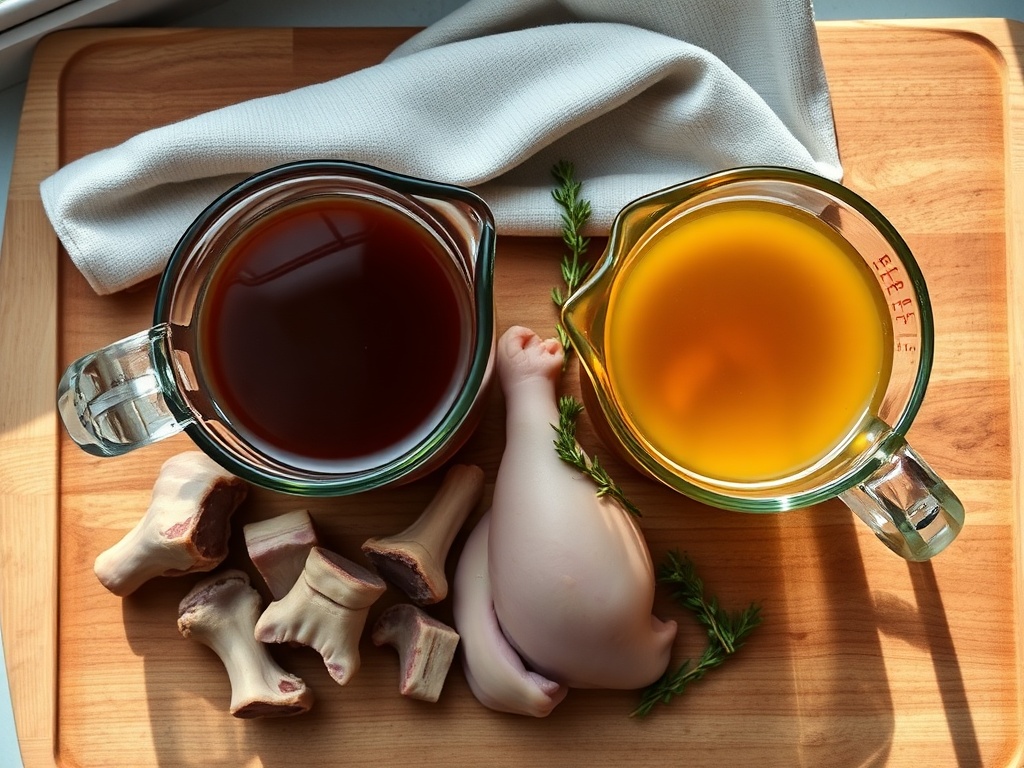
Color provides additional clues about preparation quality. Chicken bone broth should appear golden yellow with slight cloudiness from suspended proteins. Clear, water-like broth indicates under-extraction. Beef bone broth ranges from medium to dark brown, depending on roasting level and bone types used. A thick layer of fat forming on the refrigerated surface is normal and beneficial—this fat protects the broth from oxidation during storage.
Taste and aroma offer final confirmation. Quality bone broth tastes rich, savory, and slightly viscous on the tongue. The mouthfeel should be noticeably thicker than water due to dissolved gelatin. Bland, watery flavor suggests inadequate bones, insufficient cooking time, or excessive dilution. Off-odors or sour notes indicate bacterial contamination from temperature abuse—discard such batches immediately.
The absence of scum on the surface during cooking is not an indicator of completion. Some batches produce minimal foam regardless of quality. What matters is cumulative cooking time at proper temperature, appropriate bone-to-water ratios (typically 2-3 pounds bones per gallon), and the gel test result after refrigeration.
What Is the Shelf Life of Bone Broth Compared to Stock?
Storage duration and safety protocols differ between bone broth and stock due to their distinct protein and gelatin content. Both preparations last 4-5 days refrigerated and up to 6 months frozen, but their high protein content demands strict temperature control to prevent pathogenic bacterial growth.
Refrigerated storage requires maintaining temperatures at or below 40°F (4°C). The FDA emphasizes that improper refrigeration of protein-rich liquids like bone broth and stock creates ideal conditions for Clostridium botulinum, Salmonella, and E. coli growth. Transfer hot broth to shallow containers (no more than 2 inches deep) and refrigerate uncovered until cooled below 70°F, then cover. This rapid cooling prevents the dangerous 40-140°F temperature zone where bacteria multiply exponentially.
The natural fat layer that forms on refrigerated bone broth provides a protective seal that extends shelf life slightly. This fat barrier limits oxygen exposure, reducing oxidation and bacterial colonization at the surface. Remove this fat layer before reheating if desired, though many practitioners consume it for its fat-soluble vitamin content and healthy fatty acid profile.
Freezing offers the most reliable long-term storage. Freeze bone broth or stock in measured portions using ice cube trays, muffin tins, or freezer-safe jars (leaving 1-inch headspace for expansion). Glass jars labeled as freezer-safe prevent cracking, though plastic freezer bags offer space-saving convenience. The optimal freezing strategy involves portioning into 1-cup and 2-cup measurements for recipe flexibility.
Pressure canning enables shelf-stable storage at room temperature. Both bone broth and stock require pressure canning (not water bath canning) due to their low acidity and high protein content. Follow USDA guidelines: process pints for 20 minutes and quarts for 25 minutes at 10-11 pounds pressure (adjusting for altitude). Properly canned bone broth remains safe and nutritious for 12-18 months at room temperature.
Commercial bone broth and stock products use different preservation methods. Shelf-stable cartons undergo ultra-high temperature (UHT) processing that sterilizes the product without canning. Frozen products maintain highest nutritional quality but cost more due to cold-chain logistics. Dehydrated bone broth powder offers ultimate convenience but typically contains lower gelatin content due to processing modifications.
Expert Verdict: Which Should You Make?
Choose bone broth when prioritizing therapeutic nutrition, drinking straight, or creating gut-healing preparations. The gel test confirms quality—properly prepared bone broth always solidifies when refrigerated.
Choose stock for everyday cooking applications where subtle flavor foundation matters more than nutritional density. Stock's 3-6 hour preparation provides flavor-rich liquid for grains, sauces, soups, and braises at a fraction of bone broth's time and energy cost. Stock remains the professional kitchen standard because its light body and neutral character enhance rather than dominate complex dishes.
The decision ultimately reflects your primary goal: therapeutic nutrition versus culinary foundation. Understanding their distinct properties, preparation requirements, and optimal use cases enables informed choices that maximize both kitchen efficiency and health outcomes.
Article Summary
- Bone broth requires 12-48 hours cooking time to extract collagen and minerals, while stock cooks 3-6 hours for flavor foundation.
- Properly prepared bone broth contains 6-12g protein per cup and forms a firm gel when refrigerated due to gelatin content.
- Stock uses mixed bones and meat scraps for balanced flavor; bone broth uses primarily collagen-rich joints, knuckles, and feet.
- Bone broth demands 2-4 tablespoons vinegar per gallon for mineral extraction; stock uses minimal or no acidic medium.
- The gel test after refrigeration provides the definitive quality indicator—solid gel confirms proper bone broth preparation.
Frequently Asked Questions
Can I turn stock into bone broth by cooking it longer?
No, stock lacks sufficient collagen-rich bones to convert into bone broth through extended cooking. Bone broth requires specific bone types (knuckles, joints, feet) with high cartilage content. Cooking regular stock longer extracts remaining gelatin but never reaches bone broth's protein and amino acid density.
Does store-bought bone broth contain real collagen?
Quality varies dramatically by brand. Authentic bone broth products gel when refrigerated and list protein content of 9-10g per cup. Many products labeled "bone broth" are actually stock or broth with minimal gelatin. Check labels for protein content and ingredient lists showing lengthy cooking processes.
Why doesn't my bone broth gel after refrigeration?
Non-gelling indicates insufficient collagen-rich bones, inadequate cooking time (minimum 12 hours for chicken, 18 for beef), excessive water dilution, or boiling rather than simmering. Use 2-3 pounds bones per gallon water, add chicken feet or knuckle bones, cook longer, and maintain bare simmer temperature.
Is cloudy bone broth safe to consume?
Yes, cloudiness from suspended proteins and emulsified fats is normal and desirable in bone broth. This cloudiness indicates successful protein extraction. Clear, transparent bone broth suggests under-extraction. Cloudiness differs from surface scum—skim grey foam during initial cooking but embrace protein cloudiness throughout.
Can vegetarians make bone broth from vegetables?
No, collagen and gelatin exist only in animal connective tissue. "Vegetable broth" provides flavors and some minerals but contains zero collagen-derived amino acids (glycine, proline, hydroxyproline). Vegetarians seeking gelatin benefits can use plant-based gelatin alternatives like agar-agar, though these lack bone broth's amino acid profile.
Should I remove fat from bone broth before consuming?
Optional based on preference and dietary goals. The fat layer contains valuable fat-soluble vitamins (A, D, E, K) and healthy fatty acids, especially from grass-fed animals. Fat removal is purely personal choice without safety implications.
This article was produced by an automated research tool. Content is for informational purposes only and should not replace professional advice. Nothing here is medical advice, and it is not a substitute for it. Talk to a doctor about anything affecting your health. Product and resource links throughout this article are included for informational value based on relevance and quality. WhichBrewForYou has no affiliate relationship with any linked third-party site and receives no commission from any recommended products or brands. BellofattoBrews (coffee and tea) and Golden Hive Mead (mead kits and resources) are personal recommendations from this publication's founder and have no affiliation with WhichBrewForYou.