Key Takeaways
- Standard fermentation at 68-75°F takes 48 hours for optimal flavor and fizz.
- Warmer temperatures (75-85°F) accelerate fermentation to 24-36 hours but may create more alcohol.
- Cooler temperatures (60-68°F) slow fermentation to 60-72 hours with milder, less complex flavors.
- Taste testing every 12 hours after the first day determines the exact finish point.
- Visible bubbling, foam formation, and reduced sweetness are the primary indicators of active fermentation.
- Secondary bottle fermentation adds 12-24 hours for increased carbonation if desired.
What Happens During Tepache Fermentation?
Tepache fermentation is a wild fermentation process driven by naturally occurring yeasts and lactic acid bacteria present on pineapple skins. According to research published in the International Journal of Food Microbiology, the dominant microorganisms in tepache fermentation include Saccharomyces cerevisiae (wild yeast) and various Lactobacillus species that metabolize the sugars in piloncillo or cane sugar into carbon dioxide, organic acids, and small amounts of ethanol.
The fermentation progresses through three distinct stages. During the first 12-24 hours, yeast populations multiply rapidly as they consume available oxygen and begin converting sugars anaerobically. From 24-48 hours, fermentation accelerates visibly with bubble formation, foam development on the surface, and a noticeable decrease in liquid sweetness as sugars transform into acids and alcohol. After 48 hours, fermentation slows as available sugars deplete and acidity increases, eventually creating an environment too acidic for continued yeast activity.
Traditional Mexican recipes passed down through generations typically call for a 2-day fermentation period, which chef Rick Bayless documents in his traditional tepache preparations. This timeline produces a beverage with balanced sweetness, tanginess, and light carbonation — the hallmark characteristics of properly fermented tepache.
How Does Temperature Affect Tepache Fermentation Time?
Temperature is the single most influential variable controlling fermentation speed. Yeast metabolism doubles approximately every 18°F increase in temperature within the viable range, according to fermentation science studies published by the National Center for Biotechnology Information.
| Temperature Range | Fermentation Time | Flavor Profile | Alcohol Content |
|---|---|---|---|
| 60-68°F (15-20°C) | 60-72 hours | Mild, fruity, less complex | 0.5-1% ABV |
| 68-75°F (20-24°C) | 40-48 hours | Balanced, traditional, complex | 1-2% ABV |
| 75-85°F (24-29°C) | 24-36 hours | Sharp, tangy, more alcoholic | 2-3% ABV |
| Above 85°F (29°C) | 18-24 hours | Harsh, yeasty, unbalanced | 3-4% ABV |
Cooler fermentation temperatures between 60-68°F produce cleaner, fruitier flavors but require patience. The extended timeline allows for more gradual acid development and results in a gentler, less alcoholic final product. However, fermentation below 60°F may stall entirely as yeast activity becomes sluggish.
The ideal temperature range of 68-75°F mirrors typical household ambient temperatures and creates optimal conditions for the diverse microbial community in tepache.
Related: Tepache vs Kombucha Differences Explained | WhichBrewForYou
This range encourages balanced growth of both yeasts and lactic acid bacteria, producing the characteristic sweet-tart flavor profile with moderate carbonation and low alcohol content that defines traditional tepache.Warmer temperatures above 75°F accelerate fermentation dramatically but often at the cost of balance. Rapid fermentation produces more alcohol and can create harsh, overly acidic flavors with pronounced yeast character. Additionally, temperatures above 85°F increase the risk of off-flavors and potential contamination by undesirable microorganisms that thrive in warm conditions.
What Are the Visual Signs That Tepache Is Fermenting?
Active tepache fermentation produces unmistakable visual and sensory indicators that confirm the process is proceeding correctly. Within the first 12-24 hours, small bubbles begin rising from the pineapple pieces and settling on the surface. This early bubble activity signals that yeast has begun consuming sugars and producing carbon dioxide.
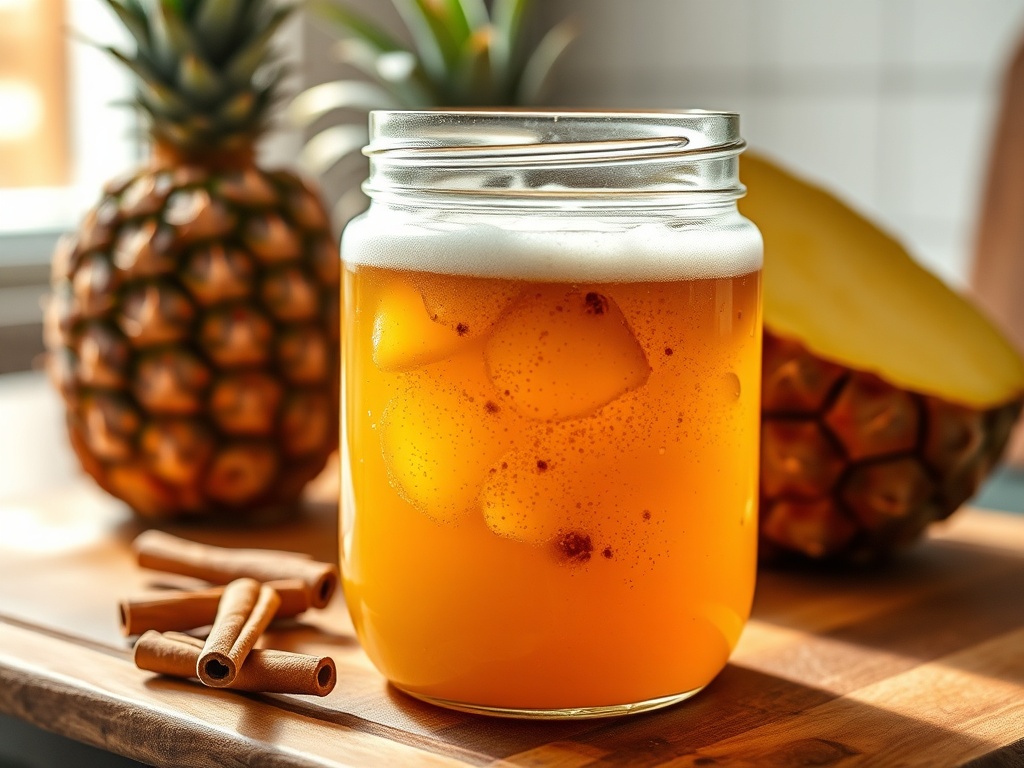
By hour 24-36, a thin white foam or film develops on the liquid surface. This foam consists of yeast colonies, proteins, and trapped CO₂ bubbles. The foam may appear creamy or slightly lumpy and is completely normal — it's not mold unless it shows green, blue, or black coloration or fuzzy texture.
Between 36-48 hours, the liquid becomes increasingly cloudy as yeast populations peak and fermentation byproducts accumulate. The pineapple pieces may float to the top or sink to the bottom depending on their density and gas bubble attachment. The entire jar or vessel will show vigorous bubbling when gently shaken or stirred.
After 48 hours, visible activity begins to slow. Bubbles become less frequent, foam may partially dissipate, and the liquid develops a more settled appearance. The color deepens from pale yellow to golden or amber as compounds from the pineapple skin infuse into the liquid and fermentation acids alter the pH.
How Do You Know When Tepache Fermentation Is Complete?
Determining the exact completion point for tepache fermentation requires sensory evaluation rather than strict time adherence. Taste testing is the most reliable method to assess fermentation progress and decide when to bottle. The flavor should transition from predominantly sweet with subtle pineapple notes to a balanced sweet-tart profile with pronounced tropical fruit character, mild acidity, and a subtle alcoholic warmth.
Specific indicators of complete fermentation include:
- Reduced sweetness: The piloncillo or sugar should taste noticeably less sweet than the initial mixture, with approximately 40-60% of perceived sweetness converted to other compounds.
- Tangy acidity: A pleasant tartness similar to kombucha or drinking vinegar should develop, indicating lactic acid production.
- Light carbonation: The liquid should have a slight effervescence on the tongue, though full carbonation develops during bottle conditioning.
- Alcohol presence: A subtle warming sensation and faint alcoholic aroma indicate successful yeast fermentation.
- Complex aroma: The scent evolves from fresh pineapple and cinnamon to include yeasty, bread-like notes and spiced undertones.
Testing should begin at 24 hours and continue every 12 hours thereafter. Extract a small sample with a clean spoon or ladle, never drinking directly from the fermentation vessel. If the tepache tastes too sweet with minimal tang, allow fermentation to continue. If it tastes pleasantly balanced with bright acidity and moderate sweetness, it's ready to strain and bottle. If it tastes excessively sour or vinegary, fermentation has proceeded too long.
According to traditional Mexican fermentation practices documented by Rick Bayless, tepache should never taste like vinegar. The ideal finish point preserves residual sweetness that balances the acidity — approximately the sweetness level of unsweetened iced tea with a squeeze of lemon.
Can You Speed Up or Slow Down Tepache Fermentation?
Controlling fermentation speed allows brewers to accommodate schedules and achieve specific flavor profiles. Temperature manipulation is the primary method for adjusting fermentation rate, but several other variables influence timing as well.
To accelerate fermentation:
- Place the fermentation vessel in a warmer location (75-80°F) such as atop a refrigerator or near a heating vent.
- Use a heating mat designed for fermentation or brewing to maintain consistent elevated temperature.
- Add a starter culture from a previous tepache batch (similar to sourdough back-slopping), introducing active yeast immediately.
- Increase the sugar content slightly to provide more fuel for yeast metabolism.
- Use smaller pineapple pieces to increase surface area for microbial colonization.
To slow fermentation:
- Reduce ambient temperature by moving the vessel to a cooler room or basement (65-68°F).
- Decrease sugar content, limiting available fermentable material.
- Use larger pineapple chunks with less surface area exposed to liquid.
- Add ice packs around (not in) the fermentation vessel to maintain cooler temperatures.
- Refrigerate the vessel for several hours to pause fermentation, then return to room temperature to resume slowly.
Research published in Food Microbiology journals demonstrates that wild fermentation can be paused and resumed multiple times by temperature cycling without significantly affecting final quality. This flexibility makes tepache forgiving for home fermenters with unpredictable schedules.
Does Secondary Bottle Fermentation Change the Timeline?
Secondary fermentation in sealed bottles creates additional carbonation and refines flavors. After straining tepache at 48 hours of primary fermentation, bottling and sealing for an additional 12-24 hours at room temperature produces champagne-like effervescence. This two-stage process is optional but recommended for those who prefer highly carbonated beverages.
During bottle conditioning, residual yeasts continue consuming any remaining sugars in the oxygen-free environment, producing CO₂ that cannot escape the sealed container. Pressure builds gradually, dissolving into the liquid as carbonic acid. According to fermentation principles outlined by the Brewers Association, this process mirrors beer bottle conditioning and requires careful pressure monitoring to prevent over-carbonation.
Best practices for secondary fermentation:
- Use pressure-rated bottles (flip-top bottles, champagne bottles, or beer bottles) never standard screw-top bottles that may explode.
- Leave 1-2 inches of headspace to accommodate gas expansion.
- Store bottles at room temperature (68-72°F) for 12-24 hours only.
- Burp bottles (briefly open to release excess pressure) every 8-12 hours if ambient temperature exceeds 75°F.
- Refrigerate after secondary fermentation completes to halt yeast activity and stabilize carbonation.
Total timeline including secondary fermentation extends to 60-96 hours from initial mixing to consumption. The additional complexity and texture often justify the extra day, particularly when serving tepache as a sophisticated beverage alternative.
Related: What Does Tepache Taste Like — Flavor Profile Explained
What Happens If Tepache Ferments Too Long?
Over-fermentation creates undesirable characteristics that diminish tepache's refreshing quality. Extended fermentation beyond 72 hours at room temperature converts tepache into a product more similar to pineapple vinegar than a traditional beverage. The dominant microbes shift from balanced yeast and bacteria populations to acetobacter species that produce acetic acid (vinegar).
Signs of over-fermentation include:
- Sharp, vinegary aroma that overpowers pineapple and spice notes
- Harsh acidity that creates a burning sensation rather than pleasant tartness
- Flat or minimal carbonation as CO₂ production ceases
- Cloudy, murky appearance with sediment settling heavily
- Strong alcoholic smell indicating excessive ethanol production (potentially 4-5% ABV)
A study in the Journal of Food Science found that traditional Mexican fermented beverages like tepache reach optimal organoleptic quality (taste, aroma, appearance) between 36-60 hours of fermentation at 72°F, with quality declining measurably after 72 hours. The research identified maximum flavor complexity and consumer preference scores at the 48-hour mark.
Over-fermented tepache remains safe to drink — vinegar is simply a different fermentation endpoint — but it no longer delivers the characteristic balanced sweetness and refreshing quality that define the beverage. Some brewers intentionally extend fermentation to create pineapple vinegar for culinary use, but this requires conscious intention rather than accidental timing mistakes.
People Also Ask
Can you ferment tepache for just 12 hours?
Twelve hours is insufficient for meaningful fermentation. The liquid remains predominantly sweet with minimal acidity, carbonation, or complex flavors. Yeast populations are still establishing and haven't produced significant fermentation byproducts. Minimum recommended fermentation is 24 hours even in warm conditions.
Does tepache continue fermenting in the refrigerator?
Refrigeration at 35-40°F dramatically slows but doesn't completely halt fermentation. Yeast metabolism continues at approximately 10% of room temperature rates. Tepache stored refrigerated for 5-7 days will continue developing slight acidity and may build modest carbonation if bottles are sealed.
How long does homemade tepache last after fermentation?
Properly refrigerated tepache lasts 5-7 days while maintaining optimal flavor and carbonation. Beyond one week, acidity increases noticeably and carbonation diminishes. The beverage remains safe to drink for 2-3 weeks refrigerated but quality degrades as fermentation slowly continues and flavors become sharper.
How Does Sugar Type and Amount Affect Fermentation Time?
The choice of sweetener directly influences both fermentation speed and final flavor development. Traditional tepache uses piloncillo (Mexican unrefined cane sugar) which contains minerals, molasses, and trace nutrients that support robust yeast growth. These compounds provide not only fermentable sugars but also vitamins and minerals that enhance microbial health.
Piloncillo ferments at a moderate, consistent rate because it contains a mix of simple sugars (glucose, fructose, sucrose) that yeasts metabolize at different speeds. This creates layered fermentation with early, middle, and late-stage flavor development. According to traditional recipes documented by Rick Bayless, piloncillo also contributes caramel and molasses notes that complement pineapple's tropical sweetness.
Alternative sweeteners produce different timelines:
| Sweetener Type | Fermentation Speed | Flavor Contribution |
|---|---|---|
| Piloncillo (traditional) | Standard (48 hours) | Caramel, molasses, complex |
| White granulated sugar | Faster (36-42 hours) | Clean, neutral, less complex |
| Brown sugar | Moderate (40-48 hours) | Light molasses, subtle depth |
| Honey | Slower (54-72 hours) | Floral, distinct honey character |
| Maple syrup | Slower (54-72 hours) | Maple notes, unique profile |
| Agave nectar | Faster (36-45 hours) | Neutral, clean sweetness |
Sugar concentration also matters significantly. Standard tepache recipes call for approximately 1 cup of piloncillo per 8 cups of water (roughly 12-15% sugar solution). Increasing sugar to 18-20% accelerates fermentation initially but may stress yeast populations and create excessive alcohol. Reducing sugar to 8-10% slows fermentation and produces a drier, less sweet final product with lower alcohol content.
Research in fermentation science published by NCBI demonstrates that sugar solutions between 10-15% optimize yeast health and flavor balance in wild fermented beverages. Below 8%, fermentation may stall prematurely. Above 20%, osmotic stress can inhibit yeast activity despite abundant food supply.
Do Spices and Additions Affect Fermentation Timing?
Common tepache spices — cinnamon sticks, whole cloves, star anise, and allspice — contribute antimicrobial compounds that can subtly influence fermentation dynamics. Cinnamon contains cinnamaldehyde, a compound with mild antibacterial properties that selectively inhibits some bacteria while allowing yeast to thrive. This creates a fermentation environment favoring yeast activity and can result in slightly faster, cleaner fermentation.
According to studies published in Food Chemistry journals, cinnamon's antimicrobial effects primarily target gram-positive bacteria, reducing competition for sugars and potentially allowing yeasts to work more efficiently. In practical terms, this means tepache with generous cinnamon may ferment 4-8 hours faster than versions without spices, though the effect is modest compared to temperature variation.
Cloves and allspice contain eugenol, another antimicrobial compound, but in the quantities typically used in tepache (3-5 cloves per gallon), the effect on fermentation speed is negligible. These spices contribute primarily aromatic complexity rather than fermentation modulation.
Fresh additions like ginger, jalapeño, or additional fruits (mango, strawberry) can either accelerate or slow fermentation depending on their microbial load and sugar content. Fresh ginger introduces wild yeasts and bacteria from its skin surface, potentially speeding initial fermentation. High-sugar fruits like mango add fermentable material, extending the fermentation window as yeasts process the additional sugars.
Can You Start a Second Batch Faster with Tepache Starter?
Back-slopping — reserving liquid from a finished batch to inoculate a new batch — is a traditional fermentation technique that dramatically accelerates subsequent fermentations. Adding 1-2 cups of active tepache from a previous batch to fresh ingredients reduces fermentation time by 30-50%, typically shortening the process to 24-36 hours even at moderate room temperatures.
This method works because the reserved tepache contains established yeast and bacteria populations already acclimated to the fermentation environment. Rather than starting from scratch with sparse wild microbes on pineapple skins, the new batch begins with millions of active fermentation organisms ready to metabolize sugars immediately.
Best practices for tepache back-slopping:
- Reserve 1-2 cups of unstrained liquid from a batch at peak fermentation (48 hours), not from over-fermented or sluggish batches.
- Use the reserved starter within 48 hours or store refrigerated for up to 5 days.
- Add the starter to the new batch immediately after mixing fresh ingredients and dissolving sugar.
- Monitor fermentation closely as it will proceed faster than first batches — taste at 24 hours.
- Continue refreshing the culture through successive batches, though flavor may gradually shift over multiple generations as microbial populations evolve.
This technique mirrors kombucha SCOBY cultivation and sourdough starter maintenance. Each generation adapts to the specific environment, potentially creating house cultures with distinctive flavor profiles unique to your fermentation conditions.
Expert Verdict
The ideal tepache fermentation time is 48 hours at 68-75°F for balanced sweetness, bright acidity, moderate carbonation, and complex tropical flavors. This timeline allows wild yeasts and lactic acid bacteria to fully develop characteristic tanginess while preserving residual sweetness and creating low alcohol content (1-2% ABV). Temperature is the dominant variable controlling speed — warmer conditions accelerate to 24-36 hours but risk harsh flavors, while cooler environments extend to 60-72 hours producing milder profiles. Taste testing every 12 hours after the first day remains the most reliable method to determine exact completion, as microbial populations, sugar sources, and ambient conditions vary. Secondary bottle fermentation for 12-24 additional hours optimizes carbonation without compromising flavor balance.
Article Summary
- Standard tepache fermentation completes in 48 hours at room temperature (68-75°F) with balanced sweet-tart flavor.
- Warmer temperatures (75-85°F) reduce fermentation to 24-36 hours but increase alcohol content and sharpness.
- Cooler temperatures (60-68°F) extend fermentation to 60-72 hours producing milder, less complex results.
- Visual indicators include bubbling, foam formation, cloudiness, and color deepening from pale yellow to golden.
- Taste testing at 12-hour intervals determines optimal finish point when sweetness decreases and pleasant acidity develops.
- Secondary bottle fermentation for 12-24 hours creates champagne-like carbonation and refined texture.
- Over-fermentation beyond 72 hours produces harsh vinegary flavors and excessive acidity unsuitable for drinking.
- Sugar type affects timing — white sugar ferments fastest (36-42 hours), honey slowest (54-72 hours).
- Back-slopping with reserved tepache from previous batches reduces fermentation time by 30-50%.
- Traditional piloncillo at 10-15% concentration optimizes yeast health and creates the most balanced flavor profile.
Frequently Asked Questions
Can tepache ferment in 24 hours?
Yes, tepache can complete fermentation in 24 hours if ambient temperature reaches 78-85°F and back-slopping starter culture is used. However, this rapid fermentation produces higher alcohol content (2-3% ABV), sharper acidity, and less complex flavors than the traditional 48-hour timeline. Most brewers find 24-hour tepache too aggressive and prefer longer fermentation for balance.
What happens if you ferment tepache for a week?
Week-long fermentation at room temperature converts tepache into pineapple vinegar with harsh, sharp acidity unsuitable as a beverage. All fermentable sugars are consumed, alcohol content may reach 5-6% ABV, and acetic acid bacteria dominate, creating strong vinegar flavors. The liquid remains safe but loses all characteristic tepache qualities and becomes a culinary vinegar instead.
Should tepache be covered or left open during fermentation?
Tepache should be covered with breathable material like cheesecloth, coffee filters, or a loose lid allowing gas escape. Never seal tightly during primary fermentation as CO₂ buildup can create dangerous pressure. The cover prevents insects and debris while allowing oxygen exchange that wild yeasts require initially. Seal only during secondary bottle fermentation.
Does pineapple ripeness affect fermentation speed?
Very ripe pineapples ferment slightly faster (4-8 hours quicker) because higher sugar content provides more immediate food for yeasts and the skin harbors more active wild yeast populations. Underripe pineapples contain less sugar and fewer surface microbes, potentially extending fermentation by 12-24 hours. Medium-ripe pineapples with some yellow coloring produce the most consistent results at standard 48-hour timing.
Can you taste tepache while it's fermenting?
Yes, tasting during fermentation is recommended and necessary to determine optimal finish point. Always use a clean spoon to extract a small sample — never drink from the fermentation vessel. Begin tasting at 24 hours and continue every 12 hours. The flavor evolution from sweet to sweet-tart guides the decision to strain and bottle.
How do you stop tepache fermentation at the perfect point?
Stop fermentation by straining out all solids and immediately refrigerating the liquid. Cold temperature (35-40°F) slows yeast metabolism to approximately 10% of room temperature activity, effectively pausing fermentation. For complete halt, heat tepache to 160°F for 10 seconds (pasteurization) then cool and refrigerate, though this eliminates probiotic benefits and can alter flavor.
More Tepache Articles
This article was produced by an automated research tool. Content is for informational purposes only and should not replace professional advice. Nothing here is medical advice, and it is not a substitute for it. Talk to a doctor about anything affecting your health. Product and resource links throughout this article are included for informational value based on relevance and quality. WhichBrewForYou has no affiliate relationship with any linked third-party site and receives no commission from any recommended products or brands. BellofattoBrews (coffee and tea) and Golden Hive Mead (mead kits and resources) are personal recommendations from this publication's founder and have no affiliation with WhichBrewForYou.