Key Takeaways
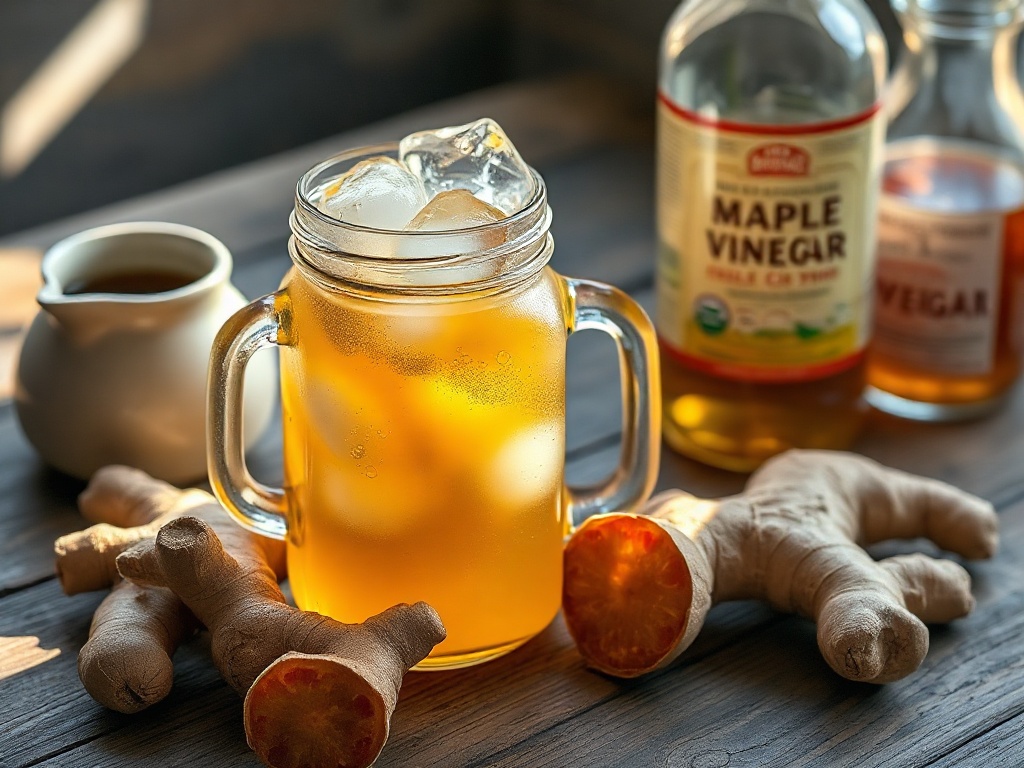
- Switchel's primary flavor comes from apple cider vinegar, creating a tangy, acidic base similar to drinking pickles or kombucha.
- Fresh ginger adds warming, peppery spice that builds intensity as you drink, with a slight burn in the throat.
- Maple syrup or molasses provides earthy sweetness that balances acidity without making the drink sugary or cloying.
- The overall taste is more complex and medicinal than sweet beverages, with a hydrating, mouth-cleansing finish.
- Flavor intensity varies dramatically based on vinegar-to-sweetener ratio and ginger quantity, ranging from mildly tart to intensely sharp.
What Is the Dominant Flavor in Switchel?
The dominant flavor in switchel is apple cider vinegar — sharp, tangy, and distinctly acidic. This creates the drink's signature pucker-inducing quality that sets it apart from other traditional beverages. Bragg's comprehensive guide to apple cider vinegar explains that quality ACV contains acetic acid, which provides the characteristic sour taste, along with fruity undertones from fermented apples that add complexity beyond simple sourness.
The vinegar taste in switchel is more pronounced than in shrubs or drinking vinegars because switchel uses a higher proportion of vinegar to other ingredients. According to Harvard's Nutrition Source, apple cider vinegar contains malic acid and citric acid in addition to acetic acid, which creates a multi-layered sourness rather than one-dimensional tartness. This acidity immediately triggers saliva production, making switchel feel intensely hydrating despite its sharp taste.
The vinegar note in switchel is bright and clean rather than harsh or chemical-tasting when made with quality ingredients. Raw, unfiltered apple cider vinegar with "the mother" adds subtle yeasty, fermented complexity that commercial white vinegar lacks. This fermented character gives switchel a distant kinship to kombucha's tangy flavor profile, though switchel is more straightforwardly acidic without kombucha's fizzy, tea-based sweetness.
How Does Ginger Influence Switchel's Taste?
Ginger transforms switchel from a simple drinking vinegar into a complex, warming beverage with significant depth and heat. Fresh ginger root contains gingerol compounds that create a peppery, almost spicy sensation that builds with each sip. The ginger flavor in switchel starts subtle on the initial taste but develops into a warming throat sensation that lingers after swallowing.
Research published in PubMed on ginger's bioactive compounds shows that fresh ginger contains volatile oils and oleoresins that provide both aromatic and pungent qualities. In switchel, these compounds interact with the acidic vinegar to create a bright, zingy flavor rather than the heavy, syrupy ginger taste found in ginger ale. The ginger adds a slight citrus-like freshness and vegetal earthiness that complements rather than competes with the vinegar.
The intensity of ginger flavor varies dramatically based on preparation method. Grated fresh ginger creates a more aggressive, fibrous spiciness with visible pulp, while thinly sliced ginger produces a cleaner, more refined heat. Vermont Village's traditional switchel recipes recommend using 1-2 tablespoons of grated ginger per quart of liquid for a pronounced but not overwhelming ginger presence.
What Role Does Sweetener Play in Switchel's Flavor Profile?
The sweetener in switchel — traditionally maple syrup or molasses — does not make the drink taste sugary but instead provides subtle, earthy complexity that rounds out harsh acidity. Unlike refined white sugar, these natural sweeteners contribute their own distinct flavor profiles that add depth beyond simple sweetness. Maple syrup brings woody, caramel notes, while molasses adds robust, mineral-rich bitterness.
Traditional switchel recipes from Rick Bayless's authentic beverage collection use just enough sweetener to make the vinegar drinkable without masking its character. The typical ratio is 2-4 tablespoons of sweetener per cup of vinegar, creating a sweet-tart balance similar to unsweetened cranberry juice rather than lemonade. This allows the vinegar's acidity and ginger's spice to remain the dominant flavor notes.
Maple syrup creates a lighter, more delicate switchel with subtle vanilla and butterscotch undertones, while molasses produces a darker, more robust drink with mineral complexity. According to USDA nutritional data, blackstrap molasses contains significant iron and potassium, which contribute a slight metallic, salty edge that enhances switchel's historical reputation as a field worker's electrolyte drink. This savory element makes molasses-based switchel taste more medicinal and less dessert-like.
How Does Switchel Compare to Other Tangy Beverages?
| Beverage | Primary Acid | Sweetness Level | Flavor Complexity | Carbonation |
|---|---|---|---|---|
| Switchel | Apple cider vinegar | Low to moderate | High (vinegar, ginger, molasses) | None (flat) |
| Kombucha | Acetic and lactic acid | Low | Very high (tea, fermentation, fruit) | Naturally carbonated |
| Shrub | Fruit vinegar or ACV | Moderate to high | High (fruit, vinegar, sweetener) | None (used as mixer) |
| Lemonade | Citric acid (lemon juice) | High | Low (lemon, sugar) | None |
| Ginger Beer | Citric acid | High | Moderate (ginger, spices) | Highly carbonated |
Switchel occupies a unique position among tangy beverages because it emphasizes vinegar's acidity rather than fruit juice or fermentation. While kombucha shares switchel's probiotic vinegar character, kombucha's tea base and carbonation create a lighter, more effervescent experience. Kombucha Brewers International notes that kombucha typically contains 0.5-1% acetic acid, while switchel may contain 3-5% depending on dilution, making switchel significantly sharper and more direct in its acidity.
Shrubs and switchel are both drinking vinegars, but shrubs incorporate concentrated fruit flavors that dominate the taste profile, whereas switchel keeps vinegar front and center with only ginger and minimal sweetener as supporting elements. Shrub & Co's educational resources explain that shrubs function as cocktail mixers or soda syrups, while switchel is consumed as a standalone beverage diluted only with water.
Does Switchel Taste Good or Unpleasant?
Whether switchel tastes good is highly subjective and depends on your tolerance for acidic, vinegar-forward flavors. People who enjoy fermented foods, pickles, sauerkraut, or unsweetened kombucha typically find switchel refreshing and complex. Those accustomed to sweet sodas and fruit juices often find switchel intensely sour and medicinal on first taste, though many develop appreciation after several servings.
The drink's flavor is an acquired taste for modern palates conditioned to expect sweetness in beverages. Historical accounts from Bragg's switchel history documentation indicate that 18th and 19th century farm workers found switchel delicious and thirst-quenching, but these workers consumed diets lower in processed sugar and had different flavor expectations. Contemporary drinkers often need to adjust the vinegar-to-sweetener ratio significantly sweeter than traditional recipes to find switchel palatable.
Switchel's appeal lies in its refreshing, mouth-cleansing quality rather than pleasant sweetness — it makes you feel hydrated and invigorated rather than satisfied and full. The acetic acid triggers saliva production and gastric responses that create a sense of alertness and thirst-quenching that sweet drinks cannot replicate. According to research in PubMed on vinegar's effects on satiety, vinegar consumption increases feelings of hydration and reduces perceived thirst more effectively than plain water in some contexts.
How Does Temperature Affect Switchel's Flavor?
Temperature dramatically alters switchel's taste intensity and drinkability. Cold switchel served over ice tastes sharper, cleaner, and more refreshing, with the ginger's spice muted and the vinegar's acidity feeling more bracing. The cold temperature numbs taste buds slightly, making the drink easier to consume for vinegar-averse drinkers while maintaining its thirst-quenching properties.
Room temperature switchel amplifies all flavors — the vinegar becomes more pungent, the ginger develops more complex aromatic notes, and the sweetener's depth becomes more apparent. This temperature reveals switchel's full flavor complexity but can feel overwhelming for those unaccustomed to drinking vinegar. Cultures for Health's fermentation guides note that traditional switchel was stored in clay jugs that kept it cool but not ice-cold, creating a moderate temperature that balanced drinkability with flavor intensity.
Hot switchel, while uncommon, transforms the drink into a soothing, tea-like beverage where ginger becomes the dominant flavor. Heating volatilizes some of the vinegar's harsh acetic acid notes while releasing ginger's aromatic oils, creating a warming drink similar to ginger tea with a tangy finish. However, excessive heat can destroy beneficial enzymes and probiotics found in raw apple cider vinegar, reducing switchel's functional benefits.
Related: Switchel vs Kombucha — Key Differences Explained | WhichBrewForYou
What Makes Switchel Taste Different from Commercial Versions?
Homemade switchel tastes significantly more intense, complex, and variable than commercial bottled versions. Commercial switchel producers often increase sweetener ratios, reduce vinegar concentration, and add carbonation to make the drink more accessible to mainstream consumers. These modifications create a product closer to ginger ale or lemonade than traditional haymaker's punch.
The quality of apple cider vinegar makes the most dramatic difference in switchel's taste. Raw, unfiltered ACV with "the mother" like Bragg Organic Apple Cider Vinegar contains beneficial bacteria, enzymes, and proteins that create a cloudy appearance and yeasty, fermented complexity. Filtered, pasteurized commercial vinegar tastes sharper and more one-dimensional, lacking the subtle funkiness that adds depth to traditional switchel.
Fresh ginger versus ground ginger powder creates another major taste distinction. Fresh ginger root provides bright, zesty heat with aromatic oils that create a clean, vegetal spice. Ground ginger powder tastes earthier, more concentrated, and slightly dusty, with less of the fresh, citrus-like brightness. Traditional recipes exclusively use fresh ginger, while some commercial versions rely on ginger extract or powder for consistency and shelf stability.
How Can You Adjust Switchel's Taste to Your Preferences?
Switchel's simple ingredient list makes it highly customizable to individual taste preferences. The most common adjustment is increasing sweetener to balance vinegar's acidity — adding an extra tablespoon of maple syrup per serving can transform switchel from aggressively tart to pleasantly tangy. However, adding too much sweetener creates a cloying, syrupy drink that loses switchel's characteristic refreshing quality.
Dilution ratio is the second most impactful variable. Traditional concentrated switchel uses equal parts vinegar and water, which many modern drinkers find unbearably sharp. Diluting switchel with additional water (up to a 1:3 vinegar-to-water ratio) creates a milder, more approachable beverage similar to flavored water. Pok Pok Som's drinking vinegar guide recommends starting with high dilution and gradually reducing water content as your palate adjusts to vinegar's intensity.
Ginger quantity directly controls switchel's spicy heat — reducing fresh ginger to 1 teaspoon per quart creates a mild, background warmth, while increasing to 3 tablespoons produces an intense, almost burning throat sensation. Some recipes add additional flavorings like lemon juice for brightness, cinnamon for warmth, or fresh mint for cooling contrast, though purists argue these additions move the drink away from authentic switchel into shrub territory.
What Does Switchel Taste Like When Mixed in Cocktails?
Switchel functions as an excellent cocktail mixer, adding complexity, acidity, and spice that balance sweet or high-proof spirits. When mixed with bourbon or rye whiskey, switchel's apple cider vinegar echoes the fruity esters in aged spirits while ginger adds complementary baking spice notes. The vinegar's acidity cuts through alcohol's heat similarly to citrus juice but with more earthy complexity than lemon or lime.
In rum cocktails, switchel's molasses-based versions create particularly harmonious pairings because rum itself is made from sugarcane or molasses. The ginger in switchel amplifies rum's natural spice character while vinegar adds brightness that prevents drinks from becoming too sweet. Master of Malt's cocktail archives document historical switchel punches that combined dark rum, switchel, and additional citrus for complex, refreshing long drinks.
Vodka switchel cocktails let the drinking vinegar's flavor profile shine without competing with strong spirit flavors, creating something between a shrub soda and a Moscow Mule. The neutral spirit adds alcohol content without masking switchel's ginger-vinegar character. Gin and switchel create more botanical-forward drinks where juniper, ginger, and vinegar build layered herbal complexity.
People Also Ask About Switchel's Taste
Is switchel supposed to taste sour?
Yes, switchel is intentionally sour and tangy due to its apple cider vinegar base. The sourness should be balanced by sweetener and ginger, not eliminated. Properly made switchel tastes refreshingly tart rather than unpleasantly acidic.
Does switchel taste like apple cider?
No, switchel tastes sharper and more vinegary than sweet apple cider. While both contain apples, apple cider is a sweet juice while switchel is an acidic drinking vinegar with only subtle apple fruit notes.
Can you make switchel taste less vinegary?
Yes, dilute switchel with more water or increase maple syrup to reduce vinegar intensity. Adding carbonated water instead of still water also helps mask vinegar's sharpness while maintaining refreshment.
Expert Verdict on Switchel's Flavor
Switchel delivers a sophisticated, acquired taste that rewards adventurous drinkers willing to embrace vinegar-forward beverages. The best versions balance sharp apple cider vinegar acidity with warming fresh ginger and just enough maple syrup or molasses to create a complex, thirst-quenching drink. Switchel tastes intensely tangy with peppery heat and subtle sweetness — it's medicinal, refreshing, and completely unlike conventional sodas or fruit juices. For those who enjoy kombucha, pickles, or drinking vinegars, switchel offers a cleaner, more direct vinegar experience. Those expecting sweet drinks should adjust recipes with extra sweetener and dilution before judging. Ultimately, switchel's polarizing flavor is precisely what makes it valuable — it's one of the few traditional beverages that hasn't been sweetened and simplified into blandness.
Summary
- Switchel's dominant flavor is sharp, tangy apple cider vinegar with bright acidity that creates immediate mouth-watering freshness.
- Fresh ginger adds warming, peppery spice that builds with each sip, providing depth and throat heat without overwhelming the vinegar base.
- Maple syrup or molasses provides subtle, earthy sweetness with caramel or mineral notes rather than simple sugary flavor.
- Cold switchel tastes sharper and more refreshing, while room temperature versions reveal more complex flavor layers and aromatics.
- Quality ingredients — raw unfiltered ACV and fresh ginger root — create superior flavor compared to commercial filtered vinegar and ground ginger powder.
Frequently Asked Questions
What does switchel taste like compared to kombucha?
Switchel tastes sharper and more vinegary than kombucha, with a flat rather than fizzy texture. While both are tangy fermented beverages, switchel has a more direct acidic punch without kombucha's tea base or natural carbonation. Switchel's ginger provides heat that kombucha typically lacks.
Why does my switchel taste too sour?
Switchel tastes too sour when the vinegar-to-sweetener ratio is unbalanced or when using undiluted concentrated switchel. Add more maple syrup or molasses gradually, or dilute with additional water. Start with 1 part switchel concentrate to 2-3 parts water for milder acidity.
Does switchel taste better with maple syrup or molasses?
Maple syrup creates a lighter, more delicate switchel with subtle caramel notes, while molasses produces a robust, earthy drink with mineral complexity. Maple tastes cleaner and more refined; molasses tastes more traditional and medicinal. Both are authentic — choose based on personal preference.
Can kids drink switchel or is the taste too strong?
Most children find traditional switchel too sour and vinegary for their palates. However, heavily diluted, sweetened versions with reduced ginger can work as an alternative to sodas. Start with very mild ratios and increase intensity gradually as tolerance develops.
How long does switchel's taste last on your palate?
Switchel's ginger heat and vinegar tang linger for 2-5 minutes after drinking, creating a warming throat sensation and slight mouth-pucker. The aftertaste is clean and refreshing rather than cloying, with subtle ginger aromatics that continue developing.
Does switchel taste like pickle juice?
Switchel shares pickle juice's vinegar base but tastes sweeter, spicier, and more complex. While both are acidic and tangy, switchel contains ginger heat and maple sweetness that pickle juice lacks. Switchel is designed as a beverage; pickle juice is a byproduct of vegetable fermentation.
More Switchel Articles
This article was produced by an automated research tool. Content is for informational purposes only and should not replace professional advice. Nothing here is medical advice, and it is not a substitute for it. Talk to a doctor about anything affecting your health. Product and resource links throughout this article are included for informational value based on relevance and quality. WhichBrewForYou has no affiliate relationship with any linked third-party site and receives no commission from any recommended products or brands. BellofattoBrews (coffee and tea) and Golden Hive Mead (mead kits and resources) are personal recommendations from this publication's founder and have no affiliation with WhichBrewForYou.