Key Takeaways
- Water kefir grains are reusable cultures that multiply over time, providing an endless supply for future batches
- The first fermentation takes 24-48 hours and creates the probiotic base, while a second fermentation adds flavor and carbonation
- According to Cultures for Health, water kefir contains 10-20 different probiotic strains and significantly fewer calories than kombucha
- Proper mineral content in the water is essential for grain health — chlorinated tap water can damage or kill the culture
- Water kefir can be flavored with nearly any fruit, juice, or herb combination without compromising the grain culture
What Is Water Kefir and How Does It Work?
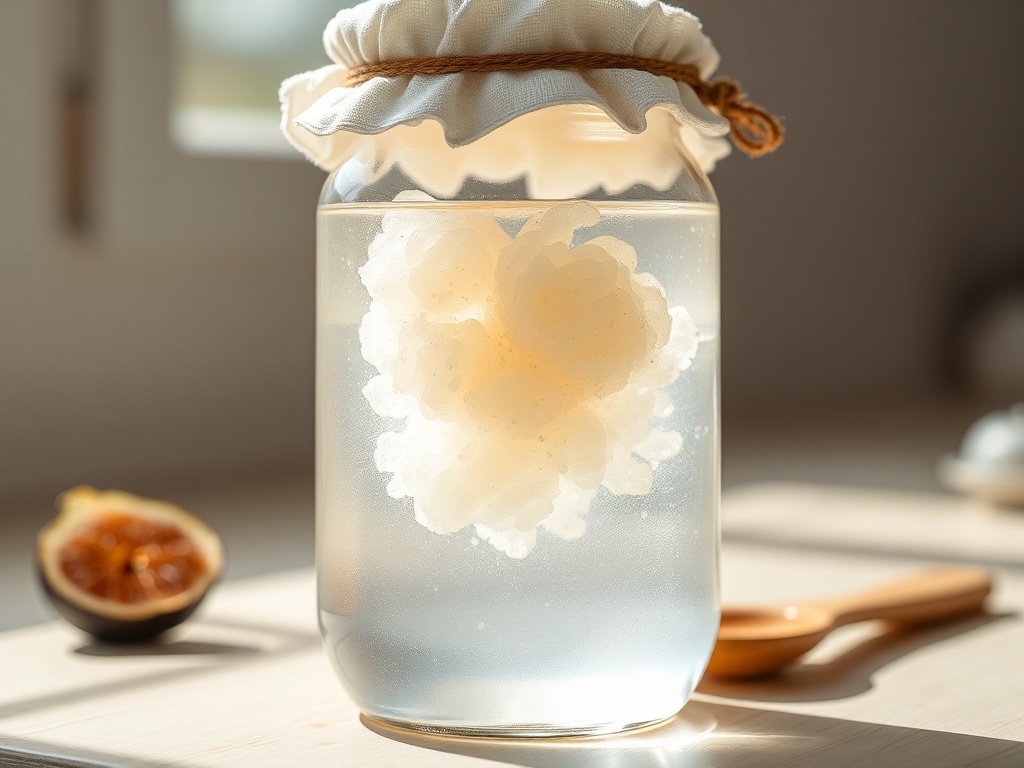
Water kefir is a probiotic fermented beverage created through the symbiotic action of bacteria and yeast cultures known as water kefir grains. Despite their name, these "grains" are not actual grains but translucent, crystal-like structures composed of polysaccharides that house colonies of beneficial microorganisms. Research published in the International Journal of Food Microbiology identified over 30 different bacterial strains and 10 yeast species in water kefir grains, including Lactobacillus, Leuconostoc, and Saccharomyces species.
The fermentation process works through metabolic conversion. The microorganisms in the grains consume the dissolved sugar in the water, converting it into lactic acid, acetic acid, ethanol (in trace amounts typically below 1%), carbon dioxide, and beneficial enzymes.
Unlike milk kefir which requires dairy, water kefir is completely plant-based and suitable for vegans and those with lactose intolerance. The Kefir Lady notes that water kefir has a milder, less tangy flavor profile than its dairy counterpart, making it more approachable for beginners to fermented beverages.
What Equipment Do You Need to Make Water Kefir?
Making water kefir at home requires minimal specialized equipment, most of which you likely already own. The process is significantly simpler than brewing kombucha or beer, making it accessible for fermentation beginners.
Essential Equipment
| Item | Purpose | Specifications |
|---|---|---|
| Glass jar (first fermentation) | Primary fermentation vessel | 1-quart or 2-quart capacity, wide mouth preferred |
| Cloth cover | Allows airflow while excluding contaminants | Coffee filter, cheesecloth, or thin cotton cloth |
| Rubber band | Secures cloth cover | Any size that fits jar opening |
| Plastic or wooden spoon | Stirring and mixing | Non-reactive material (avoid metal) |
| Plastic strainer | Separating grains from finished kefir | Fine mesh, non-metallic |
| Glass bottles (second fermentation) | Carbonation and flavoring | Flip-top or swing-top bottles rated for pressure |
Avoid metal tools and containers during fermentation. According to Cultures for Health guidelines, prolonged contact between active kefir grains and metal can create chemical reactions that damage the culture. Stainless steel is acceptable for brief contact during straining, but plastic or wooden implements are preferred for all other steps.
How to Make Water Kefir: First Fermentation Step-by-Step
The first fermentation creates the probiotic base of water kefir. This process is remarkably forgiving and requires only basic attention to ratios and timing.
Ingredients for Basic Water Kefir (1 Quart)
- 4 cups (1 quart) filtered or mineral water at room temperature
- ¼ cup organic cane sugar
- ¼ cup hydrated water kefir grains
- 1 small piece of dried fruit (optional but recommended for mineral content)
- Small pinch of unrefined sea salt or baking soda (provides trace minerals)
First Fermentation Process
- Dissolve the sugar: Pour room-temperature filtered water into your glass jar. Add the sugar and stir with a plastic or wooden spoon until completely dissolved. Never add grains to water that still contains undissolved sugar crystals, as direct contact can damage them.
- Add mineral support: Drop in a small piece of unsulfured dried fruit (such as a dried fig, apricot, or raisin) and a pinch of unrefined sea salt. Research from Food Microbiology studies shows that water kefir grains require trace minerals like calcium, magnesium, and potassium to maintain health and reproductive capacity. The dried fruit provides these minerals naturally.
- Add the kefir grains: Once the sugar is fully dissolved, add your water kefir grains to the jar. They will either float or sink — both are normal and indicate nothing about fermentation success.
- Cover and ferment: Place a cloth cover over the jar opening and secure it with a rubber band. The cover must allow airflow while preventing dust, insects, and contaminants from entering. Place the jar in a location away from direct sunlight with a stable temperature between 68-78°F (20-25°C). Fermentation specialists note that temperatures below 65°F slow fermentation dramatically, while temperatures above 85°F can stress or kill the culture.
- Monitor fermentation time: Allow the mixture to ferment for 24-48 hours. The exact duration depends on ambient temperature and your taste preference. Check the kefir after 24 hours — it should taste slightly sweet with developing tanginess. At 48 hours, most of the sugar will be consumed and the flavor will be noticeably tart with minimal residual sweetness.
- Strain the grains: Pour the fermented water kefir through a plastic strainer into a clean container. The liquid that passes through is your finished first-fermentation water kefir. The grains caught in the strainer are ready to immediately start a new batch.
Your water kefir grains should be used to start a fresh batch within 48 hours of straining. If you need to take a break from brewing, grains can be stored in sugar water in the refrigerator for up to 2 weeks, though this slows their metabolic activity significantly.
How to Add Flavor Through Second Fermentation
The second fermentation transforms your plain water kefir into a flavored, highly carbonated beverage. This stage occurs in sealed bottles without the grains present, allowing wild yeasts and bacteria to continue fermenting while building pressure and developing complex flavors.
Second Fermentation Process
Transfer your strained first-fermentation water kefir into flip-top glass bottles, filling them to within 1-2 inches of the top to allow space for carbonation buildup. Add your chosen flavorings directly to each bottle. The Kefir Lady flavor database documents over 100 successful combinations, but these fundamental approaches work reliably.
Proven Flavor Additions (Per Quart of Water Kefir)
- Fresh fruit: ¼ cup chopped berries, stone fruit, or tropical fruit
- Fruit juice: ¼-½ cup 100% juice (grape, pomegranate, cranberry, and citrus work exceptionally well)
- Fresh ginger: 1-2 teaspoons grated ginger root (creates natural ginger beer)
- Fresh herbs: 2-3 sprigs of mint, basil, or lavender
- Citrus: Juice and zest of ½ lemon, lime, or orange
- Vanilla: ½ teaspoon pure vanilla extract
Seal the bottles tightly and leave them at room temperature for 1-3 days. The duration of second fermentation determines carbonation level — longer fermentation produces more fizz but increases the risk of over-carbonation. Always burp bottles daily during second fermentation by briefly opening the cap to release excess pressure, then immediately resealing. This prevents glass bottle explosions, which can occur when pressure exceeds container limits.
After the desired carbonation is achieved, move bottles to the refrigerator. Cold temperatures halt fermentation and preserve both flavor and carbonation level. Second-fermented water kefir keeps refrigerated for 2-3 weeks, though carbonation and probiotic count are highest within the first week.
Understanding these benefits helps contextualize why water kefir has become a staple in health-conscious households.
The primary benefit of water kefir stems from its diverse probiotic profile. The specific Lactobacillus and Bifidobacterium strains found in water kefir produce lactic acid, which creates an environment hostile to pathogenic bacteria while supporting beneficial microorganisms.
Research published in the Journal of Dairy Science demonstrates that kefir fermentation produces bioactive peptides with immunomodulatory properties. Regular probiotic consumption through water kefir may reduce the frequency and severity of common infections.
Lower Sugar Content Than Commercial Alternatives
Water kefir contains significantly less sugar than store-bought sodas, kombuchas, and sweetened beverages. While you begin with ¼ cup of sugar per quart, the fermentation process consumes 70-90% of that sugar. The finished product typically contains only 2-6 grams of sugar per 8-ounce serving, compared to 26 grams in the same serving of cola or 12-15 grams in commercial kombucha.
Digestive Enzyme Production
The fermentation process creates enzymes that pre-digest some nutrients, making them more bioavailable. According to food chemistry research, these enzymes can aid in the digestion of proteins, fats, and complex carbohydrates, potentially reducing digestive discomfort for those with sensitive systems.
How Do You Maintain and Care for Water Kefir Grains?
Water kefir grains are living organisms that require consistent care to remain healthy and productive. Proper maintenance ensures your grains multiply and produce high-quality kefir indefinitely.
Optimal Feeding Schedule
Water kefir grains should be strained and given fresh sugar water every 24-48 hours. Leaving grains in the same batch longer than 72 hours starves them of nutrients and can cause die-off. The standard care protocol recommends maintaining a consistent feeding schedule — if you typically ferment for 48 hours, continue that pattern rather than alternating between 24-hour and 48-hour cycles.
Water Quality Requirements
Water quality directly impacts grain health. Chlorine and chloramine in municipal tap water damage bacterial cultures. Always use filtered water, spring water, or tap water that has been dechlorinated by sitting uncovered for 24 hours. The FDA water quality standards note that some water treatment facilities use chloramine instead of chlorine, which does not evaporate and requires filtration for removal.
Hard water with high mineral content is actually beneficial for water kefir grains. The calcium and magnesium naturally present in hard water support grain structure and reproduction.
Grain Multiplication and Division
Healthy water kefir grains multiply by 25-50% in volume every 1-2 weeks. When your grain quantity becomes excessive (more than ½ cup per quart of water), remove and compost the excess, share with friends, or use them to start multiple batches. Overcrowding grains in a jar can slow fermentation and create off flavors.
Resting and Storing Grains
If you need a break from brewing, prepare a batch of sugar water using the standard ratio (¼ cup sugar per quart of water), add the grains, and refrigerate in a covered jar. The cold temperature dramatically slows metabolism. Grains can survive this dormant state for 2-3 weeks, though some sources report successful storage for up to 2 months. After refrigeration, grains may take 2-3 batches to return to full fermentation strength.
What Can Go Wrong and How Do You Fix It?
Troubleshooting water kefir problems is straightforward when you understand the underlying biological processes. Most issues trace back to temperature, minerals, or contamination.
Slow or Stalled Fermentation
If your water kefir shows minimal fermentation activity after 48 hours (still very sweet, no tanginess developing), the cause is typically temperature or mineral deficiency. Move the jar to a warmer location between 72-78°F. Add a piece of unsulfured dried fruit to provide trace minerals. If using distilled water, switch to mineral-rich spring water or add a small pinch of unrefined sea salt and baking soda to each batch.
Grains Not Multiplying
Healthy grains should visibly increase in volume over 7-14 days. Grains that remain static or shrink indicate nutritional stress. The most common cause is inadequate mineral content. Solutions include switching to mineral-rich water, adding dried fruit to every batch, or using ¼ teaspoon blackstrap molasses per quart (in addition to regular sugar) which provides iron, calcium, and magnesium.
Slimy or Mushy Grains
Grains should maintain a firm, crystalline structure. If they become slimy, soft, or dissolve, the culture is dying. This typically results from chlorinated water exposure, metal contact, or extreme temperature fluctuations. Discard severely damaged grains and obtain fresh ones. If some firm grains remain, isolate them, rinse gently with filtered water, and start fresh batches with extra mineral support.
Over-Carbonation and Bottle Explosions
Excessive carbonation during second fermentation can cause dangerous bottle explosions. This occurs when yeasts produce carbon dioxide faster than the glass can safely contain. Prevent over-carbonation by burping bottles daily, limiting second fermentation to 3 days maximum, and using thick flip-top bottles designed for fermentation rather than repurposed wine or beer bottles. If a bottle feels rock-hard when squeezed, refrigerate immediately to halt fermentation.
Alcoholic or Off Flavors
While water kefir naturally contains trace alcohol (typically 0.5-1%), excessively alcoholic flavors indicate yeast overgrowth. This happens when fermentation temperature exceeds 80°F or when grains are left too long between feedings. The Cultures for Health alcohol testing shows that controlling temperature and maintaining a consistent 48-hour maximum fermentation time keeps alcohol content below 1%.
People Also Ask
Can you make water kefir without sugar?
No, sugar is essential for water kefir fermentation. The grains consume sugar as their primary food source. However, most sugar is converted during fermentation, leaving only 10-30% in the final product. Alternative sweeteners like honey or maple syrup can work but require specific adaptation periods.
How long do water kefir grains last?
Water kefir grains are indefinitely reusable with proper care. The same grains can produce thousands of batches over years or decades. They are living cultures that multiply and self-perpetuate. Some fermentation enthusiasts report using the same grain lineage for over 10 years.
Does water kefir need to be refrigerated?
Finished water kefir should be refrigerated after fermentation to preserve probiotics and prevent over-fermentation. First fermentation occurs at room temperature. Second fermentation also occurs at room temperature but should be refrigerated once desired carbonation is reached. Refrigerated water kefir stays fresh for 2-3 weeks.
Water Kefir vs Kombucha: Which Is Better?
Water kefir and kombucha are both probiotic fermented beverages, but they differ significantly in culture type, fermentation process, and nutritional profile. Understanding these differences helps determine which fits your preferences and health goals.
| Factor | Water Kefir | Kombucha |
|---|---|---|
| Culture Type | Water kefir grains (reusable) | SCOBY (Symbiotic Culture of Bacteria and Yeast) |
| Base Ingredient | Sugar water | Sweetened tea |
| Fermentation Time | 24-48 hours first fermentation | 7-14 days first fermentation |
| Flavor Profile | Mild, slightly sweet, less acidic | Tart, vinegary, more complex |
| Caffeine Content | Caffeine-free | Contains 10-25mg per 8oz (from tea) |
| Probiotic Diversity | 10-20 strains (primarily Lactobacillus) | Variable, typically 5-15 strains |
| Acidity (pH) | 4.0-4.5 (less acidic) | 2.5-3.5 (more acidic) |
Kombucha's tea base provides additional antioxidants not found in water kefir, but the caffeine content makes it unsuitable for evening consumption or caffeine-sensitive individuals.
The faster fermentation time of water kefir (24-48 hours versus 7-14 days) allows for more frequent batch production and quicker flavor experimentation. However, kombucha develops more complex flavor depth due to its longer fermentation period and the compounds present in tea leaves.
Where Can You Get Water Kefir Grains?
Unlike commercial yeast packets, water kefir grains cannot be manufactured and must come from existing living cultures. Several reliable sourcing options exist for both beginners and experienced fermenters.
Online Specialty Suppliers
Cultures for Health provides dehydrated water kefir grains that reactivate within 3-5 days of adding to sugar water. Dehydrated grains ship safely without refrigeration and remain viable for months when stored properly. The activation process requires patience — the first 3-4 batches produced during reactivation should be discarded as the grains rebuild their full microbial diversity.
Local Fermentation Communities
Many cities have fermentation clubs, Facebook groups, or community exchanges where experienced brewers share excess grains for free or minimal cost. Fresh, actively fermenting grains from local sources require zero activation time and begin producing quality kefir immediately. This method also provides access to local advice and troubleshooting support from experienced practitioners.
Farmers Markets and Health Food Stores
Some farmers markets and natural food stores sell fresh water kefir grains or finished water kefir with grains included. Ask vendors if they're willing to sell or share their grain cultures. Many are enthusiastic about spreading fermentation knowledge and provide grains freely to interested beginners.
Evaluating Grain Quality
High-quality water kefir grains are translucent to slightly opaque, have a firm but slightly gelatinous texture, and range from 2-10mm in size. They should smell mildly sweet and yeasty without any foul, rotten, or strongly sour odors. Avoid grains that are brown, mushy, slimy, or emit unpleasant smells — these indicate culture damage or contamination.
Expert Verdict: Is Making Water Kefir Worth It?
Making water kefir at home is absolutely worth the minimal effort required. The process demands less than 10 minutes of active work every 2 days, requires no expensive equipment, and produces an unlimited supply of probiotic beverages for the cost of sugar and water. The grains multiply naturally, creating a self-sustaining system that can last indefinitely. For anyone seeking to reduce sugar intake, increase probiotic consumption, or avoid the high cost of commercial fermented beverages, water kefir provides exceptional value with minimal complexity. The learning curve is gentle, mistakes are rarely catastrophic, and the flavor customization possibilities are limited only by imagination. Start with basic batches, master the fundamentals over 2-3 weeks, then experiment with creative flavor combinations once the process becomes automatic.
Article Summary
- Water kefir is a probiotic fermented beverage made by combining water kefir grains with sugar water for 24-48 hours, creating a low-sugar, gut-healthy alternative to commercial sodas and kombuchas
- The process requires minimal equipment (glass jar, cloth cover, strainer) and basic ingredients (water, sugar, kefir grains), making it accessible and affordable for home fermentation beginners
- First fermentation produces the probiotic base while second fermentation in sealed bottles adds flavor and natural carbonation through the addition of fruits, juices, or herbs
- Water kefir grains are living cultures that multiply indefinitely with proper care, requiring filtered water, consistent feeding every 24-48 hours, and adequate mineral support from hard water or dried fruit
Frequently Asked Questions
Can water kefir grains be used to make milk kefir?
No, water kefir grains and milk kefir grains are entirely different cultures adapted to different environments. Water kefir grains thrive in sugar water while milk kefir grains require lactose. Using water kefir grains in milk will damage them permanently and produce poor results.
Why is my water kefir not fizzy after second fermentation?
Low carbonation results from insufficient yeast activity, inadequate sugar for the second fermentation, or bottles not sealed tightly. Add fruit juice during second fermentation to feed remaining yeasts, ensure bottles are completely airtight, and extend second fermentation by 1-2 days while burping daily to prevent explosions.
Can you flavor water kefir during the first fermentation?
No, always flavor during second fermentation only. Adding flavoring ingredients during first fermentation directly exposes the grains to compounds that can inhibit growth or cause contamination. The grains should only contact sugar water, dried fruit for minerals, and filtered water during first fermentation.
How much water kefir should you drink per day?
Start with 4-8 ounces daily and gradually increase to 8-16 ounces as your digestive system adapts. The NIH recommends gradual introduction of fermented foods for optimal tolerance and benefit.
Does water kefir contain alcohol?
Yes, water kefir contains trace amounts of alcohol produced naturally during fermentation, typically 0.5-1% by volume. This is similar to overripe fruit and significantly lower than beer or wine. Longer fermentation times and warmer temperatures increase alcohol content slightly but rarely exceed 2%.
Can you make water kefir with coconut water?
Yes, but use coconut water only for occasional flavored batches, not as the primary fermentation liquid. Coconut water lacks sufficient minerals to sustain grain health long-term. Alternate batches between regular sugar water and coconut water, never using coconut water for more than 2-3 consecutive batches.
This article was produced by an automated research tool. Content is for informational purposes only and should not replace professional advice. Nothing here is medical advice, and it is not a substitute for it. Talk to a doctor about anything affecting your health. Product and resource links throughout this article are included for informational value based on relevance and quality. WhichBrewForYou has no affiliate relationship with any linked third-party site and receives no commission from any recommended products or brands. BellofattoBrews (coffee and tea) and Golden Hive Mead (mead kits and resources) are personal recommendations from this publication's founder and have no affiliation with WhichBrewForYou.