Key Takeaways
- Shrubs are concentrated drinking vinegars made from fruit, sugar, and vinegar that add complexity to mocktails without alcohol
- The ideal shrub-to-mixer ratio is 1:4 to 1:6 (one part shrub to four to six parts sparkling water or juice)
- Apple cider vinegar-based shrubs pair best with sparkling water while wine vinegar shrubs work well with citrus juices
- Shrubs provide the acidic bite and flavor layers that replace the burn and complexity of spirits in traditional cocktails
- Most shrubs last 6-12 months refrigerated making them practical for consistent mocktail creation at home
What Are Shrubs and Why Use Them in Mocktails?
Shrubs are concentrated syrups made by combining fruit, sugar, and vinegar through maceration or cooking. Also called drinking vinegars, shrubs originated in colonial America as a preservation method for fruit and evolved into a cocktail ingredient during the craft cocktail renaissance. According to research published in the Journal of Food Science, the acetic acid in shrubs provides antimicrobial properties that extend the shelf life of fruit flavors while creating complex taste profiles through acid-sugar balance.
In mocktails, shrubs solve a fundamental problem: non-alcoholic drinks often lack the flavor depth and acidic complexity that spirits naturally provide. The vinegar component delivers a sharp, tangy bite that mimics the burn of alcohol without intoxication. The concentrated fruit essence adds layers of flavor that simple juices cannot match. A well-made shrub transforms flat soda water into a sophisticated beverage with the same balance of sweet, tart, and aromatic notes found in premium cocktails.
The drinking vinegar experts at Shrub & Co note that shrubs also add beneficial organic acids including acetic acid from vinegar, which may support digestion and blood sugar regulation according to multiple clinical studies. This functional benefit makes shrub-based mocktails appealing to health-conscious consumers seeking alternatives to sugary sodas or artificially flavored drinks.
Related: Whole Bean vs Ground Coffee: Worth the Extra Effort? | WhichBrewForYou
How Do You Choose the Right Shrub for Your Mocktail?
Selecting the appropriate shrub depends on your desired flavor profile and the mixer you plan to use. Shrubs fall into three main categories based on their vinegar base: apple cider vinegar shrubs, wine vinegar shrubs, and specialty vinegar shrubs. Each type creates distinctly different drinking experiences when mixed into mocktails.
Apple Cider Vinegar Shrubs
Apple cider vinegar (ACV) shrubs deliver a mellow, fruity acidity that pairs exceptionally well with sparkling water and herbal ingredients. Bragg's shrub brewing guides recommend ACV-based shrubs for berry, stone fruit, and apple flavors. The natural apple notes in the vinegar complement rather than compete with these fruit profiles. ACV shrubs work best in light, refreshing mocktails where you want the fruit to shine without heavy tartness.
Popular ACV shrub flavors for mocktails include strawberry-basil, peach-ginger, blackberry-thyme, and apple-cinnamon. These pair beautifully with plain sparkling water, ginger beer, or light tonic water. The Harvard School of Public Health notes that unfiltered ACV contains beneficial bacteria and polyphenols that may contribute to gut health, adding functional value to your mocktails.
Wine Vinegar Shrubs
Red wine vinegar and white wine vinegar shrubs create bolder, more complex flavor profiles suited to citrus-forward and tropical mocktails. The sharper acidity cuts through rich fruit juices and adds sophistication to drinks that might otherwise taste overly sweet. Wine vinegar shrubs pair particularly well with citrus juices, pineapple juice, and pomegranate juice as mixers.
Red wine vinegar shrubs excel with dark fruits like cherry, raspberry, pomegranate, and fig. White wine vinegar shrubs complement citrus fruits, tropical flavors, and delicate herbs like elderflower or chamomile. According to Pok Pok Som's flavor pairing research, the tannin structure in wine vinegars adds a subtle astringency that mimics the mouthfeel of wine-based cocktails, making these shrubs ideal for creating mocktails that feel "grown-up."
Specialty Vinegar Shrubs
Rice vinegar, champagne vinegar, and balsamic vinegar create unique shrub profiles for adventurous mocktail makers. Rice vinegar shrubs offer delicate, slightly sweet acidity perfect for Asian-inspired drinks with yuzu, lychee, or plum. Champagne vinegar shrubs deliver refined bubbles-friendly acidity that enhances sparkling mocktails. Aged balsamic shrubs create dessert-like complexity ideal for rich, syrupy mocktails with figs, chocolate notes, or caramel undertones.
What Is the Perfect Shrub-to-Mixer Ratio?
The golden ratio for shrub mocktails is 1:4 to 1:6 — one part shrub to four to six parts mixer. This translates to 0.5-1 ounce (15-30ml) of shrub per standard 4-6 ounce (120-180ml) serving of sparkling water, juice, or tonic. Starting with 0.75 ounces of shrub per 5 ounces of mixer provides the most consistently balanced first attempt for beginners.
The exact ratio depends on three factors: shrub sweetness, vinegar strength, and mixer flavor intensity. Sweeter shrubs with higher sugar content require less volume to achieve balance. Shrubs made with stronger vinegars (above 6% acidity) should be diluted more. Strongly flavored mixers like ginger beer or tart citrus juice can handle more shrub than neutral sparkling water.
| Shrub Type | Recommended Ratio | Best Mixer | Flavor Profile |
|---|---|---|---|
| Sweet Berry ACV Shrub | 1:5 (0.75 oz to 4.5 oz) | Sparkling water | Light, refreshing, fruit-forward |
| Tart Citrus Wine Shrub | 1:4 (1 oz to 4 oz) | Tonic water or soda | Bold, complex, citrus-driven |
| Spiced Apple ACV Shrub | 1:6 (0.5 oz to 3 oz) | Ginger beer | Warm, aromatic, layered |
| Stone Fruit Wine Shrub | 1:4.5 (0.75 oz to 3.5 oz) | Sparkling lemonade | Balanced, sophisticated, tangy |
Professional bartenders at craft mocktail bars typically measure shrubs with jiggers or pourers to maintain consistency. Home mixologists can eyeball measurements after developing familiarity with their preferred shrubs, but precise measuring during initial experimentation prevents wasted ingredients and disappointing drinks.
How Do You Build a Shrub Mocktail Step by Step?
Creating a shrub mocktail follows a simple five-step process that takes less than two minutes from refrigerator to first sip. This method works for any shrub-mixer combination and scales easily for single servings or party batches.
- Select your glassware and add ice. Highball glasses (10-12 oz) work best for shrub mocktails as they provide ideal volume for the 1:4-1:6 ratio. Fill the glass three-quarters full with ice cubes or crushed ice depending on desired dilution speed.
- Measure and pour the shrub. Add 0.5-1 ounce of shrub directly over the ice. For layered presentation, pour slowly down the inside of the tilted glass. The cold ice immediately chills the shrub and begins releasing its aromatic compounds.
- Add your primary mixer. Pour 4-6 ounces of sparkling water, tonic, juice, or other mixer over the shrub and ice. Pour gently to preserve carbonation if using sparkling mixers. The mixing action between shrub and liquid creates natural integration without stirring.
- Stir gently if needed. If you notice the shrub settling at the bottom, use a bar spoon to stir 2-3 times with a gentle lifting motion. Over-stirring releases carbonation and over-dilutes the drink. Most shrubs integrate naturally without stirring.
- Garnish and serve immediately. Add fresh herbs (mint, basil, rosemary), citrus wheels, or fruit skewers that complement the shrub flavor. Serve with a straw or stirrer and consume within 10-15 minutes for optimal carbonation and temperature.
For batch preparation serving 6-8 guests, combine 6-8 ounces of shrub with 32-40 ounces of mixer in a pitcher with ice. Stir once gently and pour into individual ice-filled glasses. Add carbonated mixers just before serving to prevent flatness.
Related: Yerba Mate vs Coffee Caffeine — Which Wins? | WhichBrewForYou
What Are the Best Shrub and Mixer Combinations?
Certain shrub-mixer pairings create exceptional flavor synergy based on complementary acid profiles, sugar balance, and aromatic compound interactions. These combinations consistently produce restaurant-quality mocktails with minimal effort.
Strawberry Balsamic Shrub + Sparkling Water + Fresh Basil
This classic combination balances sweet strawberry, aged balsamic complexity, and herbaceous basil aromatics. Use 1 ounce of shrub to 5 ounces of sparkling water. The concentrated acetobacter compounds in aged balsamic create umami notes that deepen the strawberry flavor beyond typical fruit drinks. Muddle 3-4 basil leaves gently before adding ice to release essential oils without bitterness.
Ginger Peach Shrub + Tonic Water + Rosemary Sprig
The spicy bite of ginger shrub complements tonic's quinine bitterness while peach adds fruity sweetness. This combination works at a 1:4 ratio (1 oz shrub to 4 oz tonic) due to tonic's existing flavor strength. Express a rosemary sprig by clapping it between your palms before garnishing to release aromatic oils. This mocktail mimics the complexity of a gin and tonic without alcohol.
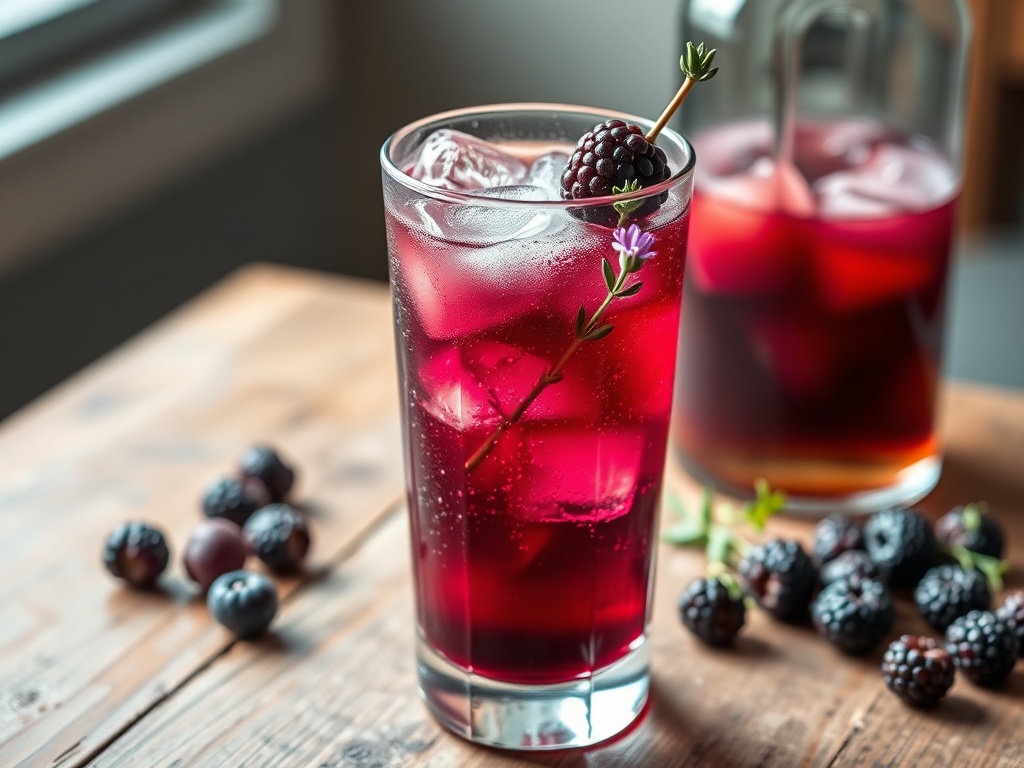
Blackberry Thyme Shrub + Ginger Beer + Lime Wheel
Dark berry shrubs pair exceptionally with ginger beer's spice and lime's tartness. Use 0.75 ounces of shrub to 4 ounces of ginger beer at a 1:5 ratio to prevent overwhelming sweetness. The phenolic compounds in blackberries interact with ginger's gingerol to create warming, complex flavor layers. This combination works year-round but excels as a warming mocktail in cooler months.
Blood Orange Shrub + Sparkling Lemonade + Mint
Citrus shrubs shine when mixed with complementary citrus juices. The tartness of blood orange shrub balances sparkling lemonade's sweetness at a 1:4.5 ratio. Fresh mint adds cooling aromatics that prevent citrus overload. This brightly colored mocktail delivers vitamin C alongside flavor, making it both refreshing and functional.
Apple Cinnamon Shrub + Cranberry Juice + Orange Slice
This fall-winter combination creates a sophisticated alcohol-free punch. Mix 1 ounce of apple cinnamon shrub with 3 ounces of cranberry juice and 2 ounces of sparkling water for a 1:5 total ratio. The proanthocyanidins in cranberries add astringency that complements cinnamon's warmth. Serve in a rocks glass with a large ice cube for slow dilution.
People Also Ask
Can You Make Shrub Mocktails Ahead of Time?
Mix shrub and non-carbonated ingredients up to 4 hours ahead and refrigerate. Add ice and sparkling mixers immediately before serving to maintain carbonation and optimal temperature. Pre-batched shrub concentrate keeps refrigerated for 6-12 months.
Do Shrub Mocktails Have Health Benefits?
Shrubs contain acetic acid which may support blood sugar regulation and digestion according to multiple studies. The fruit content provides vitamins and antioxidants, though sugar content varies widely by recipe. Choose low-sugar shrubs for maximum health benefits.
What's the Difference Between Shrubs and Kombucha in Mocktails?
Shrubs are vinegar-based fruit syrups while kombucha is fermented tea with natural carbonation. Shrubs offer concentrated flavor requiring dilution while kombucha drinks standalone. Shrubs provide more control over sweetness and acidity in mocktail recipes.
How Do You Adjust Shrub Mocktails for Different Taste Preferences?
Fine-tuning shrub mocktails to individual palates requires understanding the four flavor elements you can control: acidity, sweetness, dilution, and aromatics. Most taste preferences fall along a spectrum from "too tart" to "too sweet," and simple adjustments fix both extremes.
If your mocktail tastes too tart or vinegary: Reduce shrub volume by 0.25 ounces and add 0.5 ounces of simple syrup or honey syrup. Alternatively, increase mixer volume by 1-2 ounces to dilute the acidity. Adding a splash of fruit juice (0.5-1 oz) softens vinegar bite without adding processed sugar. For guests sensitive to vinegar, start with a 1:6 ratio and work backward.
If your mocktail tastes too sweet or flat: Increase shrub volume by 0.25 ounces or add 0.5 ounces of fresh lemon or lime juice. Switch from juice-based mixers to sparkling water or unsweetened tonic. A dash of aromatic bitters (though technically containing trace alcohol) adds complexity, or use a pinch of sea salt to amplify existing flavors without sweetness.
If your mocktail lacks complexity: Layer flavors by muddling fresh herbs before adding ice, expressing citrus peels over the drink to release essential oils, or adding a splash (0.5 oz) of complementary juice. For example, add pineapple juice to a berry shrub mocktail or apple juice to a stone fruit version. The additional fruit layer creates depth similar to multi-spirit cocktails.
If your mocktail dilutes too quickly: Use larger ice cubes or sphere molds that melt slower than standard cubes. Freeze some of your mixer into ice cubes to prevent dilution from changing flavor balance. For outdoor events in warm weather, pre-chill all ingredients including glassware to reduce reliance on ice for temperature control.
What Equipment Do You Need to Make Shrub Mocktails?
Shrub mocktails require minimal specialized equipment, making them accessible for home bartenders of all skill levels. Most tools overlap with standard kitchen items, though a few bar-specific tools improve consistency and presentation.
Essential equipment: Jigger or measuring cup for precise shrub portions, bar spoon or long-handled spoon for gentle stirring, highball or Collins glasses (10-12 oz capacity), citrus press or reamer for fresh juice, and a muddler for crushing herbs. These items cost $20-40 total and serve hundreds of mocktails.
Optional but recommended: Fine-mesh strainer for removing herb or fruit particles, Y-peeler for creating citrus twists, channel knife for spiral garnishes, cocktail picks for fruit garnishes, and a small cutting board dedicated to garnish prep. Quality ice cube trays producing 2-inch cubes significantly improve drink presentation and temperature management.
For batch preparation: A 2-quart pitcher with lid, large bar spoon (12-14 inches), and ladle for serving. Glass pitchers showcase the mocktail's color while plastic pitchers travel better for outdoor events. According to Vermont Village's batch drink guidelines, keeping a dedicated pitcher for shrub drinks prevents flavor transfer from previous batches.
No specialized equipment is required to make shrubs themselves at home, though you'll need glass jars with tight lids, a fine-mesh strainer, and basic kitchen measuring tools. Most people purchase prepared shrubs initially before experimenting with homemade versions once they understand their preferred flavor profiles.
How Do You Store Shrubs and Keep Mocktail Ingredients Fresh?
Proper storage extends shrub shelf life and maintains ingredient quality for consistent mocktail creation. The high acidity and sugar content in shrubs act as natural preservatives, but storage conditions still affect flavor degradation over time.
Shrub storage: Refrigerate opened shrubs in their original glass bottles or transfer to airtight glass jars. The antimicrobial properties of acetic acid prevent bacterial growth, giving most shrubs 6-12 month refrigerated shelf life. Avoid plastic containers as they absorb flavors and may leach compounds into acidic liquids. Store shrubs away from strong-smelling foods like onions or garlic that can penetrate even sealed bottles.
Check shrubs monthly for signs of spoilage: mold growth on the surface, off odors distinct from vinegar smell, or visible sediment beyond normal fruit particles. Cloudiness is normal in unfiltered shrubs. If you notice any spoilage signs, discard the entire bottle. Never taste-test potentially spoiled shrubs due to acidity masking harmful bacterial growth.
Fresh herb storage: Store hardy herbs (rosemary, thyme, sage) wrapped in damp paper towels inside plastic bags for 7-10 days refrigerated. Tender herbs (basil, cilantro, mint) last 3-5 days stored stems-down in water like cut flowers. Change water daily and trim stems every 2-3 days. For maximum flavor, purchase herbs within 2 days of planned mocktail preparation.
Citrus storage: Keep whole citrus fruits at room temperature if using within 3-4 days for best juicing yields and essential oil content. Refrigerate for longer storage up to 2 weeks. Cut citrus oxidizes quickly — prepare garnishes no more than 2 hours before service and store covered in the refrigerator. The vitamin C in citrus degrades rapidly after cutting, reducing both nutritional and flavor value.
Mixer storage: Unopened carbonated mixers last 6-9 months in a cool, dark pantry. Once opened, sparkling water and tonic stay carbonated 2-3 days refrigerated if tightly sealed. Invest in bottle stoppers designed for carbonated beverages. Juices last 5-7 days refrigerated after opening but lose fresh flavor daily. For best results, buy mixers weekly rather than bulk-storing.
Can You Make Your Own Shrubs for Better Mocktails?
Homemade shrubs offer complete control over sweetness, acidity, and flavor intensity while costing 40-60% less than premium commercial brands. The basic process involves three simple steps: macerating fruit with sugar, straining the mixture, and combining with vinegar.
Cold process shrub method (no cooking): Combine 2 cups chopped fruit with 1 cup sugar in a glass jar. Muddle gently to release juices. Cover and refrigerate 24-48 hours, shaking daily. Strain out solids through fine-mesh strainer, pressing to extract all liquid. Combine fruit syrup with 1 cup apple cider vinegar. Store refrigerated up to 12 months.
This method preserves fresh fruit flavor and aromatics that cooking can destroy. It works best for delicate fruits like berries, stone fruits, and citrus. The extended maceration extracts maximum flavor without heat damage to fruit compounds.
Hot process shrub method (cooked): Combine 2 cups fruit, 1 cup sugar, and 0.5 cups water in a saucepan. Simmer 10-15 minutes until fruit breaks down. Strain through fine-mesh strainer, discarding solids. Cool fruit syrup to room temperature. Add 1 cup vinegar and stir to combine. Bottle and refrigerate.
Cooking accelerates flavor extraction and works better for dense fruits like apples, pears, and tropical fruits. The heat also eliminates potential bacteria from raw fruit. However, heat degrades heat-sensitive compounds including some vitamins and volatile aromatics.
Recommended fruit-to-sugar-to-vinegar ratios by category:
| Fruit Type | Fruit (cups) | Sugar (cups) | Vinegar (cups) | Method |
|---|---|---|---|---|
| Berries | 2 | 1 | 1 | Cold process |
| Stone fruits | 2 | 0.75 | 1 | Cold or hot |
| Citrus | 2 (zest + juice) | 1.25 | 1 | Cold process |
| Apples/pears | 2 | 0.75 | 1 | Hot process |
| Tropical fruits | 2 | 1 | 1.25 | Hot process |
Adjust sugar based on fruit natural sweetness — reduce for very sweet fruits like mango or increase for tart fruits like cranberry. Taste the fruit syrup before adding vinegar and adjust sweetness at that stage rather than trying to fix it after vinegar addition.
Add herbs, spices, or aromatics during maceration for layered flavors: fresh ginger with peach, jalapeño with strawberry, cardamom with pear, or vanilla bean with cherry. Dried spices like cinnamon sticks, star anise, or cloves infuse well in both cold and hot processes.
Expert Verdict on Shrub Mocktails
Shrub mocktails represent the most sophisticated category of alcohol-free beverages currently available, offering complexity that rivals traditional cocktails through balanced acidity, concentrated fruit flavor, and functional ingredients. The optimal approach for beginners is starting with commercial shrubs at a 1:5 ratio mixed with sparkling water before advancing to custom recipes and homemade shrubs. Berry-based ACV shrubs with herb garnishes provide the most universally appealing entry point, while wine vinegar shrubs offer greater complexity for adventurous palates. Success with shrub mocktails depends primarily on precise measurement, quality ingredients, and understanding individual preference for sweet versus tart profiles. The investment in shrubs delivers exceptional value given their 6-12 month shelf life and ability to create restaurant-quality mocktails in under two minutes.
Summary
- Shrubs are fruit-vinegar concentrates that add complex sweet-tart flavor to mocktails when mixed at 1:4 to 1:6 ratios with sparkling water, juice, or tonic
- Apple cider vinegar shrubs work best with sparkling water and berry flavors while wine vinegar shrubs pair well with citrus and tropical mixers
- The basic building method involves measuring 0.5-1 oz shrub over ice, adding 4-6 oz mixer, stirring gently, and garnishing with fresh herbs or citrus
- Top combinations include strawberry balsamic with sparkling water and basil, ginger peach with tonic and rosemary, and blackberry thyme with ginger beer and lime
- Homemade shrubs cost 40-60% less than commercial versions and allow complete control over sweetness and flavor using simple cold or hot maceration methods
Frequently Asked Questions
How much shrub should I use per glass of mocktail?
Use 0.5-1 ounce (15-30ml) of shrub per 4-6 ounce (120-180ml) glass of mixer. Start with 0.75 ounces shrub to 5 ounces sparkling water for your first attempt, then adjust based on personal taste preference for tartness versus sweetness. Stronger shrubs require less volume.
What's the best mixer for shrub mocktails?
Sparkling water provides the cleanest base that showcases shrub flavor without competing notes. Tonic water adds quinine bitterness for complexity, ginger beer contributes spice, and fruit juices layer additional flavors. Match mixer intensity to shrub strength for balance.
How long do shrubs last after opening?
Opened shrubs last 6-12 months refrigerated in airtight glass containers. The high acidity and sugar content act as natural preservatives. Discard if you notice mold growth, off odors distinct from vinegar smell, or unusual sediment. Cloudiness is normal in unfiltered varieties.
Can kids drink shrub mocktails?
Yes, shrub mocktails are alcohol-free and safe for children. However, the vinegar flavor may be too tart for young palates. Dilute shrubs further (1:8 ratio) for children and choose sweeter fruit flavors like strawberry or peach. Test small amounts first to gauge acceptance.
Do shrub mocktails need to be served cold?
Cold service is strongly recommended as ice dilutes the concentrated shrub to proper drinking strength while carbonation in mixers provides refreshing texture. Warm shrub drinks exist but require different ratios and preparation methods more similar to shrub toddies than traditional mocktails.
What's the difference between shrubs and cordials in mocktails?
Shrubs contain vinegar which provides tangy acidity and complexity while cordials are sugar-based fruit syrups without vinegar. Shrubs deliver sharper, more sophisticated flavor profiles that mimic cocktail balance. Cordials taste sweeter and simpler, requiring citrus or bitters for depth.
More Coffee Articles
This article was produced by an automated research tool. Content is for informational purposes only and should not replace professional advice. Product and resource links throughout this article are included for informational value based on relevance and quality. WhichBrewForYou has no affiliate relationship with any linked third-party site and receives no commission from any recommended products or brands. BellofattoBrews (coffee and tea) and Golden Hive Mead (mead kits and resources) are personal recommendations from this publication's founder and have no affiliation with WhichBrewForYou.