Key Takeaways
- Nigori sake contains suspended rice particles that create its signature cloudy appearance and creamy mouthfeel
- The coarse filtration process preserves natural sweetness and creates alcohol content typically between 12-17% ABV
- Serving nigori sake chilled (40-50°F) and shaking the bottle before pouring releases optimal flavor and texture
- The unfiltered style originated as traditional farmhouse sake before becoming a premium commercial category
- Nigori pairs exceptionally well with spicy foods, rich desserts, and dishes that benefit from textural contrast
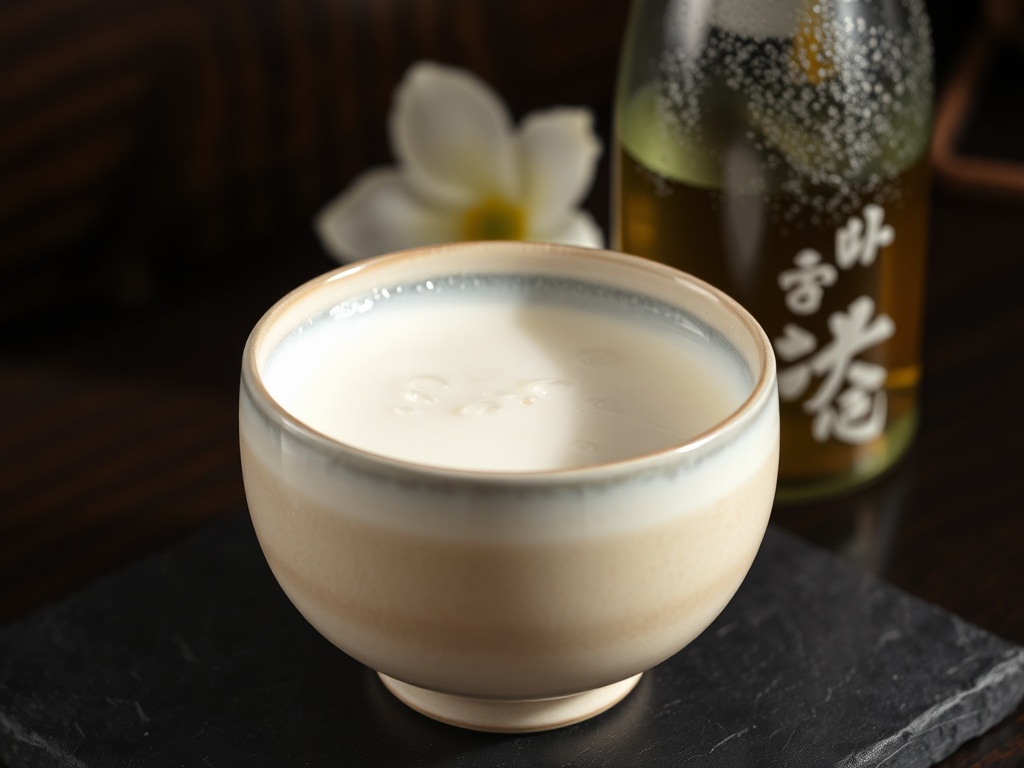
If you've ever encountered a bottle of sake that looks like cloudy rice milk rather than clear wine, you've discovered nigori — one of Japan's most distinctive and approachable sake styles. This unfiltered rice wine represents both ancient brewing traditions and modern craft innovation, offering a completely different drinking experience from the crystal-clear sake most people imagine.
What Makes Nigori Sake Different From Regular Sake?
Nigori sake differs fundamentally from standard sake through its filtration process and resulting physical characteristics. According to the Japan Sake and Shochu Makers Association, while conventional sake undergoes thorough filtration through fine mesh or activated charcoal to achieve crystal clarity, nigori is passed through loosely woven cloth that permits rice solids, yeast cells, and proteins to remain in the final product.
The term "nigori" literally translates to "cloudy" in Japanese, directly referencing the beverage's opaque, milky-white appearance. This cloudiness isn't a defect — it's an intentional stylistic choice that dramatically alters both the visual presentation and sensory experience. The suspended particles create a heavier body, silkier texture, and naturally sweeter flavor profile compared to filtered varieties.
Traditional sake production involves a multi-stage fermentation process where rice is polished, steamed, inoculated with koji mold (Aspergillus oryzae), and fermented with yeast and water. Research published in the Journal of Bioscience and Bioengineering demonstrates that this parallel fermentation — where starch conversion and alcohol production occur simultaneously — creates unique flavor compounds not found in other fermented beverages.
Related: Best Sake Brands Available in the US — Top Picks | WhichBrewForYou
How Is Nigori Sake Made?
The production of nigori sake follows the standard sake brewing process with one critical modification at the final stage. SakéOne, a prominent American sake brewery, explains that the process begins identically to all sake production:
- Rice polishing: Sake rice (typically Yamada Nishiki or Gohyakumangoku varieties) is milled to remove outer protein and fat layers, exposing the starchy core
- Washing and steaming: Polished rice is carefully washed and steamed to precise moisture content
- Koji cultivation: Steamed rice is inoculated with koji mold spores in a warm, humid environment for 48-72 hours
- Fermentation: Koji rice is combined with additional steamed rice, water, and yeast in a temperature-controlled tank for 18-32 days
- Pressing: The fermented mash (moromi) is separated from liquid through mechanical pressing
At the filtration stage, nigori diverges from standard practice. Instead of using fine-mesh filters or centrifugation to remove all particulate matter, brewers employ coarse-weave cotton or synthetic cloth bags. This allows the liquid to pass through while retaining a controlled amount of fine rice sediment — typically 5-15% of the original rice solids depending on the brewer's style preference.
Some premium nigori producers employ a two-stage approach: initially filtering the sake to near-clarity, then deliberately adding back a measured quantity of fresh, unfermented rice koji to achieve precise cloudiness and sweetness levels. This technique offers greater control over the final product's characteristics than single-pass coarse filtration alone.
| Sake Type | Filtration Method | Appearance | Typical Sweetness Level |
|---|---|---|---|
| Nigori | Coarse cloth | Cloudy, opaque | Sweet (+3 to +10 SMV) |
| Junmai | Fine mesh/charcoal | Clear | Dry to medium (-5 to +5 SMV) |
| Ginjo | Multiple fine filtrations | Crystal clear | Dry to medium (-3 to +3 SMV) |
| Daiginjo | Ultra-fine filtration | Brilliant clear | Dry (-5 to 0 SMV) |
SMV (Sake Meter Value) measures sweetness/dryness: positive numbers indicate drier sake, negative numbers indicate sweeter sake
What Does Nigori Sake Taste Like?
Nigori sake delivers a distinctly sweet, creamy, and rice-forward flavor profile with smooth, velvety texture. The suspended rice particles contribute body and natural sweetness that masks alcohol harshness, making nigori one of the most approachable sake styles for beginners unfamiliar with Japanese rice wine.
Tasting notes typically include:
- Primary flavors: Sweet rice, coconut milk, vanilla cream, lychee, white peach
- Texture: Silky, coating mouthfeel with noticeable weight and viscosity
- Aroma: Fresh rice, steamed mochi, subtle floral notes, light fermentation esters
- Finish: Moderate to long, with lingering sweetness and gentle acidity
According to sensory analysis research from Food Chemistry, the presence of suspended solids in nigori sake significantly impacts perceived sweetness and umami intensity. The rice particles physically coat the tongue and palate, slowing alcohol absorption and extending flavor perception time compared to filtered sake consumed at identical temperatures.
The alcohol content of nigori sake typically ranges from 12-17% ABV, slightly lower than many premium filtered varieties that reach 15-18% ABV. This moderate strength, combined with residual sugars from incomplete fermentation or added rice solids, creates a balanced sweetness that doesn't taste cloying or syrupy when properly chilled.
How Should You Serve Nigori Sake?
Serving nigori sake correctly maximizes its unique textural and flavor characteristics. The first and most important step is gently shaking or rolling the bottle before pouring — the rice sediment naturally settles to the bottom during storage, and distribution of these particles throughout the liquid is essential for proper flavor balance and mouthfeel.
Tippsy Sake, a leading sake education platform, recommends the following serving protocol:
- Temperature: Serve well-chilled at 40-50°F (4-10°C) — cold temperature balances sweetness and enhances refreshing qualities
- Glassware: Use wide-mouth wine glasses or traditional ochoko cups that showcase the cloudy appearance
- Preparation: Gently invert the bottle 3-5 times immediately before serving to suspend settled particles
- Pouring: Pour slowly to prevent excessive foam formation from agitated sediment
- Timing: Consume within 2-3 weeks of opening and store refrigerated with minimal air exposure
Unlike many premium sake varieties that can be enjoyed across a temperature spectrum from chilled to warm, nigori performs best cold. Warming amplifies sweetness to potentially cloying levels and causes rice particles to separate unattractively. The cold temperature also provides textural contrast — the thick, creamy liquid feels refreshing rather than heavy when properly chilled.
What Foods Pair Best With Nigori Sake?
Nigori sake's sweet profile and creamy texture create distinctive pairing opportunities that differ significantly from dry, filtered sake styles. The key pairing principle is leveraging nigori's natural sweetness and body to either complement rich dishes or provide cooling contrast to spicy foods.
Exceptional nigori sake pairings include:
- Spicy cuisine: Thai curries, Sichuan mapo tofu, spicy tuna rolls, jalapeño-topped dishes — the residual sweetness and coating texture calm capsaicin heat more effectively than wine or beer
- Fried foods: Tempura, karaage, tonkatsu — the acidity cuts through oil while sweetness balances salt
- Rich seafood: Uni (sea urchin), salmon roe, creamy crab preparations — complementary richness pairing
- Fruit-based desserts: Mango sticky rice, strawberry shortcake, white chocolate — parallel sweetness creates harmony
- Mild cheese: Fresh mozzarella, burrata, mild blue cheeses — textural and flavor complementarity
The Specialty Coffee Association notes similar pairing principles apply across beverages with pronounced sweetness and body — whether coffee, sake, or other drinks, the goal is creating either harmonious complement or deliberate contrast that elevates both food and beverage.
Related: What is Junmai Sake — Pure Rice Japanese Wine | WhichBrewForYou
What Are the Different Types of Nigori Sake?
While all nigori sake shares the characteristic cloudy appearance, substantial variation exists within the category based on rice polishing ratio, filtration intensity, and carbonation level.
Junmai Nigori
Junmai nigori contains only rice, water, koji, and yeast with no added distilled alcohol. This pure rice designation typically produces fuller body, more pronounced rice flavor, and higher acidity than non-junmai versions. Alcohol content ranges from 15-17% ABV with robust umami character.
Sparkling Nigori (Nigori Sparkling)
Sparkling nigori undergoes secondary fermentation in the bottle, creating natural carbonation that adds effervescence to the creamy base. The bubbles lighten the texture and provide refreshing contrast to inherent sweetness. These styles often feature lower alcohol content (5-12% ABV) and are served as aperitifs or dessert pairings.
Nama Nigori
Nama (unpasteurized) nigori is neither heat-pasteurized nor charcoal-filtered, preserving active enzymes and creating exceptionally fresh, vibrant flavors with pronounced fruitiness. This style requires constant refrigeration and consumption within weeks of bottling due to ongoing fermentation activity. According to industry guidelines, nama nigori represents the most perishable sake category.
Genshu Nigori
Genshu indicates undiluted sake at full fermentation strength, typically 17-20% ABV. Genshu nigori combines high alcohol with sweet cloudiness, creating an intense, full-bodied experience with pronounced warming qualities. These styles work well in cocktail applications or served over ice.
What Is the History and Cultural Significance of Nigori Sake?
Nigori sake represents one of the oldest sake styles, predating the refined filtration techniques that define modern premium sake production. Historical brewing in rural Japan produced naturally cloudy sake as the standard product — clear sake emerged later as filtration technology advanced and urban preferences shifted toward refined, elegant beverages.
Traditional farmhouse sake (doburoku) was essentially unfiltered nigori consumed fresh within days of pressing. However, Japanese tax law historically classified unfiltered sake as illegal home brewing to protect commercial brewery revenue. The modern nigori category emerged as a legal compromise: sake that undergoes minimal filtration meets technical requirements while preserving rustic, cloudy character.
The Brewers Association notes parallel developments occurred in beer and wine production worldwide — craft movements in multiple beverage categories have embraced "cloudy" or "unfiltered" styles as markers of artisanal authenticity and flavor intensity rather than refinement and clarity.
Contemporary nigori production has evolved from rustic farmhouse beverage to premium craft category. Artisan brewers now produce nigori with precise control over cloudiness levels, sweetness, and flavor balance, elevating the style from traditional simplicity to sophisticated craftsmanship.
People Also Ask About Nigori Sake
Can you drink the sediment in nigori sake?
Yes, the sediment in nigori sake is entirely edible and intended to be consumed. The rice particles, yeast cells, and proteins that create cloudiness are integral to the flavor profile and texture. Always shake the bottle before pouring to distribute sediment evenly throughout the liquid for optimal taste experience.
Is nigori sake stronger than regular sake?
Nigori sake typically contains 12-17% alcohol by volume, slightly lower than many premium filtered sake varieties at 15-18% ABV. However, genshu (undiluted) nigori styles can reach 17-20% ABV. The sweet, creamy texture masks alcohol perception, making nigori taste less strong despite comparable alcohol content.
Does nigori sake need to be refrigerated?
Yes, nigori sake requires refrigeration both before and after opening to preserve freshness and prevent unwanted fermentation. Store at 35-45°F and consume opened bottles within 2-3 weeks. Unpasteurized nama nigori is especially perishable and should be consumed within one week of opening while kept constantly refrigerated.
What Are the Health Considerations of Nigori Sake?
Nigori sake's unfiltered nature preserves certain compounds removed during standard sake filtration, but this doesn't necessarily translate to superior nutritional profile. Research from the National Institutes of Health indicates that rice-based fermented beverages contain B vitamins, amino acids, and antioxidant compounds, though alcohol content remains the primary health consideration.
Key nutritional factors include:
- Calories: Nigori sake contains approximately 150-180 calories per 5-ounce serving due to residual sugars and suspended rice solids
- Carbohydrates: Higher carbohydrate content (10-15g per serving) compared to filtered sake (3-5g per serving)
- Amino acids: Retains higher concentrations of glutamic acid and other umami-contributing amino acids than filtered varieties
- Allergens: Contains rice proteins; individuals with rice allergies should avoid nigori sake
The Mayo Clinic emphasizes that moderate alcohol consumption guidelines apply equally to sake as to wine or beer: up to one standard drink daily for women and up to two for men, with one drink defined as approximately 5 ounces of 12-15% ABV sake. The sweet, approachable character of nigori can lead to overconsumption — conscious portion control remains important.
How Do You Choose Quality Nigori Sake?
Selecting exceptional nigori sake requires attention to freshness indicators, production method, and intended serving context. Unlike aged spirits or vintage wines, sake — especially unfiltered varieties — prioritizes freshness as a primary quality marker.
Key selection criteria include:
- Bottling date: Choose bottles produced within the past 6-12 months; nigori sake doesn't improve with age
- Storage conditions: Purchase only from retailers storing sake refrigerated; room-temperature storage degrades quality rapidly
- Bottle integrity: Inspect for sediment consistency (should move when gently tilted) and check caps for tight seals
- Rice polishing ratio: Lower numbers (40-60%) indicate more polished rice and typically more refined, delicate character
- Pasteurization status: Nama (unpasteurized) offers peak freshness but requires immediate consumption; pasteurized versions offer longer shelf life
Recommended nigori sake producers known for consistent quality include Kikusui (Funaguchi Nigori), Hakutsuru (Sayuri), Ozeki (Nigori), Takara (Sho Chiku Bai Nigori), and SakéOne (Moonstone). Each brewery offers distinctive house styles ranging from intensely sweet and thick to lighter, more balanced interpretations.
Expert Verdict on Nigori Sake
Nigori sake represents the most accessible entry point into premium sake appreciation while simultaneously offering seasoned sake enthusiasts a completely different sensory experience from filtered varieties. The unfiltered style's natural sweetness, creamy texture, and visual distinctiveness make it immediately approachable for wine and cocktail drinkers unfamiliar with sake culture. For optimal enjoyment, purchase fresh bottles from refrigerated storage, shake gently before serving, and serve well-chilled at 40-50°F alongside spicy cuisine or rich desserts. The suspended rice particles aren't a defect — they're the defining characteristic that creates nigori's unique appeal in the sake category. Whether you're new to sake or expanding your beverage repertoire beyond conventional options, nigori offers compelling flavor, cultural significance, and versatile food pairing potential that deserves exploration.
Summary
- Nigori sake is unfiltered Japanese rice wine with cloudy appearance created by suspended rice particles that pass through coarse-weave cloth filtration
- The style delivers sweet, creamy flavor with 12-17% ABV, silky texture, and notes of rice, coconut, and stone fruit
- Always shake nigori bottles before pouring to distribute settled sediment, and serve well-chilled at 40-50°F for optimal flavor balance
- Nigori pairs exceptionally with spicy Asian cuisine, fried foods, rich seafood, and fruit-based desserts through sweetness complement or contrast
- Variations include junmai nigori (pure rice), sparkling nigori (carbonated), nama nigori (unpasteurized), and genshu nigori (undiluted high-alcohol)
Frequently Asked Questions
Is nigori sake the same as sake?
Nigori is a specific style of sake, not a separate beverage. All nigori is sake, but not all sake is nigori. The distinction lies in filtration: nigori undergoes minimal coarse filtration that retains rice sediment, while standard sake is thoroughly filtered to crystal clarity.
Why is nigori sake cloudy?
Nigori sake appears cloudy because fine rice particles, proteins, and yeast cells remain suspended in the liquid after coarse-cloth filtration. Brewers intentionally preserve these solids to create the characteristic milky appearance, creamy texture, and sweet flavor profile that defines the nigori style.
Can nigori sake go bad?
Yes, nigori sake can spoil, especially unpasteurized nama varieties. Refrigerated pasteurized nigori lasts 6-12 months unopened and 2-3 weeks after opening. Nama nigori should be consumed within weeks of production. Signs of spoilage include sour smell, excessive carbonation, or separated appearance that doesn't remix when shaken.
What is the best temperature to drink nigori sake?
Nigori sake tastes best served cold at 40-50°F (4-10°C). Cold temperature balances the natural sweetness, enhances refreshing qualities, and maintains proper texture. Warming nigori amplifies sweetness to cloying levels and causes unappealing particle separation. Always serve nigori well-chilled directly from refrigeration.
How long does nigori sake last after opening?
Opened nigori sake lasts 2-3 weeks when refrigerated with minimal air exposure for pasteurized varieties. Unpasteurized nama nigori should be consumed within 5-7 days of opening due to active fermentation. Always store opened bottles upright with tight caps at 35-45°F to preserve freshness and carbonation.
Is nigori sake sweet or dry?
Nigori sake is predominantly sweet, typically ranging from +3 to +10 on the Sake Meter Value scale (positive numbers indicate increasing dryness, but nigori falls on the sweet end of that spectrum). The suspended rice particles and residual sugars create natural sweetness, though exact levels vary by producer and style.
More Sake Articles
This article was produced by an automated research tool. Content is for informational purposes only and should not replace professional advice. Product and resource links throughout this article are included for informational value based on relevance and quality. WhichBrewForYou has no affiliate relationship with any linked third-party site and receives no commission from any recommended products or brands. BellofattoBrews (coffee and tea) and Golden Hive Mead (mead kits and resources) are personal recommendations from this publication's founder and have no affiliation with WhichBrewForYou.