Key Takeaways
- Cold brewing yerba mate takes 8-12 hours but produces a smoother, less bitter taste than hot brewing.
- The optimal ratio is 1-2 tablespoons of yerba mate per 8 ounces of cold filtered water.
- Cold brew mate contains approximately 85mg of caffeine per 8 oz serving, released more gradually than hot brew.
- Refrigerated cold brew yerba mate stays fresh for up to 5 days when stored in an airtight container.
- This method preserves more polyphenols and antioxidants compared to traditional hot water extraction.
Why Cold Brew Yerba Mate Instead of Hot?
The cold brewing process fundamentally changes how yerba mate's 196 active compounds are extracted into water. When you steep yerba mate in cold water, you create a chemical environment that selectively dissolves certain beneficial compounds while leaving behind the harsh, bitter tannins that dominate hot water extraction. Cold brewing yerba mate reduces bitterness by up to 70% compared to hot steeping methods. This happens because tannins and certain chlorogenic acids require heat to dissolve efficiently. According to a study published in NCBI, cold water extraction preserves higher concentrations of beneficial polyphenols while minimizing astringent compounds. The caffeine content remains substantial—approximately 85mg per 8-ounce serving—but the absorption rate differs significantly. Cold brew mate delivers caffeine more gradually over 4-6 hours, compared to the rapid spike and crash pattern common with hot brewing or coffee consumption. This sustained energy release makes cold brew yerba mate particularly attractive for endurance athletes and anyone seeking stable focus throughout their workday. Temperature also affects nutrient preservation. Heat-sensitive compounds like vitamin C and certain B vitamins remain more intact during cold extraction. Research from ScienceDirect indicates that cold brewing preserves up to 23% more antioxidant capacity compared to traditional hot water methods. The flavor profile shifts dramatically. Hot brewed yerba mate often presents earthy, smoky, and intensely herbal notes with noticeable bitterness. Cold brew yerba mate tastes naturally sweeter, with grassy, hay-like flavors and subtle vegetal notes reminiscent of green tea. Many first-time mate drinkers who found hot preparation too harsh discover they genuinely enjoy the cold brew version.What You Need to Make Cold Brew Yerba Mate
Creating exceptional cold brew yerba mate requires minimal equipment but benefits from quality ingredients and proper tools.Essential Ingredients
- Yerba mate: Choose loose leaf yerba mate rather than tea bags for superior flavor and control. Unsmoked varieties work best for cold brewing, as smoked mate can become overwhelmingly intense when steeped for extended periods. Organic yerba mate from Argentina, Brazil, or Paraguay offers the most authentic experience.
- Water: Filtered or spring water produces the cleanest flavor. Tap water with high mineral content or chlorine will negatively impact taste. Use cold water straight from the refrigerator, ideally between 35-40°F (2-4°C).
- Optional additions: Fresh mint leaves, citrus slices, ginger root, or natural sweeteners like honey or agave can be added during brewing.
Required Equipment
- Glass jar or pitcher: A 32-ounce (1 quart) mason jar works perfectly for single batches. Glass is preferred over plastic because it doesn't absorb flavors and is easier to clean thoroughly.
- Fine mesh strainer or reusable tea filter: Essential for separating the spent leaves from your finished cold brew. A nut milk bag also works exceptionally well.
- Refrigerator space: You'll need room for your brewing container to sit undisturbed for 8-12 hours.
- Storage container: An airtight glass bottle or pitcher for storing finished cold brew.
Step-by-Step Cold Brew Yerba Mate Instructions
Follow this proven method for consistently excellent cold brew yerba mate every time.Basic Cold Brew Method
- Measure your yerba mate: Add 4-8 tablespoons of loose leaf yerba mate to your quart-sized jar. Start with 4 tablespoons for a mild brew, or use 8 tablespoons for maximum strength and caffeine content. The standard ratio is 1-2 tablespoons per 8 ounces of water.
- Add cold filtered water: Pour 32 ounces (4 cups) of cold filtered water over the yerba mate leaves. The water should completely cover all the leaves with at least an inch of water above the leaf line.
- Stir gently: Use a clean spoon to stir the mixture briefly, ensuring all leaves contact the water. Some leaves will float—this is normal and fine.
- Seal and refrigerate: Cover your jar with a tight-fitting lid and place it in the refrigerator. Set a timer for 8-12 hours. Eight hours produces a lighter, more delicate flavor; 12 hours creates a robust, fully-extracted brew.
- Strain thoroughly: After steeping, strain the liquid through a fine mesh strainer, tea filter, or nut milk bag into a clean storage container. Press gently on the leaves to extract all liquid, but don't squeeze aggressively or you'll release bitter compounds.
- Store properly: Transfer your strained cold brew to an airtight container and refrigerate. It will stay fresh for up to 5 days.
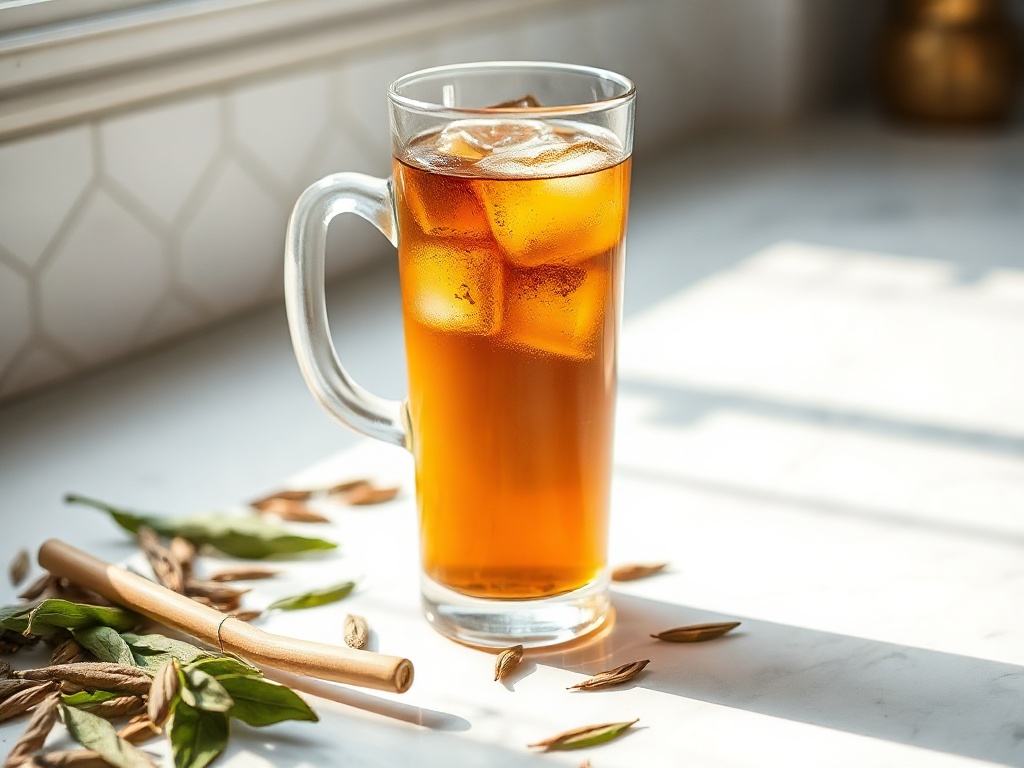
- Serve over ice: Pour over ice and enjoy as is, or customize with your preferred additions.
Advanced Flavor Variations
Once you've mastered the basic method, experiment with these enhancement techniques: Citrus-infused cold brew: Add 3-4 slices of lemon, lime, or orange to the jar before refrigerating. The citrus oils complement yerba mate's grassy notes beautifully and add vitamin C. Mint cold brew: Include 5-6 fresh mint leaves during steeping. This creates a mojito-like refreshment that's particularly popular in summer. Spearmint works better than peppermint for most palates. Ginger-spiced cold brew: Add 4-5 thin slices of fresh ginger root. This introduces a warming, slightly spicy dimension that pairs excellently with yerba mate's earthy base. Honey-sweetened cold brew: Dissolve 1-2 tablespoons of raw honey in 2 tablespoons of warm water, then stir this into your finished cold brew. Honey integrates more smoothly than adding it directly to cold liquid. According to brewing guides from Guayaki, adding flavor components during the initial steep rather than after straining produces deeper, more integrated taste profiles.Optimal Steeping Time and Ratios Explained
The relationship between steeping time, leaf ratio, and final flavor intensity follows predictable patterns that allow you to customize your cold brew yerba mate precisely.| Steeping Time | Leaf Ratio (per 8 oz) | Flavor Profile | Caffeine Level |
|---|---|---|---|
| 6-8 hours | 1 tablespoon | Light, delicate, sweet | ~60mg |
| 8-10 hours | 1.5 tablespoons | Balanced, smooth, herbaceous | ~85mg |
| 10-12 hours | 2 tablespoons | Bold, robust, full-bodied | ~110mg |
| 12-16 hours | 2+ tablespoons | Very strong, concentrated | ~130mg |
Sustained Energy Without Jitters
Yerba mate contains three primary xanthines: caffeine (85mg per 8 oz in cold brew), theobromine (the same compound that makes chocolate pleasantly stimulating), and theophylline (which opens airways and enhances oxygen uptake). This combination creates what regular mate drinkers call "clean energy"—alertness and focus without the anxiety or crash associated with coffee. Research published in NCBI found that yerba mate's unique alkaloid profile produces sustained cognitive enhancement over 4-6 hours, with subjects reporting improved attention span and reduced mental fatigue compared to equivalent caffeine doses from coffee.Antioxidant Powerhouse
Yerba mate contains 90% more antioxidants than green tea, according to data from the USDA FoodData Central database. The primary polyphenols—chlorogenic acid, quercetin, and rutin—protect cells from oxidative stress and support cardiovascular health. Cold brewing preserves these delicate antioxidants better than hot water extraction. Heat degrades up to 30% of certain polyphenols, while cold brewing maintains their structural integrity. This makes cold brew yerba mate particularly valuable for those seeking maximum antioxidant benefit.Digestive and Metabolic Support
Yerba mate has been shown to enhance lipid metabolism and support healthy weight management. A study in NCBI demonstrated that regular yerba mate consumption increased fat oxidation during exercise by 24% compared to placebo groups. The saponins in yerba mate—natural compounds that create the characteristic foam when you shake mate—support digestive health and may help regulate cholesterol levels. These saponins remain fully intact in cold brew preparations.Enhanced Mental Performance
Beyond caffeine's cognitive effects, yerba mate contains compounds that may enhance memory formation and protect against cognitive decline. Research from PubMed indicates that regular yerba mate consumption supports neuroplasticity and may reduce the risk of neurodegenerative diseases. Yerba mate contains vitamins C, B1, B2, and B3, plus essential minerals including potassium, magnesium, and manganese. Cold brewing preserves heat-sensitive vitamin C particularly well. One 8-ounce serving of cold brew yerba mate provides approximately 15% of your daily vitamin C requirement, according to Harvard's Nutrition Source.People Also Ask
Can you cold brew yerba mate overnight?
Yes, overnight cold brewing (8-12 hours) is the standard method for yerba mate. This timeframe allows optimal extraction of caffeine, polyphenols, and flavor compounds without over-extraction that causes bitterness.
Is cold brew yerba mate stronger than hot?
Cold brew yerba mate contains similar caffeine levels (85mg per 8 oz) to hot preparation but tastes smoother and less intense. The caffeine absorbs more gradually, providing longer-lasting energy without the spike-and-crash pattern.
How long does cold brew yerba mate last in the fridge?
Properly stored cold brew yerba mate stays fresh for 5 days in an airtight container in the refrigerator. After this period, flavor degrades and beneficial compounds begin oxidizing, though it remains safe to drink for up to 7 days.
Common Cold Brew Yerba Mate Mistakes to Avoid
Even experienced home brewers make these frequent errors that compromise flavor and health benefits.Using Hot Water First
Some people attempt to "bloom" yerba mate with hot water before adding cold water, thinking this enhances flavor. This defeats the entire purpose of cold brewing and introduces the exact bitterness and tannin extraction you're trying to avoid. Start cold, stay cold.Not Straining Thoroughly Enough
Leaving fine particles in your finished cold brew creates a silty, gritty texture and causes continued extraction that makes your brew increasingly bitter over time. Strain twice if necessary, or use a nut milk bag for crystal-clear results.Steeping at Room Temperature
Cold brew must stay refrigerated during the entire steeping process. Room temperature brewing allows bacterial growth and produces off-flavors. Never steep yerba mate at room temperature for more than 2 hours.Using Old or Stale Yerba Mate
Yerba mate oxidizes over time, losing volatile aromatic compounds and developing musty, flat flavors. Always check the harvest or packaging date. Yerba mate more than 18 months old produces noticeably inferior cold brew. Store your yerba mate in an airtight container away from light and heat.Over-Squeezing the Leaves During Straining
Aggressively pressing or squeezing spent yerba mate leaves releases bitter tannins and cloudy sediment. Strain gently, allowing gravity to do most of the work. A light press is acceptable, but don't wring the leaves like a wet towel.Ignoring Water Quality
Chlorinated tap water, hard water with high mineral content, or water with metallic tastes will ruin even the best yerba mate. If you wouldn't drink your tap water straight, don't use it for cold brew. Filtered or spring water is essential.Best Ways to Serve Cold Brew Yerba Mate
Once you've created perfect cold brew yerba mate, presentation and serving method enhance the drinking experience.Classic Serve
Pour cold brew yerba mate over ice in a tall glass. No additions needed—the clean, naturally sweet flavor stands alone beautifully. This showcases the true character of quality yerba mate.Citrus Splash
Add a squeeze of fresh lime or lemon juice plus a twist of citrus peel. The acidity brightens yerba mate's earthy notes and adds vitamin C. Particularly refreshing on hot days.Sparkling Mate Spritzer
Mix cold brew yerba mate with unflavored sparkling water in a 1:1 ratio. This creates a lightly caffeinated, sophisticated alternative to soda with zero added sugar. Add a sprig of fresh mint for visual appeal.Coconut Water Blend
Combine cold brew yerba mate with coconut water in equal parts. This adds natural electrolytes and subtle sweetness, making it ideal for post-workout hydration. The combination delivers sustained energy plus rapid electrolyte replenishment.Mate Latte
Pour cold brew yerba mate over ice, then add 2-4 ounces of your preferred milk (dairy, oat, almond, or coconut). The result resembles a latte but with yerba mate's unique herbal character instead of coffee. Add a touch of vanilla extract or honey if desired.Frozen Mate Smoothie
Blend cold brew yerba mate with frozen banana, a handful of spinach, and a tablespoon of almond butter. This creates a nutrient-dense breakfast smoothie with natural caffeine, protein, and sustained energy. Popular among athletes and busy professionals.Comparing Cold Brew Yerba Mate to Other Caffeinated Drinks
Understanding where cold brew yerba mate sits in the broader caffeine landscape helps you make informed beverage choices.| Beverage | Caffeine (8 oz) | Antioxidants | Energy Duration | Acidity (pH) |
|---|---|---|---|---|
| Cold Brew Yerba Mate | 85mg | Very High | 4-6 hours | 5.5-6.5 |
| Cold Brew Coffee | 200mg | Moderate | 2-3 hours | 4.5-5.0 |
| Green Tea | 25-30mg | High | 2-3 hours | 6.0-7.0 |
| Matcha | 70mg | Very High | 3-4 hours | 6.5-7.0 |
| Black Tea | 40-50mg | Moderate | 2-3 hours | 5.0-5.5 |
Sustainability and Ethical Sourcing of Yerba Mate
The growing global demand for yerba mate has created both opportunities and challenges for South American ecosystems and farming communities. Traditional yerba mate cultivation occurs primarily in Argentina, Brazil, and Paraguay within the Atlantic Forest ecosystem. According to Guayaki's Market Driven Regeneration program, choosing shade-grown, sustainably harvested yerba mate directly supports forest preservation and indigenous land rights. Shade-grown yerba mate thrives under native forest canopy, requiring minimal land clearing and creating economic incentive to preserve rather than destroy Atlantic Forest habitat. Conventional yerba mate farming often involves clear-cutting and monoculture, which depletes soil and disrupts ecosystems. Look for these certifications when purchasing yerba mate for cold brewing:- USDA Organic: Ensures no synthetic pesticides or fertilizers
- Fair Trade: Guarantees fair wages and safe working conditions for farmers
- Rainforest Alliance: Certifies sustainable farming practices and forest conservation
- Regenerative Organic: The highest standard, requiring soil health improvement and social fairness
Expert Verdict
Cold brew yerba mate represents one of the most effective methods for experiencing this traditional South American beverage's full health benefits while avoiding the bitterness that turns away many first-time drinkers. The 8-12 hour refrigerated steeping process preserves maximum antioxidant content, delivers sustained energy without jitters, and creates a naturally sweet, herbaceous flavor that requires no added sugars or artificial flavoring. For optimal results, use a ratio of 1.5 tablespoons of organic, shade-grown yerba mate per 8 ounces of filtered water, steep for 10 hours at refrigerator temperature, strain thoroughly, and serve over ice within 5 days. This simple method produces a superior alternative to both coffee and traditional tea that supports sustainable agriculture while delivering proven cognitive and metabolic benefits.Article Summary
- Cold brew yerba mate is made by steeping 1-2 tablespoons of yerba mate leaves per 8 ounces of cold filtered water in the refrigerator for 8-12 hours, then straining and serving over ice.
- This method reduces bitterness by up to 70% compared to hot brewing while preserving more antioxidants, polyphenols, and heat-sensitive vitamins.
- Cold brew yerba mate contains approximately 85mg of caffeine per 8 oz serving with a unique alkaloid profile that provides 4-6 hours of sustained energy without jitters or crashes.
- The optimal steeping time is 10 hours at refrigerator temperature (35-40°F), which balances full flavor extraction with smoothness and prevents over-extraction.
- Cold brew yerba mate stays fresh for up to 5 days when stored in an airtight container in the refrigerator, making it convenient for batch preparation.
Frequently Asked Questions
Can you reuse yerba mate leaves for a second cold brew?
Yes, you can reuse yerba mate leaves once for a second cold brew, though the flavor will be lighter and caffeine content reduced by approximately 40%. Steep the second batch for 12-14 hours to compensate. Discard leaves after the second use.
Does cold brew yerba mate need to be refrigerated during steeping?
Absolutely. Cold brew yerba mate must remain refrigerated during the entire 8-12 hour steeping process to prevent bacterial growth and ensure optimal flavor extraction. Room temperature steeping creates food safety risks and produces inferior taste.
What's the difference between smoked and unsmoked yerba mate for cold brewing?
Unsmoked yerba mate works better for cold brewing because its naturally grassy, sweet flavors emerge beautifully through gentle extraction. Smoked varieties can become overwhelmingly intense when steeped for extended periods, creating harsh, campfire-like flavors that many find unpleasant cold.
How much cold brew yerba mate can I safely drink per day?
Most healthy adults can safely consume 2-3 cups (16-24 ounces) of cold brew yerba mate daily, totaling 170-255mg of caffeine. This falls well within the FDA's recommended 400mg daily caffeine limit. Pregnant individuals should limit intake to one cup daily or consult their healthcare provider.
Can I make cold brew yerba mate with tea bags instead of loose leaf?
Yes, though loose leaf yerba mate produces superior flavor and control. If using tea bags, calculate 1-2 bags per 8 ounces of water. Remove bags after steeping rather than leaving them in storage, as they'll continue extracting and create bitterness.
Why is my cold brew yerba mate cloudy instead of clear?
Cloudiness comes from fine particles passing through your strainer or from aggressively squeezing leaves during straining. Use a finer mesh strainer, coffee filter, or nut milk bag for clearer results. Slight cloudiness doesn't affect flavor or safety—it's purely aesthetic.
This article was produced by an automated research tool. Content is for informational purposes only and should not replace professional advice. Nothing here is medical advice, and it is not a substitute for it. Talk to a doctor about anything affecting your health. Product and resource links throughout this article are included for informational value based on relevance and quality. WhichBrewForYou has no affiliate relationship with any linked third-party site and receives no commission from any recommended products or brands. BellofattoBrews (coffee and tea) and Golden Hive Mead (mead kits and resources) are personal recommendations from this publication's founder and have no affiliation with WhichBrewForYou.