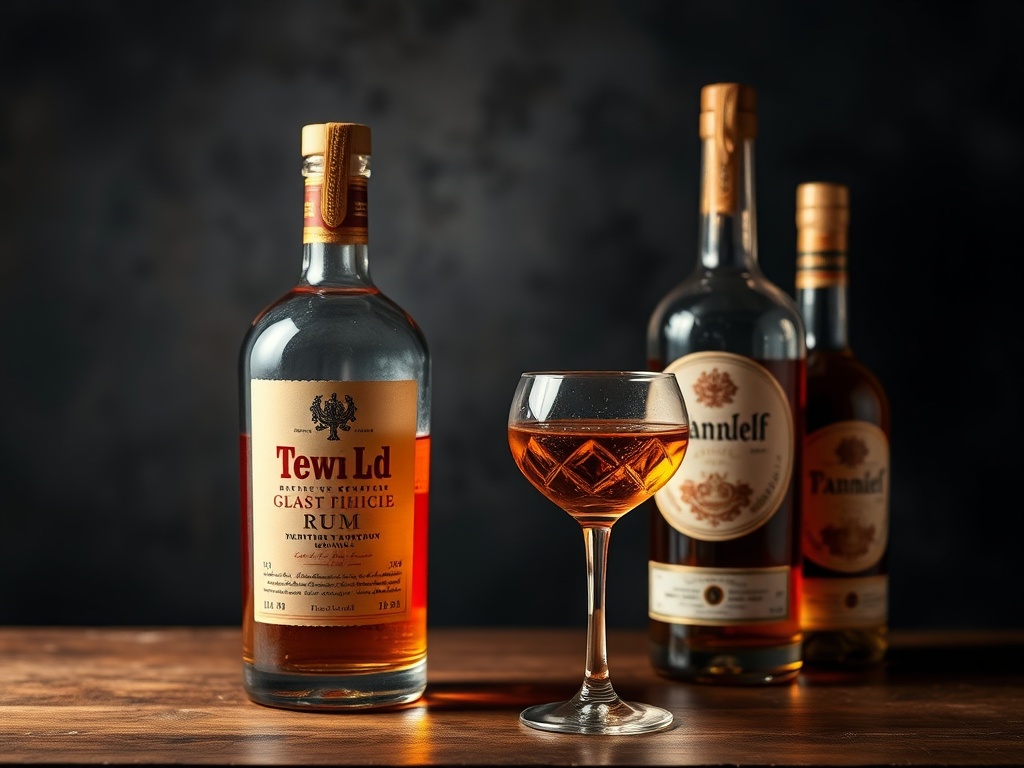
Key Takeaways
- Premium sipping rums are aged 12+ years in oak barrels, developing complex vanilla, caramel, and spice notes through extended maturation
- The best sipping rums contain 40-46% ABV, providing warmth without harshness when consumed neat at room temperature
- Traditional sipping rums from Barbados, Jamaica, and Guyana use no added sugar, while Spanish-style rums may include natural sweeteners
- Proper glassware matters: use a tulip-shaped spirits glass or Glencairn to concentrate aromatic compounds
- Top-rated bottles include Diplomatico Reserva Exclusiva, Mount Gay XO, El Dorado 15 Year, and Appleton Estate 21 Year
- A 2024 study by Distiller found that blind tastings consistently rank aged Caribbean rums above flavored or spiced variants for neat consumption
What Makes a Rum Perfect for Sipping Straight?
Sipping rum differs fundamentally from mixing rum in production method, aging duration, and flavor complexity. The defining characteristic of premium sipping rum is extended barrel aging that transforms harsh white rum into a smooth, nuanced spirit worthy of contemplation. According to the Distilled Spirits Council, aged rum sales have increased 47% since 2020 as consumers discover the category's depth.
Premium sipping rums undergo aging in oak barrels for 12 to 30+ years, depending on climate and desired profile. The Caribbean's tropical heat accelerates the aging process compared to whiskey production—one year of Caribbean aging equals approximately three to four years in Scotland's cooler climate. This rapid maturation extracts vanillin, tannins, and lignin compounds from barrel wood while oxidation mellows alcohol harshness.
The best sipping rums balance four core elements: sweetness from molasses or sugarcane, oak influence from barrel aging, fruit esters from fermentation, and warming alcohol presence. Bottles marketed for neat consumption typically range from 40% to 46% alcohol by volume (ABV). Research published on PubMed examining sensory perception of spirits found that 43% ABV optimizes flavor compound volatility without overwhelming the palate with alcohol burn.
Aging and Barrel Selection
Premium rum producers employ three primary barrel types: ex-bourbon American oak barrels (most common), ex-sherry European oak casks, and virgin charred oak. Each imparts distinct characteristics. Ex-bourbon barrels contribute vanilla, caramel, and coconut notes from previous bourbon aging. Ex-sherry casks add dried fruit, nutty oxidation, and wine-like complexity. Virgin oak delivers more aggressive tannin structure and wood spice.
Some distilleries use solera aging systems—blending multiple barrel ages to maintain consistent house style. This technique, borrowed from sherry production, creates layered complexity as younger rums refresh older expressions. The Master of Malt spirits database notes that solera-aged rums often display remarkable smoothness due to this continuous blending process.
| Barrel Type | Primary Flavors | Best For |
|---|---|---|
| Ex-Bourbon Oak | Vanilla, caramel, coconut, butterscotch | Classic Caribbean profile, approachable sweetness |
| Ex-Sherry Oak | Dried fruit, raisin, walnut, oxidative complexity | Whiskey drinkers seeking familiar notes |
| Virgin Charred Oak | Wood spice, char, robust tannin, pepper | Bold palates wanting structure |
| Solera System | Harmonized blend, layered sweetness, oak integration | Consistent house character, smooth finish |
Top Caribbean Rum Regions for Sipping Quality
Caribbean rum regions produce distinctly different flavor profiles based on terroir, production methods, and aging traditions. Understanding regional characteristics helps identify personal preference.
Barbados — The Cognac of Rum
Barbadian rum represents the refined, elegant end of the spectrum. Producers like Mount Gay (founded 1703) and Foursquare emphasize column-still distillation, producing lighter-bodied rums with delicate floral and citrus notes. Barbadian law prohibits sugar addition, ensuring every ounce of sweetness comes from barrel aging and base molasses quality.
The island's coral limestone-filtered water contributes mineral character, while consistent trade winds and moderate tropical climate create ideal aging conditions. The Whisky Advocate rum region guide ranks Barbados as the top region for whiskey drinkers transitioning to rum due to its dry, oak-forward profile.
Jamaica — Funky and Full-Bodied
Jamaican rum delivers high-ester funk—pronounced fruity, sometimes vegetal flavors from extended fermentation using wild yeasts and dunder (fermentation residue). Producers like Appleton Estate create pot-still rums with banana, pineapple, and allspice characteristics that develop remarkable complexity with age.
Jamaica's pot-still tradition produces heavier rums with more congeners (flavor compounds) than column-still counterparts. These congeners require longer aging to integrate—Jamaican sipping rums typically start at 12 years minimum. According to Distiller's Jamaican rum analysis, the island's limestone spring water and native yeast strains contribute 60% of flavor distinction.
Guyana — Dark and Rich
Guyanese rum from Demerara Distillers (makers of El Dorado) uses a unique combination of wooden pot stills and antique column stills. The result is exceptionally rich, full-bodied rum with molasses-forward sweetness, dried fruit, and tobacco notes.
El Dorado rums undergo tropical aging in Guyana's equatorial climate, where the "angel's share" (evaporation) reaches 6-8% annually compared to 2% in Scotland. This rapid evaporation concentrates flavors quickly. Research in ScienceDirect's spirits fermentation studies shows that tropical aging produces measurably higher concentrations of vanillin and oak lactones in half the time of temperate aging.
Venezuela — Spanish-Style Elegance
Venezuelan producers like Diplomatico craft Spanish-style rons using column stills and solera aging. These rums feature smooth, sweet profiles with notes of chocolate, orange peel, and gentle spice. Some Venezuelan producers add small amounts of natural sweeteners—a traditional practice in Spanish rum regions.
The debate over added sugar divides rum purists. While British-style rum regions forbid additives, Spanish tradition permits caramel, sugar, or glycerin additions up to 20 grams per liter. The Distilled Spirits Council notes that labeling regulations vary by country, making transparency challenging for consumers seeking truly unadulterated expressions.
Our Top Picks: Best Rums for Sipping Straight
Best Overall: Diplomatico Reserva Exclusiva
This Venezuelan solera-aged rum represents exceptional value in the premium sipping category. Diplomatico blends rums aged up to 12 years in ex-bourbon and ex-sherry casks, creating a harmonious profile of dark chocolate, orange marmalade, vanilla, and gentle oak tannin. The 40% ABV provides approachable warmth without harshness.
Tasting notes reveal initial sweetness that gives way to complex spice, coffee, and nutty oxidation from sherry cask influence. The finish extends 30+ seconds with lingering cocoa and subtle raisin. While Diplomatico contains a small amount of added sweetener (approximately 8-10 grams per liter based on hydrometer testing documented on Master of Malt), the integration is seamless and the overall balance exceptional.
Price point: $45-55 per 750ml. Ideal for: newcomers to sipping rum, after-dinner contemplation, pairing with dark chocolate or cigars.
Best Value: El Dorado 12 Year
Guyanese El Dorado 12 delivers remarkable complexity at an accessible price. This expression combines pot-still and column-still distillates aged minimum 12 years in ex-bourbon barrels. The nose presents caramel, dried apricot, and baking spice, while the palate offers molasses richness balanced by oak tannin and subtle citrus peel.
At 40% ABV, El Dorado 12 sips smoothly with just enough warmth to activate flavor compounds. The integration of wood, fruit, and sugar elements demonstrates masterful blending. No additives are used—all sweetness derives from natural molasses and barrel extraction. According to Whisky Advocate's review database, this bottle consistently scores 87-90 points from professional tasters.
Price point: $30-38 per 750ml. Ideal for: daily sipping, introducing friends to aged rum, mixing in premium Old Fashioned variations.
Best Premium: Mount Gay XO
Barbadian elegance defines Mount Gay XO, a blend of pot-still and column-still rums aged 8-15 years in ex-bourbon and ex-cognac casks. This expression showcases refined complexity: honey, banana, toasted almond, and gentle vanilla on the nose, followed by a palate of dried fruit, subtle pepper, and integrated oak.
The cognac cask influence adds distinctive grape must and dried apricot notes uncommon in Caribbean rum. At 43% ABV, Mount Gay XO provides fuller mouthfeel and more pronounced flavor delivery than standard 40% bottlings. The finish is notably long and dry—a signature of Barbadian no-additive production.
Research from the Harvard Nutrition Source examining alcohol consumption notes that higher-proof spirits consumed slowly in smaller quantities may reduce overconsumption compared to lower-proof alternatives consumed in larger volumes.
Price point: $55-65 per 750ml. Ideal for: whiskey enthusiasts, comparing cognac cask finishing, special occasions.
Best Ultra-Premium: Appleton Estate 21 Year
Jamaica's crown jewel, Appleton 21, represents the pinnacle of pot-still rum aging. This expression blends rums aged minimum 21 years in the island's tropical climate, resulting in extraordinary depth. The nose delivers coffee, orange marmalade, allspice, and polished leather, while the palate unfolds in waves: initial honey sweetness, mid-palate oak tannin and dried fruit, finishing with tobacco, dark chocolate, and persistent spice.
At 43% ABV, Appleton 21 showcases how extended tropical aging transforms pot-still rum's aggressive funk into refined complexity. The integration is seamless—no single element dominates. Professional tastings documented on Distiller consistently rate this expression 92-95 points, placing it alongside premium single malt Scotch in complexity.
Price point: $135-165 per 750ml. Ideal for: serious spirits collectors, celebratory moments, comparative tastings with aged whiskey.
Best for Whiskey Drinkers: Foursquare Exceptional Cask Selection
Barbadian Foursquare's limited edition Exceptional Cask releases offer whiskey-like transparency and complexity. These single-barrel or small-batch releases specify exact age statements (typically 10-14 years), cask types, and distillation methods. No additives, no coloring—just pure rum and barrel influence.
Releases like Foursquare Premise or Dominus showcase ex-bourbon and ex-sherry cask interplay with remarkable balance. Tasting notes include butterscotch, orange oil, walnut, and assertive but integrated oak. The 59-60% ABV cask-strength releases require careful dilution but reward exploration with evolving flavor profiles.
Price point: $70-95 per 750ml (when available—limited releases sell quickly). Ideal for: bourbon enthusiasts, single malt Scotch fans, collectors seeking transparency.
How to Properly Taste Rum Neat
Sipping rum straight requires technique to appreciate subtle nuances masked by improper serving or glassware. Following established spirits tasting protocols maximizes sensory experience.
Temperature and Glassware
Serve sipping rum at room temperature (18-22°C / 65-72°F). Cold temperatures suppress volatile aromatic compounds, while excessive warmth creates harsh alcohol vapors. Never add ice initially—evaluate the rum neat first, then add a single large ice cube or drops of distilled water if desired.
Use a tulip-shaped spirits glass (Glencairn, copita, or brandy snifter) to concentrate aromatics. The tapered opening traps volatile compounds while the bowl shape allows swirling to release esters and phenols. According to ScienceDirect research on volatile organic compounds, glassware shape affects perceived aroma intensity by 40-60% compared to standard tumblers.
The Tasting Process
Follow this professional tasting sequence:
- Visual examination: Hold the glass against white background. Note color depth (light amber to deep mahogany indicates aging duration), clarity, and viscosity. Swirl gently and observe "legs" dripping down the glass—thicker legs suggest higher sugar or alcohol content.
- First nose: Without swirling, bring glass to nose and inhale gently. Identify immediate impressions—fruit, spice, oak, molasses. Avoid aggressive sniffing which anesthetizes olfactory receptors with alcohol vapors.
- Second nose: Swirl glass 10-15 seconds to aerate. Nose again, breathing through the mouth slightly. Additional layers emerge after oxidation—deeper spices, subtle florals, hidden fruit notes.
- Initial taste: Take a small sip (0.25 oz), coat entire palate, and hold 5-10 seconds before swallowing. Note arrival (initial taste), mid-palate development, and finish (lingering flavors post-swallow).
- Subsequent tastes: Palate adapts after first sip. Second and third tastes reveal nuances masked initially by alcohol. Allow 30 seconds between sips for full appreciation.
- Adding water (optional): Add 3-5 drops of room-temperature distilled water to 1 oz pour. This reduces alcohol percentage, releasing additional flavor compounds and softening tannins. Some rums transform dramatically with dilution.
Research published on PubMed examining ethanol perception demonstrates that small amounts of water (5-15% by volume) can enhance flavor compound solubility while reducing trigeminal burn from alcohol, improving overall tasting experience.
Understanding Rum Labels and Age Statements
Rum labeling lacks the strict regulation governing Scotch whisky or bourbon, creating confusion around age statements, additives, and production methods. Understanding label terminology helps identify authentic sipping quality versus marketing language.
Age Statement Interpretation
When a rum label states "12 Year," regulations vary by country. In Barbados and Jamaica, the youngest rum in the blend must be 12 years minimum. In some territories, the average age or oldest component determines labeling—a "12 Year" rum might contain rums aged 8-18 years, with 12 being the mean.
Spanish-style solera systems complicate age statements further. A "Solera 15" designation may indicate the solera system was established 15 years ago, but the average rum age could be 5-8 years due to continuous fractional blending. The Distilled Spirits Council has proposed standardized international labeling, but implementation remains inconsistent.
Additive Disclosure
Premium sipping rums may contain added sugar, caramel coloring, glycerin, or oak essence—additives that smooth harshness but mask true barrel character. British-tradition rums (Barbados, Jamaica, Trinidad) typically prohibit additions. Spanish-tradition rums (Venezuela, Guatemala, Dominican Republic) often permit up to 20 grams per liter of sugar or sweeteners.
Currently, no universal labeling requirement mandates additive disclosure. Consumers seeking unadulterated expressions should research specific brands. Resources like the Master of Malt rum database and independent hydrometer testing projects provide transparency where official labels do not.
People Also Ask
Should sipping rum be chilled or room temperature?
Sipping rum should be served at room temperature (18-22°C) without ice to appreciate full aromatic complexity. Cold suppresses volatile flavor compounds by 40-60%. After initial neat tasting, a single large ice cube or drops of water can be added to personal preference.
What's the difference between sipping rum and mixing rum?
Sipping rum undergoes 12-30+ years of barrel aging, costs $40-200 per bottle, and features complex oak, fruit, and spice notes meant for neat consumption. Mixing rum ages 2-5 years, costs $15-35, and provides cleaner, simpler flavor profiles designed to blend with other ingredients without overpowering them.
Does aged rum have more alcohol than white rum?
No. Most aged sipping rums are bottled at 40-46% ABV, identical to white rum. The "angel's share" evaporation during aging removes some alcohol, which is compensated by dilution to target bottling proof. Cask-strength releases (55-65% ABV) contain more alcohol than standard bottlings.
Pairing Sipping Rum with Food and Cigars
Premium rum's complexity pairs exceptionally with specific foods and cigars, enhancing both the spirit and accompaniment through complementary or contrasting flavor interactions.
Food Pairings
Aged rum's natural sweetness and oak tannins complement rich, fatty foods while contrasting with bitter chocolate or coffee-based desserts. Successful pairings include:
- Dark chocolate (70-85% cacao): The chocolate's bitterness balances rum's sweetness while cocoa notes mirror barrel-aged chocolate flavors. Pair Jamaican pot-still rums with single-origin dark chocolate.
- Blue cheese: Funky, high-ester Jamaican rums match blue cheese's pungent character. The rum's sweetness cuts salt and fat while tropical fruit esters complement cheese's fermented complexity.
- Grilled or smoked meats: Barbadian and Guyanese rums with pronounced oak and char notes enhance BBQ's smoky character. The caramel and vanilla notes in rum complement meat's Maillard reaction flavors.
- Crème brûlée or flan: Spanish-style Venezuelan rums mirror caramel desserts' burned sugar notes. The rum extends the dessert's vanilla and butterscotch finish.
- Tropical fruit: Mango, pineapple, or banana slices pair naturally with Caribbean rum's inherent tropical esters, creating harmonious fruit-forward experiences.
Cigar Pairings
Aged rum and premium cigars share production parallels—both undergo fermentation, aging, and blending to achieve complexity. The combination creates synergistic flavor enhancement:
- Medium-bodied cigars (Connecticut wrapper): Pair with lighter Barbadian rums. The cigar's creamy, nutty character complements rum's vanilla and oak without overwhelming delicate notes.
- Full-bodied cigars (Maduro wrapper): Match with robust Jamaican or Guyanese rums. Both deliver bold flavors—coffee, dark chocolate, earth—that stand up to each other without one dominating.
- Spicy cigars (Nicaraguan puro): Pair with sherried or wine-cask-finished rums. The rum's dried fruit and oxidative notes complement tobacco's pepper spice while the sweetness balances heat.
When pairing, sip rum first to coat the palate, draw from the cigar, then exhale slowly through the nose. The retrohale carries both rum vapors and tobacco smoke through olfactory receptors, creating combined flavor perceptions impossible to achieve separately.
Building a Sipping Rum Collection
A well-rounded rum collection should represent diverse regional styles, aging techniques, and proof levels. This allows exploration of the category's breadth while avoiding redundancy.
Essential Three-Bottle Collection
For newcomers, these three bottles provide maximum style diversity within $150 total budget:
- El Dorado 12 Year (Guyana): Rich, molasses-forward, represents Demerara style — $35
- Mount Gay XO (Barbados): Refined, dry, showcases British-tradition elegance — $60
- Diplomatico Reserva Exclusiva (Venezuela): Smooth, Spanish-style, accessible entry point — $50
This trio covers light-to-heavy body, dry-to-sweet profiles, and British-versus-Spanish production philosophies.
Intermediate Five-Bottle Collection
Expanding the collection adds Jamaican funk and proof variation:
- El Dorado 15 Year (upgrade from 12) — $45
- Mount Gay XO — $60
- Appleton Estate 12 Year (Jamaica) — $40
- Foursquare Probitas or Doorly's XO (Barbados transparency) — $35
- Plantation XO 20th Anniversary (multi-region blend, shows blending art) — $50
Total: $230. This collection enables comparative tastings across regions and styles.
Advanced Collection Additions
Serious enthusiasts should explore limited releases, cask-strength expressions, and single-estate rums. Priority additions include:
- Appleton Estate 21 Year: Ultra-premium Jamaican complexity — $150
- Foursquare Exceptional Cask releases: Transparency and single-barrel character — $80-120
- Hampden Estate 8 Year: High-ester Jamaican funk, pot-still showcase — $70
- El Dorado Rare Collection (15 or 21 Year): Specific still designations — $90-300
- Rhum Agricole (Martinique AOC): Grassy, vegetal sugarcane juice rum, style contrast — $60-100
Proper storage extends rum's quality. Unlike wine, sealed bottles experience minimal oxidation—spirits remain stable for decades. Once opened, consume within 1-2 years and store upright in cool, dark locations away from direct sunlight. The Distilled Spirits Council notes that UV exposure degrades color and creates off-flavors in barrel-aged spirits over extended periods.
Common Myths About Sipping Rum Debunked
Several persistent misconceptions surround premium rum, often based on outdated information or confusion with mixing-grade products.
Myth 1: All Dark Rum Is Heavily Sweetened
Reality: Color and sweetness are independent variables. Dark color comes from extended barrel aging, charred barrel contact, or added caramel coloring. British-tradition rums (Barbados, Jamaica) achieve dark color through pure aging with zero added sugar. Venezuelan and some Caribbean rums add sweeteners, but many dark rums contain no additives whatsoever. Always research specific brands rather than assuming color indicates sweetness.
Myth 2: Older Is Always Better
Reality: Tropical aging accelerates wood extraction—rums older than 20-25 years risk becoming over-oaked, tannic, and imbalanced. The optimal age depends on climate, barrel char level, and still type. A 12-year Guyanese rum may offer more drinkable balance than a 25-year expression dominated by aggressive oak. According to Whisky Advocate's aging analysis, peak complexity for most Caribbean rums occurs between 12-18 years of tropical maturation.
Myth 3: Rum Has More Sugar Than Whiskey
Reality: Unadulterated aged rum contains zero residual sugar—all fermentable sugars convert to alcohol during distillation. The perceived sweetness comes from vanillin, oak lactones, and ester compounds extracted during barrel aging, identical to bourbon's sweetness perception. Some Spanish-style rums add post-distillation sweeteners (disclosed or undisclosed), but traditional rums match whiskey's zero-sugar composition. Research on PubMed examining distilled spirits composition confirms that distillation removes all non-volatile compounds including sugars.
Myth 4: Rum Causes Worse Hangovers Than Other Spirits
Reality: Hangovers result from alcohol quantity, dehydration, and congener levels—not spirit category. Darker spirits (rum, whiskey, brandy) contain more congeners than vodka, potentially increasing hangover severity at equivalent consumption levels. However, premium aged rum consumed moderately produces no worse effects than premium aged whiskey. Cheap mixing rum with high fusel oil content may cause harsher aftereffects. The Mayo Clinic's hangover research identifies dehydration and alcohol quantity as primary factors, not specific spirit types.
Expert Verdict
The best rums for sipping straight combine extended tropical aging (12+ years), balanced oak influence, and transparent production without excessive sweetener additions. Barbadian rums like Mount Gay XO deliver refined, whiskey-like elegance for bourbon enthusiasts. Jamaican expressions like Appleton Estate showcase pot-still complexity and tropical fruit character. Guyanese rums such as El Dorado 15 Year provide rich molasses depth at exceptional value. For newcomers, Diplomatico Reserva Exclusiva offers accessible smoothness and broad appeal. Regardless of style preference, the defining characteristic of great sipping rum is complexity that rewards slow, contemplative tasting—revealing layered aromas and flavors that unfold across extended finish. Premium rum stands alongside single malt Scotch and small-batch bourbon as world-class aged spirits worthy of serious appreciation.
Article Summary
- Premium sipping rums are aged 12-25+ years in oak barrels, developing complex vanilla, caramel, fruit, and spice notes through extended maturation in tropical climates where one year equals three to four years of Scottish whiskey
This article was produced by an automated research tool. Content is for informational purposes only and should not replace professional advice. Nothing here is medical advice, and it is not a substitute for it. Talk to a doctor about anything affecting your health. Product and resource links throughout this article are included for informational value based on relevance and quality. WhichBrewForYou has no affiliate relationship with any linked third-party site and receives no commission from any recommended products or brands. BellofattoBrews (coffee and tea) and Golden Hive Mead (mead kits and resources) are personal recommendations from this publication's founder and have no affiliation with WhichBrewForYou.