Key Takeaways
- A SCOBY is a symbiotic colony of bacteria and yeast that ferments sweet tea into kombucha through acid and enzyme production.
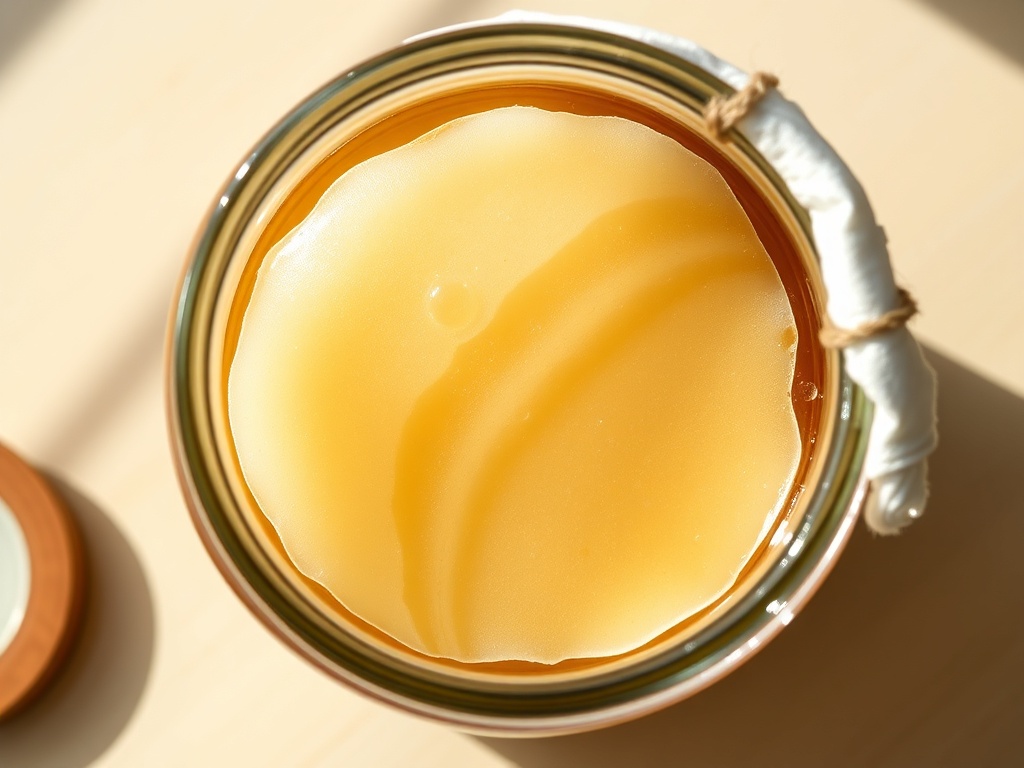
- The visible SCOBY "pancake" is made of cellulose biofilm produced by bacteria, not the organisms themselves.
- Primary bacteria are Acetobacter species; primary yeasts include Saccharomyces, Brettanomyces, and Zygosaccharomyces strains.
- A healthy SCOBY lowers pH to 2.5-3.5 within 7-14 days, protecting the brew from mold and harmful bacteria.
- SCOBYs reproduce with each batch, creating new cellulose layers you can share, compost, or use in future brews.
- Proper SCOBY care requires clean hands, no metal utensils, consistent temperature (68-78°F), and periodic pH monitoring.
Related: What Does Jun Tea Taste Like — Flavor Profile & Tasting Notes
## How Does a SCOBY Work During Fermentation? The fermentation process orchestrated by a SCOBY transforms simple sweet tea into a complex probiotic beverage through a carefully sequenced metabolic cascade. Understanding this process helps brewers optimize their kombucha and troubleshoot common issues. ### Stage 1: Yeast-Driven Sugar Metabolism (Days 1-3) During the initial fermentation phase, **yeast strains** dominate the metabolic activity. Saccharomyces and other yeasts consume glucose and fructose from added sugar (typically white sugar or evaporated cane juice), producing: - **Ethanol** (alcohol, typically 0.5-2% by volume) - **Carbon dioxide** (creates natural carbonation) - **Organic compounds** (esters and phenols that influence flavor) According to Harvard's Nutrition Source, this yeast activity sets the stage for bacterial metabolism by providing the ethanol substrate bacteria need for acid production. ### Stage 2: Bacterial Acid Production (Days 3-10) As ethanol accumulates, **acetic acid bacteria** (Acetobacter species) become increasingly active. These aerobic bacteria require oxygen to convert ethanol into acetic acid through enzymatic oxidation: **Ethanol + Oxygen → Acetic Acid + Water** Simultaneously, Gluconacetobacter species produce: - **Gluconic acid** (contributes to tartness) - **Cellulose** (builds the SCOBY mat) - **Glucuronic acid** (studied for potential detoxification benefits) The pH drops rapidly during this phase. Research from NCBI databases shows that a properly fermenting SCOBY lowers pH from 4.5 (sweet tea starting point) to 2.5-3.5 within 7-14 days, creating an inhospitable environment for pathogenic bacteria and mold. ### Stage 3: Flavor Development and Stabilization (Days 7-14) By day seven, the SCOBY has established a stable acidic environment. Continued fermentation produces: - **B vitamins** (B1, B6, B12 from bacterial synthesis) - **Organic acids** (lactic acid from Lactobacillus strains) - **Enzymes** (amylase, invertase, protease) - **Beneficial probiotics** (estimated 10⁶-10⁷ CFU/mL in finished kombucha) The fermentation duration determines sweetness and acidity balance. Most brewers harvest kombucha between days 7-14, when sugar is substantially consumed but residual sweetness remains palatable. Testing with pH strips (targeting pH 2.5-3.5) ensures both safety and flavor quality. The Kombucha Shop recommends tasting daily after day 5 to find your preferred balance. ## SCOBY Structure: Why Is It Rubbery and Layered? The physical SCOBY mat is a **cellulose biofilm** secreted by Acetobacter xylinum bacteria. This species produces cellulose microfibrils that interweave into a dense, cohesive matrix floating at the liquid-air interface where oxygen concentration is highest. ### Anatomy of a SCOBY Layer A mature SCOBY typically consists of:| Component | Function | Appearance |
|---|---|---|
| Top surface | Oxygen-rich zone for aerobic bacteria | Smooth, slightly shiny, cream to tan colored |
| Middle layers | Dense microbial concentration | Rubbery, stratified, translucent to opaque |
| Bottom surface | Yeast concentration zone (less aerobic) | Often stringy, brown deposits (yeast strands) |
| Cellulose matrix | Structural support, microbial habitat | Fibrous, gel-like when wet, leathery when dry |
Related: How to Do a Second Fermentation for Kombucha | WhichBrewForYou
## What Does a SCOBY Do for Kombucha Health Benefits? The SCOBY's fermentation activity generates the compounds responsible for kombucha's reputation as a functional beverage. While human clinical trials remain limited, preliminary research suggests multiple mechanisms through which SCOBY-fermented kombucha may support health. ### Probiotic Content and Gut Health The live bacterial cultures in SCOBY-fermented kombucha include **probiotic strains** similar to those found in yogurt and kefir. NIH's Office of Dietary Supplements notes that probiotics may support digestive health by: - Maintaining beneficial gut flora balance - Supporting intestinal barrier function - Producing short-chain fatty acids that nourish colon cells - Competing with pathogenic bacteria for resources Kombucha typically contains 10⁶-10⁷ colony-forming units per milliliter (CFU/mL) after fermentation—lower than most commercial probiotic supplements (10⁹-10¹⁰ CFU/dose) but still biologically relevant when consumed regularly. ### Organic Acids and Metabolic Support The **acetic acid**, **gluconic acid**, and **glucuronic acid** produced during SCOBY fermentation contribute to kombucha's tart flavor and potential metabolic effects. Research indexed on ScienceDirect suggests glucuronic acid may support Phase II liver detoxification by conjugating with toxins for elimination, though human data remains preliminary. ### Antioxidant Polyphenols from Tea The SCOBY ferments tea, not water, specifically because tea polyphenols (catechins, theaflavins, tannins) serve as: - **Antioxidants** that reduce oxidative stress - **Antimicrobial agents** that protect the fermentation - **Substrates** for bacterial enzyme activity Mayo Clinic reports that fermentation may increase the bioavailability of certain tea polyphenols, potentially enhancing antioxidant effects compared to unfermented tea. ### B Vitamin Synthesis SCOBY bacteria synthesize B vitamins during fermentation, particularly: - **B1 (Thiamine):** Supports energy metabolism - **B6 (Pyridoxine):** Required for neurotransmitter synthesis - **B12 (Cobalamin):** Critical for red blood cell formation (trace amounts only) While kombucha is not a primary B12 source, the combination of B vitamins may contribute to the energy-boosting effects many drinkers report. ## How to Use and Care for Your SCOBY Proper SCOBY maintenance ensures vigorous fermentation, consistent flavor, and long-term viability. Whether you receive a SCOBY from Cultures for Health, Kombucha Kamp, or a friend, these practices optimize performance. ### Starting Your First Batch- Brew strong tea: Use 4-6 tea bags or 2 tablespoons loose leaf tea per quart of water. Black tea provides optimal nitrogen for bacterial growth, though green tea works well.
- Dissolve sugar: Add ¼ cup white sugar per quart of hot tea. Cool completely to room temperature before proceeding.
- Add SCOBY and starter: Place the SCOBY disk in a wide-mouth glass jar and pour in cooled sweet tea. Add 1-2 cups mature kombucha (starter tea) from a previous batch—this lowers initial pH and protects against contamination.
- Cover breathably: Use tightly woven cloth (not cheesecloth—too porous) secured with a rubber band. The SCOBY needs oxygen but must be protected from fruit flies and dust.
- Ferment at 68-78°F: Place jar in a stable-temperature location away from direct sunlight. Ferment 7-14 days, tasting daily after day 5.
- Harvest and restart: Remove the SCOBY, reserve 1-2 cups as starter for your next batch, and bottle the finished kombucha.
| Characteristic | Kombucha SCOBY | Water Kefir Grains |
|---|---|---|
| Physical form | Flat cellulose mat | Small translucent "grains" or crystals |
| Primary substrate | Sweet tea (requires tea polyphenols) | Sugar water (no tea required) |
| Fermentation time | 7-14 days | 24-48 hours |
| Dominant bacteria | Acetobacter species | Lactobacillus species |
| Primary acid | Acetic acid (vinegary) | Lactic acid (mild, slightly sour) |
| Flavor profile | Tangy, vinegary, tea-forward | Mild, slightly sweet, fruit-forward |
People Also Ask
Can You Eat a SCOBY?
Yes, SCOBYs are edible and consist of cellulose, bacteria, yeast, and tea compounds—all safe to consume. The texture is rubbery and flavor mildly sour. Some people blend SCOBYs into smoothies, dehydrate them as chewy snacks, or use them in fermented salsas. However, most find the texture unpalatable and prefer composting extra SCOBYs.
Does a SCOBY Contain Alcohol?
The SCOBY itself contains negligible alcohol, but the kombucha it produces typically contains 0.5-2% alcohol by volume from yeast fermentation. Longer fermentation increases alcohol content. Commercial kombucha labeled "non-alcoholic" must contain less than 0.5% ABV per federal regulations, achieved through controlled fermentation and refrigeration that halts yeast activity.
How Long Does a SCOBY Last?
A properly maintained SCOBY can ferment indefinitely—many brewers use cultures continuously for years. Stored in a SCOBY hotel at room temperature with monthly feeding, cultures remain viable for 6-12 months. Refrigerated SCOBYs enter dormancy and can survive 2-3 months without feeding, though they require 2-3 reactivation batches before returning to peak performance.
Expert Verdict: Understanding Your SCOBY Improves Your Kombucha
The SCOBY is not mysterious or magical—it's a predictable, manageable microbial ecosystem governed by straightforward environmental factors. Temperature, pH, substrate availability (sugar and tea), and oxygen access determine fermentation speed, flavor development, and culture health. Brewers who understand the underlying biology consistently produce better kombucha than those following recipes blindly. The physical SCOBY disk is less important than the liquid starter tea containing active microbial populations. New brewers often overemphasize SCOBY size and appearance while neglecting starter tea pH and volume—the true determinants of successful fermentation. A SCOBY hotel provides insurance against contamination and allows experimentation with different tea and sugar combinations without risking your primary culture. For those interested in live-culture fermentation beyond kombucha, resources from Cultures for Health and Kombucha Brewers International offer science-based guidance on water kefir, Jun tea, and other SCOBY-based beverages.Article Summary
- A SCOBY is a symbiotic culture of Acetobacter bacteria and various yeast strains that ferments sweet tea into probiotic kombucha by producing organic acids and beneficial compounds.
- The rubbery SCOBY disk is a cellulose biofilm that houses microorganisms; the liquid starter tea is equally important for successful fermentation and contains the actual live cultures.
- Fermentation occurs in three stages: yeast-driven sugar metabolism producing ethanol, bacterial conversion of ethanol to acetic acid, and stabilization with probiotic and vitamin synthesis.
- Optimal SCOBY fermentation requires 72-76°F temperature, glass or ceramic vessels, 1-2 cups acidic starter per quart sweet tea, and 7-14 days of aerobic fermentation.
- Common problems like mold contamination, slow fermentation, and excessive yeast have straightforward solutions rooted in temperature control, pH management, and culture maintenance practices.
Frequently Asked Questions
What Is the Difference Between a SCOBY and Kombucha?
Kombucha is the fermented beverage—the liquid you drink. The SCOBY is the living culture that ferments sweet tea into kombucha. The SCOBY consists of bacteria and yeast colonies plus the cellulose mat they produce. You need a SCOBY plus starter tea to make kombucha.
Can I Make Kombucha Without a SCOBY?
No true kombucha requires a SCOBY. However, you can start fermentation using only liquid starter tea (mature kombucha) without the physical cellulose disk—a new SCOBY layer will form during fermentation. Store-bought raw kombucha can theoretically start fermentation but often contains insufficient live cultures for reliable results.
Why Is My SCOBY Not Forming on Top?
New SCOBY formation requires temperatures above 68°F, adequate oxygen (breathable cover only), sufficient starter tea (minimum 1 cup per quart), and active microbial cultures. If no SCOBY forms after 14 days, your starter tea may be too old or your SCOBY may be inactive. Increase temperature and starter tea ratio.
Should I Remove the Old SCOBY Each Batch?
Not necessary. You can ferment with multiple layered SCOBYs or peel and remove older bottom layers to reduce yeast accumulation. Many brewers keep 1-2 layers per batch. Thicker SCOBYs don't ferment faster—fresh starter tea matters more than SCOBY thickness for fermentation speed.
Can You Use Green Tea Instead of Black Tea?
Yes, green tea works well for kombucha. Black tea provides more nitrogen and tannins that support bacterial growth, producing more vigorous fermentation. Green tea creates lighter, more delicate kombucha. Many brewers blend black and green tea. Avoid flavored or oiled teas that contain additives harmful to SCOBY cultures.
Is Kombucha SCOBY Safe During Pregnancy?
Pregnant women should consult healthcare providers before consuming kombucha or fermented foods. Concerns include alcohol content (0.5-2% ABV), unpasteurized live bacteria, and caffeine from tea. The FDA and most obstetricians recommend avoiding unpasteurized fermented products during pregnancy due to small contamination risks, though no documented cases of kombucha-related pregnancy complications exist.
More Kombucha Articles
This article was produced by an automated research tool. Content is for informational purposes only and should not replace professional advice. Nothing here is medical advice, and it is not a substitute for it. Talk to a doctor about anything affecting your health. Product and resource links throughout this article are included for informational value based on relevance and quality. WhichBrewForYou has no affiliate relationship with any linked third-party site and receives no commission from any recommended products or brands. BellofattoBrews (coffee and tea) and Golden Hive Mead (mead kits and resources) are personal recommendations from this publication's founder and have no affiliation with WhichBrewForYou.