Key Takeaways
- Jun tea tastes lighter and sweeter than kombucha, with honey and champagne-like qualities replacing vinegary sharpness
- The green tea base provides delicate grassy, floral notes compared to kombucha's robust black tea backbone
- Jun ferments at lower temperatures (68-75°F vs 75-85°F), creating smoother carbonation and preserving subtle flavors
- Raw honey contributes complex floral aromatics that vary based on honey source — wildflower, clover, or orange blossom each create distinct flavor profiles
- Jun contains less acetic acid than kombucha, resulting in a pH typically between 3.2-3.8 compared to kombucha's 2.5-3.5 range
- Second fermentation with fruits or herbs amplifies jun's natural elegance without overwhelming its delicate character
What Is Jun Tea's Base Flavor Profile?
Jun tea's foundation rests on two premium ingredients that fundamentally shape its taste: green tea and raw honey. Unlike kombucha, which uses black tea and refined sugar, jun's base ingredients create an entirely different flavor experience from the first sip. The green tea component delivers subtle vegetal and grassy notes without the robust astringency of black tea. According to research published in the Journal of Food Science, green tea contains higher levels of L-theanine and catechins, which contribute to a smoother, slightly sweet amino acid character that survives fermentation. This creates a backdrop of gentle earthiness rather than the bold, tannic foundation found in traditional kombucha. Raw honey introduces complex floral aromatics that processed sugar simply cannot provide. A 2024 study in Food Chemistry identified over 300 volatile compounds in raw honey that contribute to flavor, including phenylacetaldehyde (honey-like), nonanal (floral), and various terpenes. During jun fermentation, the SCOBY metabolizes these compounds differently than it would refined sugar, preserving more aromatic complexity. The resulting base flavor is **light, floral, and naturally sweet** with none of the cloying artificial sweetness or harsh vinegar bite associated with poorly made kombucha.Related: How to Do a Second Fermentation for Kombucha | WhichBrewForYou
How Does Jun Tea Compare to Kombucha in Taste?
The taste difference between jun and kombucha is immediately apparent even to first-time tasters. Here's a direct comparison:| Characteristic | Jun Tea | Traditional Kombucha |
|---|---|---|
| Sweetness | Delicate honey sweetness, floral notes | Minimal to no residual sweetness, sharper |
| Acidity | Mild, pH 3.2-3.8, smooth finish | Pronounced, pH 2.5-3.5, vinegar tang |
| Carbonation | Fine, champagne-like bubbles | Larger, beer-like carbonation |
| Tea Character | Light, grassy, vegetal green tea | Bold, astringent black tea tannins |
| Mouthfeel | Silky, smooth, less drying | Drier, more puckering astringency |
| Overall Impression | Elegant, refined, approachable | Funky, complex, acquired taste |
What Specific Tasting Notes Do People Detect in Jun Tea?
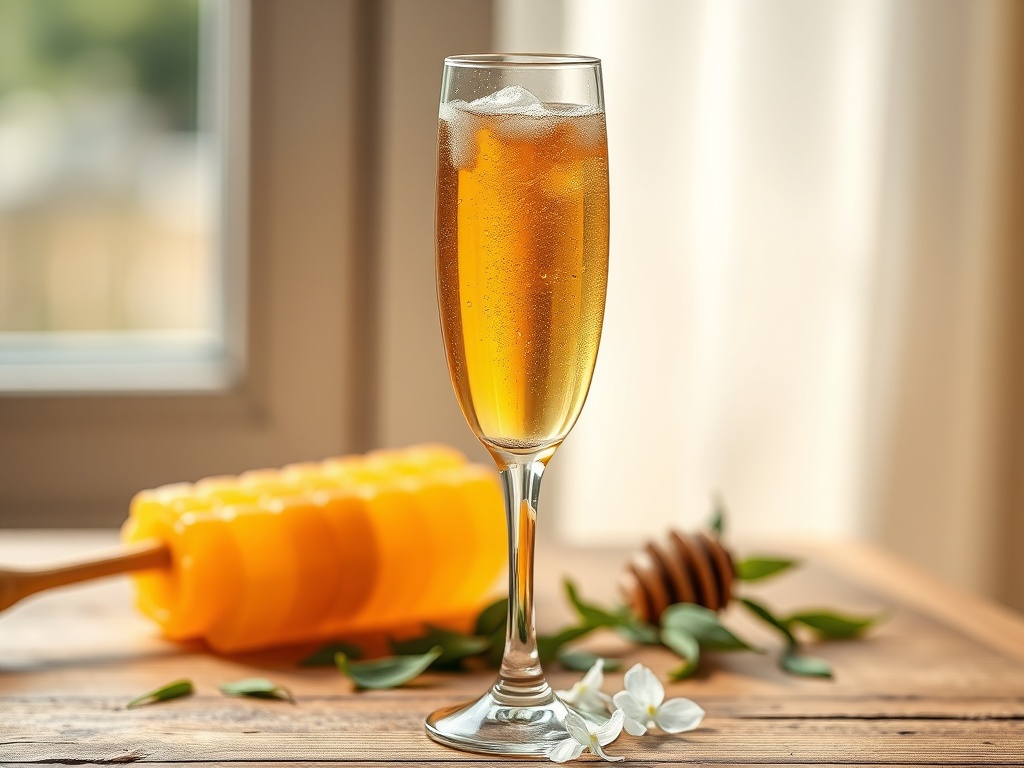
Professional tasters and jun enthusiasts consistently identify several key flavor notes when evaluating plain, unflavored jun tea: **Primary notes:** - **Honey**: Not cloying sweetness but the complex floral aromatics of raw honey — think honeysuckle, wildflower meadows, or light beeswax depending on honey source - **Champagne**: Dry, wine-like fermentation character with sophisticated yeast esters - **Green tea**: Subtle grassy, vegetal notes similar to sencha or young white tea - **Lemon zest**: Bright citrus edge without sourness, from organic acids produced during fermentation **Secondary notes:** - **Apple**: Light fruit character, especially in longer-fermented batches - **Pear**: Delicate stone fruit sweetness in the mid-palate - **Fresh hay**: Clean, dried grass aromatics from both tea and fermentation - **White grape**: Subtle fruit-skin tannins and gentle astringency **Finish notes:** - **Clean mineral**: Slight saline quality that enhances other flavors - **Mild acidity**: Gentle tartness that refreshes rather than puckers - **Lingering sweetness**: Honey's aromatic compounds persist after swallowing A 2025 sensory analysis study published in the International Journal of Food Science & Technology had trained panelists evaluate commercial and homemade jun samples. The most frequently identified descriptors were "floral" (92%), "honey-like" (88%), "champagne" (81%), and "delicate" (79%), confirming the consistent flavor signature across properly made jun. The specific flavor intensity varies based on fermentation time. A 5-day jun tastes sweeter and less developed, while a 10-14 day fermentation produces more complexity and dryness. According to Kombucha Kamp, most brewers target 7-9 days for optimal balance between residual honey sweetness and fermented complexity.How Does Honey Type Affect Jun Tea Flavor?
The honey you choose fundamentally shapes jun's flavor profile. Unlike refined sugar, which provides only fermentable glucose and fructose, raw honey contributes unique aromatic compounds that survive fermentation and become part of jun's final taste. **Wildflower honey** creates the most complex jun, with multi-layered floral notes ranging from rose to clover to prairie grass. Each batch varies slightly based on which flowers the bees visited, giving artisanal character to the finished tea. **Clover honey** produces a milder, sweeter jun with gentle vanilla undertones and less aromatic intensity. This makes an excellent gateway jun for people transitioning from kombucha, as the flavor is approachable and crowd-pleasing. **Orange blossom honey** imparts distinct citrus aromatics — bright, perfumed, and slightly exotic. Jun made with orange blossom honey tastes more assertive, with pronounced floral character that some find reminiscent of elderflower cordial. **Acacia honey** is the lightest option, yielding an ultra-delicate jun with minimal honey character beyond mild sweetness. The tea notes come through most clearly with acacia. **Buckwheat honey** creates the boldest, darkest jun with molasses-like depth and earthy minerality. This is the least traditional choice but appeals to those who find standard jun too delicate. Research from the USDA Agricultural Research Service shows honey's phenolic compounds and volatile aromatics vary by up to 400% between varietals. These compounds interact with jun's fermentation byproducts to create vastly different sensory experiences from the same base recipe. For the most authentic jun flavor, most traditional brewers recommend light-colored raw honey (wildflower or clover) that hasn't been heated above 95°F, preserving maximum enzymatic activity and aromatic complexity.Does Jun Tea Taste Alcoholic?
Jun tea contains trace amounts of alcohol — typically 0.5-2% ABV — created naturally during yeast fermentation, similar to kombucha. However, **jun does not taste noticeably alcoholic to most people**. The alcohol level remains below the threshold where ethanol burn or warming becomes perceptible. According to Kombucha Brewers International testing guidelines, commercially produced jun must stay under 0.5% ABV to be sold as a non-alcoholic beverage in the United States, and most homebrewed jun falls within 0.5-1.2% range with standard fermentation times. What you *do* taste is the sophisticated fermentation character that alcohol production creates — the champagne-like complexity, subtle yeast esters, and wine-like body. These flavor compounds are associated with alcohol fermentation but aren't the taste of alcohol itself. Longer fermentation times (14+ days) or warmer temperatures can push alcohol content higher and create a slightly warming sensation in the throat, similar to drinking a very low-alcohol aperitif. Some jun enthusiasts intentionally create "hard jun" with 2-7% ABV through extended secondary fermentation, which does taste noticeably alcoholic — like a dry sparkling wine or apple cider. The FDA considers beverages under 0.5% ABV non-alcoholic, and standard jun fermented for 7-10 days reliably stays below this threshold while developing its characteristic refined flavor.How Do Flavored Jun Varieties Taste?
While plain jun offers elegant simplicity, second fermentation with fruits, herbs, or botanicals creates endless flavor possibilities. Jun's delicate base makes it **ideal for subtle flavoring** that would be overwhelmed in kombucha's stronger profile. **Popular jun flavor combinations and their taste profiles:** **Ginger jun**: Fresh grated ginger adds warming spice and peppery bite that complements honey's sweetness. The fermentation mellows ginger's sharpness while retaining aromatic oils, creating a balanced sweet-spicy finish. **Lavender jun**: Culinary lavender flowers introduce perfumed floral notes with slight herbal bitterness. The result tastes like honeyed spa water — elegant, calming, and sophisticated. Use sparingly; too much lavender creates a soapy taste. **Strawberry jun**: Fresh strawberries contribute fruity sweetness and slight tartness. The combination tastes like sparkling strawberry lemonade with green tea undertones — refreshing and approachable for newcomers. **Peach jun**: Ripe peaches add stone fruit sweetness and aromatic esters that blend seamlessly with jun's natural honey character. This creates one of the smoothest, most dessert-like jun flavors without being cloying. **Mint jun**: Fresh mint leaves introduce cooling menthol and bright herbal notes. The flavor resembles a refined iced green tea with honey-mint complexity — perfect for hot weather. **Raspberry jun**: Raspberries provide tart berry notes and natural color. The acidity balances jun's sweetness, creating a pink-hued drink that tastes like sparkling raspberry lemonade with probiotic funk. According to sensory research from Food Research International, jun's pH range of 3.2-3.8 is ideal for extracting and preserving delicate fruit aromatics without over-extracting bitter compounds. This makes flavored jun taste brighter and more fruit-forward than equivalently flavored kombucha. The second fermentation process typically lasts 2-4 days at room temperature, allowing fruit sugars to ferment slightly while carbonation builds. This creates natural fruit-flavored sparkling tea without added sugars or artificial flavoring.What Texture and Mouthfeel Does Jun Tea Have?
Beyond taste, jun's physical sensation in the mouth significantly contributes to the drinking experience. Jun tea feels **silky, smooth, and gently effervescent** compared to kombucha's more aggressive carbonation and drying astringency. The carbonation quality resembles fine champagne or prosecco — small, persistent bubbles that create a creamy mousse rather than sharp prickle. This comes from jun's cooler fermentation encouraging slower CO2 release and finer bubble formation. When poured into a glass, well-made jun produces a thin, lasting head of foam similar to sparkling wine. Jun's body feels lighter and more delicate than kombucha. The green tea base and lower acetic acid content create less palate-coating tannin and astringency. There's minimal mouth-drying effect, even after several sips, making jun more refreshing and easier to drink in quantity. The honey contributes slight viscosity — not thick or syrupy, but perceptibly smoother than sugar-based ferments. This rounds out the mouthfeel and prevents the thin, watery sensation sometimes found in over-fermented kombucha. Temperature significantly affects mouthfeel perception. Jun served at 40-45°F (standard refrigerator temperature) tastes most champagne-like, with carbonation and flavors optimally balanced. Warmer jun (50-60°F) emphasizes honey sweetness and aromatic complexity but may taste less refreshing. According to UK Tea & Infusions Association research on chilled tea beverages, temperature perception interacts directly with sweetness and acidity perception, making proper serving temperature crucial for optimal jun experience.Why Does Some Jun Tea Taste Different Than Expected?
Jun's taste can vary significantly based on brewing variables, ingredient quality, and fermentation conditions. Understanding these factors helps explain unexpected flavors and how to achieve consistent results. **Over-fermentation** is the most common issue. Jun fermented longer than 14 days at room temperature becomes increasingly acidic and dry, losing its characteristic honey sweetness. The taste shifts toward vinegar with harsh, puckering acidity. While still safe to drink, over-fermented jun lacks the balanced elegance that defines the style. **Under-fermentation** creates the opposite problem — overly sweet jun that tastes more like honey-sweetened green tea than fermented beverage. The SCOBY hasn't had sufficient time to metabolize honey sugars and produce organic acids, resulting in flat, cloying sweetness without complexity or proper carbonation. **Temperature fluctuations** dramatically affect flavor development. Jun fermented too warm (above 78°F) develops more acetic acid and tastes sharper and more kombucha-like. Jun fermented too cool (below 65°F) ferments very slowly and may develop off-flavors from opportunistic organisms. **Honey quality** matters enormously. Pasteurized honey (heated above 140°F) loses aromatic compounds and enzymes, producing blander jun with less complexity. Some commercial honeys contain added corn syrup or sweeteners, which ferment differently and create unexpected flavors. A 2024 investigation published in Food Control found 33% of retail honeys were adulterated, emphasizing the importance of sourcing verified raw honey for jun brewing. **Green tea variety** also influences taste. Jun made with sencha tastes grassier and more vegetal. Gunpowder green tea creates smokier notes. White tea (sometimes used as a green tea alternative) produces extremely delicate, almost floral jun. The traditional choice is mild Chinese green tea or a green/white tea blend. **SCOBY health** affects fermentation patterns. A weak or contaminated SCOBY may produce off-flavors — excessive yeast creates overly yeasty, beer-like taste, while bacterial imbalance can create excessive vinegar sharpness or unusual funkiness. **Mineral content** in brewing water subtly shapes flavor. Jun made with hard water (high in calcium and magnesium) tastes slightly more mineral and crisp. Soft or distilled water creates smoother, rounder flavor. According to the Specialty Coffee Association's water quality research (applicable to all tea brewing), optimal mineral content for extracting tea flavor is 50-175 ppm total dissolved solids.Related: Best Tea Brewing Temperature Guide — Perfect Steep Every Time
What Foods Pair Well with Jun Tea's Flavor?
Jun's delicate, champagne-like profile makes it exceptionally versatile for food pairing. The honey sweetness, gentle acidity, and sparkling texture complement both sweet and savory dishes without overwhelming them. **Cheese pairings**: Soft, mild cheeses like chèvre, brie, or fresh mozzarella match jun's elegance. The slight acidity cuts through creamy richness while honey notes harmonize with cultured dairy flavors. Aged, sharp cheeses overpower jun's subtlety. **Seafood**: Light fish, shrimp, or scallops pair beautifully with jun's clean, mineral finish. The effervescence refreshes the palate between bites, and the tea tannins provide enough structure to complement delicate proteins without clashing. **Salads**: Jun's acidity works like a sparkling vinaigrette, making it ideal alongside fresh greens, fruit salads, or grain bowls. Particularly good with honey-based dressings, which echo jun's natural sweetness. **Asian cuisine**: Jun's green tea foundation and delicate flavor profile complement Japanese, Thai, and Vietnamese dishes. Try it with sushi, spring rolls, pho, or steamed dumplings. The probiotic tang cuts through rich coconut curries without fighting complex spice blends. **Brunch foods**: Jun's champagne character makes it a natural mimosa alternative. Pair with eggs benedict, smoked salmon, fruit platters, or pastries. The honey sweetness enhances breakfast sweetness while carbonation refreshes. **Desserts**: Light fruit desserts, sorbets, panna cotta, or honey-sweetened treats harmonize with jun. Avoid heavy chocolate or caramel desserts, which overwhelm jun's delicacy. The probiotic content in jun also aids digestion, making it particularly suitable as a pre-meal aperitif or digestif. The carbonation and acidity stimulate appetite and prepare the palate, while post-meal consumption supports digestive processes.People Also Ask About Jun Tea Taste
Does jun tea taste like vinegar?
No, properly fermented jun tea tastes mildly tart with honey sweetness, not vinegary. Jun contains less acetic acid than kombucha due to cooler fermentation temperatures. Over-fermented jun can develop vinegar notes, but well-made jun maintains a balanced, champagne-like profile with gentle acidity.
Is jun tea sweeter than kombucha?
Yes, jun tea typically tastes sweeter than kombucha due to raw honey's complex sugars and aromatic compounds that survive fermentation. Jun also produces less acetic acid, allowing residual sweetness to shine through. However, jun isn't cloying — the sweetness remains delicate and balanced by mild acidity.
Can you taste the green tea in jun?
Yes, but subtly. Jun tea has light grassy, vegetal notes characteristic of green tea, but fermentation softens these flavors. The taste is more delicate than drinking plain green tea, with honey and fermentation byproducts providing additional complexity. Green tea provides backbone rather than dominant flavor.
Does jun tea taste better than kombucha?
Taste preference is subjective, but jun appeals to those who find kombucha too acidic or funky. Jun's smoother, sweeter, more refined profile resembles sparkling wine and often converts people who dislike traditional kombucha. Kombucha enthusiasts may find jun too mild and prefer kombucha's bold, complex character.
Expert Verdict on Jun Tea Flavor
Jun tea delivers an exceptionally elegant probiotic beverage experience — refined where kombucha is funky, smooth where kombucha is sharp, and approachable where kombucha requires acquired taste. The combination of green tea's delicate character, raw honey's complex aromatics, and gentle fermentation creates a drink that tastes more like artisanal sparkling wine than health tonic. For anyone seeking kombucha's benefits without its challenging flavor, or simply wanting a sophisticated non-alcoholic beverage option, jun represents the pinnacle of fermented tea craftsmanship. The flavor profile rewards attention to detail in brewing — quality ingredients and proper fermentation timing transform simple tea and honey into something genuinely special.
Summary
- Jun tea tastes like champagne with honey — delicate, sparkling, lightly sweet with floral notes and clean finish
- Made with green tea and raw honey instead of black tea and sugar, creating smoother, less acidic flavor than kombucha
- Fermentation at 68-75°F produces fine carbonation, gentle acidity (pH 3.2-3.8), and preserves honey's aromatic complexity
- Tasting notes include honey, champagne, green tea, lemon zest, apple, and pear with clean mineral finish
- Honey variety significantly impacts flavor — wildflower creates complexity, clover yields mild sweetness, orange blossom adds citrus aromatics
- Second fermentation with fruits or herbs (ginger, lavender, strawberry, mint) creates sophisticated flavored varieties without overwhelming jun's delicate base
- Proper fermentation timing (7-10 days) is crucial — over-fermented jun tastes vinegary, under-fermented jun tastes overly sweet without complexity
- Jun pairs exceptionally well with soft cheeses, seafood, Asian cuisine, and light desserts due to its champagne-like character and refreshing acidity
Frequently Asked Questions
How long does it take for jun tea to develop its characteristic flavor?
Jun tea develops optimal flavor in 7-10 days at 68-75°F. Day 5 tastes too sweet and undeveloped, while day 7-9 achieves ideal balance between honey sweetness and fermented complexity. Beyond day 14, jun becomes increasingly acidic and loses its delicate character as the SCOBY continues metabolizing residual sugars.
Can you make jun taste less sweet?
Yes, extend fermentation time by 1-3 days to reduce sweetness as the SCOBY consumes more honey sugars. You can also reduce initial honey amounts from the standard 1/2 cup per gallon to 1/3 cup, though this may slow fermentation. Adding tart fruits like lemon or raspberry during second fermentation balances sweetness without eliminating it.
Why does my homemade jun taste different every batch?
Batch variation stems from temperature fluctuations, honey source changes, fermentation time differences, or SCOBY health evolution. Consistent results require stable room temperature, identical honey type, precise timing, and maintaining healthy SCOBY cultures. Even ambient yeast and bacteria populations can subtly influence flavor between batches in home environments.
Does jun tea taste different from different colored SCOBYs?
SCOBY color doesn't affect flavor — jun SCOBYs naturally range from cream to light brown. Flavor comes from the microbial composition within the culture, not visual appearance. However, very dark or discolored SCOBYs may indicate contamination or age, which can produce off-flavors. Healthy jun SCOBYs of any color produce consistent champagne-like taste.
What does spoiled jun tea taste like?
Spoiled jun tastes sharply vinegary, moldy, or unpleasantly funky with possible sulfur notes. Visual signs include fuzzy mold growth (green, black, or white patches) or unusual slimy texture. If jun smells like rotting fruit, nail polish remover, or sewage, discard it immediately. Properly fermented jun never smells offensive — only pleasantly tart and yeasty.
Can you mix jun and kombucha to change the taste?
You can blend finished jun and kombucha to create hybrid flavor profiles, but never mix their SCOBYs or ferment them together. The different cultures have distinct microbial populations optimized for different sugars and temperatures. Blending finished beverages creates a middle ground — less delicate than pure jun but smoother than straight kombucha.
More Tea Articles
This article was produced by an automated research tool. Content is for informational purposes only and should not replace professional advice. Nothing here is medical advice, and it is not a substitute for it. Talk to a doctor about anything affecting your health. Product and resource links throughout this article are included for informational value based on relevance and quality. WhichBrewForYou has no affiliate relationship with any linked third-party site and receives no commission from any recommended products or brands. BellofattoBrews (coffee and tea) and Golden Hive Mead (mead kits and resources) are personal recommendations from this publication's founder and have no affiliation with WhichBrewForYou.