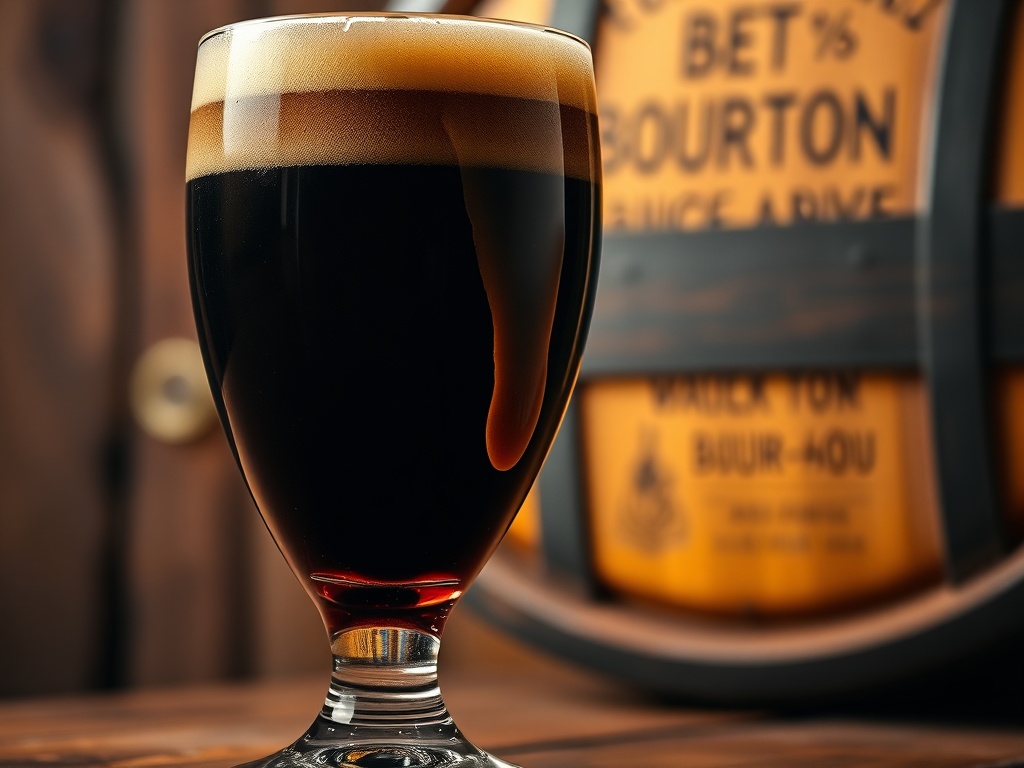
Key Takeaways
- Imperial stouts deliver the highest alcohol content (8-12% ABV) and most complex flavor profiles with notes of dark chocolate, espresso, and dried fruit
- Oatmeal stouts contain 5-15% oats in the grain bill, creating a distinctively smooth, creamy mouthfeel that balances roasted bitterness
- Milk stouts add lactose sugar that remains unfermented, producing natural residual sweetness that pairs exceptionally well with desserts
- Coffee stouts incorporate real coffee beans or cold brew, intensifying roasted characteristics while adding nuanced aromatic complexity
- Proper serving temperature for stouts is 50-55°F, significantly warmer than pale lagers, to allow full flavor expression
- The Brewers Association reports stout sales increased 23% in craft beer markets over the past three years
What Makes a Stout the Best Choice for Dark Beer Enthusiasts?
The best stouts for dark beer lovers showcase roasted barley as their defining ingredient, which creates layers of flavor ranging from bitter dark chocolate to sweet caramel. According to research published in the Journal of Food Science, roasted barley contributes melanoidins—complex compounds formed during kilning that produce coffee-like aromatics and deep color without adding astringency. This distinguishes stouts from porters, which traditionally use chocolate malt instead of roasted barley.
The grain bill composition fundamentally determines stout character. Base malts provide fermentable sugars, specialty malts add complexity, and roasted barley contributes the signature roasted edge. Imperial stouts may contain 15-20% specialty grains, while dry Irish stouts like Guinness use approximately 10% roasted barley in a simpler grain profile. The American Homebrewers Association notes that balancing roasted bitterness with malt sweetness separates exceptional stouts from one-dimensional examples.
Hop selection in stouts serves primarily to balance sweetness rather than showcase hop character. English varieties like Fuggle and East Kent Goldings provide earthy, floral notes that complement rather than compete with roasted malt. American craft brewers occasionally use higher hopping rates in imperial stouts, but the focus remains on malt-forward flavor profiles.
Related: Best Wines for People Who Prefer Beer | WhichBrewForYou
Which Imperial Stouts Deliver Maximum Flavor Complexity?
Imperial stouts represent the pinnacle of the stout category, with alcohol content ranging from 8% to over 12% ABV. These high-gravity beers originated in 18th-century England, brewed specifically for export to the Russian Imperial Court—hence the "imperial" designation. Modern imperial stouts showcase intense roasted malt character balanced by significant residual sweetness and warming alcohol.
The extended boil times and higher original gravities required for imperial stouts concentrate flavors while creating substantial mouthfeel. According to CraftBeer.com, professional brewers often age imperial stouts for several months before release, allowing harsh edges to mellow while complex flavors integrate. Barrel-aging in bourbon, whiskey, or wine casks adds additional layers of vanilla, oak tannins, and spirit character.
| Imperial Stout Style | ABV Range | Primary Flavor Notes | Best For |
|---|---|---|---|
| Classic Imperial | 8-10% | Dark chocolate, espresso, dark fruit | First-time imperial stout drinkers |
| Barrel-Aged Imperial | 10-14% | Bourbon, vanilla, oak, caramel | Special occasions, cellaring |
| Pastry Stout | 10-12% | Dessert ingredients, high sweetness | Dessert pairings, adventurous palates |
| Export Stout | 6.5-8% | Roasted malt, moderate sweetness | Session-style imperial drinking |
Noteworthy examples include Founders KBS (Kentucky Breakfast Stout), which combines coffee and chocolate character with bourbon barrel aging, and Goose Island Bourbon County Brand Stout, considered the benchmark for American barrel-aged imperial stouts. The Northern Brewer brewing guide emphasizes that imperial stouts benefit from aging 6-12 months at cellar temperature, allowing oxidative flavors to develop sherry-like complexity.
Why Do Oatmeal Stouts Offer Superior Mouthfeel?
Oatmeal stouts incorporate rolled or steel-cut oats into the grain bill, typically comprising 5-15% of total fermentables. The oats contribute beta-glucans and proteins that create a distinctively silky, full-bodied texture without adding sweetness. This makes oatmeal stouts exceptionally smooth drinking despite their roasted intensity.
Research from the National Center for Biotechnology Information demonstrates that oat beta-glucans increase wort viscosity and improve foam stability, resulting in a creamier head and longer-lasting lace on the glass. These polysaccharides remain in suspension throughout fermentation, contributing to the characteristic mouthfeel that distinguishes oatmeal stouts from other substyles.
The historical use of oats in stouts dates to early 20th-century England when brewers added "nutritive" ingredients during wartime rationing. Modern craft brewers have refined the technique, discovering that oats balance roasted bitterness while enhancing perceived sweetness without raising final gravity. Samuel Smith's Oatmeal Stout remains the classic commercial example, showcasing how oats create roundness and drinkability in a 5% ABV package.
For dark beer lovers who find some stouts too bitter or astringent, oatmeal stouts provide an accessible entry point. The grain's natural oils and proteins soften harsh edges while maintaining roasted character. Pairing oatmeal stouts with oysters—a traditional combination—demonstrates how the beer's creaminess complements briny, mineral flavors.
What Makes Milk Stouts Uniquely Sweet and Dessert-Friendly?
Milk stouts (also called sweet stouts or cream stouts) contain lactose—milk sugar that brewing yeast cannot ferment. Adding 0.5-1.5 pounds of lactose per five-gallon batch leaves substantial residual sweetness in the finished beer, creating a dessert-like character that contrasts with roasted bitterness. The BJCP guidelines specify that milk stouts should finish sweet but not cloying, with balanced roasted malt character.
The lactose addition serves multiple purposes beyond sweetness. It increases final gravity (typically 1.020-1.030), creates fuller body, and smooths perceived bitterness from roasted grains. This makes milk stouts exceptionally food-friendly, pairing naturally with chocolate desserts, vanilla ice cream, and caramel-based confections. Left Hand Brewing's Milk Stout Nitro exemplifies the style, using nitrogen widget technology to enhance creamy texture.
Important note for consumers: milk stouts contain dairy derivatives and are not suitable for lactose-intolerant individuals or strict vegans. However, the FDA requires clear labeling when lactose is present, making identification straightforward. Some breweries now produce "lactose-free" sweet stouts using unfermentable maltodextrin or other additives to mimic milk stout character.
Modern variations include chocolate milk stouts, peanut butter milk stouts, and coffee milk stouts, which layer additional flavors onto the sweet stout base. These "adjunct stouts" have driven significant growth in the craft beer market, appealing to drinkers transitioning from cocktails or flavored beverages.
How Do Coffee Stouts Amplify Roasted Character?
Coffee stouts incorporate real coffee beans, cold brew concentrate, or espresso into the brewing or conditioning process. This intensifies existing roasted malt characteristics while adding distinct coffee aromatics and flavor complexity. According to the Specialty Coffee Association, the same volatile compounds that create coffee aroma—including furans, pyrazines, and phenolic compounds—also appear naturally in roasted barley, making coffee and stout natural flavor partners.
Professional brewers typically add coffee during secondary fermentation or conditioning rather than the boil, preserving delicate aromatics that would otherwise volatilize. Cold brew additions—where coarsely ground coffee steeps in cold water for 12-24 hours before being added to finished beer—produce cleaner coffee flavor without harsh bitterness. Founders Breakfast Stout and Stone Coffee Milk Stout demonstrate this technique, showcasing bright coffee notes atop rich malt foundations.
Coffee selection matters significantly. Light-roasted single-origin beans contribute fruity, floral notes, while dark French or Italian roasts intensify bitter chocolate and burnt sugar character. Many breweries partner with local roasters, creating collaborative beers that highlight specific coffee terroir. The bean-to-beer ratio typically ranges from 1-3 pounds per barrel, though some "extreme" coffee stouts use substantially higher rates.
Freshness concerns apply to coffee stouts more than other substyles. Coffee aromatics fade within weeks of packaging, making these beers best consumed fresh rather than cellared. Draft versions often showcase more pronounced coffee character than bottled or canned equivalents due to reduced oxidation exposure.
Related: What Beer Style Is Least Bitter? — 13 Smooth Choices | WhichBrewForYou
What About Dry Irish Stouts for Everyday Drinking?
Dry Irish stouts represent the session-friendly end of the stout spectrum, with moderate alcohol (4-5% ABV), pronounced roasted bitterness, and minimal residual sweetness. Guinness Draught remains the global exemplar, showcasing how a simple grain bill—pale malt, flaked barley, and roasted barley—can produce immensely drinkable beer with distinctive character.
The "dry" designation refers to finishing gravity below 1.010, creating a crisp, almost coffee-like bitterness that refreshes rather than satiates. This makes dry stouts exceptional session beers despite their dark appearance. The Brewers Association style guidelines note that dry Irish stouts should exhibit medium-light body despite dark color, challenging common assumptions that dark beers are invariably heavy.
Nitrogenation—serving beer with a nitrogen/carbon dioxide blend rather than CO2 alone—defines the modern dry stout experience. Nitrogen creates smaller, more stable bubbles that produce a cascading visual effect and creamy head texture. This serving method originated with Guinness in the 1950s and has since become standard for many stout presentations, including widget cans that replicate draft character.
For dark beer lovers seeking everyday drinkability rather than special occasion intensity, dry Irish stouts offer approachable roasted character without alcohol heat or excessive sweetness. They pair exceptionally well with oysters, beef stew, and sharp cheddar cheese, demonstrating versatility beyond dessert applications.
Which Specialty Stout Variations Should Dark Beer Lovers Explore?
Beyond traditional categories, innovative brewers have created numerous specialty stout variations that push stylistic boundaries. Pastry stouts—heavily adjuncted with vanilla, lactose, chocolate, fruit purees, and other dessert ingredients—have become particularly popular, though they polarize purists. These beers often resemble liquid desserts more than traditional beer, with intense sweetness and low perceived bitterness.
Oyster stouts historically contained actual oysters added during the boil, contributing mineral salinity and subtle brininess. Modern examples like Harpoon Island Creek Oyster Stout maintain this tradition, using fresh oyster meat and shells to create unique umami character. The calcium carbonate from oyster shells also affects water chemistry, contributing to the beer's overall mineral profile.
Export stouts occupy the middle ground between dry Irish stouts and imperial stouts, typically ranging from 6.5-8% ABV with balanced malt sweetness and roasted character. These beers—historically brewed for tropical export markets—offer more complexity than session stouts without the intensity of imperial examples. Guinness Foreign Extra Stout represents the category, showcasing how increased alcohol and hop rates preserve beer during long sea voyages.
White stouts—a modern American innovation—use pale malts, wheat, and cold-brewed coffee to create "stout" flavor without dark color. These paradoxical beers challenge the definition of stout itself, emphasizing that roasted coffee character can exist independently of roasted grain color. The novelty appeals to adventurous drinkers, though traditional stout enthusiasts often reject the concept.
How Should Stouts Be Served for Optimal Flavor Expression?
Proper serving temperature dramatically affects stout flavor perception and is the single most common mistake made by dark beer lovers. The ideal temperature range for stouts is 50-55°F, significantly warmer than the 35-40°F typical for pale lagers. Serving too cold suppresses aromatic compounds and emphasizes harsh bitterness, while serving too warm highlights alcohol heat and can make beer seem cloying.
Glassware selection influences aroma concentration and visual presentation. Traditional stout glasses—tulip-shaped with a slight outward flare at the rim—concentrate aromatics while providing adequate headspace for nitrogen cascades. The wide bowl allows swirling to release volatile compounds, particularly important for barrel-aged and imperial stouts with complex aromatic profiles. Avoid frozen glasses, which shock beer below optimal temperature and suppress flavor.
Pouring technique matters, especially for nitrogenated stouts. The classic Guinness pour involves a two-stage process: filling the glass three-quarters full at a 45-degree angle, allowing the surge to settle completely, then topping to create a distinct cream-colored head. This technique—while partly marketing theater—does allow nitrogen bubbles to nucleate properly, creating the characteristic cascading effect and creamy texture.
Decanting bottle-conditioned stouts requires care to avoid disturbing yeast sediment while aerating the beer. Pour steadily in one continuous motion, stopping when sediment reaches the bottle neck. Some high-ABV imperial stouts benefit from 10-15 minutes of aeration before drinking, allowing oxidative notes to develop and alcohol harshness to dissipate.
What Food Pairings Showcase Stouts at Their Best?
Stout food pairings span from classic oysters to elaborate desserts, leveraging roasted malt character and varied sweetness levels. The fundamental pairing principle involves matching intensity—delicate foods with session stouts, rich foods with imperial stouts—while considering complementary and contrasting flavor interactions.
Dry Irish stouts pair exceptionally with oysters, where roasted bitterness cleanses the palate between bites while mineral salinity echoes beer character. This classic combination dates to 19th-century Dublin pub culture and remains relevant today. The low sweetness and crisp finish prevent the pairing from becoming cloying, unlike sweeter stout styles might.
Milk stouts and chocolate desserts create harmonious pairings through flavor reinforcement. The lactose sweetness mirrors dessert sugar while roasted malt complements cocoa bitterness. Specific combinations include milk stout with chocolate lava cake, brownies, or chocolate mousse. Adding complementary flavors—vanilla, caramel, or coffee—in either the beer or dessert deepens the pairing complexity.
Imperial stouts handle rich, fatty foods that would overwhelm lighter beers. Barbecued beef brisket, blue cheese, and dark chocolate truffles all benefit from imperial stout's ability to cut through fat while matching flavor intensity. Barrel-aged variants add bourbon or wine notes that echo oak-aged spirits or wine-based sauces, creating multi-layered pairing experiences.
| Stout Style | Optimal Food Pairings | Pairing Principle |
|---|---|---|
| Dry Irish Stout | Oysters, beef stew, sharp cheddar | Cleansing bitterness, mineral echo |
| Oatmeal Stout | Grilled salmon, mushroom risotto, vanilla ice cream | Creamy texture bridge, subtle sweetness |
| Milk Stout | Chocolate desserts, tiramisu, crème brûlée | Sweetness reinforcement, dessert harmony |
| Coffee Stout | Espresso-rubbed steak, coffee cake, dark chocolate | Roasted flavor echo, bitter complement |
| Imperial Stout | Blue cheese, BBQ brisket, bourbon pecan pie | Intensity matching, alcohol cut |
Cooking with stouts opens additional culinary applications. The roasted malt character enhances braised meat dishes, while sweetness in milk stouts complements marinades and glazes. Stout reduction sauces concentrate flavors, creating complex accompaniments for red meat. The Maillard reaction compounds in both stouts and seared meats create natural flavor synergies.
People Also Ask About Stouts
Are stouts healthier than other beers?
Stouts contain similar calories to other beers of equivalent ABV but may offer slightly higher iron content from roasted barley. A 12oz serving of 5% ABV stout contains approximately 150-200 calories. No beer should be considered "healthy," though moderate consumption may offer cardiovascular benefits according to Mayo Clinic research.
Why do some stouts taste like coffee even without added coffee?
Roasted barley undergoes pyrolysis during kilning—the same chemical process that occurs when roasting coffee beans—creating similar flavor compounds including pyrazines, furans, and phenols. These volatile compounds produce coffee-like aromatics naturally, which brewers can intensify or soften based on roasted grain percentages in the recipe.
Can stouts be aged like wine?
Imperial stouts, particularly barrel-aged variants above 10% ABV, age exceptionally well for 2-5 years under proper cellar conditions (50-55°F, dark, minimal vibration). Lower-ABV stouts and adjunct variants decline rapidly and should be consumed fresh within 3-6 months of packaging for optimal flavor.
Expert Verdict: Which Stout Style Reigns Supreme?
The best stout for dark beer lovers depends entirely on context and preference, but oatmeal stouts offer the most versatile combination of approachability, complexity, and food-pairing flexibility. Their silky mouthfeel balances roasted intensity while remaining sessionable enough for multiple servings. For special occasions and contemplative sipping, barrel-aged imperial stouts deliver unmatched depth and aging potential. Beginners should start with dry Irish stouts to understand fundamental roasted character before progressing to sweeter milk stouts and finally high-gravity imperials. Coffee stouts serve as the perfect gateway for coffee enthusiasts transitioning to craft beer. Ultimately, exploring multiple substyles reveals that "best" is subjective—the category's diversity ensures every dark beer lover can find their ideal match.
Article Summary
- Imperial stouts (8-12% ABV) deliver maximum flavor complexity with dark chocolate, espresso, and bourbon barrel character ideal for special occasions and cellaring
- Oatmeal stouts use 5-15% oats in the grain bill to create silky mouthfeel that balances roasted bitterness while maintaining approachability for regular drinking
- Milk stouts contain unfermentable lactose sugar producing residual sweetness that pairs exceptionally with chocolate desserts and creates creamy texture
- Coffee stouts amplify natural roasted malt characteristics by adding cold brew or espresso during conditioning, though aromatics fade quickly requiring fresh consumption
- Proper stout service requires 50-55°F serving temperature in tulip glasses, avoiding cold temperatures that suppress aromatic compounds and emphasize harsh bitterness
Frequently Asked Questions
What is the difference between a stout and a porter?
Stouts use roasted barley while porters traditionally use chocolate malt for color and flavor. Modern stouts tend toward higher roasted intensity and bitterness, while porters emphasize chocolate and caramel sweetness. The distinction has blurred significantly, with many contemporary examples overlapping in character. Historically, stouts were simply stronger porters.
Do all stouts have high alcohol content?
No. Dry Irish stouts average 4-5% ABV, making them lighter than many IPAs. Oatmeal and milk stouts typically range 4-6% ABV. Only imperial and export stouts consistently exceed 8% ABV. The dark color creates perception of heaviness that doesn't reflect actual alcohol or calorie content.
Why do nitro stouts taste creamier than regular stouts?
Nitrogen gas creates smaller, more stable bubbles than carbon dioxide, producing dense foam and smooth mouthfeel. Nitrogen is less soluble in beer, creating lower carbonation that feels creamier on the palate. Widget cans contain a nitrogen charge released when opened, replicating draft characteristics in packaged beer.
Can lactose-intolerant people drink milk stouts safely?
No. Milk stouts contain lactose that remains in finished beer, making them unsuitable for lactose-intolerant individuals. FDA regulations require clear ingredient labeling. Some breweries produce "lactose-free sweet stouts" using maltodextrin instead, though these remain relatively uncommon compared to traditional milk stouts.
How long can I cellar an imperial stout?
Barrel-aged imperial stouts above 10% ABV cellar successfully for 2-5 years at 50-55°F in dark conditions. Flavors evolve from sharp roasted character toward smooth, oxidative sherry-like notes. Lower-ABV imperials peak within 1-2 years. Avoid cellaring adjunct stouts, coffee stouts, or hoppy variants—these decline rapidly.
What makes barrel-aged stouts so expensive?
Barrel acquisition, storage space, time value, and evaporation losses (angel's share) increase production costs significantly. Bourbon barrels cost $100-150 each, age beer for 6-18 months occupying valuable brewery space, and lose 5-10% volume to evaporation. Limited annual releases and high demand support premium pricing between $15-30 per 12oz bottle.
More Beer Articles
This article was produced by an automated research tool. Content is for informational purposes only and should not replace professional advice. Product and resource links throughout this article are included for informational value based on relevance and quality. WhichBrewForYou has no affiliate relationship with any linked third-party site and receives no commission from any recommended products or brands. BellofattoBrews (coffee and tea) and Golden Hive Mead (mead kits and resources) are personal recommendations from this publication's founder and have no affiliation with WhichBrewForYou.