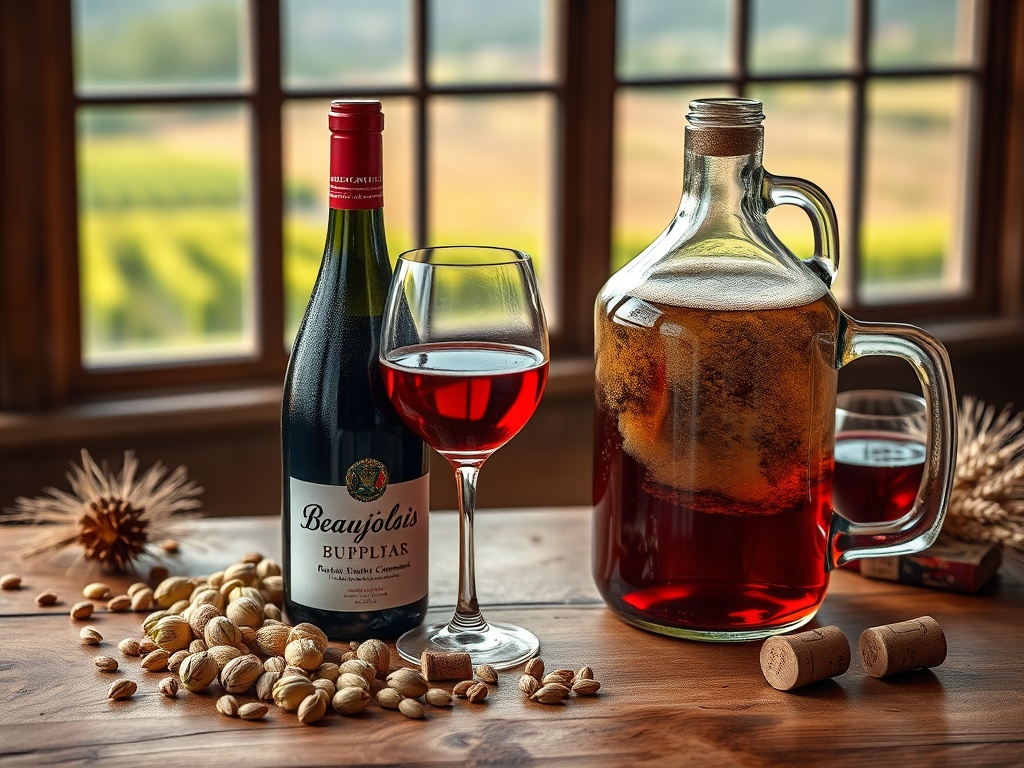
Key Takeaways
- Grüner Veltliner and Verdicchio wines deliver white pepper and herbal bitterness similar to hoppy IPAs
- Beaujolais and Lambrusco offer carbonation, fruit-forward profiles, and low tannins that mirror lager characteristics
- Amontillado sherry and tawny port provide nutty, caramelized flavors comparable to malty stouts
- Orange wines and pét-nat sparkling wines share the funky, yeasty qualities of sour and wild ales
- Most beer-friendly wines fall between 11-13% ABV, matching the alcohol content of stronger craft beers
Why Beer Drinkers Struggle with Wine
Beer drinkers approaching wine often encounter immediate sensory dissonance. According to research published in Food Quality and Preference, palates accustomed to beer's bitterness, carbonation, and malt-forward profiles find traditional wine's tannic astringency and fruit-dominant character unfamiliar. The key to bridging this gap lies in identifying wines that echo beer's structural elements rather than fighting them.
Beer provides three primary sensory experiences that wine must replicate: bitterness (from hops), effervescence (from carbonation), and roasted or malty depth (from grain). The Brewers Association notes that craft beer drinkers have developed heightened sensitivity to bitter compounds, making them uniquely qualified to appreciate certain wine styles others might find too austere.
Wine offers complexity beer drinkers can appreciate once they find the right entry point. Decanter reports that sommeliers increasingly recommend wine to beer enthusiasts by mapping flavor profiles rather than following traditional wine education paths, resulting in higher conversion rates and sustained interest.
Best White Wines for IPA Drinkers
IPA lovers seek sharp bitterness, herbal aromatics, and citrus punch—all available in specific white wine styles that emphasize phenolic compounds and bright acidity over soft fruit.
Grüner Veltliner: The White Wine for Hop Heads
Grüner Veltliner from Austria delivers white pepper spice, grapefruit pith bitterness, and herbaceous notes that directly parallel West Coast IPAs. This white wine varietal contains similar polyphenolic compounds to those found in hop cones, according to a ScienceDirect analysis of wine chemistry. Grüner Veltliner's characteristic white pepper bite comes from rotundone, the same compound that creates spiciness in Syrah and certain hop varieties.
Serve Grüner Veltliner at 45-48°F, the same temperature you'd drink a cold IPA. The wine's 12-13% alcohol content matches session IPAs, while its high acidity cuts through fatty foods the way IPA bitterness does. Pair it with spicy Thai food, aged cheeses, or fried chicken—all classic IPA pairings that work equally well with this Austrian white.
Verdicchio: Italy's Bitter White
Verdicchio dei Castelli di Jesi from Italy's Marche region offers almond skin bitterness, lemon zest, and saline minerality. The Wine Institute describes Verdicchio as one of the most phenolic white wines, meaning it carries more of the bitter compounds beer drinkers crave than most white wine alternatives.
Verdicchio's distinctive bitter almond finish comes from its thick skins and extended maceration time. This creates a texture and flavor profile closer to a dry-hopped pale ale than to typical Chardonnay or Pinot Grigio. The wine pairs beautifully with seafood, particularly fried calamari and grilled sardines, where its bitterness cuts through oil the way an IPA would.
Albariño: Citrus-Forward and Crisp
Albariño from Spain's Rías Baixas region delivers grapefruit, lime peel, and sea spray salinity. While less bitter than Grüner Veltliner or Verdicchio, Albariño's intense citrus profile and mouth-watering acidity appeal to hazy IPA drinkers who prioritize fruit over bitterness. Its 12-12.5% alcohol content and crisp finish make it refreshing enough to session-drink like a craft lager.
Best Red Wines for Lager and Pilsner Fans
Lager drinkers value clean flavors, refreshing drinkability, and bright fruit without heavy bitterness or roasted notes. Light-bodied, low-tannin red wines with vibrant acidity provide the closest wine equivalent.
Beaujolais: The Red Wine That Drinks Like Beer
Beaujolais, made from Gamay grapes in France's Beaujolais region, is the most beer-like red wine available. Its carbonic maceration production method creates bright cherry and strawberry fruit, minimal tannins, and a slightly fizzy texture when young. Decanter's Beaujolais guide explains that carbonic maceration produces banana and bubble gum esters chemically similar to those in certain Belgian ales and hefeweizens.
Serve Beaujolais chilled at 55-60°F, the same temperature you'd drink a craft lager, and the wine transforms from heavy red to refreshing quaffer. Beaujolais Nouveau, released each November, offers the most beer-like experience with its light body, vibrant fruit, and carbonation. Beaujolais-Villages and Cru Beaujolais (Morgon, Fleurie, Moulin-à-Vent) provide more structure while maintaining drinkability.
Lambrusco: Sparkling Red from Italy
Lambrusco from Emilia-Romagna, Italy, is a lightly sparkling red wine with blackberry and violet notes, refreshing acidity, and either dry or off-dry sweetness depending on the producer. Its effervescence and fruit-forward profile make it the red wine equivalent of a fruit-forward American lager or wheat beer.
Choose "secco" (dry) Lambrusco di Sorbara or Lambrusco Grasparossa for the most beer-like experience. These styles deliver 11-11.5% alcohol, similar to stronger lagers, with enough carbonation to feel refreshing. Lambrusco pairs exceptionally well with pizza, charcuterie, and fried foods—all classic beer pairing territory.
Zweigelt: Austria's Light Red
Zweigelt, Austria's most widely planted red grape, produces light-bodied wines with sour cherry, white pepper, and soft tannins. Its profile sits between Beaujolais and Pinot Noir, offering more structure than Gamay but less weight than most red wines. Zweigelt's 12% alcohol content and bright acidity make it crushable for lager fans transitioning to red wine.
Best Wines for Stout and Porter Lovers
Stout and porter drinkers crave roasted malt complexity, chocolate and coffee notes, and creamy texture. Fortified wines and oxidatively aged styles provide these characteristics better than conventional table wines.
Amontillado Sherry: Nutty and Oxidized
Amontillado sherry from Spain's Jerez region undergoes oxidative aging that creates hazelnut, toffee, and caramel flavors remarkably similar to English brown ales and oatmeal stouts. According to the Sherry Council, Amontillado's unique production combines biological aging (under flor yeast, like beer) with oxidative aging, creating a bridge between beer and wine fermentation methods.
Amontillado's nutty, oxidized character comes from acetaldehyde compounds also present in barrel-aged stouts and barleywines. Serve it at cellar temperature (55-60°F) in small portions like you would a barrel-aged imperial stout. Its 16-18% alcohol content matches stronger beer styles, while its savory profile pairs with aged cheeses, cured meats, and roasted nuts—all classic stout accompaniments.
Tawny Port: Sweet and Malty
Tawny port from Portugal's Douro Valley ages in wooden barrels for 10-40 years, developing caramel, dried fig, and brown sugar notes that echo malty English barleywines and imperial stouts. The Port Wine Institute notes that tawny port's extended barrel aging creates Maillard reaction compounds identical to those in heavily kilned brewing malts.
Tawny port's sweetness level (around 100-120 g/L residual sugar) matches milk stouts and pastry stouts, while its 19-20% alcohol content parallels barrel-aged imperial stouts. Serve it slightly chilled with chocolate desserts, blue cheese, or as a digestif replacement for coffee stout.
Madeira: Oxidized and Complex
Madeira from Portugal's Madeira Islands undergoes extreme oxidation and heating, creating a virtually indestructible wine with coffee, caramel, and burnt sugar notes. Medium-dry Bual and sweet Malmsey styles offer the closest match to porter and stout flavors, while their high acidity prevents cloying sweetness.
Madeira's production method—heating wine to 130°F for months—creates similar flavor compounds to those in heavily roasted brewing malts. The wine pairs beautifully with chocolate, tiramisu, and cigars, making it the ultimate after-dinner substitute for imperial stout.
Best Wines for Sour Beer and Wild Ale Fans
Sour beer drinkers appreciate funky, tart, and complex flavors created by wild yeast and bacteria. Certain wine styles undergo similar fermentation processes or aging regimens that produce comparable characteristics.
Orange Wine: Funky and Phenolic
Orange wine (white wine fermented on grape skins for weeks or months) develops tannic grip, oxidative notes, and sometimes funky, farmyard aromatics similar to farmhouse ales and wild saisons. According to Decanter's orange wine guide, extended skin contact creates similar phenolic compounds to those in spontaneously fermented Belgian lambics.
Orange wines from Georgia, Slovenia, and Italy's Friuli region often exhibit brett-like funk, apple skin tannins, and oxidative complexity that directly parallel wild and sour ales. Serve them at 55-60°F and pair with fermented foods, aged cheeses, and charcuterie—classic sour beer pairings.
Pét-Nat: Cloudy and Yeasty
Pétillant-naturel (pét-nat) sparkling wine undergoes a single fermentation like beer rather than the double fermentation of traditional Champagne. This creates yeasty, bread-like flavors, cloudy appearance from lees, and sometimes slight funkiness—all characteristics shared with bottle-conditioned saisons and farmhouse ales.
Pét-nat wines are often slightly off-dry, lower in alcohol (10-12%), and unpredictably complex, making them the wine world's equivalent of wild and mixed-fermentation beers. Their rustic, unfiltered character appeals to sour beer fans seeking authenticity over refinement.
Jura Vin Jaune: Oxidized and Savory
Vin Jaune from France's Jura region ages under a veil of yeast (flor) for six years, developing intense curry, walnut, and oxidized apple flavors similar to barrel-aged sour ales and oud bruins. The Jura Wine Bureau describes Vin Jaune's flor aging as nearly identical to the biological aging in Fino sherry and certain spontaneously fermented beers.
Vin Jaune's intense, savory profile makes it challenging for wine beginners but immediately recognizable to sour beer enthusiasts familiar with oxidative aging and wild yeast character. Serve it at 55-60°F with aged Comté cheese, roasted chicken, or morel mushrooms.
Wine Style Comparison Table for Beer Drinkers
| Beer Style Preference | Recommended Wine | Shared Flavor Profile | Serving Temperature |
|---|---|---|---|
| IPA / Pale Ale | Grüner Veltliner, Verdicchio | Bitter, herbal, citrus, crisp | 45-48°F |
| Lager / Pilsner | Beaujolais, Albariño | Clean, refreshing, bright fruit | 55-60°F |
| Stout / Porter | Amontillado, Tawny Port, Madeira | Roasted, malty, caramel, nutty | 55-60°F |
| Wheat Beer / Hefeweizen | Gewürztraminer, Moschofilero | Banana, clove, citrus peel | 45-50°F |
| Sour / Wild Ale | Orange Wine, Pét-Nat, Vin Jaune | Funky, tart, oxidative, yeasty | 55-60°F |
| Belgian Dubbel / Quad | Amarone, Recioto | Dark fruit, raisin, spice, sweet | 60-65°F |
How to Taste Wine Like a Beer Drinker
Beer drinkers possess valuable tasting skills that translate directly to wine evaluation. According to research from ScienceDirect on sensory evaluation, trained beer tasters demonstrate heightened sensitivity to bitterness, carbonation levels, and aromatic compounds—all critical to wine assessment.
Focus on Structure, Not Just Flavor
Beer drinkers instinctively evaluate mouthfeel, carbonation, bitterness, and finish. Apply the same framework to wine: assess acidity (similar to carbonation in refreshment), tannin (similar to bitterness), body (similar to malt weight), and length (similar to finish). Wine's acidity provides the same palate-cleansing effect as beer's carbonation, while tannin delivers structured bitterness comparable to hop tannins in IPAs.
Serve Wine at Beer Temperatures
Most wine is served too warm for beer drinkers. Red wines taste more refreshing and less alcoholic at 55-60°F (cellar temperature), while white wines benefit from 45-50°F (standard refrigerator temperature). These temperatures match craft beer serving norms and reduce the perception of alcohol heat that turns off beer drinkers.
Use Beer Glassware When Starting
Pour wine into a tulip beer glass, snifter, or even a pint glass to remove the psychological barrier of stemware. The Beer Judge Certification Program notes that tulip glasses and snifters concentrate aromatics identically to wine glasses, while feeling more familiar to beer enthusiasts.
Common Mistakes Beer Drinkers Make with Wine
Beer drinkers entering the wine world often sabotage their experience by choosing wines based on popularity rather than profile compatibility.
Starting with Cabernet Sauvignon
Cabernet Sauvignon's heavy tannins, oak influence, and fruit-forward character create immediate palate clash for beer drinkers. Its structure provides astringency without bitterness, confusing palates trained on hop bitterness. Start with low-tannin reds like Beaujolais or Zweigelt instead.
Drinking White Wine Too Sweet
Moscato, White Zinfandel, and sweet Riesling lack the dryness and bitterness beer drinkers crave. While some beer styles are sweet (barleywines, imperial stouts), they balance sweetness with bitterness or roasted character. Choose bone-dry whites with high acidity and phenolic bite instead.
Ignoring Fortified and Oxidized Wines
Sherry, port, and Madeira get overlooked as "old-fashioned," but their production methods and flavor profiles align perfectly with barrel-aged and strong beer styles. These wines undergo oxidation, wood aging, and blending techniques identical to craft beer cellaring practices.
People Also Ask About Wine for Beer Drinkers
Moderate consumption of either (one drink daily for women, two for men) shows similar health outcomes.
Why does wine get you drunk faster than beer?
Wine contains 11-15% alcohol by volume compared to beer's 4-6% ABV, meaning each serving delivers significantly more ethanol. A standard 5-ounce wine pour equals approximately 1.5-2 beers in alcohol content. Additionally, wine's lack of carbonation allows faster absorption, while beer's volume creates gastric fullness that slows drinking pace. Wine's quicker intoxication results from higher alcohol concentration per ounce, not different alcohol chemistry.
Can you mix wine and beer in the same meal?
Mixing wine and beer during a meal is common in European dining culture and causes no additional intoxication beyond total alcohol consumed. The myth that mixing beverages causes worse hangovers lacks scientific support—total alcohol intake and hydration determine hangover severity. Pairing both works best when alternating (beer with appetizers, wine with entrées) rather than simultaneously drinking both. Track total servings regardless of beverage type to maintain moderate consumption.
Expert Verdict: Where to Start
The best entry point for beer drinkers depends on your beer style preference. IPA fans should begin with Grüner Veltliner from Austria's Wachau region, which delivers hop-like bitterness and pepper spice in a refreshing white wine format. Lager drinkers should start with Beaujolais served chilled, offering bright fruit and light body without heavy tannins. Stout lovers should skip table wines entirely and go straight to Amontillado sherry or 10-year tawny port, which provide roasted, malty complexity familiar from dark beers. The key is matching wine structure to beer preferences rather than forcing yourself into mainstream wine styles that don't align with your palate training.
Summary
- Grüner Veltliner and Verdicchio provide white pepper bitterness and herbal notes that directly parallel IPA flavor profiles, making them ideal first wines for hop-forward beer drinkers
- Beaujolais and Lambrusco deliver light body, bright fruit, and refreshing drinkability similar to lagers, with Beaujolais benefiting from chilled serving temperatures between 55-60°F
- Amontillado sherry, tawny port, and Madeira offer oxidized, nutty, and caramelized flavors that echo stouts and porters, with fortified wines matching the alcohol content of stronger beer styles
- Orange wines and pét-nat sparkling wines share funky, yeasty, and tart characteristics with sour beers and wild ales through similar fermentation and aging processes
- Beer drinkers should focus on wine structure (acidity, tannin, body) rather than conventional flavor descriptions, serve wines at beer temperatures, and avoid starting with heavy, tannic reds like Cabernet Sauvignon
Frequently Asked Questions
What wine tastes most like beer?
Beaujolais tastes most like beer due to its light body, bright fruit, minimal tannins, and carbonic maceration production method that creates banana and bubble gum esters similar to certain Belgian ales. Serve Beaujolais chilled at 55-60°F for the most beer-like experience, or try Lambrusco for actual carbonation in a fruity red wine format.
Can beer drinkers enjoy red wine?
Beer drinkers can enjoy red wine by choosing low-tannin, high-acid styles like Beaujolais, Zweigelt, and chilled Pinot Noir rather than heavy Cabernet Sauvignon. Light-bodied reds served at 55-60°F provide refreshment similar to lagers, while avoiding the astringent tannins that feel harsh to palates trained on beer bitterness. Stout drinkers should explore tawny port and Madeira for familiar roasted, malty character.
Why do wine people look down on beer?
Wine culture's historical association with fine dining and beer's pub origins created outdated hierarchical perceptions, though craft beer's rise has largely eliminated this divide among knowledgeable enthusiasts. Modern sommeliers increasingly recognize beer's complexity, with many restaurants offering beer and wine pairings equally. Any lingering snobbery reflects cultural bias rather than objective quality differences between well-crafted beverages.
Is wine more expensive than beer?
Wine's price per serving ranges from $3-50+ depending on quality, while craft beer typically costs $2-8 per serving. However, wine's 4-5 servings per bottle often make it more economical than craft beer six-packs for home consumption. Restaurant markup favors beer, with wine typically marked up 200-300% versus beer's 100-200%. Overall costs depend on consumption habits and venue rather than inherent beverage expense.
Should I add ice to wine like I do with beer?
Adding ice to wine dilutes flavor and is generally discouraged, though it's acceptable with very cheap table wines in hot weather. Instead, serve white wines at 45-50°F and reds at 55-60°F by refrigerating them beforehand. Beer benefits from ice because its carbonation and lower alcohol content mask dilution, while wine's concentrated flavors suffer noticeably from added water. Use a wine chiller or ice bucket around the bottle instead.
What's the wine equivalent of a session IPA?
Vinho Verde from Portugal is the wine equivalent of a session IPA, offering 9-11% alcohol, crisp acidity, slight effervescence, and herbal citrus notes similar to lower-alcohol hoppy beers. Muscadet from France's Loire Valley provides comparable refreshment with oyster shell minerality and lemon zest. Both wines emphasize drinkability and food pairing over intensity, matching session beer philosophy perfectly.
This article was produced by an automated research tool. Content is for informational purposes only and should not replace professional advice. Nothing here is medical advice, and it is not a substitute for it. Talk to a doctor about anything affecting your health. Product and resource links throughout this article are included for informational value based on relevance and quality. WhichBrewForYou has no affiliate relationship with any linked third-party site and receives no commission from any recommended products or brands. BellofattoBrews (coffee and tea) and Golden Hive Mead (mead kits and resources) are personal recommendations from this publication's founder and have no affiliation with WhichBrewForYou.