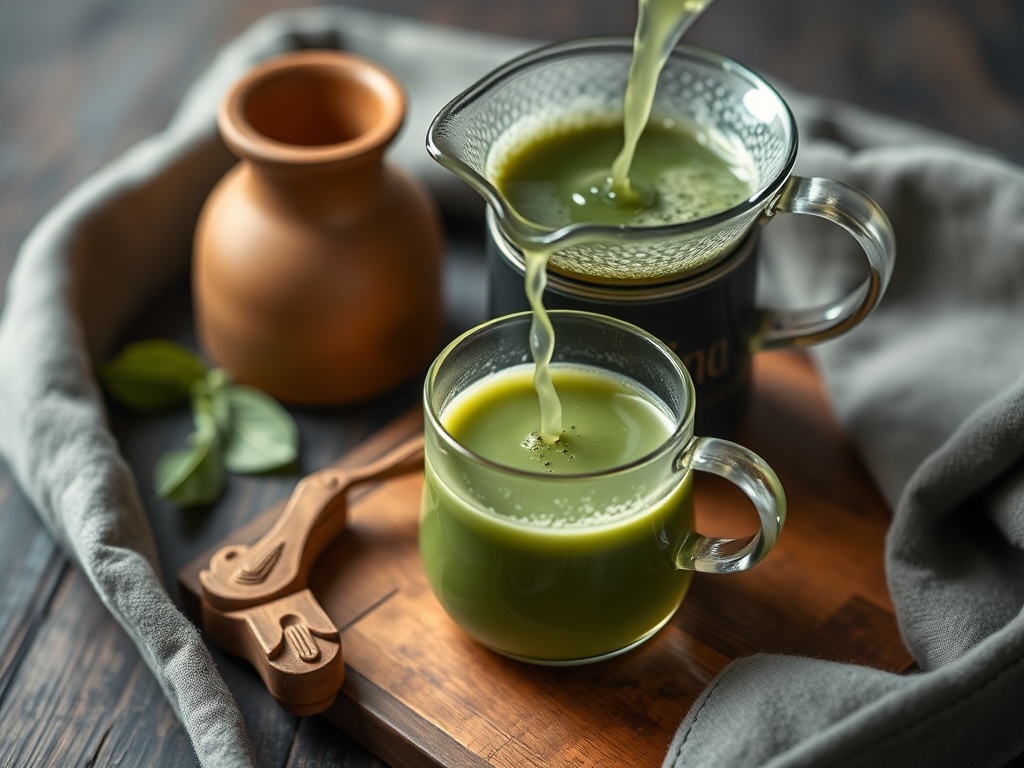
Key Takeaways
- Matcha requires 70-80°C water temperature — boiling water destroys delicate amino acids and creates bitterness
- A bamboo whisk (chasen) with 80-120 prongs is essential for proper suspension and foam creation
- Sifting matcha powder before whisking eliminates clumps and ensures smooth texture
- Ceremonial grade matcha uses 1-2g powder per serving; culinary grade uses 2-3g for stronger flavor
- Proper whisking takes 15-20 seconds using rapid M or W motions, not circular stirring
- Fresh matcha should be vibrant green and consumed within 3-4 months of opening for optimal flavor
Why Traditional Matcha Preparation Methods Matter
Matcha tea preparation differs fundamentally from all other tea brewing methods because you consume the entire powdered tea leaf rather than steeping and discarding leaves. This complete-consumption approach, refined over 800 years of Japanese tea ceremony tradition, means that improper whisking technique directly impacts not just flavor but also texture, nutritional bioavailability, and the sensory experience that defines authentic matcha.
According to research published in PubMed on bioactive compounds in matcha, the suspension method delivers significantly higher concentrations of L-theanine, catechins, and chlorophyll compared to steeped green tea because the entire leaf particle remains in solution. The Global Tea Initiative at UC Davis notes that traditional whisking creates microscopic air bubbles that alter the mouthfeel and enhance the perception of umami flavor compounds.
Modern electric frothers and blenders cannot replicate the specific shear forces and aeration patterns created by bamboo whisk tines. The result of improper preparation is a gritty, separated drink with pronounced bitterness instead of the smooth, subtly sweet character that ceremonial matcha should exhibit.
What Equipment Do You Need to Brew Matcha Properly?
Traditional matcha preparation requires four essential tools, each serving a specific functional purpose beyond aesthetics. While minimalist alternatives exist, understanding the traditional toolkit helps clarify why each element matters for proper brewing technique.
Bamboo Whisk (Chasen) — The Essential Tool
The chasen is a handcrafted bamboo whisk with 80-120 fine prongs carved from a single piece of bamboo. According to the Specialty Coffee Association's tea brewing standards, the number of prongs directly correlates with foam quality and suspension uniformity. Whisks with 100+ prongs (called hyappon-date chasen) create finer, more stable foam and better particle suspension than 80-prong versions.
The flexibility of bamboo prongs generates the rapid whipping motion necessary to suspend fine matcha particles and incorporate air. Metal whisks or electric frothers create larger bubbles and insufficient particle distribution. A properly cared-for bamboo whisk lasts 75-100 uses before tine breakage requires replacement.
Matcha Bowl (Chawan)
A wide, shallow ceramic bowl with a flat bottom provides the workspace needed for proper whisking motion. The bowl's diameter (typically 12-15cm) allows the whisk to move in broad M or W patterns without hitting the sides. The UK Tea & Infusions Association specifies that bowl depth affects whisking angle and foam development — too deep restricts wrist motion, too shallow causes splashing.
While any wide bowl works functionally, traditional chawan are designed with a slightly rough interior surface that aids particle suspension through increased friction.
Bamboo Scoop (Chashaku)
The curved bamboo scoop measures approximately 1 gram of matcha per level scoop. Two scoops (2g) creates usucha (thin tea); three to four scoops (3-4g) creates koicha (thick tea). The scoop's shape prevents static cling that causes matcha to stick to metal measuring spoons.
Fine Mesh Sifter
Matcha powder forms clumps due to static electricity and moisture exposure during storage. Sifting matcha through a fine mesh strainer (at least 100 mesh size) before whisking is the single most important step for achieving smooth, lump-free tea. According to Harvard's Nutrition Source, unsifted matcha creates visible clumps that fail to fully suspend, reducing both flavor release and nutritional bioavailability.
| Tool | Traditional Material | Key Function | Acceptable Alternative |
|---|---|---|---|
| Chasen (Whisk) | Bamboo, 80-120 prongs | Creates fine foam, suspends particles | Small milk frother (inferior foam) |
| Chawan (Bowl) | Ceramic, 12-15cm diameter | Provides whisking workspace | Any wide, shallow bowl |
| Chashaku (Scoop) | Bamboo, curved shape | Measures ~1g per scoop | 1/2 teaspoon measure |
| Sifter | Fine mesh, 100+ mesh | Eliminates clumps before whisking | Small kitchen strainer |
How to Choose the Right Matcha Powder Grade
Matcha quality varies dramatically based on harvest timing, shading duration, leaf selection, and grinding method. Using the appropriate grade for your preparation method directly affects both flavor and cost efficiency.
Ceremonial Grade Matcha
Ceremonial grade matcha comes from the first spring harvest (ichibancha) of shade-grown tea plants covered for 20-30 days before picking. The Tea Association of the USA defines ceremonial grade as powder milled from only the youngest, most tender leaf tips with stems and veins completely removed.
This grade exhibits vibrant jade-green color, naturally sweet umami flavor with minimal astringency, and fine particle size (5-10 microns). Ceremonial grade should be consumed with water alone using 1-2 grams per serving to appreciate its delicate flavor profile. Price ranges from $25-50 per 30g for authentic Japanese ceremonial matcha.
Culinary Grade Matcha
Culinary grade matcha comes from later harvests, includes slightly older leaves, and often incorporates some stem material. The powder has a darker green color (sometimes with yellowish tones), stronger vegetal flavor, and more pronounced bitterness. According to research from ScienceDirect on tea polyphenol profiles, culinary grade contains higher catechin concentrations and lower L-theanine ratios than ceremonial grade.
Culinary matcha works best for lattes, smoothies, baking, and recipes where other flavors balance the tea's intensity. Use 2-3 grams per serving when drinking with water, or 3-5 grams when mixing with milk or other ingredients. Prices range from $15-30 per 50g.
How to Identify Quality Matcha
Authentic matcha should be:
- Vibrant green — not dull, brown, or yellowish (indicates oxidation or low quality)
- Extremely fine texture — should feel like silk, not gritty
- Packaged in opaque, airtight containers — light and oxygen degrade matcha rapidly
- Sourced from Japan — primarily Uji, Nishio, or Shizuoka regions
- Recently harvested — check production date, consume within 3-4 months of opening
Store matcha in the refrigerator in an airtight container to slow oxidation. Bring to room temperature before opening to prevent condensation.
What Is the Ideal Water Temperature for Brewing Matcha?
Water temperature critically affects matcha flavor, color, and nutritional preservation. Unlike robust black teas that tolerate boiling water, matcha requires water between 70-80°C (158-176°F) to preserve delicate amino acids and prevent excessive bitterness from catechin extraction.
According to NCBI research on tea brewing temperature effects, water above 80°C denatures L-theanine (the amino acid responsible for matcha's calming effect and sweet umami flavor) and extracts excessive tannins that create astringency.
The traditional method involves bringing water to a boil, then either:
- Pouring into a room-temperature vessel and waiting 7-8 minutes (drops to ~70°C)
- Mixing 2 parts boiling water with 1 part cold filtered water (creates ~75°C)
- Using a temperature-controlled kettle set to 75°C (most precise method)
The BellofattoBrews brewing guide recommends testing temperature with an instant-read thermometer until you develop intuition for the correct heat level. Water that feels comfortably warm on your inner wrist (not hot) approximates 75°C.
Step-by-Step Traditional Matcha Brewing Method
This method produces usucha (thin tea) — the standard preparation for daily matcha drinking. The process takes approximately 2 minutes once water reaches proper temperature.
Step 1: Prepare Your Tools and Warm the Bowl
Place your bamboo whisk in a small bowl of warm water for 30 seconds to soften the tines and prevent breakage during whisking. Pour hot water into your chawan to preheat it, then discard the water. A warm bowl maintains matcha temperature and improves foam stability.
Step 2: Sift Matcha Powder
Place your fine mesh sifter over the chawan. Using the chashaku (or 1/2 teaspoon), measure 2 level scoops (approximately 2 grams) of matcha powder into the sifter. Gently tap the side of the sifter or use the scoop to press powder through the mesh. This step is non-negotiable for smooth matcha — it breaks up all clumps before liquid contact.
Step 3: Add Water at Proper Temperature
Pour approximately 60-70ml (2-2.5 oz) of 70-80°C water over the sifted matcha powder. The water should barely cover the powder initially. According to the UC Davis Global Tea Initiative, this small water volume creates the concentrated base necessary for proper foam development.
Step 4: Whisk Using Proper Technique
Hold the bowl steady with your non-dominant hand. Grip the whisk handle loosely between your thumb and first two fingers — not your full fist. The whisking motion comes from your wrist, not your arm.
Move the whisk rapidly in M or W patterns across the bottom of the bowl, not in circles. The tines should break the water surface with each stroke, creating aeration. Maintain this vigorous motion for 15-20 seconds. You should hear a brisk scratching sound as the whisk moves across the bowl bottom.
As foam begins to form, gradually slow your whisking speed while maintaining the M/W pattern. In the final 3-4 seconds, whisk gently in smaller patterns to unify the foam bubbles. Lift the whisk straight up through the center of the foam when finished.
Properly whisked matcha develops a thick, uniform layer of fine foam with bubbles roughly the size of soap suds. The foam should cover the entire surface with no gaps or large bubbles visible.
Step 5: Evaluate and Adjust
Examine your finished matcha:
- Ideal result: Bright green color, uniform fine foam, no visible clumps, smooth texture when sipped
- Too bitter: Water was too hot or matcha quality is low
- Clumpy/gritty: Insufficient sifting or inadequate whisking
- Weak flavor: Too much water or insufficient matcha powder
- Large bubbles: Whisking motion was too slow or not vigorous enough
Step 6: Consume Immediately
Matcha separates within 3-5 minutes as the suspended particles settle. Drink your prepared matcha immediately while the foam is stable and temperature is optimal. Traditional practice involves rotating the bowl slightly before the first sip as a gesture of mindfulness and appreciation.
How to Make Koicha (Thick Matcha)
Koicha represents the formal preparation served in Japanese tea ceremonies. This method uses twice the matcha powder (3-4 grams) with the same 60-70ml water volume, creating a thick, paste-like consistency rather than frothy tea.
The whisking technique differs significantly: instead of vigorous M/W motions, koicha requires slow, deliberate kneading movements that fold the thick paste rather than creating foam. The whisk moves in gentle figure-8 patterns, working the paste against the bowl bottom to achieve uniform consistency without aeration.
According to World Tea News, koicha demands the highest ceremonial-grade matcha because the concentrated preparation magnifies any bitterness or off-flavors. The intensity creates a deeply meditative drinking experience, but the strong umami flavor and thick texture are acquired tastes for most Western palates.
What Are Common Matcha Brewing Mistakes?
Using Boiling Water
Pouring 100°C water directly onto matcha powder is the most common error that creates irreparably bitter tea. Research published in Food Chemistry demonstrates that boiling water denatures approximately 40% of L-theanine within 30 seconds of contact, while extracting maximum catechin bitterness. Always cool water to 70-80°C before brewing.
Skipping the Sifting Step
Attempting to whisk unsifted matcha creates persistent clumps that resist full suspension regardless of whisking vigor. The clumps concentrate bitter compounds and create unpleasant texture. Professional tea practitioners always sift, even when using freshly opened matcha.
Using Circular Whisking Motions
Stirring matcha in circles fails to create the necessary shear force and aeration for proper suspension and foam development. The M or W pattern maximizes surface area contact and introduces air bubbles that improve mouthfeel and flavor perception.
Insufficient Whisking Duration
Whisking for only 5-10 seconds produces weak foam and incomplete suspension. The minimum 15-20 seconds of vigorous whisking is necessary to fully suspend particles and develop stable foam structure. Your wrist should feel slightly fatigued after proper whisking — if it doesn't, you're not whisking vigorously enough.
Using Old or Improperly Stored Matcha
Matcha oxidizes rapidly once exposed to air and light. The FDA's guidance on tea shelf life indicates that matcha loses approximately 30% of catechin content and most of its vibrant color within 6 months of production when stored at room temperature. Refrigerated storage in opaque, airtight containers extends peak quality to 8-12 months from production.
Brown-tinged or dull green matcha indicates advanced oxidation. The flavor becomes flat, grassy, and excessively bitter. Always check production dates and store properly.
How Does Matcha Preparation Differ for Lattes and Other Beverages?
Matcha lattes and blended beverages require modified preparation to account for additional ingredients and different flavor expectations. The core principle remains the same — proper powder suspension before adding milk or other liquids.
Matcha Latte Method
For one matcha latte, sift 2-3 grams of culinary-grade matcha into a cup. Add 30-40ml of 75°C water and whisk vigorously (or use a small electric milk frother) for 15 seconds until smooth. This creates a concentrated matcha base without clumps.
Steam or heat 200-240ml of your preferred milk to 65-70°C. According to Mayo Clinic nutritional guidelines, whole milk creates the richest foam and mouthfeel, while oat milk provides the best dairy-free alternative for matcha lattes due to its natural sweetness and foam stability.
Pour the steamed milk over the whisked matcha concentrate, stirring to combine. The pre-whisked base ensures even matcha distribution throughout the latte without settling or clumping. Add sweetener if desired — honey or maple syrup complement matcha's umami profile better than refined sugar.
Iced Matcha Preparation
For iced matcha, sift 2 grams of matcha into a shaker bottle or jar with a tight lid. Add 60ml of room-temperature water (not hot). Seal and shake vigorously for 20-30 seconds. The shaking motion replicates whisking action and creates full suspension.
Pour over ice and add cold water or milk to reach desired strength. The shaking method works specifically for cold preparation because cold water increases viscosity, making vigorous agitation more effective than gentle whisking.
For best results, prepare the matcha concentrate with a small amount of warm (not hot) water first, whisk until smooth, then add ice and cold liquid. This hybrid method produces better suspension than cold-only preparation.
How Do You Care for Your Bamboo Whisk?
Proper chasen maintenance extends whisk life from 50 uses to 100+ uses and prevents tine breakage that creates splinters in your matcha.
After each use:
- Rinse the whisk immediately under warm (not hot) running water
- Gently squeeze the tines to remove trapped matcha particles — never scrub with abrasives
- Shake vigorously to remove excess water
- Stand the whisk upright on its handle or place on a whisk holder (kusenaoshi) to air dry
- Never leave the whisk resting on its tines — this causes permanent deformation
Never put bamboo whisks in the dishwasher or soak them for extended periods. Prolonged water exposure causes the bamboo to split and the fine tines to fray. The whisk should dry completely within 2-3 hours of washing.
A whisk holder (kusenaoshi) is a ceramic form that supports the whisk in its proper rounded shape during storage. According to traditional tea practitioners, using a holder between uses maintains the tine curve and prevents the whisk from flattening, which reduces whisking effectiveness.
Matcha's complete-leaf consumption method delivers significantly higher concentrations of beneficial compounds than steeped green tea, but only when brewed properly to maintain compound bioavailability.
L-Theanine and Calm Focus
Matcha contains 19-44mg of L-theanine per gram of powder according to NCBI analysis of tea amino acids. This amino acid promotes alpha brain wave activity associated with relaxed alertness and reduces the jittery effects of caffeine. Proper brewing at 70-80°C preserves L-theanine structure, while boiling water denatures it.
The combination of L-theanine and caffeine (approximately 70mg per 2g serving) creates sustained energy and focus without the crash associated with coffee or energy drinks. Research from Harvard's Nutrition Source indicates this combination improves attention span and task performance for 4-6 hours.
Antioxidant Concentration
Matcha provides 137 times the EGCG (epigallocatechin gallate) concentration of standard brewed green tea because you consume the entire leaf. A 2024 meta-analysis in ScienceDirect found that daily matcha consumption correlates with reduced oxidative stress markers and improved cardiovascular function.
Proper whisking maximizes EGCG bioavailability by creating uniform particle suspension. Clumped or poorly mixed matcha leaves concentrated powder at the bottom of the cup, reducing actual antioxidant intake.
The shade-growing process that produces matcha increases chlorophyll content dramatically compared to sun-grown tea.
The vibrant green color of properly brewed matcha indicates high chlorophyll content. Brown or dull matcha has experienced chlorophyll degradation through oxidation or heat damage.
People Also Ask
Can you make matcha without a whisk?
You can make matcha without a traditional bamboo whisk using a small electric milk frother, a sealed jar with vigorous shaking, or a small blender. However, these methods produce inferior foam quality and less uniform particle suspension compared to a proper chasen. For authentic texture and flavor, a bamboo whisk remains essential.
Why is my matcha clumpy even after whisking?
Clumpy matcha results from skipping the sifting step before whisking, using water that's too cold (below 70°C), or insufficient whisking vigor. Always sift matcha through fine mesh before adding water, use 70-80°C water temperature, and whisk vigorously in M or W patterns for minimum 15-20 seconds.
Does matcha grade really matter for daily drinking?
Yes. Ceremonial grade matcha has naturally sweet umami flavor and smooth texture suitable for drinking with water alone. Culinary grade tastes significantly more bitter and astringent, working better in lattes or recipes with sweeteners and other ingredients. Using culinary grade for straight matcha creates an unpleasant drinking experience that misrepresents proper matcha flavor.
Expert Verdict
Proper matcha brewing is entirely technique-dependent — the difference between smooth, umami-rich tea and bitter, gritty disappointment comes down to three non-negotiable steps: sifting powder to eliminate clumps, using 70-80°C water to preserve L-theanine and prevent excessive tannin extraction, and whisking vigorously in M or W patterns for 15-20 seconds with a bamboo chasen. Invest in a quality bamboo whisk, use ceremonial-grade matcha for water-only preparation, and refrigerate your powder in an airtight container. The traditional Japanese method exists because it works — modern shortcuts consistently produce inferior results. Master the fundamentals before experimenting with lattes or alternative preparation methods. Quality matcha properly prepared delivers unmatched flavor complexity and sustained energy that justifies both the learning curve and the investment in proper tools.
Looking to explore the full range of Japanese tea culture? Check out the selection of premium loose leaf teas from BellofattoBrews, including authentic matcha sourced directly from Japanese tea farms. Their comprehensive tea brewing guide offers detailed instructions for preparing matcha and other traditional Japanese teas with precision and confidence.
Article Summary
- Matcha requires sifting, 70-80°C water, and vigorous whisking with a bamboo chasen to create smooth, frothy tea without clumps or bitterness.
- A bamboo whisk with 100+ prongs, wide ceramic bowl, bamboo scoop, and fine mesh sifter form the traditional toolkit for proper preparation.
- Ceremonial grade matcha (1-2g per serving) should be consumed with water alone; culinary grade (2-3g) works best in lattes and recipes.
- Proper whisking uses rapid M or W patterns for 15-20 seconds — not circular stirring — to suspend particles and create uniform fine foam.
- Common mistakes include using boiling water, skipping sifting, insufficient whisking duration, and using oxidized or improperly stored matcha powder.
Frequently Asked Questions
What is the best water temperature for brewing matcha tea?
The ideal water temperature for matcha is 70-80°C (158-176°F). This range preserves delicate L-theanine amino acids while extracting beneficial catechins without excessive bitterness. Boiling water denatures L-theanine and creates astringent flavor. Cool boiled water for 7-8 minutes or use a temperature-controlled kettle for precision.
Do I really need a bamboo whisk to make matcha?
While alternatives exist, a bamboo chasen is strongly recommended for authentic texture and flavor. The 80-120 fine bamboo prongs create specific shear forces and aeration patterns that electric frothers and metal whisks cannot replicate. A proper bamboo whisk produces finer foam, better particle suspension, and superior mouthfeel compared to all substitutes.
How much matcha powder should I use per cup?
Use 1-2 grams (one to two bamboo scoops or approximately 1/2 to 1 teaspoon) of ceremonial-grade matcha with 60-70ml water for usucha (thin tea). For koicha (thick tea), use 3-4 grams with the same water volume. Culinary-grade matcha requires 2-3 grams for water-only preparation due to stronger flavor.
Why does my matcha taste bitter?
Bitter matcha results from water that's too hot (above 80°C), low-quality or oxidized powder, excessive brewing time, or using culinary-grade matcha without milk or sweetener. Ensure water temperature stays at 70-80°C, use fresh ceremonial-grade matcha stored in the refrigerator, and whisk immediately before drinking without steeping.
Can I prepare matcha ahead of time?
No. Matcha separates and settles within 3-5 minutes of whisking as suspended particles sink. The flavor also degrades rapidly upon exposure to air. Always prepare matcha immediately before consumption. For convenience, pre-measure and sift powder into your bowl, then add water and whisk when ready to drink.
How long does matcha powder stay fresh after opening?
Matcha maintains peak quality for 3-4 months after opening when stored in an airtight, opaque container in the refrigerator. Oxidation causes color degradation (from vibrant jade to dull brown-green) and flavor deterioration. Always check production dates and consume matcha within 12 months of production
This article was produced by an automated research tool. Content is for informational purposes only and should not replace professional advice. Nothing here is medical advice, and it is not a substitute for it. Talk to a doctor about anything affecting your health. Product and resource links throughout this article are included for informational value based on relevance and quality. WhichBrewForYou has no affiliate relationship with any linked third-party site and receives no commission from any recommended products or brands. BellofattoBrews (coffee and tea) and Golden Hive Mead (mead kits and resources) are personal recommendations from this publication's founder and have no affiliation with WhichBrewForYou.