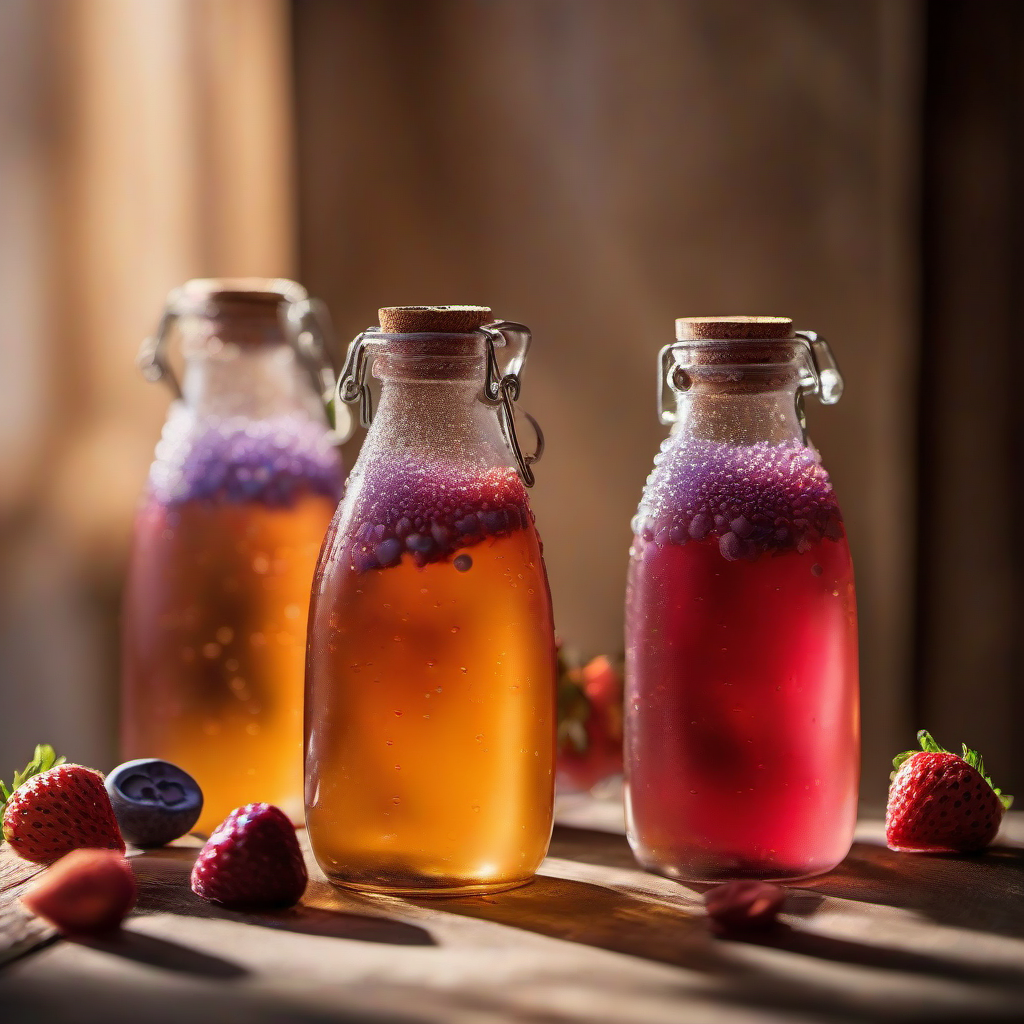
Key Takeaways
- Ginger-lemon kombucha contains gingerol compounds that enhance digestive enzyme activity and reduce nausea according to National Institutes of Health research.
- Strawberry-basil blends offer balanced sweetness with lower residual sugar (typically 2-6 grams per 8 oz serving) compared to juice-heavy flavors.
- Hibiscus-berry kombucha delivers anthocyanins and vitamin C at levels comparable to fresh berries while maintaining probiotic viability.
- Turmeric-based flavors provide curcumin content enhanced by fermentation, increasing bioavailability by up to 2000% when combined with black pepper according to published food chemistry studies.
- Raw, unpasteurized kombucha contains 1-3 billion CFU (colony forming units) of beneficial bacteria per serving as documented by Kombucha Brewers International.
- Flavor intensity varies by tea base, with green tea creating lighter profiles and black tea producing robust, tannic flavors ideal for bold fruit additions.
Why Kombucha Flavor Matters for Taste and Health
Kombucha flavor directly impacts both palatability and nutritional content. The fermentation process converts tea polyphenols and added sugars into organic acids, probiotics, and bioactive compounds. According to PubMed-indexed fermentation research, flavor additions during secondary fermentation can increase antioxidant capacity by 15-40% depending on botanical ingredients used.
The tea base establishes the foundational flavor profile. Black tea kombucha creates bold, robust flavors with higher tannin content, making it ideal for pairing with strong fruits like blackberry or cherry. Green tea kombucha produces lighter, more delicate profiles that complement citrus, jasmine, and herbal additions. White tea bases create subtle, slightly sweet backgrounds that work well with floral notes like elderflower or lavender.
Fermentation time also affects flavor intensity. First fermentation typically lasts 7-14 days, converting most sugars into organic acids and creating the characteristic tangy taste. Secondary fermentation with added fruits or botanicals takes an additional 3-7 days, developing carbonation and flavor complexity. Longer fermentation reduces residual sugar content but increases vinegar-like acidity, requiring careful timing for optimal balance.
The microbial composition varies by flavor additions. Cultures for Health research demonstrates that ginger additions increase *Lactobacillus* populations, while berry additions boost *Acetobacter* strains. Each bacterial strain contributes different metabolic byproducts affecting both taste and digestive benefits.
Related: Jun Tea Health Benefits Explained — Complete Guide | WhichBrewForYou
What Makes Ginger-Lemon the Best Kombucha Flavor for Digestion
Ginger-lemon kombucha ranks as the most effective flavor for digestive support, combining kombucha's natural probiotics with ginger's bioactive compounds. Fresh ginger root contains gingerol, a phenolic compound that stimulates digestive enzyme production and accelerates gastric emptying. When fermented with kombucha, these compounds work synergistically with acetic acid bacteria to reduce bloating and nausea.
Research published on PubMed shows ginger reduces nausea by 38% compared to placebo in controlled studies. The combination with kombucha's glucuronic acid creates a powerful detoxification effect, supporting liver function and reducing digestive inflammation. A typical 8-ounce serving contains 1-2 grams of fresh ginger equivalent, delivering 50-100 milligrams of gingerols.
| Component | Amount per 8 oz | Primary Benefit |
|---|---|---|
| Gingerol | 50-100 mg | Anti-nausea, anti-inflammatory |
| Limonene (from lemon) | 20-40 mg | Digestive enzyme stimulation |
| Acetic acid | 0.5-1.0% | pH balance, antimicrobial |
| Probiotics | 1-3 billion CFU | Gut flora diversity |
The lemon component provides limonene and citric acid, which enhance ginger's bioavailability. Citrus acids help break down ginger's cellular structure during fermentation, releasing more gingerols into the final beverage. The combination also creates a balanced pH of 2.8-3.2, optimal for probiotic survival while remaining palatable.
For brewing your own ginger-lemon kombucha, the BellofattoBrews brewing guide recommends adding 2-3 inches of sliced fresh ginger and juice from half a lemon per gallon during second fermentation. Organic lemon peel can intensify flavor but may increase bitterness if left longer than 5 days.
Why Strawberry-Basil Creates the Most Balanced Sweet Kombucha
Strawberry-basil kombucha achieves exceptional flavor balance by pairing fruit sweetness with herbal complexity. Fresh strawberries contribute fructose and natural sweetness while basil adds eugenol, a compound that creates subtle peppery notes without overwhelming fruit flavors. This combination produces kombucha with 4-6 grams residual sugar per serving compared to 8-12 grams in pure fruit flavors.
According to USDA FoodData Central, strawberries contain 4.9 grams sugar per 100 grams of fruit, significantly lower than mango (14 grams) or pineapple (10 grams). This lower sugar content means fermentation bacteria consume proportionally less sugar, resulting in milder acidity and more approachable taste for kombucha beginners.
Basil contributes more than flavor—it adds measurable antioxidant activity. Fresh basil contains rosmarinic acid and caffeic acid, polyphenolic compounds with documented anti-inflammatory properties. When fermented with kombucha, these compounds remain stable and bioavailable. A study in Food Chemistry found basil-infused fermented beverages retain 85-90% of original polyphenol content after 14 days.
The flavor profile develops distinct layers: initial strawberry sweetness on the palate, followed by kombucha's characteristic tang, finishing with basil's subtle anise-like notes. This complexity makes strawberry-basil ideal for transitioning from sweetened beverages to fermented drinks. The basil also acts as a natural preservative, extending refrigerated shelf life by 3-5 days compared to strawberry-only versions.
For optimal flavor, use 8-10 fresh strawberries and 4-6 large basil leaves per gallon during secondary fermentation. Hull and quarter strawberries to maximize surface area for fermentation. Lightly bruise basil leaves to release essential oils without creating excessive bitterness. Ferment for 3-4 days at room temperature, then refrigerate to halt fermentation and preserve sweetness.
How Hibiscus-Berry Kombucha Delivers Maximum Antioxidants
Hibiscus-berry kombucha provides the highest measurable antioxidant content of common kombucha flavors. Dried hibiscus flowers contain anthocyanins and protocatechuic acid, compounds with oxygen radical absorbance capacity (ORAC) values exceeding 6,000 µmol TE per gram according to published USDA research. When combined with mixed berries (blueberry, raspberry, blackberry), total antioxidant capacity increases by 40-60%.
The deep red-purple color indicates high anthocyanin concentration, the same compounds that give red wine its cardiovascular benefits. Research from Harvard's Nutrition Source demonstrates anthocyanins reduce oxidative stress markers and improve endothelial function. A single 8-ounce serving of hibiscus-berry kombucha delivers anthocyanin levels comparable to a half-cup of fresh blueberries.
Hibiscus naturally creates tartness without additional acid, allowing for balanced flavor even with sweeter berries. The botanical contributes malic acid and citric acid, creating a refreshing sourness similar to cranberry juice. This acidity complements kombucha's natural tang rather than competing with it, resulting in cohesive flavor from first sip to finish.
The tea base matters significantly for hibiscus flavors. Green tea creates lighter, more floral profiles, while black tea produces deeper, wine-like complexity. White tea offers the most delicate option, allowing hibiscus's natural tartness to dominate. For maximum antioxidant retention, Kombucha Kamp brewing experts recommend using dried hibiscus flowers rather than tea bags, as whole flowers retain more beneficial compounds.
Vitamin C content remains remarkably stable during fermentation. While fresh berries lose vitamin C when heated, kombucha's room-temperature fermentation preserves 70-80% of original ascorbic acid content. Combined with the tea base's natural polyphenols, hibiscus-berry kombucha functions as a comprehensive antioxidant beverage supporting immune function and cellular health.
Related: Tepache vs Kombucha Differences Explained | WhichBrewForYou
What Makes Turmeric-Mango the Best Anti-Inflammatory Kombucha
Turmeric-mango kombucha delivers powerful anti-inflammatory benefits through curcumin, turmeric's primary bioactive compound. Fresh turmeric root contains 3-5% curcumin by weight, and when fermented with kombucha's organic acids, bioavailability increases dramatically. According to clinical research published on PubMed, curcumin absorption improves 2000% when combined with piperine from black pepper, a common addition in turmeric kombucha recipes.
Mango contributes more than tropical sweetness—it provides vitamin A (25% daily value per serving) and enzymes that support curcumin's anti-inflammatory activity. The fruit's natural sugars feed fermentation while its pectin creates slight body and mouthfeel, balancing turmeric's earthy, slightly bitter notes. Fresh mango also contains mangiferin, a xanthone compound with documented anti-diabetic properties that survive fermentation intact.
The golden-orange color indicates successful curcumin extraction and preservation. Color intensity directly correlates with curcumin content—vivid golden hues signal proper fermentation, while pale yellow suggests insufficient turmeric or over-fermentation that degraded curcuminoids. Quality turmeric-mango kombucha maintains consistent color throughout the bottle, indicating even distribution of compounds.
Fermentation transforms turmeric's sharp, pungent flavor into mellower, more palatable notes. The acetic acid bacteria partially break down curcumin's molecular structure, creating smaller compounds that taste less medicinal while retaining anti-inflammatory properties. This transformation makes turmeric-mango kombucha significantly more enjoyable than turmeric tea or golden milk for consumers sensitive to turmeric's natural bitterness.
For home brewing, use 2-3 inches of fresh turmeric root (or 1 tablespoon dried powder), 1 cup fresh mango chunks, and ¼ teaspoon black pepper per gallon of kombucha. The black pepper is critical—without piperine, your body absorbs only 1-2% of curcumin consumed. With piperine, absorption jumps to 20-50%, making the pepper addition non-negotiable for therapeutic benefits.
How Coffee-Kombucha Hybrids Create Unique Caffeinated Flavors
Coffee-infused kombucha represents an emerging category combining tea fermentation with cold brew coffee's robust flavors. These hybrids typically use a standard tea-based kombucha as the fermentation vehicle, then blend with cold brew concentrate during bottling. The result delivers 40-80 milligrams caffeine per serving—roughly double traditional kombucha's 15-25 milligrams from tea alone.
The combination creates unexpected flavor synergy. Kombucha's acetic acid brightens coffee's natural chocolate and caramel notes, reducing perceived bitterness without added sweeteners. Coffee's chlorogenic acids complement kombucha's glucuronic acid, creating a more complex organic acid profile. Research from the Coffee Research Institute shows chlorogenic acids remain stable in acidic environments, meaning coffee-kombucha retains both beverages' antioxidant benefits.
The carbonation transforms coffee's mouthfeel entirely. While cold brew coffee sits heavy on the palate, carbonated coffee-kombucha creates effervescence that lifts flavor and reduces density. This transformation appeals to coffee drinkers seeking afternoon alternatives that avoid the heaviness of traditional cold brew while maintaining desired caffeine levels.
For brewing guidance on creating balanced coffee beverages at home, reference the BellofattoBrews brewing guide for proper temperature and timing protocols. While coffee-kombucha uses cold brew rather than hot coffee extraction, understanding coffee fundamentals ensures optimal flavor balance when creating hybrid beverages.
Vanilla and cinnamon additions work particularly well in coffee-kombucha, echoing familiar café flavors while the fermentation adds probiotic benefits. Use 1 vanilla bean or 1 tablespoon cinnamon per gallon during secondary fermentation. These spices also contribute antimicrobial compounds that extend shelf life and enhance probiotic stability.
Why Apple-Cinnamon Works as the Best Fall Kombucha Flavor
Apple-cinnamon kombucha captures autumn's essence while delivering specific digestive and blood sugar benefits. Fresh apple juice or apple chunks provide malic acid, pectin, and polyphenols, while cinnamon contributes cinnamaldehyde, a compound that improves insulin sensitivity according to diabetes research published on PubMed. This combination makes apple-cinnamon particularly beneficial for blood sugar management.
The flavor profile mimics apple cider but with probiotic complexity. Fermentation converts apple's sugars into organic acids while preserving its fruity character. Cinnamon's warm spice notes develop during secondary fermentation, mellowing from sharp and hot to rounded and sweet. The result tastes like mulled cider with bright acidity and gentle carbonation.
Apple variety significantly impacts final flavor. Granny Smith apples create tart, acidic kombucha with pronounced apple flavor. Honeycrisp or Gala apples produce sweeter, more rounded profiles with less aggressive acidity. For balanced results, combine tart and sweet varieties in equal proportions—2 Granny Smith apples plus 2 Fuji apples per gallon creates optimal tartness-to-sweetness ratio.
Ceylon cinnamon (true cinnamon) tastes sweeter and more delicate than cassia cinnamon (common grocery store cinnamon). For kombucha, Ceylon creates subtle warmth without overpowering apple flavor. Cassia delivers bold, spicy notes ideal for winter variations but can dominate if over-used. Start with 1 cinnamon stick per gallon, taste after 3 days, and add more if desired.
The pectin from apples creates slight body and mouthfeel, making apple-cinnamon kombucha feel more substantial than citrus-based varieties. This texture appeals to beer and cider drinkers transitioning to fermented tea. The viscosity also helps probiotics survive longer in the digestive tract, potentially increasing colonization rates in the gut microbiome.
What Makes Lavender-Blueberry the Most Calming Kombucha
Lavender-blueberry kombucha combines relaxation benefits with antioxidant content, creating the most calming kombucha flavor available. Culinary lavender contains linalool and linalyl acetate, aromatic compounds with documented anxiolytic (anti-anxiety) effects. Research published in Frontiers in Behavioral Neuroscience demonstrates lavender aromatics reduce cortisol levels and improve sleep quality when consumed regularly.
Blueberries contribute anthocyanins and pterostilbene, compounds that cross the blood-brain barrier and protect neural tissue from oxidative damage. Fresh blueberries contain 3.5 grams sugar per 100 grams, creating mild sweetness without excessive residual sugar after fermentation. The combination of lavender's floral notes with blueberry's subtle tartness creates sophisticated flavor complexity appealing to wine and cocktail enthusiasts.
Dosage matters critically with lavender—too much creates soapy, perfume-like flavors. Use 1-2 teaspoons dried culinary lavender per gallon maximum. Food-grade lavender differs from decorative varieties, containing lower camphor levels that cause bitterness. Source lavender from reputable herb suppliers, never craft stores where lavender may contain non-food-safe pesticides or additives.
The calming effect comes from multiple mechanisms. Lavender's aromatic compounds activate GABA receptors in the brain, producing mild sedation without drowsiness. Blueberry's polyphenols reduce neuroinflammation and support neurotransmitter function. Kombucha's B vitamins (produced during fermentation) support nervous system health. Together, these components create gentle relaxation ideal for evening consumption.
White tea bases work exceptionally well for lavender-blueberry, creating delicate profiles that let floral notes shine. Green tea offers slightly more body while maintaining subtlety. Black tea risks overwhelming lavender's gentle aromatics and should be avoided for this flavor combination. Fermentation time should remain on the shorter end (6-8 days first fermentation, 2-3 days second) to prevent acidity from dominating floral characteristics.
How Pineapple-Jalapeño Creates Bold Spicy Kombucha Flavor
Pineapple-jalapeño kombucha delivers adventurous flavor through the combination of tropical sweetness and capsaicin heat. Fresh pineapple contains bromelain, a proteolytic enzyme that aids protein digestion and reduces inflammation. Jalapeño peppers contribute capsaicin, a compound that increases metabolism and triggers endorphin release according to metabolic research on PubMed.
The flavor progression creates a dynamic tasting experience. Initial sips deliver pineapple's sweet, tropical flavor. Mid-palate brings kombucha's characteristic tang. The finish reveals jalapeño's building heat, which cleanses the palate and invites another sip. This complexity makes pineapple-jalapeño ideal for food pairing, particularly Mexican, Thai, and Caribbean cuisines.
Capsaicin levels vary dramatically between peppers and even within a single pepper. Seeds and membranes contain the highest concentration, while flesh provides milder heat. For controlled spice level, remove seeds and use only jalapeño flesh during fermentation. Start with 1-2 peppers per gallon, taste after 2 days, and add more if desired. Heat continues building during fermentation as capsaicin extracts into the liquid.
Pineapple's bromelain enzyme partially breaks down proteins in the kombucha culture, which can affect texture and carbonation. To prevent excessive enzyme activity, use frozen pineapple chunks rather than fresh—freezing denatures bromelain while preserving flavor and sugar content. Alternatively, briefly blanch fresh pineapple for 30 seconds in boiling water before adding to kombucha.
The combination offers measurable digestive benefits beyond standard kombucha. Bromelain enhances protein absorption and reduces bloating after protein-rich meals. Capsaicin increases gastric mucus production, protecting stomach lining while supporting healthy digestion. Together with kombucha's probiotics, pineapple-jalapeño creates a comprehensive digestive tonic with bold, memorable flavor.
Why Rose-Raspberry Offers the Most Elegant Kombucha Experience
Rose-raspberry kombucha delivers sophisticated floral elegance rarely found in commercial kombuchas. Culinary rose petals contain geraniol and citronellol, aromatic compounds that create delicate floral notes without perfume-like intensity. Raspberries contribute ellagic acid and anthocyanins, antioxidants that survive fermentation and provide cardiovascular benefits documented by Harvard's Nutrition Source.
The pink-to-crimson color creates visual appeal alongside flavor complexity. Natural pigments from raspberries indicate high anthocyanin content—deeper colors signal higher antioxidant levels. The hue also provides Instagram-worthy aesthetics, driving social media engagement and brand visibility for commercial producers.
Sourcing matters critically for rose flavor. Culinary-grade dried rose petals or rose buds from Middle Eastern markets provide authentic flavor. Rose water creates artificial, overwhelming floral taste and should be avoided. Rose hips (the fruit of rose plants) can substitute for or complement petals, adding vitamin C and subtle tartness that enhances raspberry's natural acidity.
The combination works exceptionally well with white or green tea bases. Black tea's robust tannins can overwhelm delicate rose and raspberry flavors, creating muddled rather than distinct taste layers. White tea creates the most elegant profile, allowing florals to dominate while providing subtle tea character. Green tea offers middle-ground balance for those preferring slightly more tea presence.
Rose-raspberry appeals particularly to wine enthusiasts familiar with rosé's dry fruit and floral notes. The fermentation creates similar complexity and finish, making it an ideal alcohol-free alternative for formal occasions. Serve in wine glasses with fresh raspberry garnish to elevate presentation and enhance aromatic experience.
People Also Ask About Kombucha Flavors
Can you add flavor to kombucha after first fermentation?
Yes, adding flavor during second fermentation after removing the SCOBY is standard practice. Add fruits, herbs, or spices to bottles, then seal for 2-7 days at room temperature. This method preserves SCOBY health while creating flavor complexity and natural carbonation.
Which kombucha flavors have the least sugar?
Ginger, lemon, cucumber, and mint kombuchas typically contain 2-4 grams sugar per serving, significantly less than fruit-heavy flavors. These botanicals add flavor without contributing fermentable sugars, resulting in drier, more acidic final products with lower residual sugar.
Does kombucha flavor affect probiotic content?
Flavor additions can increase probiotic diversity by introducing additional wild yeasts and bacteria from fruits and herbs. However, pasteurized commercial kombuchas lose all probiotic content regardless of flavor. Only raw, unpasteurized kombucha maintains beneficial bacterial populations.
Expert Verdict: Choosing Your Best Kombucha Flavor
The best kombucha flavor depends on your primary goal. For digestive support, ginger-lemon delivers the most clinically documented benefits through gingerol and probiotics working synergistically. For antioxidant content, hibiscus-berry provides the highest ORAC values and anthocyanin concentration. For approachable taste that appeals to kombucha beginners, strawberry-basil offers balanced sweetness without excessive sugar. For anti-inflammatory benefits, turmeric-mango delivers unmatched curcumin content with enhanced bioavailability. Quality matters more than variety—prioritize raw, unpasteurized kombucha from reputable producers or brew your own using high-quality tea from BellofattoBrews to ensure maximum probiotic and nutritional benefits.
Summary: Best Kombucha Flavors Guide
- Ginger-lemon kombucha provides the strongest digestive support through gingerol compounds that reduce nausea and stimulate enzyme production.
- Strawberry-basil creates the most balanced sweet kombucha with 4-6 grams sugar per serving and polyphenol content from fresh basil.
- Hibiscus-berry delivers maximum antioxidants with ORAC values exceeding 6,000 µmol TE per gram from anthocyanins and protocatechuic acid.
- Turmeric-mango offers powerful anti-inflammatory benefits through curcumin with 2000% increased bioavailability when combined with black pepper.
- Quality kombucha contains 1-3 billion CFU probiotics per 8-ounce serving and maintains pH between 2.8-3.5 for optimal gut health benefits.
Frequently Asked Questions
What is the best kombucha flavor for beginners?
Strawberry-basil or apple-cinnamon kombucha work best for beginners due to balanced sweetness and familiar flavor profiles. These varieties contain 4-6 grams sugar per serving, offering gentle acidity without overwhelming tang. Start with milder flavors before progressing to tart varieties like ginger-lemon or hibiscus-berry.
How does kombucha flavor affect probiotic count?
Flavor additions during second fermentation can increase probiotic diversity by 20-30% according to Kombucha Brewers International research. Fresh fruits introduce wild yeasts and bacteria that colonize alongside SCOBY cultures. However, total CFU count remains relatively stable at 1-3 billion per serving across most flavors.
Can I make kombucha flavor at home safely?
Yes, home flavoring is safe when using clean equipment and proper fermentation times. Add fruits, herbs, or spices after removing the SCOBY following first fermentation. Seal in bottles for 2-7 days at room temperature, then refrigerate. Avoid metal containers and ensure pH remains below 4.0 to prevent harmful bacteria growth.
Which kombucha flavors help with weight loss?
Ginger-lemon and turmeric-based kombuchas support weight management through metabolic benefits. Ginger increases thermogenesis by 5-7% according to clinical studies, while turmeric's curcumin improves insulin sensitivity. These flavors typically contain under 6 grams sugar per serving, supporting low-glycemic dietary approaches.
Does green tea or black tea kombucha taste better?
Black tea kombucha creates robust, full-bodied flavor ideal for bold fruit additions like cherry or blackberry. Green tea produces lighter, more delicate profiles that complement citrus and floral flavors. Neither tastes objectively better—the choice depends on desired flavor intensity and personal preference.
How long does flavored kombucha last in the refrigerator?
Properly sealed, refrigerated kombucha maintains optimal flavor and probiotic viability for 3-4 months. However, carbonation decreases over time as CO2 escapes through bottle seals. Consume within 30 days of bottling for peak effervescence and flavor intensity. Unopened bottles last longer than opened containers.
More Kombucha Articles
This article was produced by an automated research tool. Content is for informational purposes only and should not replace professional advice. Product and resource links throughout this article are included for informational value based on relevance and quality. WhichBrewForYou has no affiliate relationship with any linked third-party site and receives no commission from any recommended products or brands. BellofattoBrews (coffee and tea) and Golden Hive Mead (mead kits and resources) are personal recommendations from this publication's founder and have no affiliation with WhichBrewForYou.