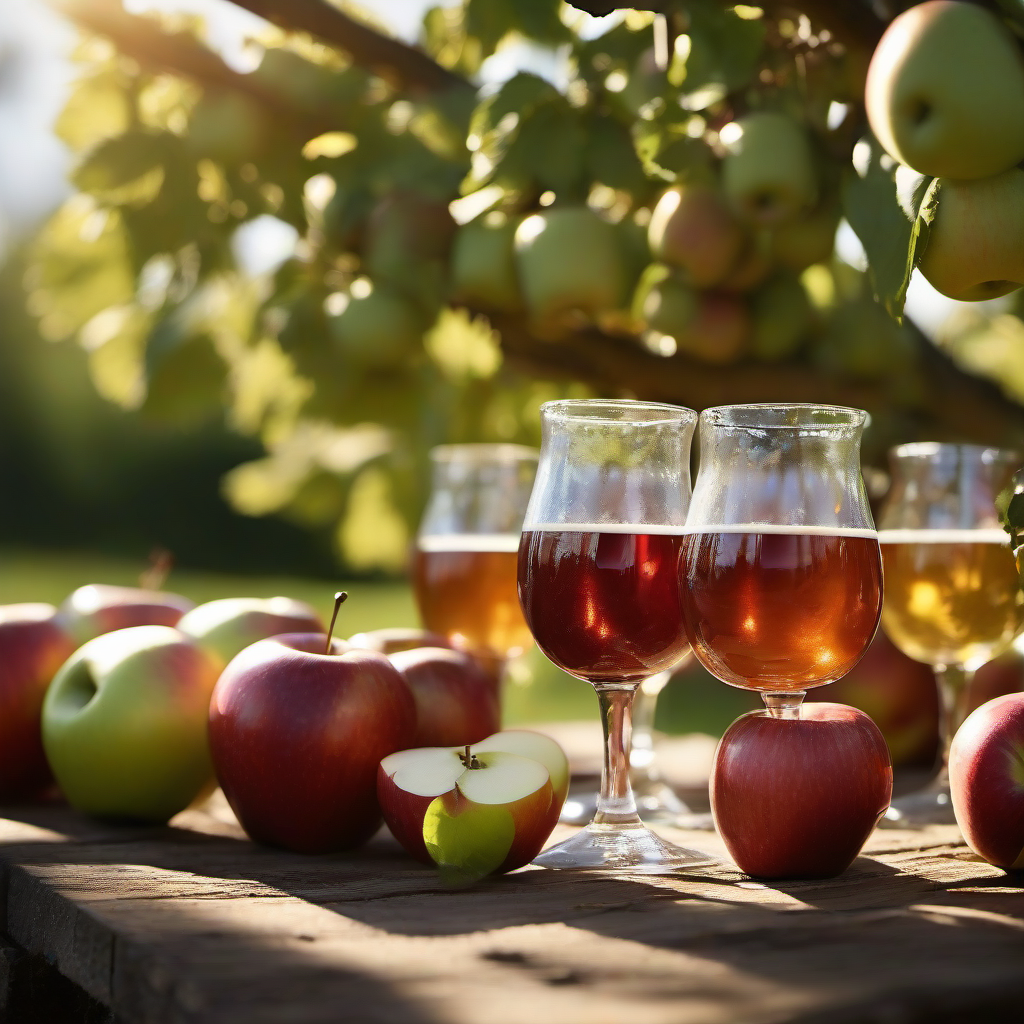
Key Takeaways
- Premium cider brands source apples from heritage orchards and use traditional fermentation methods rather than concentrate-based shortcuts
- The American Cider Association reports craft cider sales grew 23% between 2021-2025, driven by consumer demand for gluten-free alternatives
- English-style ciders emphasize tannin structure and dryness, while American craft ciders explore hop additions and barrel aging
- The best ciders contain 5-8% ABV with no added artificial sweeteners or corn syrup—check ingredient labels carefully
- Regional terroir significantly impacts flavor: Pacific Northwest ciders showcase crisp acidity, New England styles lean sweeter and fuller-bodied
What Makes a Hard Cider Brand Truly Exceptional?
Exceptional hard cider brands prioritize orchard sourcing, fermentation integrity, and flavor authenticity. According to the American Cider Association, premium ciders begin with whole, fresh-pressed apples—never from concentrate. The single most important quality indicator is the ingredient list: look for "apple juice" or "apple cider" as the first ingredient, not "water" or "apple flavoring."
Traditional cider apples differ fundamentally from eating apples. Heritage varieties like Dabinett, Kingston Black, and Yarlington Mill contain higher tannin levels and balanced acidity that create structure and complexity. Many craft cideries now cultivate these bittersweet and bittersharp apple varieties specifically for cider production, following methods documented by Cornell's Cider Research Program.
Fermentation method separates craft producers from industrial operations. Wild fermentation using native yeast strains produces more nuanced flavor profiles than commercial yeast monocultures. Temperature-controlled fermentation between 50-60°F preserves delicate aromatics and prevents off-flavors. Cider Culture notes that extended fermentation times—typically 4-8 weeks for quality ciders—allow full flavor development and natural clarification.
How Do English Cider Traditions Differ from American Craft Styles?
English cider traditions emphasize terroir, heritage apple varieties, and dry fermentation profiles. West Country cider makers follow Protected Geographical Indication standards requiring apples grown within specific regions of Somerset, Devon, Cornwall, and Herefordshire. These traditional ciders undergo slow, cold fermentation and often spend months aging in oak barrels or tanks.
American craft cider culture embraces experimentation and innovation. Producers frequently incorporate wine-making techniques, barrel-aging programs, and hybrid styles that blur category boundaries. The addition of hops—borrowed from craft beer culture—has become an American cider signature, creating bridge products for IPA enthusiasts.
| Characteristic | English Traditional | American Craft |
|---|---|---|
| Apple Sourcing | Heritage bittersweet varieties, estate orchards | Mix of cider apples and culinary varieties |
| Fermentation Style | Wild yeast, extended aging | Controlled yeast strains, faster turnaround |
| Sweetness Level | Predominantly dry to off-dry | Wide spectrum from bone-dry to semi-sweet |
| Carbonation | Still or lightly sparkling | Typically force-carbonated, beer-like effervescence |
| ABV Range | 6-8.5% | 5-7% |
| Innovation | Traditional methods preserved | Hop additions, barrel aging, fruit infusions |
Both approaches produce exceptional ciders when executed with quality ingredients and careful fermentation management. The choice between English and American styles ultimately reflects personal preference for dryness, carbonation level, and flavor complexity.
Which Heritage Cider Brands Set the Gold Standard?
Aspall stands as England's oldest cider producer, crafting ciders in Suffolk since 1728. Their flagship Organic Cyder uses certified organic apples from estate orchards, fermented with champagne yeast and aged minimum six months. The result delivers crisp acidity, subtle tannin structure, and a bone-dry finish at 7% ABV. Aspall pioneered organic cider production in the UK and maintains strict quality controls documented by the Soil Association.
Bulmers (marketed as Magners outside the UK) represents Irish cider heritage dating to 1935. While now an industrial-scale producer, Bulmers maintains traditional fermentation of fresh-pressed apples with a proprietary yeast strain. Their Original cider balances sweetness and acidity at 4.5% ABV with a clean, refreshing profile. The brand pioneered serving cider over ice—a practice that became ubiquitous across Irish pubs.
Oliver's Cider and Perry produces authentic English farmhouse cider in Herefordshire using estate-grown bittersweet apples. Their Traditional Dry Cider contains 100% fresh juice with no added water or sugar, fermented wild and matured in oak vats. At 6% ABV, it showcases earthy tannins, orchard fruit complexity, and a lingering dry finish. Oliver's also produces perry (pear cider) from traditional perry pears—a nearly lost craft preserved by fewer than a dozen UK producers.
Dupont Cidre Bouché represents Norman cider tradition from France's Pays d'Auge region. This méthode traditionelle cider undergoes bottle fermentation like champagne, creating fine bubbles and complex yeast character. Dupont sources bittersweet Norman apple varieties including Binet Rouge and Frequin, yielding a semi-dry cider with 5.5% ABV and pronounced tannin grip.
Related: How Long Does Cider Take to Ferment — Complete Timeline
What Are the Top American Craft Cider Brands Right Now?
Angry Orchard dominates American cider sales while maintaining craft credibility through innovation programs. Their core Crisp Apple serves as a gateway cider—lightly sweet, highly carbonated, 5% ABV—but their Innovation Cider House in Walden, New York experiments with wild fermentation, barrel aging, and rare apple varieties. The Understood in Motion series showcases single-varietal ciders and traditional methods that rival European heritage producers.
Citizen Cider in Burlington, Vermont pioneered the hop-forward cider category with their Unified Press. This hybrid style dry-hops cider with Citra and Mosaic varieties, creating tropical fruit aromatics and bitter balance at 6% ABV. According to the Brewers Association, hopped ciders now represent 18% of craft cider production, largely due to Citizen's market influence. Their Dirty Mayor combines cider with maple syrup for a distinctly Vermont expression.
Austin Eastciders brings Texas terroir to American cider through local ingredient partnerships. Their Original Dry uses Texas Hill Country apples fermented to complete dryness at 5% ABV—a rarity in the sweet-leaning American market. The Blood Orange variety incorporates fresh citrus juice post-fermentation, creating a balanced fruit-forward profile without artificial flavoring. Austin Eastciders emphasizes gluten-free certification, addressing the estimated 30% of cider consumers who choose cider specifically for gluten avoidance.
Finnriver Farm & Cidery operates a certified organic orchard on Washington's Olympic Peninsula, producing estate-grown ciders and perries. Their Black Currant Spirited Cider blends traditional cider with organic black currants and grape brandy, creating a 10% ABV digestif-style beverage. Finnriver practices regenerative agriculture and maintains heritage apple collections, preserving rare varieties like Ashmead's Kernel and Esopus Spitzenburg.
Reverend Nat's Hard Cider in Portland, Oregon pushes technical boundaries with wild fermentation and experimental adjuncts. Their Sour Cherry uses whole Montmorency cherries co-fermented with cider, producing complex acidity and fruit integration. Founder Nat West applies wine-making techniques including malolactic fermentation and extended lees aging to create ciders of remarkable depth and aging potential.
How Do Regional Terroir and Apple Varieties Shape Cider Flavor?
Regional terroir influences cider as profoundly as it shapes wine. Climate, soil composition, and local apple genetics create distinct flavor signatures tied to geography. Pacific Northwest ciders showcase bright acidity and clean fruit character due to volcanic soils and moderate maritime climates that extend growing seasons. Washington state produces over 65% of American apples, with many cideries sourcing from the Yakima Valley's mineral-rich basalt soils.
New England terroir yields fuller-bodied ciders with pronounced sweetness and lower acidity. The region's glacial soils and shorter growing seasons concentrate sugars while moderating acid development. Vermont and Massachusetts cideries often leave residual sweetness to balance this lower acidity, creating rounder mouthfeel profiles.
Apple variety selection fundamentally determines cider character. Research published in the Journal of Food Chemistry identifies over 7,500 apple cultivars worldwide, with only 200-300 considered suitable for premium cider production. Traditional cider apples fall into four categories based on tannin and acid levels:
- Bittersweets: High tannin, low acid (Dabinett, Tremlett's Bitter, Chisel Jersey)—provide structure and body
- Bittersharps: High tannin, high acid (Kingston Black, Stoke Red, Foxwhelp)—create complexity and aging potential
- Sweets: Low tannin, low acid (Golden Delicious, Fuji)—contribute fermentable sugars and fruit aromatics
- Sharps: Low tannin, high acid (Granny Smith, Bramley)—add brightness and preservation
Premium cider makers blend these categories to achieve balance, similar to grape blending in winemaking. A typical craft cider might combine 60% bittersweets for structure, 20% bittersharps for complexity, and 20% sharps for lift and freshness.
What Should You Look for on a Hard Cider Label?
Label transparency separates authentic cider from flavored malt beverages masquerading as cider. The ingredient list reveals everything: if water appears before apples, you're buying diluted concentrate with added sugar—not genuine cider. According to FDA labeling regulations, products labeled "hard cider" must derive at least 50% of fermentable sugars from apples or pears, but premium producers use 100% fruit.
Avoid ciders listing high-fructose corn syrup, artificial sweeteners, or "natural flavors" without specifying the source. Quality producers specify exact fruit additions: "whole blueberries" or "fresh ginger juice" rather than vague "natural flavoring." The presence of sulfites (often listed as "contains sulfites") indicates professional stabilization practices to prevent oxidation and microbial spoilage—this is standard and not a quality concern.
ABV provides insight into fermentation completeness and residual sugar. Most ciders fermented to complete dryness reach 6-8% ABV naturally from apple sugars. Ciders below 5% ABV typically contain residual sugar (intentionally stopped fermentation) or added water. Semi-sweet and sweet ciders maintain 5-6% ABV through arrested fermentation or back-sweetening with unfermented juice.
Look for production method indicators: "méthode traditionelle" signals bottle fermentation, "barrel-aged" indicates extended oak contact, "wild fermentation" means native yeast rather than commercial strains. Geographic indicators like "estate-grown," "single-orchard," or "heirloom apples" suggest quality sourcing and producer transparency.
Related: Cider vs Perry: What's the Difference? | WhichBrewForYou
Which Cider Brands Excel in Specific Categories?
Best Dry Cider: Westcott Bay Cider (San Juan Island, Washington) produces bone-dry traditional ciders using estate-grown bittersweet apples. Their Traditional Dry ferments to 0.998 specific gravity—virtually no residual sugar—creating a wine-like 8.5% ABV cider with pronounced tannin structure and orchard complexity. Westcott Bay exemplifies the American movement toward European-style dry ciders.
Best Hopped Cider: Citizen Cider's Unified Press remains the category benchmark, but Shacksbury Vermonter rivals it with Vermont-grown apples dry-hopped with Cascade and Chinook. The result balances apple fruit with resinous hop character at 6.8% ABV, appealing to craft beer enthusiasts without sacrificing cider identity.
Best Barrel-Aged Cider: Anxo Cidery in Washington, DC produces Cidre Blanc Reserva—traditional Spanish sidra aged in white wine barrels. The extended oak contact develops vanilla, coconut, and oxidative complexity while preserving the funky, tannic character of Spanish cider traditions. At 6.5% ABV, it bridges Old World and New World sensibilities.
Best Fruit-Infused Cider: Downeast Cider House (Boston, Massachusetts) adds real fruit purée post-fermentation rather than artificial flavoring. Their Cranberry cider uses Massachusetts cranberries blended with unfiltered apple cider, creating natural cloudiness and authentic fruit integration at 5.1% ABV. The cranberry acidity complements rather than overwhelms the apple base.
Best English-Style Cider: Farnum Hill Ciders (New Hampshire) cultivates over 100,000 cider apple trees—the largest heritage orchard in North America. Their Dooryard 1716 uses Kingston Black apples exclusively, fermented wild and aged in neutral oak. The result rivals West Country English ciders in structure, tannin complexity, and aging potential at 7.8% ABV.
Best Organic Cider: 2 Towns Ciderhouse (Oregon) produces USDA-certified organic ciders from Pacific Northwest orchards. Their Made Marion uses organic Marion blackberries and cider apples, creating a fruit-forward blend at 6% ABV with no added sugar or artificial ingredients. Organic certification ensures sustainable orchard practices and prohibits synthetic pesticide use.
How Do You Properly Taste and Evaluate Hard Cider?
Cider tasting follows wine evaluation protocols adapted for fermented fruit. Serve cider at 45-50°F for dry styles, 40-45°F for sweeter expressions. Higher temperatures reveal complexity in traditional ciders, while colder serving emphasizes refreshment in fruit-forward styles. Use a tulip-shaped glass or white wine glass to concentrate aromatics—never drink craft cider directly from the bottle.
Visual evaluation begins the tasting process. Traditional ciders range from pale straw to deep amber depending on apple varieties and oxidation levels. Clarity varies: modern filtered ciders appear crystal-clear, while unfiltered craft ciders show natural haze from suspended proteins and pectins. Effervescence indicates carbonation level—traditional ciders show gentle bubbles, while American craft ciders often display aggressive beer-like carbonation.
Aromatic analysis reveals fruit character, fermentation byproducts, and potential flaws. Quality ciders smell like fresh apples with secondary notes of honey, flowers, or hay. Wine-like esters (pear, apricot, tropical fruit) indicate specific yeast strains or apple varieties. Barnyard or horse blanket aromas suggest Brettanomyces yeast—desirable in some traditional styles but considered a flaw in clean modern ciders. Sulfur, vinegar, or nail polish remover scents indicate fermentation problems.
Palate assessment evaluates five key components:
- Sweetness: Residual sugar level from bone-dry to dessert-sweet, measured subjectively and by final gravity
- Acidity: Malic acid provides tartness and freshness—the structural backbone of balanced cider
- Tannin: Bittersweet apples contribute astringency and texture, most prominent in English-style ciders
- Body: Weight and mouthfeel from light and crisp to full and rich, influenced by residual sugar and glycerol
- Finish: Aftertaste length and character—quality ciders show persistence and complexity rather than abrupt endings
According to BJCP cider judging guidelines, balance matters more than individual component intensity. A semi-sweet cider needs sufficient acidity to prevent cloying sweetness. A tannic cider requires fruit depth to prevent astringency dominance. The most memorable ciders achieve harmony across all five palate components.
People Also Ask
Why is hard cider so expensive compared to beer?
Premium hard cider costs more due to raw material expenses—apples cost significantly more per pound than malted barley. Heritage cider apple orchards require 7-10 years before first harvest, and many craft cideries operate small-scale orchards rather than industrial farms, increasing production costs per gallon.
Can hard cider be aged like wine?
Traditional dry ciders with high tannin levels and moderate acidity age successfully for 5-10 years under proper cellar conditions. English ciders, French cidre, and American ciders made from bittersweet apples develop complexity with age. Sweet ciders should be consumed fresh as residual sugar prevents beneficial aging.
Expert Verdict: Which Cider Brand Should You Try First?
For beginners exploring cider beyond mass-market brands, start with Angry Orchard's Crisp Apple to understand the American craft baseline, then progress to Aspall Organic Cyder to experience heritage English tradition. This progression reveals the spectrum from approachable to complex, sweet to dry, New World to Old World.
If you prefer dry wines, begin with Westcott Bay Traditional Dry or Farnum Hill Dooryard 1716—these showcase cider's wine-like potential. Craft beer enthusiasts should try Citizen Cider's Unified Press or Shacksbury Vermonter to experience hop-forward hybrid styles. For fruit-forward palates, Downeast Cranberry or 2 Towns Made Marion deliver authentic fruit integration without artificial sweetening.
The best hard cider brand ultimately depends on personal preference for sweetness, carbonation, and flavor intensity. Sample across English heritage producers, American craft innovators, and French traditional cideries to discover your ideal cider profile. Quality cider offers the complexity of wine, the refreshment of beer, and the agricultural connection of farm-to-glass fermentation—a beverage category deserving serious exploration beyond its commercial caricature.
Article Summary
- The best hard cider brands include heritage producers like Aspall and Bulmers, American craft leaders like Angry Orchard and Citizen Cider, and innovative small-batch cideries like Finnriver and Reverend Nat's
- Quality ciders use 100% fresh-pressed apple juice from heritage cider apple varieties, not concentrate or artificial flavoring—always check ingredient labels before purchasing
- English-style ciders emphasize dry fermentation, tannin structure, and traditional methods, while American craft ciders explore hop additions, barrel aging, and fruit infusions
- Regional terroir significantly impacts flavor: Pacific Northwest ciders showcase bright acidity, New England styles lean sweeter, and European ciders preserve centuries-old fermentation traditions
- Premium ciders range from bone-dry expressions at 8% ABV to semi-sweet styles around 5% ABV, with the best examples achieving balance across sweetness, acidity, tannin, body, and finish
Frequently Asked Questions
What is the difference between hard cider and regular cider?
Hard cider contains alcohol (typically 4-8% ABV) produced through yeast fermentation of apple sugars. Regular apple cider is unfermented fresh-pressed apple juice with no alcohol content. In the United States, "cider" without the "hard" modifier refers to non-alcoholic apple juice.
Do I need to refrigerate hard cider after opening?
Yes, refrigerate hard cider after opening and consume within 3-5 days for optimal flavor. Oxygen exposure causes oxidation and flavor degradation. Reseal bottles tightly or use wine preservation systems to extend freshness. Unpasteurized craft ciders deteriorate faster than filtered commercial versions.
Can people with celiac disease drink hard cider?
Most hard ciders are naturally gluten-free as they contain only fermented apples, water, and yeast—no gluten-containing grains. However, always verify labels as some flavored ciders may contain barley-based adjuncts. Look for certified gluten-free designations to ensure safety for celiac disease management.
What foods pair best with hard cider?
Dry ciders pair excellently with pork, aged cheeses, and roasted poultry. Sweet ciders complement spicy Asian cuisine, barbecue, and blue cheese. Hopped ciders match well with burgers and fried foods. The general rule: match cider sweetness to food richness and acidity to cut through fat.
How long does unopened hard cider last?
Unopened commercial hard cider lasts 12-24 months when stored in a cool, dark place. Craft ciders with lower filtration may have shorter shelf lives of 6-12 months. Check best-by dates and store bottles upright at 50-60°F. Traditional high-tannin ciders can age beneficially for years like wine.
Is hard cider fermented like beer or wine?
Hard cider fermentation resembles wine production more than beer brewing. Cider uses fruit sugars fermented with wine or champagne yeasts rather than grain starches converted by beer yeasts. However, carbonation and packaging methods often mirror beer industry practices, especially in American craft cider production.
More Cider Articles
This article was produced by an automated research tool. Content is for informational purposes only and should not replace professional advice. Nothing here is medical advice, and it is not a substitute for it. Talk to a doctor about anything affecting your health. Product and resource links throughout this article are included for informational value based on relevance and quality. WhichBrewForYou has no affiliate relationship with any linked third-party site and receives no commission from any recommended products or brands. BellofattoBrews (coffee and tea) and Golden Hive Mead (mead kits and resources) are personal recommendations from this publication's founder and have no affiliation with WhichBrewForYou.