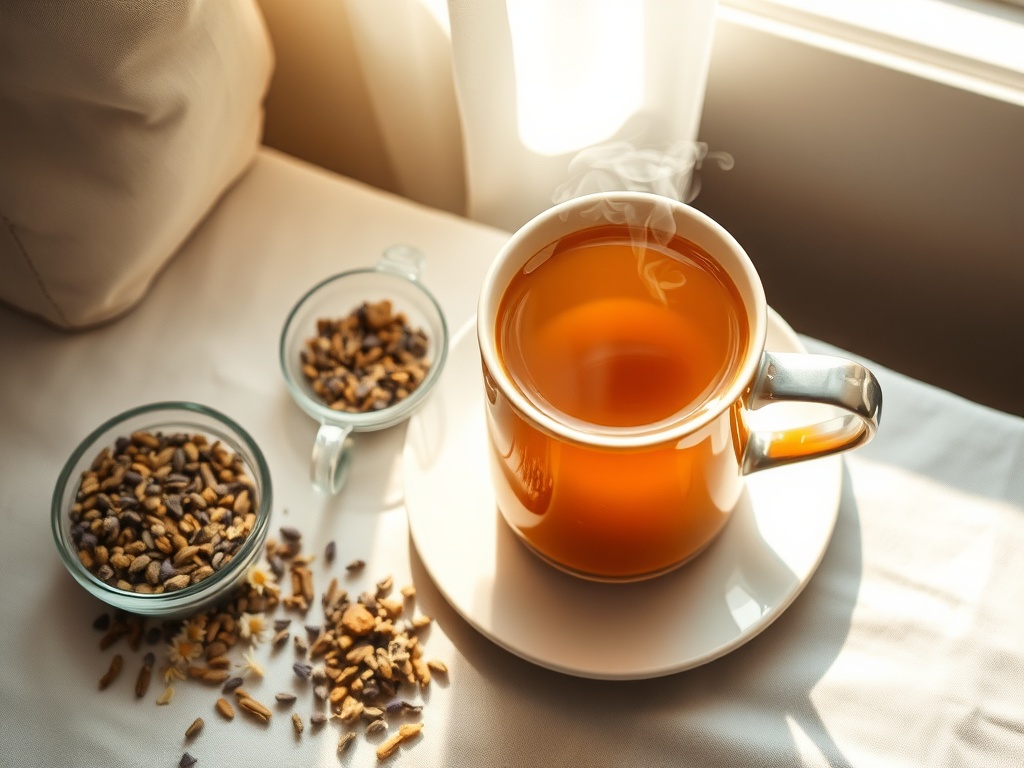
Why Herbal Tea Works for Sleep: The Science Behind Natural Sedation
The primary compounds in sleep-promoting teas interact with neurotransmitter systems, particularly gamma-aminobutyric acid (GABA) pathways that slow neural activity and induce relaxation. According to research from the National Center for Biotechnology Information, herbal sedatives work by modulating chloride ion channels in brain cells, producing a calming effect similar to prescription benzodiazepines but without dependency risks.
The ritual of preparing and consuming warm tea before bed also triggers psychological conditioning that signals sleep readiness to the body's circadian system. Harvard's School of Public Health notes that the hydration component of herbal tea consumption supports melatonin production, while the absence of caffeine prevents the adenosine receptor blocking that keeps people awake. The thermogenic effect of warm liquids raises core body temperature temporarily, and the subsequent cooling mimics the natural temperature drop that occurs during sleep onset.
Unlike synthetic sleep medications, herbal teas contain multiple bioactive compounds that address various sleep disruption causes simultaneously.
What Makes Chamomile the Best Herbal Tea for Sleep?
Chamomile tea earns its reputation as the best herbal tea for sleep through robust clinical validation and a unique phytochemical profile. German chamomile (Matricaria chamomilla) contains apigenin at concentrations of 0.8-1.2% by dry weight—a flavonoid that acts as a selective GABA-A receptor modulator. A controlled trial published in the Journal of Clinical Psychopharmacology demonstrated that participants consuming 270mg of chamomile extract twice daily for 28 days experienced significantly reduced sleep latency and improved sleep continuity compared to placebo groups.
Chamomile's sedative effects intensify with consistent use rather than diminishing, unlike many pharmaceutical options.
The optimal chamomile preparation involves using 2-3 grams of dried flowers per 8-ounce cup, water heated to 200-205°F, and a 5-7 minute steep time in a covered vessel to prevent volatile oils from escaping. The UK Tea & Infusions Association recommends consuming chamomile tea 45-60 minutes before bed to align peak blood concentration of active compounds with desired sleep onset. Adding a small amount of honey can enhance absorption of apigenin through insulin-mediated pathways, though diabetics should consult healthcare providers first.
| Compound | Concentration in Chamomile | Primary Mechanism | Onset Time |
|---|---|---|---|
| Apigenin | 0.8-1.2% | GABA-A receptor binding | 30-45 minutes |
| Bisabolol | 0.1-0.3% | Muscle relaxation | 30-60 minutes |
| Glycine | Variable | Neurotransmitter inhibition | 20-40 minutes |
How Does Valerian Root Tea Compare for Deep Sleep?
Valerian root tea (Valeriana officinalis) stands out for its ability to increase time spent in slow-wave deep sleep stages, the most restorative phase of the sleep cycle. Research in Sleep Medicine Reviews documented that participants taking 400-900mg of valerian extract before bed experienced a 36% increase in slow-wave sleep duration after 14 days of consistent use. This cumulative effect distinguishes valerian from immediate-acting sedatives—maximum benefits appear after one to two weeks of nightly consumption.
Valerian root contains valerenic acid and valerenol, compounds that inhibit the enzyme that breaks down GABA in the brain. By preventing GABA degradation, valerian extends the duration of this calming neurotransmitter's effects.
The optimal valerian preparation requires 2-3 grams of dried root steeped in 200°F water for 10-12 minutes—longer than most herbal teas due to the root's density. The American Homebrewers Association's herbal guide recommends crushing or grinding valerian root immediately before brewing to maximize surface area and compound extraction. Combining valerian with lemon balm or chamomile in equal parts masks the intense flavor while creating a synergistic blend that addresses both sleep onset and sleep maintenance.
Valerian root tea works best for individuals who fall asleep easily but wake frequently during the night, as its compounds support sustained GABA activity throughout the sleep cycle rather than just initial sedation. Some users report mild grogginess the following morning during the first week, but this typically resolves as the body adjusts to enhanced deep sleep stages. Pregnant women and individuals taking sedative medications should consult healthcare providers before using valerian due to its potent effects on neurotransmitter systems.
Which Herbs Combine Best in Sleep-Promoting Tea Blends?
Research from the National Institutes of Health shows this ratio balances immediate sedation with cumulative stress-reduction benefits. The blend should steep for 7-10 minutes to fully extract compounds from both delicate flowers and dense roots.
Passionflower (Passiflora incarnata) deserves special attention in sleep blends due to its unique mechanism. A study in Phytomedicine journal found passionflower increases GABA levels in the brain by up to 26% through inhibition of GABA transaminase, the enzyme that breaks down this neurotransmitter. When combined with GABA receptor modulators like chamomile, passionflower creates a dual-action effect: more GABA available and enhanced receptor sensitivity.
Lemon balm (Melissa officinalis) addresses the hormonal component of sleep disruption by reducing cortisol production. Harvard research on stress physiology indicates elevated evening cortisol prevents the natural melatonin surge that initiates sleep. Adding 5-10% lemon balm to any sleep blend provides this cortisol-modulating benefit without altering the primary sedative effects.
- Prepare base herbs: Combine 2 teaspoons chamomile flowers, 1 teaspoon crushed valerian root, 1 teaspoon dried passionflower, and ½ teaspoon lemon balm leaves in a tea infuser or French press.
- Heat water properly: Bring filtered water to exactly 200-205°F (93-96°C) using a temperature-controlled kettle—boiling water destroys delicate volatile oils in chamomile and lemon balm.
- Steep covered: Pour water over herbs and cover immediately to trap essential oils. Steep for 8-10 minutes to extract dense root compounds while preserving lighter flower constituents.
- Strain thoroughly: Remove herbs completely to prevent continued extraction that can create bitter flavors and excessive sedation from over-concentrated compounds.
- Time consumption: Drink the blend 60-75 minutes before desired sleep time to align peak blood concentration with bedtime, as digestion and absorption require 30-45 minutes.
- Enhance with magnesium: Add ¼ teaspoon magnesium glycinate powder to the finished tea—magnesium works synergistically with GABA-enhancing herbs and addresses the deficiency affecting 50% of adults according to USDA data.
Related: How to Brew Kombucha at Home — Beginner's Guide | WhichBrewForYou
Lavender tea (Lavandula angustifolia) functions primarily through aromatherapeutic mechanisms rather than digestive absorption, making it uniquely suited for individuals with sensitive stomachs who struggle with heavier root-based teas. Research in Evidence-Based Complementary Medicine documented that inhaling lavender volatile compounds during tea consumption reduced anxiety scores by 45% and decreased sleep onset time by an average of 12 minutes across 30-day trials.
The active compounds in lavender—linalool and linalyl acetate—bind to olfactory receptors that directly signal the amygdala and hippocampus, brain regions governing emotional response and memory consolidation. When lavender tea is consumed mindfully with deliberate inhalation between sips, the dual delivery of aromatic compounds through smell and ingested constituents through the gut creates complementary calming effects.
Lavender tea requires specific preparation parameters to preserve its volatile essential oils. Use 1-2 teaspoons of dried lavender buds per cup, water at 195-200°F (not boiling), and steep for exactly 4-5 minutes. The UK Tea Association warns that over-steeping lavender creates bitter tannins that overwhelm the floral aromatics and reduce palatability. Covering the vessel during steeping traps volatile oils that would otherwise evaporate, concentrating both flavor and therapeutic compounds.
Combining lavender with chamomile creates the most aromatic sleep blend with complementary mechanisms: chamomile's apigenin works systemically through GABA receptors while lavender's aromatics work through the olfactory-limbic pathway. A 60:40 chamomile-to-lavender ratio balances sedative potency with aromatic appeal.
Passionflower tea excels specifically at sleep maintenance—staying asleep rather than falling asleep—through its unique effect on GABA metabolism. Clinical research in Phytomedicine demonstrates passionflower (Passiflora incarnata) inhibits GABA-transaminase, the enzyme responsible for breaking down GABA in synaptic spaces.
Unlike herbs that primarily induce drowsiness, passionflower normalizes sleep architecture by increasing time spent in REM sleep stages. Polysomnography studies reviewed by NCBI show participants taking passionflower extract experienced 23% more REM sleep and 34% fewer sleep interruptions compared to placebo groups. This makes passionflower particularly valuable for individuals who fall asleep easily but wake multiple times during the night or experience non-restorative sleep despite adequate sleep duration.
Passionflower tea requires 1.5-2 grams of dried aerial parts (leaves, stems, flowers) steeped in 200°F water for 6-8 minutes. The herb's glycosides and flavonoids extract readily at these parameters, producing a mild earthy-floral tea that blends well with sweeter herbs. Cultures for Health recommends adding passionflower to bedtime tea blends at 20-30% of total herb content, as higher concentrations can produce morning grogginess in sensitive individuals.
The synergy between passionflower and magnesium deserves special mention. Both substances enhance GABA activity through different mechanisms—passionflower prevents GABA breakdown while magnesium acts as a cofactor for GABA synthesis. NIH research on magnesium indicates 50-60% of adults consume insufficient dietary magnesium, creating a functional GABA deficiency even when neurotransmitter production genes function normally. Consuming passionflower tea with magnesium-rich foods (pumpkin seeds, dark chocolate, spinach) or adding magnesium glycinate supplements creates complementary effects that address both GABA availability and GABA longevity.
What About Rooibos and Honeybush for Caffeine-Sensitive Sleepers?
Rooibos (Aspalathus linearis) and honeybush (Cyclopia species) teas offer caffeine-free alternatives with unique sleep-supporting properties beyond simple sedation.
Rooibos provides significant magnesium, potassium, and zinc—minerals that support neurotransmitter production and muscle relaxation. USDA FoodData Central shows rooibos tea contains 7-8mg of magnesium per cup when properly brewed, contributing to the 310-420mg daily requirement.
Honeybush tea contains mangiferin and hesperidin, compounds that modulate serotonin pathways involved in circadian rhythm regulation. Studies reviewed by NCBI suggest honeybush consumption in the evening supports natural melatonin production by providing substrates for serotonin-to-melatonin conversion in the pineal gland.
Both rooibos and honeybush require longer steeping than traditional herbal teas—8-10 minutes at 200-212°F—to fully extract their mineral and flavonoid content. These teas work best as base ingredients in sleep blends, providing mineral support and mild sweetness that balances the bitter notes of valerian or the intensity of concentrated chamomile.
People Also Ask
Can you drink sleep tea every night?
Yes, herbal sleep teas are safe for nightly consumption when using caffeine-free varieties like chamomile, valerian, or passionflower. Mayo Clinic research confirms no tolerance development occurs with these herbs, unlike pharmaceutical sleep aids. Rotate between different herbal blends to provide varied phytochemical support.
How long before bed should you drink sleep tea?
Consume sleep tea 60-75 minutes before desired sleep time for optimal results. Avoid drinking tea within 30 minutes of lying down to prevent nighttime urination disrupting sleep.
Does herbal tea for sleep actually work?
Yes, clinical research validates herbal sleep tea effectiveness. Effects increase with regular use rather than diminishing.
Expert Verdict: Building Your Optimal Sleep Tea Ritual
The best herbal tea for sleep depends on your specific sleep disruption pattern. Chamomile remains the gold standard for general sleep improvement due to its robust clinical validation, pleasant taste, and multi-pathway sedative effects through GABA receptor modulation. For individuals struggling with frequent nighttime awakenings, valerian root tea provides superior support for deep sleep stages and sleep maintenance.
The most effective approach combines evidence-based herbal selection with optimal preparation techniques and consistent timing. Follow precise brewing parameters from resources like the BellofattoBrews brewing guide to maximize compound extraction without creating bitter over-steeped tea that discourages nightly use. Water temperature matters critically—too hot destroys delicate aromatics in chamomile and lavender, while too cool fails to extract dense root compounds from valerian.
Sourcing quality herbs significantly impacts therapeutic outcomes. Choose organic, whole-plant materials stored in airtight containers away from light and heat. Specialty retailers like BellofattoBrews offer rigorously tested herbal teas that maintain phytochemical integrity through proper harvesting and storage. Avoid tea bags with crushed materials that lose volatile oils rapidly—whole flowers and leaves retain potency far longer and produce superior flavor profiles that encourage consistent nightly consumption.
For comprehensive sleep support, pair your herbal tea ritual with sleep hygiene fundamentals: consistent sleep schedule, cool bedroom temperature (65-68°F), complete darkness, and screen-free wind-down time. The tea becomes an anchor habit that signals sleep readiness to your circadian system while providing genuine neurochemical support.
Article Summary
- Valerian root tea increases deep sleep stages by 36% but requires 10-12 minute steeping and one to two weeks of nightly consumption to reach peak effectiveness for sleep maintenance.
- Passionflower tea prevents GABA breakdown and increases REM sleep by 23%, making it ideal for people who fall asleep easily but wake frequently during the night.
- Synergistic herbal blends combining chamomile, valerian, passionflower, and lemon balm outperform single-ingredient teas by targeting multiple sleep disruption pathways simultaneously through complementary mechanisms.
- Optimal preparation requires water at 200-205°F, 5-10 minute covered steeping depending on herb density, and consumption 60-75 minutes before bed to align peak compound concentration with sleep onset.
Frequently Asked Questions
What is the strongest herbal tea for sleep?
Valerian root tea is the strongest herbal sleep tea, with clinical studies showing 36% increases in deep sleep stages. However, it requires consistent use for 7-14 days to reach full potency and has a strong earthy taste many find unpalatable without blending with sweeter herbs.
Is chamomile tea safe during pregnancy?
Chamomile tea is generally considered safe in moderate amounts during pregnancy, but consult your healthcare provider first. Mayo Clinic guidelines recommend limiting consumption to one cup daily in the third trimester, as large amounts may stimulate uterine contractions. Avoid valerian during pregnancy entirely.
Can sleep tea cause morning drowsiness?
Mild morning drowsiness can occur during the first week of valerian tea use as your body adjusts to increased deep sleep stages. This typically resolves within 5-7 days. If persistent, reduce valerian concentration by half or switch to lighter herbs like chamomile or lemon balm.
How does passionflower tea compare to melatonin supplements?
Unlike exogenous melatonin, passionflower supports your body's natural neurotransmitter production without suppressing endogenous melatonin synthesis or causing tolerance.
What temperature should water be for brewing sleep tea?
Use water at 200-205°F (93-96°C) for optimal compound extraction from sleep herbs. Boiling water destroys delicate volatile oils in chamomile and lavender, while cooler temperatures fail to extract dense root compounds from valerian. Temperature-controlled kettles recommended by BellofattoBrews ensure consistent results.
Can you combine different sleep teas together?
Yes, combining sleep teas creates synergistic effects stronger than single herbs. A blend of 40% chamomile, 30% valerian, 20% passionflower, and 10% lemon balm targets multiple sleep pathways simultaneously.
More Tea Articles
This article was produced by an automated research tool. Content is for informational purposes only and should not replace professional advice. Nothing here is medical advice, and it is not a substitute for it. Talk to a doctor about anything affecting your health. Product and resource links throughout this article are included for informational value based on relevance and quality. WhichBrewForYou has no affiliate relationship with any linked third-party site and receives no commission from any recommended products or brands. BellofattoBrews (coffee and tea) and Golden Hive Mead (mead kits and resources) are personal recommendations from this publication's founder and have no affiliation with WhichBrewForYou.