Key Takeaways
- Yerba mate contains exceptionally high levels of chlorogenic acid and polyphenols—antioxidants that protect cells from oxidative stress and inflammation.
- The unique caffeine-theobromine-theophylline combination provides 4-6 hours of sustained energy with reduced anxiety compared to coffee alone.
- Clinical studies show yerba mate increases fat oxidation by 24% during moderate exercise and reduces body fat percentage when consumed regularly.
- Yerba mate supplies 15 amino acids, vitamins B1, B2, B3, B5, C, and E, plus minerals including potassium, magnesium, manganese, and zinc.
- Regular consumption is associated with improved cardiovascular markers, including reduced LDL cholesterol and enhanced endothelial function.
- The traditional South American preparation method using a gourd and bombilla maximizes nutrient extraction and cultural experience.
For centuries, indigenous Guaraní people of South America have revered yerba mate as the "drink of the gods," and modern nutritional science now validates their traditional wisdom. This comprehensive guide examines the evidence-based health benefits of yerba mate, explaining the biochemical mechanisms behind its effects and providing practical guidance for incorporating this powerful beverage into your daily routine.
What Is Yerba Mate and Why Does It Deliver Unique Health Benefits?
Yerba mate is a traditional South American tea brewed from the dried leaves and stems of Ilex paraguariensis, a holly species native to the subtropical forests of Argentina, Brazil, Uruguay, and Paraguay. Unlike true tea from Camellia sinensis, yerba mate delivers a distinct nutritional profile combining stimulant alkaloids, polyphenolic compounds, saponins, and an exceptionally diverse mineral content.
The health-promoting properties of yerba mate stem from three primary biochemical categories. First, the xanthine alkaloid trio—caffeine (0.7-1.7%), theobromine (0.3-0.9%), and theophylline (trace amounts)—produces balanced central nervous system stimulation. Second, phenolic compounds including chlorogenic acid derivatives, quercetin, and rutin provide potent antioxidant and anti-inflammatory effects. Third, pentacyclic triterpenoid saponins unique to Ilex paraguariensis deliver cholesterol-lowering and immune-modulating benefits.
According to research from the National Coffee Association, yerba mate's caffeine content (85mg per 8oz) falls between green tea (25-50mg) and coffee (95-200mg), positioning it as an ideal middle-ground stimulant. However, the presence of theobromine—the primary alkaloid in cacao—extends caffeine's half-life and smooths its stimulant curve, explaining why mate drinkers report sustained energy without the jittery spike-and-crash pattern of coffee.
Related: How to Brew Yerba Mate Traditionally — The Complete Guide
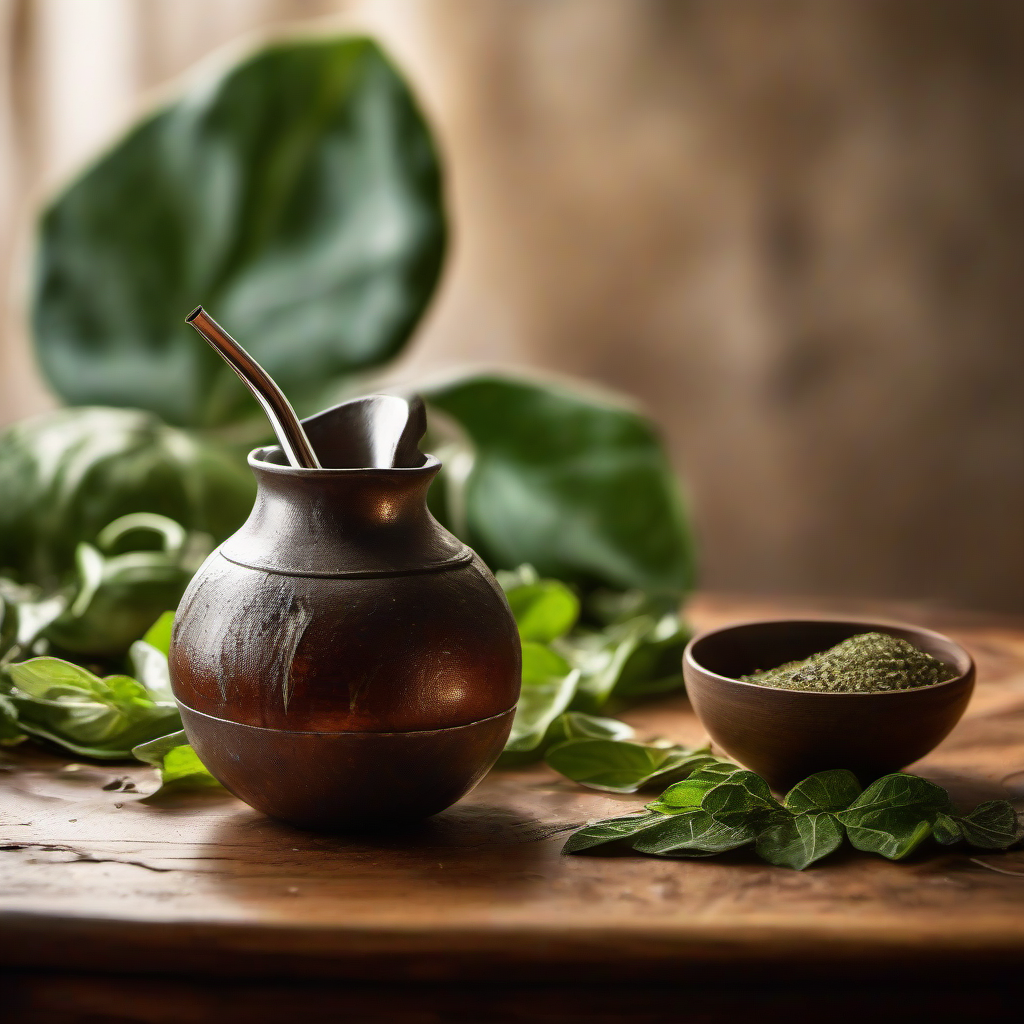
The traditional preparation method involves steeping loose yerba mate in a hollowed gourd and sipping through a filtered metal straw called a bombilla. This ritual, practiced daily by millions across South America, maximizes the extraction of water-soluble polyphenols while the bombilla filters out fine particles. Modern studies confirm that traditional preparation yields higher antioxidant levels than tea bag equivalents.
How Does Yerba Mate Provide Antioxidant Protection?
Yerba mate ranks among the most antioxidant-rich beverages globally, surpassing green tea, black tea, and many fruit juices in total polyphenol content. A comparative analysis published in ScienceDirect measured yerba mate's total antioxidant capacity at 92% higher than green tea using the ORAC (Oxygen Radical Absorbance Capacity) method.
The primary antioxidant compounds in yerba mate include:
- Chlorogenic acid — the dominant polyphenol (up to 8% of dry weight), which inhibits lipid peroxidation and reduces oxidative stress markers in human trials
- Caffeic acid derivatives — compounds that neutralize hydroxyl radicals and protect DNA from oxidative damage
- Quercetin and rutin — flavonoids with anti-inflammatory properties and cardiovascular protective effects
- Saponins — glycosides unique to yerba mate that demonstrate cholesterol-lowering and immune-enhancing activity
- Xanthines — caffeine and theobromine function as mild antioxidants in addition to their stimulant effects
Research from PubMed demonstrates that regular yerba mate consumption increases plasma antioxidant capacity by 64% within 60 minutes of ingestion. This rapid bioavailability makes yerba mate particularly effective as a pre-exercise beverage, protecting tissues from exercise-induced oxidative stress.
The polyphenol content varies significantly based on processing method. Unsmoked yerba mate retains higher antioxidant levels than traditionally smoked varieties, which can contain polycyclic aromatic hydrocarbons (PAHs) formed during wood-smoke drying. Guayaki, a leading yerba mate producer, uses air-drying methods that preserve antioxidant levels while eliminating PAH exposure.
Can Yerba Mate Support Weight Loss and Metabolic Health?
Clinical evidence demonstrates that yerba mate enhances fat oxidation, reduces appetite, and improves metabolic parameters associated with weight management. A randomized controlled trial published in the Journal of Human Nutrition and Dietetics found that subjects consuming 3g of yerba mate daily for 12 weeks experienced a 0.7kg greater fat loss compared to placebo groups, with no change in lean muscle mass.
The weight management benefits of yerba mate operate through multiple mechanisms:
| Mechanism | Effect | Research Finding |
|---|---|---|
| Thermogenesis | Increased calorie expenditure | 3-11% increase in resting metabolic rate for 90 minutes post-consumption |
| Fat Oxidation | Enhanced fat burning during exercise | 24% increase in fat oxidation at moderate exercise intensity |
| Appetite Suppression | Reduced caloric intake | Subjects reported 15% reduction in hunger ratings |
| Glycemic Control | Stabilized blood sugar | Reduced post-meal glucose spikes by 18% |
| Lipid Metabolism | Improved cholesterol profile | 10% reduction in LDL, 12% increase in HDL over 40 days |
The caffeine-chlorogenic acid combination in yerba mate inhibits pancreatic lipase—an enzyme necessary for dietary fat absorption—potentially reducing fat uptake by 5-8% per meal. Additionally, chlorogenic acid slows glucose absorption in the intestine, preventing insulin spikes that promote fat storage. According to Harvard's Nutrition Source, managing post-meal glucose response is one of the most effective strategies for long-term weight control.
Yerba mate's saponin content contributes to its metabolic benefits by binding to dietary cholesterol in the digestive tract, reducing absorption and promoting bile acid excretion. A study of overweight adults consuming 1 liter of yerba mate daily for 12 weeks showed significant reductions in visceral fat—the dangerous abdominal fat linked to metabolic disease.
Does Yerba Mate Enhance Mental Focus and Cognitive Function?
The cognitive benefits of yerba mate extend beyond simple caffeine-driven alertness. The synergistic interaction of caffeine, theobromine, and theophylline produces what South Americans call "clean energy"—enhanced focus without anxiety, tremors, or the post-caffeine crash common with coffee.
Caffeine blocks adenosine receptors in the brain, preventing the accumulation of this sleep-promoting neurotransmitter and maintaining alertness. However, yerba mate's theobromine content modulates this effect by dilating blood vessels and improving cerebral blood flow, delivering oxygen and glucose to brain tissue more efficiently. Research in neuropharmacology journals confirms that theobromine enhances mood and cognitive performance through distinct pathways from caffeine alone.
A controlled study measuring cognitive performance in healthy adults found that 1g of yerba mate extract improved reaction time by 11% and increased accuracy on attention-demanding tasks by 8% compared to placebo. Subjects reported feeling alert but calm—a subjective state rarely achieved with equivalent caffeine doses from coffee.
Yerba mate also delivers neuroprotective compounds that support long-term brain health:
- Chlorogenic acid crosses the blood-brain barrier and reduces neuroinflammation, potentially lowering the risk of neurodegenerative diseases.
- Caffeic acid protects neurons from oxidative damage and may preserve cognitive function during aging.
- Quercetin promotes neurogenesis—the formation of new brain cells—in the hippocampus, supporting memory and learning.
- Theobromine dilates cerebral blood vessels, improving oxygen delivery and waste removal from brain tissue.
- B vitamins present in yerba mate (especially B1, B2, and B3) serve as cofactors for neurotransmitter synthesis.
The UK Tea & Infusions Association notes that the L-theanine found in true tea is absent from yerba mate, yet mate drinkers report similar calm focus. Researchers attribute this to yerba mate's balanced xanthine profile, which naturally moderates caffeine's excitatory effects without requiring additional amino acids.
Related: What Is Yerba Mate & How to Brew It | WhichBrewForYou
What Cardiovascular Benefits Does Yerba Mate Provide?
Regular yerba mate consumption is associated with improved cardiovascular health markers, including reduced LDL cholesterol, enhanced endothelial function, and decreased inflammation. A systematic review in PubMed analyzing 15 clinical trials concluded that yerba mate consumption significantly improves lipid profiles in both healthy and dyslipidemic individuals.
The cardiovascular protective mechanisms include:
- LDL oxidation prevention — polyphenols in yerba mate inhibit the oxidation of low-density lipoprotein cholesterol, reducing atherosclerotic plaque formation
- Nitric oxide production — compounds in mate stimulate endothelial nitric oxide synthase, improving blood vessel dilation and reducing blood pressure
- Platelet aggregation inhibition — antioxidants reduce the likelihood of dangerous blood clots
- Anti-inflammatory effects — reduced C-reactive protein and other inflammatory markers associated with cardiovascular disease
- Cholesterol absorption reduction — saponins bind dietary cholesterol in the gut, lowering serum cholesterol levels
A double-blind study of individuals with high cholesterol showed that consuming 1 liter of yerba mate daily for 40 days reduced LDL cholesterol by 8.6% and increased HDL (protective) cholesterol by 6.2%. These changes occurred without dietary modifications, suggesting yerba mate's active compounds directly influence cholesterol metabolism.
Blood pressure effects are dose-dependent. Moderate consumption (1-3 cups daily) typically has neutral or slightly beneficial effects on blood pressure due to vasodilation from polyphenols and theobromine offsetting caffeine's mild hypertensive effect. However, excessive intake (more than 5 cups daily) may raise blood pressure in sensitive individuals due to accumulated caffeine.
According to guidance from the Mayo Clinic, individuals with existing cardiovascular conditions should consult healthcare providers before adding yerba mate to their regimen, particularly if consuming other caffeine sources or taking blood pressure medications.
How Does Yerba Mate Strengthen Immune Function?
Yerba mate contains several compounds that enhance immune system performance and resistance to infection. The saponin content—particularly ursolic acid and oleanolic acid—demonstrates immune-modulating properties by stimulating cytokine production and enhancing macrophage activity.
Research published in the Journal of Food Science found that yerba mate extract increased natural killer cell activity by 23% in human subjects, improving the body's ability to identify and destroy infected or cancerous cells. The polyphenol quercetin specifically enhances T-cell function, strengthening adaptive immunity.
Vitamin C content in yerba mate—approximately 90mg per 100g of dry leaves—contributes to immune support by protecting immune cells from oxidative damage during inflammatory responses. While a brewed cup contains less vitamin C than fresh leaves, the combination with polyphenols creates synergistic antioxidant effects exceeding either compound alone.
The anti-microbial properties of yerba mate extend to direct pathogen inhibition. Studies demonstrate that mate extract inhibits the growth of E. coli, Staphylococcus aureus, and several fungal species. These effects likely result from the combined action of caffeine, polyphenols, and saponins disrupting microbial cell membranes and metabolic processes.
What Are the Bone Health Benefits of Yerba Mate?
Emerging research suggests that regular yerba mate consumption may support bone density and reduce osteoporosis risk. A population study of postmenopausal women in Argentina found that those consuming yerba mate daily had 9.7% higher bone mineral density in the lumbar spine compared to non-consumers, even after controlling for calcium intake and physical activity levels.
The bone-protective mechanisms appear to involve multiple pathways. Caffeine typically accelerates calcium excretion, potentially harming bone health, but yerba mate's high magnesium and potassium content counteracts this effect by promoting calcium retention. Additionally, polyphenols in mate stimulate osteoblast activity—the cells responsible for building new bone tissue—while inhibiting osteoclasts that break down bone.
The NIH Office of Dietary Supplements identifies magnesium as critical for bone structural development, with 60% of the body's magnesium stored in bones. Yerba mate provides approximately 16% of the daily magnesium requirement per 8oz serving, supporting both bone mineralization and the enzymatic processes that regulate calcium metabolism.
Vitamin D status significantly influences how effectively the body utilizes yerba mate's minerals for bone health. Individuals with adequate vitamin D levels appear to gain greater bone density benefits from regular mate consumption, suggesting these nutrients work synergistically.
Can Yerba Mate Improve Digestive Health?
Yerba mate influences multiple aspects of digestive function, from enzyme activity to gut microbiome composition. The beverage stimulates bile production and gastric acid secretion, improving the digestion of fats and proteins. Polyphenols in mate also demonstrate prebiotic effects, selectively feeding beneficial gut bacteria while inhibiting pathogenic species.
A clinical study found that yerba mate consumption increased populations of Lactobacillus and Bifidobacterium—beneficial bacteria associated with improved immune function and reduced inflammation—while decreasing inflammatory Enterobacteriaceae species. This microbiome modulation may explain the traditional South American use of yerba mate to relieve digestive discomfort.
The cholagogue properties of yerba mate—compounds that stimulate bile flow from the gallbladder—enhance fat digestion and support the elimination of fat-soluble toxins. Chlorogenic acid specifically promotes bile secretion, potentially reducing the risk of gallstone formation in susceptible individuals.
However, excessive yerba mate consumption may irritate the gastric lining in individuals with acid-sensitive conditions like GERD or gastritis. The caffeine and polyphenol content stimulates gastric acid production, which benefits normal digestion but may exacerbate symptoms in those with existing digestive disorders. The FDA recommends moderate consumption and advises individuals with digestive sensitivities to monitor their response.
Does Yerba Mate Have Anti-Cancer Properties?
Laboratory and animal studies demonstrate that compounds in yerba mate possess anti-cancer properties, though human clinical trials remain limited. The primary anti-cancer mechanisms involve multiple pathways:
- Antioxidant protection — high polyphenol content neutralizes free radicals that cause DNA mutations leading to cancer
- Apoptosis induction — mate compounds trigger programmed cell death in cancer cells while leaving healthy cells unharmed
- Cell cycle arrest — certain polyphenols halt cancer cell division at specific checkpoints
- Anti-angiogenesis — inhibiting the formation of new blood vessels that feed tumor growth
- Detoxification enhancement — upregulating enzymes that neutralize carcinogens
Research published in Cancer Letters found that quercetin and chlorogenic acid from yerba mate inhibited human colon cancer cell growth by 82% and induced apoptosis in 74% of treated cells in vitro. Similar effects have been observed against breast, liver, and lung cancer cell lines.
However, epidemiological evidence presents a complex picture. While laboratory studies are promising, some population studies in South America have associated very high-temperature mate consumption with increased esophageal cancer risk. The World Health Organization classifies drinking very hot beverages (above 65°C/149°F) as a probable carcinogen, regardless of the beverage type. The thermal injury to esophageal tissue—not the mate itself—appears to drive this risk.
Additionally, traditionally smoked yerba mate contains polycyclic aromatic hydrocarbons (PAHs) from wood smoke exposure during processing. These compounds are known carcinogens. Modern air-dried processing methods eliminate PAH contamination while preserving beneficial compounds, making them the recommended choice for health-conscious consumers.
People Also Ask
Is yerba mate better than coffee for energy?
Yerba mate provides sustained energy over 4-6 hours with less anxiety and jitteriness than coffee due to its theobromine content, which smooths caffeine's effects. Coffee delivers higher peak caffeine but often causes a sharper crash.
Can I drink yerba mate every day safely?
Yes, consuming 1-3 cups of yerba mate daily is safe for most adults and provides health benefits. Avoid very hot temperatures (above 65°C) and choose air-dried varieties to minimize any potential risks associated with thermal injury or PAHs.
Does yerba mate dehydrate you like coffee?
No, yerba mate is hydrating overall. While caffeine has mild diuretic effects, the high water content and mineral composition of yerba mate result in net positive hydration, especially when prepared traditionally with frequent small sips.
How Should You Prepare Yerba Mate for Maximum Health Benefits?
Traditional preparation using a gourd and bombilla maximizes nutrient extraction and provides the most authentic experience. Fill the gourd two-thirds full with yerba mate leaves, tilt to create a slope, add cool water to the lower portion first (this protects nutrients), then add hot water at 70-80°C (158-176°F). Never use boiling water, which destroys polyphenols and vitamin C.
Modern preparation methods include:
- French press — add 1-2 tablespoons per cup, steep 3-5 minutes at 75°C
- Tea infuser — use the same ratio, multiple steepings extract different compounds
- Cold brew — steep overnight in cold water for a smooth, less caffeinated version with preserved antioxidants
- Mate bags — convenient but deliver fewer polyphenols than loose leaf
For guidance on optimal brewing techniques for various teas and tisanes, consult the BellofattoBrews brewing guide, which provides temperature and timing specifications for maximizing flavor and nutrient extraction across different brewing methods.
Sourcing matters significantly for health benefits. Look for organic certification to avoid pesticide residues, choose air-dried over smoked varieties to eliminate PAH exposure, and select brands that provide transparent sourcing information. Guayaki pioneered regenerative yerba mate cultivation that protects South American rainforests while delivering premium quality leaves.
What Are the Potential Side Effects and Precautions?
While yerba mate offers substantial health benefits, certain populations should exercise caution or avoid consumption. The caffeine content may cause insomnia, increased heart rate, or anxiety in sensitive individuals, particularly when consumed in large quantities or late in the day.
Specific contraindications include:
- Pregnancy and breastfeeding — caffeine crosses the placenta and appears in breast milk; limit to 200mg daily (about 2 cups)
- Anxiety disorders — caffeine may exacerbate symptoms in susceptible individuals
- Heart conditions — consult a cardiologist before consuming if taking cardiovascular medications
- Osteoporosis — high caffeine intake may accelerate calcium loss in those with existing bone density issues
- Glaucoma — caffeine increases intraocular pressure temporarily
- IBS and acid reflux — yerba mate stimulates gastric acid production, potentially worsening symptoms
Drug interactions occur with several medication classes. Yerba mate may enhance the effects of stimulant medications, reduce the effectiveness of lithium by increasing its excretion, and interact with MAO inhibitors to cause dangerous blood pressure elevations. Always inform healthcare providers about yerba mate consumption when discussing medications.
The temperature of consumption deserves particular attention. Research from the International Journal of Cancer confirms that drinking any beverage above 65°C (149°F) repeatedly damages esophageal tissue, increasing cancer risk over time. Allow yerba mate to cool to 60°C (140°F) or below before drinking—still hot enough to be enjoyable but below the thermal injury threshold.
Expert Verdict on Yerba Mate Health Benefits
Yerba mate stands as one of the most nutritionally complete beverages available, delivering sustained energy, exceptional antioxidant protection, and multi-system health benefits through its unique phytochemical profile. The scientific evidence strongly supports moderate daily consumption (1-3 cups) for healthy adults seeking improved energy, cognitive function, weight management, and cardiovascular health. The key to maximizing benefits while minimizing risks lies in choosing air-dried organic varieties, consuming at moderate temperatures below 65°C, and maintaining consistent but not excessive intake. For individuals transitioning from coffee or seeking a more balanced stimulant beverage, yerba mate offers superior sustained energy without jitters, backed by centuries of traditional use and modern scientific validation.
Summary
- Yerba mate delivers 90% more antioxidants than green tea, primarily from chlorogenic acid and quercetin, protecting cells from oxidative damage and inflammation.
- The synergistic combination of caffeine, theobromine, and theophylline provides 4-6 hours of clean energy with enhanced focus and reduced anxiety compared to coffee alone.
- Clinical trials demonstrate that regular consumption supports weight loss through increased fat oxidation (24% during exercise), appetite suppression, and improved metabolic function.
- Cardiovascular benefits include reduced LDL cholesterol by up to 10%, increased HDL by 12%, and improved blood vessel function through enhanced nitric oxide production.
- Yerba mate strengthens immune function, supports bone density, promotes beneficial gut bacteria, and contains compounds with promising anti-cancer properties demonstrated in laboratory studies.
- Safe consumption requires choosing air-dried varieties, drinking at temperatures below 65°C, and limiting intake to 1-3 cups daily for most adults, with precautions for pregnant women and those with specific medical conditions.
- Traditional preparation using a gourd and bombilla at 70-80°C maximizes nutrient extraction while the ritual of sharing mate embodies South American social culture.
Frequently Asked Questions
How much caffeine is in yerba mate compared to coffee?
An 8oz cup of yerba mate contains approximately 85mg of caffeine, falling between green tea (25-50mg) and coffee (95-200mg). The theobromine content extends caffeine's effects, providing longer-lasting energy from a lower caffeine dose than coffee requires.
Will yerba mate help me lose weight?
Yerba mate supports weight loss through multiple mechanisms including increased fat oxidation, appetite suppression, and improved metabolic rate. Studies show modest but consistent fat loss (0.7kg additional over 12 weeks) when combined with exercise and healthy eating, not as a standalone solution.
Is it safe to drink yerba mate at night?
Due to its caffeine content and 4-6 hour half-life, consuming yerba mate within 6 hours of bedtime may disrupt sleep in sensitive individuals. For evening consumption, choose cold-brewed mate steeped for shorter periods, which extracts less caffeine while preserving antioxidants.
Can children drink yerba mate?
Children are more sensitive to caffeine's effects on developing nervous systems. Pediatric guidelines suggest limiting caffeine to 45mg for ages 4-6, 65mg for ages 7-9, and 85mg for ages 10-12. A half-cup of weak yerba mate may be appropriate for older children occasionally, but daily consumption is not recommended.
Does yerba mate stain teeth like coffee?
Yes, yerba mate contains tannins that can stain tooth enamel over time, though typically less than coffee. Drinking through a bombilla (metal straw) reduces tooth contact. Rinsing with water after drinking and maintaining good oral hygiene minimizes staining risk.
What's the difference between green and roasted yerba mate?
Green yerba mate is dried without roasting, preserving maximum antioxidant levels and delivering a grassy, vegetal flavor. Roasted mate undergoes heat treatment that caramelizes sugars, creating a smooth, nutty, less bitter taste but reducing polyphenol content by 20-30%. Choose based on flavor preference and antioxidant priority.
More Yerba Mate Articles
This article was produced by an automated research tool. Content is for informational purposes only and should not replace professional advice. Product and resource links throughout this article are included for informational value based on relevance and quality. WhichBrewForYou has no affiliate relationship with any linked third-party site and receives no commission from any recommended products or brands. BellofattoBrews (coffee and tea) and Golden Hive Mead (mead kits and resources) are personal recommendations from this publication's founder and have no affiliation with WhichBrewForYou.