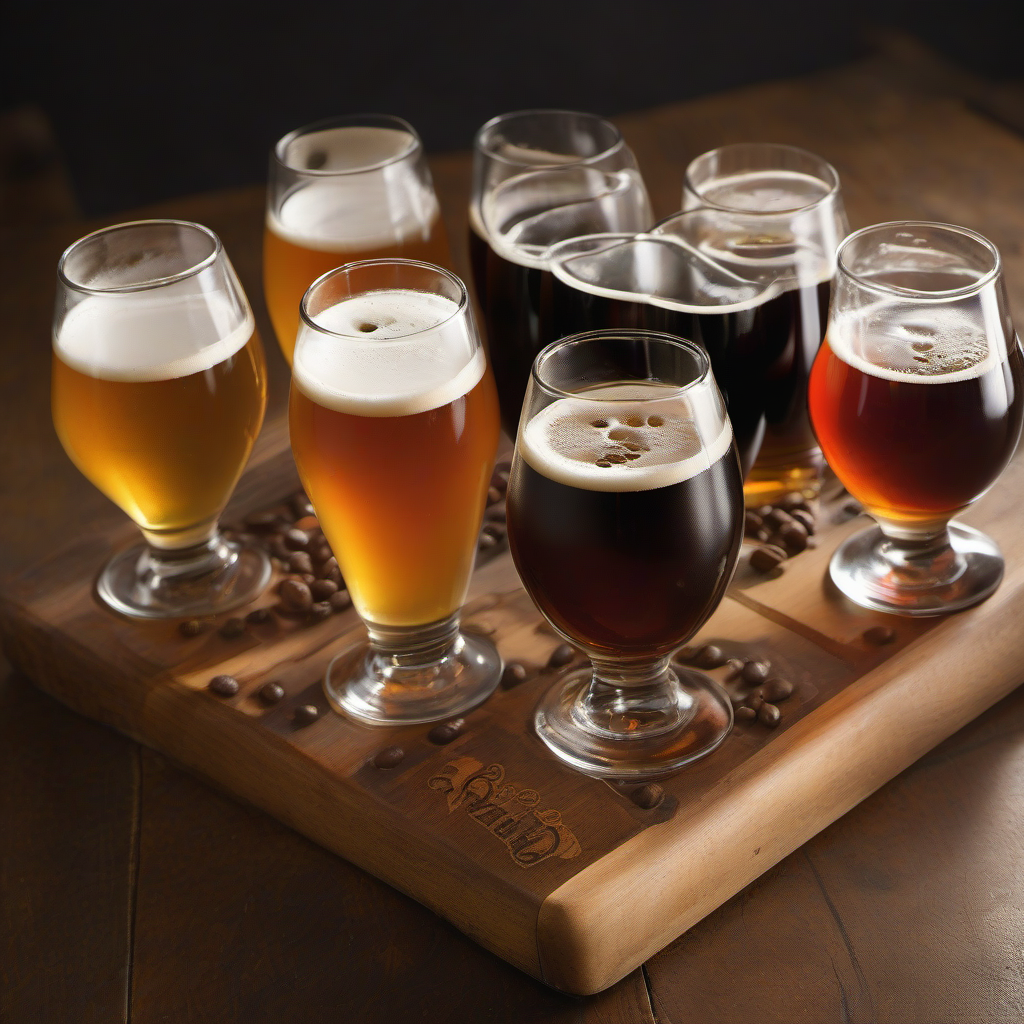
Key Takeaways
- IBU (International Bitterness Units) ranges from 5 to 120+, with most drinkers preferring beers between 20-60 IBU for balanced drinkability
- Beer styles group into five major families: ales, lagers, hybrids, sours, and specialty beers, each defined by yeast type and fermentation temperature
- Malt-forward styles like stouts and porters offer roasted, chocolate, and coffee notes while hop-forward styles like IPAs provide citrus, pine, and floral aromatics
- Food pairing success depends on matching or contrasting intensity—light pilsners enhance delicate fish while robust stouts complement rich desserts
- Session beers (under 5% ABV) allow extended drinking without intoxication, while imperial styles (8%+ ABV) demand slower, contemplative consumption
- Seasonal brewing traditions influence style availability, with fresh-hop beers peaking in autumn and refreshing wheat beers dominating summer releases
What Makes Each Craft Beer Style Different?
Craft beer styles differ based on four primary variables: yeast strain, fermentation temperature, malt selection, and hop variety. According to the Beer Judge Certification Program, these ingredients combine in specific ratios to create reproducible flavor profiles that define each recognized style. Yeast produces esters and phenols during fermentation—ale yeasts (Saccharomyces cerevisiae) ferment warm (15-24°C) and create fruity, spicy notes, while lager yeasts (Saccharomyces pastorianus) ferment cool (7-13°C) and produce clean, crisp profiles.
Malt provides the sugar backbone for fermentation and contributes color, body, and flavor ranging from biscuit sweetness in pale malts to roasted coffee bitterness in dark malts. Hops balance malt sweetness with bitterness measured in IBU and add aromatic compounds called essential oils. A 2023 study published in the Journal of Agricultural and Food Chemistry identified over 250 unique aromatic compounds in hops, explaining why identical IBU levels can taste dramatically different depending on hop variety and addition timing.
Water chemistry, original gravity (sugar content before fermentation), and barrel aging further differentiate styles. Imperial stouts start with original gravities above 1.080, producing 8-12% ABV and full-bodied textures, while session IPAs begin around 1.040 for 3-5% ABV and lighter mouthfeel. Understanding these technical foundations helps you predict whether you'll enjoy an unfamiliar style before ordering.
How Do IBU and ABV Guide Style Selection?
IBU (International Bitterness Units) quantifies hop bitterness on a scale from approximately 5 to 120+, though human taste perception plateaus around 100 IBU. The Brewers Association reports that most commercial craft beers range between 20-80 IBU, with the majority of consumer preferences clustering between 30-50 IBU regardless of beer style. IBU doesn't measure hop flavor or aroma—only bitterness from alpha acid compounds isomerized during the boil.
ABV (alcohol by volume) indicates strength and often correlates with body and sweetness since residual sugars increase both alcohol content and mouthfeel. Session beers under 5% ABV allow extended social drinking, standard-strength beers range 5-7% ABV, and imperial or double versions exceed 8% ABV. A double IPA at 8.5% ABV and 70 IBU tastes substantially sweeter than a standard IPA at 6% ABV and 70 IBU because higher residual malt sugars balance the bitterness.
| Style Category | Typical IBU Range | Typical ABV Range | Bitterness Perception |
|---|---|---|---|
| American Light Lager | 8-12 | 4.0-4.5% | Minimal |
| Wheat Beer (Hefeweizen) | 10-15 | 4.5-5.5% | Very Low |
| Amber Ale | 25-40 | 5.0-6.5% | Moderate |
| IPA (India Pale Ale) | 40-70 | 5.5-7.5% | High |
| Double/Imperial IPA | 65-100 | 7.5-10% | Very High |
| Stout | 25-50 | 4.0-7.0% | Low-Moderate |
Use IBU and ABV together as selection coordinates. If you enjoy bold flavors but want moderate alcohol, try a session IPA (40-50 IBU, 4-5% ABV). For rich, contemplative drinking, imperial stouts (30-50 IBU, 9-12% ABV) provide roasted complexity without overwhelming hop bitterness.
Related: How to Brew Jun Tea at Home — Step-by-Step Guide
Which Craft Beer Families Match Your Taste Preferences?
Beer styles organize into five major families based on fermentation characteristics and dominant flavor drivers. Understanding these families accelerates style discovery by grouping hundreds of variations into manageable categories.
Ale Family: Warm-Fermented, Fruity, and Diverse
Ales ferment at 15-24°C using top-fermenting yeast strains that produce esters (fruity aromas like banana, apple, pear) and phenols (spicy notes like clove, pepper). According to CraftBeer.com, ales represent approximately 75% of American craft beer production due to faster fermentation times and broader flavor possibilities compared to lagers.
Pale ales emphasize hop character with moderate malt backbone—American pale ales showcase citrus and pine hop profiles (30-45 IBU), while English pale ales favor earthy, floral British hops (20-35 IBU). India Pale Ales amplify hop intensity through increased IBU (40-70+) and late-kettle or dry-hop additions that maximize aroma without proportional bitterness increases. New England IPAs utilize specific hop varieties and hazy yeast strains to create juice-like aromatics with softer bitterness perception despite 50-60 IBU measurements.
Brown ales, porters, and stouts shift emphasis to roasted malt character. Brown ales (20-30 IBU) offer nutty, toffee flavors; porters (25-40 IBU) add chocolate and coffee notes from medium-roasted malts; stouts (30-50 IBU) use heavily roasted barley for espresso-like intensity. Imperial stouts magnify these characteristics with 8-12% ABV and dense, syrupy bodies.
Lager Family: Cold-Fermented, Clean, and Crisp
Lagers ferment at 7-13°C using bottom-fermenting yeast that produces minimal esters and phenols, allowing malt and hop flavors to dominate without yeast-derived fruitiness. Cold fermentation and extended lagering periods (weeks to months) create the clean, crisp character that defines this family.
Pilsners, originating in the Czech city of Plzeň, feature noble hops (Saaz, Hallertau) providing spicy, floral bitterness (30-45 IBU) balanced by soft pilsner malt sweetness. German pilsners taste drier and more bitter than Czech pilsners, which emphasize malt richness. American light lagers reduce both hop and malt intensity for maximum drinkability (8-12 IBU, 4-4.5% ABV).
Märzen and Oktoberfest lagers showcase toasted malt complexity with minimal hop presence (18-25 IBU). Doppelbocks and Baltic porters push lager brewing into high-gravity territory (7-10% ABV) while maintaining the smooth, refined character that distinguishes lagers from ales at equivalent strength.
Sour and Wild Ale Family: Acidic, Funky, and Complex
Sour beers derive tartness from lactic acid (produced by Lactobacillus or Pediococcus bacteria) or acetic acid (from Acetobacter or Brettanomyces yeast). Traditional Belgian lambics undergo spontaneous fermentation with wild airborne microorganisms, creating complex, wine-like acidity balanced by fruity esters and barnyard funk. The National Center for Biotechnology Information documented that lambic fermentations involve 50+ distinct microbial species producing over 300 volatile flavor compounds.
American craft brewers adapted these techniques into faster, more controlled processes. Gose (German sour wheat beer) adds coriander and salt for savory complexity at 3-5% ABV. Berliner Weisse uses pure Lactobacillus fermentation for clean tartness without brett funk. Kettle souring introduces Lactobacillus directly to the brew kettle before boiling, producing consistent acidity in days rather than months.
Hybrid Styles: Blending Ale and Lager Techniques
Hybrid beers use ale yeast at lager temperatures or vice versa, creating unique flavor combinations. California Common (steam beer) ferments lager yeast at ale temperatures (15-18°C), producing clean maltiness with subtle fruity notes. Kölsch and altbier are German styles that ferment cool with ale yeast, then undergo extended cold conditioning.
Specialty and Experimental Beers
This catch-all category includes fruit beers, spiced ales, barrel-aged beers, and adjunct stouts. Adjunct ingredients (vanilla, coffee, cocoa nibs, lactose) modify base styles—pastry stouts incorporate dessert-inspired additions for milkshake-like sweetness, while barrel-aged beers extract flavors from bourbon, wine, or rum casks during months-long maturation.
Related: How to Make Bone Broth at Home — Step-by-Step Guide
How Should Beginners Approach Craft Beer Style Selection?
Begin with gateway styles that offer approachable flavor profiles and gradual progression paths toward more extreme characteristics. The American Homebrewers Association recommends wheat beers, blonde ales, and amber lagers as entry points for drinkers transitioning from macro lagers.
Hefeweizens provide banana and clove esters with soft, bread-like malt and minimal bitterness (10-15 IBU), making them accessible to wine drinkers and those sensitive to hop bitterness. Blonde ales offer light caramel sweetness and mild hop presence (15-25 IBU) at sessionable strength (4-5.5% ABV). Cream ales and Kölsch styles bridge the gap between lagers and ales with clean, slightly fruity profiles.
From these foundations, progress along flavor intensity gradients. After enjoying blonde ales, try pale ales for increased hop character. Once comfortable with pale ales, explore IPAs. Similarly, move from amber lagers to Vienna lagers to Märzens for escalating malt complexity. Track your preferences using tasting apps like Untappd or BeerMenus to identify patterns—if you consistently rate hoppy beers above 4 stars, pursue IPA substyles (West Coast, New England, milkshake, brut) to refine your preferences.
The Horizontal Exploration Strategy
Rather than immediately chasing intensity, explore variations within a single style category. Try six different American IPAs from different breweries before moving to double IPAs. This horizontal exploration reveals how hop selection, water chemistry, and yeast strain create distinct experiences within the same style boundaries. You'll develop vocabulary for describing what you enjoy—"I prefer citrus-forward West Coast IPAs to dank, resinous ones" is more useful than "I like IPAs."
What Food Pairings Work Best with Each Beer Style?
Beer and food pairing follows three principles: match intensity, complement flavors, or create contrast through opposition. Light beers pair with delicate foods, robust beers with rich dishes. Complementary pairings unite similar flavors—chocolate stout with chocolate dessert—while contrasting pairings use opposing elements like sweet beer with spicy food.
Pilsners and wheat beers enhance seafood, salads, and fresh cheeses through their crisp, refreshing carbonation and subtle flavors that won't overwhelm delicate ingredients. A 2023 sensory study in Food Quality and Preference found that high carbonation and low bitterness beers cleanse the palate more effectively than still wines when paired with oysters and sushi.
Amber ales, brown ales, and malty lagers complement roasted meats, caramelized vegetables, and aged cheeses by matching their toasted, nutty flavor compounds. The Maillard reaction products in roasted malts mirror those in grilled steaks and seared vegetables, creating harmonious pairings.
IPAs cut through fatty, fried, and spicy foods using hop bitterness and carbonation to scrub richness from the palate. Indian and Thai cuisines pair exceptionally well with IPAs—the hop essential oils complement aromatic spices while bitterness balances heat. Contrary to popular belief, IPAs don't "intensify" spice; they provide a different sensation that alternates with capsaicin burn rather than amplifying it.
Stouts and porters partner with grilled meats, barbecue, and chocolate desserts. Coffee notes in stouts echo espresso-rubbed brisket, while roasted barley bitterness balances sweet glazes. Milk stouts (containing lactose) provide creamy sweetness that tempers dark chocolate's astringency.
| Beer Style | Best Food Matches | Why It Works |
|---|---|---|
| Pilsner | Seafood, chicken, light pasta | Clean palate, enhances subtle flavors |
| Wheat Beer | Salads, fresh cheese, fruit | Light body, citrus notes complement freshness |
| IPA | Spicy food, fried chicken, curry | Bitterness cuts fat, aromatics match spices |
| Amber/Brown Ale | Burgers, roast pork, cheddar | Malt sweetness matches caramelization |
| Stout/Porter | Barbecue, chocolate, oysters | Roasted notes echo grilled flavors |
| Sour Beer | Goat cheese, charcuterie, shellfish | Acidity cuts richness like white wine |
How Do Seasonal Factors Influence Beer Style Selection?
Brewing traditions and ingredient availability create natural seasonal rhythms in craft beer releases. Fresh-hop beers peak in September and October when hop harvest occurs—brewers rush wet, undried hops from farm to kettle within 24 hours, producing vibrant, grassy aromatics impossible to replicate with dried hops. These beers degrade rapidly and typically disappear by December.
Pumpkin ales, Oktoberfest lagers, and harvest ales dominate autumn releases, utilizing spices (cinnamon, nutmeg, allspice) and toasted malts that echo fall flavors. Winter brings barrel-aged stouts, barleywines, and strong Belgian ales designed for contemplative fireside drinking. These high-gravity beers (8-14% ABV) develop complexity during extended aging and suit cold-weather consumption.
Spring and summer favor sessionable, refreshing styles. According to Northern Brewer, wheat beer sales increase 300% between May and August as consumers seek lighter, more hydrating options. Radlers (beer-and-citrus-soda blends), goses, and fruit sours thrive in warm months. Session IPAs provide hop character without the alcohol burden of standard IPAs, allowing outdoor drinking without rapid intoxication.
Temperature directly affects flavor perception. The same beer tastes more bitter and less sweet when served at 4°C versus 10°C because cold temperatures suppress volatile aromatic compounds and amplify bitterness perception. Lagers and light ales are intended for cold serving (3-7°C), while Belgian ales, barleywines, and imperial stouts reveal full complexity at cellar temperature (10-13°C).
What Role Does Glassware Play in Craft Beer Experience?
Glass shape influences aroma concentration, foam retention, and drinking pace, meaningfully altering perceived flavor. The CraftBeer.com glassware guide explains that tulip glasses concentrate volatile aromatics toward the nose, enhancing hop-forward and yeast-driven styles, while shaker pints (standard American pint glasses) provide minimal aroma concentration but practical durability for high-volume service.
Weizen glasses accommodate the substantial foam heads produced by wheat beers while their tall, narrow shape showcases suspended yeast haze. Snifters suit barrel-aged stouts and barleywines by allowing swirling to release complex aromatic esters from the wide bowl while the narrow rim concentrates them. Pilsner glasses are tall and slender to showcase clarity and maintain carbonation while supporting foam.
Proper pouring technique matters as much as glass selection. A 45-degree angle pour followed by vertical finish creates a one-to-two-finger foam head that releases aromatics and reduces perceived astringency by oxidizing harsh polyphenols. Excessive foam wastes beer and releases too many aromatics before drinking begins.
How Can You Navigate Craft Beer Menus Confidently?
Craft beer menus organize by style family, brewery, or flavor profile. When confronted with 30+ unfamiliar options, use systematic filtering to narrow choices. First, identify your flavor preference—hoppy, malty, sour, or balanced. Second, consider your alcohol tolerance for the drinking occasion—session strength for extended socializing, standard strength for casual drinking, or high-gravity for contemplative tasting.
Ask bartenders or servers for specific guidance using descriptive language rather than style names. "I enjoy citrusy, refreshing beers without heavy sweetness" yields better recommendations than "I like IPAs" because IPAs vary dramatically between substyles. Request sample pours when available—most craft-focused establishments offer 2-4 oz tastes before committing to full pours.
Menu descriptors provide clues about beer characteristics. "Dry-hopped" indicates aromatics without proportional bitterness increase. "Barrel-aged" signals oak tannins and spirit character (bourbon, rum, wine) from barrel absorption. "Nitro" means nitrogen-carbonated for creamy mouthfeel and dense foam. "Hazy" suggests New England IPA characteristics with soft bitterness and fruit-forward hops.
People Also Ask About Choosing Craft Beer Styles
What's the difference between craft beer and regular beer?
Craft beer comes from small, independent breweries (producing under 6 million barrels annually according to Brewers Association definition) that emphasize traditional brewing methods, quality ingredients, and innovative flavor profiles. Regular beer typically refers to mass-produced lagers from large multinational corporations prioritizing consistency and broad appeal over flavor complexity.
Can you build tolerance to bitter beer?
Yes—repeated exposure to hop bitterness recalibrates taste perception through neural adaptation. Studies show that bitterness sensitivity decreases after 8-10 exposures to the same stimulus. Start with moderate-IBU beers and gradually increase to train your palate for higher bitterness levels without overwhelming your taste receptors.
Why do some IPAs taste sweet despite high IBU?
Residual malt sugars from high original gravity counterbalance hop bitterness. Double IPAs often start with 1.065-1.085 gravity, leaving substantial unfermented sugars that provide sweetness and body. This balance makes 80 IBU taste less bitter than 60 IBU in a lower-gravity beer with less residual sweetness.
Expert Verdict on Choosing Craft Beer Styles
The best approach to choosing craft beer styles combines systematic horizontal exploration within style families with attention to your individual IBU and ABV preferences. Start with gateway styles like wheat beers and amber ales, then branch into either hop-forward or malt-forward directions based on early preferences. Use the IBU scale as a navigation tool—most drinkers find their comfort zone between 20-60 IBU—and match beer strength to drinking context. Track your tastings to identify patterns, and don't force yourself to enjoy extreme styles simply because they're fashionable. The craft beer landscape offers enough diversity that every palate has dozens of perfectly suited options waiting to be discovered through methodical, curious exploration rather than random sampling.
Summary
- Craft beer styles differ through yeast type, fermentation temperature, malt selection, and hop variety, creating over 100 recognized categories organized into five major families
- IBU measures bitterness (5-120+ scale), while ABV indicates alcohol strength (3-14% range)—use both together as selection coordinates matching your tolerance and flavor preferences
- Ale family styles ferment warm and produce fruity, spicy notes; lager family styles ferment cold for clean, crisp profiles; sour beers add bacterial acidity for wine-like complexity
- Beginners should start with wheat beers, blonde ales, and amber lagers, then explore horizontally within style categories before pursuing extreme variations
- Food pairing success depends on matching intensity, complementing flavors, or creating contrast—pilsners enhance delicate seafood while stouts complement rich chocolate desserts
- Seasonal brewing traditions create natural style rhythms with fresh-hop beers in autumn, sessionable wheat beers in summer, and barrel-aged stouts in winter
- Proper glassware concentrates aromatics and maintains foam, while systematic menu navigation using descriptive language yields better recommendations than relying solely on style names
Frequently Asked Questions
What's the easiest craft beer style for beginners who normally drink light lager?
Blonde ales and cream ales offer the smoothest transition from light lagers. They maintain clean, crisp profiles with slightly more flavor complexity—expect subtle caramel sweetness and mild hop presence (15-25 IBU) at approachable strength (4-5.5% ABV). Kölsch is another excellent bridge style with its delicate fruitiness and refreshing finish.
How many craft beer styles should I try before deciding what I like?
Sample at least 15-20 beers across different style families (3-4 per family) to identify patterns. This exposure reveals whether you gravitate toward hop-forward, malt-forward, or balanced profiles. Focus on one style family per tasting session to build comparative context rather than randomly sampling unrelated styles.
Does higher IBU always mean more bitter taste?
No—perceived bitterness depends on the ratio of IBU to residual sweetness and alcohol content. A 70 IBU double IPA with 8% ABV and substantial malt backbone often tastes less bitter than a 50 IBU session IPA with 4% ABV and minimal residual sugar balancing the hops.
Can craft beer styles go bad or change flavor over time?
Yes—hop-forward beers (IPAs, pale ales) degrade within 90-120 days as hop oils oxidize, losing aromatic intensity and developing cardboard notes. Conversely, high-gravity barrel-aged stouts and barleywines improve with age for 1-5 years as harsh alcohol edges mellow and complex esters develop. Always check packaging dates on hoppy beers.
What beer style has the lowest calories while maintaining flavor?
Session IPAs and dry-hopped pilsners offer substantial hop flavor at 3-5% ABV, yielding 110-150 calories per 12 oz serving compared to 180-220 calories in standard IPAs. Berliner Weisse and gose styles provide tart, refreshing complexity at similarly low calorie counts due to light body and low alcohol.
Are there craft beer styles suitable for people who don't like carbonation?
Yes—cask-conditioned ales (served via hand pump without added CO₂) provide gentle, natural carbonation at much lower levels than force-carbonated beers. Nitro stouts use nitrogen instead of carbon dioxide for creamy mouthfeel with minimal carbonic bite. Both options suit carbonation-sensitive drinkers while maintaining full flavor profiles.
More Beer Articles
This article was produced by an automated research tool. Content is for informational purposes only and should not replace professional advice. Nothing here is medical advice, and it is not a substitute for it. Talk to a doctor about anything affecting your health. Product and resource links throughout this article are included for informational value based on relevance and quality. WhichBrewForYou has no affiliate relationship with any linked third-party site and receives no commission from any recommended products or brands. BellofattoBrews (coffee and tea) and Golden Hive Mead (mead kits and resources) are personal recommendations from this publication's founder and have no affiliation with WhichBrewForYou.