Key Takeaways
- Black tea requires water temperature between 200-212°F (93-100°C) for optimal extraction of flavor compounds and antioxidants.
- Use 1 teaspoon of loose leaf black tea per 8-ounce cup, adjusting for tea bag equivalency (typically one bag per cup).
- Steep for 3-5 minutes depending on tea type and strength preference — longer steeping increases tannin extraction and bitterness.
- Remove tea leaves or bags after steeping to prevent over-extraction and astringency.
- Water quality significantly impacts flavor — filtered or spring water produces cleaner taste than heavily chlorinated tap water.
Why Water Temperature Matters for Black Tea
Water temperature is the single most critical variable in brewing black tea properly. Black tea leaves have undergone full oxidation, transforming their catechins into theaflavins and thearubigins — complex polyphenolic compounds that require heat between 200-212°F (93-100°C) to extract efficiently. According to the UK Tea & Infusions Association, water below 195°F fails to extract these compounds fully, resulting in weak, flat-tasting tea with minimal body.
Boiling water at sea level reaches 212°F (100°C), which is ideal for robust black teas like Assam, Ceylon, and English Breakfast. More delicate black teas such as Darjeeling or high-quality Chinese blacks benefit from slightly cooler temperatures around 200-205°F (93-96°C) to preserve subtle floral and fruity notes. A 2015 study in Food Chemistry published on ScienceDirect found that water temperature directly correlates with theaflavin extraction rates, which contribute to black tea's characteristic reddish-brown color and brisk astringency.
If you don't own a temperature-controlled kettle, bring water to a full boil and let it rest for 30-60 seconds before pouring over tea leaves. This brings the temperature down to approximately 200-205°F, suitable for most black teas. For those seeking more precision, the BellofattoBrews brewing guide provides detailed temperature charts for different tea varieties.
What Is the Perfect Tea-to-Water Ratio?
The standard ratio for brewing black tea is 1 teaspoon (approximately 2-3 grams) of loose leaf tea per 8 ounces (240ml) of water. This ratio applies to most orthodox black teas including Assam, Ceylon, Keemun, and Yunnan varieties. Broken leaf grades like CTC (cut-tear-curl) teas used in commercial tea bags are more densely packed and release flavor faster, so one standard tea bag per 8-ounce cup provides equivalent strength.
Adjusting the ratio changes strength without altering bitterness the way extended steeping does. For a stronger brew, increase leaf quantity to 1.5 teaspoons per cup rather than steeping longer. According to World Tea News, professional tea tasters use 2 grams per 100ml when cupping, which produces a concentrated brew for evaluation purposes.
| Tea Type | Leaf Amount (per 8oz) | Water Temperature | Steep Time |
|---|---|---|---|
| Assam | 1 tsp (2.5g) | 212°F (100°C) | 4-5 minutes |
| Ceylon | 1 tsp (2.5g) | 200-212°F (93-100°C) | 3-4 minutes |
| Darjeeling | 1 tsp (2g) | 200-205°F (93-96°C) | 3 minutes |
| English Breakfast | 1 tsp (2.5g) | 212°F (100°C) | 4-5 minutes |
| Earl Grey | 1 tsp (2.5g) | 200-208°F (93-98°C) | 3-4 minutes |
| Lapsang Souchong | 1 tsp (2.5g) | 200-212°F (93-100°C) | 4-5 minutes |
How Long Should You Steep Black Tea?
Steep black tea for 3-5 minutes depending on the specific variety and your taste preference. Delicate first-flush Darjeelings reach optimal flavor at 3 minutes, while robust Assam or Kenyan blacks develop full body after 4-5 minutes. Steeping beyond 5 minutes extracts excessive tannins, producing astringency that coats the mouth with a drying sensation.
Tannins are polyphenolic compounds that contribute to black tea's characteristic briskness, but over-extraction leads to unpleasant bitterness. A study published in the Journal of Agricultural and Food Chemistry on PubMed found that tannin concentration increases linearly with steeping time, while beneficial theaflavin content plateaus after 4-5 minutes in most black tea varieties.
For consistent results, set a timer rather than estimating. Remove tea leaves or bags immediately when time expires — leaving them in the pot continues extraction and guarantees bitterness. If brewing in a teapot, pour the entire contents into cups or a separate serving vessel to stop the steeping process.
What Type of Water Produces the Best Black Tea?
Water quality dramatically affects black tea flavor because tea is 99% water by volume. Filtered or spring water with neutral pH (7.0) and moderate mineral content (50-150 ppm total dissolved solids) produces the cleanest, most authentic black tea flavor. According to the UK Tea & Infusions Association, hard water with high calcium and magnesium concentrations creates a chalky film on the tea surface and dulls flavor complexity.
Chlorinated tap water is the most common culprit for off-flavors in home-brewed tea. Chlorine reacts with tea polyphenols, producing medicinal or swimming pool notes that mask the tea's natural character. Carbon filtration removes chlorine, chloramines, and many organic contaminants while preserving beneficial minerals that enhance mouthfeel.
Distilled or reverse-osmosis water is too pure for optimal tea brewing. Tea requires trace minerals to extract and suspend flavor compounds properly. Professional tea tasters use water with 50-80 ppm TDS and neutral pH for standardized cupping. If using tap water, let it run for 30 seconds before filling the kettle to flush sediment, and always start with cold water — hot tap water contains more dissolved metals from pipes.
Should You Preheat Your Teapot or Cup?
Preheating your teapot or cup is essential for brewing black tea properly, especially in ceramic or glass vessels. Pouring near-boiling water into a room-temperature teapot can drop water temperature by 10-15°F instantly, falling below the optimal extraction range for black tea. This temperature loss is particularly significant for small-volume brews where the surface area to volume ratio is high.
To preheat, pour boiling water into the empty teapot or cup, swirl for 10-15 seconds, then discard the water before adding tea leaves and fresh hot water. This simple step maintains brewing temperature throughout the steeping period, ensuring consistent extraction of flavor and aroma compounds. According to the Global Tea Initiative at UC Davis, temperature stability during steeping is more critical than absolute starting temperature for reproducible results.
Metal teapots (stainless steel, cast iron) retain heat better than ceramic but still benefit from preheating. Glass teapots lose heat fastest due to their thin walls and should always be preheated when brewing high-temperature teas like black varieties.
What Are the Different Black Tea Brewing Methods?
Multiple brewing methods can produce excellent black tea, each with distinct advantages depending on your setup and preferences.
Western Brewing Method
Western brewing is the standard approach described throughout this guide: 1 teaspoon of tea per 8 ounces of water, steeped once for 3-5 minutes at 200-212°F. This method maximizes convenience and produces a full-strength cup with a single steeping. Western brewing works best for broken-leaf teas, CTC grades, and most blended black teas like English Breakfast or Irish Breakfast. For best results, consider sourcing quality loose leaf teas from BellofattoBrews that are specifically selected for optimal flavor extraction.
Gongfu Brewing Method
Gongfu (or Kung Fu) brewing originated in China and uses a high leaf-to-water ratio with multiple short steepings. Use 5-7 grams of tea in a small 100-150ml vessel (gaiwan or Yixing teapot), steep for 20-30 seconds, then pour out completely and re-steep 5-8 times, gradually increasing steeping duration. This method works exceptionally well with whole-leaf Chinese black teas like Keemun, Dian Hong, and Lapsang Souchong, revealing evolving flavor layers across multiple infusions.
Each steeping produces a small concentrated serving that highlights different aspects of the tea's profile — early steepings emphasize bright, sweet notes while later steepings develop deeper, more mellow characteristics. According to World Tea News, gongfu brewing can extract up to 30% more total polyphenols from high-quality whole-leaf black teas compared to a single Western-style infusion.
Cold Brewing Method
Cold brewing black tea produces a smooth, naturally sweet beverage with reduced astringency. Use 1-1.5 tablespoons of tea per 8 ounces of cold filtered water, refrigerate for 8-12 hours, then strain. Cold water extracts caffeine and sweet flavor compounds while leaving most tannins behind, resulting in a mellow cup with approximately 80% of the caffeine of hot-brewed tea.
Cold-brewed black tea stores in the refrigerator for 3-4 days without developing off-flavors. This method is ideal for iced tea and works particularly well with Ceylon, Nilgiri, and fruit-flavored black tea blends. A study on PubMed found that cold-brewed tea retains comparable antioxidant levels to hot-brewed tea despite the lower extraction temperature.
How Does Tea Vessel Choice Affect Brewing?
The vessel you use for brewing black tea influences heat retention, flavor development, and overall experience. Each material offers distinct advantages.
Ceramic teapots are the most versatile choice for black tea brewing. Porcelain and stoneware retain heat well, do not absorb flavors, and clean easily between different tea types. Chinese Yixing clay teapots are prized for brewing black teas repeatedly — the unglazed clay gradually seasons with tea oils, developing a patina that some tea enthusiasts believe enhances flavor. However, Yixing pots should be dedicated to a single tea type or closely related varieties to prevent flavor cross-contamination.
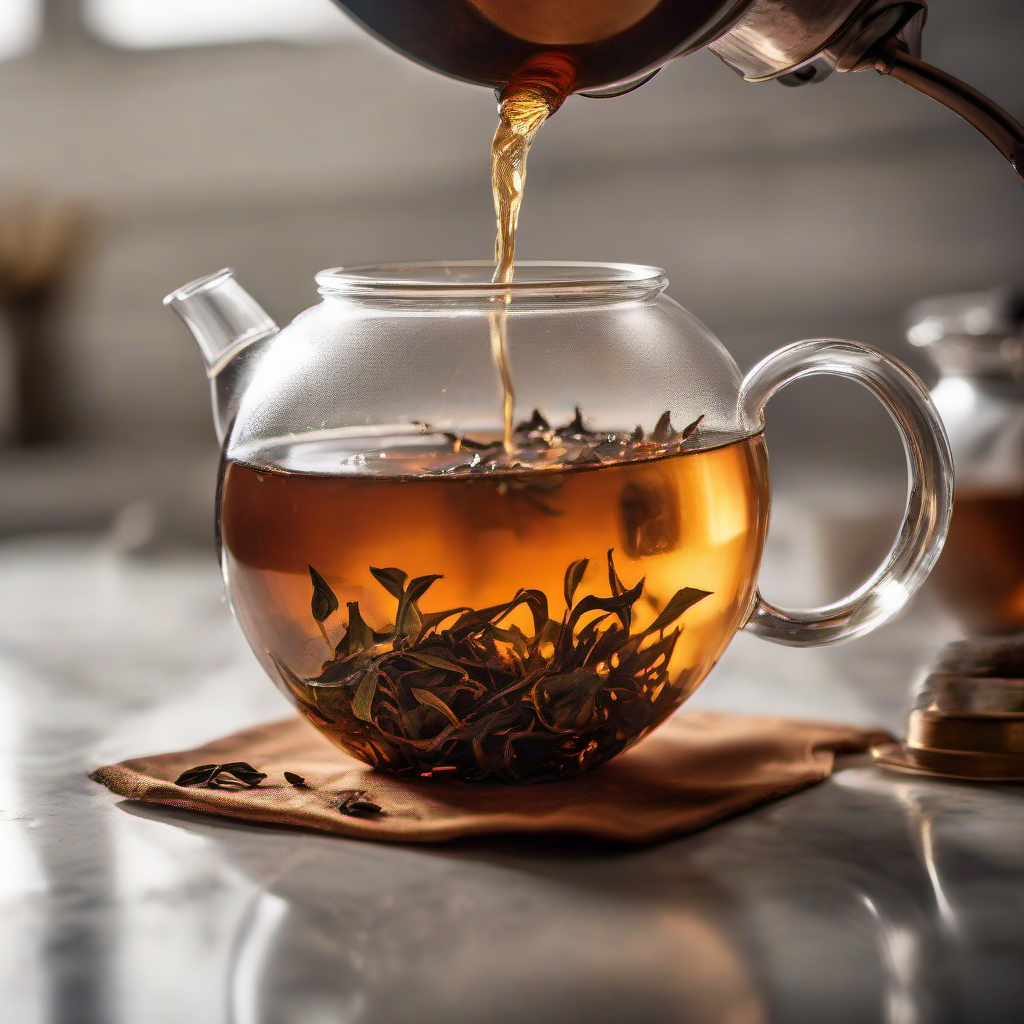
Glass teapots allow visual appreciation of the tea liquor's color and leaf unfurling, making them ideal for whole-leaf grades and flowering teas. The primary disadvantage is rapid heat loss through thin walls. Borosilicate glass withstands thermal shock better than standard glass and should be preheated before use.
Cast iron teapots (tetsubin) provide exceptional heat retention but require specific care. Modern enameled cast iron is suitable for brewing tea, while traditional unlined tetsubin are designed for heating water only — brewing tea directly in unlined iron affects flavor and damages the seasoned interior. According to research from UC Davis Global Tea Initiative, cast iron's superior heat retention maintains water temperature within 3-5°F of starting temperature throughout a 5-minute steeping period.
Stainless steel teapots are durable, non-reactive, and retain heat nearly as well as cast iron. They're ideal for travel and everyday use but lack the aesthetic appeal of traditional materials.
People Also Ask
Can you reuse black tea leaves for a second steeping?
High-quality whole-leaf black teas can produce 2-3 infusions using the gongfu method with short steeping times. Western-style brewing typically exhausts most flavor in the first steep, though a second 7-8 minute steeping yields a mild cup. CTC and broken-leaf grades do not re-steep well.
Does adding milk change how you should brew black tea?
When brewing black tea for milk additions, steep at the longer end of the recommended time range (4-5 minutes) to ensure robust flavor that won't be overwhelmed by dairy. Assam, Ceylon, and blends like English Breakfast are specifically blended to complement milk and sugar.
Why does my black tea taste bitter even when I follow timing guidelines?
Bitterness despite proper timing usually indicates water that's too hot for the specific tea variety, poor quality leaves, or stale tea past its peak freshness. Try reducing water temperature by 5-10°F and ensure your tea is stored in an airtight container away from light, heat, and moisture.
What Is the Ideal Tea-to-Milk Ratio?
For those who enjoy milk in black tea, the traditional British ratio is 3 parts tea to 1 part milk (approximately 2 ounces of milk per 6-ounce cup of tea). This ratio preserves tea flavor while adding creamy body and smoothing astringency. According to the UK Tea & Infusions Association, milk should be added after steeping is complete — adding milk before steeping prevents the water from reaching proper brewing temperature.
The "milk first" versus "milk last" debate has historical roots in protecting delicate porcelain from thermal shock, but with modern ceramics, pouring sequence is purely preference. Whole milk creates the richest texture, while 2% milk provides a lighter option. Non-dairy alternatives like oat milk and almond milk behave differently due to varying fat and protein content — barista-style plant milks formulated for hot beverages perform best in tea.
How Do You Store Black Tea to Maintain Freshness?
Store black tea in an airtight container away from light, heat, moisture, and strong odors to preserve flavor and antioxidant content. Properly stored black tea maintains optimal quality for 12-18 months from the production date, though it remains safe to drink indefinitely. Unlike green or white teas, black tea's fully oxidized state makes it relatively stable, but it still degrades over time.
Tea leaves are hygroscopic, meaning they absorb moisture from the air, which can lead to mold growth and loss of aroma compounds. Store tea at room temperature (65-75°F) in opaque containers — light exposure degrades theaflavins and diminishes color. Avoid storing tea near coffee, spices, or other aromatic ingredients as tea readily absorbs surrounding odors.
Vacuum-sealed packaging extends shelf life by removing oxygen that slowly oxidizes flavor compounds. Once opened, transfer tea to a ceramic, glass, or metal container with a tight-fitting lid. Avoid storing tea in the refrigerator or freezer — temperature fluctuations cause condensation that damages the leaves.
Black tea's fluoride content also supports dental health by strengthening tooth enamel and inhibiting cavity-forming bacteria.
Black tea contains 40-70mg of caffeine per 8-ounce cup — roughly half the amount in coffee — along with L-theanine, an amino acid that promotes alert calmness. According to research from Harvard's T.H. Chan School of Public Health, the caffeine-theanine combination enhances cognitive performance and attention without the jitteriness often associated with coffee.
Optimal brewing extracts these beneficial compounds fully. Under-brewed tea leaves antioxidants locked in the leaves, while over-brewed tea produces excessive tannins that can inhibit iron absorption when consumed with meals.
What Common Mistakes Should You Avoid When Brewing Black Tea?
Using water that's too hot is the most common mistake with delicate black teas like Darjeeling. While robust Assam can handle full boiling water, first-flush Darjeelings become harsh and lose their characteristic muscatel notes when brewed above 205°F. Always match water temperature to the specific black tea variety.
Steeping too long extracts excessive tannins that create mouth-puckering astringency. Set a timer and remove leaves promptly. If you prefer stronger tea, increase leaf quantity rather than steeping time.
Using old, stale tea produces flat, lifeless brews regardless of technique. Tea loses aromatic compounds and antioxidant potency over time. Purchase in quantities you'll consume within 6 months and store properly.
Neglecting to preheat the vessel causes significant temperature loss, especially in winter months or with small teacups. The 30 seconds required to preheat dramatically improves consistency.
Using poor quality water masks tea's nuanced flavors. If your tap water tastes unpleasant on its own, it will produce unpleasant tea. Invest in a simple carbon filter pitcher for immediate improvement.
Measuring tea by volume instead of weight produces inconsistent results because leaf size varies dramatically between tea types. Whole-leaf Yunnan teas are large and fluffy while CTC Assam is dense and compact. A teaspoon of each weighs differently. For precision, use a kitchen scale and measure by grams.
Expert Verdict: The Perfect Black Tea Brewing Method
The best way to brew black tea is to use 1 teaspoon (2-3 grams) of loose leaf tea per 8 ounces of filtered water heated to 200-212°F (93-100°C), steeped for 3-5 minutes in a preheated ceramic or glass teapot, with leaves removed immediately after steeping. This method consistently produces robust, balanced black tea with optimal flavor extraction and minimal bitterness. For visual learners, the BellofattoBrews brewing guide provides step-by-step instructions with temperature and timing recommendations for specific tea varieties.
Adjust temperature toward the lower end (200-205°F) for delicate, high-grade teas like Darjeeling first flush or Chinese Keemun. Use full boiling water (212°F) for robust, malty teas like Assam or blended breakfast teas. Always prioritize removing leaves on time over exact temperature — an extra 30 seconds of steeping causes more flavor degradation than a 5°F temperature difference.
Invest in three simple tools for dramatically better results: a variable-temperature electric kettle, a kitchen scale for measuring tea by weight, and a timer. These eliminate the guesswork from brewing and ensure reproducible results cup after cup.
Summary: Brewing Black Tea Properly in 2026
- Black tea requires water between 200-212°F (93-100°C) — near-boiling for robust varieties like Assam, slightly cooler for delicate Darjeelings.
- Use 1 teaspoon (2-3 grams) of loose leaf per 8-ounce cup, or one tea bag for broken-leaf grades.
- Steep for 3-5 minutes depending on tea type, setting a timer and removing leaves immediately to prevent bitterness from tannin over-extraction.
- Filtered or spring water with neutral pH and 50-150 ppm dissolved solids produces the cleanest flavor — avoid heavily chlorinated tap water.
- Preheat your teapot or cup with hot water before brewing to maintain consistent temperature throughout steeping.
- Common mistakes include using water that's too hot for delicate varieties, steeping too long, neglecting to preheat vessels, and using stale or improperly stored tea.
- Gongfu brewing with multiple short steepings reveals complex flavor layers in whole-leaf Chinese black teas, while Western brewing maximizes convenience for daily drinking.
Frequently Asked Questions
Can you brew black tea with lukewarm water?
Black tea brewed with lukewarm water (below 190°F) produces weak, flat-tasting tea because the water temperature is insufficient to extract theaflavins, thearubigins, and aromatic compounds from the oxidized leaves. For proper extraction, black tea requires water between 200-212°F. Cold brewing is the only low-temperature method that works, requiring 8-12 hours of contact time to compensate for reduced extraction efficiency.
How many times can you reuse black tea leaves?
High-quality whole-leaf black teas can produce 2-3 good infusions using the gongfu method with short steeping times (20-40 seconds per steeping). Western-style brewing typically exhausts most flavor and aroma compounds in a single 3-5 minute steep. Lower-grade CTC and broken-leaf teas do not re-steep well and should be discarded after the first infusion.
Should you cover black tea while it steeps?
Always cover black tea while steeping to prevent heat loss and trap volatile aromatic compounds that contribute to flavor and fragrance. Uncovered steeping allows essential oils to evaporate, reducing tea's complexity and richness. A tight-fitting lid on your teapot or a small saucer over a cup maintains optimal brewing temperature and preserves aromatics.
What is the difference between brewing loose leaf and tea bags?
Loose leaf black tea typically consists of whole or partially broken leaves that unfurl during steeping, allowing water to circulate freely and extract flavor evenly. Tea bags contain smaller broken-leaf grades or CTC (cut-tear-curl) tea that brews faster but with less complexity. Both require the same temperature and similar steeping times, though loose leaf generally produces superior flavor and allows for multiple infusions.
Adding sugar to black tea does not reduce its antioxidant content but adds empty calories that can offset the metabolic benefits of tea consumption. Research shows black tea's theaflavins and catechins remain bioavailable regardless of sweetener additions.
Why does restaurant iced tea taste different from home-brewed black tea?
Restaurant iced tea often tastes different because it's typically brewed in large batches using hot water, then cooled and held for hours, which degrades flavor compounds and increases oxidation. Some restaurants use lower-grade tea or add sweeteners and artificial flavors. Home cold-brewing produces fresher-tasting iced black tea by eliminating the heating and cooling cycle that damages delicate aromatics and creates stale notes.
This article was produced by an automated research tool. Content is for informational purposes only and should not replace professional advice. Nothing here is medical advice, and it is not a substitute for it. Talk to a doctor about anything affecting your health. Product and resource links throughout this article are included for informational value based on relevance and quality. WhichBrewForYou has no affiliate relationship with any linked third-party site and receives no commission from any recommended products or brands. BellofattoBrews (coffee and tea) and Golden Hive Mead (mead kits and resources) are personal recommendations from this publication's founder and have no affiliation with WhichBrewForYou.