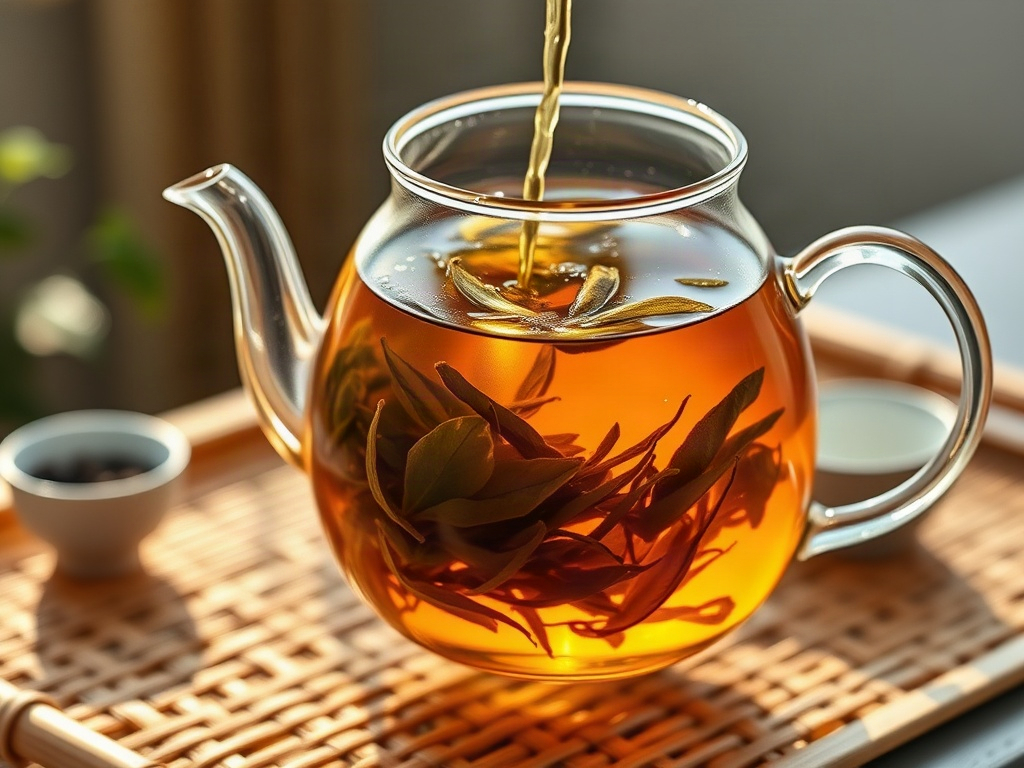
Key Takeaways
- Water temperature is the single most critical variable—using boiling water on green or white tea causes bitterness and destroys delicate compounds
- A standard ratio of one teaspoon loose leaf tea per 8 ounces of water produces consistent, balanced results across all tea types
- Steeping times range from 2-3 minutes for green tea to 4-5 minutes for black tea—over-steeping extracts harsh tannins
- Preheating your teapot or cup with hot water prevents temperature drop and ensures even extraction
- Loose leaf tea yields superior flavor, aroma, and nutritional content compared to tea bags, according to the UK Tea & Infusions Association
Why Water Temperature Matters More Than You Think
Water temperature directly determines which chemical compounds extract from tea leaves during brewing. Using the wrong temperature doesn't just affect flavor—it fundamentally changes the tea's nutritional profile and health benefits. A study published in Food Chemistry found that green tea brewed at excessive temperatures (above 185°F) experiences rapid catechin degradation, reducing antioxidant content by up to 30%. The UK Tea & Infusions Association confirms that each tea category has an optimal temperature range where desirable compounds extract without releasing bitter tannins. Here's what happens at different temperatures: • **160-175°F (71-79°C)**: Ideal for white and yellow teas. At this temperature, amino acids like L-theanine release without triggering astringent polyphenol extraction. • **175-185°F (79-85°C)**: Perfect for green and most oolong teas. This range extracts chlorophyll-based flavors and preserves vitamin C content. • **185-195°F (85-91°C)**: Best for darker oolongs and light black teas. Slightly more robust extraction brings out complexity without harshness. • **200-212°F (93-100°C)**: Required for black teas, pu-erh, and herbal infusions. These heavily oxidized or fermented leaves need full boiling to release their bold, malty characteristics.Related: Best Tea for Brewing Kombucha — Top Picks | WhichBrewForYou
The easiest beginner method: boil water in a kettle, then let it cool for the appropriate time. Remove from heat and wait 5-7 minutes for green tea temperatures, 3-4 minutes for oolong, or use immediately for black tea. A kitchen thermometer eliminates guesswork entirely.How Long Should You Steep Tea? A Complete Timing Guide
Steeping time controls flavor intensity and balance. Too short, and your tea tastes weak and flat. Too long, and harsh tannins overwhelm the delicate notes you're trying to experience.| Tea Type | Water Temperature | Steeping Time | Flavor Profile |
|---|---|---|---|
| White Tea | 160-175°F | 4-5 minutes | Delicate, slightly sweet, floral |
| Green Tea | 160-180°F | 2-3 minutes | Fresh, vegetal, grassy notes |
| Oolong Tea | 185-195°F | 3-5 minutes | Complex, fruity to toasty spectrum |
| Black Tea | 200-212°F | 4-5 minutes | Bold, malty, robust body |
| Pu-erh Tea | 200-212°F | 3-5 minutes | Earthy, smooth, aged character |
| Herbal Tea | 200-212°F | 5-7 minutes | Varies widely by ingredients |
What Is the Correct Tea-to-Water Ratio?
Professional tea tasters use a standardized ratio of 2 grams of tea per 100ml of water (roughly 1 teaspoon per 6 ounces). For beginners, one level teaspoon of loose leaf tea per 8-ounce cup produces reliably excellent results across nearly all tea types. This ratio assumes you're using loose leaf tea. Tea bags contain an average of 1.5-2 grams of tea—fine for convenience, but the leaf quality rarely matches loose leaf standards. The UK Tea & Infusions Association reports that loose leaf tea contains 15-30% more essential oils and intact leaf material compared to bagged CTC (crush-tear-curl) production. When measuring loose leaf: • **Needle-style teas** (like dragonwell or silver needle white tea): Use slightly more—1.5 teaspoons per cup. These tightly rolled leaves don't fill a teaspoon as densely. • **Bulky teas** (like chamomile or white peony): The full teaspoon measure works perfectly. • **Dense rolled oolongs** (like tie guan yin): One teaspoon is ideal. These pellets unfurl dramatically during steeping. Start with the standard ratio, then adjust to personal preference. Some drinkers prefer a bolder cup and increase to 1.5 teaspoons. Others enjoy lighter brews at three-quarters teaspoon per cup.Should You Use a Teapot, Infuser, or Gaiwan?
Brewing vessel choice affects temperature stability, leaf expansion, and ease of cleanup. For beginners, the right tool eliminates variables and builds confidence. **Teapots**: Ceramic or porcelain teapots excel at temperature retention and allow full leaf expansion. Preheat your teapot by filling it with hot water, letting it sit 30 seconds, then emptying before adding tea leaves. This simple step prevents a 10-15°F temperature drop that under-extracts your tea. **Basket Infusers**: Stainless steel or silicone basket infusers fit inside mugs and teapots, making them perfect for single servings. Choose infusers with fine mesh and adequate volume—tea leaves expand 3-5 times their dry size. Cramped leaves produce weak, uneven flavor. **Gaiwans**: Traditional Chinese lidded bowls allow you to see, smell, and control every aspect of brewing. Gaiwans are ideal for multiple short infusions of the same leaves (gongfu style). They're less intuitive for beginners but worth exploring once you're comfortable with basic techniques. **French Press**: An underrated option for beginners. A small French press provides excellent leaf expansion space, easy cleanup, and visual feedback as your tea steeps. Just thoroughly rinse it to remove coffee oils before brewing tea. Whatever vessel you choose, ensure leaves have room to expand. The Specialty Coffee Association's tea division research shows that restricted leaf expansion reduces extraction efficiency by 20-35%, resulting in flat, one-dimensional flavor.Why Water Quality Changes Everything
Tea is 98% water. Using tap water with chlorine, heavy minerals, or off-flavors means those characteristics dominate your cup no matter how perfectly you execute other techniques. Filtered water produces noticeably superior tea across every variety. Testing by the UK Tea & Infusions Association found that chlorinated tap water suppresses up to 40% of volatile aromatic compounds compared to filtered or spring water. The mineral content matters too. Water with 50-150 ppm total dissolved solids (slightly hard) enhances tea flavor and mouthfeel. Distilled water tastes flat because it lacks minerals to extract and bond with tea compounds. Very hard water (200+ ppm) creates cloudy, dull tea as calcium precipitates tannins prematurely. Use: • Filtered tap water (Brita, PUR, or similar) • Bottled spring water • Reverse osmosis water with a mineral additive Avoid: • Softened water (too much sodium) • Distilled or deionized water (no minerals) • Heavily chlorinated tap water Bring fresh water to temperature for each brewing session. Repeatedly boiled water loses dissolved oxygen, making tea taste flat and lifeless.How to Prevent Bitter Tea Every Single Time
Bitterness results from excessive tannin extraction, and it's entirely preventable. Following these three rules eliminates bitter tea from your life: **Rule 1: Never use boiling water on green, white, or oolong tea.** Even 10-15 seconds of boiling water contact extracts polyphenols that create mouth-puckering astringency. Wait for your water to cool to the correct temperature. **Rule 2: Remove leaves at the end of steeping time.** Leaving tea leaves in hot water continues extraction indefinitely. If you're using an infuser, pull it out. If brewing in a teapot, pour all the tea into your cup or a serving vessel. **Rule 3: Don't over-measure.** Using 2-3 teaspoons of tea when the recipe calls for one creates an over-concentrated brew that tastes harsh. Measure accurately until you develop intuition. According to research published in the Journal of Food Science, epigallocatechin gallate (EGCG)—the primary catechin in green tea—becomes increasingly bitter as concentration rises above 200mg per 100ml. Proper brewing keeps you in the sweet spot of flavor and health benefits.Related: How to Do a Second Fermentation for Kombucha | WhichBrewForYou
If your tea consistently tastes bitter despite following guidelines, try: • Reducing steeping time by 30 seconds • Lowering water temperature by 5-10 degrees • Using slightly less tea per cup • Switching to a higher quality tea (cheaper teas often contain more broken leaves and dust that over-extract rapidly)What About Multiple Infusions? Reusing Your Tea Leaves
Many high-quality loose leaf teas—especially oolongs, pu-erhs, and white teas—reward multiple infusions. The first steep awakens the leaves; subsequent steeps often reveal deeper, more complex flavors. For multiple infusions: **First infusion**: Follow standard time and temperature. This washes and opens the leaves. **Second infusion**: Increase steeping time by 30-60 seconds at the same temperature. The leaves have already expanded and release compounds more readily. **Third and beyond**: Keep adding 30-60 seconds per steep until flavor fades. Premium oolongs can yield 5-8 delicious infusions. The UK Tea & Infusions Association notes that gongfu-style brewing (multiple short infusions at higher leaf ratios) is the traditional Chinese method and maximizes the tea experience. Once you're comfortable with basics, explore this technique using 5 grams of tea in a gaiwan with 30-45 second steeps. Black teas generally don't benefit from multiple infusions—their full oxidation means most flavor compounds extract in the first brew. Green and white teas fall in the middle, offering 2-3 good infusions if you're attentive to timing.Do You Need to Rinse Your Tea Leaves First?
Rinsing involves pouring hot water over tea leaves, immediately discarding it, then brewing normally. This technique serves two purposes: it removes surface dust and it helps tightly rolled leaves begin unfurling. **When to rinse:** • Pu-erh tea (always—it removes storage mustiness) • Aged oolongs and dark teas • Compressed tea cakes or bricks • Any tea that's been stored long-term **When not to rinse:** • Delicate white or green teas (rinsing strips away first-flush flavor) • High-quality loose leaf from sealed packaging • Tea you've bought recently from reputable sources like quality loose leaf teas from BellofattoBrews The rinse itself should be quick—5-10 seconds maximum. Pour water at brewing temperature over the leaves, swirl gently, and discard. This "awakens" the leaves without extracting significant flavor. Research from UC Davis Global Tea Initiative shows that a brief rinse can reduce pesticide residues by 20-30% on conventionally grown teas, though organic and high-grade teas rarely contain concerning levels to begin with.What Temperature Should You Drink Your Tea?
Flavor perception changes dramatically with temperature. Most teas reveal their full flavor profile between 130-160°F—hot enough to release aromatics but cool enough that heat doesn't overwhelm your taste buds. Drinking tea immediately after brewing (at 180-200°F) numbs your palate and prevents you from tasting subtle notes. Professional tea tasters always let their samples cool to 140-150°F before evaluation. A study in the International Journal of Cancer found that regularly consuming beverages above 149°F increases esophageal cancer risk. The World Health Organization recommends waiting until drinks cool below 140°F before consumption. Let your freshly brewed tea rest 2-3 minutes before drinking. This brief wait enhances both safety and flavor appreciation. If you prefer piping hot tea, you're missing most of what makes great tea great.Common Tea Brewing Mistakes Beginners Make
Even with guidelines, certain errors appear repeatedly among new tea drinkers: **Mistake 1: Using the microwave.** Microwaves heat water unevenly, creating hot spots and dead zones. This produces inconsistent extraction. Boil water in a kettle or pot on the stove. **Mistake 2: Reusing tea bags.** Unlike quality loose leaf, tea bags contain low-grade dust and fannings that release 80-90% of their flavor in the first steep. Reusing them yields weak, flat liquid with no character. **Mistake 3: Adding milk to the wrong teas.** Milk proteins bind to and neutralize tea polyphenols, reducing antioxidant absorption by up to 85% according to research in the European Heart Journal. While milk works beautifully in robust black teas like Assam or Irish Breakfast, it overwhelms and ruins delicate green, white, or oolong teas. **Mistake 4: Storing tea improperly.** Tea absorbs odors and degrades in light and air. Store loose leaf in opaque, airtight containers away from spices, coffee, and strong-smelling foods. Green and white teas lose freshness within 6-12 months; black teas remain good for 2-3 years. **Mistake 5: Giving up after one bad experience.** Tea variety is enormous—thousands of distinct cultivars, processing methods, and flavor profiles exist. If your first green tea tastes like grass clippings, try a different variety or origin. Sencha differs wildly from longjing, which differs from matcha.People Also Ask About Tea Brewing
Can you brew tea in cold water?
Yes—cold brew tea uses room temperature or refrigerated water and 6-12 hours of steeping time. This method produces naturally sweet tea with minimal bitterness since tannins extract slowly at low temperatures. Use 1.5 times the normal leaf amount for cold brewing.
Why does my green tea always taste bitter?
Green tea tastes bitter when water temperature exceeds 180°F or steeping time exceeds 3 minutes. Both conditions extract excessive polyphenols. Lower your water temperature to 160-175°F and steep for exactly 2-3 minutes to eliminate bitterness completely.
Should I cover my tea while it steeps?
Yes—covering your teapot or mug during steeping retains heat and traps volatile aromatic compounds that would otherwise evaporate. This simple step intensifies flavor and ensures water stays at optimal temperature throughout the steeping process.
Building Your Tea Brewing Toolkit
You don't need expensive equipment to brew excellent tea, but a few key items make the process significantly easier: **Essential tools ($25-50 total investment):** • Variable temperature electric kettle with digital display ($30-40) • Large basket infuser with fine mesh ($8-12) • Kitchen thermometer if not using a temperature kettle ($10-15) • Airtight tea storage containers ($2-5 each) **Worthwhile upgrades:** • Glass teapot to observe leaf expansion and liquor color ($20-30) • Gaiwan for exploring gongfu brewing ($12-25) • Tea timer app or simple kitchen timer (free-$5) **Optional but enjoyable:** • Tea tray for containing spills during gongfu sessions ($25-60) • Tea scale for precise measurements ($15-30) • Travel infuser mug for brewing on the go ($20-40) The single best investment is a variable temperature kettle. According to the BellofattoBrews brewing guide, precise temperature control eliminates 90% of beginner brewing problems immediately. Buy whole leaf tea from reputable sources that provide origin information, harvest dates, and brewing recommendations. Quality tea costs $5-25 per ounce, and since each ounce yields 15-20 cups, the per-serving cost remains under $1—far less than café beverages.How to Develop Your Tea Palate
Tasting tea is a learned skill. Your palate improves with deliberate practice and attention. **Technique for mindful tasting:** 1. **Observe appearance**: Note the dry leaf color, size, uniformity, and condition before brewing. 2. **Smell the dry leaf**: Quality tea smells vibrant and complex even before water contact. Musty, flat, or absent aroma indicates old or low-grade tea. 3. **Watch the liquor**: As tea steeps, observe the color developing. Greenish-yellow for green tea, golden-amber for oolong, deep red-brown for black tea. 4. **Smell the wet leaf**: After steeping, inhale deeply over the infuser. This concentrated aroma preview tells you what flavors to expect. 5. **Slurp to aerate**: Professional tasters slurp tea loudly to spray it across the entire palate and release aromatics. This isn't rude—it's technique. 6. **Hold and swallow**: Let tea sit on your tongue for 3-5 seconds. Notice the initial flavor, the mid-palate development, and the finish after swallowing. Keep notes on teas you try. Rate each brew on a simple scale: water temperature used, steeping time, tea amount, and your subjective rating. After 10-20 brewing sessions, patterns emerge and your technique stabilizes. The UK Tea & Infusions Association recommends tasting multiple teas side-by-side to train comparison skills. Brew two different green teas or two oolongs simultaneously using identical parameters, then taste back-and-forth. This direct comparison sharpens your ability to detect subtle differences.Exploring Different Tea Categories
All true tea comes from Camellia sinensis, but processing creates six main categories with radically different characteristics: **White Tea**: Minimal processing—leaves are simply withered and dried. The result is delicate, naturally sweet tea with subtle floral notes. Silver Needle and White Peony are classic varieties. White tea contains the highest antioxidant levels since processing doesn't oxidize catechins. **Green Tea**: Leaves are heated (pan-fired or steamed) immediately after picking to prevent oxidation. Japanese green teas like sencha and gyokuro taste vegetal and umami-rich. Chinese green teas like longjing and biluochun lean toward sweet, nutty, and chestnut-like. **Oolong Tea**: Partially oxidized (15-85%) through controlled bruising and oxidation. This category shows the widest flavor range—from floral and creamy (tie guan yin) to dark and roasted (da hong pao). Oolong rewards multiple infusions better than any other tea type. **Black Tea**: Fully oxidized, yielding robust, malty flavors. Assam provides bold maltiness perfect for milk and sugar. Darjeeling offers lighter, muscatel notes. Ceylon brings bright, citrusy character. Black tea contains the most caffeine per cup. **Dark Tea (Pu-erh)**: Post-fermented through microbial action, creating earthy, smooth complexity that improves with age. Raw (sheng) pu-erh starts astringent and mellows over decades. Ripe (shou) pu-erh undergoes accelerated fermentation for immediate smoothness. **Yellow Tea**: Rare category similar to green tea but with an additional smothering step that creates mellow, slightly sweet character without grassiness. Start your exploration with high-quality versions of basic categories—a good Japanese sencha, a Chinese longjing, a Taiwanese oolong, an Assam black, and a white peony. This foundation lets you understand how processing fundamentally shapes flavor before exploring regional variations and specialty subcategories.Expert Verdict
The best tea brewing technique for beginners is simple consistency: measure one teaspoon loose leaf tea per 8-ounce cup, use filtered water heated to the correct temperature for your tea type (160-180°F for green/white, 185-195°F for oolong, 200-212°F for black), and steep for 2-5 minutes depending on the variety. These three variables—leaf amount, water temperature, and steeping time—control 95% of your tea quality. Master them before worrying about advanced techniques. Start with forgiving teas like Chinese green teas or lighter oolongs, which tolerate small mistakes without turning bitter. Use a timer and thermometer until the process becomes automatic. Quality loose leaf tea from reliable sources like BellofattoBrews loose leaf tea makes learning faster because superior tea forgives minor technique errors that would ruin low-grade tea. Track your results for 2-3 weeks—by your twentieth cup, you'll brew instinctively perfect tea every single time.Article Summary
- Water temperature is the most critical variable in tea brewing—white and green teas require 160-180°F while black teas need 200-212°F to extract properly without bitterness
- The standard ratio of one teaspoon loose leaf tea per 8 ounces of water produces consistent results across all tea types; adjust by 25% in either direction to match personal preference
- Steeping times range from 2-3 minutes for green tea to 4-5 minutes for black tea; over-steeping extracts harsh tannins that create astringency and mask delicate flavors
- Filtered water free from chlorine and excess minerals allows tea's natural flavor compounds to express fully; water quality affects taste as much as tea quality
- Loose leaf tea provides superior flavor, multiple infusion potential, and higher antioxidant content compared to tea bags containing dust and fannings from production
Frequently Asked Questions
How much caffeine is in a cup of tea compared to coffee?
Green tea contains 25-35mg caffeine per 8-ounce cup, black tea 40-70mg, while coffee contains 95-200mg. Tea releases caffeine more gradually due to L-theanine content, providing alertness without coffee's jitters. Steeping time and water temperature affect caffeine extraction significantly.
Can I add honey or sugar to tea without ruining it?
Yes—adding sweeteners is personal preference, not heresy. Honey complements floral teas, while sugar balances robust black teas. However, try quality tea unsweetened first to experience its natural character before deciding it needs enhancement. Many teas taste naturally sweet when brewed correctly.
Why does restaurant tea always taste worse than homemade?
Restaurants typically use low-grade tea bags, water at incorrect temperatures, and insufficient steeping time. They prioritize speed over quality. Brewing your own tea using proper technique and quality loose leaf produces dramatically superior results for a fraction of café prices.
How long does loose leaf tea stay fresh?
Green and white teas maintain peak flavor 6-12 months when stored properly in airtight, opaque containers away from light and moisture. Oolong and black teas remain excellent for 1-3 years. Pu-erh and aged dark teas improve indefinitely when stored correctly.
Should I buy organic tea or does it not matter?
Organic certification indicates pesticide-free cultivation, which matters most for teas you consume daily. USDA testing found pesticide residues on 30% of conventional tea samples but zero on certified organic. For occasional drinking, conventional tea from reputable sources is fine.
What's the difference between loose leaf tea and tea bags?
Loose leaf tea contains whole or large leaf pieces with intact cellular structure, preserving essential oils and flavor compounds. Tea bags contain broken leaves, dust, and fannings from processing, which release flavor quickly but lack complexity and depth. Loose leaf provides multiple infusions; bags yield one weak brew.
More Tea Articles
This article was produced by an automated research tool. Content is for informational purposes only and should not replace professional advice. Nothing here is medical advice, and it is not a substitute for it. Talk to a doctor about anything affecting your health. Product and resource links throughout this article are included for informational value based on relevance and quality. WhichBrewForYou has no affiliate relationship with any linked third-party site and receives no commission from any recommended products or brands. BellofattoBrews (coffee and tea) and Golden Hive Mead (mead kits and resources) are personal recommendations from this publication's founder and have no affiliation with WhichBrewForYou.