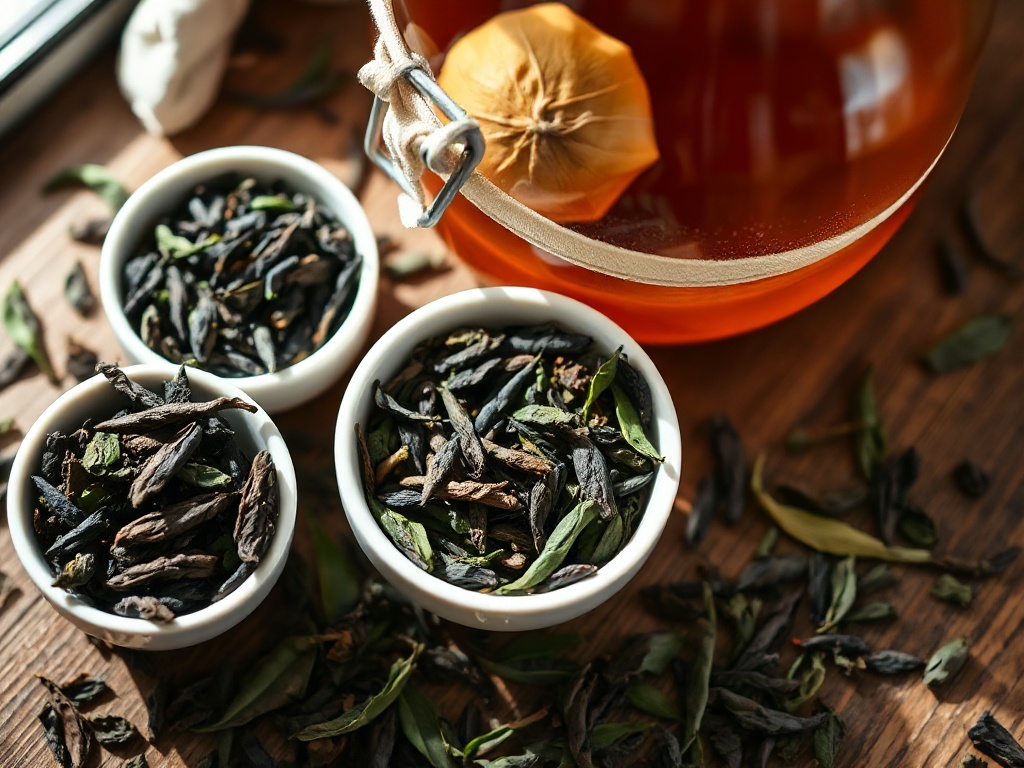
Key Takeaways
- Black tea is the gold standard for kombucha brewing because its high tannin content and nitrogen levels support vigorous SCOBY growth and consistent fermentation.
- Green tea produces milder kombucha with a lighter flavor profile but requires careful monitoring as the SCOBY ferments more slowly.
- Organic, unflavored tea is essential — oils, artificial flavors, and bergamot in Earl Grey can inhibit fermentation or harm the SCOBY culture.
- Tea blends create complexity when you combine 75% black tea with 25% green, oolong, or white tea for layered flavor without compromising SCOBY health.
- Use 4-6 grams of loose leaf tea per liter of kombucha, or 2-3 tea bags per liter, steeped for 7-10 minutes in water between 85-100°C depending on tea type.
Why Tea Choice Matters for Kombucha Brewing
The SCOBY that transforms sweet tea into tangy, probiotic-rich kombucha depends entirely on the nutrients, tannins, and nitrogen present in true tea leaves from the Camellia sinensis plant. According to research on fermented tea beverages, the polyphenols and caffeine in tea act as fuel for the bacterial and yeast colonies, directly impacting fermentation speed, acidity levels, and final flavor complexity.
Choosing the wrong tea can lead to weak fermentation, off-flavors, or even SCOBY death. Herbal "teas" like rooibos, chamomile, or peppermint lack the chemical structure the SCOBY needs and will not produce true kombucha. While adventurous brewers experiment with different Camellia sinensis varieties, understanding which teas support robust fermentation versus which create brewing challenges separates successful batches from disappointing ones.
The Kombucha Brewers International emphasizes that tea quality directly correlates with final product safety and taste. Commercial brewers almost universally start with black tea as their base because it delivers the most predictable, food-safe results. Home brewers benefit from following this professional standard while gradually experimenting with tea blends once they master basic fermentation principles.
Related: How to Do a Second Fermentation for Kombucha | WhichBrewForYou
What Makes Black Tea the Best Choice for Kombucha?
Black tea dominates kombucha brewing for scientifically measurable reasons. The oxidation process that transforms fresh tea leaves into black tea increases tannin concentration and creates robust flavor compounds that survive the acidic fermentation environment. Tannins act as antioxidants that protect the SCOBY from contamination while providing structure to the final beverage.
A 2017 study published in Food Microbiology found that black tea kombucha consistently reached optimal pH levels (2.5-3.5) faster than green tea versions, indicating more vigorous bacterial activity. The nitrogen content in black tea, which ranges from 4-5% of dry leaf weight, feeds the bacterial component of the SCOBY, particularly Acetobacter species responsible for converting alcohol into acetic acid.
Ceylon black tea from Sri Lanka and Assam tea from India rank as top choices among experienced brewers. Ceylon offers clean, bright notes without bitterness, while Assam provides malty depth and body. English Breakfast blends, typically combining Assam, Ceylon, and Kenyan teas, deliver balanced complexity that translates well through fermentation. These varieties contain 40-70 milligrams of caffeine per cup, providing adequate stimulation for yeast activity without overwhelming the culture.
Best Black Tea Varieties for Kombucha
| Tea Variety | Flavor Profile | SCOBY Performance | Best For |
|---|---|---|---|
| Ceylon | Bright, citrusy, light body | Excellent — fast fermentation | First-time brewers, clean flavor |
| Assam | Malty, full-bodied, robust | Excellent — vigorous SCOBY growth | Bold kombucha, cold climates |
| English Breakfast | Balanced, slightly sweet, smooth | Excellent — consistent results | All-purpose brewing |
| Keemun | Winey, slightly smoky, complex | Very good — moderate pace | Advanced brewers seeking complexity |
| Yunnan | Chocolatey, earthy, smooth | Very good — reliable fermentation | Rich, dessert-like kombucha |
For optimal results, steep black tea in water heated to 95-100°C for 7-10 minutes. This extended steep time, longer than typical tea drinking, extracts maximum tannins and nutrients. The strong, almost bitter tea you create is intentional — fermentation will mellow these compounds while the SCOBY consumes the nutrients.
How Does Green Tea Compare for Kombucha Brewing?
Green tea produces lighter, more delicate kombucha with subtle vegetal or grassy notes. However, green tea's lower tannin content means slower fermentation and a SCOBY that grows more gradually compared to black tea.
Sencha, the most common Japanese green tea, works well for kombucha when you want a clean, refreshing final product. Chinese green teas like Dragonwell or Gunpowder create earthy, slightly sweet kombucha. Avoid heavily steamed or matcha-style teas, as their powdered or paste-like consistency can cloud the brew and interfere with fermentation.
Many brewers find success with a 75/25 or 50/50 blend of black and green tea. This combination, recommended by Cultures for Health, provides the SCOBY with adequate nutrients from black tea while introducing the lighter flavor profile of green tea. The result is a more complex, layered kombucha that appeals to those who find pure black tea kombucha too assertive.
Green Tea Brewing Parameters for Kombucha
Steep green tea at 75-85°C for 7-10 minutes. While this temperature is higher than typical green tea drinking (where 70-80°C prevents bitterness), kombucha fermentation requires extracting more compounds from the leaves. The extended steep ensures adequate nitrogen and nutrient transfer to support the SCOBY. Expect fermentation to take 1-3 days longer than black tea kombucha, with final pH reaching 2.8-3.5 rather than the lower 2.5 range typical of black tea batches.
Can You Use Oolong or White Tea for Kombucha?
Oolong tea, semi-oxidized between green and black tea, creates uniquely floral or fruity kombucha. Ti Kuan Yin (Iron Goddess) oolong produces orchid-like aromatics, while darker oolongs like Da Hong Pao contribute roasted, mineral notes. Oolong's moderate tannin levels support SCOBY health better than green tea but require slightly longer fermentation than black tea. Most successful oolong kombucha uses a 50/50 blend with black tea to ensure reliable fermentation.
White tea, the least processed tea variety, contains minimal caffeine and tannins. While technically usable for kombucha, white tea alone produces extremely slow fermentation and weak acidity. The SCOBY often appears thin and fragile when fed only white tea. If you enjoy white tea's subtle sweetness, limit it to 25% of your tea blend, pairing it with black or oolong tea to maintain SCOBY vitality. The UK Tea & Infusions Association notes that white tea's delicate nature makes it best suited for drinking rather than fermentation applications.
Why You Should Avoid Certain Teas When Brewing Kombucha
Several tea types actively harm kombucha fermentation or SCOBY health. Understanding which teas to avoid prevents batch failures and maintains culture longevity.
Teas That Will Damage or Kill Your SCOBY
- Earl Grey and bergamot-flavored teas: Bergamot oil is antibacterial and will inhibit or kill the bacterial colonies in your SCOBY. Even one batch with Earl Grey can weaken the culture permanently.
- Flavored teas with added oils: Vanilla, almond, coconut, or any oil-based flavoring coats the SCOBY surface and prevents oxygen exchange, leading to suffocation and mold growth.
- Herbal "teas" (rooibos, chamomile, peppermint, hibiscus): These contain zero Camellia sinensis and lack the nitrogen, tannins, and caffeine the SCOBY requires. Herbal infusions will not ferment into kombucha.
- Detox or medicinal tea blends: Many contain senna, licorice root, or other herbs that interfere with fermentation or introduce compounds the SCOBY cannot process.
- Smoky teas like Lapsang Souchong: Heavy smoking introduces creosote and phenolic compounds that can create off-flavors and stress the SCOBY.
According to research from Kombucha Kamp, even small amounts of problematic ingredients can permanently alter SCOBY composition. If you want flavored kombucha, always ferment with plain tea first, then add fruit, herbs, or extracts during secondary fermentation after removing the SCOBY. This two-stage approach protects the culture while allowing unlimited flavor creativity.
Related: Best Tea Brewing Temperature Guide — Perfect Steep Every Time
How Much Tea Should You Use Per Batch?
The standard ratio for kombucha brewing is 4-6 grams of loose leaf tea per liter of finished kombucha, or approximately 2-3 standard tea bags per liter. This ratio provides sufficient nutrients for fermentation without creating excessive bitterness or tannin overload. For a typical 4-liter batch, use 16-24 grams of loose leaf tea or 8-12 tea bags.
Professional brewers often calculate tea quantity by volume rather than individual bags. One tablespoon of loose leaf black tea weighs approximately 2-3 grams, meaning 5-6 tablespoons per 4-liter batch. Loose leaf tea offers better quality control and lower cost per batch compared to tea bags, though both work effectively.
Step-by-Step Tea Preparation for Kombucha
- Boil the required amount of water (one-quarter to one-third of your total batch volume, as you'll add cold water later to cool it).
- Remove from heat and add loose leaf tea or tea bags. Steep for 7-10 minutes — longer than typical drinking tea to extract maximum nutrients.
- Remove tea leaves or bags. Add 100 grams of white sugar per liter of finished kombucha (dissolve completely while tea is still hot).
- Add cold water to bring the sweet tea to room temperature (20-25°C). Never add the SCOBY to hot liquid above 30°C, as heat will kill the culture.
- Transfer cooled sweet tea to your fermentation vessel, add starter liquid (10% of batch volume), then add the SCOBY.
The BellofattoBrews brewing guide emphasizes that temperature control during tea preparation is just as important as tea selection. Sudden temperature changes stress the SCOBY and can lead to uneven fermentation or mold contamination. Always verify your sweet tea has cooled to room temperature with a thermometer before introducing the culture.
Should You Choose Loose Leaf or Tea Bags for Kombucha?
Loose leaf tea offers superior quality and value for regular kombucha brewing. Tea bags often contain "fannings" or "dust" — broken tea particles that lack the full nutrient profile of whole leaves. However, tea bags provide convenience and consistent portioning, making them ideal for beginners or small batches.
If using tea bags, choose brands that clearly state "100% black tea" or "100% green tea" without added flavoring. Organic certification matters more for kombucha than drinking tea because fermentation concentrates any pesticide residues present on the leaves. A USDA organic certification ensures the tea was grown without synthetic pesticides or fertilizers.
For loose leaf tea, quality loose leaf teas from BellofattoBrews or specialty tea suppliers provide the cleanest ingredients for fermentation. Look for tea graded as "OP" (Orange Pekoe), "FOP" (Flowery Orange Pekoe), or "TGFOP" (Tippy Golden Flowery Orange Pekoe) — these grades indicate whole leaves with consistent quality. Avoid tea graded as "Dust" or "Fannings" unless cost is the primary concern.
How to Create Custom Tea Blends for Unique Kombucha Flavors
Once you've mastered basic black tea kombucha, blending multiple tea types creates signature flavors while maintaining SCOBY health. The key is always maintaining at least 50% black tea as your base, then experimenting with complementary varieties.
Proven Tea Blend Ratios for Kombucha
| Blend Name | Ratio | Flavor Profile | Fermentation Time |
|---|---|---|---|
| Classic Smooth | 75% black, 25% green | Balanced, slightly vegetal finish | 7-10 days |
| Floral Complexity | 60% black, 40% oolong | Orchid notes, fruity undertones | 8-12 days |
| Tropical Smooth | 70% black, 30% white | Subtle sweetness, very light | 9-14 days |
| Robust & Deep | 50% Assam, 50% Yunnan | Malty, chocolatey, full-bodied | 6-9 days |
| Bright & Citrusy | 80% Ceylon, 20% green | Clean, refreshing, tangy | 7-10 days |
When creating blends, mix the dry tea leaves before steeping rather than brewing separately. This ensures even extraction and consistent nutrient distribution. Keep detailed notes on your blends and fermentation times — slight variations in tea ratios can significantly impact final flavor and acidity levels.
Does Organic Tea Matter for Kombucha Brewing?
Organic tea is strongly recommended for kombucha production because fermentation concentrates both beneficial compounds and contaminants present in the tea leaves. Conventional tea often carries residues from synthetic pesticides, fungicides, and chemical fertilizers. While these residues might be negligible in a single cup of brewed tea, the SCOBY accumulates these compounds over multiple fermentation cycles, potentially introducing unwanted chemicals into your kombucha.
A study published in Food Chemistry found that fermented tea beverages showed higher concentrations of certain compounds compared to the original tea infusion, suggesting that the fermentation process alters and sometimes amplifies chemical profiles. While the research focused on beneficial polyphenols, the same concentration effect applies to any residues present.
Organic tea costs 20-40% more than conventional tea, but given that tea represents only 5-10% of total kombucha brewing costs (sugar and time being the larger investments), the quality improvement justifies the price difference. The SCOBY's health directly impacts every subsequent batch, making organic tea an investment in long-term brewing success rather than a per-batch expense.
People Also Ask
Can I use decaffeinated tea for kombucha?
Decaffeinated tea can work for kombucha but produces weaker fermentation and slower SCOBY growth because caffeine acts as a nitrogen source for the culture. If you must use decaf, blend it 50/50 with regular tea or extend fermentation time by 3-5 days. Expect a less vigorous SCOBY over multiple batches.
How long can I reuse the same SCOBY with black tea?
A healthy SCOBY fed with quality black tea can produce kombucha indefinitely with proper care. Each fermentation cycle creates a new layer, and you can peel away older layers every 5-10 batches. As long as the SCOBY smells yeasty-tangy (not rotten) and shows no mold, it remains viable for years.
Will green tea kombucha taste like green tea?
Green tea kombucha retains subtle vegetal or grassy notes from the original tea, but fermentation creates dominant sour and acidic flavors that overshadow delicate tea characteristics. Most green tea kombucha tastes lighter and less robust than black tea versions rather than distinctly "green tea flavored."
Expert Verdict: The Best Tea for Your First Kombucha Batch
Start with organic Ceylon or English Breakfast black tea in loose leaf form. These varieties provide foolproof fermentation, balanced flavor, and strong SCOBY growth. Use 5-6 grams of loose leaf tea per liter, steep for 8 minutes at 95-100°C, and combine with 100 grams of white sugar per liter. Once you've successfully completed 3-5 batches with pure black tea, experiment with 75/25 black-green blends to develop your signature flavor profile. Avoid all flavored teas, Earl Grey, and herbal infusions until you're ready for secondary fermentation flavoring, where they can be used safely without harming the SCOBY. The path to exceptional kombucha begins with excellent tea — invest in organic, unflavored Camellia sinensis varieties, and your SCOBY will reward you with consistent, delicious results batch after batch.
Article Summary
- Black tea, particularly Ceylon, Assam, and English Breakfast varieties, provides the optimal tannins and nitrogen for healthy SCOBY growth and balanced kombucha flavor.
- Green tea produces lighter, more delicate kombucha but ferments more slowly; blending 75% black with 25% green creates complexity without compromising fermentation.
- Use 4-6 grams of loose leaf tea per liter (or 2-3 tea bags), steeped for 7-10 minutes in hot water, then cooled to room temperature before adding the SCOBY.
- Avoid Earl Grey, flavored teas with oils, herbal infusions, and any tea not derived from Camellia sinensis — these damage or kill the SCOBY culture.
- Organic tea is strongly recommended for kombucha brewing because fermentation concentrates any pesticide residues present in conventional tea leaves.
Frequently Asked Questions
What happens if I use Earl Grey tea for kombucha?
Earl Grey contains bergamot oil, which has antibacterial properties that inhibit or kill the bacterial colonies in your SCOBY. Even one batch with Earl Grey can weaken the culture, leading to slow fermentation, off-flavors, or complete culture death. Always use unflavored black tea as your base.
Can I mix herbal tea with black tea for kombucha?
No, herbal "teas" lack the Camellia sinensis leaves that provide essential nutrients for the SCOBY. Mixing herbal tea with black tea dilutes the nitrogen and tannin content, weakening fermentation. Add herbal flavors during secondary fermentation after removing the SCOBY instead.
How do I know if my tea quality is affecting my kombucha?
Poor tea quality causes slow fermentation (taking longer than 14 days), weak acidity (pH above 3.5), thin SCOBY growth, or off-flavors. If you experience these issues consistently, switch to organic loose leaf Ceylon or Assam black tea and ensure you're using 5-6 grams per liter.
Is it better to use tea bags or loose leaf for kombucha?
Loose leaf tea provides better quality and value for regular brewing because it contains whole leaves with full nutrient profiles. Tea bags work fine for beginners or convenience, but choose bags labeled "100% black tea" without flavoring. For best results, invest in quality loose leaf tea once you commit to regular kombucha production.
Can I use the same tea for every batch of kombucha?
Yes, using the same tea type for multiple batches creates consistency in flavor and maintains SCOBY health. In fact, consistency is preferable — the SCOBY adapts to specific tea nutrient profiles. Sudden changes between tea types can temporarily stress the culture and cause uneven fermentation.
Why does my kombucha taste weak even with black tea?
Weak kombucha often results from insufficient tea quantity (use 5-6 grams per liter minimum), short steep time (steep for 8-10 minutes), or inadequate fermentation time (allow 7-14 days). Also verify your starting tea is cooling to room temperature before adding the SCOBY — hot liquid kills the culture, preventing proper fermentation.
More Tea Articles
This article was produced by an automated research tool. Content is for informational purposes only and should not replace professional advice. Nothing here is medical advice, and it is not a substitute for it. Talk to a doctor about anything affecting your health. Product and resource links throughout this article are included for informational value based on relevance and quality. WhichBrewForYou has no affiliate relationship with any linked third-party site and receives no commission from any recommended products or brands. BellofattoBrews (coffee and tea) and Golden Hive Mead (mead kits and resources) are personal recommendations from this publication's founder and have no affiliation with WhichBrewForYou.