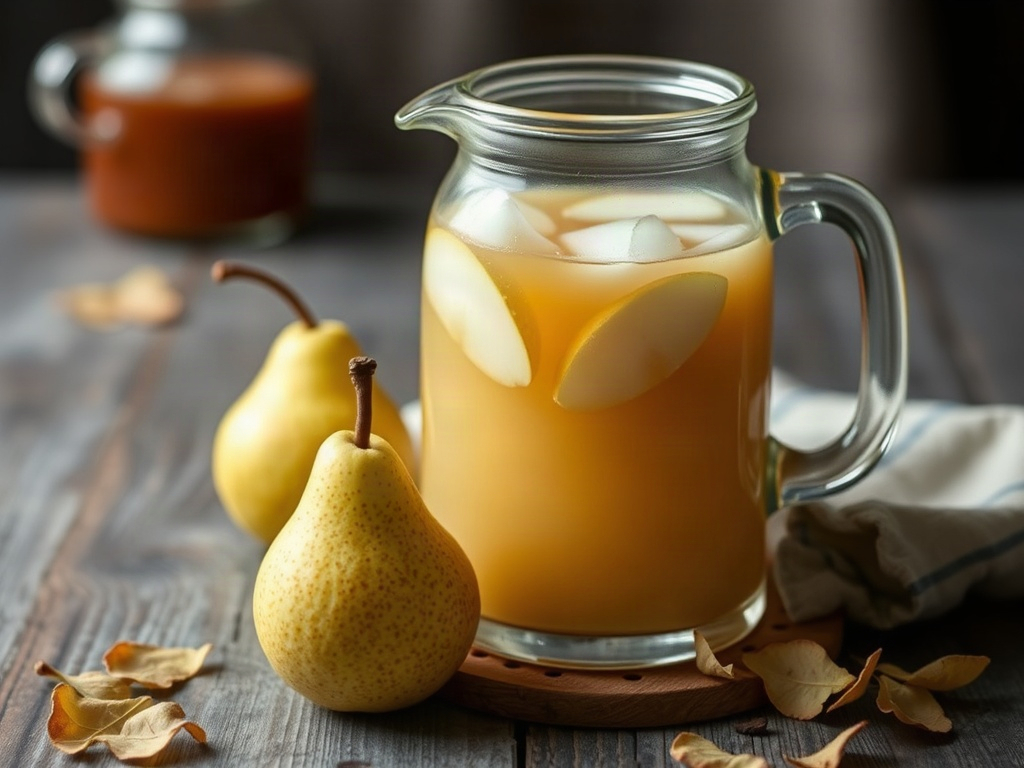
Key Takeaways
- Traditional perry pears contain higher tannins than dessert pears and produce superior cider
- 5-8 pounds of ripe pears yield approximately one gallon of juice for fermentation
- Champagne yeast (EC-1118) provides clean fermentation and preserves delicate pear aromatics
- Fermentation temperatures between 60-70°F prevent off-flavors and maintain pear character
- Proper bottle conditioning requires 2-3 weeks at room temperature for natural carbonation
- Adding tannin powder or blending with crabapple juice improves structure and mouthfeel
Why Pear Cider Differs From Apple Cider
Pear cider presents unique challenges compared to apple cider fermentation. According to the American Cider Association, pears contain less natural tannin than apples, resulting in thinner body and less astringency unless specific varieties or additives are used. The lower acidity of most dessert pears creates flatter-tasting cider without acid adjustments, while the higher sugar content can produce higher alcohol levels if fermentation runs to completion. Traditional perry pears—varieties bred specifically for cider making rather than fresh eating—contain significantly more tannins and acids. Research published in the Journal of Agricultural and Food Chemistry demonstrates that perry pears like Barland, Blakeney Red, and Thorn contain 2-3 times the tannin levels of Bartlett or Anjou pears. These compounds create the backbone, complexity, and age-worthiness that define classic English and French perries. Home cider makers working with standard grocery store pears can compensate for these deficiencies by adding tannin powder, blending with tannin-rich crabapples, or incorporating small amounts of black tea during fermentation. Each approach restores structural elements without masking the delicate pear aromatics that make perry distinctive.Flavor Profile Expectations
Well-made pear cider exhibits floral aromatics, stone fruit notes, and subtle honey sweetness with a crisp, dry finish. Unlike apple cider's forward fruit character, perry offers more nuanced, ephemeral flavors that require careful tasting to fully appreciate. The best examples balance sweetness, acidity, tannin, and carbonation to create a sophisticated drinking experience that rivals fine sparkling wine.What Equipment Do You Need to Make Pear Cider at Home?
Home pear cider production requires minimal specialized equipment, most of which serves double duty for other fermentation projects. According to the American Homebrewers Association, the following tools represent the essential kit for 1-5 gallon batches:| Equipment | Purpose | Alternatives |
|---|---|---|
| Fruit press or juicer | Extract juice from pears | High-speed blender + straining cloth |
| Primary fermenter (2-7 gallon) | Initial fermentation vessel | Food-grade plastic bucket with lid |
| Airlock and rubber bung | Allow CO₂ escape without oxygen entry | None—essential for preventing contamination |
| Glass carboy (1-5 gallon) | Secondary fermentation and clarification | Continue using primary fermenter |
| Hydrometer | Measure sugar content and track fermentation | Refractometer |
| Auto-siphon and tubing | Transfer cider without sediment | Careful pouring (less effective) |
| Bottles and caps/corks | Package finished cider | Flip-top bottles (no capper needed) |
| Sanitizer (Star San or similar) | Prevent bacterial contamination | None—sanitation is non-negotiable |
Related: Cider vs Beer Calories — Complete Nutrition Comparison
How to Select and Prepare Pears for Cider Making
Pear selection determines 70% of your final cider quality. Unlike apple cider, which benefits from blending multiple apple varieties, pear cider often showcases single-variety expressions or simple two-pear blends that highlight individual characteristics.Best Pear Varieties for Home Cider
Traditional perry pears remain difficult to source in North America, but several dessert pear varieties produce acceptable cider when properly managed:- Bartlett (Williams): High juice yield, moderate sweetness, low tannin—requires acid and tannin additions
- Bosc: Firmer texture holds up to pressing, slightly higher acid than Bartlett, good aromatic intensity
- D'Anjou: Lower acid but excellent sugar content, blends well with Bartlett
- Comice: Exceptionally sweet, produces high-alcohol cider if fermented dry, best blended
- Seckel: Small sugar pears with higher tannin, ideal for adding complexity to bland varieties
- Forelle: Balanced sugar/acid ratio, good standalone variety for beginners
Ripeness Assessment
Perfect cider pears yield slightly to thumb pressure at the neck, emit characteristic pear aroma, and show color changes from green toward yellow or red depending on variety. Under-ripe pears produce astringent, low-sugar juice that ferments poorly and tastes green and harsh, while over-ripe pears create off-flavors and increase infection risk from naturally occurring bacteria. Test ripeness by cutting a cross-section—fully mature pears show cream-colored flesh with no green tinge near the core. The seeds should be dark brown rather than white or pale tan.Washing and Sanitizing Fruit
Unlike beer brewing where ingredients arrive pre-sanitized, fruit cider making introduces wild yeasts, bacteria, and molds directly into your fermentation vessel. Thorough washing under cold running water removes surface contamination, while a brief soak in dilute acid solution (1 tablespoon citric acid per gallon of water) further reduces microbial load without affecting flavor. Some traditional perry makers argue for wild fermentation using native pear yeasts, but this approach carries significant risk for home brewers lacking temperature-controlled fermentation chambers and laboratory testing capabilities. According to MoreBeer's cider brewing guides, cultured yeast pitching produces more consistent results with fewer off-flavors.Step-by-Step Instructions: Making Pear Cider at Home
This recipe produces approximately one gallon (four 750ml bottles) of finished pear cider. Scale proportionally for larger batches.Ingredients for One-Gallon Batch
- 6-7 pounds ripe pears (yields ~1 gallon juice after pressing)
- 1 packet champagne yeast (Lalvin EC-1118 or Red Star Pasteur Champagne)
- 1 teaspoon yeast nutrient (Fermaid K or DAP)
- 1/4 teaspoon acid blend (optional, for low-acid varieties)
- 1/4 teaspoon pectic enzyme (optional, improves juice clarity)
- 1/8 teaspoon tannin powder (optional, adds body and mouthfeel)
- 2.5 ounces corn sugar (for bottle conditioning carbonation)
Juicing and Must Preparation
- Wash pears thoroughly under cold running water, scrubbing skins to remove dirt and residues
- Quarter pears and remove stems but leave skins, seeds, and cores—these contain flavor compounds and natural yeasts that can be controlled during fermentation
- Press or juice pears in small batches to prevent oxidation—work quickly and keep juice covered between pressing sessions
- Measure starting gravity using a hydrometer—ideal range is 1.045-1.055 (10.5-13% sugar) for balanced cider around 6-7% ABV
- Pour juice into sanitized primary fermenter leaving 20% headspace for foam during active fermentation
- Add pectic enzyme (if using) and allow to work for 2-4 hours at room temperature—this breaks down pectin that causes permanent haze
- Add yeast nutrient, acid blend, and tannin powder (if using) and stir gently to incorporate
Yeast Pitching and Primary Fermentation
- Rehydrate yeast according to packet instructions—typically 10 minutes in 95-105°F water (confirm temperature with thermometer)
- Pitch yeast into room-temperature juice (65-75°F)—avoid temperature shock by ensuring juice and yeast are within 10°F of each other
- Seal fermenter with airlock filled halfway with sanitizer or vodka
- Ferment at 60-70°F for 7-10 days—active bubbling should begin within 24 hours and gradually slow as sugars are consumed
- Monitor fermentation progress by observing airlock activity and checking gravity every 2-3 days after the initial week
Racking to Secondary
- When gravity reaches 1.005-1.000 (typically 10-14 days after pitching), transfer cider to sanitized glass carboy using auto-siphon
- Leave sediment behind in primary fermenter—this dead yeast and fruit matter creates off-flavors if left in contact too long
- Top up carboy with additional pear juice or water to minimize headspace and oxygen exposure
- Attach clean airlock and age for 2-4 weeks—cider will clarify naturally as remaining suspended particles settle
Bottling and Carbonation
- Confirm fermentation is complete by taking two gravity readings 3-5 days apart—stable readings at 1.000-0.995 indicate all fermentable sugars are consumed
- Sanitize bottles, caps, and bottling equipment using no-rinse sanitizer like Star San
- Dissolve priming sugar (2.5 ounces corn sugar for 1 gallon) in 1 cup boiling water and cool to room temperature
- Add cooled sugar solution to bottling bucket and gently siphon cider on top—avoid splashing to minimize oxygen pickup
- Fill bottles leaving 1-1.5 inches headspace and cap immediately using bottle capper
- Store bottles upright at room temperature (65-75°F) for 2-3 weeks to allow refermentation and carbonation
- Refrigerate for 24-48 hours before serving—cold temperatures enhance carbonation perception and crisp mouthfeel
Related: How Long Does Cider Take to Ferment — Complete Timeline
What Are the Most Common Mistakes in Pear Cider Making?
Even experienced brewers encounter challenges specific to perry production. Understanding these common errors prevents wasted fruit and disappointing results.Using Unripe or Over-Ripe Pears
Timing harvest for cider making differs from fresh eating. Grocery store pears arrive under-ripe for shipping durability and require home ripening before processing. Pressing pears immediately after purchase produces low-sugar juice with excessive malic acid that tastes green and astringent regardless of fermentation management. Conversely, mushy over-ripe pears harbor bacteria and wild yeasts that compete with pitched yeast strains, creating volatile acidity (vinegar character) and phenolic off-flavors.Inadequate Sanitation
Fruit cider making introduces significantly more contamination risk than grain beer brewing. Pear skins carry Acetobacter bacteria that convert alcohol to acetic acid, creating vinegar rather than cider. According to the Brewers Association, proper sanitation eliminates 95%+ of spoilage organisms, but requires systematic attention to every surface contacting juice or cider. Use dedicated cider-making equipment rather than sharing with other kitchen tasks. Sanitize immediately before use—sanitizer effectiveness degrades within hours of preparation.Temperature Fluctuations During Fermentation
Pear aromatics are volatile compounds that dissipate when exposed to temperature stress. Fermentation temperature swings of more than 5°F daily create stressed yeast that produce off-flavors including sulfur (rotten egg smell), acetaldehyde (green apple/latex paint), and excessive diacetyl (artificial butter). Research in the Journal of the Institute of Brewing demonstrates that stable fermentation temperatures preserve 40-60% more desirable ester compounds compared to fluctuating conditions.Bottling Before Fermentation Completes
The single most dangerous mistake in home cider making is bottling while residual sugar remains. Continuing fermentation in sealed bottles produces excessive CO₂ pressure that can exceed bottle strength, resulting in spontaneous explosions that cause serious injury and property damage. Always verify stable final gravity readings over 3-5 days before bottling—apparent completion based on airlock activity alone is insufficient confirmation.Insufficient Tannin and Acid
Dessert pears lack the structure of traditional perry fruit. Cider made from grocery store varieties without additions tastes flat, watery, and one-dimensional. Adding 1/8 teaspoon tannin powder per gallon and adjusting acid to 0.6-0.7% (measured with acid titration kit or estimated with acid blend additions) transforms thin pear juice into complex, age-worthy perry.How Long Does Homemade Pear Cider Take to Ferment?
Complete pear cider production from pressing to drinking requires 4-8 weeks depending on fermentation conditions, yeast selection, and desired carbonation level. Active primary fermentation consumes 7-14 days, secondary aging requires 2-4 weeks, and bottle conditioning takes an additional 2-3 weeks. Fast-fermenting champagne yeast strains like EC-1118 complete primary fermentation in 7-10 days at optimal temperatures (65-70°F), while slower ale yeasts (Safale S-04, Nottingham) may require 14-21 days. According to Northern Brewer's fermentation guides, longer primary fermentation does not improve quality—once gravity stabilizes, extended contact with gross lees (sediment) creates autolysis off-flavors described as meaty, rubbery, or soy sauce-like. Patience during secondary aging and bottle conditioning separates good cider from exceptional perry—rushing these maturation phases produces harsh, poorly integrated flavors that improve dramatically with time. Well-made pear cider reaches peak drinkability 2-4 months after bottling and can age gracefully for 1-2 years if stored cool and dark.What Variations Can You Try With Pear Cider?
Once you've mastered basic perry, dozens of variations expand your cider-making repertoire without requiring additional equipment or advanced techniques.Hopped Pear Cider
Adding aromatic hops during secondary fermentation creates a bridge style between cider and beer. Use 0.25-0.5 ounces of floral or citrus hops (Cascade, Amarillo, Citra) per gallon as a dry hop addition. Steep for 3-5 days before bottling. The Beer Judge Certification Program recognizes hopped cider as an experimental category combining fruit character with hop bitterness and aroma.Spiced Perry
Traditional English perries sometimes incorporate warming spices for winter consumption. Add whole spices during secondary fermentation: 1 cinnamon stick, 3-4 whole cloves, 2-3 allspice berries, and 1/2 inch fresh ginger per gallon. Taste daily and remove when desired intensity is reached (typically 3-7 days).Barrel-Aged Pear Cider
Small oak barrels (1-5 gallon capacity) or oak cubes/spirals add vanilla, caramel, and bourbon notes that complement pear fruit character. Age finished cider on medium-toast American or French oak for 4-12 weeks, sampling weekly to prevent over-oaking. Research in the Journal of Agricultural and Food Chemistry shows that oak aging increases perceived sweetness and body through extraction of glycerol and wood sugars.Pear-Apple Hybrid Cider
Blending 25-50% apple juice with pear juice combines pear delicacy with apple structure. This traditional approach predates pure perry in many cider-making regions. Use tart, high-tannin cider apples (crabapples, Granny Smith, bittersweet varieties) to balance pear softness.Wild-Fermented Perry
Advanced brewers can attempt spontaneous fermentation using only native yeasts present on pear skins. This technique requires temperature-controlled environments, careful monitoring for spoilage, and significantly longer fermentation periods (4-8 weeks primary, 2-4 months secondary). Success rates vary widely, but exceptional wild perries develop complex barnyard, earthy, and funky characteristics impossible to achieve with cultured yeast.People Also Ask
Can you make pear cider from store-bought juice?
Yes, but select juice labeled "100% pure pressed pear juice" without preservatives, added sugars, or vitamin C (ascorbic acid). Most commercial juices contain potassium sorbate which prevents fermentation. Pasteurized juice works fine—the heat treatment kills wild yeasts but doesn't affect fermentability when cultured yeast is pitched.
Does pear cider have more alcohol than apple cider?
Pear cider typically contains 5-8% ABV compared to apple cider's 4-7% ABV because pears average 12-15% fermentable sugars versus apples' 10-13%. Final alcohol depends on starting gravity and yeast attenuation—completely dry-fermented pear cider from high-sugar varieties can reach 8-9% ABV without sugar additions.
Why is my pear cider cloudy after fermentation?
Pear pectin creates persistent haze if not treated with pectic enzyme before fermentation. Add pectic enzyme during must preparation and allow 24 hours before pitching yeast. Cold-crashing (refrigerating) finished cider at 35-40°F for 1-2 weeks before bottling also promotes clarity by forcing suspended particles to settle faster.
How to Store and Serve Homemade Pear Cider
Proper storage preserves delicate pear aromatics and prevents premature aging or oxidation. Store bottled cider upright in cool (50-60°F), dark conditions away from temperature fluctuations and direct sunlight. According to Harvard's Nutrition Source, excessive heat degrades polyphenol antioxidants and flavor compounds in fruit beverages—conditions that accelerate oxidation and browning. Serve pear cider well-chilled at 40-45°F in champagne flutes or white wine glasses that concentrate aromatics and showcase carbonation. Pour gently down the side of the glass to preserve carbonation and create a light foam head. Perry's subtle flavors are easily overwhelmed by food, but it pairs exceptionally with:- Fresh goat cheese and mild blue cheeses
- Prosciutto and cured meats
- Roasted pork and poultry
- Almond-based desserts and fruit tarts
- Fresh pear and apple salads
What Nutrients and Health Considerations Apply to Pear Cider?
Fermented pear cider retains some nutritional compounds from fresh pears while introducing alcohol and eliminating simple sugars through yeast metabolism. According to the USDA FoodData Central database, dry pear cider contains:- 5-8% alcohol by volume (70-110 calories per 8 oz serving from alcohol alone)
- 0-5 grams residual sugar per serving depending on fermentation completeness
- Small amounts of B vitamins and minerals from yeast autolysate
- Polyphenol antioxidants including flavonoids and phenolic acids
- Trace amounts of vitamin C (most is destroyed during fermentation)
Troubleshooting Common Pear Cider Problems
Even careful brewers encounter unexpected challenges. Recognition and correction of common issues prevents batch losses and improves future results.Stuck Fermentation
Fermentation halts before reaching expected final gravity (remaining above 1.010 when targeting 1.000 or below). Causes include:- Insufficient yeast nutrient—pear juice lacks nitrogen compounds needed for healthy fermentation
- Temperature too low—yeast go dormant below 55°F
- Inadequate yeast pitch—old or under-pitched yeast struggles to complete fermentation
Vinegar Character
Sharp, acetic acid flavors indicate Acetobacter bacterial infection. This occurs when oxygen contacts fermenting cider through inadequate airlocks, loose-fitting lids, or prolonged secondary aging with excessive headspace. Prevention is easier than correction—vinegar character cannot be removed once established. Practice rigorous sanitation, minimize oxygen exposure during transfers, and keep fermenters properly sealed. Infected batches can be salvaged by converting to cooking vinegar (continue aerobic fermentation until fully converted) rather than discarding.Sulfur Smell (Rotten Eggs)
Hydrogen sulfide production results from stressed yeast—typically nutrient deficiency or fermentation temperatures above 75°F. Most sulfur dissipates during secondary aging and conditioning, but persistent sulfur indicates serious stress. Solution: Rack to secondary to remove yeast from sulfur-producing sediment, ensure adequate nutrition in future batches, and control fermentation temperature within optimal range. Copper contact (brief exposure to sanitized copper mesh or copper sulfate at 0.5 ppm) binds hydrogen sulfide, though this advanced technique requires careful measurement.Too Sweet or Too Dry
Final sweetness depends on yeast attenuation and fermentation completeness. Champagne yeasts ferment virtually all sugars creating bone-dry cider, while ale yeasts leave residual sweetness. To increase sweetness in finished dry cider: back-sweeten with fresh pear juice or apple concentrate after stabilizing with potassium sorbate and potassium metabisulfite (prevents refermentation). To reduce sweetness: pitch additional yeast and raise temperature slightly to encourage complete fermentation.Excessive Carbonation (Gushing)
Over-carbonated bottles gush foam when opened and may explode spontaneously. This results from bottling before fermentation completes or adding too much priming sugar. Prevention: Verify stable final gravity over multiple days before bottling, accurately measure priming sugar, and ensure complete dissolution in bottling solution. Store one bottle in refrigerator and test after 10 days—if severely over-carbonated, carefully open remaining bottles, combine in sanitized fermenter, allow CO₂ to escape, and re-bottle with less or no priming sugar.Expert Verdict
Making exceptional pear cider at home requires attention to three critical factors: pear ripeness and quality, fermentation temperature control, and patience during secondary aging and bottle conditioning. Dessert pears from grocery stores produce excellent perry when properly handled, though tannin and acid additions significantly improve structure and complexity. The difference between ordinary pear cider and outstanding perry lies not in exotic ingredients or expensive equipment, but in methodical sanitation, precise process control
More Cider Articles
This article was produced by an automated research tool. Content is for informational purposes only and should not replace professional advice. Nothing here is medical advice, and it is not a substitute for it. Talk to a doctor about anything affecting your health. Product and resource links throughout this article are included for informational value based on relevance and quality. WhichBrewForYou has no affiliate relationship with any linked third-party site and receives no commission from any recommended products or brands. BellofattoBrews (coffee and tea) and Golden Hive Mead (mead kits and resources) are personal recommendations from this publication's founder and have no affiliation with WhichBrewForYou.